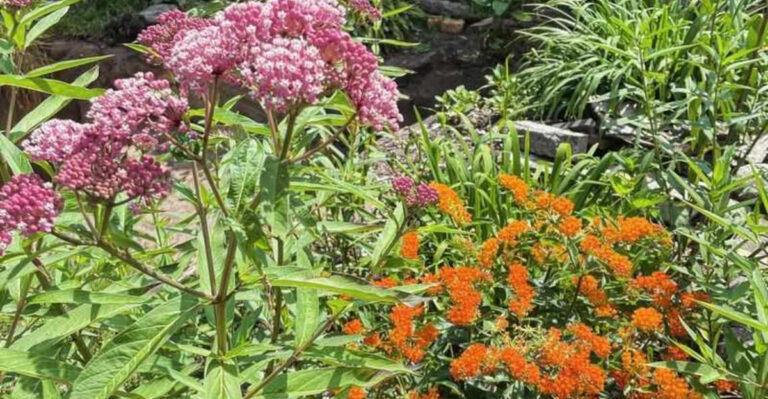
These Are 9 Helpful Insects Minnesota Yards Benefit From
Minnesota yards are full of small, hardworking insects that quietly keep gardens balanced, healthy, and productive without drawing much attention to themselves.
They patrol plants, manage pest populations, and support growth in ways that often go unnoticed until problems suddenly disappear on their own.
Many gardeners mistake these insects for nuisances, not realizing how much damage they prevent behind the scenes throughout the season.
Once you recognize which insects truly help Minnesota yards thrive, it becomes easier to appreciate how much of the garden’s success depends on them.
1. Ladybugs

Bright red shells with cheerful black spots make ladybugs one of the most recognizable insects found in gardens across Minnesota during warmer months.
These small beetles have an enormous appetite for aphids, which are tiny pests that suck the life out of plants and cause serious damage.
A single ladybug can consume up to fifty aphids in just one day, making them incredibly effective natural pest controllers for your yard.
Gardeners throughout Minnesota appreciate how ladybugs also eat scale insects, mites, and other soft-bodied pests that threaten vegetable and flower gardens alike.
Their larvae look quite different from adults, resembling tiny alligators with orange and black markings that also feast on garden pests enthusiastically.
Providing flowering plants like dill, fennel, and yarrow encourages ladybugs to stick around your property throughout the entire growing season ahead.
These beetles prefer habitats with plenty of hiding spots, so leaving some leaf litter or mulch gives them shelter during cooler evenings.
Avoiding harsh chemical pesticides protects ladybug populations and allows them to continue their important work controlling harmful insects in Minnesota yards naturally.
2. Ground Beetles
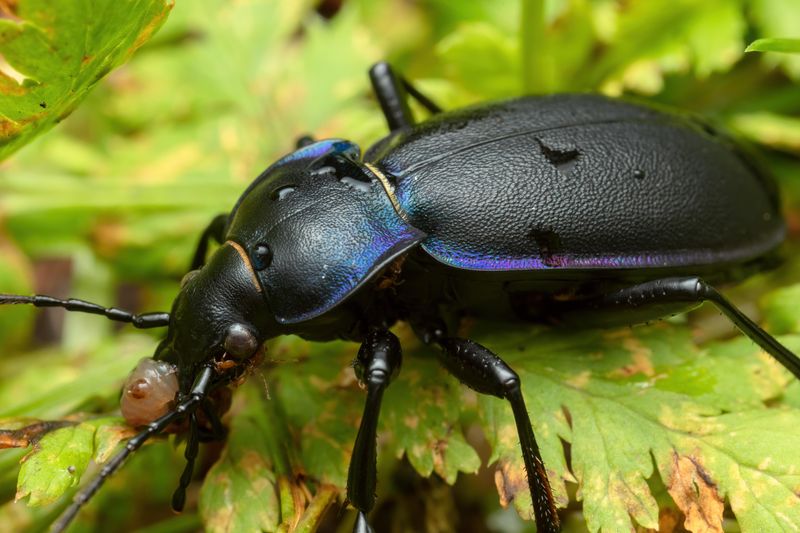
Shiny black or metallic bodies help ground beetles blend into the soil where they hunt for pests during nighttime hours across Minnesota landscapes.
Most homeowners never notice these nocturnal hunters because they hide under rocks, logs, and mulch throughout the day before emerging after sunset.
Ground beetles consume slugs, snails, caterpillars, and root maggots that would otherwise damage vegetable crops and ornamental plants in your outdoor spaces.
Their strong jaws allow them to tackle larger pests that many other beneficial insects cannot handle effectively on their own in gardens.
Minnesota gardeners benefit greatly from ground beetles because they patrol the soil surface and keep pest populations under control without any human intervention.
Creating habitat with stones, wood pieces, and dense ground covers gives these beetles the shelter they need to establish permanent populations nearby.
Some species can live for several years, providing consistent pest control season after season in your yard without requiring any chemical treatments.
Reducing nighttime outdoor lighting helps ground beetles hunt more effectively since they rely on darkness to locate their prey safely each evening.
3. Lacewings
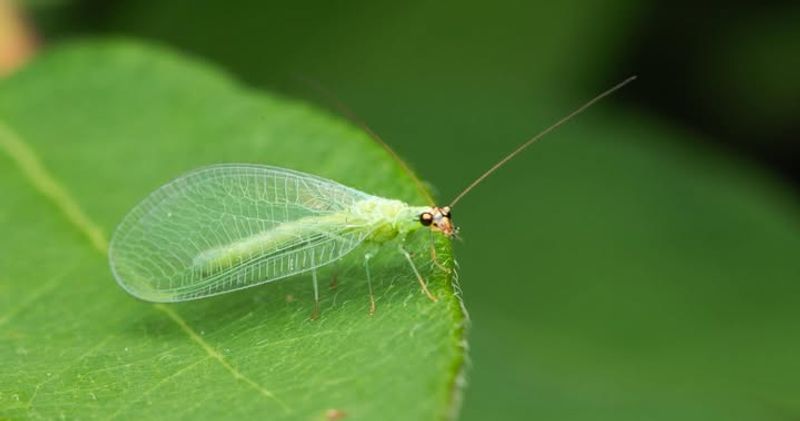
Delicate green bodies and transparent wings with intricate veining make lacewings appear almost magical when they flutter through Minnesota gardens on summer evenings.
Adult lacewings feed primarily on nectar and pollen, but their larvae are ferocious predators that gardeners absolutely love for their pest-control abilities.
Lacewing larvae, sometimes called aphid lions, use their curved jaws to grab aphids, mealybugs, thrips, and caterpillar eggs with remarkable efficiency daily.
A single lacewing larva can consume hundreds of aphids before it transforms into an adult, making them incredibly valuable allies in Minnesota yards.
These insects prefer gardens with diverse flowering plants that provide nectar sources for adults while supporting large populations of prey for larvae.
Planting species like cosmos, sweet alyssum, and coreopsis attracts lacewings and encourages them to lay eggs near areas with pest problems naturally.
Their eggs appear on thin stalks attached to leaves, protecting them from predators and giving larvae immediate access to food upon hatching quickly.
Avoiding broad-spectrum insecticides preserves lacewing populations and allows them to provide continuous pest management throughout the growing season in your landscape.
4. Bumblebees

Fuzzy bodies covered in dense hair allow bumblebees to collect and transport pollen efficiently while visiting flowers throughout Minnesota gardens each day.
Unlike honeybees, bumblebees can fly in cooler temperatures and cloudy conditions, making them especially important pollinators during unpredictable Minnesota spring weather.
Their large size and strong flight muscles enable them to buzz pollinate certain flowers like tomatoes and blueberries that other insects cannot.
Bumblebees live in small colonies, often nesting in abandoned rodent burrows or dense grass clumps where they raise their young throughout summer.
Minnesota homeowners benefit from bumblebees because they pollinate vegetables, fruits, and wildflowers that would produce little or no harvest without their assistance.
Providing early-blooming flowers like crocuses and later-season plants like asters ensures food sources throughout the entire active season for these pollinators.
Leaving some areas of your yard unmowed creates nesting habitat and gives bumblebee queens places to establish new colonies each spring successfully.
These gentle insects rarely sting unless directly threatened, making them safe neighbors for families enjoying outdoor activities in their yards regularly.
5. Parasitic Wasps
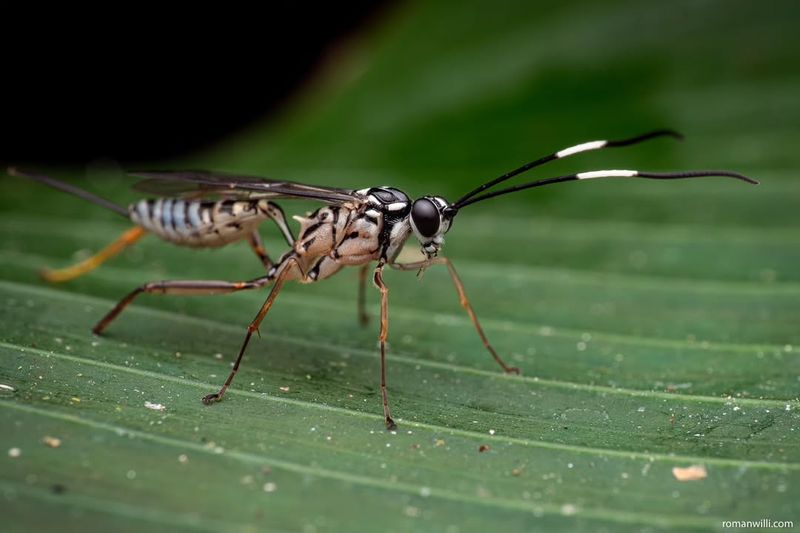
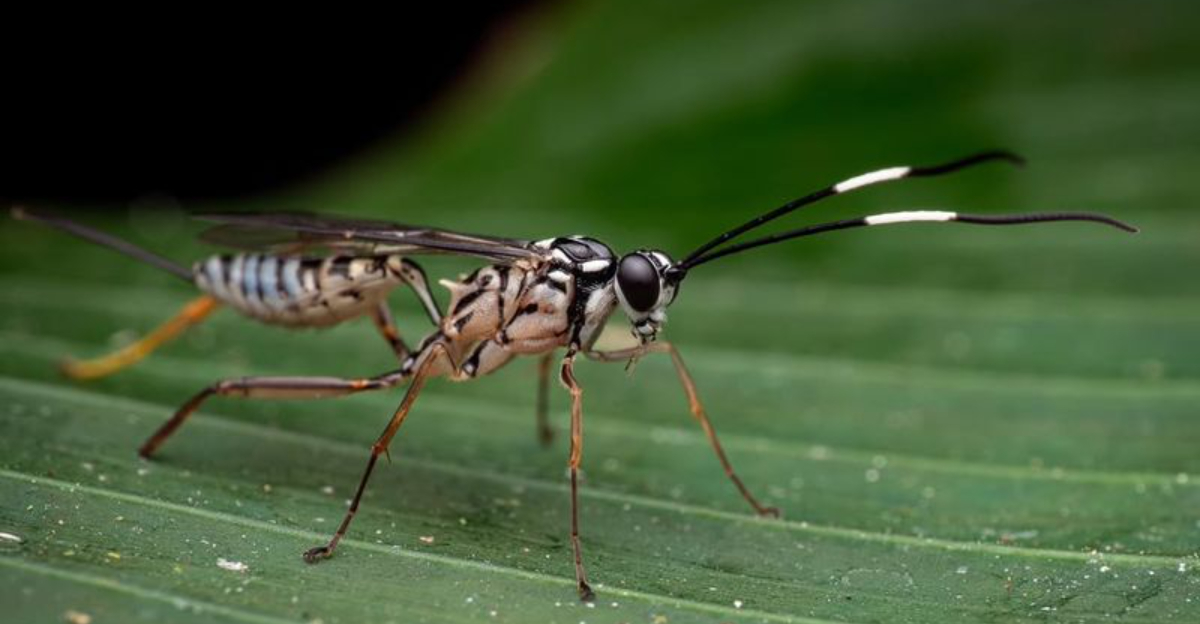
Incredibly small size makes parasitic wasps easy to overlook, yet they provide some of the most effective pest control available in Minnesota gardens.
These wasps do not sting people or build large nests like their aggressive cousins; instead, they lay eggs inside or on pest insects.
When the wasp eggs hatch, the larvae consume the host pest from the inside, naturally reducing populations of harmful caterpillars and beetles effectively.
Different species target specific pests, including tomato hornworms, aphids, whiteflies, and beetle larvae that damage crops and ornamental plants throughout the state.
Minnesota gardeners who encourage parasitic wasps often see dramatic reductions in pest damage without needing to apply any chemical treatments to plants.
Planting small-flowered herbs like dill, parsley, and cilantro provides nectar that adult wasps need for energy while they search for hosts daily.
Allowing some pests to remain in your garden actually helps maintain parasitic wasp populations by providing hosts for them to reproduce successfully.
These tiny allies work quietly behind the scenes, keeping pest numbers low and helping your garden stay healthy throughout the entire growing season.
6. Hoverflies
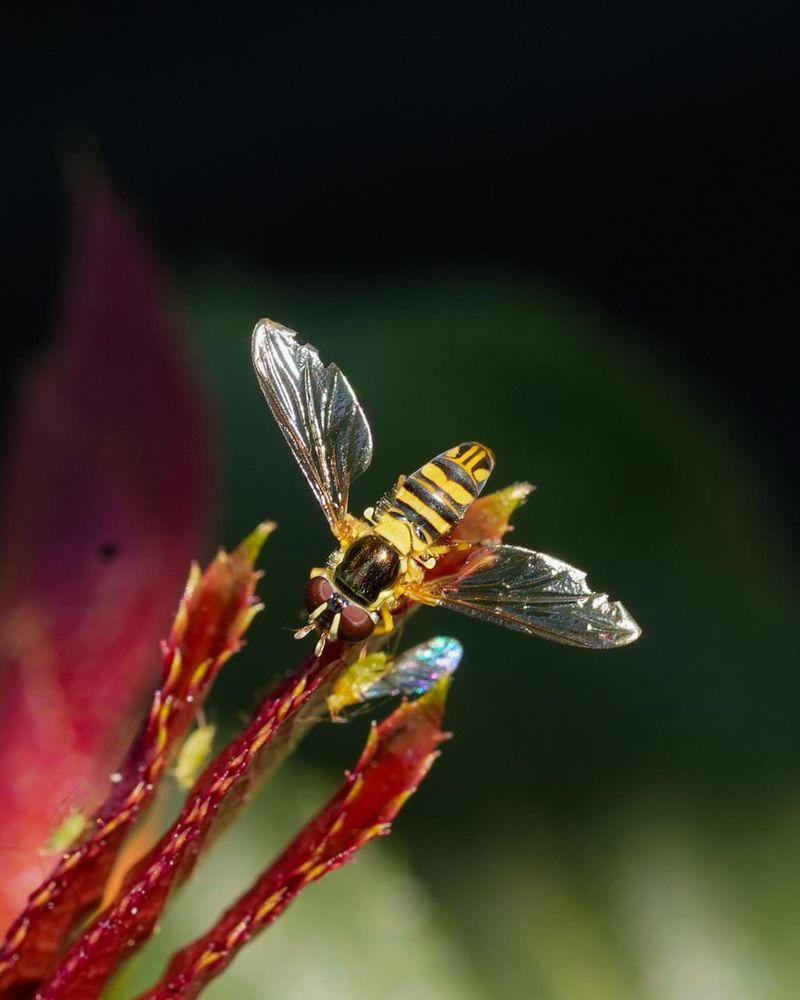
Bright yellow and black stripes make hoverflies look like bees, but their ability to hover motionless in midair reveals their true identity.
These flies are completely harmless to humans since they cannot sting, yet they mimic bees to gain protection from predators in Minnesota gardens.
Adult hoverflies feed on nectar and pollen, making them important pollinators for vegetables, herbs, and flowering plants throughout the growing season here.
Their larvae look like tiny slugs and have a tremendous appetite for aphids, consuming dozens each day while crawling along plant stems.
Minnesota homeowners benefit from both life stages of hoverflies since adults pollinate while larvae control pests in a single beneficial insect species.
Planting flowers with accessible nectar like marigolds, zinnias, and sunflowers attracts adult hoverflies and encourages them to lay eggs near aphid colonies.
Hoverfly larvae often go unnoticed because they blend in with plant foliage, but they work tirelessly to reduce pest populations without intervention.
Providing a variety of flowering plants that bloom from spring through fall ensures hoverflies have continuous food sources in your yard always.
7. Praying Mantises
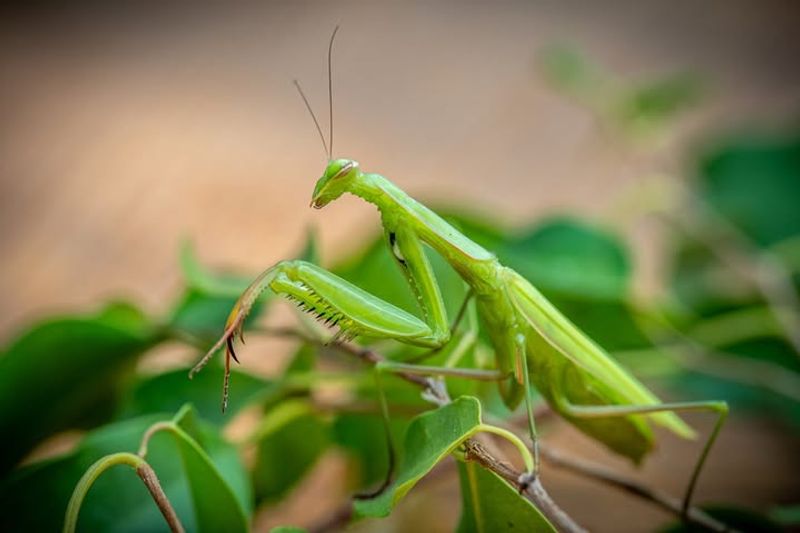
Triangular heads that swivel almost completely around give praying mantises exceptional vision for spotting prey in Minnesota gardens during summer and fall.
These large insects are generalist predators that consume moths, beetles, grasshoppers, and other insects that might otherwise damage plants in your landscape.
Their folded front legs snap forward with lightning speed to grab unsuspecting prey, making them highly effective hunters throughout the growing season.
Praying mantises prefer to ambush prey from strategic perches on plants where they wait patiently for hours until something edible comes within range.
Minnesota gardeners appreciate how mantises control a wide variety of pest insects, though they also occasionally eat beneficial insects and pollinators nearby.
Providing tall plants and diverse vegetation gives mantises plenty of hunting spots and encourages them to patrol different areas of your yard.
Female mantises lay egg cases called oothecae on twigs and stems in fall, which overwinter and hatch in spring when temperatures warm sufficiently.
Protecting these egg cases ensures new generations of mantises emerge to continue providing pest control in your garden year after year naturally.
8. Soldier Beetles
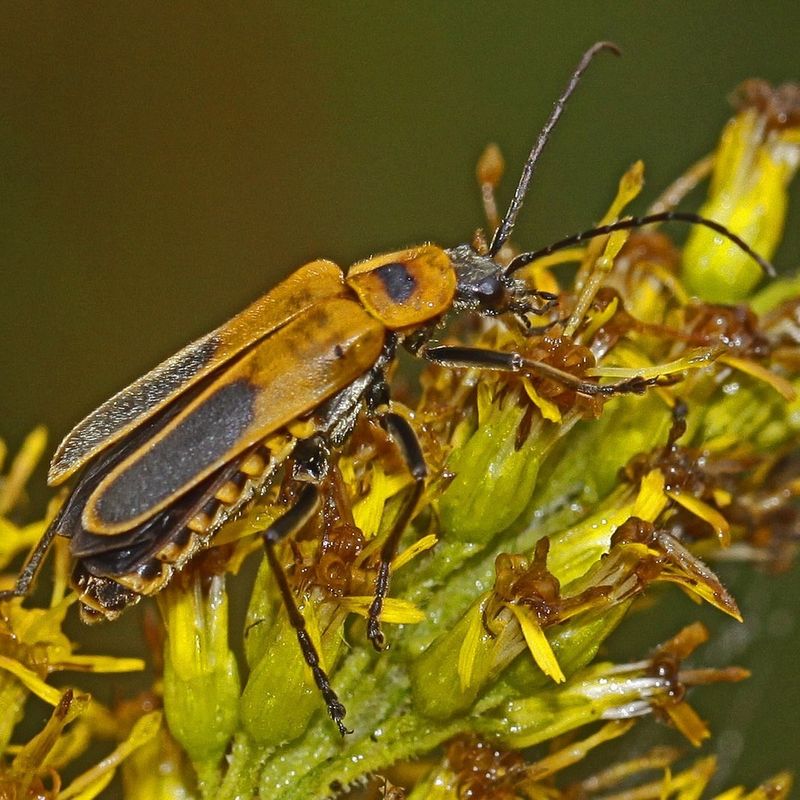
Elongated bodies with soft wing covers distinguish soldier beetles from other beetles commonly found in gardens throughout Minnesota during summer months here.
Their orange and black coloring serves as a warning to predators that they taste unpleasant, allowing them to hunt openly on flowers.
Adult soldier beetles feed on nectar and pollen but also consume aphids, caterpillar eggs, and other soft-bodied pests while visiting flowering plants.
Their larvae live in soil and leaf litter, hunting for pest eggs and grubs that damage plant roots underground in your landscape.
Minnesota homeowners benefit from soldier beetles because both adults and larvae contribute to pest control while adults also provide some pollination services.
These beetles are particularly attracted to flowers with flat or open shapes like goldenrod, hydrangea, and catnip that make nectar easily accessible.
Leaving some areas of leaf litter and mulch undisturbed provides habitat for larvae and gives them places to hunt for pests effectively.
Soldier beetles are most active during warm, sunny days when they can be seen crawling across flower heads searching for food constantly.
9. Spiders
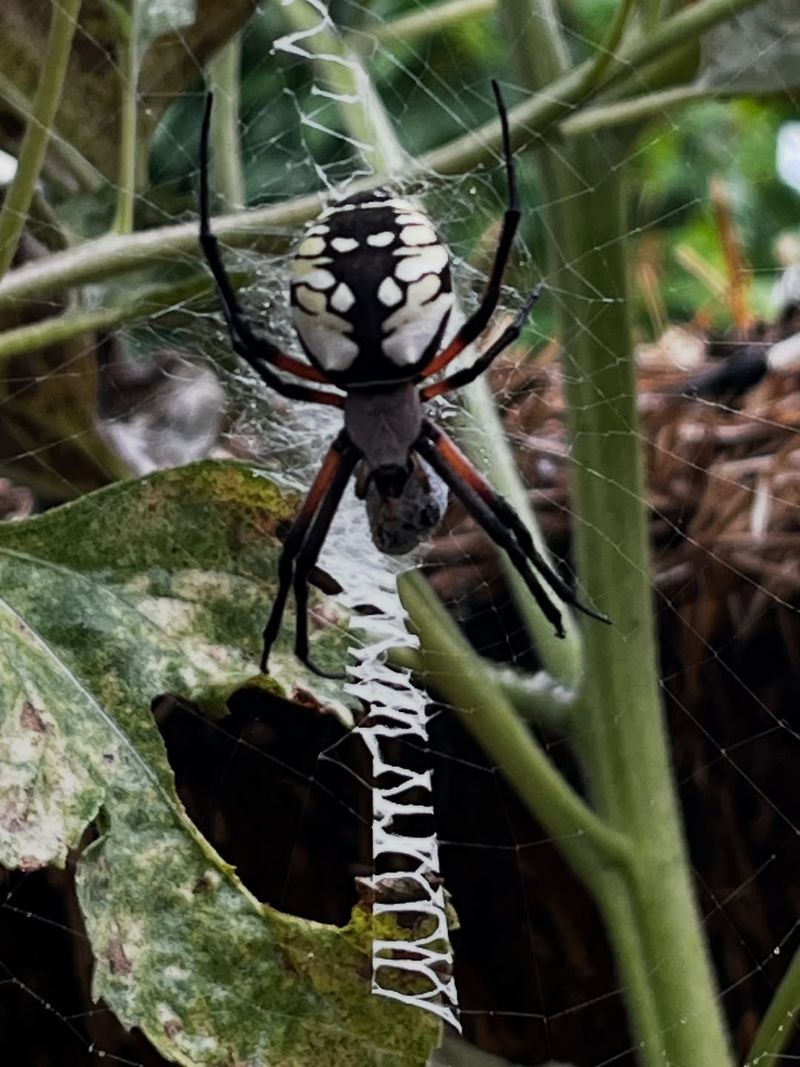
Intricate webs stretched between plants capture flying insects that might otherwise damage vegetables and flowers in Minnesota yards throughout the growing season.
While technically arachnids rather than insects, spiders play such an important role in pest control that no beneficial creature list would be complete.
Different spider species use various hunting strategies, from building webs to actively stalking prey across leaves and soil surfaces in gardens.
Common garden spiders consume mosquitoes, flies, moths, and beetles that would otherwise become problematic if their populations grew unchecked in landscapes.
Minnesota gardeners who overcome their fear of spiders often discover these eight-legged helpers are fascinating and incredibly beneficial for maintaining balanced ecosystems.
Providing diverse plant structures like tall grasses, shrubs, and perennials gives spiders places to build webs and hunt for prey successfully.
Most garden spiders are harmless to humans and prefer to avoid contact, focusing their attention entirely on catching insect prey instead.
Reducing outdoor lighting at night prevents attracting excessive insects that might disrupt natural predator-prey relationships spiders help maintain in your yard.