These Are The Arizona Yard Mistakes That Make Pest Problems Explode After The First Monsoon Storm
One monsoon storm is sometimes all it takes for a quiet yard to suddenly feel full of pest problems. Homeowners notice more movement around walls, wet gravel, drains, patios, and overgrown plants almost overnight.
What looked completely harmless during dry weather can quickly turn into the perfect setup once humidity and standing moisture show up.
A lot of people focus on sprays and treatments after pests appear. That usually happens too late.
The bigger issue often comes from common yard habits that create cool hiding spots and damp conditions before storms even arrive.
Overwatered areas, packed storage corners, thick ground cover, and clogged drainage spots can all make things worse fast.
In Arizona, monsoon moisture exposes problems many homeowners never noticed during the hottest part of summer.
1. Letting Dense Overgrowth Stay Wet For Days

Wet overgrowth is basically a pest resort. After a monsoon storm soaks your yard, dense shrubs and tall weeds hold moisture for days longer than open ground does.
Bugs love that. Cockroaches, ants, and crickets all push toward damp, shaded vegetation when the rest of the yard starts drying out again.
Overgrown areas also block airflow. Without good circulation, plants stay damp at the base far longer than they should.
That moisture encourages fungus gnats and other small insects that breed fast.
Trim back shrubs regularly, especially before storm season picks up. Keep growth away from walls, fences, and the foundation of your home.
Tall weeds are just as much of a problem as ornamental plants. Pull them before they get established, and do not let them pile up after pulling.
Wet weed clumps on the ground are just as attractive to pests as living plants.
Ground-level growth is the biggest concern. Low, dense plants that touch the soil stay wet the longest and give insects the most cover.
Raise the canopy of larger shrubs by trimming the lower branches. Good airflow underneath makes a real difference after storms.
A yard that dries out faster simply gives pests fewer reasons to move in and stay.
2. Overflowing Birdbaths That Turn Into Mosquito Hotspots
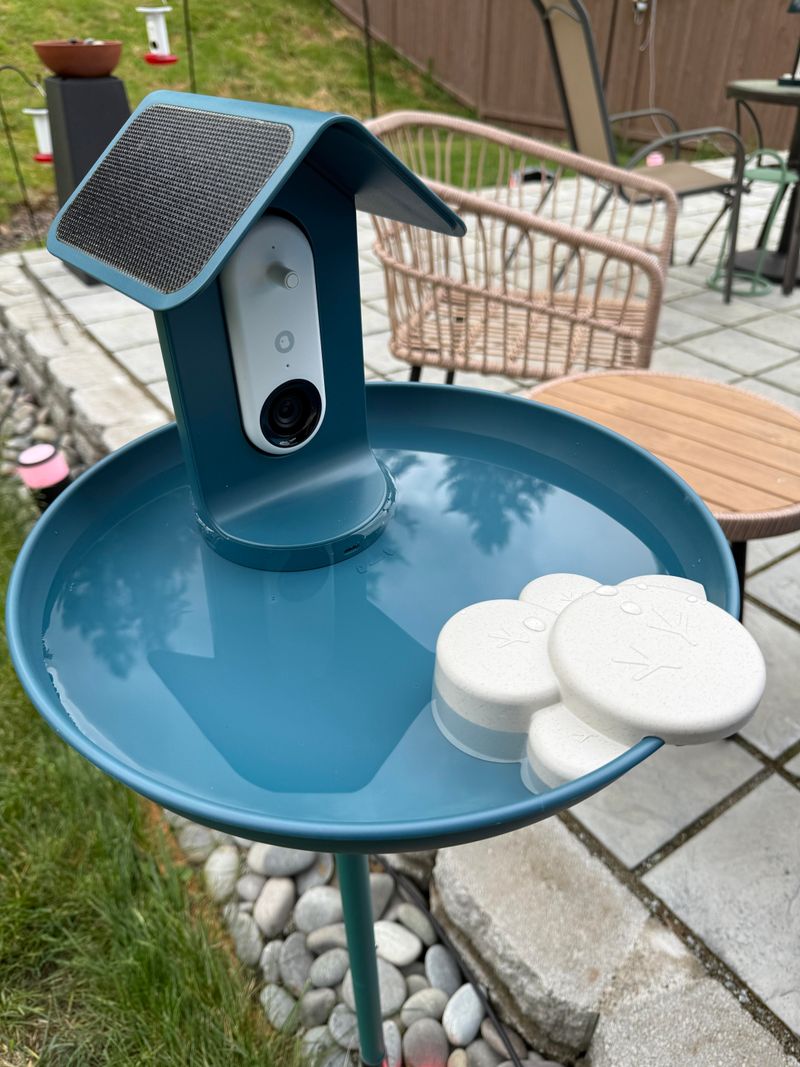
Standing water and mosquitoes go together like heat and summer. A birdbath that fills up during a storm and gets ignored for a week becomes a breeding ground faster than most people expect.
Mosquitoes can complete their entire life cycle in less than ten days. All they need is a small amount of still water.
Your birdbath gives them exactly that, especially after a storm tops it off.
Check birdbaths every two to three days during monsoon season. Dump the water, scrub the basin, and refill with fresh water.
That simple routine breaks the breeding cycle before it gets started.
If you want a low-maintenance option, add a small solar-powered fountain or wiggler device. Moving water does not let mosquito eggs develop properly.
Decorative pots and saucers do the same thing. Any container that catches rainwater becomes a risk.
Walk your yard after each storm and look for spots where water is pooling.
Your Arizona Garden Changes Every Week. Your Plan Should Too.
Gardening in Arizona changes quickly throughout the season. Every Friday you’ll receive a simple weekly plan showing exactly what to plant, prune, fertilize, harvest, and protect so you never miss the right timing.
Old tires, upturned lids, and low spots in the ground all count. It does not take a large puddle to cause a real problem.
Mosquitoes in the desert Southwest are not just annoying. Some species carry diseases, so reducing breeding sites around your home is a genuinely smart health move, not just a comfort issue.
Stay on top of it all season long.
3. Leaving Pet Food Outside Overnight After Rain
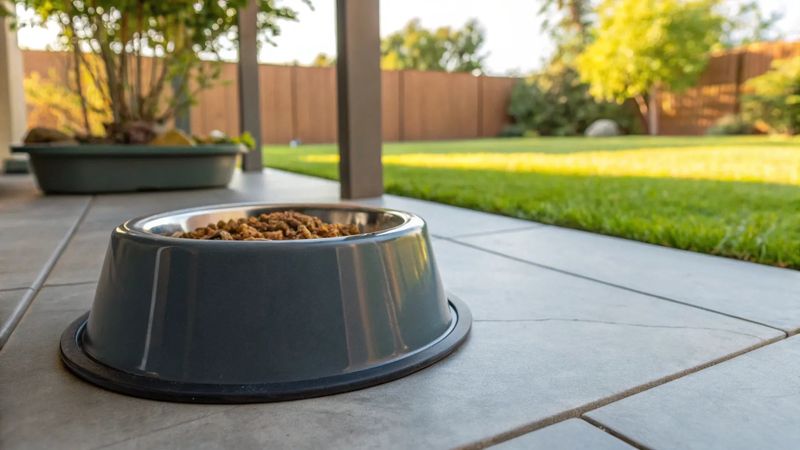
Wet pet food left outside overnight is practically a written invitation to every pest in the neighborhood. Rain softens dry kibble, and the smell carries much farther in humid post-storm air.
Cockroaches are the first to show up. They are fast, they are sneaky, and they can squeeze through gaps you would never notice.
Once they find a food source, they come back every night until it disappears.
Rats and mice are not far behind. Monsoon activity pushes rodents to explore new territory, and a bowl of wet food sitting on your patio makes your yard a destination rather than just a path.
Bring pet food inside every evening without exception. It takes ten seconds and genuinely reduces pest pressure around entry points like doors, vents, and gaps near the foundation.
Wash the bowl too. The residue and smell left behind is enough to keep pests interested even when the food itself is gone.
Store pet food in sealed, hard-sided containers rather than open bags. Bags stored in garages or sheds can be chewed through quickly by rodents looking for a meal.
Feeding pets on a schedule also helps. Put the food down, let them eat, then pick it up.
Free-feeding outdoors works fine in dry weather, but monsoon season changes the rules entirely. Adjust the habit before the storms arrive.
4. Clogged Drainage Areas That Hold Standing Water
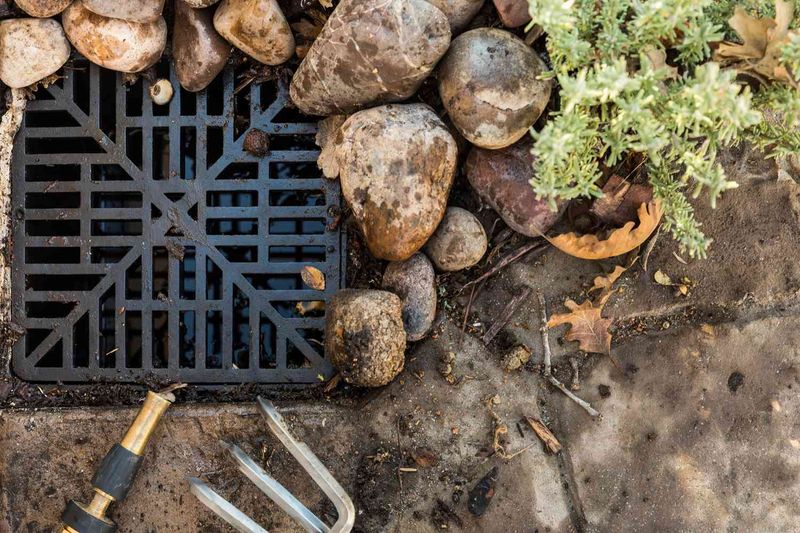
Blocked drains turn your yard into a swamp after every storm. Desert soil does not absorb water quickly, so when drainage is blocked, puddles stick around for days.
Mosquitoes need only a few inches of still water to breed. A clogged drain that holds water after a storm can produce hundreds of them within a week.
That is not an exaggeration.
Check your drainage paths before monsoon season starts. Clear out leaves, sediment, and debris from swales, French drains, and any low spots that naturally channel water away from the house.
Roof gutters matter just as much as ground-level drainage. Gutters packed with debris overflow during storms and dump water along your foundation.
That moisture attracts pests and causes other structural problems.
Walk the yard after the first big storm of the season. Look for new pooling spots that did not exist before.
Soil can shift, and drainage paths can change over time.
Use a level or just watch where water flows. Regrading a small section of yard is a manageable DIY project that pays off all season long.
Mosquito dunks dropped into hard-to-drain spots are a practical short-term fix. They release a bacteria that targets mosquito larvae without harming other wildlife.
Combine that with regular drain clearing, and you cut your mosquito exposure significantly after each storm rolls through.
5. Stacked Pots And Lumber That Become Scorpion Shelters
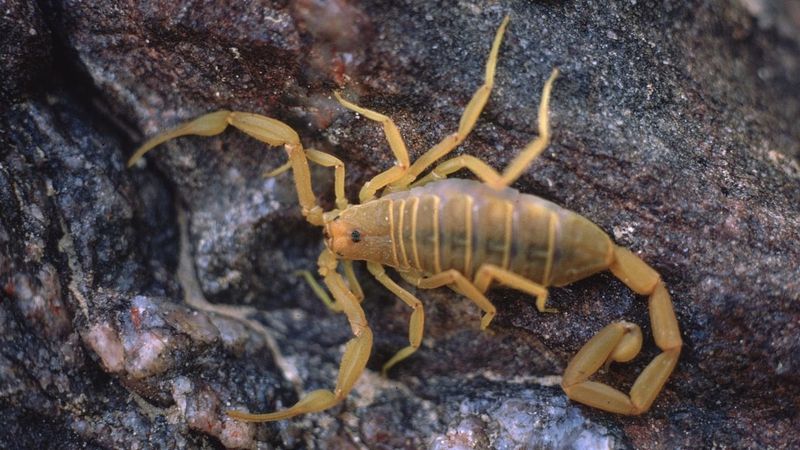
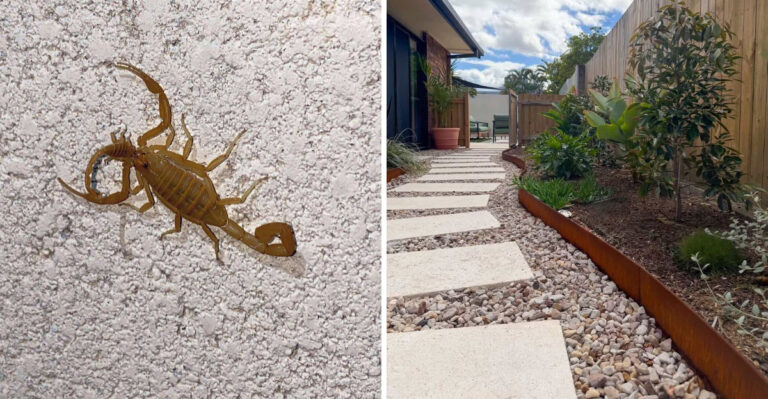
Scorpions are not random. They move with purpose, and after a monsoon storm disturbs the ground, they actively seek out dry, dark, sheltered spots.
Stacked pots and lumber are exactly what they are looking for.
The gap between stacked items is ideal for them. It is protected from the sun, slightly humid from nearby storm moisture, and rarely disturbed.
A pile of wood boards against a wall can house dozens of them.
Move stored materials away from the house. Even a few feet of clearance makes a difference.
Scorpions prefer to stay close to shelter, so removing cozy stacks near your walls reduces the chance of them finding a way inside.
Elevate lumber off the ground when possible. Use a simple rack or pallets to create airflow underneath.
Scorpions avoid exposed, open areas, so removing ground contact removes much of the appeal.
Inspect pots before moving them, especially after storms. Tip them over carefully with a tool rather than your bare hands.
Scorpions tuck into the drainage holes and rim areas where you would not expect them.
Wear gloves any time you are moving stored yard materials after rain. Night inspections with a black light are surprisingly effective.
Scorpions glow under UV light, which makes them much easier to spot before they spot you.
Organize your storage areas before the season starts. A tidy yard is genuinely a less attractive yard to these pests.
6. Thick Ground Cover That Gives Rodents More Hiding Spots
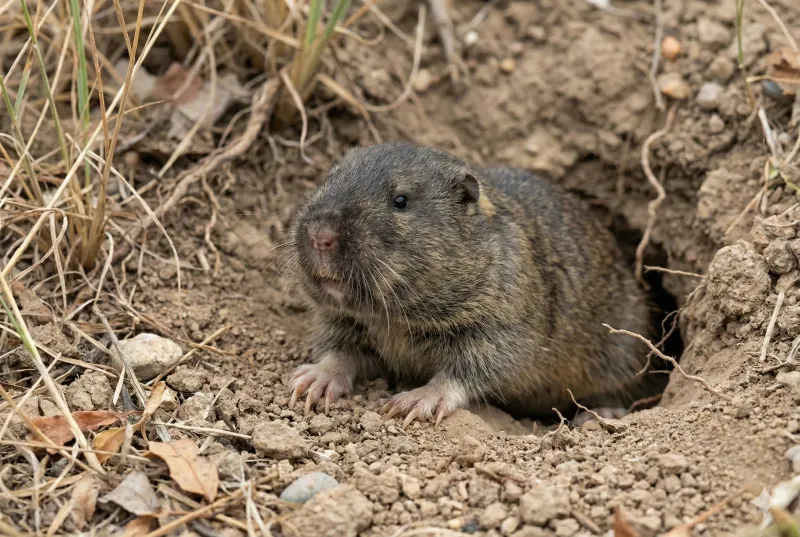
Ground cover looks great in a desert yard. It cuts down on dust, keeps soil temperatures lower, and adds visual texture.
But thick, low-growing ground cover also gives rodents a safe highway right across your yard.
Pack rats and roof rats move through dense ground cover without being seen by predators. Monsoon season brings them out in greater numbers as burrows flood and food sources shift.
Thick cover makes your yard an easy target.
Keep ground cover trimmed low and well-spaced. Plants that touch the ground continuously and grow in thick mats are the most problematic.
Open soil between plants lets predators spot rodents more easily, which naturally discourages them from settling in.
Pull weedy ground cover near the foundation. Rodents love the combination of dense plant cover and a wall to run along.
That edge between your house and the yard is exactly where they feel safest.
Gravel mulch is a better choice close to the house than organic ground cover. It does not support burrowing as easily, dries out faster after rain, and is much less comfortable for nesting.
Check for burrow openings after storms. Rodents sometimes start new tunnels when existing ones get flooded.
Fresh soil disturbance near plant bases or along fence lines is a clear sign of activity.
Addressing ground cover now saves a lot of frustration later. Rodents that establish themselves during monsoon season tend to stay well past it.
7. Damp Mulch Piled Too Close To The House
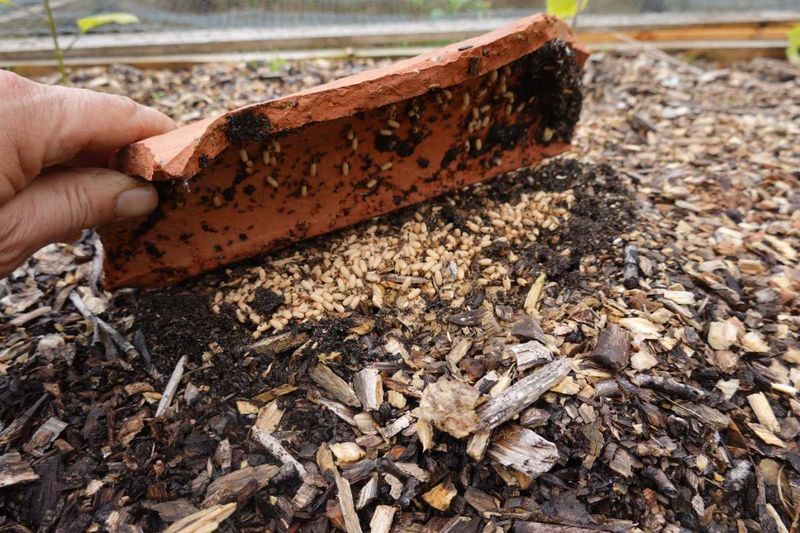
Mulch is one of the most common mistakes made right next to a desert home. It looks tidy, holds moisture, and keeps roots cool.
It also stays wet for days after a storm and sits right against your foundation.
Termites and cockroaches thrive in damp, decomposing organic material. Mulch piled against a stucco or block wall gives them a moist, sheltered path straight to the base of your home.
Keep mulch at least six inches away from exterior walls. That gap sounds small, but it creates a dry zone that pests have to cross in the open.
Most prefer not to.
Depth matters too. Mulch piled more than three inches deep holds moisture at the base much longer than a shallower layer.
After a monsoon storm, deep mulch can stay damp for four to five days.
Rake mulch back from walls after every significant storm. It takes a few minutes and genuinely reduces pest pressure along the perimeter of your home.
Consider replacing organic mulch near the foundation with decomposed granite or crushed rock. Inorganic materials do not retain moisture the same way, and they do not provide food or habitat for decomposer insects.
Termites are a particular concern in the desert Southwest. Damp wood mulch against a foundation is one of the most common conditions that leads to infestations.
Pulling it back is a small effort with a genuinely large payoff for protecting your home.
8. Ignoring Fallen Citrus And Other Rotting Fruit After Storms
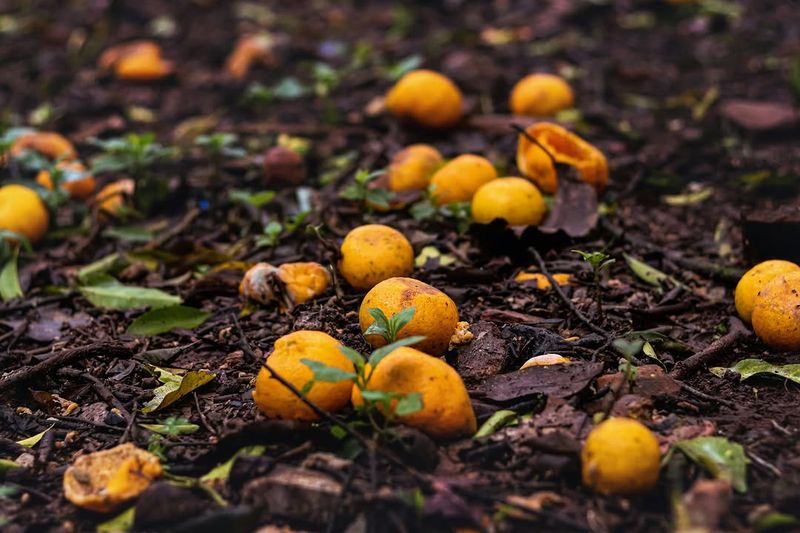
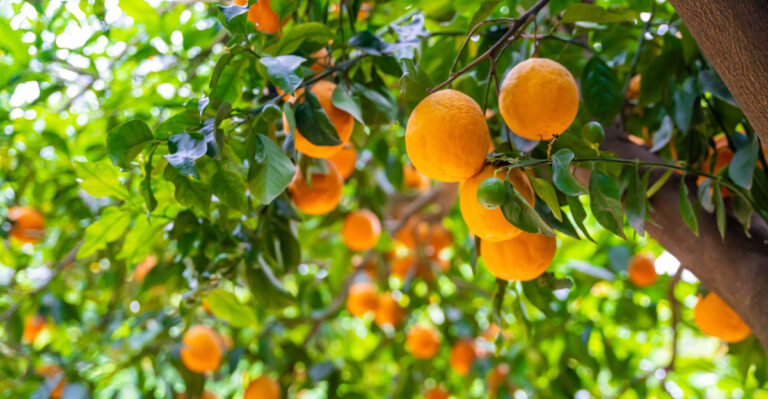
Citrus trees are a staple of desert backyards, and a monsoon storm shakes loose a lot of fruit. Fallen oranges, lemons, and grapefruits left on the ground rot fast in the post-storm heat and humidity.
Fruit flies appear almost immediately. They can detect fermenting fruit from a distance, and they breed directly inside rotting flesh.
A few pieces of fallen fruit can produce thousands of them within days.
Ants swarm rotting fruit aggressively. Once a large ant colony finds a consistent food source in your yard, they start mapping the area.
That mapping eventually leads them to your kitchen.
Roof rats are strongly attracted to citrus. They are excellent climbers and will raid trees regularly, but fallen fruit on the ground is even easier for them.
Post-storm cleanup removes that easy meal before they find it.
Pick up fallen fruit within a day of each storm. Do not let it sit through the heat of the next afternoon.
That is when fermentation and pest attraction ramp up the most.
Bag fallen fruit and put it in the trash rather than composting it near the house. Open compost bins attract the same pests as the fruit itself.
Harvest ripe citrus before storm season peaks when possible. Less fruit on the tree means less on the ground after a storm.
Staying ahead of the drop is easier than cleaning up after it repeatedly all season long.