These Are The Best Blooming Native Perennials For Georgia Yards
Color can feel inconsistent in Georgia yards, even when plants look promising early in the season. Blooms come in strong, then fade sooner than expected, leaving spots that never quite fill out the way they should.
It creates a cycle where more effort goes in, yet results stay uneven.
Native perennials handle those shifts with a different kind of reliability once they settle into local conditions. Roots adapt better, growth stays steadier, and flowers tend to return with more consistency from one season to the next.
Over time, a yard begins to hold its shape longer without constant adjustments. Color lasts, structure improves, and the overall look feels more natural instead of forced.
Choosing plants that already match Georgia conditions can change how everything performs through the season, and the difference becomes clearer with each passing month.
1. Purple Coneflower Thrives In Heat With Long Lasting Blooms
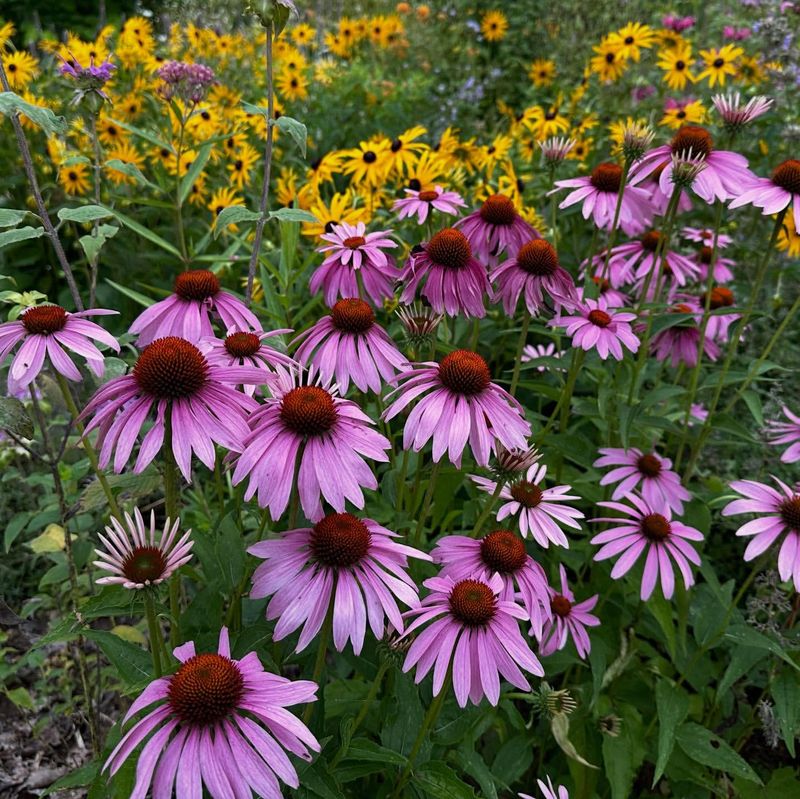
Few plants hold up through a Georgia July the way purple coneflower does. Echinacea purpurea pushes out its daisy-like blooms with raised, spiky centers starting in late spring and keeps going well into September in many parts of the state.
The petals range from soft lavender to deep rosy purple depending on the variety.
Full sun is where this plant performs best, though it tolerates a little afternoon shade in hotter inland areas. Well-drained soil matters more than soil richness.
Overly fertile ground can actually cause floppy stems, so skip the heavy fertilizer and let it grow lean.
Goldfinches are known to pick seeds directly from the spent flower heads in fall, so leaving the stems standing through winter gives birds a food source right in your yard. Deadheading early in the season can encourage more blooms, but letting some heads mature adds that wildlife bonus later on.
Purple coneflower spreads slowly by seed and by clump division over time. Clumps can be divided every three or four years in early spring to keep them vigorous and to share plants with other beds.
Across Georgia, from the mountains down to the coastal plain, this is one of the most consistently reliable native perennials a gardener can grow.
Once established, it handles heat, humidity, and short dry spells without constant attention, making it a dependable choice for long summer color in Georgia gardens.
2. Black-Eyed Susan Produces Bright Flowers With Minimal Care
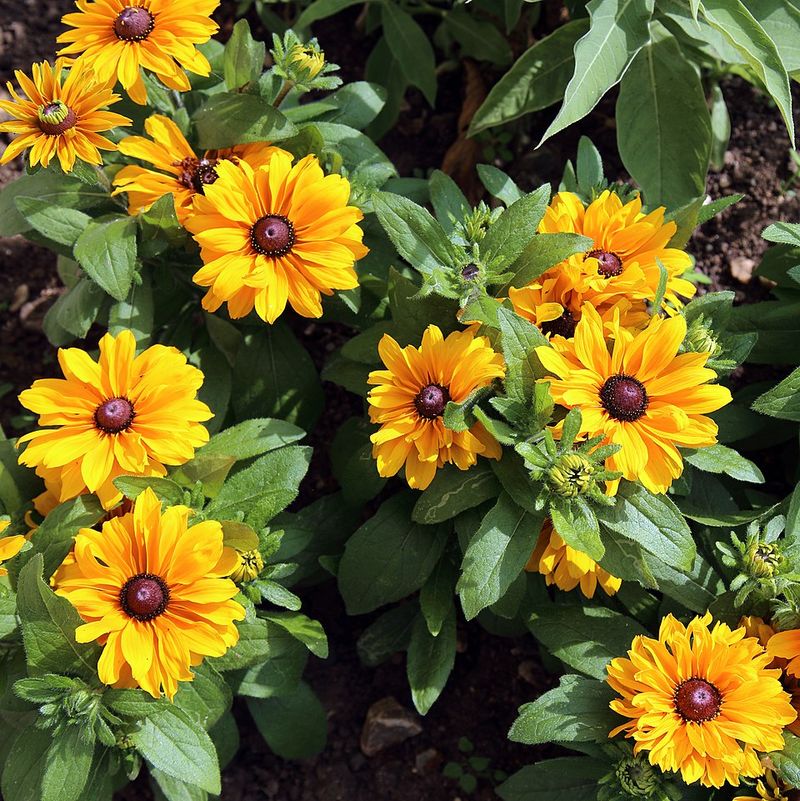
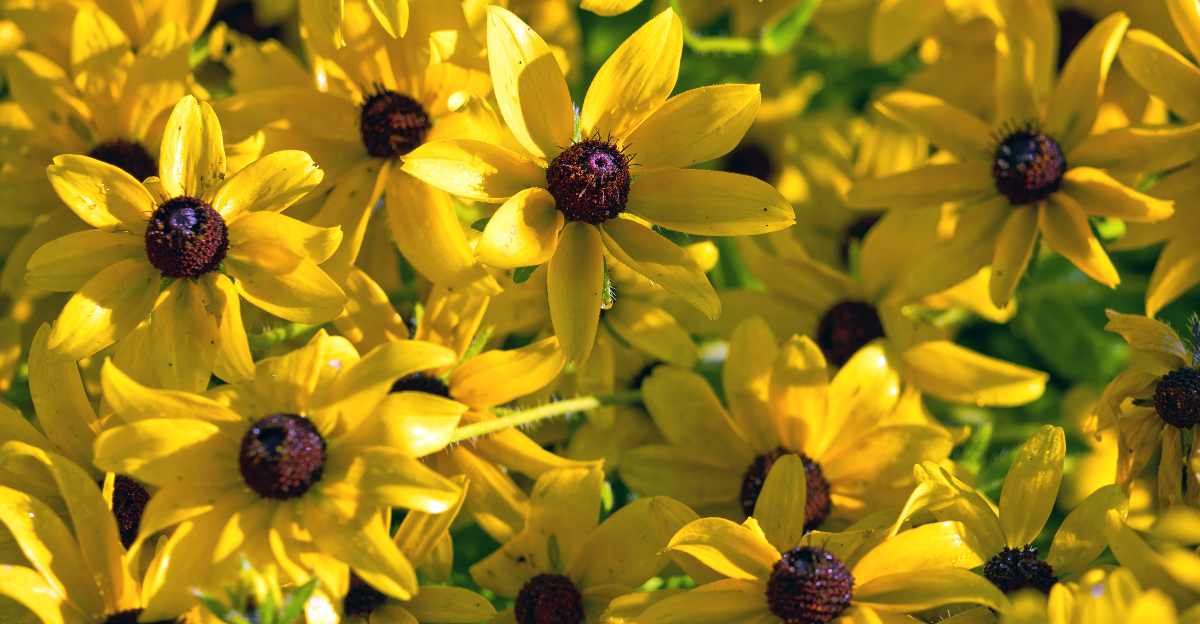
Black-eyed Susan has a way of lighting up a yard that not many plants can match.
Rudbeckia hirta produces golden-yellow flowers with dark brown centers, and in Georgia it typically starts blooming in early summer and continues through fall with minimal intervention.
Hot weather does not slow it down.
Sandy soil, clay soil, dry patches near driveways — this plant handles conditions that would stress out most ornamentals.
Full sun brings out the most blooms, but partial shade is workable, especially in South Georgia where afternoon sun is particularly intense during peak summer months.
Bees and native wasps visit the flowers regularly, and once the seeds ripen, birds move in. Leaving spent flower heads in place through late fall supports seed-eating birds like chickadees and sparrows that are common throughout Georgia in the cooler months.
Rudbeckia hirta behaves as a short-lived perennial in many Georgia gardens, sometimes acting more like a biennial. Allowing it to self-seed fills in gaps naturally over time.
Thin seedlings in spring if the patch gets crowded, but otherwise it tends to manage itself reasonably well without much hands-on attention from the gardener. A little patience with the self-seeding process pays off with a reliable, returning display each summer.
Over time, it builds a fuller patch that keeps coming back with very little effort, bringing steady color through Georgia’s hottest months.
3. Lanceleaf Coreopsis Handles Poor Soil While Blooming Consistently
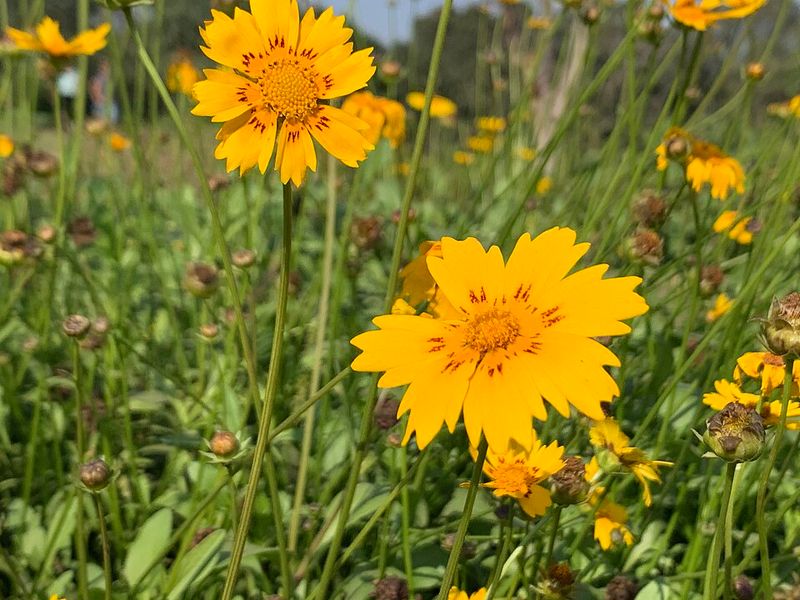
Sandy, nutrient-poor soil is where lanceleaf coreopsis genuinely earns its place. Coreopsis lanceolata is actually the state wildflower of Georgia, and it shows up along roadsides and in open fields across much of the state for good reason.
Bright yellow flowers with slightly notched petals sit atop slender stems from late spring through early summer.
Rich amended soil is not necessary here. Adding too much organic matter or fertilizer can push leafy growth at the expense of flowers.
Lean, gritty, or sandy soil is closer to ideal, and drainage matters far more than fertility for this plant to perform well.
Blooming slows after the initial flush, but cutting plants back by about a third after the first wave of flowers often triggers a second round of blooming later in summer. Deadheading spent flowers regularly through the season also extends the overall display.
Lanceleaf coreopsis spreads by both seed and slowly expanding clumps. In Georgia, it tends to naturalize in sunny spots without becoming aggressive.
Bees visit the flowers frequently, and the plant fits well into meadow-style plantings or informal borders where a casual, natural look is the goal.
Starting from seed is straightforward, and plants grown from seed typically flower in their first or second year depending on when they are sown.
4. Butterfly Weed Brings Bold Color And Supports Pollinators
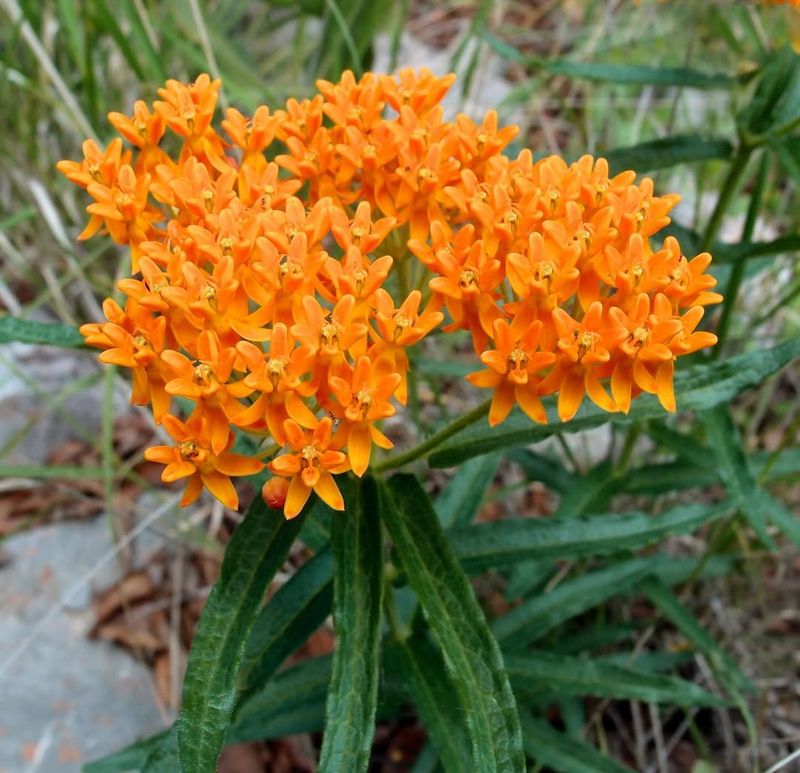
Bright orange flower clusters on butterfly weed stop people in their tracks. Asclepias tuberosa is one of the most visually striking native perennials available to Georgia gardeners, and it doubles as a host plant for monarch butterflies.
Female monarchs lay eggs on the foliage, and caterpillars feed on the leaves through summer.
Full sun and sharp drainage are non-negotiable for this plant. Wet or poorly drained soil leads to root problems, especially over winter.
Sandy or rocky soil that might frustrate other plants is actually where butterfly weed tends to perform best. Raised beds or slopes with good runoff work well in heavier Georgia clay areas.
Blooming typically runs from late May through July across most of Georgia, with some plants pushing a second flush of smaller flower clusters in late summer.
Seed pods that form after flowering are interesting in their own right, eventually splitting open to release silky, wind-carried seeds in fall.
One thing worth knowing: this plant is slow to emerge in spring. Marking its location in fall prevents accidentally disturbing the roots before new growth appears.
It also has a deep taproot, so transplanting established plants is difficult. Choosing the right spot from the start matters more with butterfly weed than with most other native perennials in Georgia gardens.
Give it space and sun, and it tends to reward that patience.
5. Blazing Star Adds Vertical Interest With Upright Flower Spikes
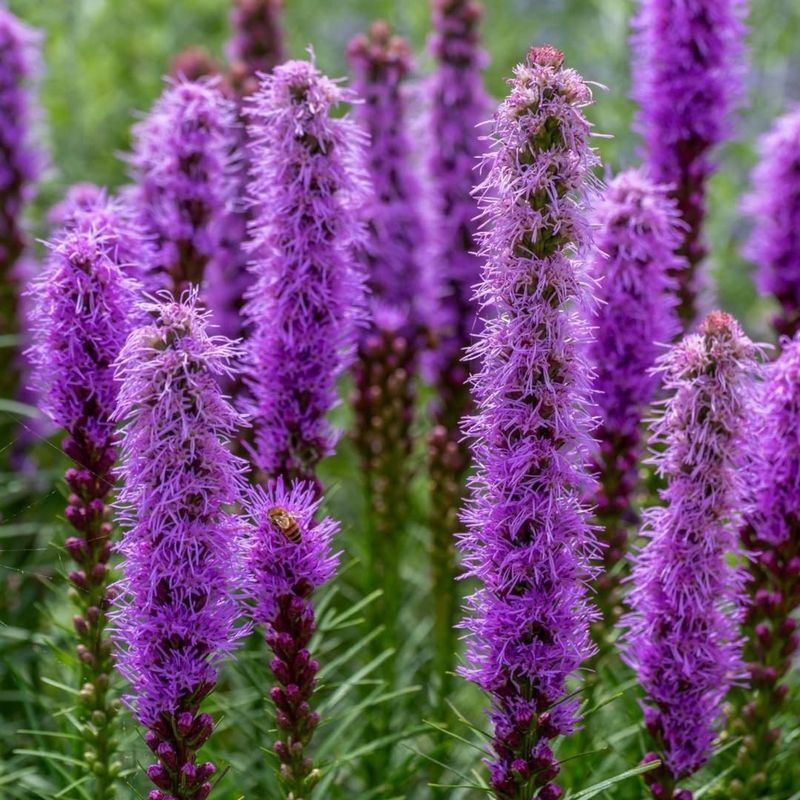
Vertical structure is something a lot of Georgia garden beds are missing, and blazing star fills that gap without a lot of fuss.
Liatris spicata sends up tall, dense flower spikes covered in small purple to magenta florets, and unlike most flowers, these spikes open from the top down rather than the bottom up.
Bees and butterflies work the spikes steadily through the blooming period.
Blooming typically peaks in mid to late summer in Georgia, which lines up well with when many other native perennials are winding down.
That timing makes it useful for keeping color going in the garden through August and into September when the heat tends to thin out other options.
Average to dry soil in full sun suits liatris well. Standing water around the corms in winter is the main thing to avoid.
Raised beds or slopes where water moves freely help in areas with heavier clay soils common across the Georgia Piedmont.
Plants grow from corms and can be divided in fall or early spring to multiply your planting over time. Goldfinches are attracted to the seed heads in fall, which is another reason to leave stems standing through the colder months.
Liatris also works well as a cut flower, lasting several days in a vase, so there is a practical bonus beyond the garden display if you want to bring some of that color indoors.
6. Eastern Columbine Blooms Early And Handles Partial Shade Well
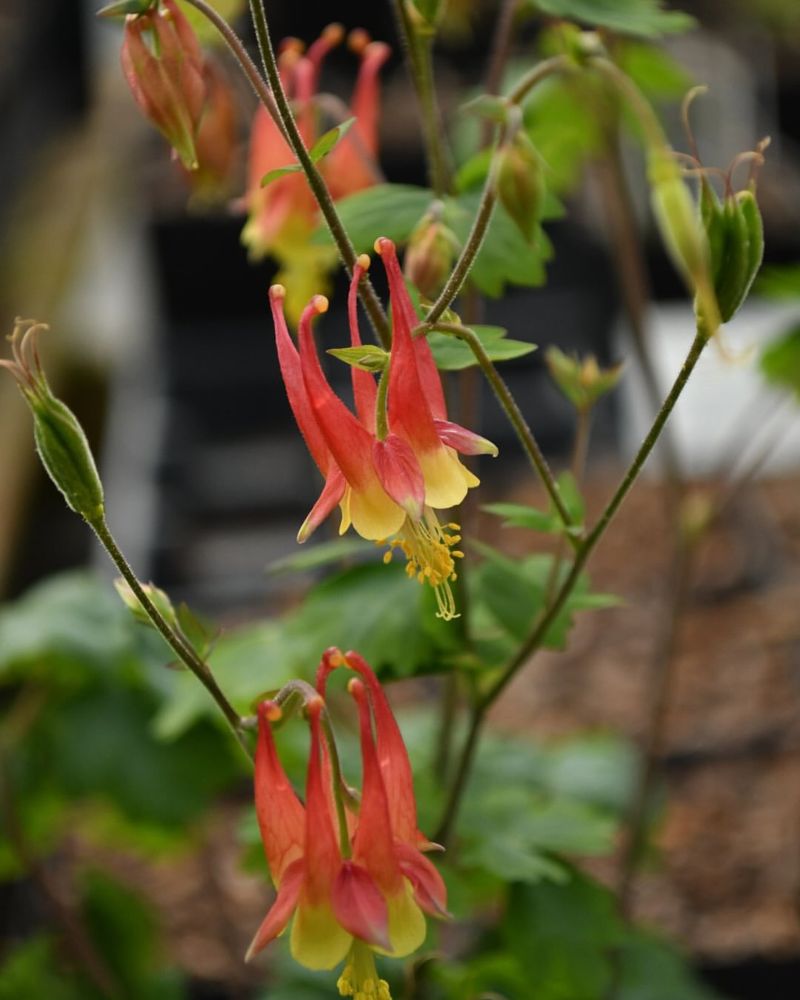
Spring comes early in Georgia, and eastern columbine is ready for it.
Aquilegia canadensis starts blooming as early as March in warmer parts of the state, pushing out nodding red and yellow flowers with distinctive backward-pointing spurs before most other perennials have woken up.
Hummingbirds returning from migration often visit these flowers within days of arriving.
Partial shade is where this plant does best across Georgia, particularly in areas with hot afternoon sun. Under deciduous trees or on the north side of structures, it tends to stay healthier through summer than it would in full exposure.
Woodland edges, shaded borders, and naturalized areas under pines all work well.
Soil does not need to be especially rich, but it should drain reasonably well. Eastern columbine handles the rocky, thin soils found in the North Georgia mountains with less complaint than many ornamentals.
In heavier clay soils, adding some organic matter and ensuring water does not pool around the crown improves performance.
Foliage tends to look tired and ragged by midsummer, which is normal. Cutting plants back after they finish blooming tidies things up and can encourage fresh growth in fall.
Eastern columbine self-seeds freely, and seedlings pop up in unexpected spots around the garden over time. Allowing that natural spread creates a casual, woodland feel that works especially well in shaded Georgia yards with naturalistic planting goals.
7. Blue Wild Indigo Forms A Strong Clump With Seasonal Color
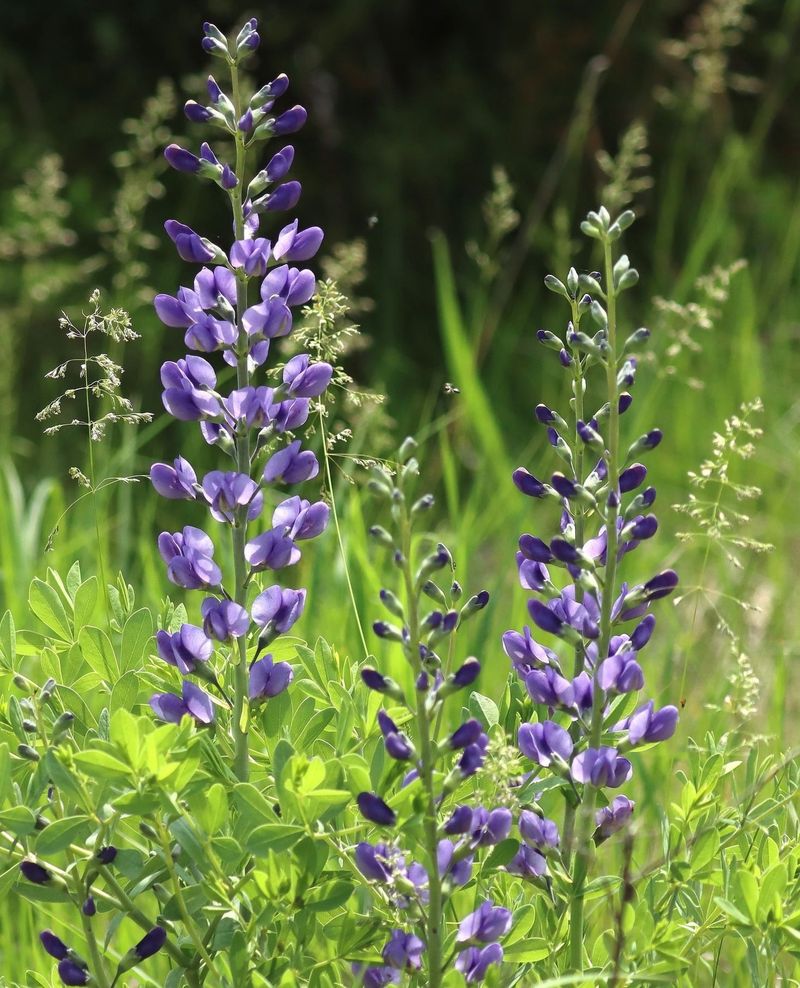
Blue wild indigo takes a couple of seasons to really settle in, but once it does, the payoff is hard to argue with. Baptisia australis builds into a substantial, shrub-like clump over time, with blue-green foliage that looks attractive even when the plant is not blooming.
The tall flower spikes in late spring carry pea-shaped blooms in shades of blue and violet that stand out in the garden.
Full sun to light shade suits this plant across Georgia. Deep roots make it tolerant of dry spells once the clump is established, which is a genuine advantage during Georgia summers when rainfall can be erratic and weeks can pass without meaningful rain.
After flowering, inflated seed pods develop and turn dark gray to black by fall. Those pods rattle in the breeze and are often used in dried flower arrangements.
Leaving the stems standing through winter also provides structural interest in the garden during the colder months.
Baptisia does not like being moved. The taproot system runs deep, and transplanting a mature clump almost always sets it back significantly.
Picking a permanent spot from the start and planting young is the smarter approach. Clumps can last for decades without needing division, which makes blue wild indigo one of the longer-lived investments a Georgia gardener can make in a native perennial planting.
Patience in the early years is genuinely worth it.
8. Scarlet Sage Produces Steady Blooms With Reliable Growth
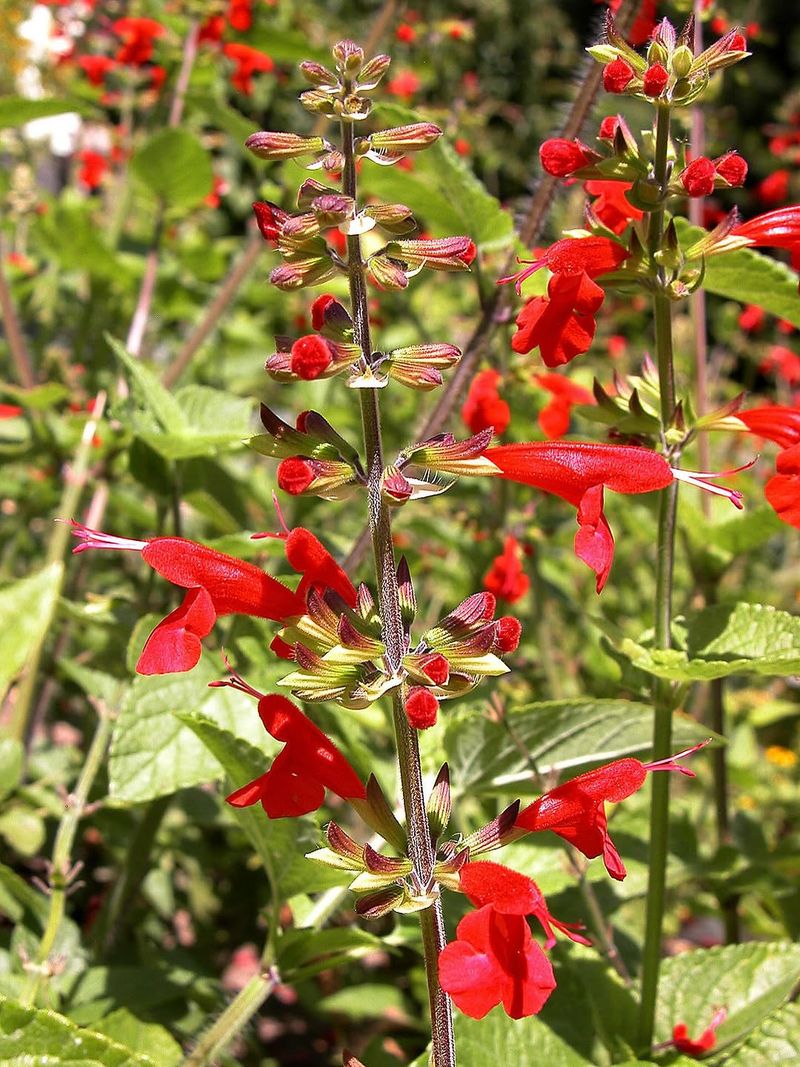
Hummingbirds find scarlet sage before most gardeners even finish planting it. Salvia coccinea produces slender spikes of tubular red flowers that are almost irresistible to hummingbirds and several species of native bees.
Blooming can begin in late spring and continue right through fall in Georgia’s longer growing season.
Full sun is ideal, though this plant tolerates partial shade better than many red-flowering natives. Sandy or well-drained soil keeps it healthiest.
In heavier clay soils common across the Georgia Piedmont and coastal plain, raised planting areas or beds with added grit can make a meaningful difference in how well plants perform through wet periods.
Scarlet sage behaves as a short-lived perennial in Georgia, sometimes acting more like an annual in colder North Georgia winters. In warmer zones across South Georgia, plants often return reliably from the roots.
Regardless of winter survival, it self-seeds generously, and new plants typically appear each spring without any effort from the gardener.
Cutting stems back by about half in midsummer refreshes the plant and encourages a strong second flush of blooms heading into fall. Leaving some seed heads at the end of the season allows natural reseeding to carry the planting forward.
Scarlet sage works in containers, borders, and naturalized areas, giving Georgia gardeners flexibility in how and where they use it across different yard conditions and design styles.