These Are The Best Flowers That Attract Songbirds To Pennsylvania Gardens
A garden that draws in songbirds always feels a little more alive. Suddenly there is movement in the branches, soft chirping in the background, and those small, colorful visitors that make even an ordinary morning outside feel more interesting.
In Pennsylvania, adding flowers that attract songbirds can turn a yard into the kind of space that feels active, cheerful, and connected to nature in a way that goes beyond looks alone. It is not just about having pretty blooms.
It is about creating a place birds actually want to visit. That is where the right flowers make such a difference.
Some provide seeds birds love later in the season, while others attract the insects many songbirds rely on for food, especially when feeding their young.
A flower bed can do a lot more than brighten up the yard when it is planted with that bigger picture in mind. The best choices bring color for you and practical value for wildlife at the same time.
In a Pennsylvania garden, that combination can make the space feel fuller, more welcoming, and much more rewarding every time you step outside.
1. Purple Coneflower (Echinacea)
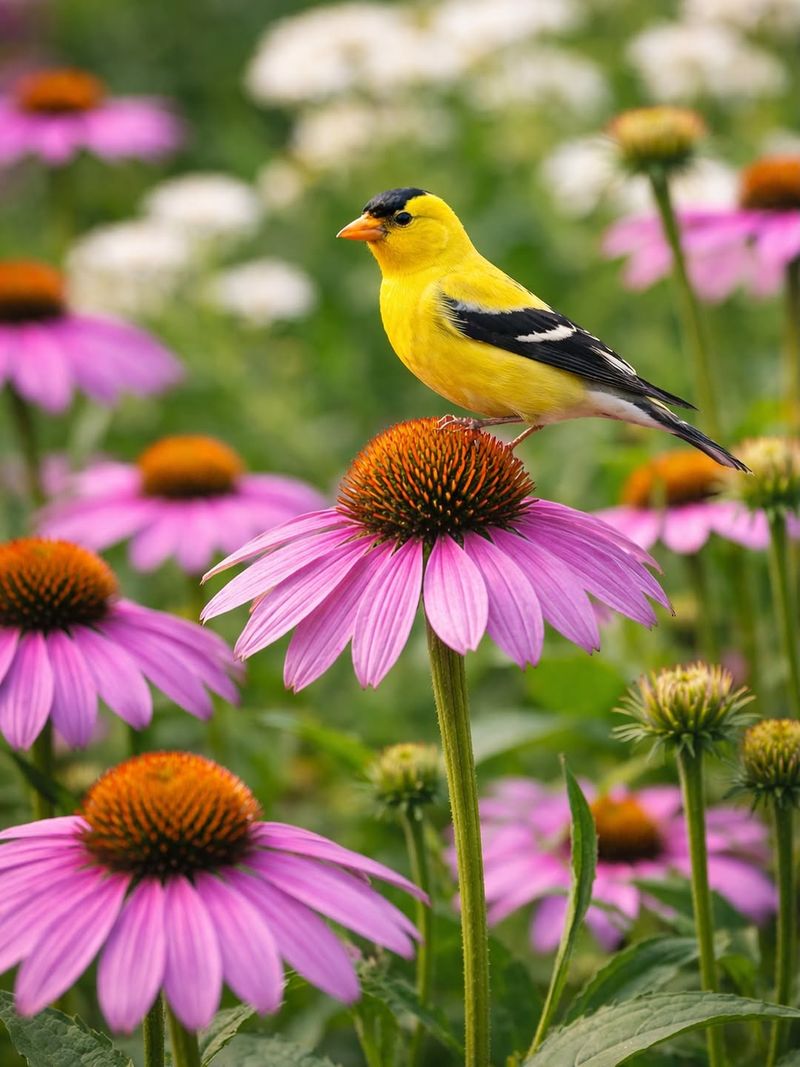
Few flowers earn their place in a Pennsylvania garden quite like the Purple Coneflower. With its bold pink-purple petals and spiky orange center, it is one of the most recognizable native wildflowers in the region.
Goldfinches absolutely love it, and watching them cling to the seed heads while feeding is one of the great simple joys of gardening.
What makes this flower so special is its timing. While it blooms beautifully from early summer through fall, the real magic happens after the petals drop.
The seed heads stay standing well into late summer and even early autumn, giving birds a reliable food source exactly when they need it most. That is a big deal in Pennsylvania, where songbirds are busy preparing for the colder months ahead.
Purple Coneflower is also incredibly easy to grow. It thrives in full sun and can handle dry conditions once established, making it a low-maintenance option for busy gardeners.
Plant it in groups of three or more for the best visual impact and the most bird traffic. It spreads over time, so your garden will naturally get fuller and more bird-friendly each year.
One more bonus: this plant supports pollinators like bees and butterflies during the blooming season, which in turn attracts insect-eating songbirds like wrens and warblers. It is a full-circle garden plant that keeps on giving.
For any Pennsylvania gardener hoping to bring more wildlife home, Purple Coneflower is the perfect starting point.
2. Black-Eyed Susan
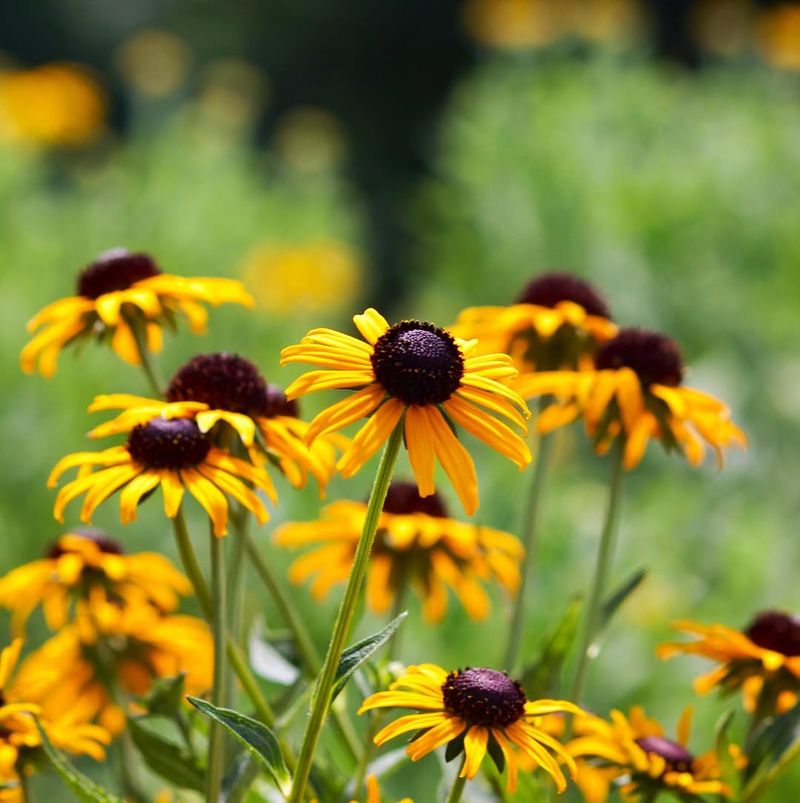
Cheerful, tough, and wildly reliable, the Black-Eyed Susan is one of those flowers that just works.
Its sunny yellow petals surrounding a dark brown center make it one of the most recognizable blooms in any Pennsylvania garden. And for songbirds, it is basically a free buffet once the blooms start to fade.
Finches and sparrows are especially drawn to the seed heads that form after the flowers peak. In late summer and into early fall, you will often spot small birds clinging to the stalks, picking at the seeds with focused determination.
If you resist the urge to deadhead the spent flowers, you give the birds even more to work with. It is a simple trick that makes a big difference for local wildlife.
Growing Black-Eyed Susans in Pennsylvania is almost foolproof. They love full sun, tolerate poor soil, and bounce back year after year once established.
They also spread naturally, filling in bare spots and creating a fuller, more bird-friendly garden over time. Plant them along borders or in meadow-style beds for a natural look that songbirds find irresistible.
Fun fact: Black-Eyed Susan is actually the state flower of Maryland, but Pennsylvania gardeners have embraced it just as enthusiastically.
It pairs beautifully with Purple Coneflower and native grasses, creating a layered habitat that supports multiple bird species.
For a low-effort, high-reward addition to your backyard, this classic wildflower is hard to beat.
3. Sunflowers
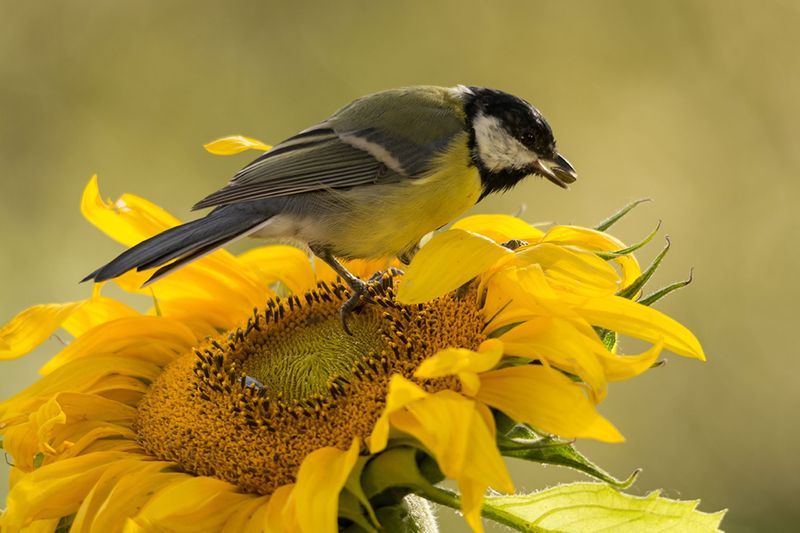
If there is one flower that practically screams “birds welcome here,” it is the sunflower. Towering, bold, and packed with seeds, sunflowers are one of the single best things you can plant in a Pennsylvania garden if your goal is attracting songbirds.
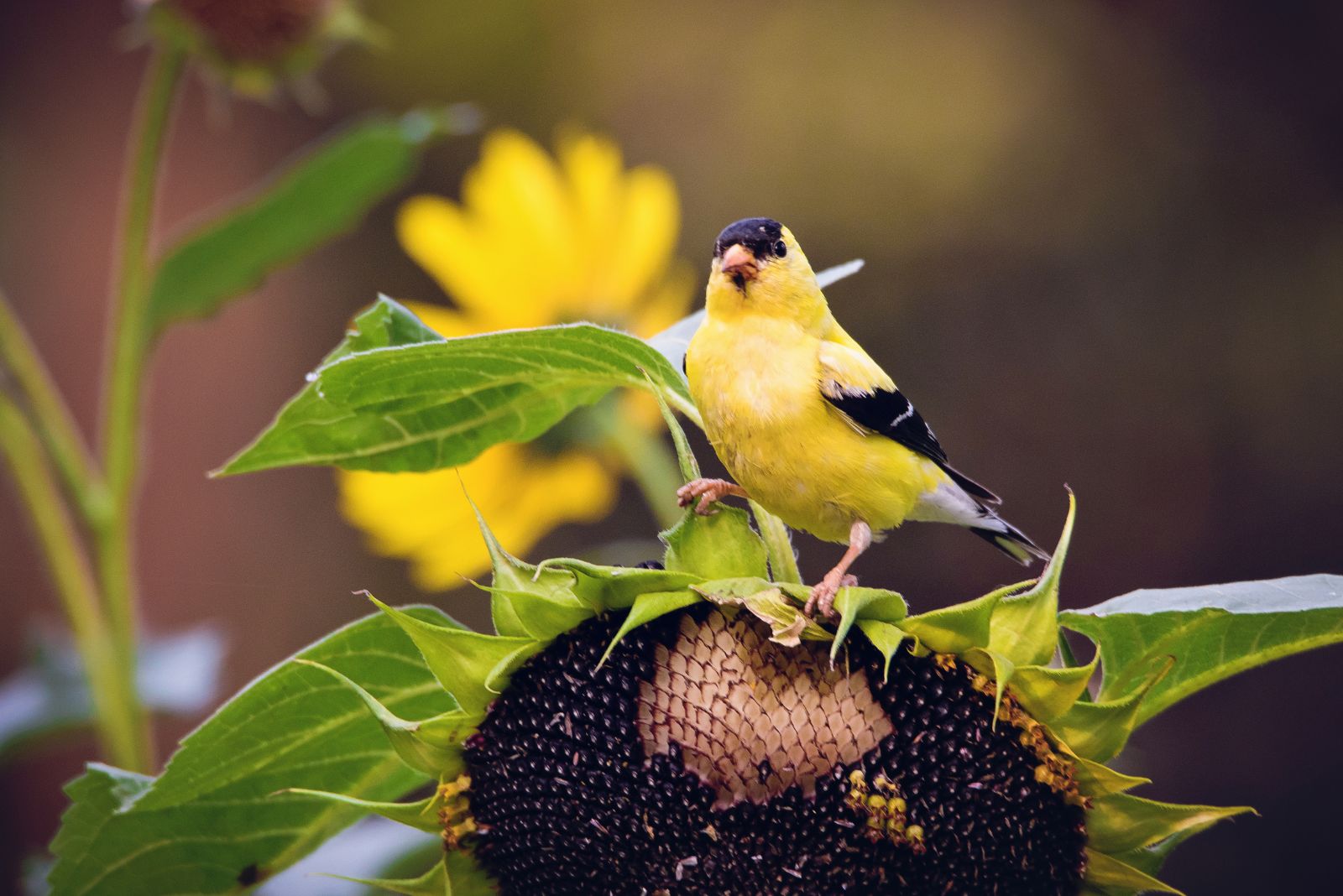
Finches, chickadees, nuthatches, and even cardinals flock to sunflower seed heads like they are the best restaurant in town.
The secret is in the seed head itself. Each large flower can produce hundreds of seeds, giving birds a concentrated food source that lasts for weeks.
As the blooms mature and the petals fall away, the seed-packed center becomes an open invitation for hungry birds.
Leaving the stalks standing through late summer and into fall means the birds have access to natural food right when they need it most, especially as Pennsylvania temperatures begin to drop.
Sunflowers are also incredibly easy to grow from seed. They prefer full sun and well-drained soil, and they grow fast.
Plant them along fences or at the back of garden beds where their height will not block smaller plants. Mixing different varieties, from giant single-stem types to multi-branching dwarf versions, gives you a longer blooming season and more seed production overall.
One quirky detail worth knowing: sunflowers actually track the sun when they are young, turning their heads from east to west throughout the day. Once mature, they settle facing east.
Birds do not seem to care either way. They just want those seeds, and Pennsylvania gardens with sunflowers never disappoint.
4. Bee Balm (Monarda)
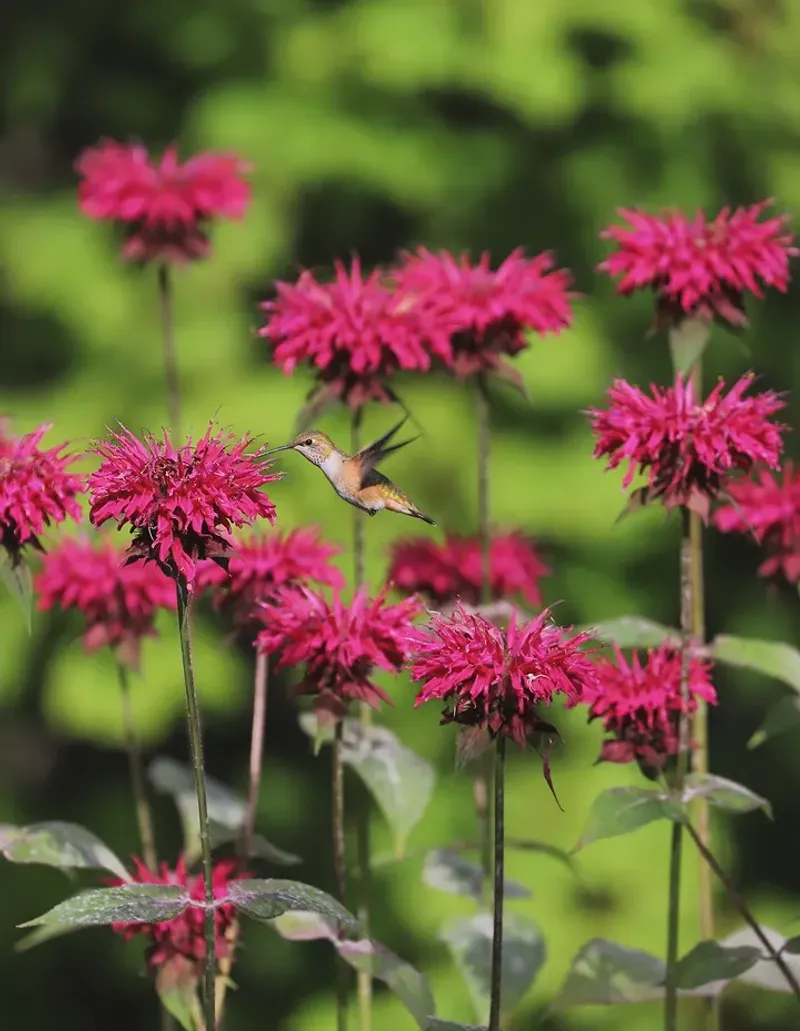
Walk past a patch of Bee Balm on a warm Pennsylvania summer day and you will immediately understand why birds love it. The air around this plant buzzes with life.
Insects swarm the tubular red, pink, and purple blooms, and where insects gather, songbirds are never far behind. Wrens, warblers, and vireos hunt through the foliage looking for a meal, making Bee Balm a true hub of garden activity.
Bee Balm, also known by its botanical name Monarda, is native to eastern North America, which means it is perfectly suited for Pennsylvania growing conditions. It thrives in moist, well-drained soil and does best in full sun to partial shade.
Once established, it spreads steadily through underground runners, gradually forming a wider and more productive clump each season. That spreading habit is actually great news for birds, since a bigger patch means more insects and more shelter.
Later in the season, after the showy blooms fade, goldfinches and sparrows move in to feed on the seed heads.
So Bee Balm attracts birds in two different ways: first by drawing in the insects that insect-eating songbirds chase, and then by offering seeds directly as a food source. That kind of double-duty value is hard to find in a single plant.
Gardeners in Pennsylvania also appreciate Bee Balm for its resistance to deer browsing and its long bloom period. Plant it near a water source if possible, and you will create a corner of your yard that birds simply cannot resist visiting all season long.
5. Coreopsis
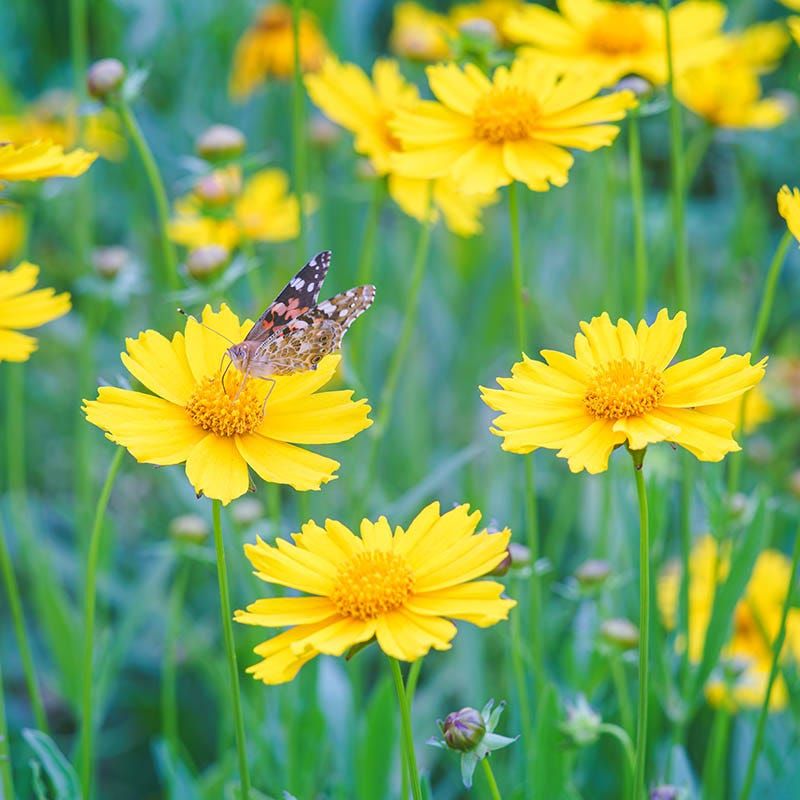
Small but mighty, Coreopsis is the kind of flower that quietly does a lot of work in a Pennsylvania garden.
Its cheerful yellow blooms light up sunny beds from early summer through fall, and when the petals drop, the seed heads left behind become a favorite snack for small songbirds.
The key is patience. Leave those spent blooms in place instead of tidying them up, and you will be rewarded with birds picking through them for weeks.
Goldfinches are especially fond of Coreopsis seeds. You might spot them balancing on the slender stems, plucking at the tiny seeds with impressive precision.
Sparrows and other small ground-feeding birds will also gather beneath the plants to collect seeds that have fallen. It is a simple, natural feeding setup that costs you nothing extra once the plants are established.
Coreopsis is a wonderful choice for Pennsylvania gardeners who want something reliable without a lot of fuss. It thrives in full sun, handles dry spells well, and actually tends to bloom more when the soil is not overly rich.
That means less fertilizing and more flowers, which is a win for both gardeners and birds. It also self-seeds freely, so your patch can expand on its own over time.
Try pairing Coreopsis with taller native plants like Joe-Pye Weed or Bee Balm to create a layered garden that supports birds at multiple heights.
Its bright color and easy-care reputation make it a staple in bird-friendly Pennsylvania landscapes, and once you plant it, you will wonder how you ever gardened without it.
6. Joe-Pye Weed
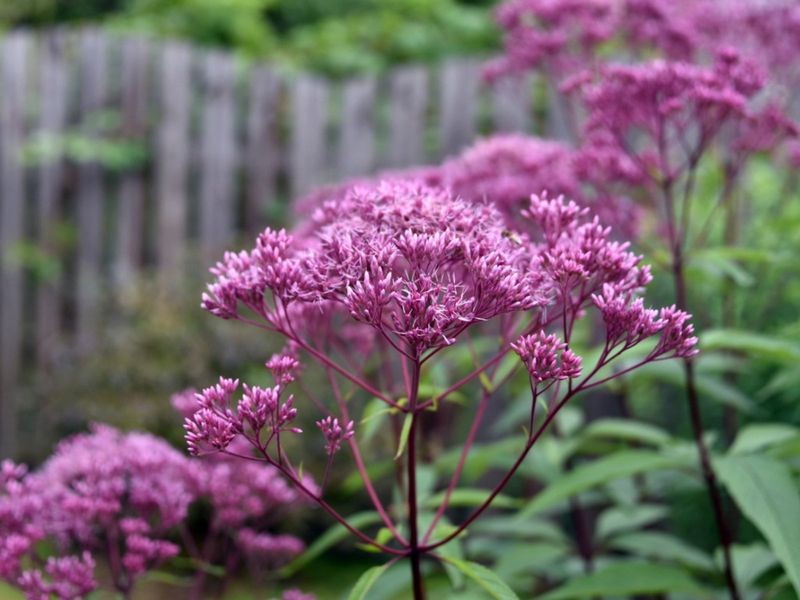
Standing up to seven feet tall in some cases, Joe-Pye Weed is one of the most impressive native plants you can add to a Pennsylvania garden. Its large clusters of dusty pink and mauve flowers bloom in late summer, right when many other plants are starting to fade.
For songbirds, that timing could not be better. It creates a towering habitat-rich zone that insects love, and where insects thrive, birds follow closely behind.
The connection between Joe-Pye Weed and songbirds is mostly about the food chain. This plant is a powerhouse for native insects, including beetles, caterpillars, and various flies that shelter among its stems and leaves.
Insect-eating songbirds like flycatchers, vireos, and warblers actively hunt through Joe-Pye Weed patches in search of these protein-rich meals. It is essentially a living bird feeder that stocks itself.
Pennsylvania gardeners with larger yards or naturalized areas will find Joe-Pye Weed especially useful. It does best in moist, rich soil and full to partial sun, making it ideal for spots near rain gardens, low-lying areas, or the edges of wooded sections.
It also provides excellent vertical structure, giving birds places to perch and hide while they scout for food.
An interesting bit of history: Joe-Pye Weed is named after a Native American healer who reportedly used the plant for medicinal purposes. Whether that story is fully accurate or not, the plant’s value in the garden is beyond question.
For a Pennsylvania yard that truly supports local songbird populations, few plants can match what Joe-Pye Weed brings to the table.
7. Asters (New England Aster)
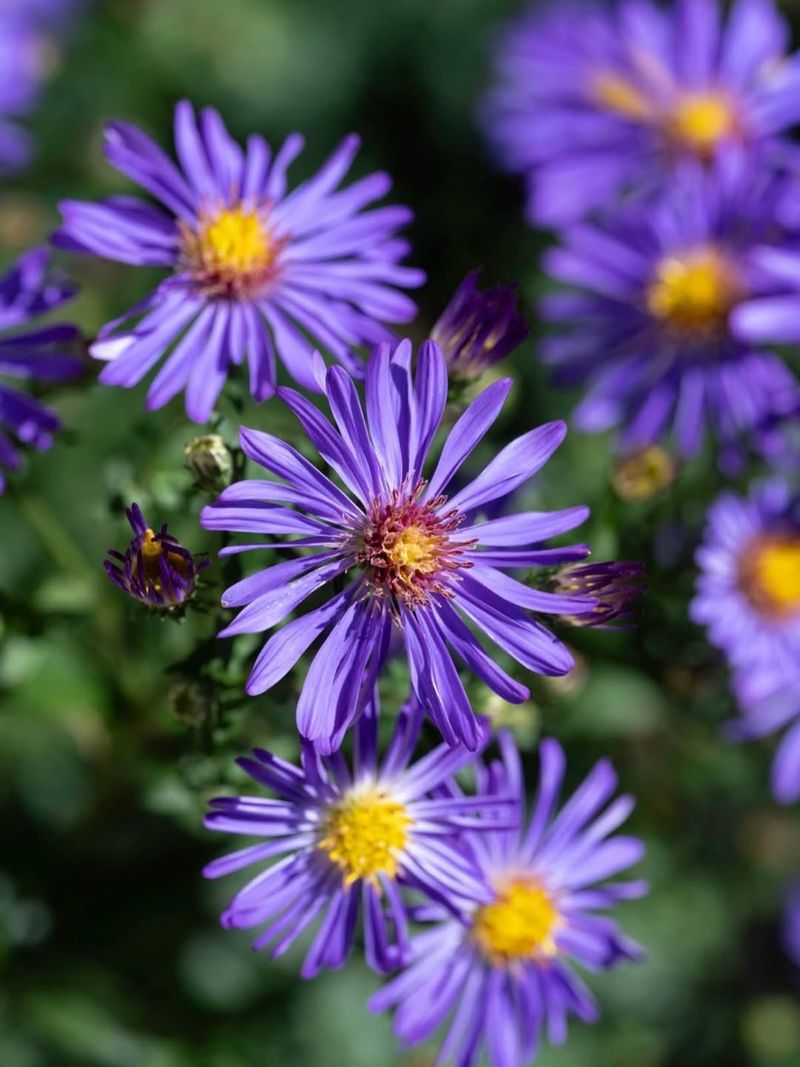
When most flowers have called it a season, New England Asters are just getting started. These late-blooming beauties burst into shades of purple, pink, and white in early fall, providing one of the last great shows of color in Pennsylvania gardens before winter arrives.
For songbirds preparing for the colder months, asters are an absolute lifeline. Their seeds and the insects they attract offer critical nutrition at exactly the right moment.
Sparrows, finches, and juncos are among the birds most commonly spotted feeding on aster seed heads in fall. These birds are either building up energy reserves for migration or preparing to tough out the Pennsylvania winter, and asters give them the fuel they need.
Leaving the plants standing through late fall and into winter means the seeds remain available long after the blooms are gone, extending the benefit even further.
New England Asters grow best in full sun with average, well-drained soil. They can get quite tall, sometimes reaching four to five feet, so give them room to spread.
Pinching the stems back in early summer encourages bushier growth and more flower production, which means more seeds for birds later on. They also spread by self-seeding, so a small planting can gradually become a generous patch over several seasons.
One thing Pennsylvania gardeners especially love about asters is how they support pollinators right up until the first frost. That late-season insect activity draws in warblers and other small birds passing through on their fall migration routes.
Planting asters is one of the most thoughtful things you can do for both resident and migratory songbirds in the region.