These Are The Best Fruit Trees To Grow In Pots In California
Do you really need a big backyard to grow fruit trees in California? Not at all.
Even if you live in an apartment, condo, or small home, you can still enjoy fresh fruit by using containers. Potted fruit trees give you more control over sunlight, watering, and soil, which makes growing easier and more flexible.
They also allow you to move your plants during heat waves, cold nights, or windy days. Many gardeners are surprised by how productive container fruit trees can be when chosen wisely.
From patios and balconies to small yards, the right trees can thrive in pots and produce delicious harvests. With smart plant choices and simple care habits, you can turn a small outdoor space into a mini orchard and enjoy homegrown fruit without needing much room.
1. Dwarf Meyer Lemon
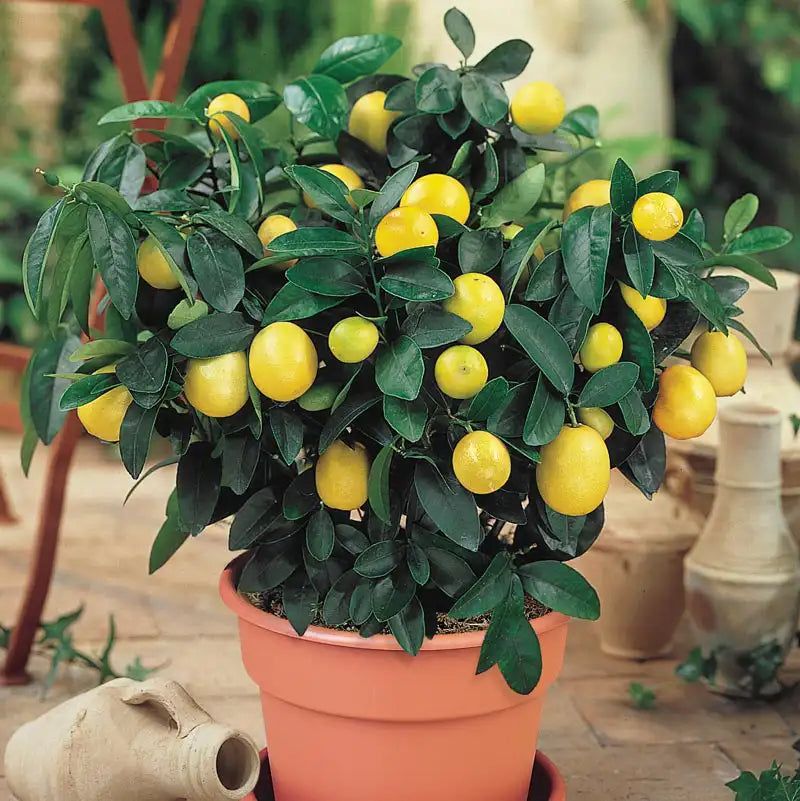
Meyer lemons bring year-round beauty and incredible fragrance to California patios while producing sweet, juicy fruit that tastes better than anything from the grocery store.
These compact citrus trees were actually discovered in China and brought to America in the early 1900s, quickly becoming a California favorite.
The dwarf variety stays manageable in pots, typically reaching just four to six feet tall, making it perfect for balconies and small outdoor spaces throughout the state.
Container-grown Meyer lemons need plenty of sunshine, so position your pot where it receives at least six to eight hours of direct light daily.
California’s climate suits these trees beautifully, though coastal gardeners should bring pots indoors during unexpected cold nights when temperatures might drop below freezing.
Use a large container with excellent drainage holes and fill it with quality citrus-specific potting soil that keeps roots healthy and prevents waterlogging.
Regular watering becomes essential during California’s dry summers, but avoid keeping soil constantly soggy. Feed your Meyer lemon every few weeks during growing season with citrus fertilizer to support both foliage and fruit production.
The glossy dark green leaves look attractive even when the tree is not fruiting, and the fragrant white blossoms fill your outdoor space with an amazing scent.
Harvest typically happens in winter, giving you fresh lemons when other gardens look bare. The fruit has thinner skin than regular lemons and tastes sweeter with less acidity, making it ideal for cooking, baking, and fresh lemonade.
Many California gardeners report getting dozens of lemons from a single potted tree each year with proper care.
2. Fig Tree
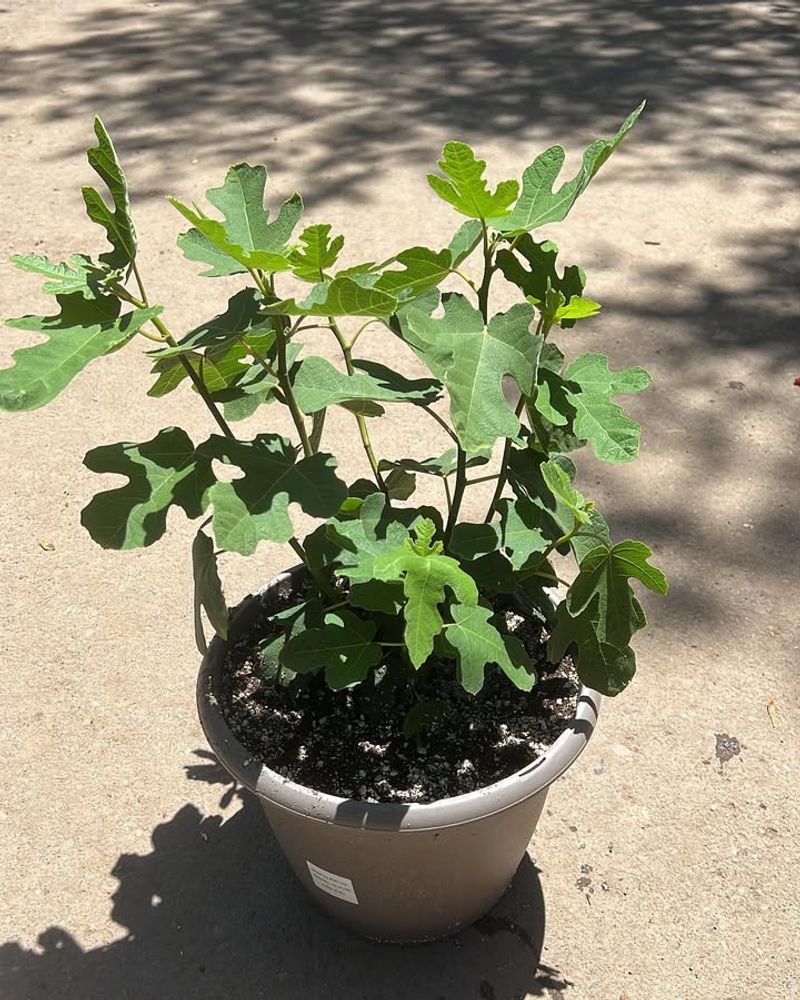
Ancient civilizations treasured figs for thousands of years, and California gardeners continue that tradition by growing these remarkably adaptable trees in containers.
Varieties like Black Mission, Brown Turkey, and Violette de Bordeaux handle pot life exceptionally well, producing sweet fruit without requiring another tree for pollination.
Container cultivation actually benefits figs by restricting root growth, which encourages more fruit production rather than excessive leafy growth.
Select a container at least 15 to 20 gallons in size to give your fig tree adequate room for root development. California’s warm summers suit figs perfectly, and most areas of the state provide ideal growing conditions without much fussing.
Place your potted fig where it gets full sun exposure for the best fruit production, though these trees tolerate partial shade better than many other fruit varieties.
Figs grown in pots throughout California typically produce two crops annually, with an early summer harvest followed by a larger fall crop. Water consistently during hot weather but reduce watering in winter when the tree goes dormant and drops its leaves.
The bare branches might look concerning at first, but this dormancy period is completely normal and healthy for the tree.
Fertilize monthly during the growing season with a balanced fertilizer to support vigorous growth and abundant fruiting. Fresh figs taste incredibly different from dried ones, with a honey-sweet flavor and soft texture that makes them perfect for eating right off the tree.
California’s Mediterranean-style climate mirrors the fig’s native growing regions, so these trees feel right at home in Golden State gardens and rarely face serious pest or disease problems.
3. Dwarf Peach Tree
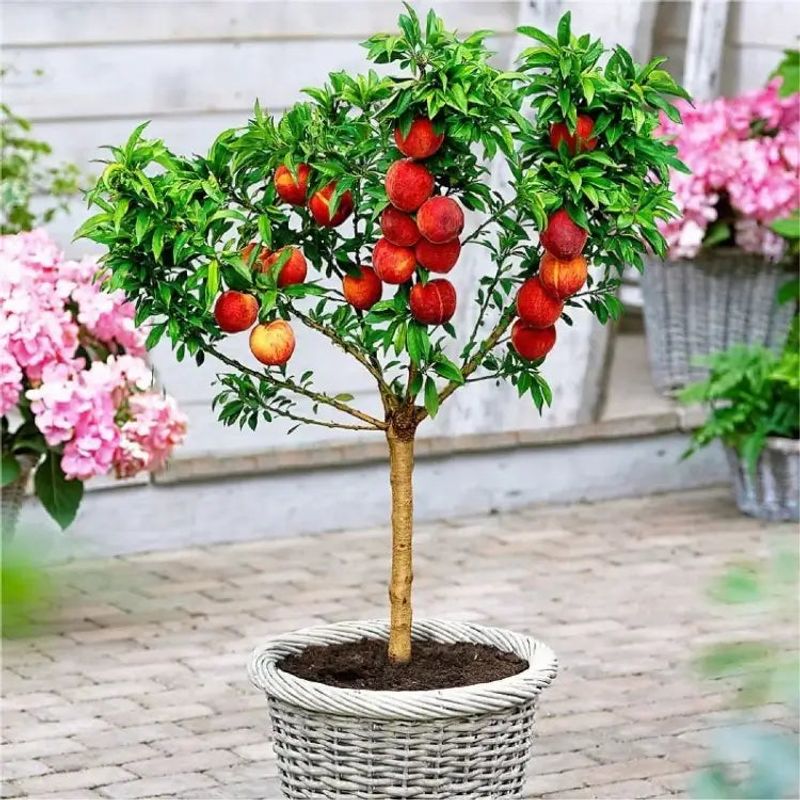
Biting into a sun-warmed peach picked from your own tree delivers a taste experience that store-bought fruit simply cannot match. Dwarf peach varieties bred specifically for containers bring this joy to California gardeners without traditional orchard space.
Genetic dwarf peaches like Bonanza and Pix Zee naturally stay small, reaching only four to six feet tall, yet produce full-sized fruit with that classic fuzzy skin and juicy sweetness.
California’s chill hours, those winter periods when temperatures stay between 32 and 45 degrees, vary significantly across the state. Southern California gardeners should choose low-chill varieties needing 200 to 300 chill hours, while northern areas can grow peaches requiring more winter cold.
Container peaches need full sun and protection from strong winds that might damage delicate spring blossoms.
Plant your dwarf peach in a pot at least 15 gallons with quality potting mix enriched with compost. Water deeply when the top few inches of soil feel dry, increasing frequency during hot California summers when container soil dries quickly.
Peaches are heavy feeders, so apply fruit tree fertilizer monthly during spring and summer to support healthy growth and fruit development.
Springtime brings gorgeous pink blossoms that transform your patio into a beautiful display before leaves even appear. Thin developing fruit when they reach marble size, leaving about four to six inches between remaining peaches so they grow larger and sweeter.
Most container peach varieties ripen in summer, giving you fresh fruit during California’s warmest months. Prune lightly in late winter to maintain shape and encourage new fruiting wood for the following season.
4. Kumquat Tree
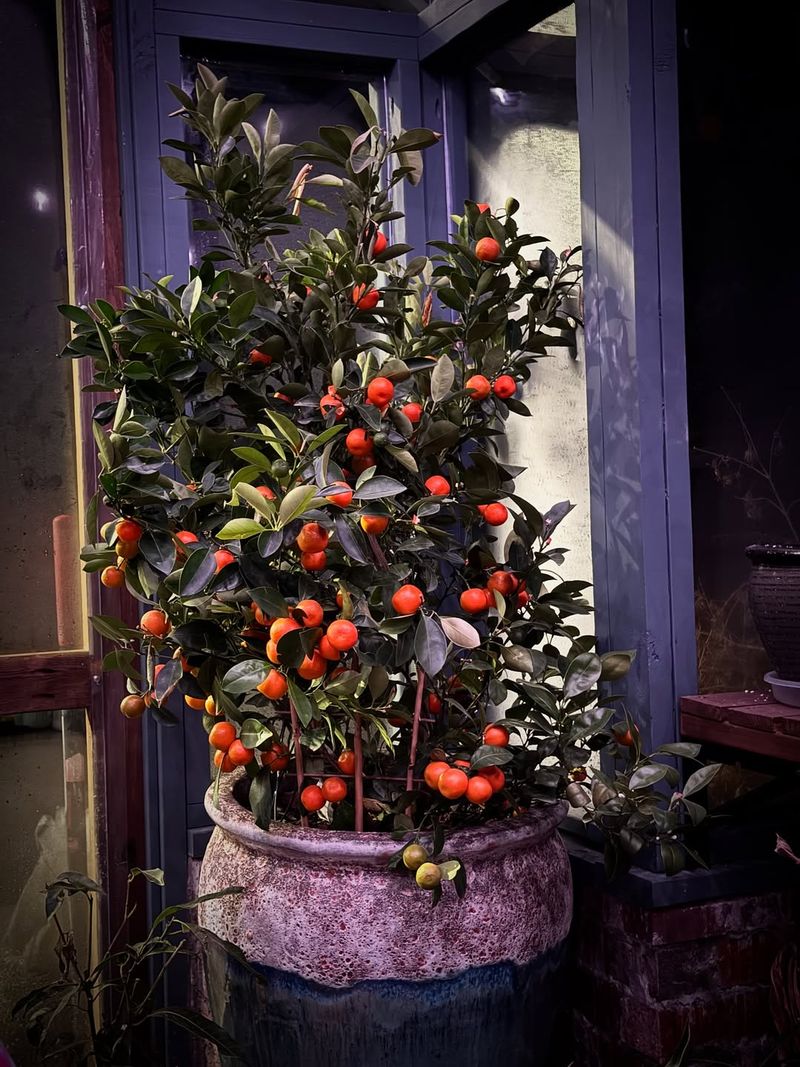
Kumquats stand out as one of the most cold-hardy citrus options, making them especially reliable for California gardeners in areas that occasionally experience light frosts. These charming little trees produce oval or round fruits about the size of large grapes that you eat entirely, skin and all.
The sweet rind contrasts beautifully with the tart flesh, creating a unique flavor explosion that surprises first-time tasters.
Nagami kumquats produce oval fruit and grow slightly larger, while Meiwa kumquats bear round fruit with sweeter flavor and stay more compact. Both varieties excel in containers throughout California, typically staying under six feet tall with regular pruning.
The dense foliage and compact growth habit make kumquats attractive ornamental trees even when not fruiting, and the fragrant white flowers smell wonderful.
Position your potted kumquat where it receives at least six hours of daily sunshine for optimal fruit production. Use a container with drainage holes and citrus potting soil that provides good aeration and prevents root rot.
California’s dry climate means you will need to water regularly, checking soil moisture frequently during summer heat waves when container plants dry out quickly.
Kumquat trees produce fruit in winter, brightening up California’s cooler months with cheerful orange color. The fruit hangs on the tree for weeks after ripening, so you can harvest as needed rather than dealing with an overwhelming crop all at once.
Feed every six weeks during spring and summer with citrus fertilizer to keep your tree healthy and productive. These trees rarely face serious pest problems in California, though you should watch for aphids and treat them promptly if they appear on new growth.
5. Dwarf Apple Tree
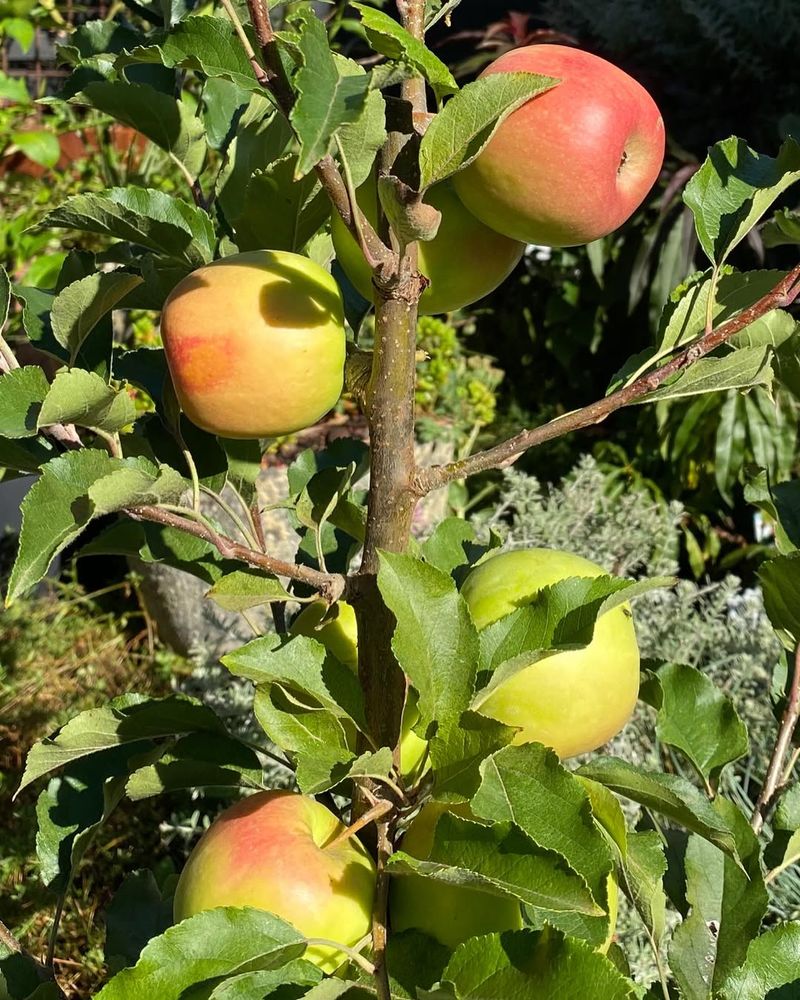
Crisp, homegrown apples are absolutely achievable for California container gardeners who select appropriate varieties and provide proper care. Columnar apple trees grow in a narrow, upright form that works perfectly for pots, reaching six to eight feet tall but only two feet wide.
Varieties like Fuji, Gala, and Granny Smith are available as dwarf rootstocks that stay manageable while producing full-sized apples.
Most apple varieties need cross-pollination from a different apple variety to produce fruit, so plan to grow at least two compatible trees or choose a self-fertile variety.
Northern California provides better growing conditions for apples than southern regions because most varieties need significant chill hours during winter.
Check your specific area’s average chill hours and match apple varieties to those requirements for successful fruiting.
Container apples need full sun exposure and consistent moisture throughout the growing season. Use a large pot, at least 20 gallons, filled with quality potting mix that drains well but retains some moisture.
California’s summer heat can stress container apples, so consider moving pots to locations with afternoon shade during the hottest months, especially in inland valleys.
Feed your potted apple trees in early spring as new growth begins, then again in early summer to support fruit development.
Thin developing apples when they reach the size of a quarter, leaving about six inches between remaining fruit so they grow larger and develop better flavor.
Harvest timing varies by variety, typically occurring in late summer through fall in California. Watch for common apple pests like codling moth and aphids, treating problems early before they affect your harvest significantly.
6. Blueberry Bush
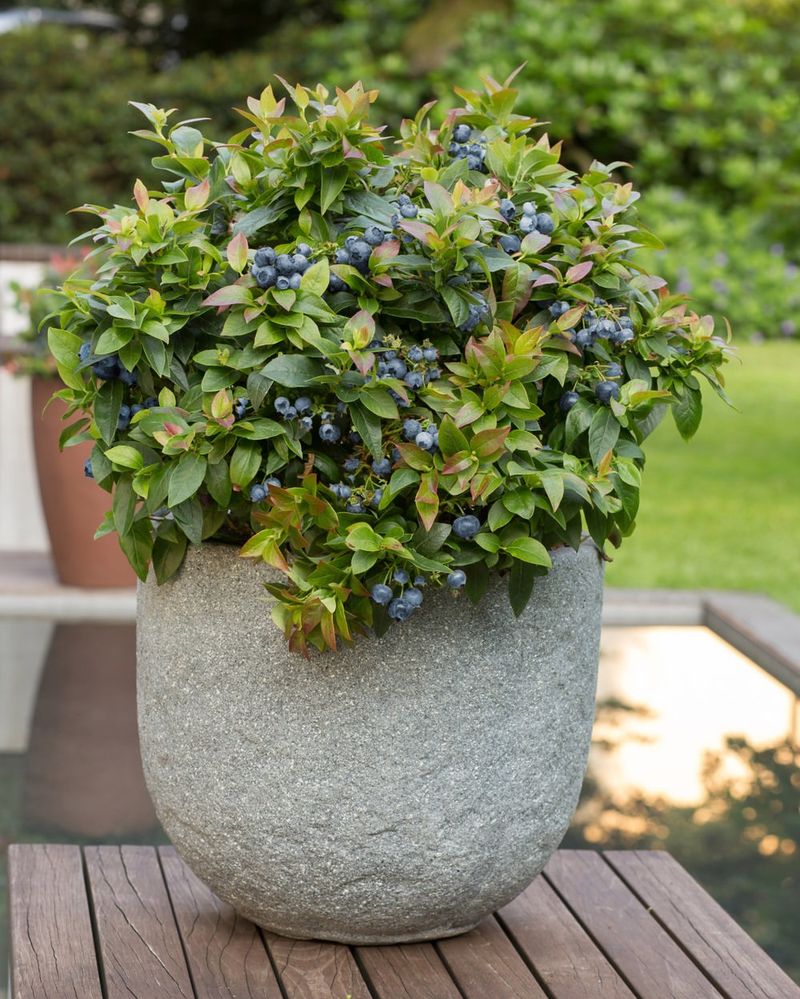
While technically a shrub rather than a tree, blueberries deserve mention because they thrive in containers throughout California and produce abundant fruit with relatively little effort.
These attractive plants offer year-round interest with spring flowers, summer berries, and brilliant fall foliage colors.
Southern Highbush varieties like Misty, O’Neal, and Sunshine Blue work best in California’s mild climate, requiring fewer chill hours than traditional blueberry varieties.
Blueberries have one critical requirement that sets them apart from other fruit plants: they absolutely need acidic soil with a pH between 4.5 and 5.5. Regular potting soil is too alkaline, so use azalea or rhododendron potting mix specifically formulated for acid-loving plants.
California’s tap water tends to be alkaline, so consider using rainwater or filtered water when possible to avoid raising soil pH over time.
Choose containers at least 18 inches in diameter with excellent drainage. Blueberries have shallow, fibrous root systems that appreciate consistent moisture but rot quickly in waterlogged soil.
California’s low humidity suits these plants well, though they benefit from occasional misting during extremely hot, dry periods. Position your potted blueberries where they receive full sun in coastal areas or partial afternoon shade in hotter inland regions.
Feed every four to six weeks during spring and summer with fertilizer designed for acid-loving plants. Most blueberry varieties need cross-pollination for best fruit production, so growing two different varieties together increases your harvest significantly.
Berries ripen gradually over several weeks in summer, letting you enjoy fresh fruit throughout the season. Birds love blueberries as much as people do, so consider draping netting over your plants as fruit begins ripening to protect your crop.
7. Dwarf Pomegranate
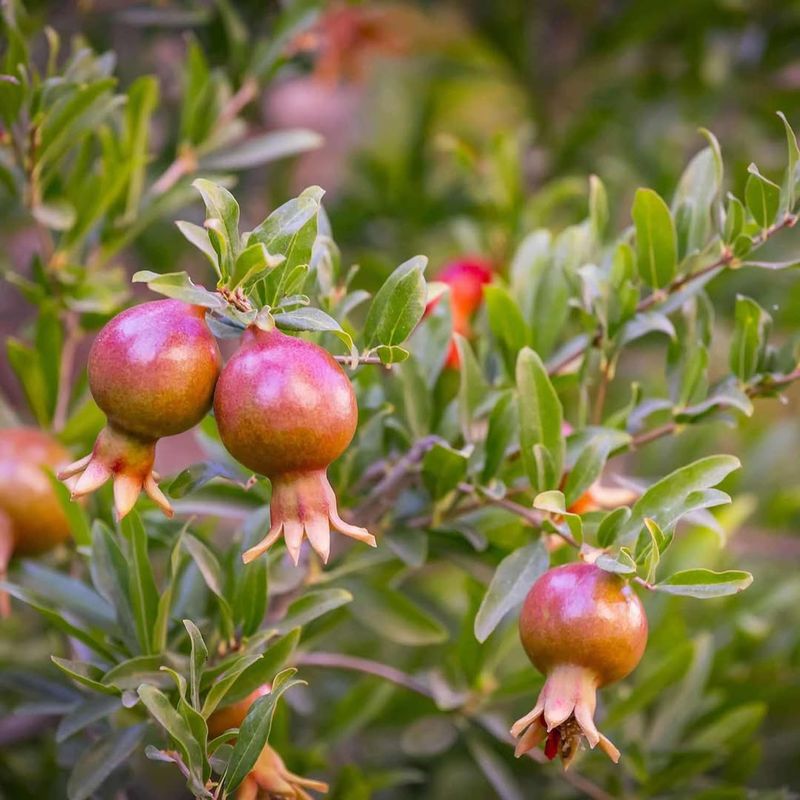
Pomegranates carry ancient symbolism and modern superfood status, making them both meaningful and healthful additions to California container gardens.
These drought-tolerant trees originated in regions with climates similar to much of California, so they adapt beautifully to the state’s conditions.
Dwarf varieties like Nana stay compact at three to four feet tall, while standard dwarfs reach six to eight feet, both sizes working well in large containers.
Wonderful is the most popular pomegranate variety in California, producing large fruit with deep red arils full of sweet-tart juice. The trees handle California’s heat exceptionally well, actually preferring hot summers that help fruit develop maximum sweetness.
Pomegranates need minimal chill hours, making them suitable for all regions of the state, from San Diego to Redding.
Plant your pomegranate in a container at least 15 gallons with excellent drainage, using quality potting soil. These trees tolerate drought once established but produce better fruit with regular watering during the growing season.
California’s dry climate suits pomegranates perfectly, reducing disease problems that plague these trees in humid regions. Place your container where it receives full sun, as pomegranates need lots of light for optimal fruit production.
Brilliant orange-red flowers appear in late spring and early summer, creating a stunning display before fruit develops. Pomegranates ripen in fall, their leathery skin changing from green to deep red as they mature.
The fruit stays on the tree for extended periods, so you can harvest gradually rather than all at once. Feed monthly during spring and summer with balanced fertilizer to support healthy growth.
Pomegranates rarely face serious pest problems in California, making them wonderfully low-maintenance container fruit trees for busy gardeners.