These Are The Best Fruit Trees To Grow In Pots In Ohio
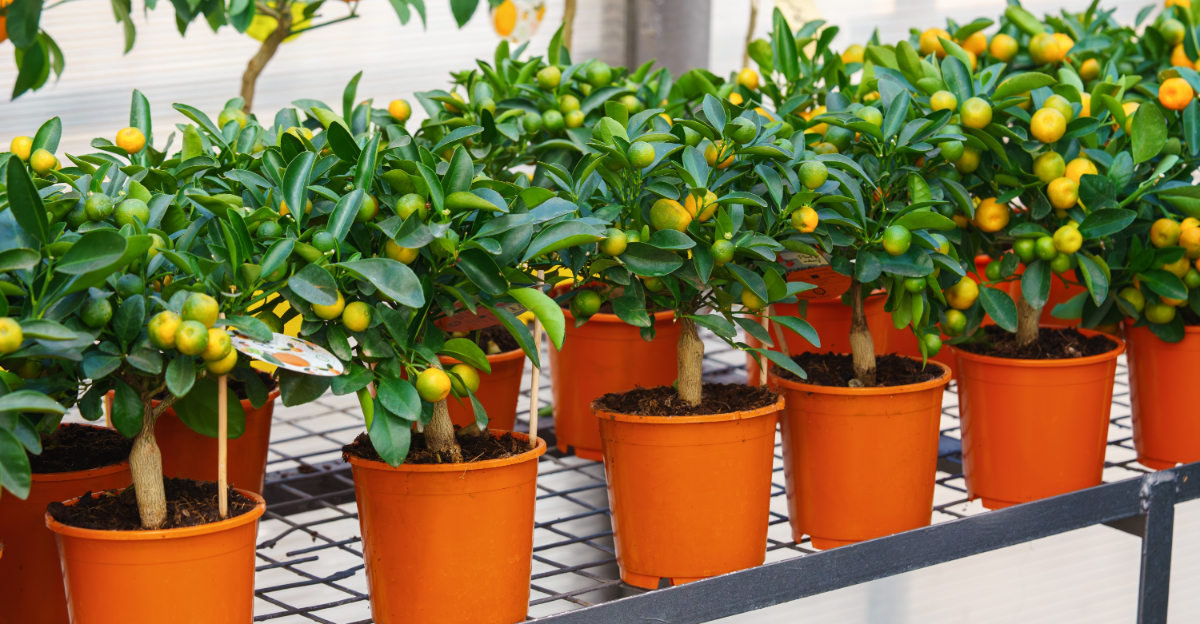
Not every Ohio gardener has space for a full orchard, and that’s where container growing starts to make sense. A patio, a small backyard, even a sunny corner near the driveway can turn into a place where fruit trees actually produce.
It surprises a lot of people how well certain varieties handle life in a pot, especially with Ohio’s changing seasons.
The key is picking trees that stay manageable and respond well to pruning and seasonal care.
Once that part clicks, growing fruit at home feels a lot more doable. You don’t need acres of land or years of experience to make it work.
With the right setup, these trees can reward you with steady growth and reliable harvests over time, even in tighter spaces where traditional planting would never be possible or practical.
1. Dwarf Apple Trees For Crisp Homegrown Harvests
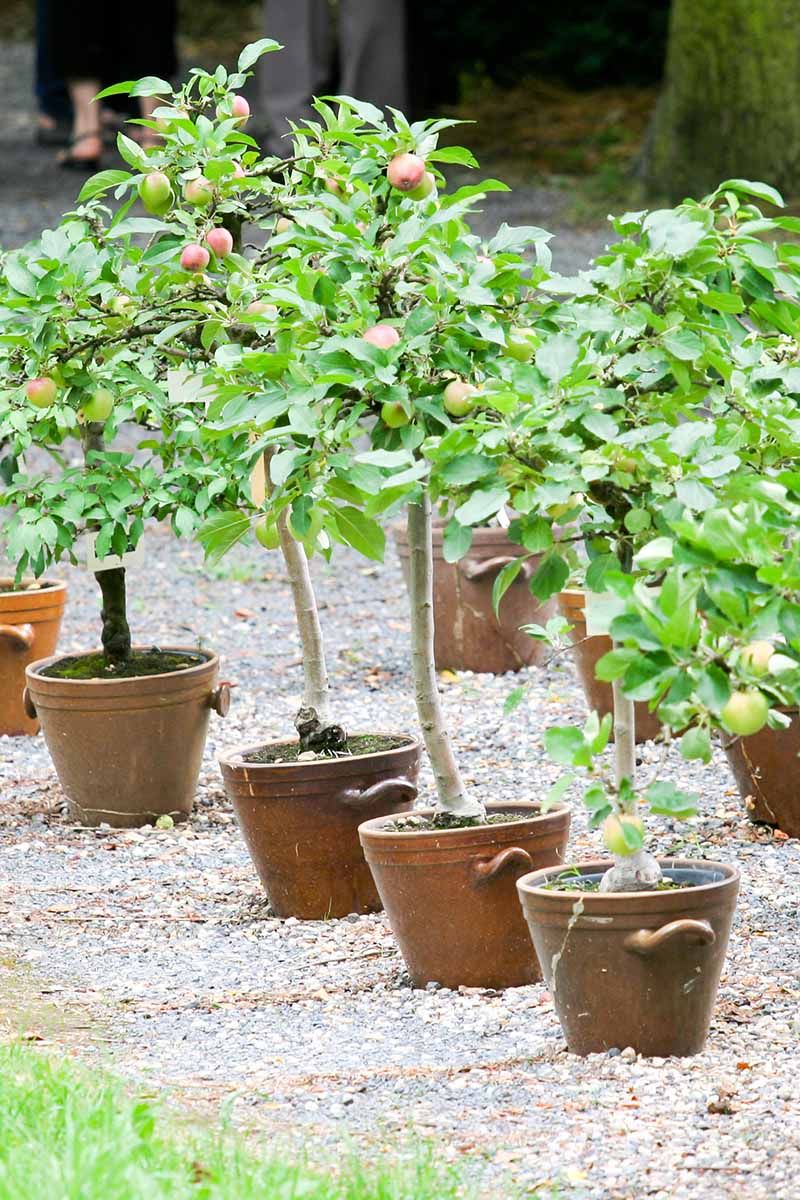
Few things feel more satisfying than plucking a crisp, homegrown apple right from your own patio. Dwarf apple trees like ‘Urban Apple,’ ‘Northpole,’ and ‘Golden Sentinel’ are some of the best choices for Ohio gardeners who want big results from a small space.
Their narrow, upright growth habit makes them ideal for containers, and they stay compact enough to manage easily throughout the seasons.
One important thing to keep in mind is that apple trees generally do better with a pollination partner nearby. Planting two compatible dwarf varieties close together can seriously boost your fruit yield.
Even if your neighbor grows an apple tree, that might be enough cross-pollination to get a solid harvest going.
For soil, use a well-draining potting mix in a container that holds at least 15 to 25 gallons. Apple trees need at least 6 to 8 hours of direct sunlight every day, so pick the sunniest spot on your porch or patio.
In Ohio, winters can be harsh, so moving your pot to a sheltered garage or shed during the coldest months helps protect the roots from freezing temperatures.
Regular watering is key, especially during the summer fruiting season. Keep the soil consistently moist but never soggy, since waterlogged roots can cause serious problems.
Fertilize with a balanced fertilizer during the spring and summer growing season to keep your tree healthy and productive.
Pruning is also worth doing each year to maintain the tree’s shape and encourage new fruiting wood. With a little attention and some Ohio sunshine, a dwarf apple tree in a pot can reward you with a surprisingly generous harvest of fresh apples year after year.
2. Dwarf Peach Trees With Sweet Summer Fruit
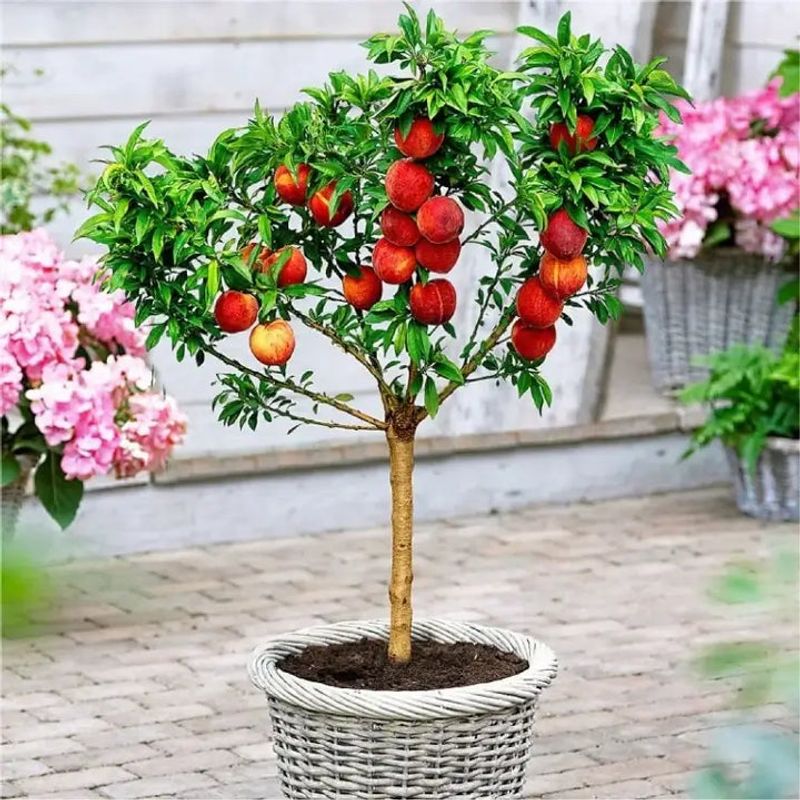
Imagine stepping outside on a warm Ohio summer morning and picking a juicy, sun-ripened peach straight from a potted tree on your deck. Compact peach varieties like ‘Bonanza’ and ‘Pix Zee’ make that dream completely achievable, even without a traditional orchard.
These trees are bred specifically to stay small, which makes them perfect for container life in places like Dayton, Akron, or anywhere else in Ohio.
Peach trees are sun lovers through and through. Plan to give your potted peach at least 6 to 8 hours of direct sunlight each day for the best fruit production.
A south-facing patio or deck is usually the sweet spot for maximizing light exposure throughout the growing season.
Watering consistently is one of the most important habits to build when caring for a container peach tree. During the fruiting period, the tree uses a lot of water, so check the soil moisture regularly and water deeply whenever the top inch or two feels dry.
Avoid letting the pot sit in standing water, as this can lead to root problems over time.
Pruning your dwarf peach each late winter or early spring helps control its size and encourages a fresh flush of fruiting branches. Removing old or crossed branches keeps the canopy open and allows sunlight to reach the developing fruit.
Ohio winters require some extra planning, so move your container into a sheltered location like a garage or enclosed porch once temperatures start dropping consistently below freezing.
Fertilizing with a balanced fruit tree fertilizer during the growing season gives your peach the nutrients it needs to produce sweet, flavorful fruit. With proper care, a dwarf peach tree in a pot can produce fruit for many happy seasons.
3. Dwarf Cherry Trees That Shine In Small Spaces
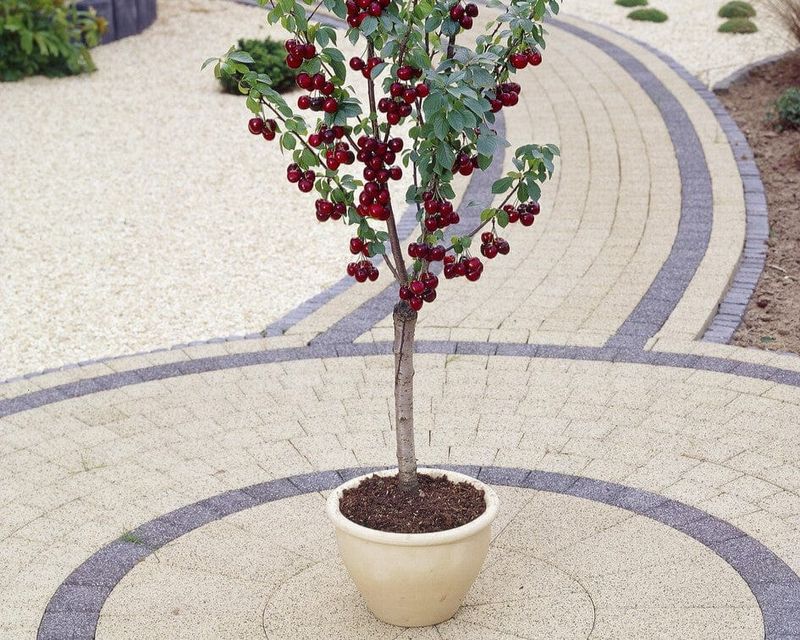
Cherry trees have a certain magic about them, first filling the yard with beautiful blossoms in spring and then delivering bunches of sweet or tart fruit by early summer. For Ohio gardeners working with limited space, dwarf cherry varieties are an outstanding container option.
Varieties like ‘Stella,’ ‘North Star,’ and ‘Romeo’ are well-suited to Ohio’s climate and adapt nicely to life in a large pot.
One of the best parts about certain dwarf cherry varieties is that they are self-fertile, meaning you do not necessarily need two trees to get fruit. That said, having a second compatible variety nearby can still increase your overall harvest.
Sweet cherries tend to need a pollination partner, while sour cherry types like ‘North Star’ are more independent.
Container size matters quite a bit with cherries. A 15 to 25-gallon pot with excellent drainage gives the roots enough room to develop properly.
Use a high-quality potting mix and make sure the container has drainage holes at the bottom to prevent water from pooling around the roots. Ohio’s clay-heavy native soils are not ideal for containers, so always use a commercial potting blend instead.
Full sun is non-negotiable for cherry trees. Position your pot where it will receive at least 6 to 8 hours of sunlight daily throughout the growing season.
During Ohio’s hot summers, you may need to water your cherry tree every day or every other day to keep the soil consistently moist.
When winter arrives in Ohio, move the container to a protected area to shield the roots from extreme cold. Wrapping the pot in burlap or bubble wrap adds an extra layer of insulation.
With thoughtful care, a dwarf cherry tree in a container can bring seasons of fresh fruit and stunning spring blooms.
4. Dwarf Plum Trees Packed With Flavorful Fruit
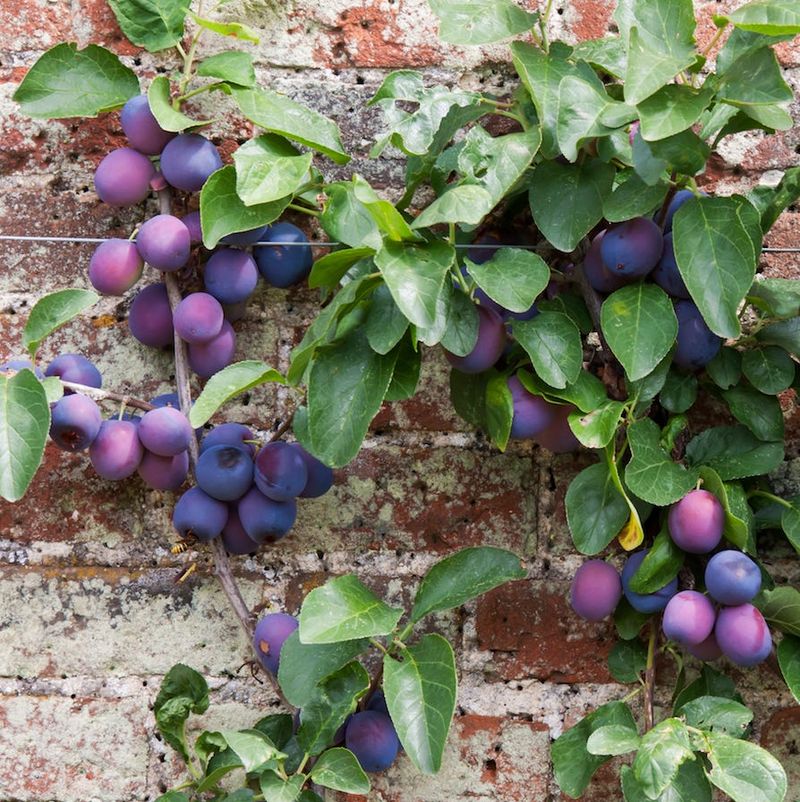
Plums might be one of the most underrated fruits to grow at home, and dwarf varieties bring all that bold, rich flavor into a perfectly manageable container-sized package. Compact plum varieties like ‘Hollywood’ and ‘Damson’ are solid choices for Ohio gardeners who want a productive fruit tree without needing a massive amount of space.
Both varieties perform well in containers and can handle the temperature swings that Ohio weather tends to throw at gardeners throughout the year.
Plum trees bloom fairly early in the spring, which means late frosts common in Ohio can sometimes damage the blossoms before they get a chance to set fruit. Keeping your container on wheels or a rolling platform allows you to move the tree quickly into a sheltered spot if a late frost is in the forecast.
A garage, covered porch, or even a large shed can offer enough protection during those tricky late-March and April cold snaps.
Full sun is essential for plum trees to produce well. Aim for at least 6 to 8 hours of direct sunlight per day, and choose a spot that stays consistently bright throughout the summer.
Regular watering during the growing season keeps the tree healthy and helps the fruit develop properly. Do not let the soil dry out completely between waterings, but also avoid overwatering.
Annual pruning in late winter helps manage the size of your dwarf plum and encourages healthy new growth each season. Removing crowded or inward-facing branches improves airflow and reduces the risk of disease.
Feeding with a balanced fertilizer in spring and early summer supports strong growth and a generous fruit crop.
With the right attention, a potted dwarf plum tree in Ohio can become a reliable and delicious part of your container garden for many years.
5. Fig Trees That Thrive In Containers With Ease
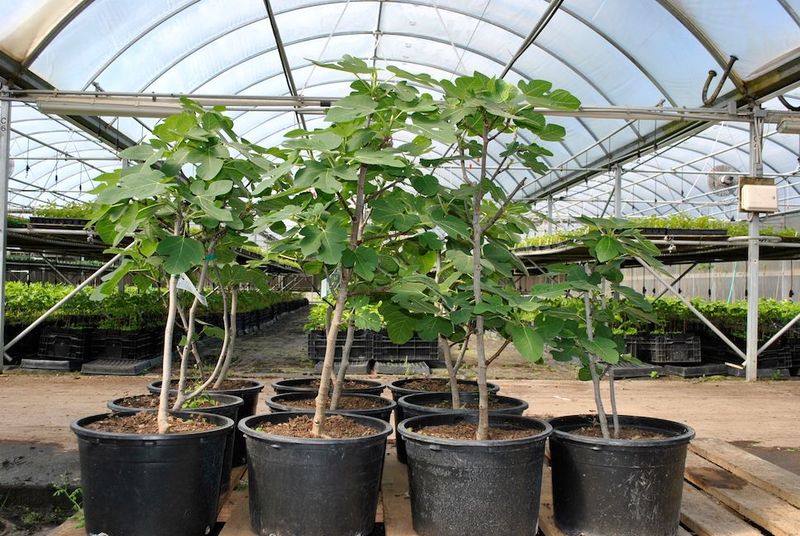
There is something almost exotic and old-world about growing a fig tree, and the great news for Ohio gardeners is that figs actually do really well in containers. Varieties like ‘Petite Negra,’ ‘Little Miss Figgy,’ and ‘Chicago Hardy’ are popular choices for container growing, with ‘Chicago Hardy’ being especially appealing because of its above-average cold tolerance.
Figs have been grown and loved for thousands of years, and bringing one onto your Ohio patio is a fun way to connect with that long history.
Fig trees thrive in full sun and warm conditions, so position your container in the sunniest spot available. In Ohio, the summer months provide plenty of heat for figs to develop their sweet, jammy fruit.
A south-facing patio or driveway area that absorbs and holds heat throughout the day is an ideal location for your potted fig.
Consistent watering is important, especially as the figs are forming and ripening. Keep the soil evenly moist but never waterlogged.
Figs grown in containers can dry out faster than those planted in the ground, so checking the soil moisture every day or two during hot Ohio summers is a smart habit to build.
Winter care is the most critical part of growing figs successfully in Ohio. Once temperatures consistently drop below freezing, bring your fig tree indoors to a cool but frost-free location like an unheated garage or basement.
The tree will go dormant and does not need much light during this rest period, but it does need protection from hard freezes to survive until spring.
Repot your fig every two to three years as it outgrows its container. With the right winter protection and summer sunshine, a fig tree can become a beloved and productive part of your Ohio container garden.
6. Meyer Lemon Trees For Fresh Citrus Indoors And Out
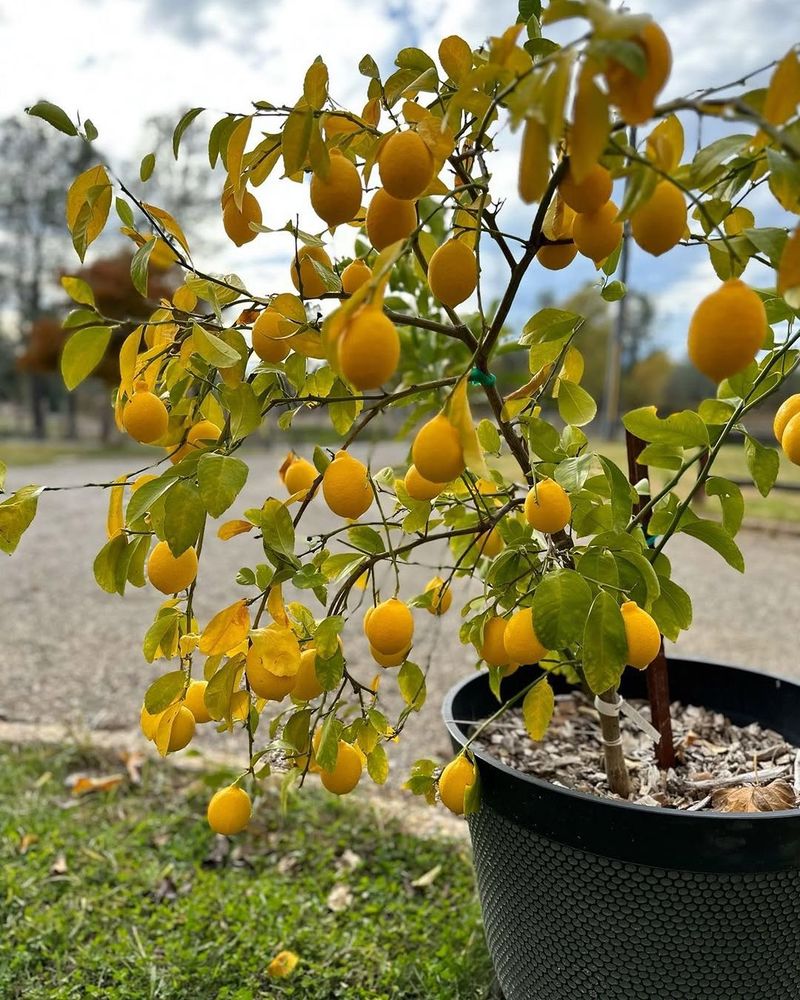
Bright yellow lemons growing right inside your Ohio home might sound like a fantasy, but Meyer lemon trees make it a genuine reality. Known for producing fruit that is sweeter and less tart than a typical grocery store lemon, the Meyer lemon is a hybrid citrus variety that adapts beautifully to container life.
Its compact size and manageable growth habit make it one of the most popular indoor-outdoor fruit trees for gardeners across Ohio.
During the warmer months, Meyer lemon trees love being outside in full sun. Move your pot outdoors once nighttime temperatures stay reliably above 50 degrees Fahrenheit, which in Ohio typically means late May through early September.
Placing the tree on a sunny patio or balcony during the summer gives it the warmth and light it needs to develop fragrant blossoms and flavorful fruit.
Once Ohio’s fall temperatures start dropping, it is time to bring the Meyer lemon back inside. A bright, sunny window that receives 6 to 8 hours of indirect or direct light each day is ideal for overwintering.
Many Ohio gardeners use grow lights to supplement natural light during the darker winter months, which helps keep the tree healthy and even encourages blooming indoors.
Watering a Meyer lemon in a container requires a balanced approach. The soil should stay evenly moist during the growing season, but allow the top inch to dry out slightly between waterings in winter.
Fertilizing with a citrus-specific fertilizer every few weeks during spring and summer supports strong growth and fruit production.
One fun detail about Meyer lemons is that they can bloom and produce fruit almost year-round under the right conditions, making them one of the most rewarding container fruit trees you can grow anywhere in Ohio.
7. Calamondin Orange Trees With Bright, Tangy Fruit
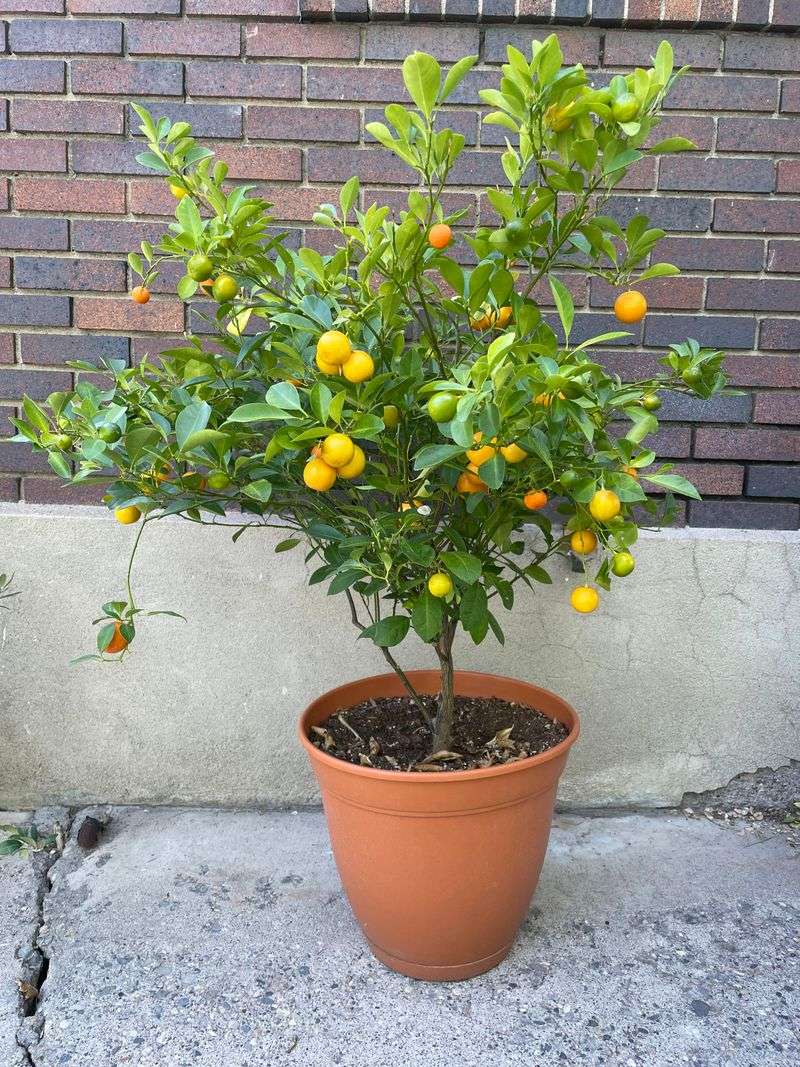
If you are looking for a citrus tree that is tough, cheerful, and surprisingly easy to care for in Ohio, the Calamondin orange tree deserves a serious look. Sometimes called a miniature orange tree, the Calamondin produces small, tangy fruits that look like tiny oranges and pack a big punch of flavor.
The fruit is commonly used in marinades, teas, and desserts, making it both a decorative and functional addition to any Ohio home or patio.
Calamondin trees are actually better suited to indoor growing than most other citrus varieties, which makes them an excellent fit for Ohio’s cold winters. They tolerate lower light levels better than Meyer lemons, though they still prefer a bright, sunny window during the winter months.
A south or west-facing window in your Ohio home provides the best light exposure for keeping the tree healthy and productive through the colder season.
During summer, move your Calamondin outdoors once the threat of frost has passed, usually around late May in most parts of Ohio. A partly sunny to fully sunny spot works well, and the tree will often reward the extra outdoor time with a flush of fragrant white blossoms.
Those blossoms develop into clusters of small orange fruits that ripen over several months, giving the tree a beautiful and colorful appearance.
Water your Calamondin consistently, allowing the top layer of soil to dry slightly between waterings. Overwatering is one of the most common mistakes with container citrus, so always check the soil before adding more water.
Feed with a citrus fertilizer every few weeks during the growing season to support healthy foliage and fruit development.
With its ornamental appeal and practical fruit production, the Calamondin orange tree is a standout choice for Ohio gardeners who want a citrus tree that truly thrives in a pot.