These Are The Best Ground Covers For Pennsylvania That Don’t Need Constant Watering
Keeping a Pennsylvania yard looking green and full can be a challenge, especially when water is limited or summers are hot. Traditional grass often struggles in shady spots or dry soil, leaving patches that are both frustrating and high-maintenance.
That’s where drought-tolerant ground covers step in. They fill empty spaces, reduce weeds, and stay vibrant without demanding constant attention.
The best ground covers do more than just survive, they enhance your yard with texture, color, and low-maintenance charm.
Many varieties handle shade, sun, or poor soil while keeping the landscape looking polished year-round. Some even attract pollinators, adding life and movement to your garden.
For gardeners looking to save water and time, selecting the right ground cover is a smart move. With hardy, adaptable plants, a Pennsylvania yard can stay lush, visually appealing, and virtually worry-free, even during dry spells.
1. Creeping Thyme
Walk across a patch of creeping thyme and you will instantly notice something special. The moment you step on it, a fresh, herby fragrance fills the air.
That alone makes this plant one of the most rewarding ground covers you can grow in Pennsylvania.
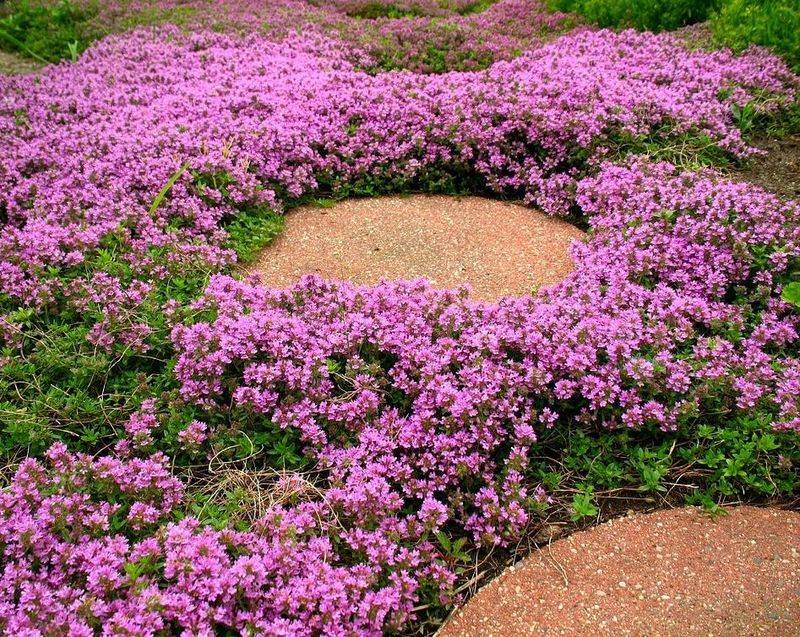
Creeping thyme grows in a flat, dense mat that stays just about two inches tall. It loves full sun and thrives in well-draining soil, which makes it perfect for rocky slopes, garden borders, and sunny open spaces across Pennsylvania yards.
It spreads steadily, filling in bare patches without becoming invasive or hard to manage. One of the biggest reasons gardeners love creeping thyme is its drought tolerance. Once it gets established in your yard, it barely needs any watering at all.
Pennsylvania summers can get dry and hot, but creeping thyme handles that stress without missing a beat. It stays green and healthy even when other plants start to look worn out.
In summer, it bursts into tiny pink or purple flowers that attract bees and butterflies. The blooms are small but they create a stunning carpet of color across your garden. Even after the flowers fade, the foliage stays attractive through much of the year.
Another cool bonus is that creeping thyme can handle light foot traffic. You can plant it between stepping stones or along a garden path and it holds up surprisingly well.
It bounces back quickly after being walked on. For Pennsylvania homeowners who want a fragrant, tough, and beautiful ground cover that does not demand constant attention, creeping thyme is a top-tier choice worth every bit of space you give it.
2. Ajuga
If you have ever struggled to grow anything in a shady corner of your Pennsylvania yard, ajuga might just become your new favorite plant.
It is one of those ground covers that actually prefers low-light conditions, making it a perfect solution for spots under trees or along north-facing fences where most plants refuse to grow.
Ajuga spreads quickly by sending out runners along the soil surface. Within a single growing season, it can fill in a surprisingly large area with a thick, weed-smothering mat.
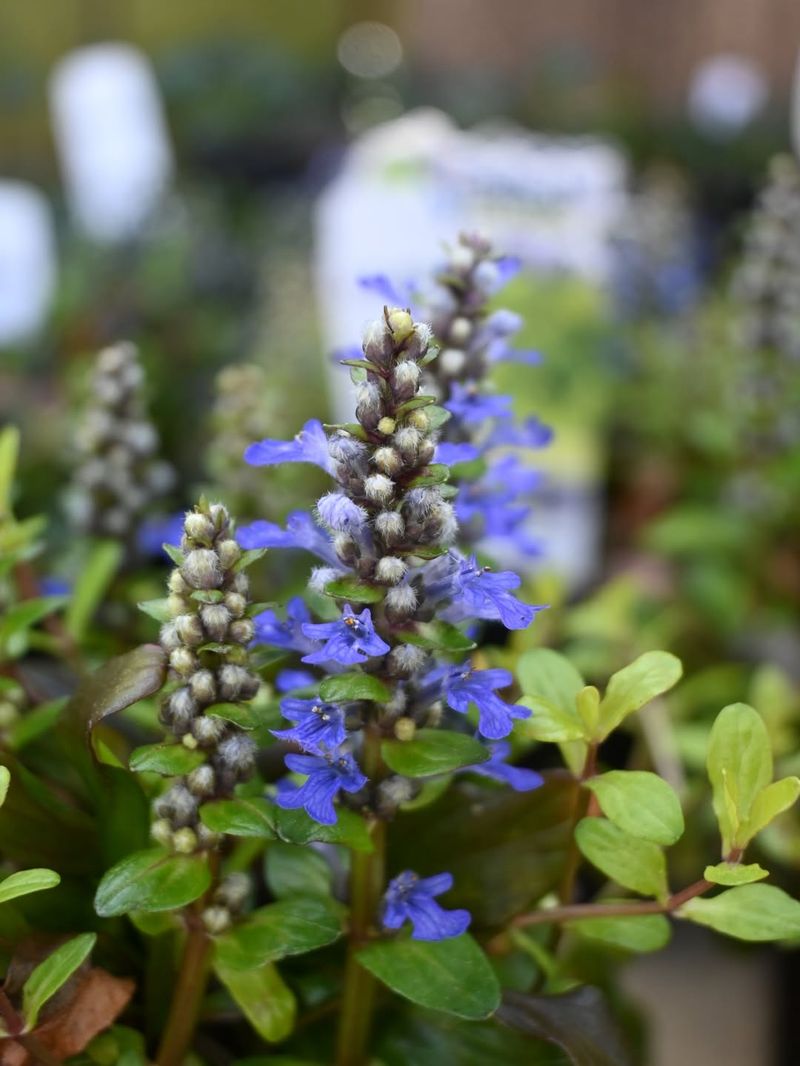
The foliage comes in several colors, including deep bronze, burgundy, and green, so even before it blooms, it adds real visual interest to your landscape.
Come spring, ajuga sends up tall spikes covered in vibrant blue flowers. The blooms are small but striking, and they attract pollinators like bees early in the season when other plants are just waking up.
Pennsylvania gardeners who want early color without a lot of effort will appreciate how reliable ajuga is year after year.
When it comes to water, ajuga is tougher than it looks. It handles short dry periods without much trouble once it has settled into the soil.
You may need to water it occasionally during very long dry spells, but for the most part, Pennsylvania rainfall is enough to keep it thriving through the season.
Ajuga also works beautifully on gentle slopes where erosion can be a problem. Its dense root system holds soil in place during heavy rain.
For shaded areas in Pennsylvania where you need quick, colorful, and low-water coverage, ajuga delivers results that are hard to beat.
3. Sweet Woodruff
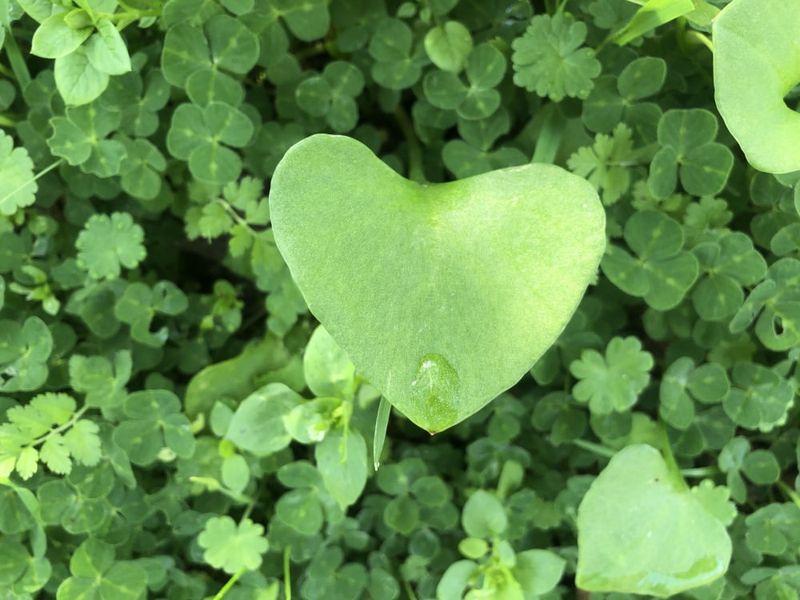
There is something almost magical about sweet woodruff. Tuck it under a canopy of trees, and within a couple of seasons it transforms bare, shadowy ground into a lush green carpet dotted with tiny white flowers.
Pennsylvania gardeners who deal with deep shade will find this plant to be a genuine game-changer.
Sweet woodruff is a spreading perennial that grows about eight to twelve inches tall. Its leaves are arranged in neat, star-shaped whorls along slender stems, giving it a delicate and refined appearance.
In spring, it produces small white blooms that look like little stars scattered across the green mat. The effect is charming and completely effortless.
One thing that makes sweet woodruff stand out is its fragrance. The leaves smell faintly of vanilla and fresh hay, especially when they are dried or crushed.
Historically, people used dried sweet woodruff to scent linen and even flavor certain drinks. Growing it in your Pennsylvania garden gives you a little piece of that old-world charm right in your own backyard.
Once established, sweet woodruff has impressively low water needs. It prefers moist, humus-rich soil when first planted, but after the roots are settled in, it handles dry stretches quite well.
Pennsylvania’s natural rainfall is usually enough to keep it healthy under tree cover where soil tends to stay cooler and hold moisture longer. It spreads at a moderate pace, so it fills in ground without becoming overwhelming.
For shaded spots in Pennsylvania where other plants struggle, sweet woodruff offers reliable, low-maintenance coverage with a soft, woodland beauty that feels natural and inviting throughout the entire growing season.
4. Lamium
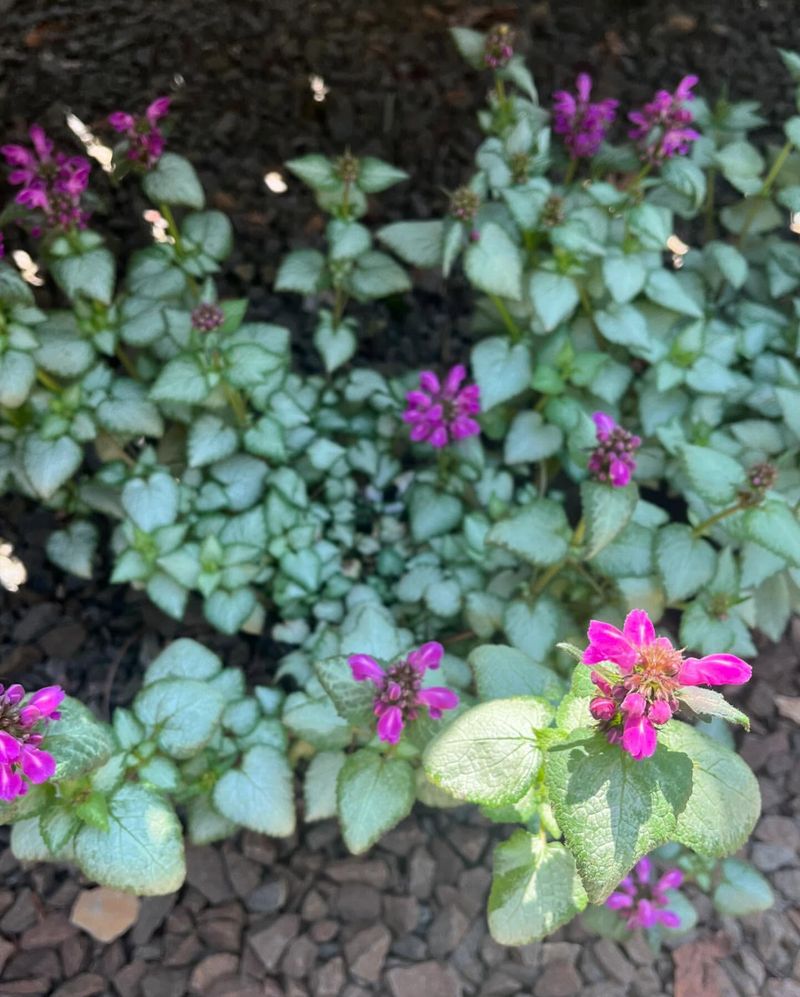
Forget the idea that variegated plants are high-maintenance. Lamium breaks that assumption completely.
With its eye-catching silver and green leaves, it brings brightness to the darkest corners of a Pennsylvania yard without asking for much in return. It is one of those plants that looks like it should be fussy but is actually incredibly tough.
Lamium maculatum is a low-growing perennial that hugs the ground, typically reaching just six to eight inches in height. It spreads steadily by creeping stems that root where they touch the soil, gradually covering bare patches and crowding out weeds.
The variegated foliage stays attractive from spring through fall, making it a reliable visual asset long after its flowers have faded.
The flowers themselves are a treat. Small pink, purple, or white blooms appear in spring and sometimes again in fall, adding a soft pop of color to shaded areas.
Pollinators appreciate the blooms too, so lamium quietly supports local garden ecosystems in Pennsylvania without any extra effort from you.
Dry shade is one of the hardest conditions to plant in, and lamium handles it better than almost anything else. Once established, it tolerates stretches of low rainfall and competes well even in the dry, root-filled soil beneath large trees.
Pennsylvania homeowners with mature trees often find lamium to be the only plant that actually thrives in those tough spots.
Maintenance is refreshingly minimal. Trim it back lightly if it starts to spread beyond where you want it, and that is about all it needs.
For Pennsylvania gardens with challenging shaded and dry areas, lamium offers a practical, beautiful, and genuinely low-effort solution that performs season after season.
5. Creeping Jenny
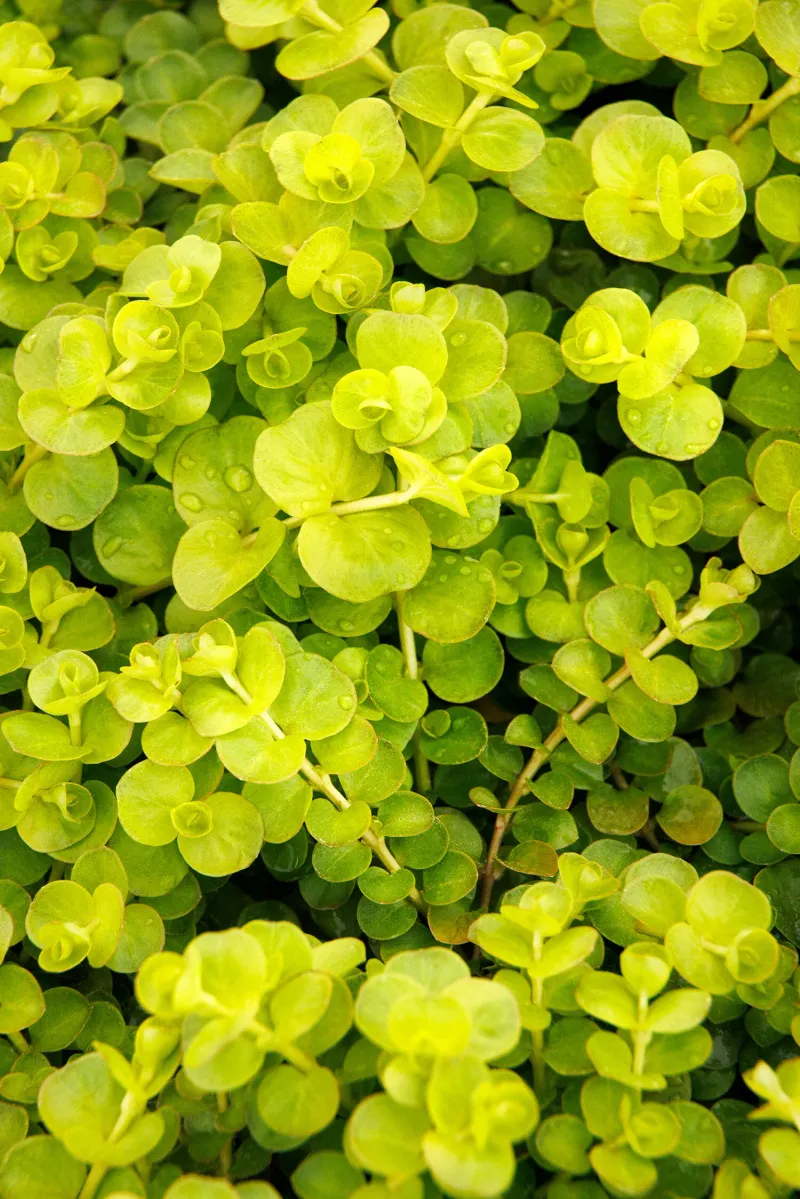
Few ground covers make a visual impact as quickly as creeping Jenny. Its bright, almost electric green foliage spreads across the ground in trailing waves, turning ordinary garden edges and slopes into something that looks professionally designed.
If you want fast results in your Pennsylvania yard, this plant delivers. Creeping Jenny grows low to the ground, with flexible stems that trail and root as they spread.
It works beautifully along the edges of garden beds, around water features, and on gentle slopes where you need quick coverage.
The golden or lime-green variety called Aurea is especially popular for its cheerful, sun-catching color that brightens up any space it occupies.
In late spring and early summer, small bright yellow flowers appear among the round leaves. The blooms are simple but cheerful, adding another layer of interest to an already attractive plant.
Bees visit the flowers regularly, making creeping Jenny a quiet contributor to your local Pennsylvania pollinator population.
When it comes to water needs, creeping Jenny is more adaptable than many people expect. It prefers consistently moist soil early on, but once its roots are established, it handles drier periods reasonably well.
In Pennsylvania, where summer rainfall is somewhat unpredictable, this flexibility is a real advantage. It performs well in both sunny and partially shaded spots, giving you a lot of options for placement.
One thing to keep in mind is that creeping Jenny can spread enthusiastically. Trim it back occasionally to keep it within bounds.
For Pennsylvania homeowners who want lush, fast-spreading coverage with minimal watering, creeping Jenny is a bold and beautiful choice that rarely disappoints in any season.
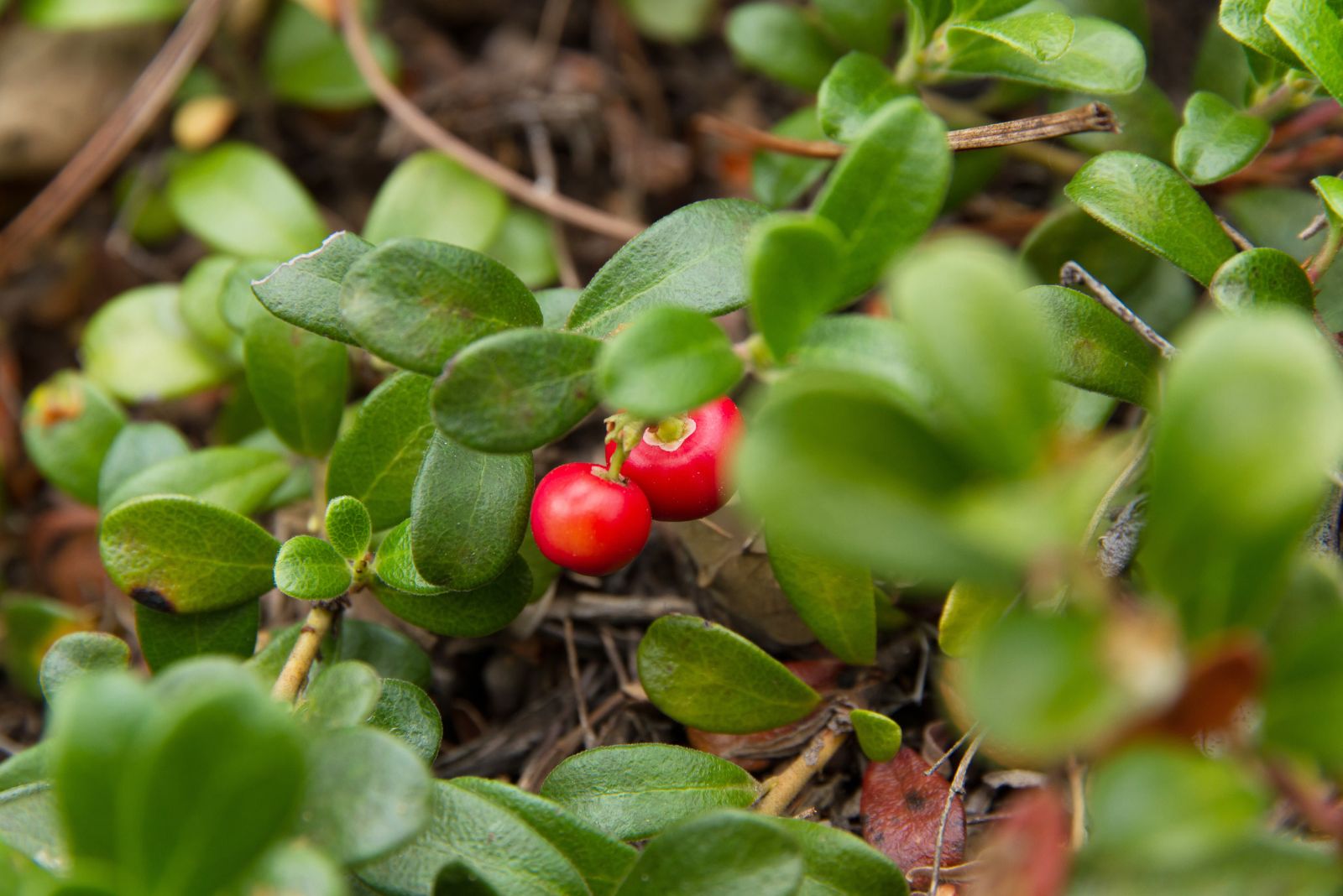
6. Bearberry
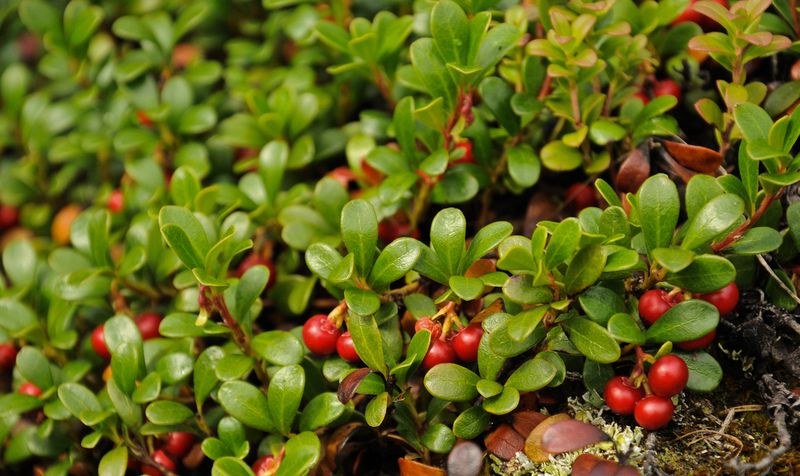
Native plants often make the best ground covers, and bearberry is a perfect example of that.
This tough, low-growing evergreen has been thriving in Pennsylvania’s wild landscapes for centuries, and it brings that same natural resilience to home gardens and landscaped slopes across the state.
Bearberry forms a dense, woody mat that stays close to the ground, rarely growing taller than six inches. Its small, glossy leaves stay dark green through most of the year, giving your landscape year-round color and coverage.
In fall and winter, clusters of bright red berries appear among the foliage, adding a festive pop of color when most other plants have gone quiet for the season.
Drought tolerance is one of bearberry’s greatest strengths. Once it is established in your Pennsylvania yard, it can go long stretches without any supplemental watering.
It evolved to grow in sandy, rocky, and nutrient-poor soils, which means it actually performs better when you leave it alone rather than fussing over it. Rich, heavily fertilized soil can actually work against it.
Bearberry is an excellent choice for erosion control on sunny slopes and hillsides. Its spreading root system grips the soil firmly, preventing washout during heavy Pennsylvania rainstorms.
It also handles full sun exposure without any trouble, making it ideal for open, exposed areas where other low-water plants might still struggle.
Wildlife love bearberry too. Birds eat the berries eagerly in winter, and the plant supports native insect populations during the warmer months.
For Pennsylvania gardeners who want an ecologically valuable, virtually maintenance-free, and genuinely drought-tough ground cover, bearberry is a standout option that rewards patience with lasting, natural beauty.