These Are The Best Low-Maintenance Plants For Pennsylvania Homes During Winter
Winter in Pennsylvania can make caring for houseplants feel like extra work. With less sunlight, colder air, and dry indoor conditions, many plants start to struggle.
That’s why low-maintenance plants become a favorite choice during the colder months. These tough plants don’t need constant watering, special lighting, or daily attention to stay healthy.
They’re perfect for busy homeowners or anyone who wants greenery without stress. Even better, many of these plants help freshen indoor air and brighten up dull winter spaces.
Whether you live in a small apartment or a larger home, the right plant choices can make winter feel warmer and more inviting.
If you want to keep your home green and lively without spending extra time on plant care, these low-maintenance favorites are exactly what you need this season.
1. Snake Plant
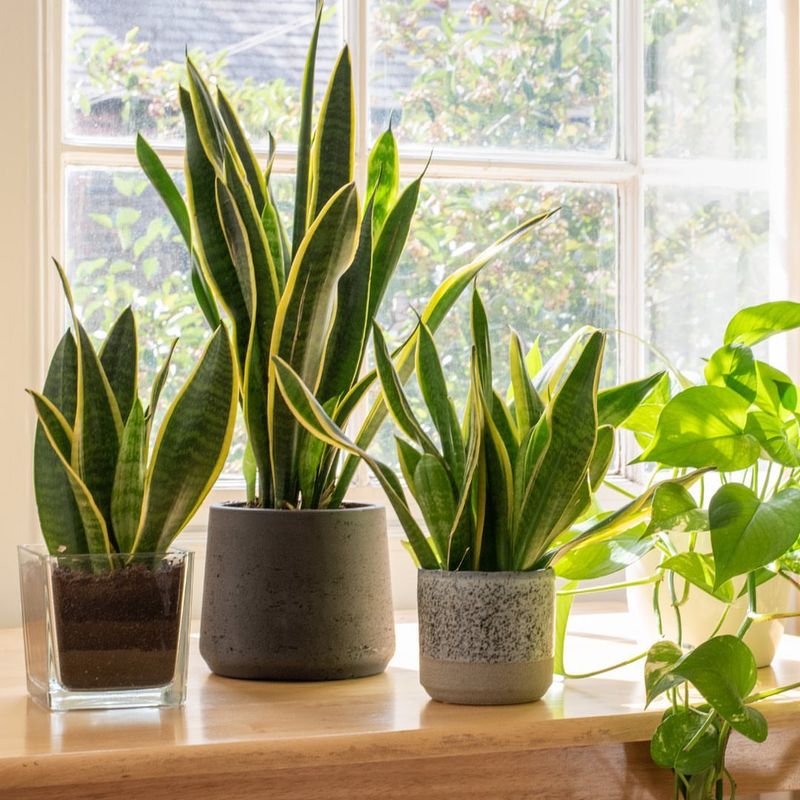
Few houseplants can match the toughness of the snake plant when it comes to surviving Pennsylvania winters with minimal care. This striking plant features tall, sword-like leaves that stand proudly upright, adding architectural interest to any room.
The variegated patterns of green and yellow create visual appeal without needing flowers or constant maintenance.
Snake plants actually thrive on neglect, making them perfect for busy households during the hectic winter season. They can go weeks without water since their thick leaves store moisture efficiently.
The dry indoor air that comes from heating systems in Pennsylvania homes doesn’t bother them at all. Low light conditions are also fine, so you can place them in corners or rooms without many windows.
One of the best features is their air-purifying ability, which helps improve indoor air quality during winter when homes stay sealed tight. They remove toxins like formaldehyde and benzene from the air while you sleep.
Snake plants rarely need repotting and almost never attract pests. A simple watering once every two to three weeks keeps them happy.
Just make sure the soil dries out completely between waterings to prevent root rot. These plants can live for decades with proper care, becoming long-term companions in your Pennsylvania home.
2. Pothos
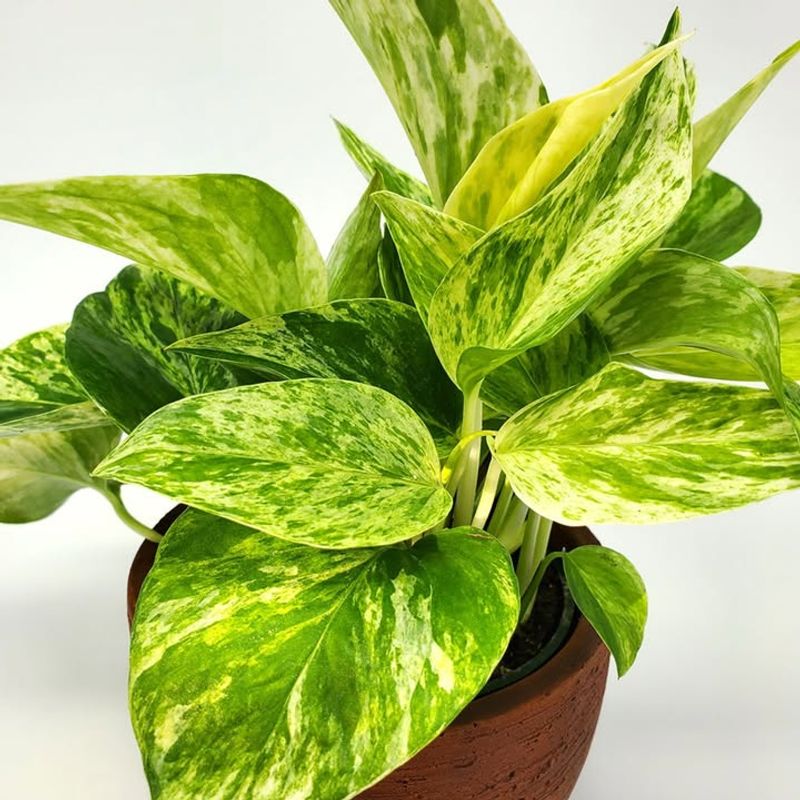
Pothos earns its reputation as one of the most forgiving houseplants available, perfect for Pennsylvania homeowners who want greenery without the worry.
Heart-shaped leaves cascade gracefully from pots, creating beautiful trailing displays that soften room corners and add warmth during cold months.
The glossy foliage comes in several varieties, including solid green, golden, and marble patterns that brighten dim winter days.
This adaptable plant handles almost any light condition except complete darkness, though it grows best with indirect light near windows. Pennsylvania winters mean shorter days and less natural light, but pothos adjusts without complaint.
Watering needs are simple and flexible. The plant actually tells you when it needs water by slightly drooping its leaves, then perks right back up after a good drink.
Pothos grows quickly, providing visible progress and satisfaction even during the slowest winter months. You can trim back long vines anytime and use the cuttings to start new plants in water, making it easy to expand your collection or share with friends.
The plant tolerates temperature fluctuations well, handling cooler rooms without stress. It also removes indoor air pollutants, contributing to a healthier home environment when windows stay closed against Pennsylvania’s cold winds.
3. ZZ Plant
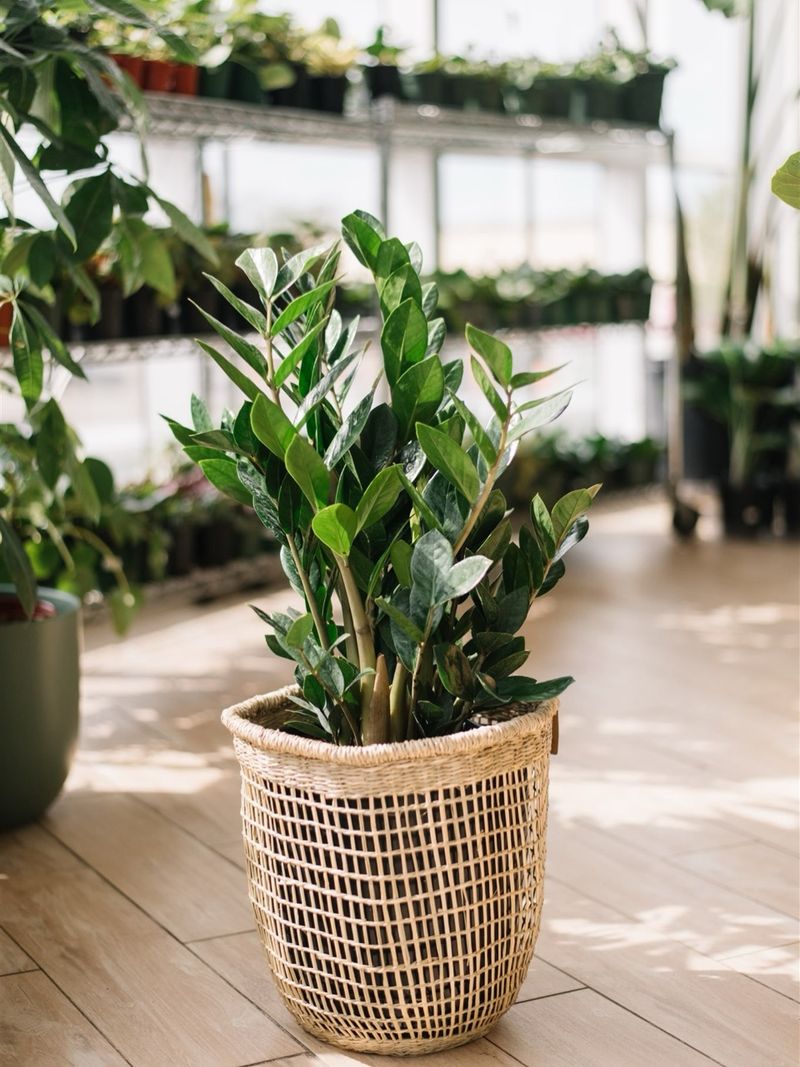
The ZZ plant stands out as nearly indestructible, making it ideal for anyone who worries about keeping plants alive through Pennsylvania’s harsh winters.
Thick, glossy leaves grow from sturdy stems that rise from underground rhizomes, creating a full, attractive appearance that stays consistent year-round.
The waxy coating on the leaves gives them a polished look that catches light beautifully, adding elegance to any room.
Water storage happens in both the leaves and the underground rhizomes, allowing this plant to survive extended periods without moisture.
During busy winter weeks filled with holiday activities and indoor projects, you might forget to water, but the ZZ plant won’t hold it against you.
It actually prefers to stay on the dry side, making overwatering a bigger concern than underwatering.
Low light tolerance is exceptional, so ZZ plants work well in Pennsylvania homes with limited winter sunlight or in rooms away from windows. They grow slowly but steadily, requiring minimal fertilizer and rarely needing repotting.
Pests almost never bother them, and diseases are extremely rare. The plant handles the temperature swings that sometimes occur near windows or exterior walls without showing stress.
Simply water every two to three weeks, keep it out of direct sunlight, and watch it thrive with almost no effort required throughout the entire winter season.
4. Spider Plant
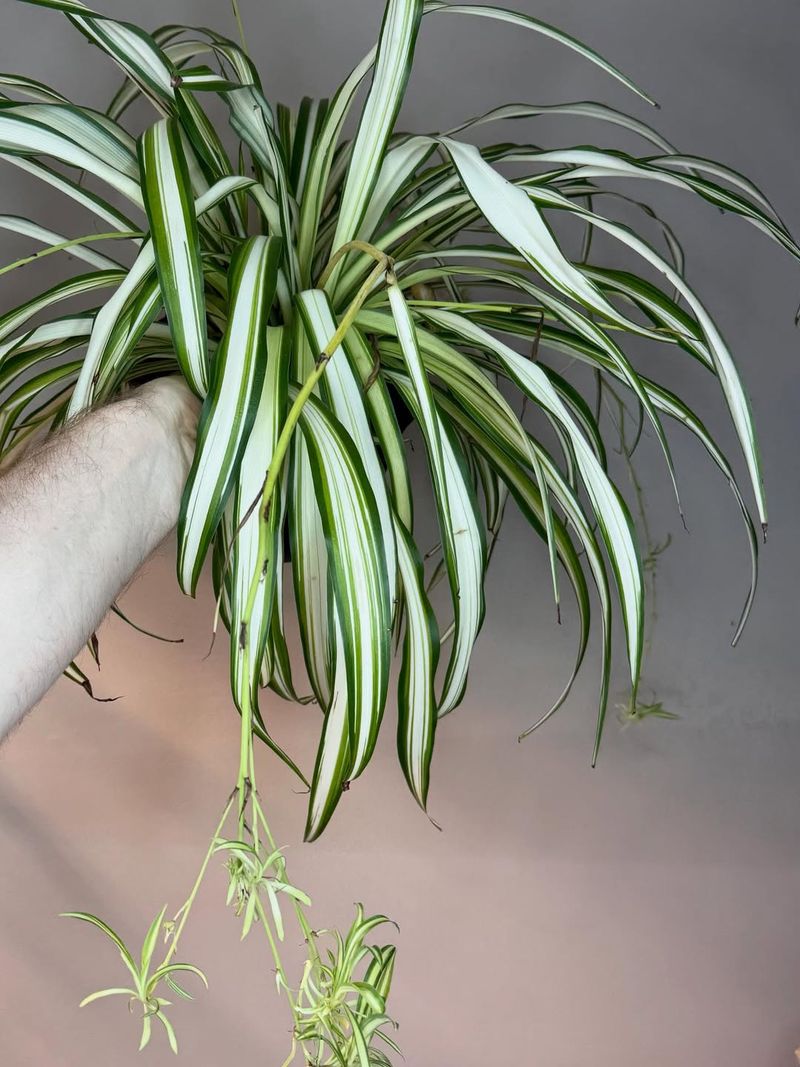
Spider plants bring a playful, cheerful presence to Pennsylvania homes during the gray winter months with their fountain-like growth and charming baby plantlets.
Long, arching leaves striped with green and white create movement and visual interest that breaks up the stillness of indoor spaces.
The plant produces small white flowers on long stems, followed by miniature versions of itself that dangle like ornaments.
Adaptability is a major strength, as spider plants handle various light conditions from bright indirect to moderate shade. Pennsylvania winters provide less natural light, but these plants adjust their growth rate accordingly without suffering.
They prefer evenly moist soil but forgive occasional drying out or extra watering, making them forgiving for inconsistent schedules.
The baby plantlets offer endless opportunities for propagation, allowing you to create new plants for other rooms or give them as gifts to friends and neighbors. Simply snip off a plantlet and place it in water or soil, and it quickly develops roots.
Spider plants also excel at removing indoor air pollutants, particularly formaldehyde and xylene, which can build up in sealed winter homes.
They thrive in the cooler temperatures common in Pennsylvania houses, actually preferring conditions between 55 and 65 degrees.
Brown leaf tips sometimes appear from dry air or chlorine in tap water, but these don’t harm the plant and can be trimmed away for appearance.
5. Chinese Evergreen
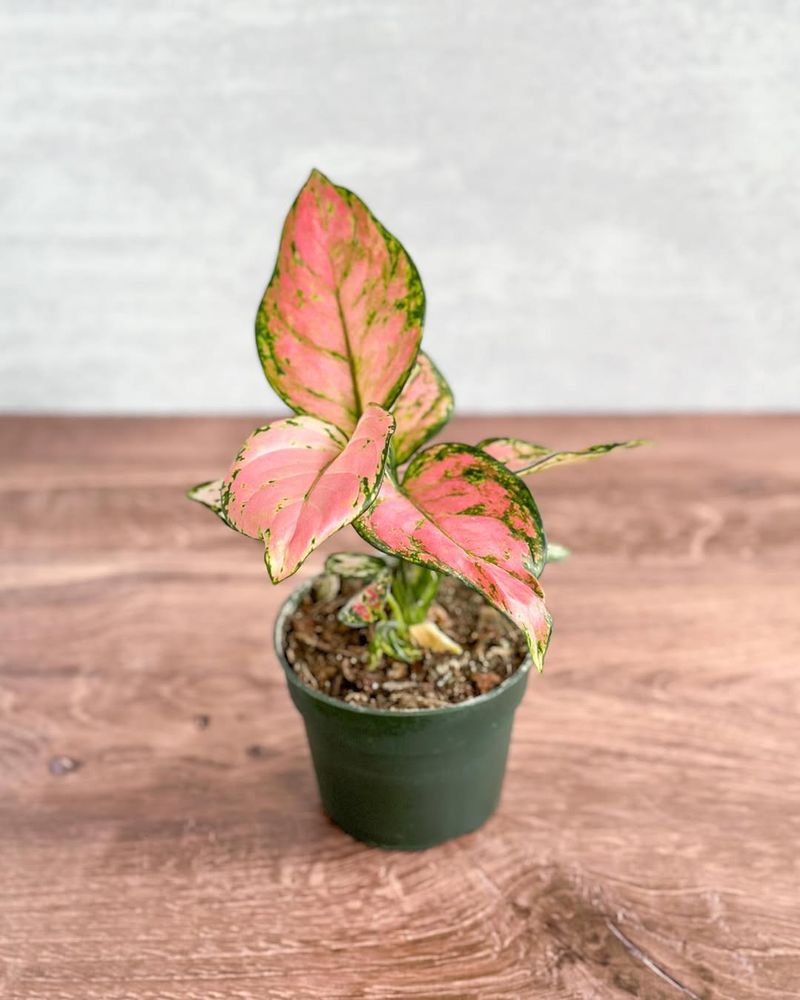
Chinese evergreens offer stunning foliage patterns that rival any flowering plant, bringing color and beauty to Pennsylvania homes throughout the darkest winter months.
Leaves display intricate combinations of green, silver, pink, and red, depending on the variety you choose.
The patterns range from subtle speckling to bold splashes of contrasting colors that create focal points in any room.
Shade tolerance makes this plant exceptionally well-suited for Pennsylvania winters when natural light becomes scarce and days are short. Chinese evergreens actually prefer low to medium light and can suffer if placed in direct sunlight.
They grow slowly and steadily, maintaining their attractive appearance without requiring constant pruning or shaping.
Watering needs are moderate and forgiving, with the plant preferring slightly moist soil that dries a bit between waterings. During winter, when growth slows, you’ll water even less frequently.
The plant tolerates the dry air from heating systems better than many houseplants, though occasional misting helps keep leaves looking their best. Chinese evergreens rarely face pest problems and resist most common plant diseases.
They also clean indoor air by removing toxins like benzene and formaldehyde. Temperature flexibility is another bonus, as they handle cooler rooms well and don’t mind being away from heat sources.
Simply keep them away from cold drafts near doors and windows for best results through Pennsylvania’s coldest weather.
6. Cast Iron Plant
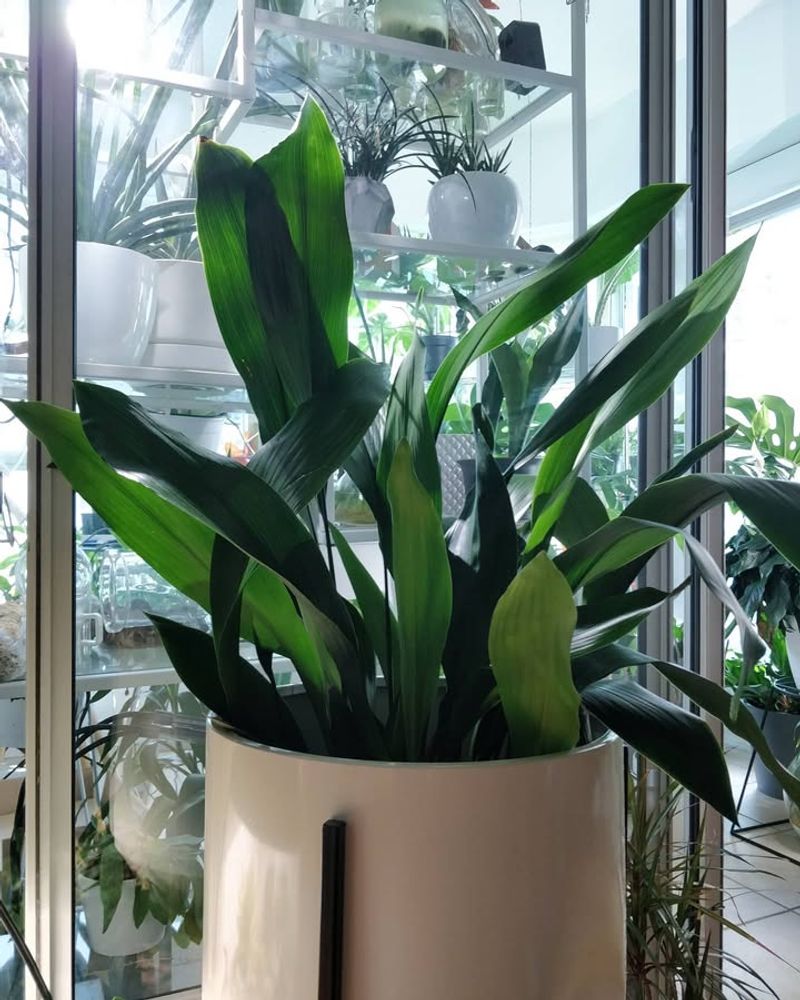
True to its name, the cast iron plant withstands conditions that would stress or harm more delicate houseplants, making it perfect for Pennsylvania homes during the challenging winter season.
Dark green, leathery leaves grow upright in graceful clumps, creating a lush, tropical appearance that contrasts beautifully with snowy views outside windows. The simple elegance works in both traditional and modern decor styles.
Extreme tolerance for neglect and poor conditions sets this plant apart from almost all others. It survives in very low light, making it suitable for hallways, bathrooms, or rooms with north-facing windows that receive minimal winter sun.
Temperature fluctuations don’t bother it, so placement near exterior walls or in cooler rooms isn’t a problem. Drought tolerance is impressive, allowing the plant to go extended periods without water during busy weeks.
Growth happens slowly, which means less maintenance and infrequent repotting needs. The plant rarely attracts pests and resists diseases effectively.
It handles the dry indoor air that heating systems create without developing brown tips or edges on leaves. Dust can accumulate on the large leaves over time, but a simple wipe with a damp cloth every few weeks keeps them looking fresh.
Cast iron plants can live for many years, becoming permanent fixtures in your Pennsylvania home that require minimal attention while providing consistent greenery through every winter season.
7. Peace Lily
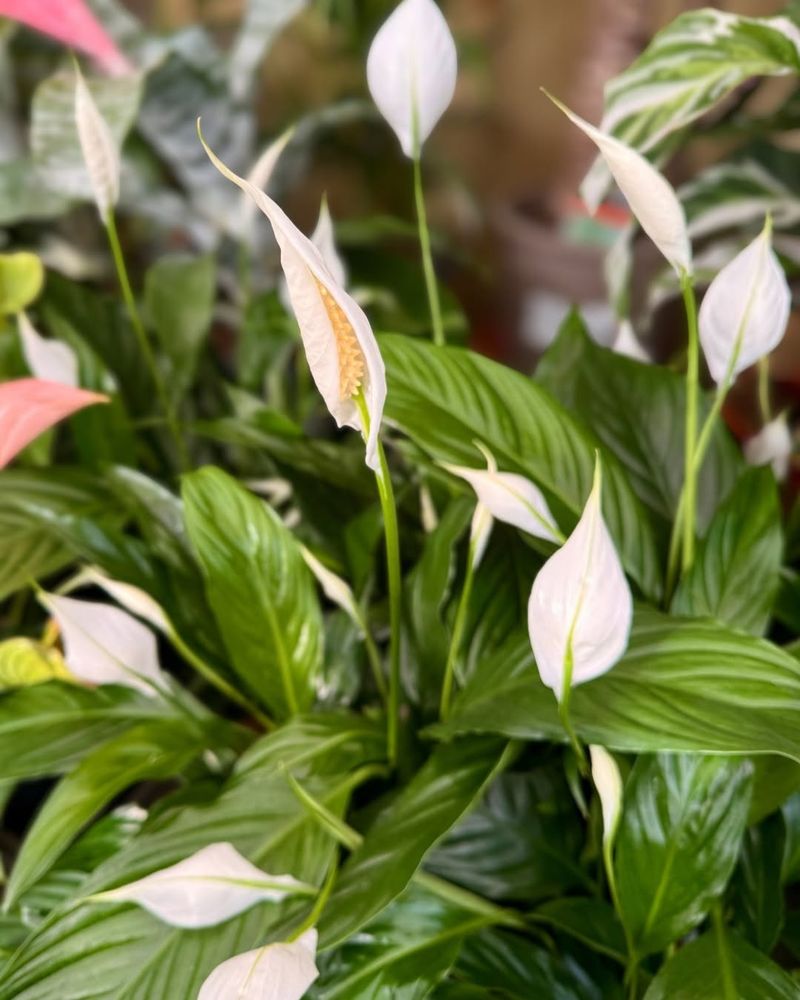
Peace lilies bring elegant white blooms to Pennsylvania homes even during the coldest winter months when outdoor flowers are just a distant memory.
The graceful white spathes that surround the actual flowers create a sophisticated look that elevates any room.
Dark green, glossy leaves provide beautiful foliage year-round, maintaining interest even between blooming periods.
These plants actually communicate their needs clearly by drooping dramatically when thirsty, then recovering quickly after watering. This visible signal takes the guesswork out of care, making them easier to maintain than plants that show stress more subtly.
They prefer consistently moist soil but forgive occasional drying out, especially during winter when growth slows.
Low to medium light conditions suit peace lilies perfectly, making them ideal for Pennsylvania’s short winter days and limited sunlight. They thrive in the same temperatures that keep people comfortable, typically between 65 and 75 degrees.
The dry air from heating systems can affect them slightly, but occasional misting or placing the pot on a pebble tray with water helps maintain humidity.
Peace lilies rank among the best air-purifying plants, removing ammonia, benzene, formaldehyde, and other toxins from indoor air.
They bloom periodically throughout the year with proper care, providing welcome color during gray winter weeks. Simply keep them away from cold drafts and avoid overwatering to prevent root issues.
Their combination of beauty and easy care makes them winter favorites across Pennsylvania.
8. Rubber Plant
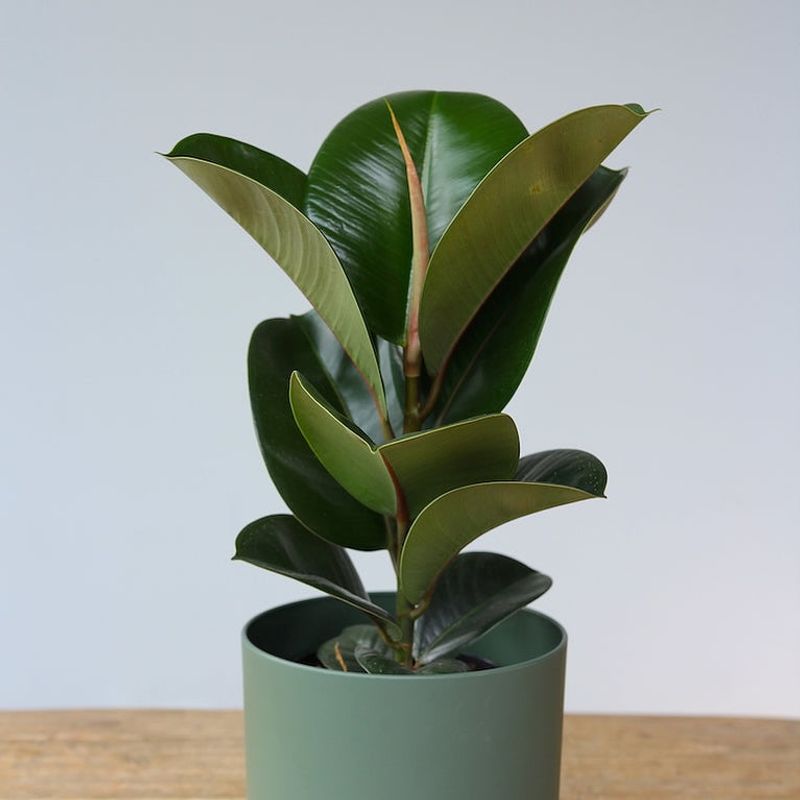
Rubber plants make bold statements in Pennsylvania homes with their large, thick, glossy leaves that command attention and add drama to indoor spaces during winter.
The leaves come in various colors, from deep green to burgundy and variegated patterns that create visual interest.
As the plant matures, it develops a tree-like appearance that can become a stunning focal point in living rooms or entryways.
Durability and resilience make rubber plants excellent choices for busy households during the hectic winter season. They tolerate a range of light conditions, from bright indirect to moderate light, adapting to Pennsylvania’s variable winter sunlight.
Watering needs are straightforward, with the plant preferring to dry out slightly between waterings. Overwatering causes more problems than underwatering, so erring on the side of less is better.
The thick, waxy leaves naturally resist pests and diseases while also tolerating dry indoor air better than thin-leaved plants. Rubber plants grow steadily, eventually reaching several feet tall if desired, though pruning controls height easily.
They prefer warmer temperatures but handle the cooler spots in homes without complaint. Occasional leaf dusting keeps them looking polished and helps them photosynthesize efficiently in lower winter light.
The plant also purifies indoor air, removing formaldehyde and other pollutants. With minimal care, rubber plants provide years of beauty and structure to Pennsylvania homes, growing more impressive with each passing winter season.
9. Aloe Vera
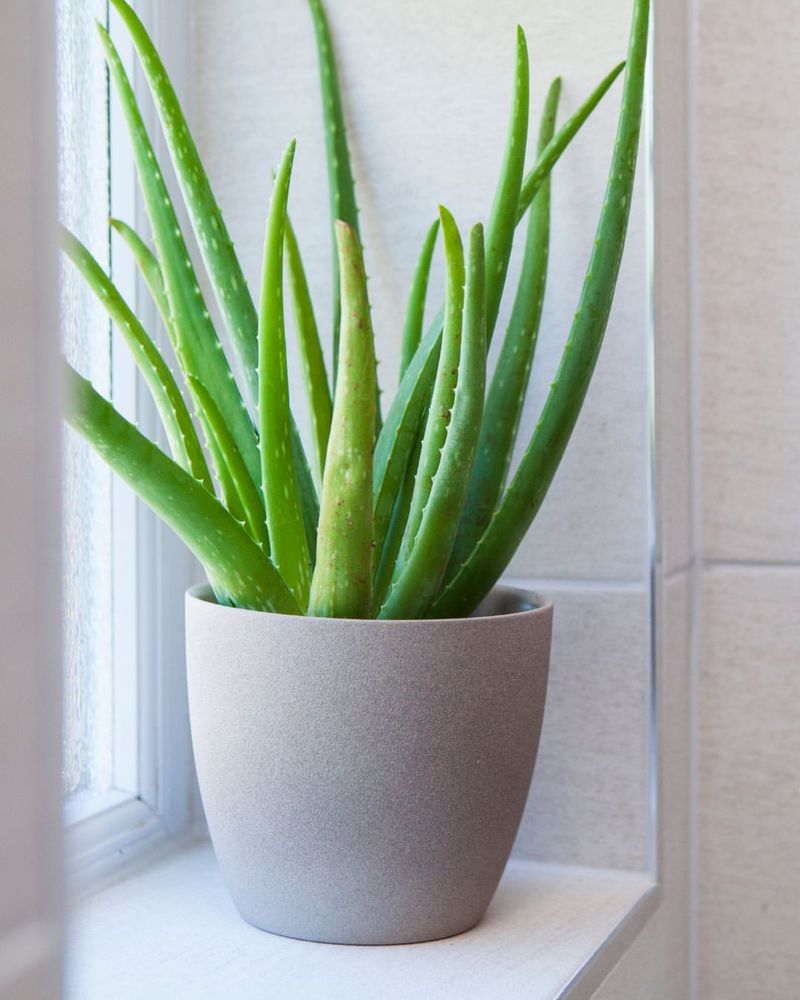
Aloe vera combines beauty with practicality, offering Pennsylvania homeowners both attractive greenery and useful gel for minor skin irritations during dry winter months.
Thick, fleshy leaves grow in rosette patterns, creating sculptural forms that add architectural interest to windowsills and tabletops.
The subtle blue-green color and small spines along leaf edges give the plant a distinctive desert appearance.
Succulent nature means aloe stores water in its leaves, allowing it to survive extended periods without watering. During Pennsylvania winters, when plant growth naturally slows, you might water only once every two to three weeks.
The plant actually prefers this infrequent watering schedule and suffers if kept too wet. Well-draining soil is essential to prevent root problems.
Bright light makes aloe happiest, so placing it near south or west-facing windows works well during winter when sunlight is less intense.
The plant tolerates cooler temperatures better than many succulents, handling the temperature drops that occur near windows overnight.
Dry indoor air from heating systems doesn’t bother aloe at all, making it perfectly suited for Pennsylvania winter conditions. The plant rarely needs fertilizing and grows slowly, requiring minimal maintenance.
Mature plants occasionally produce offsets or pups that can be separated and potted individually, expanding your collection.
Beyond decoration, the gel inside leaves soothes minor burns and dry skin, providing natural relief during harsh winter weather when skin needs extra care.