These Are The Best Native Flowers To Plant In Pennsylvania
Planting native flowers is one of the easiest ways to create a beautiful and healthy garden in Pennsylvania. These plants are naturally adapted to local weather, soil, and seasonal changes, which means they grow stronger and need less maintenance.
Instead of struggling to survive, native flowers thrive and reward you with long-lasting blooms and vibrant color. They also attract pollinators like bees, butterflies, and birds, helping support the local ecosystem.
Whether you’re starting a new garden or updating an old one, choosing native plants makes a big difference. From sunny backyards to shady corners, there are options for every type of space.
If you want a garden that looks great, saves time, and works with nature instead of against it, these native flowers are the perfect place to begin.
1. Purple Coneflower
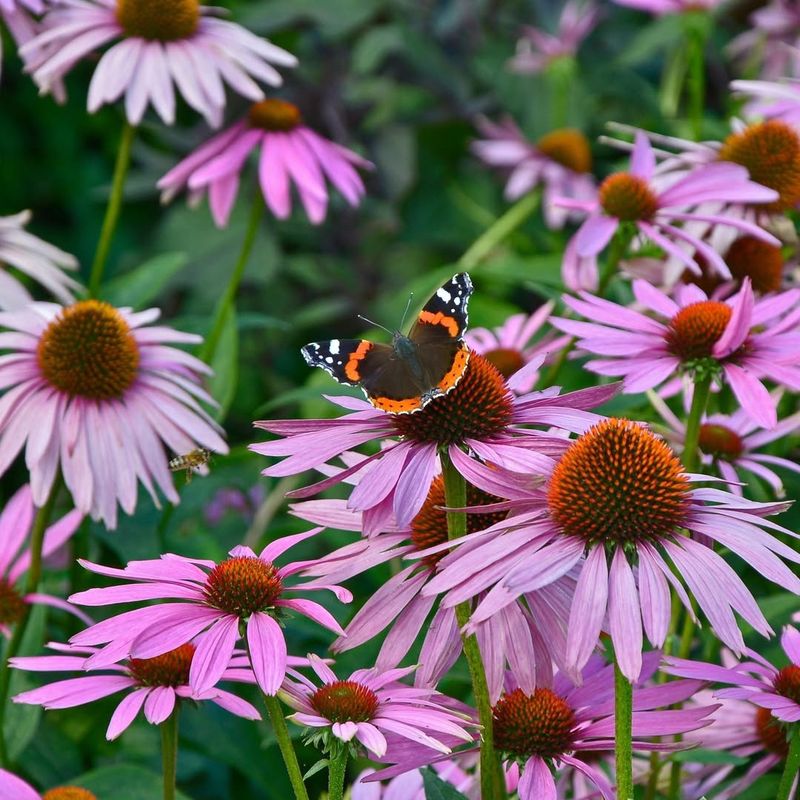
Gardens across Pennsylvania light up with this cheerful wildflower from summer through early fall. Purple coneflower brings bold pink-purple petals that droop slightly around a spiky orange center.
Goldfinches love snacking on the seeds in late season, and butterflies visit constantly during bloom time.
Growing this beauty couldn’t be simpler in Pennsylvania’s climate. It handles heat, cold, and even drought once the roots establish.
Plant it in full sun with decent drainage, and it will spread slowly into nice clumps over the years.
The flowers stand about three feet tall on sturdy stems that rarely need staking. Deadheading encourages more blooms, but leaving some seed heads provides winter food for birds.
Pennsylvania gardeners appreciate how this plant resists most pests and diseases naturally.
Purple coneflower works perfectly in cottage gardens, prairie-style plantings, or mixed borders.
Pair it with black-eyed Susans and ornamental grasses for a classic Pennsylvania meadow look. The blooms also make excellent cut flowers that last over a week in vases.
This native spreads through self-seeding but never becomes aggressive or weedy. Young plants establish quickly when planted in spring or fall.
Many Pennsylvania nurseries carry locally grown varieties that perform even better than commercial cultivars. Water regularly the first season, then step back and watch this dependable native thrive year after year with almost no help from you.
2. Black-Eyed Susan
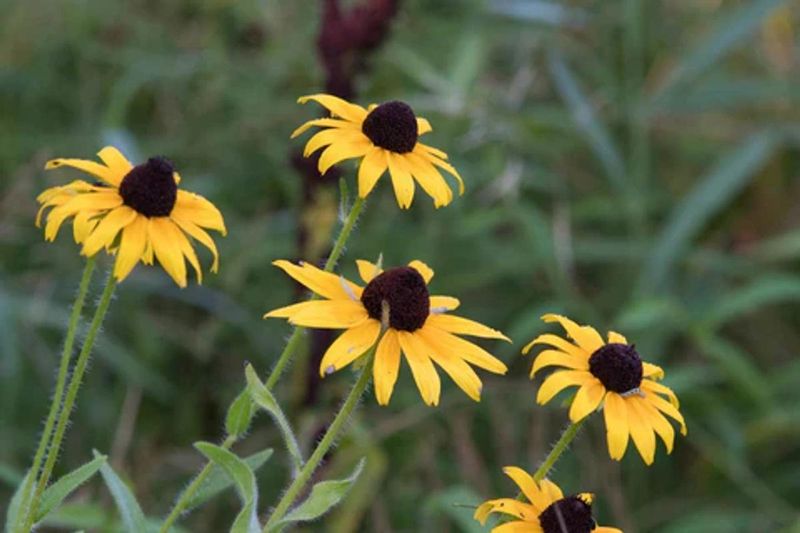
Bright golden petals surround dark chocolate centers on this cheerful Pennsylvania native. Black-eyed Susans bloom from June through September, creating waves of sunshine across gardens and roadsides.
Their happy faces turn toward the sun and attract dozens of butterfly species throughout the growing season.
Toughness defines this wildflower’s personality. It grows in clay, sand, or rocky soil without complaint.
Pennsylvania’s hot summers and freezing winters don’t faze it one bit. Plant it once, and it returns reliably for years while slowly spreading into generous patches.
The flowers rise two to three feet high on hairy stems that deer usually avoid. Each bloom lasts about a week, but plants produce so many buds that the show continues for months. Cutting flowers for bouquets actually encourages more blooming.
Black-eyed Susans work beautifully in naturalized areas, pollinator gardens, or formal borders.
They combine wonderfully with purple coneflowers and bee balm for a classic Pennsylvania wildflower display. The plants self-seed freely but rarely become weedy since unwanted seedlings pull easily.
Pennsylvania gardeners love how little care this native requires. Skip fertilizer entirely since rich soil makes stems flop over.
Water only during extreme drought. The plants even tolerate some shade, though they bloom heaviest in full sun.
Goldfinches feast on seeds in fall and winter, so leave some dried flower heads standing for wildlife. This reliable native belongs in every Pennsylvania garden.
3. Wild Columbine
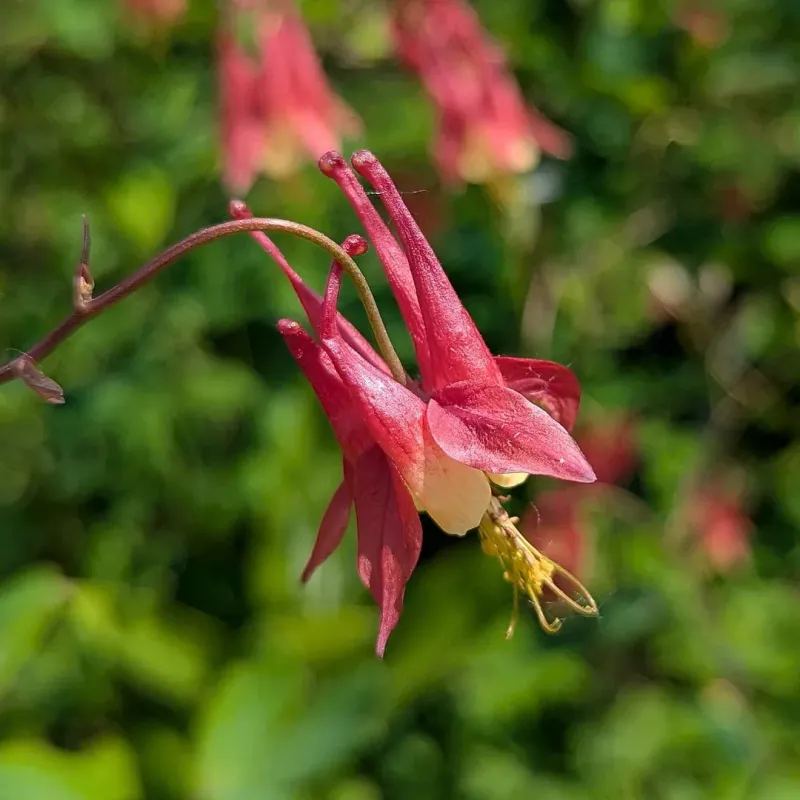
Hummingbirds zoom straight to this delicate beauty when they arrive in Pennsylvania each spring. Wild columbine dangles red and yellow bell-shaped flowers that look like tiny lanterns hanging from thin stems.
The unusual blooms appear in April and May, bringing early season color to shady spots where few other natives bloom.
Woodland gardens and rocky slopes suit this graceful native perfectly. It thrives in the dappled shade under Pennsylvania’s oak and maple trees.
The ferny blue-green foliage stays attractive even after flowering finishes, creating a soft texture in garden beds.
Plants grow about two feet tall and spread slowly through self-seeding. Wild columbine adapts to various soil types but prefers spots with good drainage.
It handles dry shade remarkably well once established, making it perfect for challenging areas under mature trees.
The flowers produce nectar deep inside their long spurs, specially designed for hummingbird beaks.
Bees and butterflies also visit, though they work harder to reach the sweet reward. Each plant produces dozens of nodding blooms that dance in the slightest breeze.
Pennsylvania gardeners appreciate how this native resists most pest problems naturally. Leaf miners sometimes create squiggly lines on foliage, but this cosmetic issue never harms plant health.
Simply cut damaged leaves to the ground, and fresh growth appears quickly. Wild columbine pairs beautifully with ferns, wild ginger, and Virginia bluebells in naturalized woodland settings.
Let it self-seed freely for a magical spring display that returns effortlessly each year.
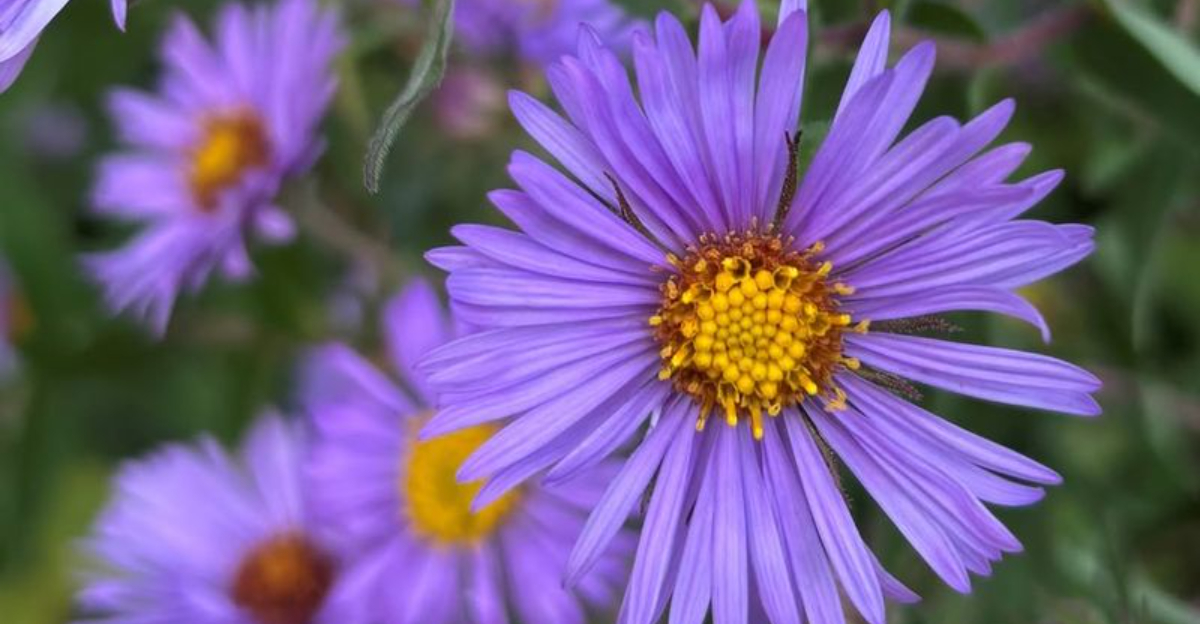
4. New England Aster
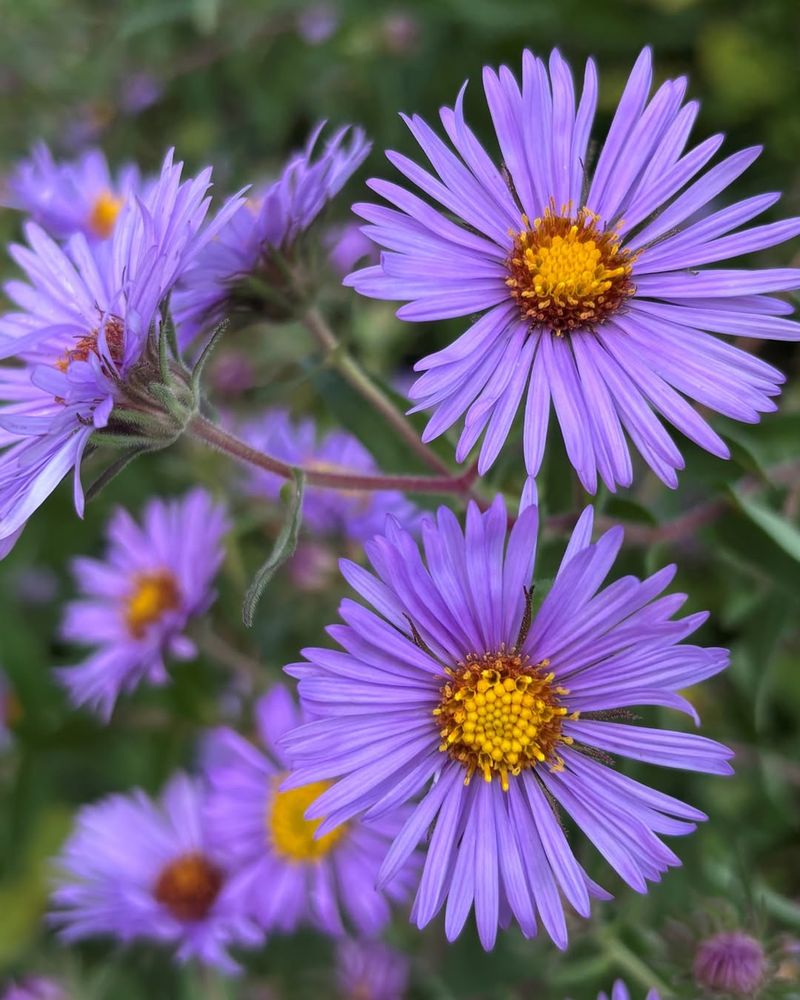
Fall arrives in Pennsylvania gardens with explosions of purple-blue daisies covering this tall native. New England aster waits until late summer to show off, then blooms heavily through October.
Monarch butterflies fuel up on these flowers before their long migration south, making this plant essential for pollinator conservation.
Sturdy stems reach four to six feet tall, creating a substantial presence in the back of borders. The plants form bushy clumps covered with hundreds of small flowers that practically hide the foliage.
Each bloom measures about an inch across with thin petals surrounding a bright yellow center.
Pennsylvania’s climate suits this native perfectly. It handles heat, humidity, cold, and even occasional flooding without problems.
Plant it in full sun for best blooming, though it tolerates light shade. Average garden soil works fine, and established plants need watering only during severe drought.
Cutting stems back by half in early June creates bushier plants that don’t require staking. This simple trick keeps New England aster compact and sturdy through fall.
The flowers attract an amazing variety of bees, butterflies, and beneficial insects right when many other plants finish blooming.
Pair this native with goldenrod, Joe Pye weed, and ornamental grasses for a stunning Pennsylvania autumn display. The purple flowers look spectacular against golden fall foliage.
Plants spread slowly through underground runners but never become invasive. Divide clumps every few years to maintain vigor.
This dependable native provides crucial late-season resources for wildlife while lighting up your garden when most flowers have faded.
5. Butterfly Weed
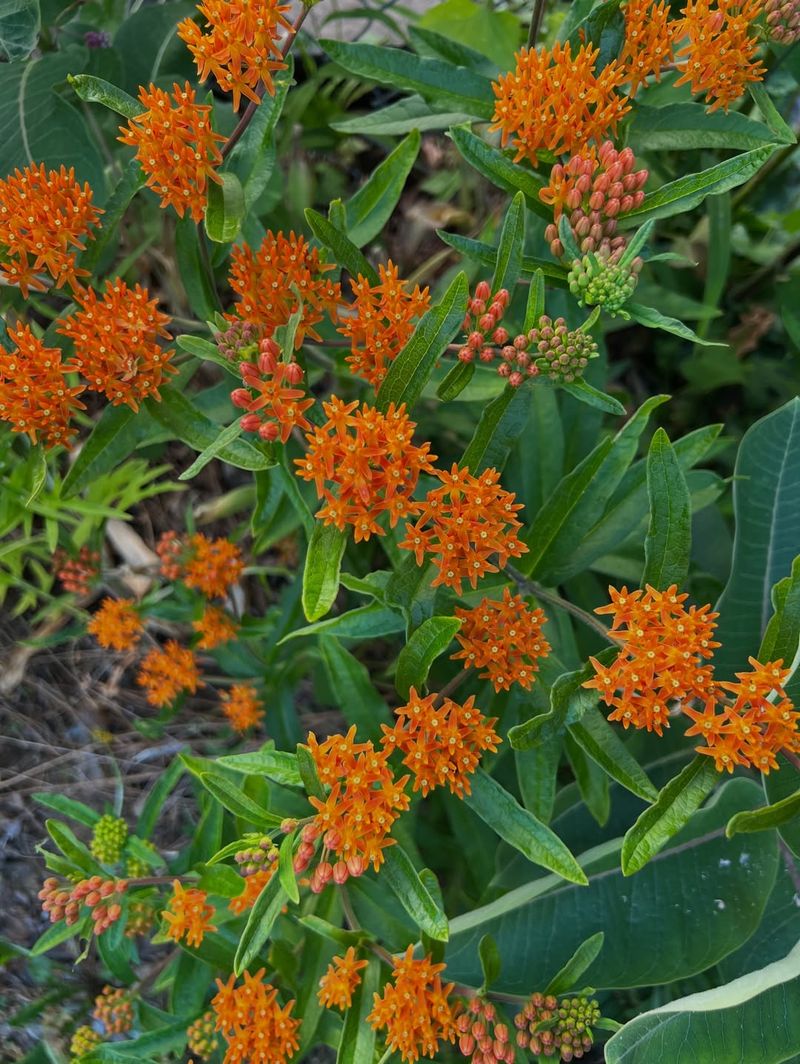
Brilliant orange flower clusters set this native apart from every other plant in Pennsylvania gardens. Butterfly weed earned its name honestly since monarchs, swallowtails, and dozens of other species visit constantly from June through August.
The flat-topped blooms glow like flames in sunny borders and attract more pollinators than almost any other native.
Deep taproots make this plant incredibly drought-tolerant once established. It thrives in Pennsylvania’s sandy or rocky soils where other plants struggle. Full sun and excellent drainage keep butterfly weed happy for decades in the same spot.
Plants grow one to two feet tall with narrow leaves that stay attractive all season. Unlike other milkweeds, this species produces minimal sap and spreads only through seeds, never aggressive runners.
The flowers develop into distinctive seedpods that split open to release silky-tufted seeds in fall.
Monarch caterpillars feed on the foliage, making this plant essential for their survival. Pennsylvania gardeners who plant butterfly weed often find themselves hosting the complete monarch life cycle in their yards.
The plant contains toxins that protect both caterpillars and adult butterflies from predators.
Butterfly weed emerges late in spring, so mark its location to avoid accidentally digging it up. Once growing, it needs almost no care beyond occasional weeding.
The long taproot makes transplanting difficult, so choose planting spots carefully. This native combines beautifully with purple coneflower, black-eyed Susans, and native grasses in sunny Pennsylvania gardens.
The stunning orange blooms also make long-lasting cut flowers that bring butterfly magic indoors.
6. Virginia Bluebells
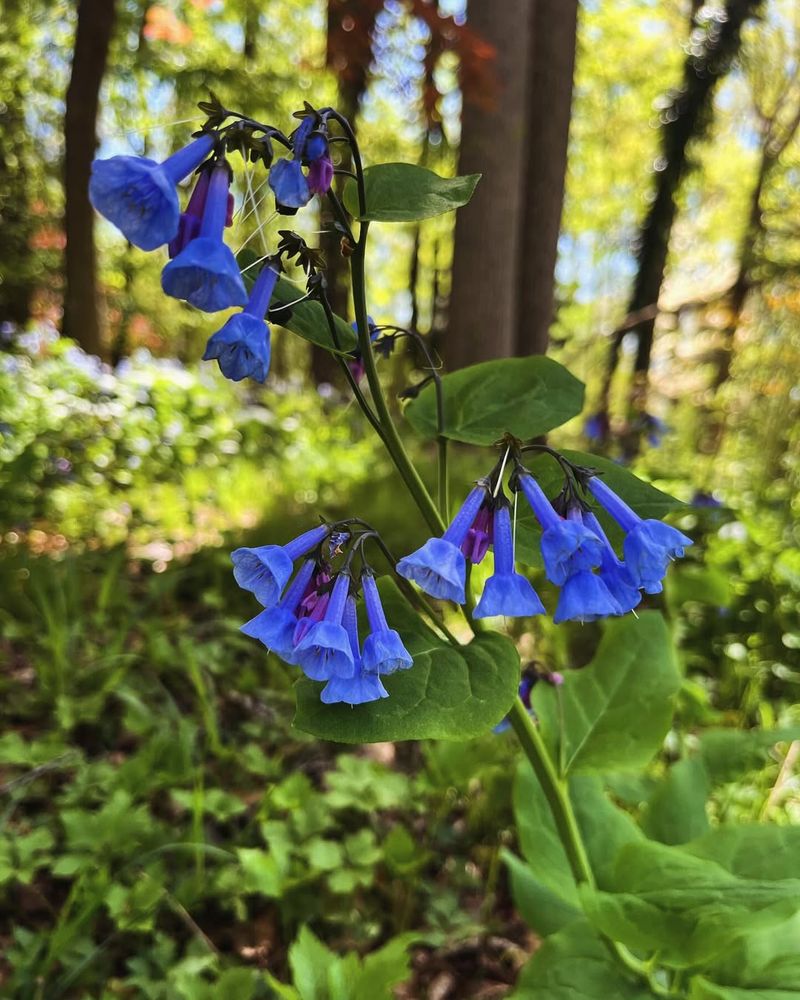
Spring woodlands across Pennsylvania transform into blue carpets when this beloved native blooms. Virginia bluebells produce clusters of pink buds that open into sky-blue bells from April through May.
The flowers create an unforgettable display under deciduous trees before the canopy leafs out completely.
Smooth blue-green foliage emerges early and grows about two feet tall. The leaves have an almost succulent texture that catches morning dew beautifully.
After flowering and setting seed, the entire plant goes dormant by midsummer, disappearing completely until next spring.
This native thrives in Pennsylvania’s rich woodland soils with consistent spring moisture. Plant it under trees where spring sun reaches the ground but summer shade dominates.
Virginia bluebells spread slowly through seeds and underground rhizomes, forming lovely colonies over time.
The ephemeral nature of this plant makes it perfect for layering with hostas, ferns, or other perennials that emerge later. These companions fill the space after bluebells go dormant.
Mark locations with small stakes so you remember where they grow during their dormant period.
Bumblebees love the tubular flowers and visit constantly during the brief bloom period. The blue color intensifies as flowers age, creating beautiful two-toned effects on each plant.
Virginia bluebells pair wonderfully with other spring ephemerals like trillium, bloodroot, and wild ginger in naturalized Pennsylvania gardens.
Avoid disturbing the soil around established plants since they resent root disturbance. Let them self-seed naturally for the best results.
This magical native brings enchanting blue beauty to shady Pennsylvania gardens each spring, then gracefully steps aside for summer performers.
7. Wild Bergamot
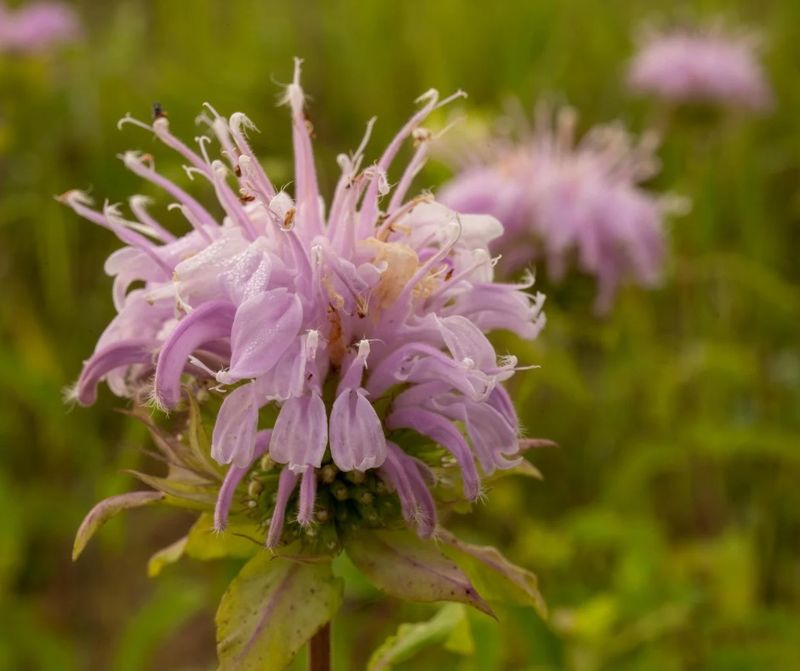
Lavender-pink pom-poms top this fragrant native that blooms throughout Pennsylvania summers. Wild bergamot produces shaggy flowers that look like fireworks frozen in mid-burst.
Crush the leaves between your fingers, and a wonderful minty-oregano scent fills the air. This member of the mint family attracts hummingbirds, butterflies, and countless bee species from June through August.
Plants grow three to four feet tall on square stems typical of the mint family. The aromatic foliage naturally resists deer browsing, making wild bergamot perfect for Pennsylvania gardens where deer cause problems.
It spreads moderately through underground runners, forming nice patches without becoming invasive.
Full sun and average soil suit this native perfectly. Wild bergamot tolerates clay better than many natives and handles both drought and humidity with ease.
Pennsylvania’s climate matches its natural range perfectly, so it thrives with minimal care once established.
The tubular flowers provide nectar for long-tongued pollinators while the landing pad petals accommodate shorter-tongued visitors.
Bees sometimes cut holes in flower bases to steal nectar, but this doesn’t harm the plants. Goldfinches eat the seeds in fall, adding wildlife value beyond the blooming season.
Wild bergamot works beautifully in cottage gardens, meadow plantings, or pollinator borders. Pair it with black-eyed Susans and purple coneflowers for a classic Pennsylvania prairie look.
The flowers dry well for arrangements and potpourri. Native Americans and early Pennsylvania settlers used the leaves for tea and medicinal purposes.
This versatile native brings beauty, fragrance, and wildlife value to gardens across the state while requiring almost no maintenance from busy gardeners.