These Are The Best Native Trees For Wet Soil In Pennsylvania
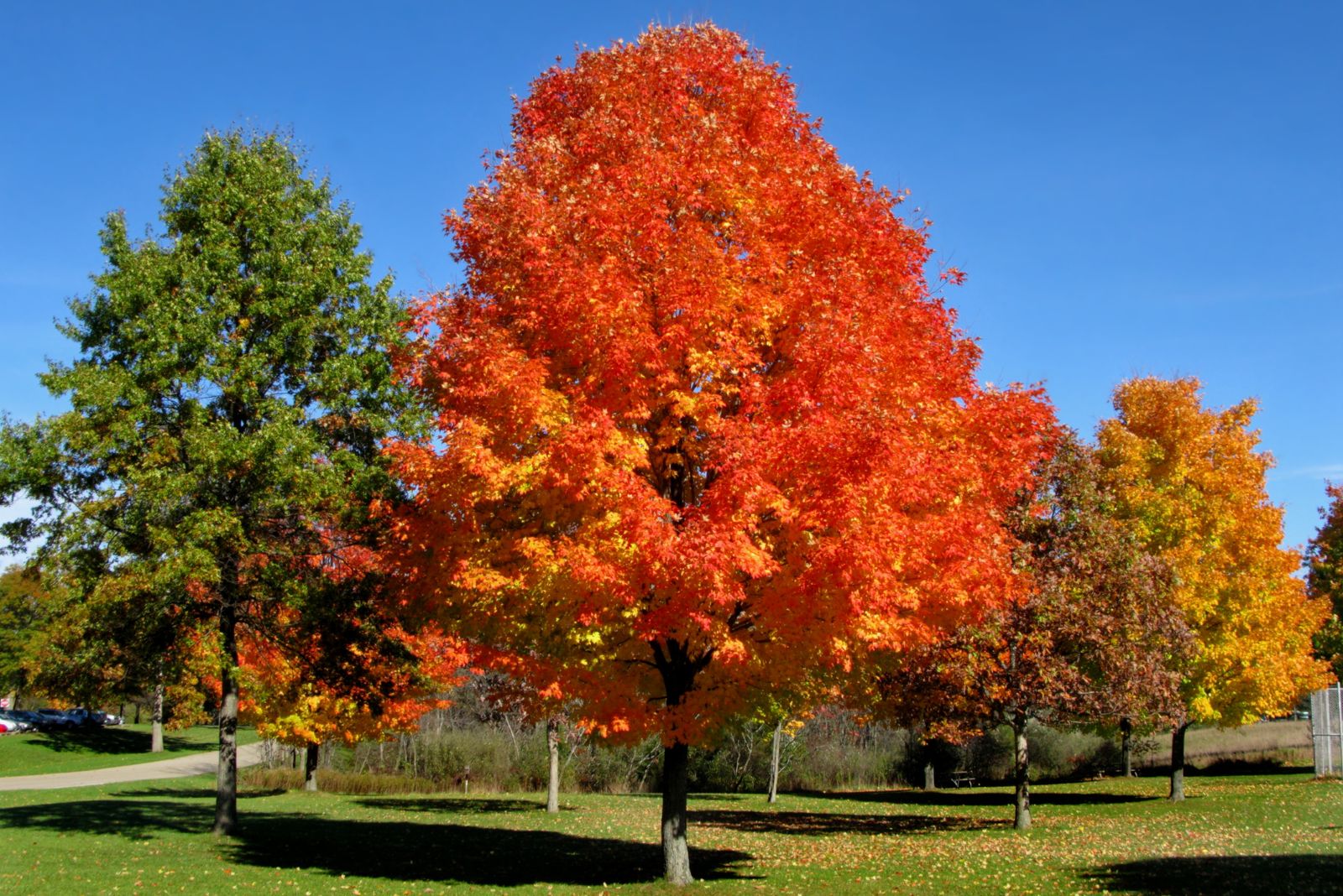
Struggling with a soggy spot in your Pennsylvania garden? Whether it’s a low-lying area that collects water or a spot that stays damp after every rain, finding the right tree for wet soil can make all the difference.
The good news is that Pennsylvania has several native trees that thrive in wet conditions, offering both beauty and functionality.
These trees are naturally equipped to handle moisture-rich soil, and many of them are great at preventing erosion while adding a touch of natural elegance. From vibrant fall colors to wildlife-friendly features, these trees serve multiple purposes.
Plus, choosing native varieties means they’re perfectly suited to the local climate, which means they’ll need less care and attention than non-natives.
If you have a waterlogged area that could use some green coverage, planting the right tree is an easy and beautiful way to solve the problem. The best part? These trees will thrive while giving your yard a fresh, lush look.
1. Black Willow
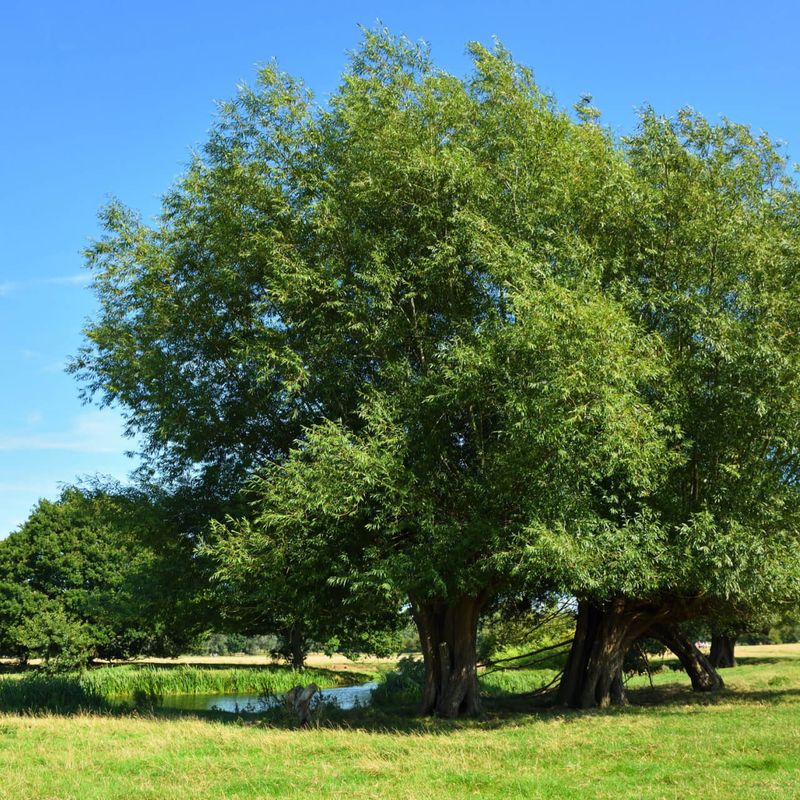
Few trees are as tough and hardworking as the Black Willow. Growing naturally along Pennsylvania’s rivers, streams, and wetlands, this tree has evolved to handle some of the wettest, soggiest soils you can find.
If erosion is a problem on your property, this is the tree you want. Black Willow grows fast, which is one of its biggest strengths. It can shoot up several feet per year under the right conditions.
Its root system is incredibly dense and wide-spreading, grabbing onto loose, waterlogged soil and holding it firmly in place. That makes it a top choice for flood-prone areas and streambanks throughout Pennsylvania.
The tree typically grows between 30 and 50 feet tall. Its long, narrow leaves give it a graceful, flowing look that sways gently in the breeze.
In spring, it produces small yellow flowers called catkins that attract early pollinators like bees.
One thing to keep in mind is that Black Willow roots are very aggressive. They seek out water sources, so plant it away from underground pipes and septic systems. Give it plenty of open space and it will reward you beautifully.
Wildlife also benefits greatly from this tree. Birds nest in its branches, and deer browse its young shoots.
It also provides important habitat for insects and small mammals near Pennsylvania’s waterways.
For homeowners dealing with wet, muddy spots that seem impossible to manage, Black Willow offers a practical and natural solution. It is low-maintenance, grows quickly, and helps restore the health of Pennsylvania’s riparian landscapes year after year.
2. Bald Cypress
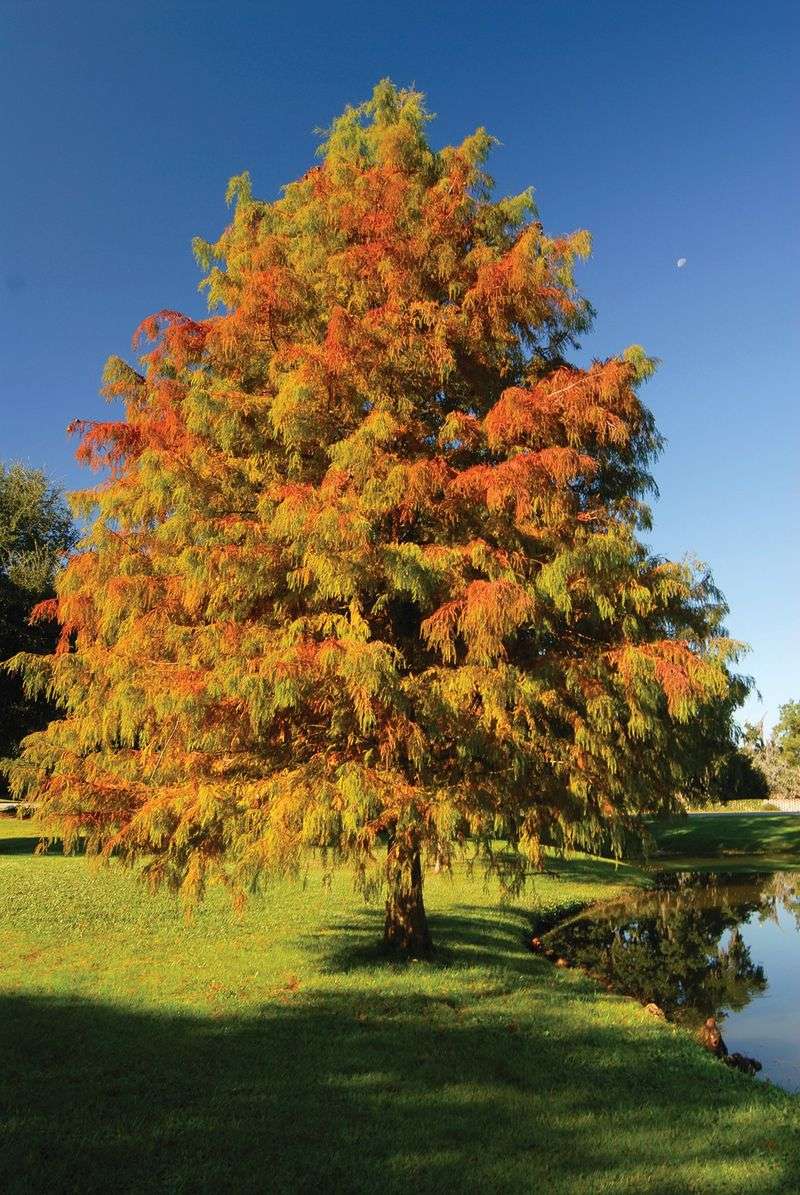
Here is a tree that looks like it belongs in a prehistoric landscape. The Bald Cypress is one of nature’s most fascinating trees, and it thrives in the wet, swampy conditions that challenge most other species.
Though it is a conifer, it actually loses its soft, feathery needles in the fall, which is how it earned the name “bald.”
What makes Bald Cypress truly remarkable is its ability to grow in standing water. It develops unique woody growths from its roots called “knees” that poke up through the water’s surface.
Scientists believe these knees help the tree breathe in oxygen-poor, waterlogged environments. You will often spot them rising from the water around the base of the trunk.
In Pennsylvania, Bald Cypress works wonderfully in floodplains, retention ponds, and rain gardens. It grows at a moderate pace and can eventually reach 50 to 70 feet tall, providing beautiful shade over moisture-rich areas.
The feathery, light green foliage turns a warm rusty-orange before falling in autumn. This tree is also surprisingly long-lived. Some Bald Cypress trees in the wild have been around for hundreds of years.
Planting one in your Pennsylvania yard means you are creating a living legacy that will outlast generations.
Birds love Bald Cypress too. Ospreys, herons, and various songbirds use it for nesting and perching near water. It supports a rich web of wetland wildlife.
If you want a tree with serious personality and incredible resilience in wet conditions, Bald Cypress is an outstanding choice for Pennsylvania landscapes.
3. Swamp White Oak
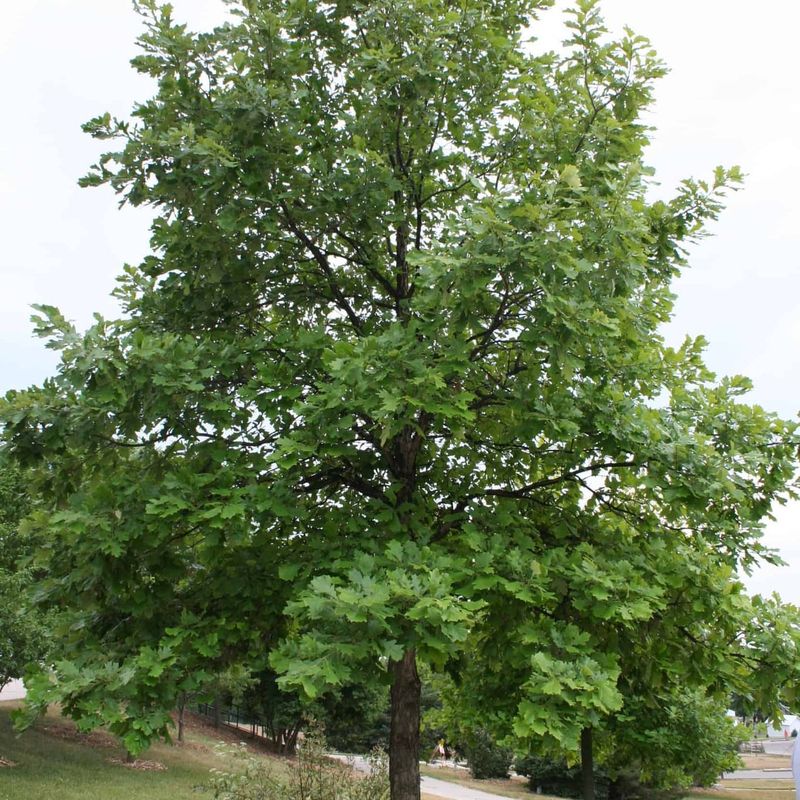
Sturdy, beautiful, and built for wet conditions, the Swamp White Oak is one of Pennsylvania’s most dependable native trees. Its name says it all.
This oak naturally grows in floodplains, along streams, and in low-lying areas where the soil stays damp for much of the year. If you need a strong shade tree for a wet spot, this one delivers.
One of the most eye-catching features of the Swamp White Oak is its bark. The upper branches have a pale, peeling bark that contrasts sharply with the darker, furrowed bark on the lower trunk.
This two-toned look gives the tree a striking, almost artistic appearance even in winter when the leaves are gone.
Come fall, the broad green leaves turn a rich golden-yellow, making it one of the most colorful oaks in Pennsylvania’s autumn landscape.
The tree can grow 50 to 60 feet tall and equally wide, so it creates a massive, dense canopy that provides excellent shade for large yards and open spaces.
Swamp White Oak also produces acorns that are a vital food source for white-tailed deer, wild turkeys, squirrels, and many species of birds. Planting this tree supports Pennsylvania’s local wildlife in a meaningful way.
It grows at a moderate speed, putting on around one to two feet per year. Once established, it is very low-maintenance and highly tolerant of both wet and occasionally dry conditions.
For Pennsylvania homeowners who want a tree that combines beauty, wildlife value, and serious strength in wet soils, the Swamp White Oak is an easy recommendation.
4. Red Maple
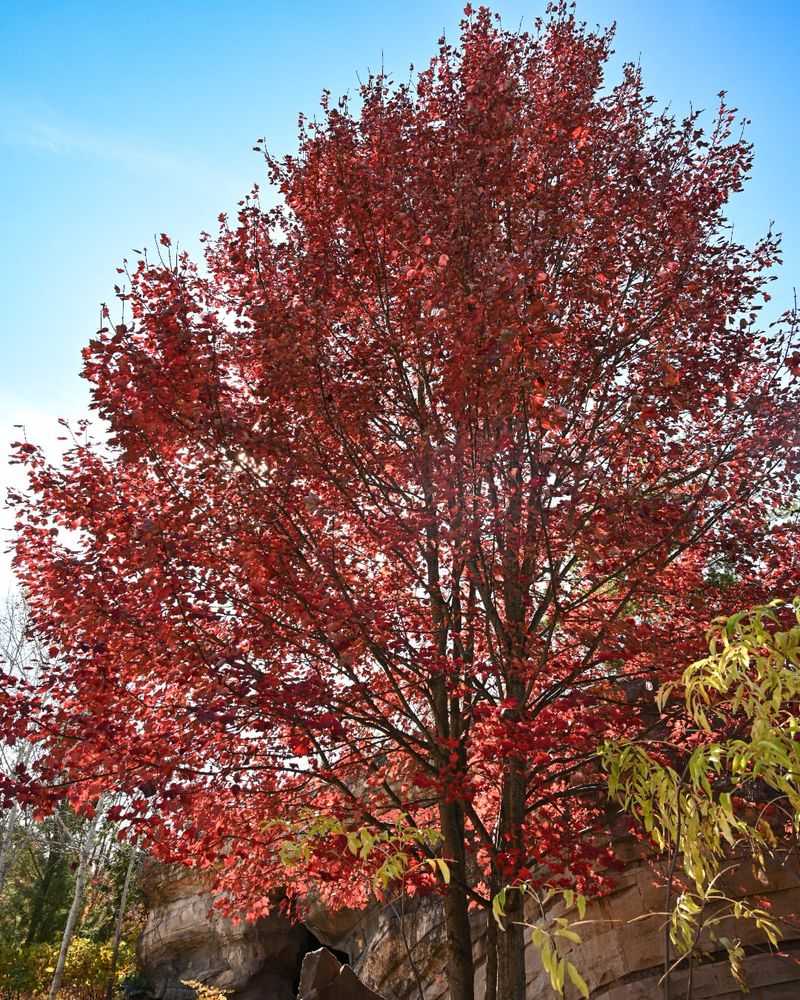
Walk through almost any wet woodland in Pennsylvania and you are likely to spot a Red Maple. It is one of the most common and most beloved native trees in the state, and for good reason.
Few trees put on a seasonal show quite like this one, shifting from red flower clusters in early spring to blazing scarlet foliage in fall.
Red Maple loves wet, acidic soils, making it a natural fit for Pennsylvania’s many low-lying, flood-prone areas. It adapts well to a wide range of moisture levels, but it truly shines in consistently damp spots where other trees struggle to get established.
It grows 40 to 75 feet tall and spreads a wide, rounded canopy that provides generous shade.
Spring is an exciting time for Red Maple fans. The tree blooms with small red flowers before the leaves even appear, making it one of the earliest signs that winter is ending.
Those flowers give way to the familiar winged seeds called samaras, which spin like little helicopters as they fall.
Wildlife benefits enormously from Red Maple. Squirrels eat the seeds, birds nest in its branches, and its early spring flowers provide nectar for bees when few other food sources are available. It is a tree that gives back to the whole ecosystem.
Did you know Red Maple is also one of the fastest-growing native oaks in Pennsylvania? It can add up to two feet per year under ideal conditions.
For homeowners wanting fast results in wet areas, it is one of the smartest choices available in Pennsylvania.
5. River Birch
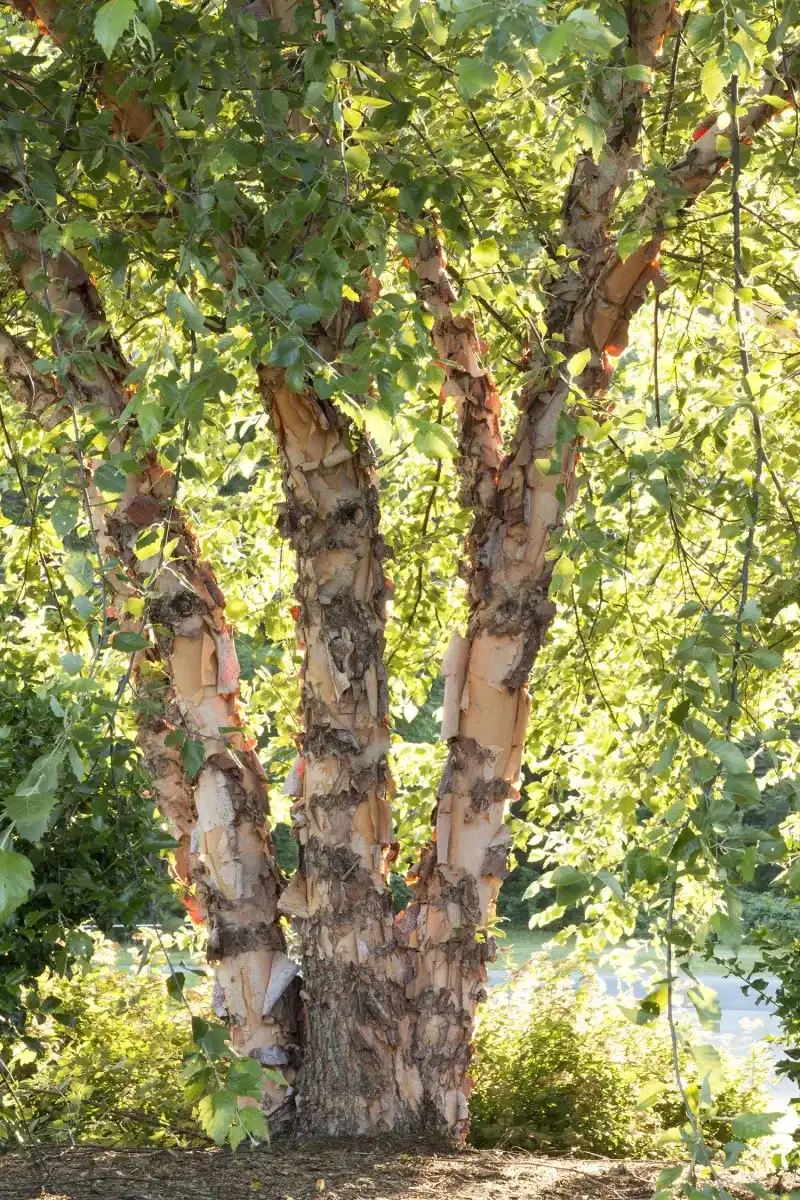
If there is one tree that landscape designers in Pennsylvania reach for again and again when dealing with wet, soggy ground, it is River Birch. Charming, fast-growing, and visually stunning in every season, this tree turns a problem area into a showpiece.
Its most famous feature is its bark, which peels back in papery layers of salmon, cream, and cinnamon-brown.
River Birch is a natural resident of Pennsylvania’s riverbanks and floodplains. It has evolved to handle poorly drained soils, seasonal flooding, and even short periods of standing water.
Unlike many trees that struggle in these conditions, River Birch actually thrives. It grows 40 to 70 feet tall and often develops multiple trunks, giving it a graceful, multi-stemmed look.
Growth speed is another reason people love this tree. River Birch puts on height quickly, sometimes adding two feet or more in a single growing season.
That means you will not be waiting decades to enjoy a mature, shady tree in your Pennsylvania yard.
The catkins it produces in spring are an important early food source for birds and small mammals.
Goldfinches, chickadees, and other songbirds actively seek out its tiny seeds throughout the year. Planting River Birch is a direct investment in Pennsylvania’s local bird populations.
One fun fact: River Birch is one of the few birch species that tolerates heat and humidity well, making it better suited to Pennsylvania’s warm summers than many other birch varieties.
For wet spots that need both function and beauty, River Birch is the clear winner in Pennsylvania landscapes.
6. Northern Red Oak
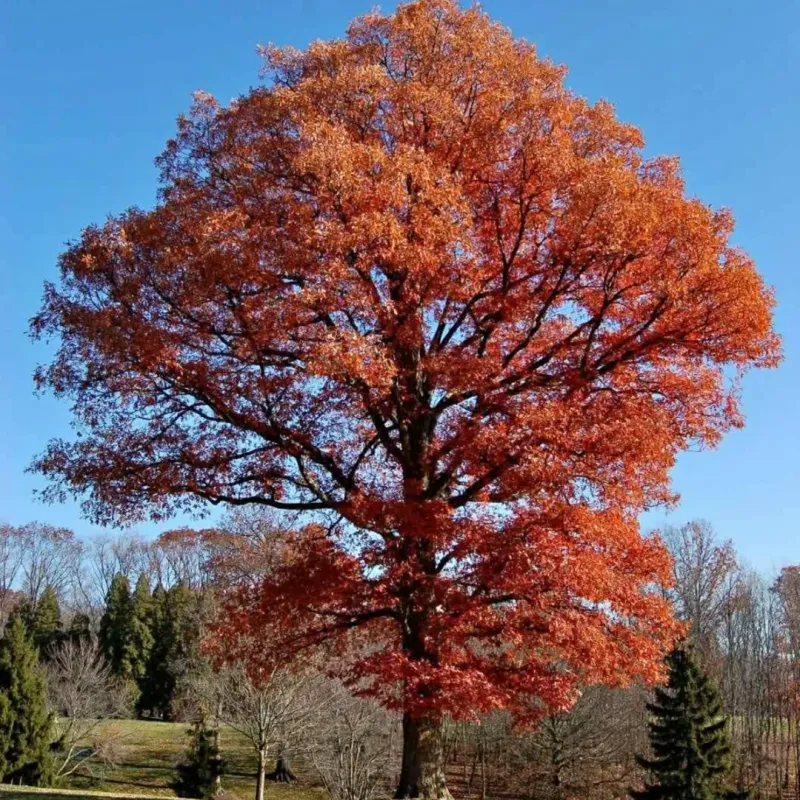
Bold, fast-growing, and deeply rooted in Pennsylvania’s natural history, the Northern Red Oak is a powerhouse of a tree.
It is one of the largest oaks native to the eastern United States, and it earns its place on this list because of its impressive ability to grow in moist soils while also handling drier conditions once it matures.
Northern Red Oak can reach 60 to 90 feet tall with a broad, spreading crown. It grows faster than most other oaks, putting on roughly two feet per year.
That combination of speed and size makes it an excellent long-term investment for large Pennsylvania properties that need shade, wildlife habitat, and natural beauty all in one tree.
Fall color is one of the Northern Red Oak’s greatest gifts. Its deeply lobed leaves turn brilliant shades of red, orange, and russet before dropping, creating a dramatic autumn display.
Even after the leaves fall, the tree’s strong, wide-spreading branches give it a majestic winter silhouette.
Acorns are produced in abundance every couple of years, and Pennsylvania’s wildlife depends on them heavily.
White-tailed deer, wild turkeys, black bears, and dozens of bird species rely on Northern Red Oak acorns as a critical food source heading into winter. Planting this tree supports the entire food web.
Once established, Northern Red Oak is remarkably resilient. It handles wet soils, occasional drought, and even urban conditions with ease.
For Pennsylvania homeowners who want one tree that does everything well, the Northern Red Oak is the ultimate choice for long-lasting impact and natural beauty.