These Are The Best Places To See Hellebores And Winter Flowers In Washington
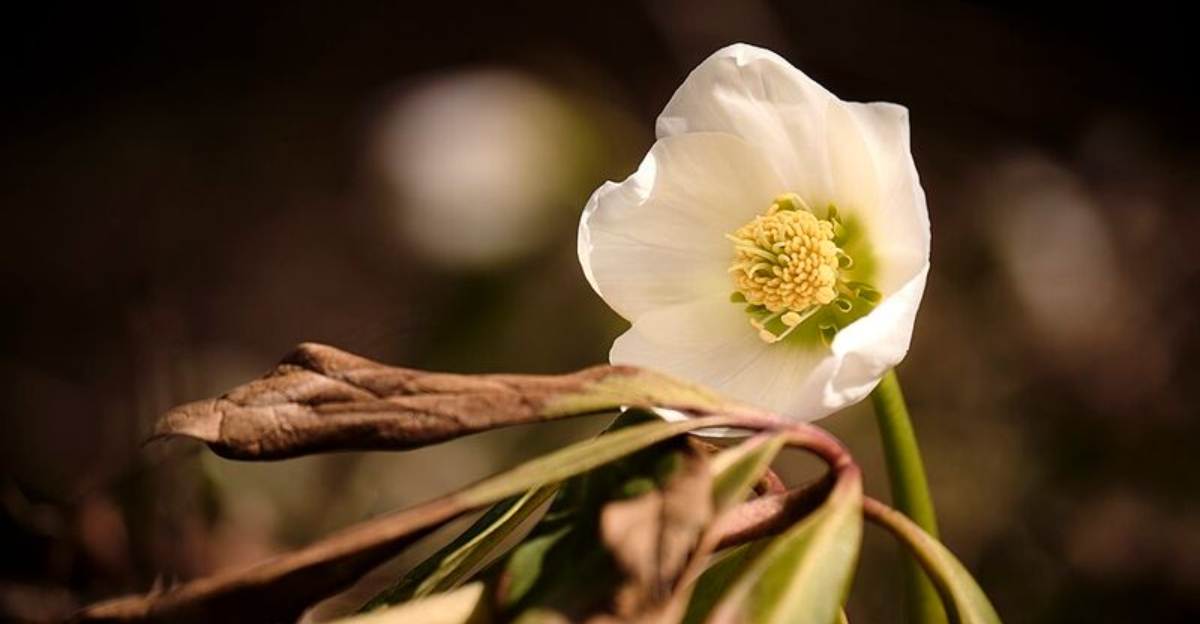
Winter in Washington does not have to mean a gray and empty garden.
Even when the air is cold and the sky is cloudy, some flowers are already waking up and putting on a quiet show.
Hellebores and other winter blooms bring color and life to landscapes when most plants are still resting.
These early flowers are a reminder that spring is closer than it feels, and they are becoming more popular with gardeners and nature lovers across the state.
From public gardens to peaceful woodland trails, Washington has many places where winter flowers shine.
Some of the best spots are tucked away in botanical gardens, while others can be found in unexpected parks and neighborhoods.
Seeing hellebores blooming in winter is a special experience that makes even the coldest day feel brighter.
Many visitors are surprised by how much beauty is waiting to be discovered during the quiet months.
Whether you enjoy photography, gardening, or simply being outdoors, these winter blooms offer something truly special.
Taking time to explore these locations can change how you see winter in Washington forever.
1. Bellevue Botanical Garden
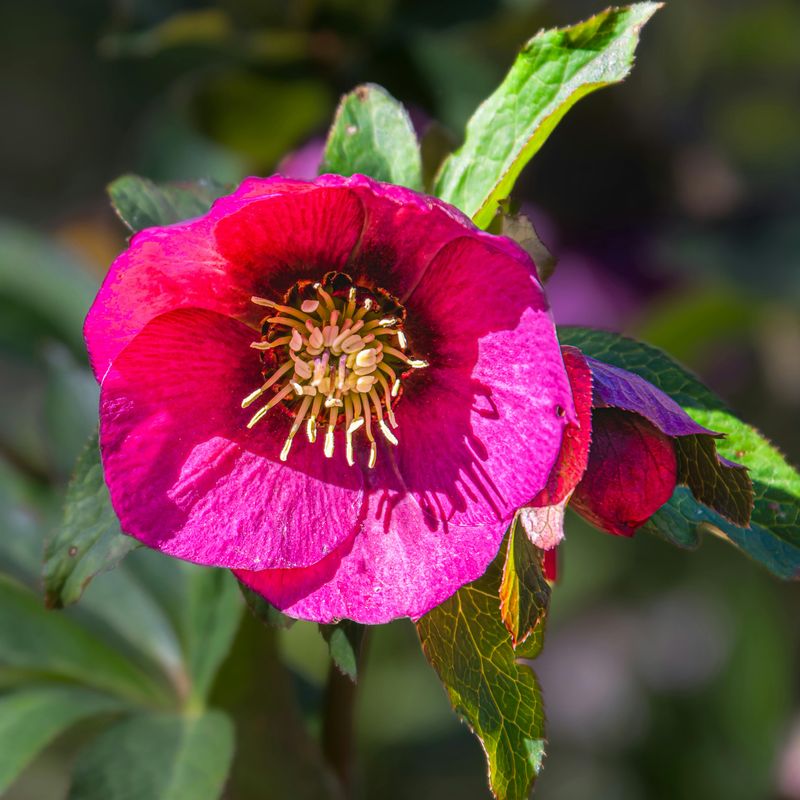
Located in the heart of the Eastside, Bellevue Botanical Garden stands as one of Washington’s premier destinations for observing hellebores and winter blooms.
The garden’s dedicated perennial border and woodland areas showcase an impressive collection of hellebores that begin their display as early as January.
Visitors can wander through carefully designed pathways that wind between native and ornamental plantings, discovering clusters of nodding hellebore flowers in shades of white, pink, purple, and even near-black.
The garden’s mild microclimate, protected by mature trees and thoughtful landscaping, creates ideal conditions for these winter-blooming treasures to thrive.
During winter months, the Yao Garden within the grounds presents a particularly enchanting scene with hellebores nestled among ferns and mossy stones.
Early-blooming witch hazel adds splashes of yellow and orange, while winter jasmine drapes over walls with cheerful golden blooms.
The staff at Bellevue Botanical Garden hosts seasonal workshops and guided walks that teach visitors about winter plant care and identification.
These educational programs help gardeners understand how to incorporate hellebores into their own landscapes successfully.
Admission to this beautiful space remains free year-round, making it accessible to everyone who wants to experience winter’s floral magic.
The garden’s visitor center provides maps and information about the best areas to spot hellebores during different weeks of winter.
Photography enthusiasts particularly love capturing the delicate hellebore blooms against backgrounds of evergreen foliage and winter frost.
Families often visit on mild winter afternoons, enjoying the peaceful atmosphere while children explore the garden’s various themed areas.
Address: 12001 Main St, Bellevue, WA 98005
2. Washington Park Arboretum
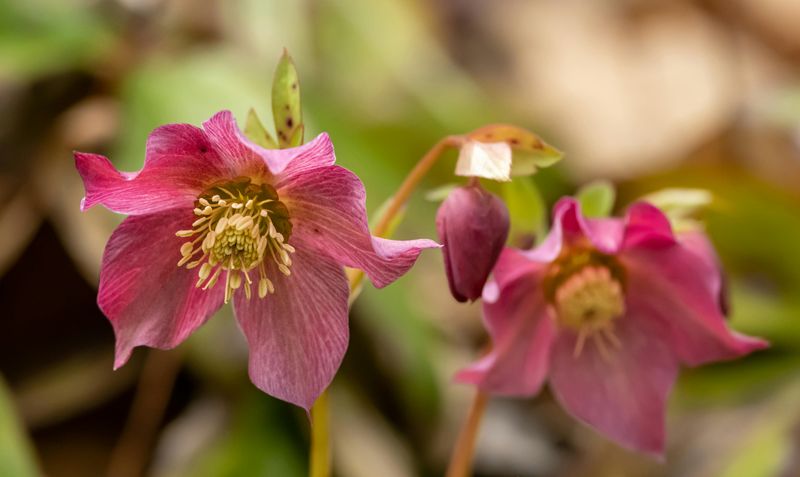
Spanning 230 acres in Seattle, Washington Park Arboretum offers an extraordinary winter flower experience that rivals any location in the Pacific Northwest.
The arboretum’s Woodland Garden features one of the largest hellebore collections in Washington, with dozens of varieties planted throughout the shaded hillsides.
Walking through this area in late winter feels like discovering a secret garden, as hellebores peek out from beneath protective canopies of Douglas fir and western red cedar.
Their waxy petals seem to glow against the dark forest floor, creating magical moments for visitors who take time to look closely.
Beyond hellebores, the arboretum showcases winter-blooming camellias that paint the landscape with pink, red, and white flowers from December through March.
Daphne shrubs fill the air with their incredible fragrance, while early rhododendrons begin their colorful displays.
The Pacific Connections Garden includes Asian species that bloom during winter months, demonstrating how Washington’s climate mirrors regions across the Pacific Ocean.
Visitors often spend hours exploring different sections, each offering unique combinations of winter-flowering plants.
The arboretum maintains excellent trails that remain accessible even during wet winter weather, with boardwalks and gravel paths protecting sensitive plant areas.
Seasonal plant sales allow gardeners to purchase hellebores and other winter bloomers directly from the arboretum’s propagation program.
Educational signage throughout the grounds identifies plants and explains their cultural requirements, helping visitors learn while they explore.
The Japanese Garden, though it charges separate admission, provides another stunning winter landscape where carefully pruned evergreens frame early-blooming plums and other seasonal treasures.
Address: 2300 Arboretum Dr E, Seattle, WA 98112
3. Rhododendron Species Botanical Garden
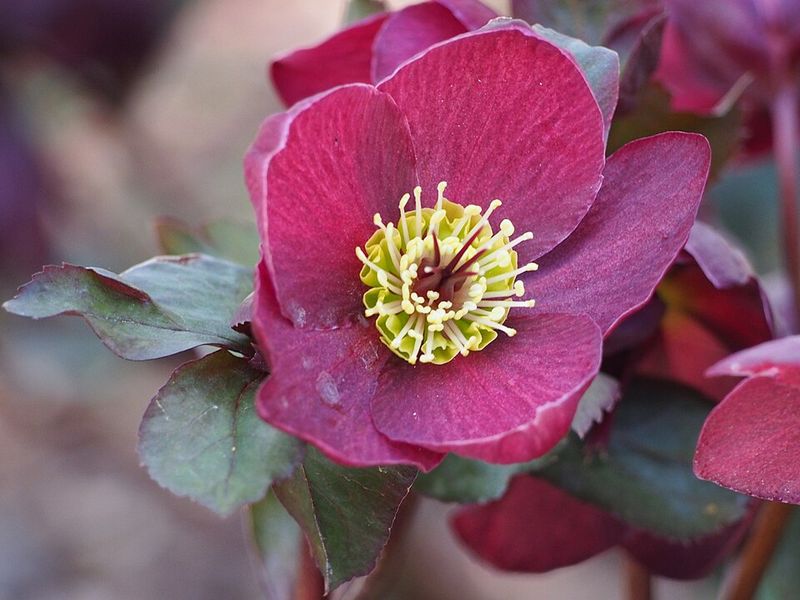
Situated in Federal Way, the Rhododendron Species Botanical Garden surprises many visitors with its extensive winter flower displays that go far beyond its namesake plant.
While most rhododendrons wait until spring, several early-blooming species burst into color during January and February alongside impressive hellebore plantings.
The garden’s woodland setting provides perfect conditions for hellebores, which naturalize beneath the canopy and create sweeping drifts of winter blooms.
Gardeners come from across Washington to observe how these plants perform in naturalistic settings, gathering ideas for their own landscapes.
The Rutherford Conservatory within the garden offers a warm retreat where tropical and subtropical plants bloom year-round, providing contrast to the outdoor winter displays.
However, most visitors find themselves drawn to the outdoor trails where hardy cyclamen, winter heaths, and early bulbs complement the hellebore collections.
The garden’s alpine section features miniature winter-blooming plants that demonstrate how diverse winter gardening can be.
Hellebores here range from species forms with simple flowers to complex hybrids with doubled petals and intricate patterns.
Educational programs throughout winter focus on cold-season gardening techniques, with experts sharing propagation methods and design strategies.
The garden shop stocks an impressive selection of hellebore plants during winter months, often including rare varieties not found at typical nurseries.
Photographers appreciate the garden’s natural lighting, which creates beautiful effects when filtered through winter clouds onto hellebore blooms.
Membership programs offer benefits like early access to plant sales and special guided tours that highlight seasonal changes.
The peaceful atmosphere makes this garden perfect for contemplative winter walks when you want to escape urban noise.
Address: 2525 S 336th St, Federal Way, WA 98003
4. Lakewold Gardens
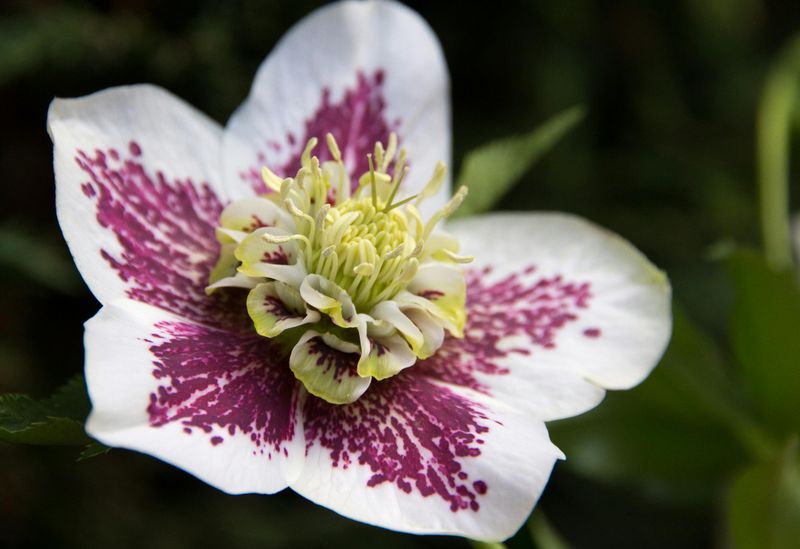
Nestled in Tacoma, Lakewold Gardens presents a historic estate garden where hellebores and winter flowers create stunning seasonal displays against formal garden structures and naturalistic plantings.
The garden’s design combines English garden traditions with Pacific Northwest native plants, resulting in unique winter scenes that inspire visitors.
Hellebores appear throughout the ten-acre property, planted in both sunny borders and shaded woodland areas.
Each location demonstrates different growing conditions, helping gardeners understand the versatility of these remarkable winter bloomers.
The Georgian-style mansion overlooks Gravelly Lake, providing dramatic backdrops for winter photography sessions featuring hellebores in the foreground.
Formal garden rooms include the Woodland Garden, where hellebores naturalize beneath Japanese maples and flowering cherries.
Winter-blooming witch hazel specimens add architectural interest with their twisted branches and fragrant ribboned flowers.
Snowdrops, winter aconites, and early crocuses push through mulch and sometimes even snow, creating layered displays that change weekly throughout winter months.
Lakewold Gardens hosts seasonal events including winter garden tours led by knowledgeable docents who share plant identification tips and growing advice.
The estate’s teahouse offers warm beverages during cold months, making visits comfortable even on chilly days.
Garden beds demonstrate companion planting strategies, showing how hellebores combine beautifully with evergreen ferns, ornamental grasses, and winter-interest shrubs.
The garden’s mature landscape includes specimen trees that provide protection and create microclimates supporting diverse plant collections.
Visitors often mention the peaceful atmosphere and well-maintained paths that make winter exploration enjoyable.
Educational workshops cover topics like hellebore propagation, winter container gardening, and seasonal pruning techniques that help plants perform their best.
Address: 12317 Gravelly Lake Dr SW, Tacoma, WA 98499
5. Meerkerk Gardens
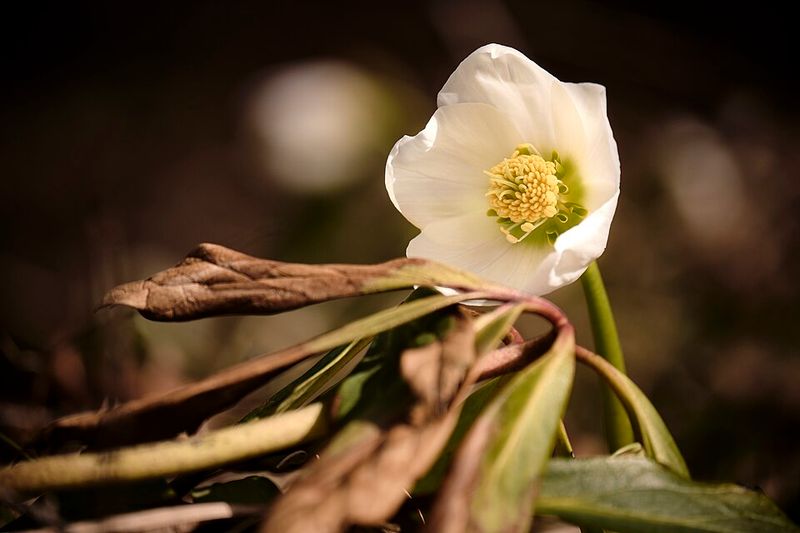
On Whidbey Island, Meerkerk Gardens offers a unique winter flower experience in a setting that feels worlds away from Washington’s urban centers.
The garden began as a private rhododendron collection but has expanded to include extensive plantings of hellebores and other winter-blooming species.
Island microclimates create growing conditions that allow certain plants to bloom earlier than on the mainland, making Meerkerk an excellent destination for observing winter flowers at their peak.
Visitors often combine their garden visit with island exploration, enjoying scenic drives and coastal views.
The garden’s woodland trails wind through ten acres of cultivated areas surrounded by protected forest land, creating a sense of immersion in nature.
Hellebores appear along pathways in carefully designed groupings that look spontaneous yet demonstrate sophisticated horticultural planning.
Native sword ferns and salal provide evergreen backdrops that make the colorful hellebore blooms stand out beautifully.
Winter-blooming mahonia, with its architectural leaves and yellow flower clusters, adds another layer of interest throughout the garden.
Meerkerk’s volunteer-run operation maintains a welcoming, community-focused atmosphere where visitors can ask questions and learn from passionate gardeners.
The garden hosts periodic work parties where volunteers help with planting and maintenance while learning about cold-season gardening practices.
A small gift shop offers plants for sale, including hellebore seedlings grown from the garden’s own specimens.
The peaceful setting attracts artists and nature lovers who appreciate the quiet beauty of winter landscapes.
Many visitors report seeing wildlife including birds and deer that find shelter in the garden’s protected environment.
The combination of cultivated gardens and wild forest creates habitat diversity that benefits both plants and animals throughout Washington’s winter months.
Address: 3531 Meerkerk Ln, Greenbank, WA 98253
6. Bloedel Reserve
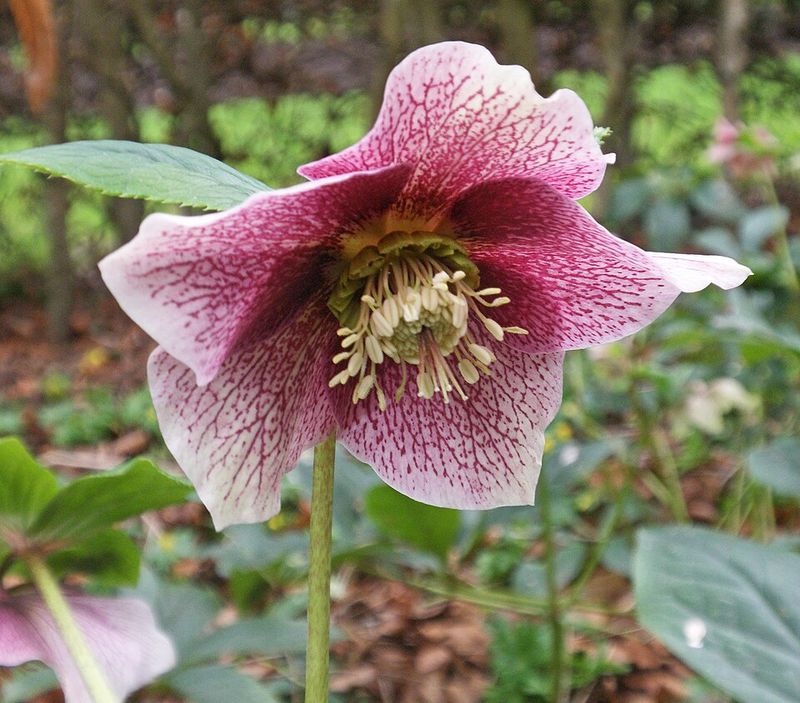
Bainbridge Island’s Bloedel Reserve represents the pinnacle of Pacific Northwest garden design, where hellebores and winter flowers integrate seamlessly into diverse landscape styles.
The 150-acre reserve combines natural forest with carefully designed garden rooms, each offering different perspectives on winter beauty.
Hellebores appear throughout the property, from the formal gardens near the visitor center to naturalistic plantings in the woodland areas.
The reserve’s commitment to sustainable gardening practices demonstrates how hellebores thrive with minimal intervention once established in appropriate locations.
Winter visits reveal the reserve’s Japanese Garden at its most serene, with hellebores planted among mossy stones and carefully pruned evergreens.
The Reflection Pool area takes on special beauty during winter when hellebores bloom along its edges and bare tree branches create striking silhouettes.
Winter-blooming camellias and early magnolias add splashes of color against the reserve’s predominantly green winter palette.
The Moss Garden becomes particularly enchanting after winter rains, with hellebores emerging from carpets of emerald moss.
Timed entry reservations ensure that visitors can enjoy the reserve without crowds, creating contemplative experiences perfect for observing subtle winter changes.
Educational programs include winter ecology walks that explain how hellebores and other cold-season bloomers fit into Pacific Northwest ecosystems.
The reserve’s bird blind provides opportunities to observe winter bird species while surrounded by blooming hellebores and other seasonal plants.
Photography policies allow visitors to capture the beauty while respecting the peaceful atmosphere.
The reserve’s gift shop features books about winter gardening and Pacific Northwest plants, helping visitors continue learning after their visit.
Seasonal memberships provide unlimited access throughout winter months when the reserve showcases its most intimate beauty.
Address: 7571 NE Dolphin Dr, Bainbridge Island, WA 98110