These Are The Best Soil Types For Healthy Vegetable Gardens In Nebraska
Great vegetables do not happen by accident, they begin with the soil under your feet. In Nebraska, soil can change from one yard to the next, from heavy clay to loose sand and rich loam.
If your plants struggle, grow slowly, or produce small harvests, the soil is often the reason. The good news is that you can fix this without expensive tools or complicated methods.
When you understand which soil types work best and how to improve what you already have, your garden becomes easier to manage and more productive.
In this guide, you will learn which soils help vegetables grow strong roots, hold the right amount of moisture, and deliver nutrients where plants need them most.
With the right soil choices, you can turn an average Nebraska garden into a thriving, high-yield space.
1. Loamy Soil
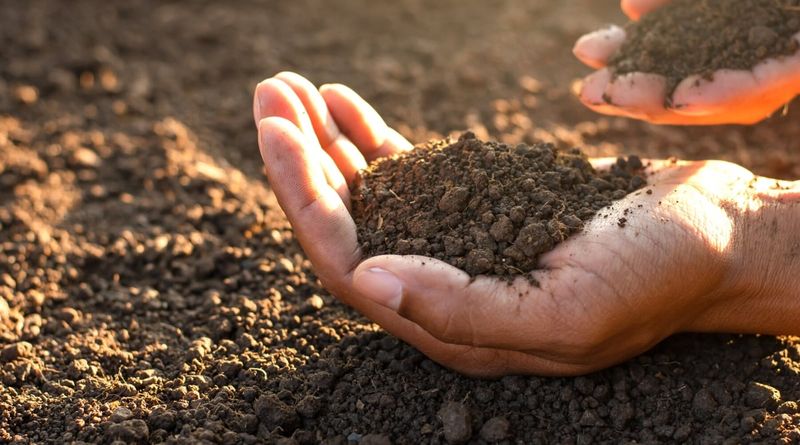
Loamy soil is often called the gardener’s gold, and for good reason. This balanced mixture combines sand, silt, and clay in nearly equal proportions, creating a texture that’s neither too heavy nor too light.
When you squeeze a handful of loam, it holds together briefly but crumbles easily, showing you it has excellent structure.
Nebraska gardeners love loamy soil because it drains water well while still holding enough moisture for plant roots to access during dry spells. The air pockets between particles allow oxygen to reach roots, which vegetables need to grow strong and healthy.
Loam also warms up faster in spring than heavy clay, giving you an earlier start to the growing season.
This soil type is incredibly rich in nutrients and supports beneficial microorganisms that break down organic matter. Earthworms thrive in loamy conditions, constantly improving soil structure as they tunnel through it.
For vegetables like tomatoes, peppers, lettuce, and beans, loam provides the perfect environment.
If your Nebraska garden doesn’t naturally have loamy soil, you can create it over time. Add compost, aged manure, and other organic materials to clay or sandy soils each season.
Test your soil every few years to monitor its texture and nutrient levels. With patience and regular amendments, even poor soil can transform into productive loam that supports abundant vegetable harvests throughout Nebraska’s growing season.
2. Sandy Loam
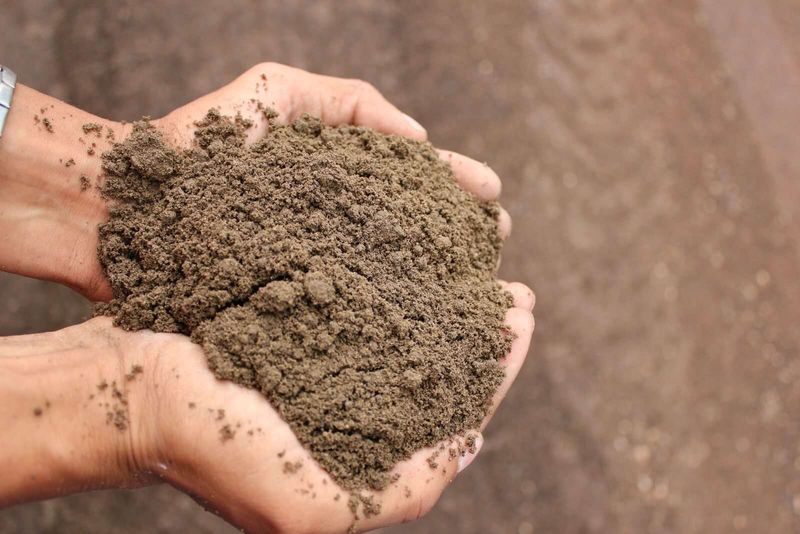
Sandy loam strikes a wonderful balance for Nebraska vegetable gardeners who want excellent drainage without sacrificing too much water retention.
This soil contains more sand particles than regular loam but still has enough silt and clay to hold nutrients and moisture. The gritty texture feels slightly rough when rubbed between your fingers.
One major advantage of sandy loam is how quickly it warms up in spring. Nebraska’s unpredictable weather means some years bring late frosts, but sandy loam lets you plant earlier because the soil temperature rises faster than heavier types.
Root vegetables like carrots, radishes, and parsnips absolutely love growing in sandy loam because their roots can push through the loose texture without effort.
The downside is that sandy loam doesn’t hold nutrients as long as heavier soils. Water and dissolved minerals drain through more quickly, which means you’ll need to fertilize more often during the growing season.
However, this also prevents waterlogging, which can be a problem in Nebraska gardens after heavy spring rains.
Improve sandy loam by adding plenty of compost and organic mulch each year. These materials help the soil retain more moisture and nutrients while maintaining good drainage.
Consider using slow-release organic fertilizers that won’t wash away as quickly. With proper care, sandy loam becomes an excellent medium for growing healthy vegetables across Nebraska’s diverse regions.
3. Silty Loam
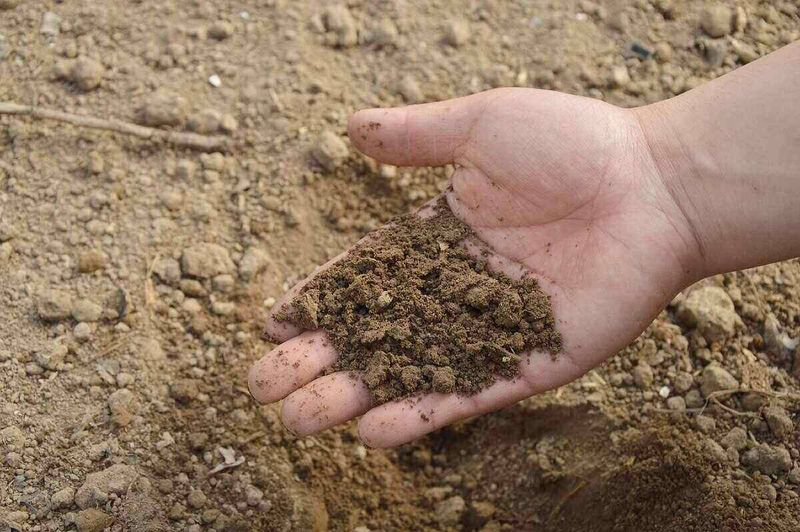
Silty loam feels smooth and almost silky when you rub it between your fingers, quite different from the gritty sensation of sandy soil.
This type contains a higher proportion of silt particles, which are smaller than sand but larger than clay. The result is soil that holds moisture exceptionally well while still allowing decent drainage.
For Nebraska gardeners dealing with periods of drought during summer months, silty loam can be a lifesaver. The fine silt particles create tiny spaces that hold water like tiny sponges, keeping it available for plant roots even when rain becomes scarce.
Vegetables with higher water needs, such as cucumbers, squash, and leafy greens, perform beautifully in silty loam.
This soil type is also nutrient-rich because silt particles have a larger surface area that holds onto minerals. Your vegetables can access these nutrients throughout the growing season without requiring constant fertilization.
Silty loam tends to be naturally fertile, making it easier to grow healthy crops with less intervention.
The main challenge with silty loam is that it can compact more easily than sandier soils, especially after heavy rains or when walked on repeatedly. Avoid working in your Nebraska garden when the soil is wet, as this compresses the particles and reduces air space.
Add compost annually to maintain good structure, and consider using raised beds or permanent pathways to prevent compaction in growing areas.
4. Clay Loam
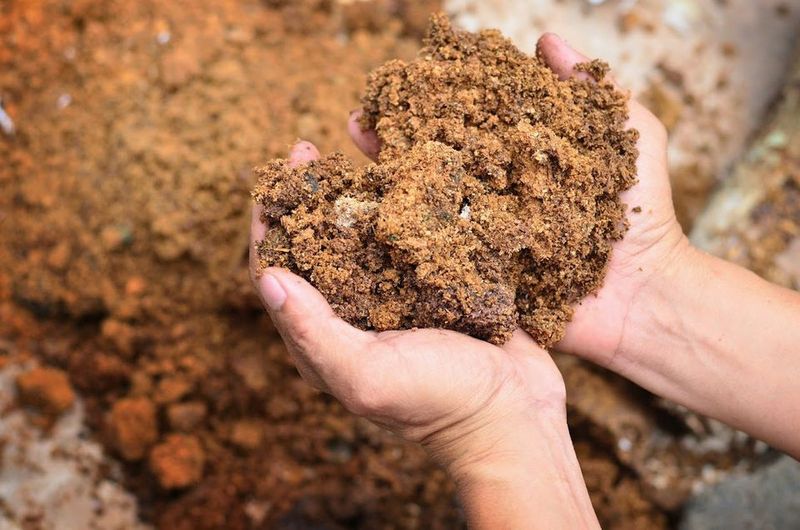
Clay loam contains more clay particles than other loam types, giving it a sticky, moldable quality when wet.
Squeeze some in your hand and it forms a firm ball that holds its shape, yet it still has enough sand and silt to prevent it from becoming concrete-hard when dry. This soil type is common in many parts of Nebraska.
The biggest advantage of clay loam is its ability to hold nutrients better than any other soil type. Clay particles have a negative electrical charge that attracts and holds positively charged nutrients like calcium, magnesium, and potassium.
This means your vegetables have access to a steady supply of minerals throughout the growing season without constant fertilizer applications.
Clay loam also retains moisture extremely well, which helps Nebraska gardens survive hot, dry periods in July and August. However, this same quality can cause problems during wet springs when water doesn’t drain away quickly.
Heavy clay loam can become waterlogged, depriving roots of oxygen and creating conditions where vegetables struggle.
Improve clay loam by adding organic matter regularly. Compost, shredded leaves, and aged manure help break up the tight clay structure, creating more air pockets and improving drainage.
Avoid working clay loam when it’s wet because this causes severe compaction. Instead, wait until it’s slightly moist and crumbles easily.
With proper management, clay loam becomes highly productive soil that supports excellent vegetable yields throughout Nebraska.
5. Amended Native Soil
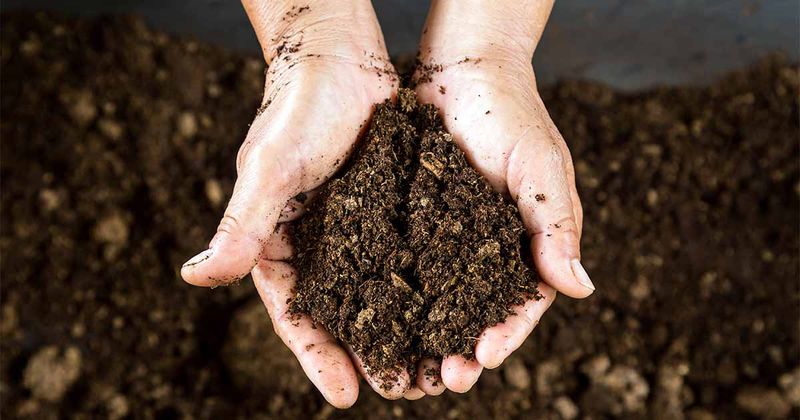
Most Nebraska gardens don’t start with perfect soil, but that doesn’t mean you can’t grow amazing vegetables.
Amended native soil refers to whatever type of soil exists naturally on your property, improved through the addition of organic materials and minerals. This approach works with what you have rather than replacing everything.
Start by testing your native soil to understand its current pH, nutrient levels, and texture. Nebraska State University Extension offices can help with testing, providing detailed reports about what your soil needs.
Based on these results, you can add specific amendments to correct deficiencies and improve structure.
Common amendments include compost, which improves nearly every soil type by adding nutrients and beneficial organisms. Aged manure provides nitrogen and other minerals while improving texture.
Peat moss or coconut coir can increase water retention in sandy Nebraska soils. Gypsum helps break up clay without changing pH, while lime raises pH in acidic soils.
The beauty of amending native soil is that improvements happen gradually over multiple growing seasons. Each year, your soil becomes more productive as organic matter breaks down and soil structure develops.
This method is also cost-effective since you’re working with existing soil rather than purchasing large quantities of new material.
Keep adding compost and organic mulch annually, and within a few years, your amended native soil will support thriving vegetable gardens anywhere in Nebraska.
6. Raised Bed Mix
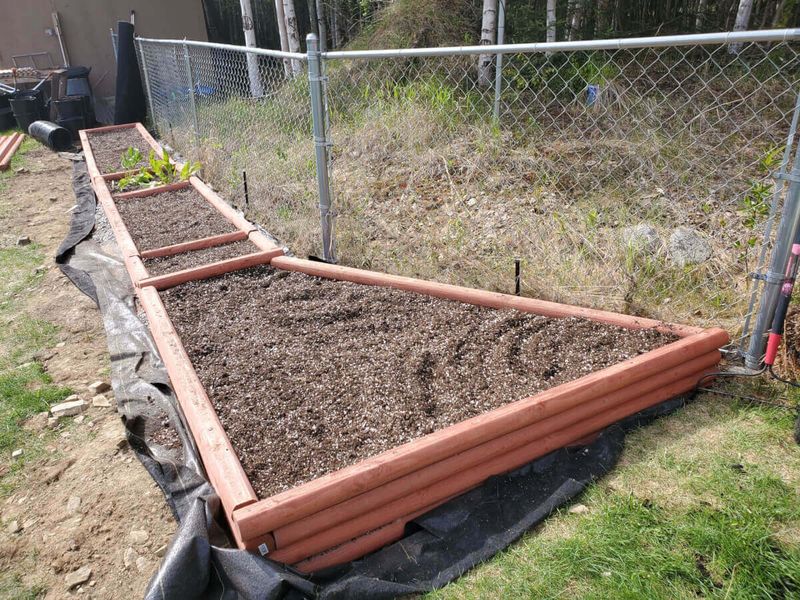
Raised bed mix is a carefully blended combination of materials designed specifically for container and raised bed gardening. This option gives Nebraska gardeners complete control over soil quality from the very start.
Rather than working with existing ground soil, you create the ideal growing medium by combining different components in specific ratios.
A typical raised bed mix uses equal parts compost, peat moss or coconut coir, and vermiculite or perlite. Some gardeners add topsoil to the blend, while others prefer a soilless mix that’s lighter and drains more predictably.
The result is fluffy, well-draining soil that still holds adequate moisture and nutrients for vegetables.
Raised beds filled with quality mix warm up quickly in spring, giving Nebraska gardeners a longer growing season.
The elevated design also provides better drainage, which is especially helpful in areas with heavy clay or where standing water is a problem. You can position raised beds in the sunniest spots regardless of existing soil quality.
One consideration is that raised bed mix requires more frequent watering than in-ground gardens, especially during Nebraska’s hot summer months. The soil dries out faster because it’s above ground level and exposed to air on all sides.
However, this also means you can control moisture levels more precisely. Add a layer of mulch on top to reduce evaporation.
Refresh your raised bed mix each spring by adding new compost and organic matter to replace nutrients used by the previous season’s crops.
7. Composted Garden Soil
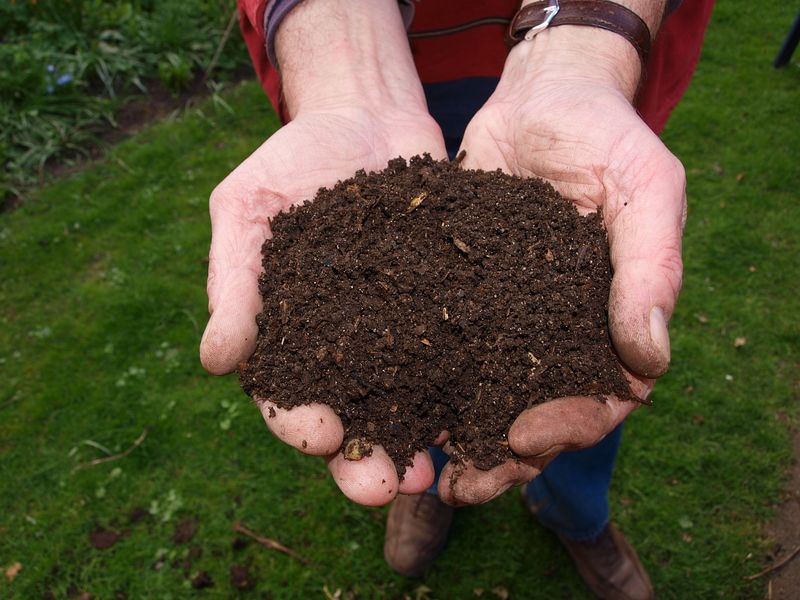
Composted garden soil is essentially native or commercial topsoil that has been heavily enriched with finished compost, creating an incredibly fertile growing medium.
This soil type combines the structure and mineral content of regular soil with the organic richness and beneficial microorganisms found in mature compost. The result is dark, crumbly soil that smells earthy and feels alive.
Nebraska vegetable gardeners who use composted garden soil often see dramatic improvements in plant health and productivity. The high organic matter content feeds vegetables throughout the growing season while improving soil structure, water retention, and drainage all at once.
Beneficial bacteria, fungi, and other microorganisms thrive in this environment, breaking down nutrients into forms plants can easily absorb.
This soil type works beautifully for all vegetables but especially benefits heavy feeders like tomatoes, peppers, corn, and squash. The steady release of nutrients from decomposing organic matter means you won’t need to fertilize as often.
Composted garden soil also helps buffer pH levels, keeping them stable even when you add amendments or fertilizers.
You can purchase composted garden soil from garden centers or create your own by mixing equal parts quality topsoil and finished compost. Make sure any compost you use is fully decomposed and has been properly heated to eliminate weed seeds and pathogens.
Add more compost each year to maintain fertility levels. With this approach, your Nebraska vegetable garden will produce abundant, healthy crops season after season.