These Are The Best Vegetables To Grow In Pennsylvania Garden Beds
Planning your Pennsylvania garden and wondering what will actually grow well? You are not alone.
With chilly springs, warm summers, and a shorter growing window, choosing the right vegetables can make all the difference between a struggling garden and a basket full of fresh, homegrown goodness.
The good news is many vegetables truly love Pennsylvania conditions when planted at the right time and in the right garden beds.
From crisp, cool weather favorites to reliable summer producers, there are plenty of options that reward you with great flavor and steady harvests.
Whether you are a first time gardener or looking to boost this year’s yield, picking the right crops is the smartest place to start.
Ready to fill your garden beds with thriving plants and delicious results? Let’s explore the vegetables that perform best in Pennsylvania and why gardeners keep planting them year after year.
1. Tomatoes
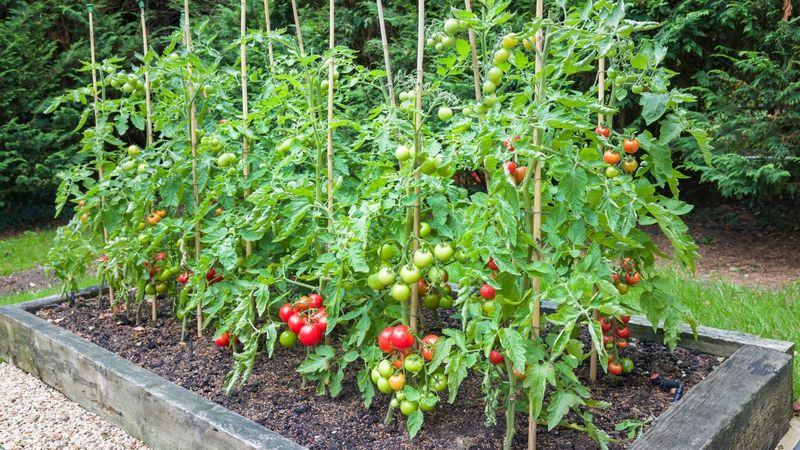
Ask any Pennsylvania gardener what they grow, and tomatoes will top the list almost every time. These warm-season favorites thrive in the state’s summer heat and produce abundantly from July through the first frost.
Pennsylvania’s long growing season gives tomatoes plenty of time to ripen on the vine, developing that sweet, tangy flavor you just can’t get from store-bought varieties.
Starting tomatoes from transplants in mid to late May works best across Pennsylvania. The soil needs to warm up to at least 60 degrees before planting, or your seedlings will just sit there looking unhappy.
Choose a spot in your garden bed that gets at least six to eight hours of direct sunlight daily. Tomatoes are heavy feeders, so mixing compost into your soil before planting pays off with bigger harvests.
Both determinate and indeterminate varieties do well in Pennsylvania gardens. Determinate types like Roma grow to a set height and produce most of their fruit at once, perfect for making sauce.
Indeterminate varieties like Brandywine or Cherokee Purple keep growing and producing until frost hits. These need sturdy cages or stakes because they can reach six feet tall or more.
Pennsylvania gardeners should watch for common tomato problems like early blight and septoria leaf spot, especially during humid summers. Spacing plants properly for good air circulation helps prevent these issues.
Mulching around your tomato plants keeps soil moisture consistent and prevents blossom end rot, that frustrating black spot on the bottom of fruits. With proper care, each tomato plant can produce ten to fifteen pounds of delicious fruit throughout the season.
2. Lettuce
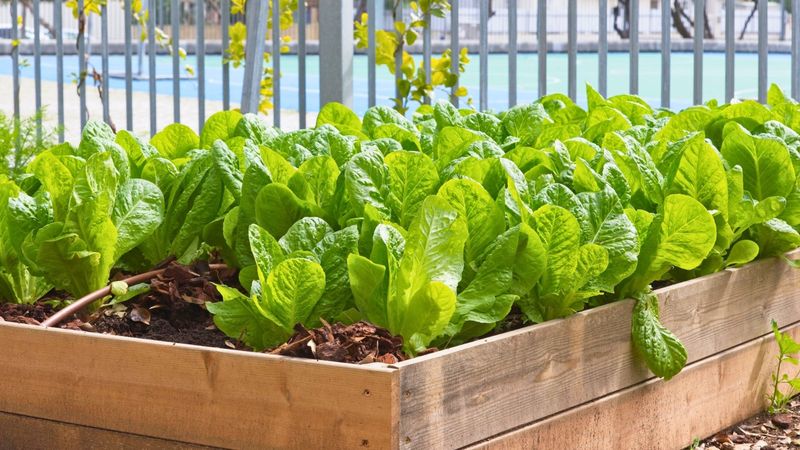
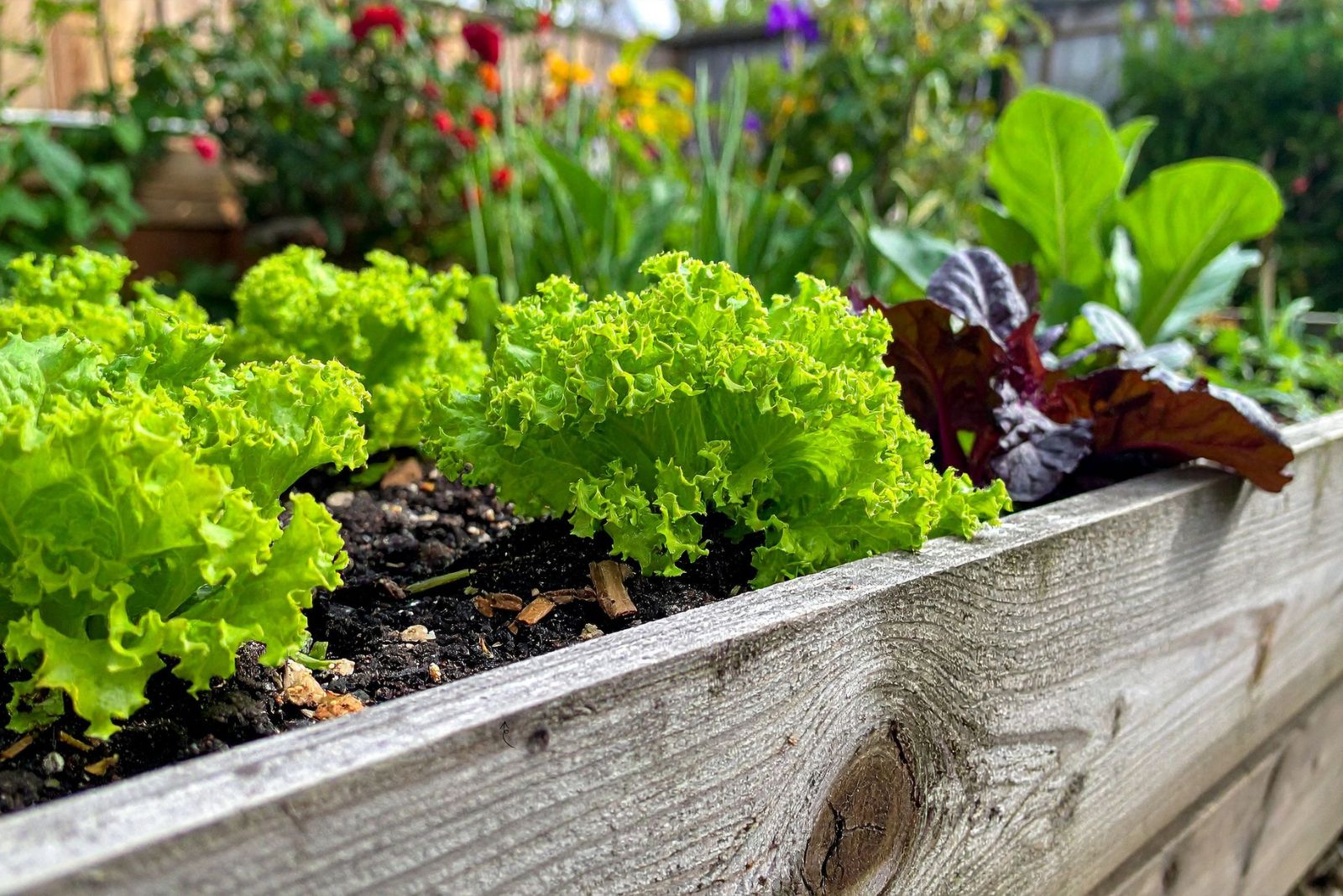
Lettuce brings quick rewards to Pennsylvania gardeners who plant it at the right times. This cool-season crop absolutely loves the mild temperatures of spring and fall, making it perfect for extending your harvest season.
You can start picking baby greens just three to four weeks after planting seeds directly in your garden bed.
Spring planting in Pennsylvania should happen as soon as you can work the soil, usually late March or early April. Lettuce seeds germinate in soil as cool as 40 degrees, so don’t wait for warm weather.
Plant again every two weeks through May for continuous harvests. Then take a break during summer’s heat and start planting again in mid-August for fall crops that taste even better than spring lettuce.
Loose-leaf varieties like Red Sails or Salad Bowl work especially well in Pennsylvania because you can harvest outer leaves while the plant keeps producing. Romaine types such as Parris Island Cos handle warmer temperatures better if you want to push the season.
Butterhead lettuces like Buttercrunch offer tender, sweet leaves that make salads special. Skip iceberg lettuce unless you enjoy a challenge because it needs very specific cool conditions.
Garden beds give lettuce the loose, rich soil it needs for quick growth. Mix in plenty of compost and keep the soil consistently moist but not waterlogged.
Lettuce has shallow roots, so it dries out faster than deeper-rooted vegetables. A light layer of mulch helps retain moisture and keeps leaves clean.
When temperatures in Pennsylvania climb above 80 degrees regularly, lettuce gets bitter and bolts to seed, so timing really matters with this crop.
3. Green Beans
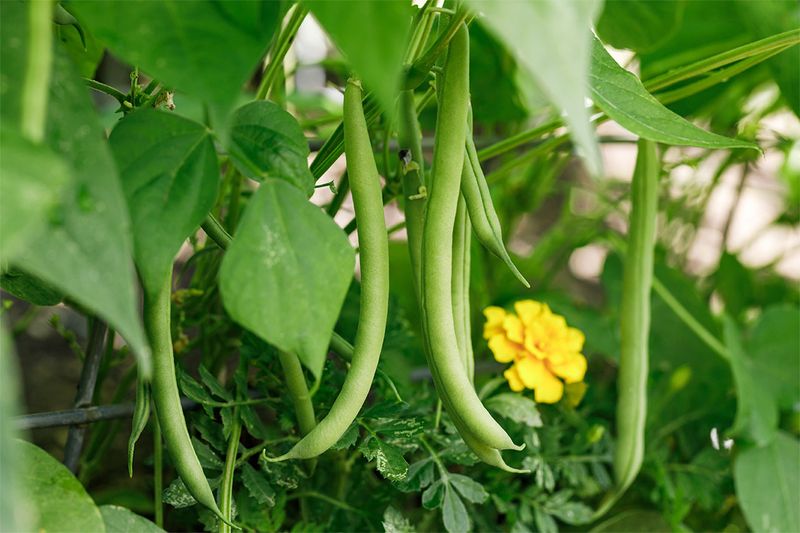
Green beans rank among the easiest vegetables for Pennsylvania gardeners to grow successfully. These productive plants transform tiny seeds into harvestable pods in just fifty to sixty days.
Bush varieties stay compact and don’t need support, making them perfect for garden beds where space matters. Pole beans produce more per plant but require trellises or stakes to climb.
Wait until Pennsylvania’s soil warms to at least 60 degrees before planting bean seeds, typically around mid-May in most areas. Planting too early in cold, wet soil causes seeds to rot before they sprout.
Beans fix their own nitrogen from the air, so they don’t need heavy fertilizing like tomatoes do. Actually, too much nitrogen makes beans produce leaves instead of pods.
Provider and Contender are reliable bush bean varieties that handle Pennsylvania’s summer weather well. For pole beans, try Kentucky Wonder or Blue Lake, which keep producing until frost if you keep picking.
Plant seeds about one inch deep and three inches apart in rows. Once seedlings emerge, thin them to six inches apart for bush types or eight inches for pole beans.
Regular harvesting is the secret to keeping bean plants productive throughout summer. Pick pods when they’re slender and snap easily, before you can see the bean shapes bulging inside.
Checking your plants every two to three days during peak season prevents pods from getting tough and stringy. Pennsylvania’s humid summers sometimes bring Mexican bean beetles, which look like orange ladybugs with spots.
Handpicking these pests in the morning when they’re sluggish keeps damage minimal without needing sprays.
4. Peppers
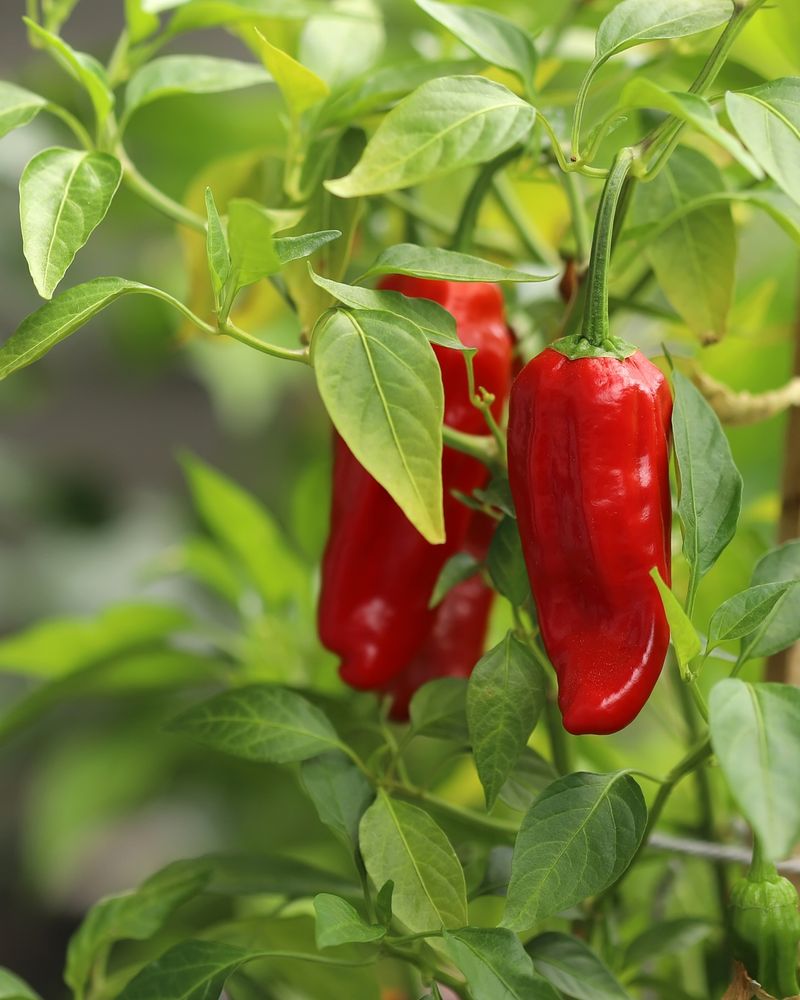
Peppers love Pennsylvania’s warm summers and reward patient gardeners with colorful, flavorful harvests. Sweet bell peppers and hot varieties like jalapeños both thrive when given proper care and plenty of sunshine.
These heat-loving plants need the warmest spot in your garden bed, ideally with southern exposure and protection from strong winds.
Transplant pepper seedlings outdoors after the last frost date, usually around May 15 in central Pennsylvania and a week earlier near Philadelphia. Peppers are even more sensitive to cold than tomatoes, so rushing them into the garden just sets them back.
Black plastic mulch warms the soil and helps peppers establish faster in spring. Space plants eighteen inches apart to give them room to bush out as they mature.
California Wonder and King of the North are excellent sweet pepper choices for Pennsylvania because they produce well even during cooler summers. For hot peppers, try Early Jalapeño or Hungarian Hot Wax, which ripen reliably before fall frost arrives.
Peppers start out green and develop their final colors as they mature, so leaving them on the plant longer increases sweetness and vitamin content.
Garden beds amended with compost provide the consistent moisture peppers need without waterlogging their roots. Unlike tomatoes, peppers don’t need heavy feeding and actually produce better with moderate fertility.
Too much nitrogen makes pepper plants grow tall and leafy but reduces fruit production. Watch for blossom drop during Pennsylvania’s hottest weeks in July when temperatures spike above 90 degrees.
Plants naturally stop setting fruit temporarily but resume production when conditions moderate. Each healthy pepper plant typically yields six to eight large bell peppers or dozens of smaller hot peppers throughout the growing season.
5. Carrots
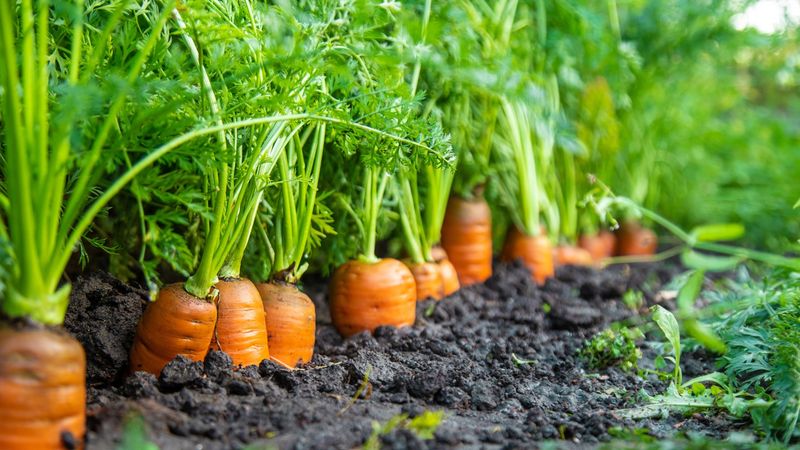
Carrots bring sweet, crunchy rewards to Pennsylvania gardeners who give them the deep, loose soil they crave. These root vegetables grow best in raised garden beds where you control soil texture and drainage.
Heavy clay soil common in parts of Pennsylvania causes carrots to fork and twist, but fluffy garden bed soil produces straight, beautiful roots.
Direct seeding works best for carrots since they don’t transplant well. Sow seeds in early spring, about three to four weeks before your last frost date.
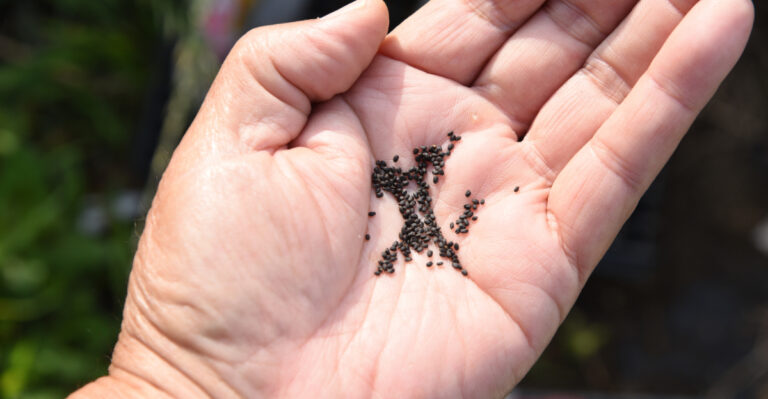
Carrot seeds are tiny and slow to germinate, taking up to three weeks when soil is cool. Mixing radish seeds with carrot seeds marks the rows and breaks up soil crust as radishes sprout quickly.
Plant carrots again in mid to late summer for a fall harvest that actually tastes sweeter after a light frost.
Danvers Half Long and Nantes varieties suit Pennsylvania growing conditions perfectly. Danvers produces thick, blocky roots that handle heavier soils better than long, slender types.
Nantes carrots offer exceptional sweetness and crunch with a cylindrical shape. For something different, try Rainbow Mix with purple, yellow, and white carrots alongside traditional orange ones.
Keep the soil consistently moist while carrot seeds germinate or they won’t sprout evenly. Once seedlings emerge, thin them to two inches apart so roots have room to develop.
This step feels wasteful but makes the difference between fat carrots and skinny ones. Carrot rust fly sometimes affects Pennsylvania crops, causing tunnels in roots.
Covering rows with lightweight fabric during early growth prevents adult flies from laying eggs near plants. Carrots store well in Pennsylvania’s cool fall weather, actually improving in flavor if you mulch them heavily and harvest as needed into December.
6. Zucchini
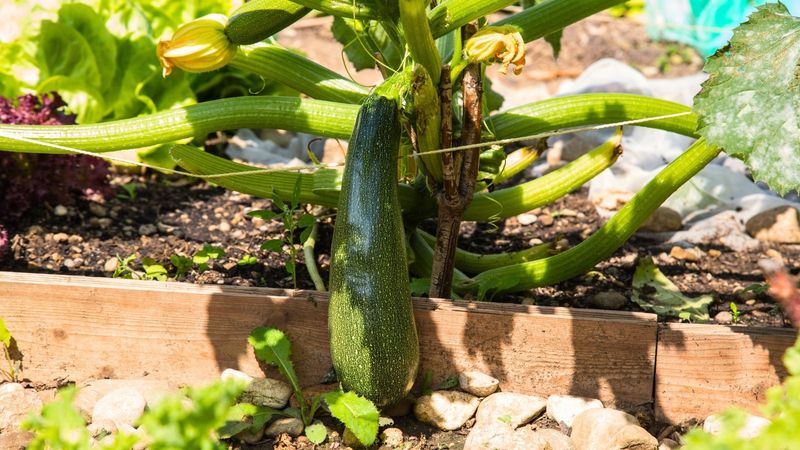
Few vegetables match zucchini for sheer productivity in Pennsylvania garden beds. One or two plants produce enough squash to feed a family and share with neighbors all summer long.
These vigorous growers need space to spread, with each plant reaching three to four feet across when mature. Give them room and stand back because zucchini doesn’t mess around when it comes to producing.
Plant zucchini seeds or transplants after danger of frost passes and soil warms to 65 degrees, typically late May across Pennsylvania. Zucchini grows so fast that direct seeding works perfectly fine and saves money compared to buying transplants.
Plant seeds one inch deep in groups of two or three, spacing these hills three feet apart. Once seedlings develop their first true leaves, thin to the strongest plant per hill.
Black Beauty and Costata Romanesco are proven performers in Pennsylvania gardens. Black Beauty produces classic dark green cylindrical fruits that most people picture when they think of zucchini.
Costata Romanesco offers ribbed, striped fruits with nutty flavor that stays firm when cooked. Yellow varieties like Golden Zucchini add color to your harvest and taste identical to green types.
Rich soil with plenty of compost fuels zucchini’s rapid growth and heavy fruit production. These plants are hungry and thirsty, needing consistent water and occasional feeding with balanced fertilizer.
Harvest zucchini when fruits reach six to eight inches long for the best texture and flavor. Checking plants daily during peak season prevents baseball bat sized squash from hiding under those big leaves.
Squash vine borers sometimes attack zucchini in Pennsylvania, causing plants to suddenly wilt. Wrapping the base of stems with aluminum foil during planting prevents adult moths from laying eggs there.
7. Kale
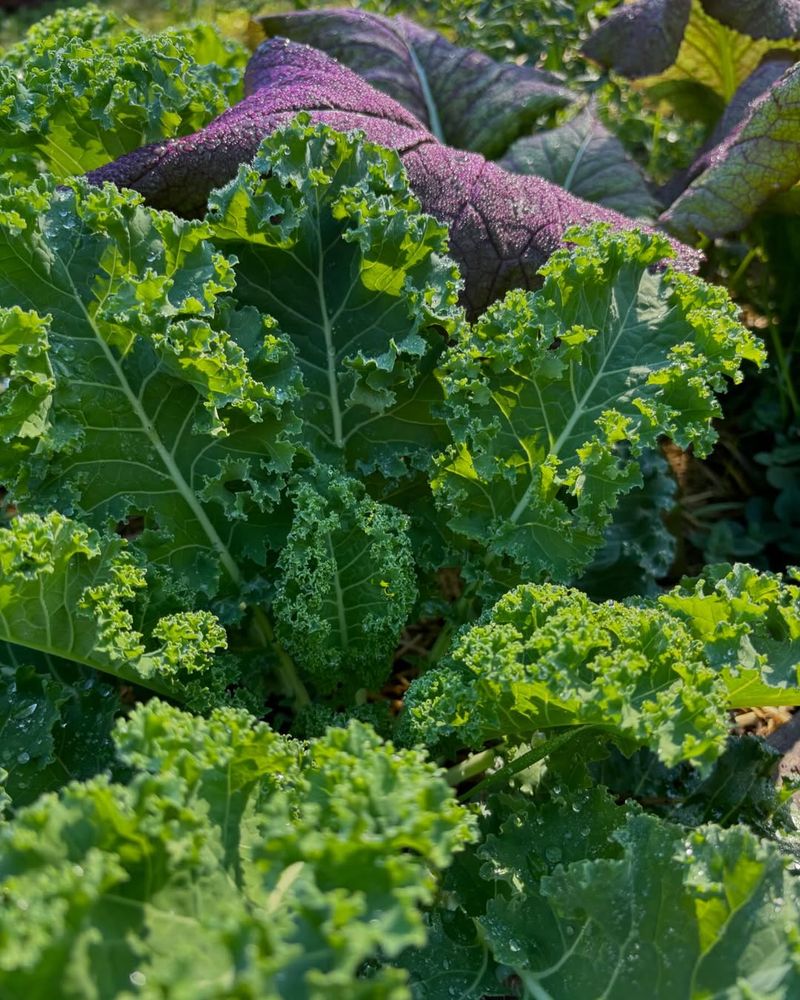
Kale has earned superfood status for good reason, and Pennsylvania’s climate lets you grow it almost year-round. This tough, cold-hardy green actually tastes better after frost touches the leaves, converting starches to sugars.
Garden beds planted with kale in late summer provide fresh greens well into December and sometimes beyond in milder Pennsylvania winters.
Spring planting in early April gives you kale for summer salads and smoothies. However, fall kale surpasses spring crops in flavor and tenderness.
Sow seeds in late July or early August for harvests that begin in October and continue through winter. Kale tolerates temperatures down to 20 degrees without protection and survives even colder weather under row covers or in cold frames.
Winterbor and Lacinato are outstanding kale varieties for Pennsylvania gardens. Winterbor produces tightly curled, blue-green leaves on compact plants that handle cold exceptionally well.
Lacinato, also called dinosaur kale, grows long, bumpy, dark green leaves with a slightly sweeter flavor than curly types. Red Russian kale offers tender, frilly leaves with purple stems and the mildest taste of all kale varieties.
Kale grows best in rich, well-drained soil with a slightly alkaline pH around 6.5 to 7.0. Adding lime to acidic Pennsylvania soils helps kale thrive and prevents certain pest problems.
Unlike lettuce, kale develops deep roots that handle dry spells once established. Harvest outer leaves when they reach usable size, leaving the central growing point to produce more foliage.
Each plant keeps producing for months with this cut-and-come-again method. Cabbage worms sometimes chew holes in kale leaves during summer, but fall crops generally avoid these pests as temperatures cool and adult moths disappear.