These Are The Best Vegetables To Plant During Early Spring In Pennsylvania
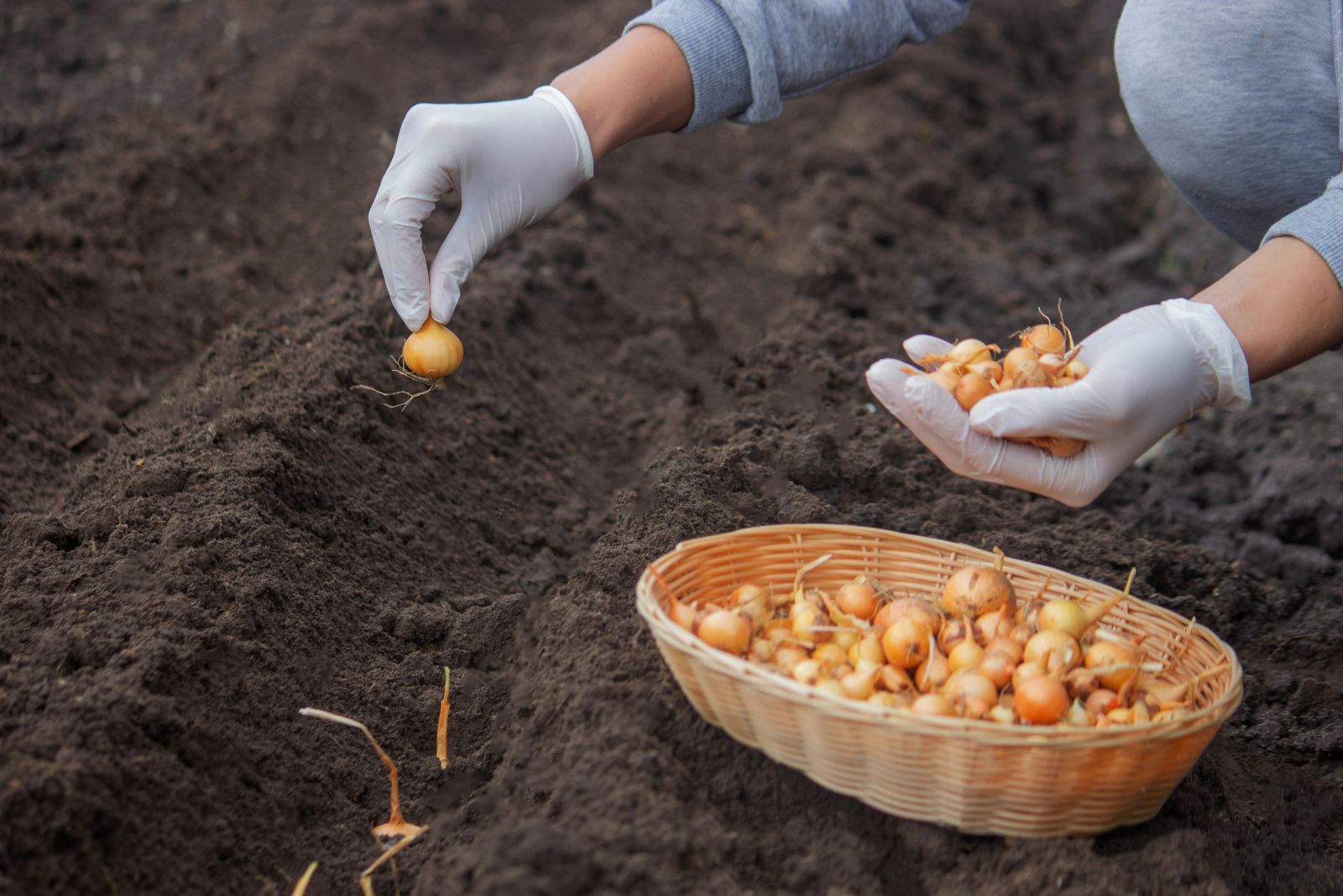
Early spring in Pennsylvania feels like a fresh start. The ground begins to thaw, the days stretch a little longer, and gardeners get the itch to plant something new.
After months of cold weather, even the sight of tiny green shoots can lift your mood. This is the season when planning pays off, especially in the vegetable garden. Not every crop can handle cool soil and chilly nights. Some vegetables actually prefer it.
They grow better before the summer heat rolls in and can even taste sweeter after a light frost. Choosing the right ones for early spring gives you a head start on the growing season and a stronger harvest later on.
Planting early also helps you make the most of Pennsylvania’s changing weather. With smart timing and the right picks, your garden can fill with crisp greens, tender roots, and healthy plants ready to thrive long before summer arrives.
1. Peas
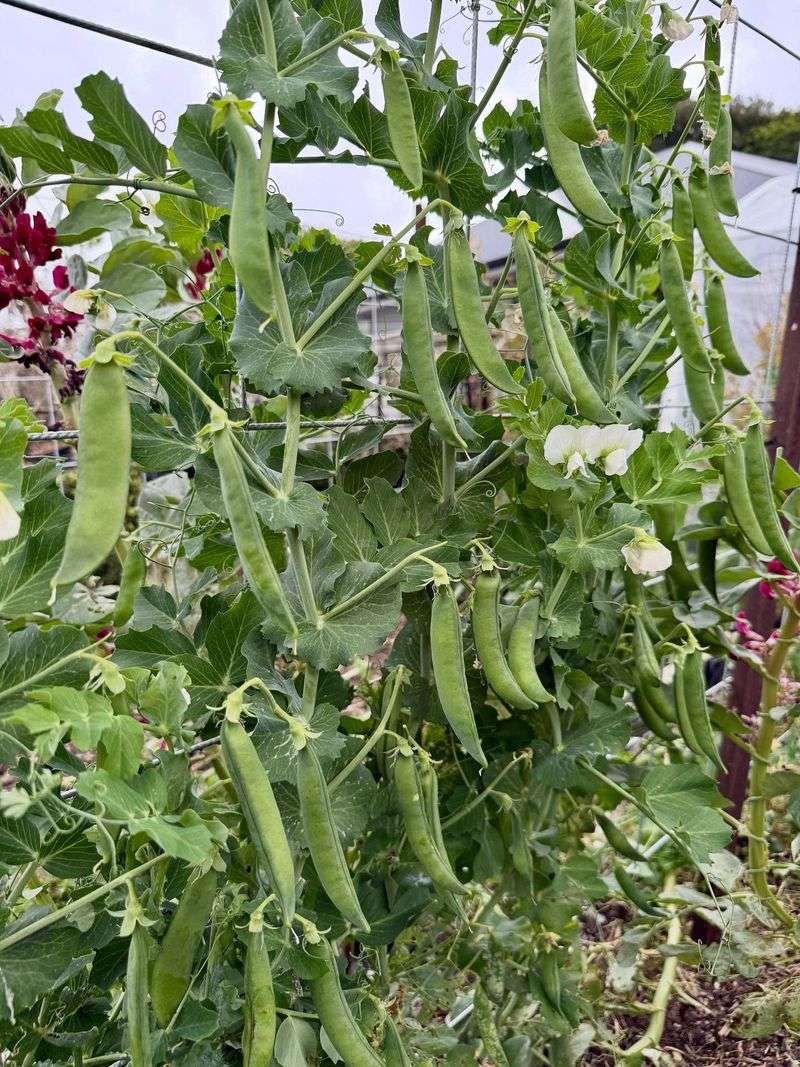
Garden peas love the chilly mornings that Pennsylvania offers in early spring. You can get them into the ground as soon as the soil stops being muddy and holds together when squeezed.
Many gardeners in Pennsylvania start planting peas in late March or early April, depending on their specific location in the state.
The beauty of peas is how well they handle cold soil temperatures. While other vegetables need warm earth to sprout, peas actually prefer it cool.
They germinate best when soil temperatures sit between 40 and 75 degrees Fahrenheit. This makes them perfect for Pennsylvania’s unpredictable spring weather patterns.
Plant your pea seeds about one inch deep and two inches apart in rows. If you choose climbing varieties, set up a trellis or support system right away.
Bush varieties stay shorter and need less support. Both types produce sweet pods that taste amazing when picked fresh.
Peas grow quickly once they start, usually ready to harvest in 60 to 70 days. The plants produce better in cool weather, so early planting in Pennsylvania gives you the longest harvest window. Pick pods regularly to encourage more production.
Water your peas consistently but avoid overwatering, which can cause problems in cool soil. The plants will reward you with tender pods perfect for eating raw, steaming, or adding to spring recipes.
Getting peas in early means enjoying homegrown sweetness by late May or early June across Pennsylvania.
2. Spinach
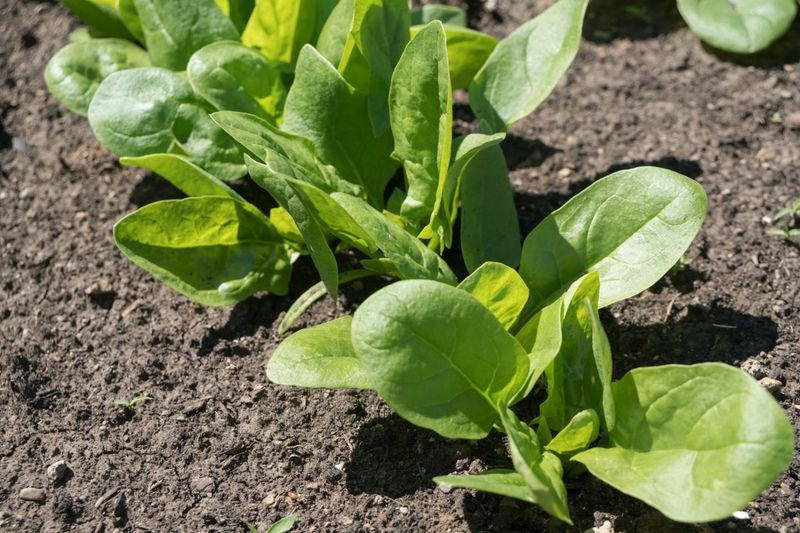
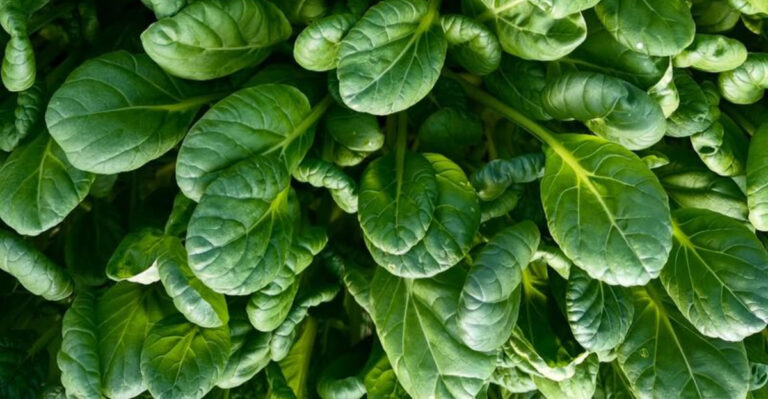
Spinach stands out as one of the toughest vegetables for Pennsylvania’s early spring conditions. This leafy green actually tastes sweeter when grown in cool weather.
Light frosts improve the flavor rather than harm the plants, making it ideal for unpredictable Pennsylvania springs.
You can plant spinach seeds directly in the garden about four to six weeks before your last expected frost date. In most parts of Pennsylvania, this means late March through early April works perfectly.
The seeds sprout in soil as cool as 35 degrees Fahrenheit, though they prefer temperatures between 50 and 70 degrees.
Space your spinach seeds about one inch apart in rows that are 12 to 18 inches from each other. Plant them half an inch deep in loose, rich soil. Spinach grows fast, often ready to pick in just 37 to 45 days after planting.
The leaves grow best when temperatures stay below 75 degrees, which is why early spring planting in Pennsylvania gives excellent results.
Once hot weather arrives, spinach tends to bolt and produce flowers instead of leaves. Early planting ensures you harvest plenty of tender greens before summer.
Pick outer leaves first and let the center keep growing, or harvest the whole plant at once. Fresh Pennsylvania-grown spring spinach has a mild, sweet taste that beats store-bought varieties.
The leaves work wonderfully in salads, smoothies, or lightly sautéed as a side dish.
3. Lettuce
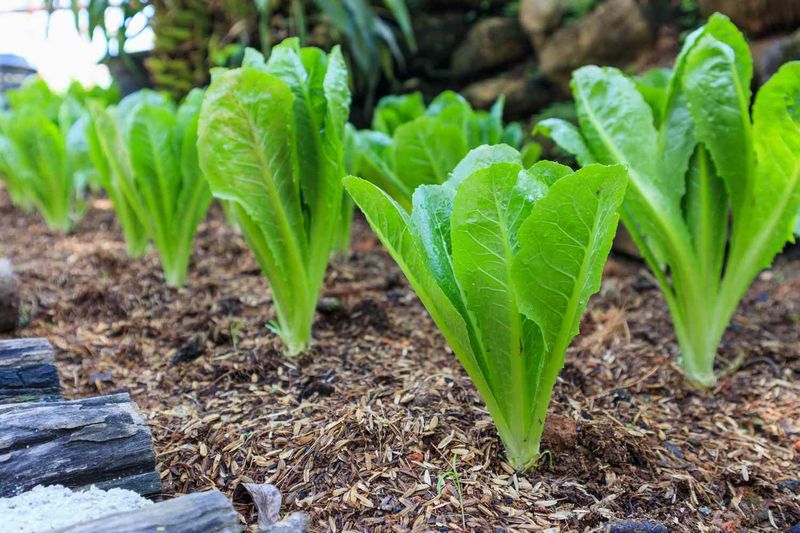
Lettuce thrives in the cool, mild conditions that Pennsylvania provides during early spring months. This fast-growing vegetable gives you fresh salad greens weeks before summer crops even start.
The best part is how simple lettuce is to grow, even for beginning gardeners across the state.
Start planting lettuce seeds as soon as you can work the soil in spring. Most Pennsylvania gardeners begin in late March or throughout April.
Lettuce seeds germinate in soil temperatures as low as 40 degrees, and the plants handle light frosts without problems.
You can choose from many varieties suited to Pennsylvania’s climate. Leaf lettuce grows fastest and handles cold better than head lettuce.
Romaine offers a middle ground with good cold tolerance and crisp texture. Plant seeds about a quarter inch deep and thin seedlings to six inches apart once they sprout.
Lettuce grows quickly in Pennsylvania’s spring weather, often ready to harvest in 30 to 50 days depending on the variety.
The plants prefer temperatures between 45 and 75 degrees, making early spring perfect. You can pick outer leaves continuously or harvest whole heads at once.
Water lettuce regularly to keep leaves tender and prevent bitterness. The plants need consistent moisture but good drainage.
Plant new rows every two weeks for continuous harvests throughout spring. Pennsylvania’s cool mornings and moderate spring days create ideal conditions for crisp, sweet lettuce that transforms homegrown salads into something special.
4. Radishes
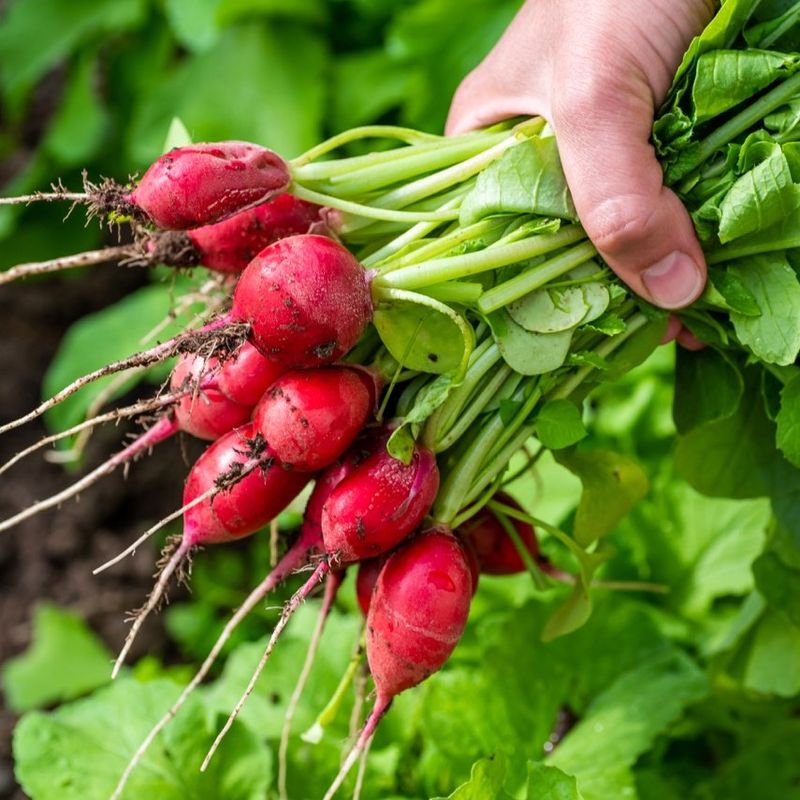
Radishes earn their reputation as the speediest vegetable in Pennsylvania spring gardens. From seed to harvest takes only three to four weeks, making them perfect for impatient gardeners or kids learning to grow food.
Their quick growth also makes them excellent markers for slower-germinating crops planted nearby.
Plant radish seeds directly in the garden as soon as the ground can be worked in spring. Pennsylvania gardeners often start in late March or early April.
The seeds sprout in cool soil and the roots develop best in temperatures between 50 and 65 degrees Fahrenheit.
Sow seeds half an inch deep and about one inch apart in rows. Once seedlings emerge, thin them to two inches apart for proper root development.
Radishes need this spacing to form their characteristic round or oblong shapes. Crowded radishes stay small and never develop properly.
The roots grow rapidly in Pennsylvania’s cool spring soil. Harvest them promptly once they reach full size, usually when roots are about one inch in diameter.
Leaving them in the ground too long makes them woody and overly spicy. Check your radishes daily once they start sizing up.
Radishes need consistent moisture for crisp, mild-flavored roots. Irregular watering causes them to crack or become too hot-tasting.
Plant new rows every week or two for continuous harvests. Pennsylvania’s early spring weather creates perfect conditions for growing these crunchy vegetables that add zip to salads and snacks.
5. Carrots
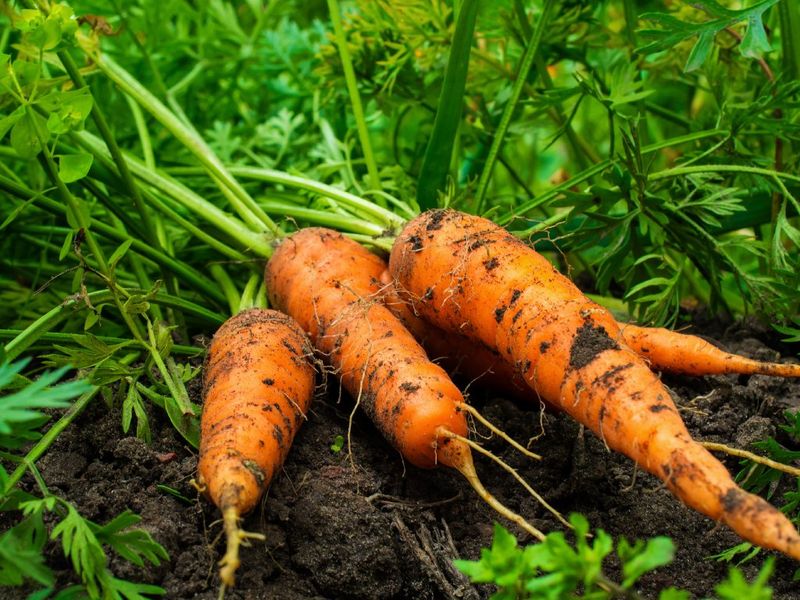
Carrots develop their sweetest flavor when grown in Pennsylvania’s cool spring temperatures. Early planting gives these root vegetables time to mature before summer heat arrives.
The cooler soil actually improves their taste and texture, making spring-planted carrots superior to summer-grown ones.
Sow carrot seeds directly in the garden about three to four weeks before your last expected frost date.
For most Pennsylvania locations, this means planting in late March through mid-April. Carrot seeds are tiny and germinate slowly, taking two to three weeks to sprout in cool soil.
Prepare your soil well before planting carrots. They need loose, rock-free earth to grow straight roots.
Heavy or rocky soil causes twisted, forked carrots. Mix in compost and remove stones to give roots room to develop. Plant seeds about a quarter inch deep in rows spaced 12 to 18 inches apart.
Thin seedlings to two inches apart once they reach two inches tall. This spacing allows each carrot to develop fully.
Keep the soil consistently moist until seeds germinate, which can take patience in Pennsylvania’s variable spring weather. Once established, carrots need regular watering but tolerate some dryness.
Most carrot varieties mature in 60 to 80 days, meaning spring-planted carrots in Pennsylvania are ready by late June or July. The roots taste sweetest after exposure to cool temperatures.
You can leave them in the ground and harvest as needed, since Pennsylvania spring weather keeps them fresh and crisp.
6. Kale
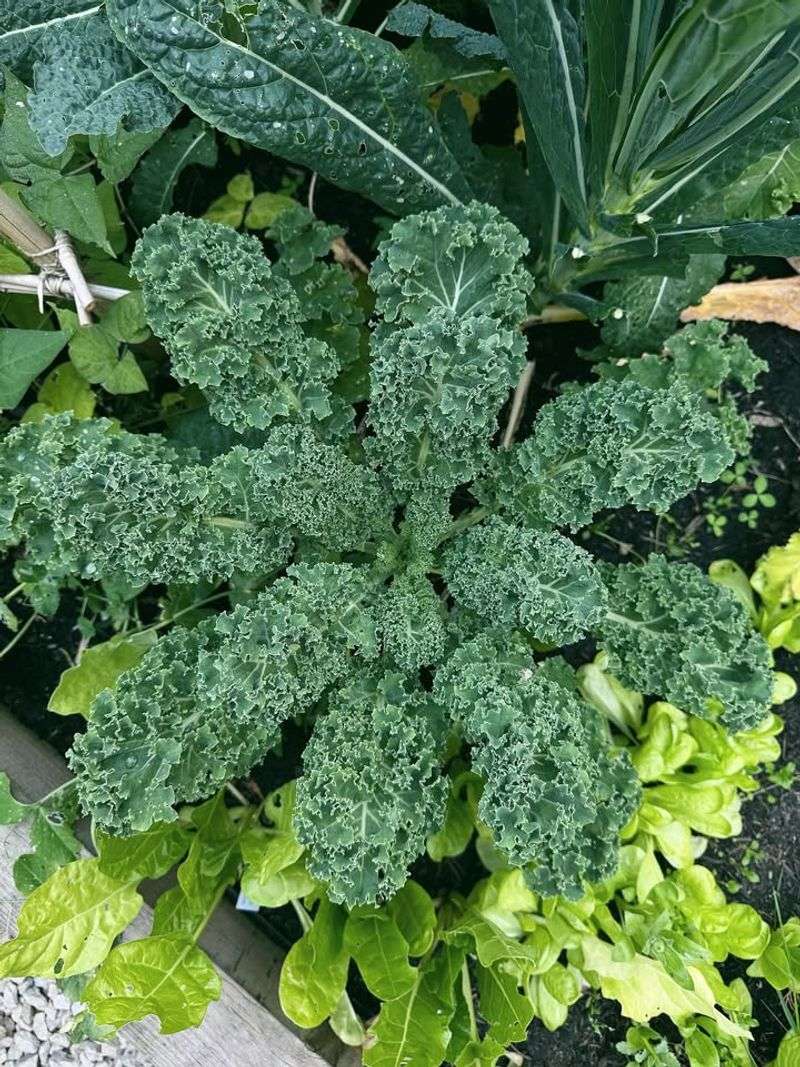
Kale handles Pennsylvania’s unpredictable early spring weather better than almost any other vegetable. This nutritional powerhouse actually improves in flavor after exposure to frost.
Light freezes make the leaves sweeter by converting starches to sugars, which is why spring-grown kale in Pennsylvania tastes so good.
Plant kale seeds or transplants in early spring, about four to six weeks before the last frost date. Many Pennsylvania gardeners start in late March or early April.
Kale tolerates soil temperatures as low as 40 degrees and keeps growing through frosts that would damage less hardy vegetables.
Space plants 12 to 18 inches apart in rows about two feet from each other. Kale grows into substantial plants that need room.
You can plant seeds directly or start them indoors and transplant seedlings. Both methods work well in Pennsylvania’s spring conditions.
The plants grow steadily in cool weather, producing dark green, nutritious leaves packed with vitamins. Harvest outer leaves when they reach usable size, usually six to eight inches long.
The plant keeps producing new leaves from the center, giving you continuous harvests for months.
Kale survives temperatures well below freezing and can handle light snow. This extreme hardiness makes it reliable for Pennsylvania gardeners dealing with late spring cold snaps.
The leaves stay tender and sweet in cool weather but become tough and bitter once summer heat arrives. Early spring planting ensures you enjoy the best-tasting kale with minimal pest problems common in warmer months.
7. Onions
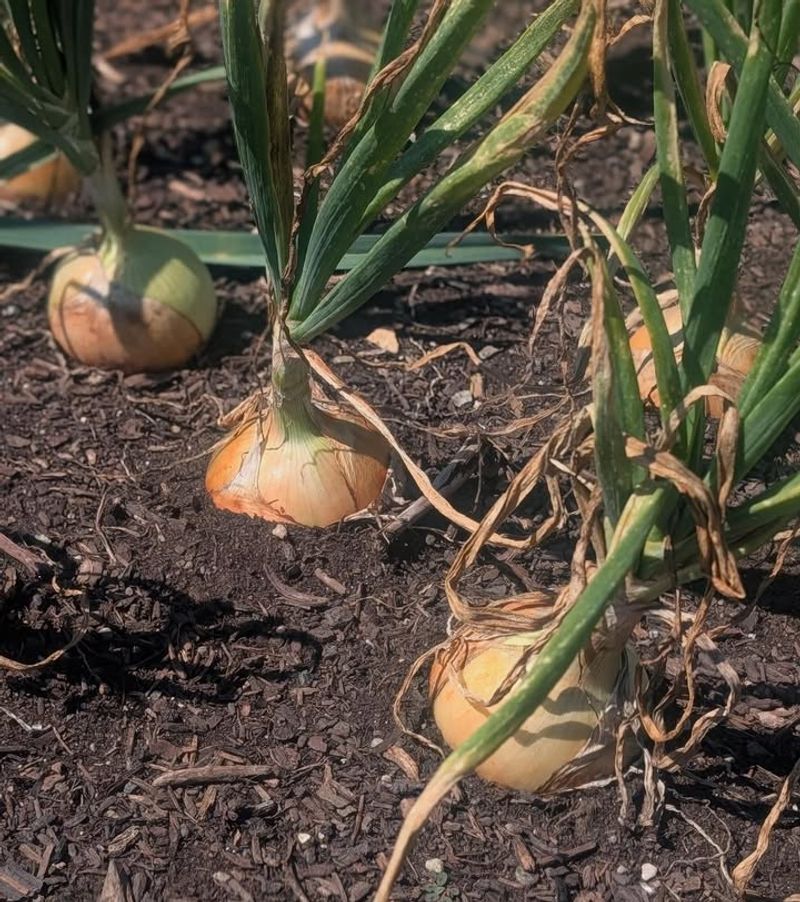
Onions rank among the most popular early spring crops for Pennsylvania gardeners. These hardy vegetables establish strong root systems in cool weather, which helps them produce large bulbs later in the season.
Starting onions early gives them the long growing period they need to reach full size.
Plant onion sets or transplants in Pennsylvania gardens about four weeks before the last expected frost. This usually means late March through mid-April across most of the state.
Onions tolerate cold soil and light frosts without problems. They actually need exposure to cool temperatures early in their growth.
Space onion sets about four to six inches apart in rows 12 to 18 inches from each other. Push the sets into loose soil so just the tips show above ground.
Planting too deep can cause problems with bulb development. Onions need full sun and well-drained soil to grow their best.
The plants develop slowly at first, putting energy into root growth. Green shoots emerge and grow steadily as Pennsylvania spring weather warms.
Keep the soil consistently moist but not waterlogged. Onions have shallow roots that dry out easily, especially as they get larger.
Most onion varieties take 90 to 120 days to mature from sets. Early spring planting in Pennsylvania means harvesting bulbs in July or August.
The tops will fall over naturally when bulbs finish growing. Pull them up, let them cure in a dry spot for a few weeks, and you’ll have homegrown onions that store for months.