These Are The 9 Easiest Ohio Native Groundcovers For Clay Soil
Clay soil frustrates many Ohio gardeners. Water lingers too long after rain, then the ground hardens like brick during dry spells.
Many popular plants struggle to survive in these conditions, leaving bare patches, erosion, and constant replanting. Yet some plants treat heavy soil as the perfect home.
Native groundcovers developed in Ohio landscapes long before lawns and garden centers appeared. Their roots push through dense soil, hold moisture during heat, and spread across the ground with little effort.
Once established, they fill empty spaces, reduce weeds, and bring life back to stubborn areas of the yard. Tough soil does not mean a dull landscape.
These Ohio native groundcovers thrive in clay and turn difficult ground into a low-maintenance carpet of green.
1. Establish Wild Ginger For Shady Clay Spots
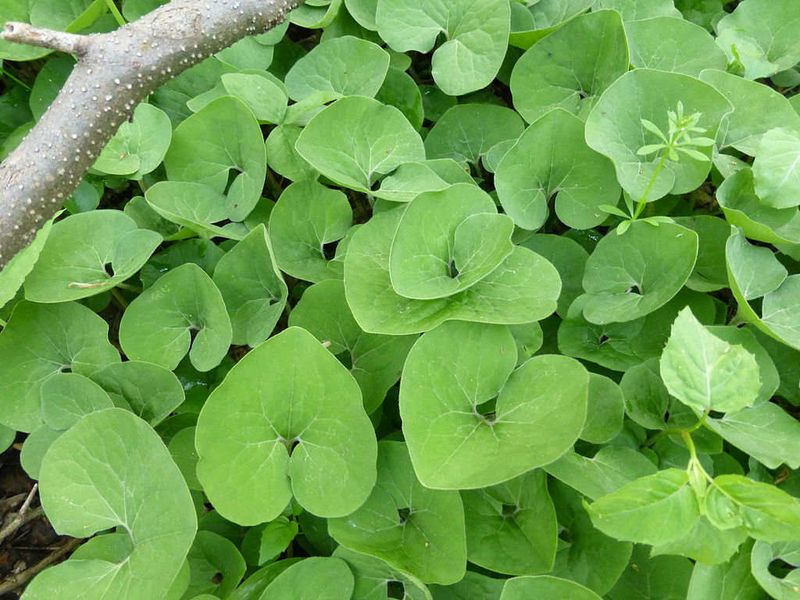
Few plants handle deep shade and heavy Ohio clay quite like Wild Ginger. This low-growing native perennial, known scientifically as Asarum canadense, produces wide, heart-shaped leaves that overlap and form a thick, weed-suppressing carpet over time.
Gardeners across Ohio love it because it asks for very little once it gets settled in.
To get started, loosen your clay soil about six inches deep and mix in a small amount of compost or leaf litter. This gives the roots an easier path to spread.
Plant divisions about eight to twelve inches apart in a shady bed, and water them consistently through the first season.
Wild Ginger spreads slowly through underground rhizomes, so patience is key. Within two to three growing seasons, you will notice the plants knitting together into a seamless green mat.
The foliage stays low, typically under six inches tall, which keeps it tidy beneath trees and shrubs.
One fun fact about Wild Ginger is that its roots carry a light spicy scent similar to culinary ginger, though it is not related. Ohio State University Extension recommends it as one of the top native choices for moist, shaded clay areas throughout the state.
2. Lay Pennsylvania Sedge To Soften Bare Soil
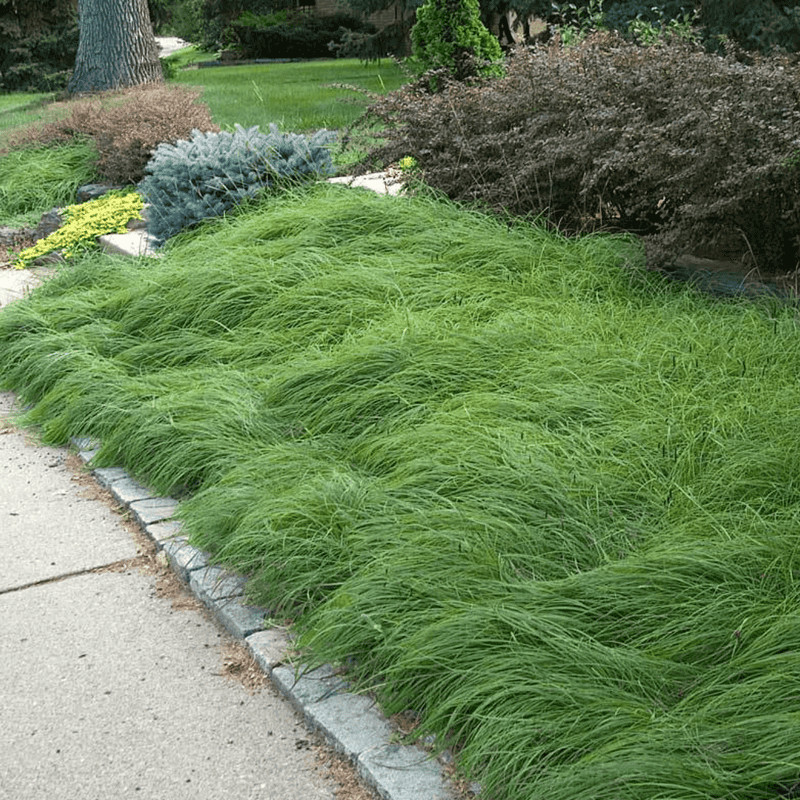
If you have ever wished your lawn could look soft and lush without constant mowing, Pennsylvania Sedge might be your answer. Carex pensylvanica grows in graceful, arching clumps that blend together into a flowing green mat.
It gives bare Ohio soil a natural, meadow-like appearance that feels relaxed and welcoming.
This sedge handles clay soil better than most turf grasses because its roots tolerate compaction and low drainage. Plant plugs or divisions about six inches apart in a shaded to partly sunny location.
Once established, the plants spread steadily through short rhizomes, filling in gaps without becoming aggressive or invasive.
Maintenance is refreshingly simple. Pennsylvania Sedge rarely needs fertilizer, and it only requires mowing once a year in early spring if you want a neater look.
Many Ohio gardeners skip mowing altogether and enjoy the soft, wavy texture it creates beneath mature trees.
Moisture is important during the first summer, so water new plantings during dry spells. After that, established clumps handle Ohio’s variable rainfall with ease.
This plant also provides light habitat value for small ground-nesting insects, making it a functional and beautiful addition to any Ohio native garden.
3. Spread Creeping Phlox For Colorful Ground Cover
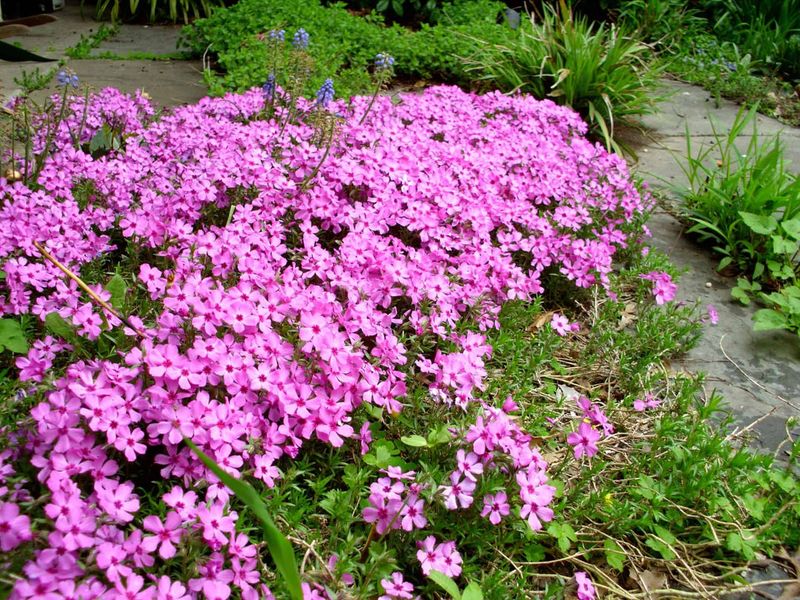
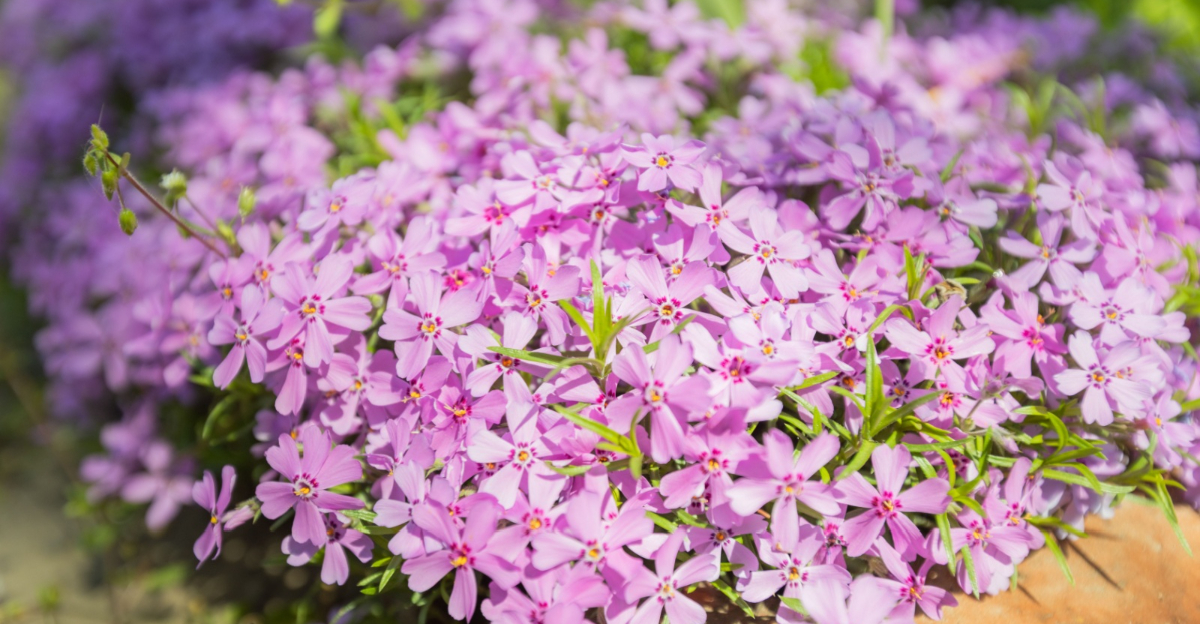
Every spring, Creeping Phlox puts on a show that stops people in their tracks. Phlox subulata erupts into a thick blanket of flowers in shades of pink, white, lavender, and red, turning bare Ohio slopes and garden edges into something that looks almost painted.
It is hard to believe a plant this showy is also this easy to grow.
Creeping Phlox spreads through stolons, which are horizontal stems that root as they travel along the soil surface. Plant it in a sunny to partly shaded spot and space plants about twelve to eighteen inches apart.
The stems quickly reach outward, covering ground fast enough that you will see noticeable progress within a single season.
Clay soil can work well for this plant as long as drainage is reasonable. If your clay holds standing water after heavy rain, mix in some coarse sand or compost before planting.
Once established, Creeping Phlox is quite drought-tolerant and rarely needs extra watering during Ohio’s summers.
After the spring bloom fades, the evergreen foliage stays in place and continues suppressing weeds all year. Trim plants back lightly after flowering to encourage dense, bushy regrowth.
Creeping Phlox is a reliable, low-effort performer that rewards Ohio gardeners beautifully every single year.
4. Grow Foamflower For Woodland Elegance
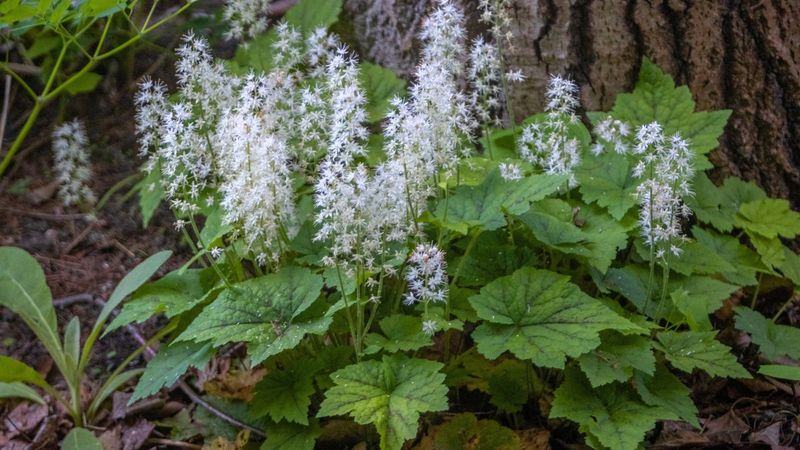
Walk through an Ohio woodland in May and you might spot Foamflower lighting up the forest floor with its soft, feathery white blooms. Tiarella cordifolia is a native perennial that brings genuine elegance to shaded garden spaces, and it handles clay soil surprisingly well when moisture is consistent.
Many Ohio gardeners treat it as a secret weapon for tricky, dark corners of the yard.
Plant Foamflower in a location with partial to full shade, spacing plants about twelve inches apart. The lobed, maple-like leaves are attractive even when the plant is not in bloom, providing textural interest through the growing season.
As plants mature, they send out short runners that root and form new rosettes, gradually building a full, dense mat.
Spring is the best time to plant, allowing roots to establish before summer heat arrives. Keep the soil evenly moist, especially during Ohio’s dry summer stretches.
Adding a light layer of shredded leaf mulch around plants helps retain moisture and keeps clay soil from crusting over.
Foamflower also attracts native bees and small pollinators during its bloom period, adding wildlife value to your garden. Ohio State University Extension lists it as an excellent low-maintenance choice for shaded native plant landscapes across the state.
5. Add Wild Stonecrop For Rocky Or Sunny Clay Patches
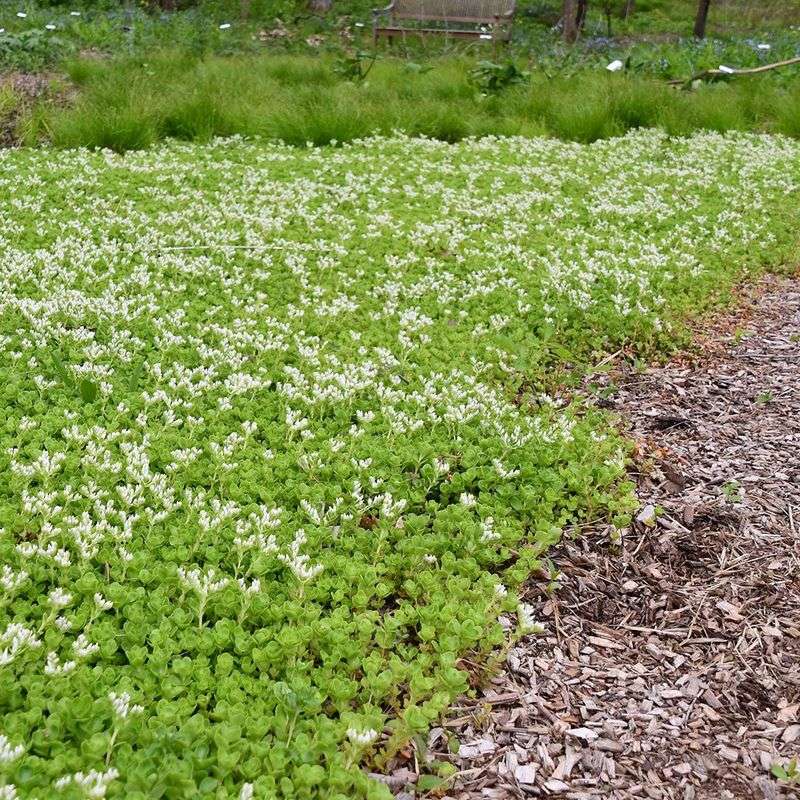
Wild Stonecrop is the kind of plant that makes you look twice because it seems too pretty to be that tough. Sedum ternatum features plump, bright green succulent leaves arranged in neat rosettes, topped with clusters of tiny white star-shaped flowers in late spring.
It looks delicate but thrives in some of Ohio’s harshest growing conditions.
This native sedum is a natural fit for rocky outcroppings, garden walls, and sunny clay patches where other plants struggle. Its succulent leaves store water, allowing it to push through Ohio’s dry summer spells without extra irrigation.
Even in heavier clay soils, Wild Stonecrop performs well as long as the planting site does not stay waterlogged.
Space plants about eight to ten inches apart in a sunny to partly shaded location. The low, spreading habit keeps plants under four inches tall, making them ideal for edges, pathways, and slopes where erosion is a concern.
Stems root where they touch moist soil, slowly expanding the colony over time.
Wild Stonecrop pairs beautifully with other native plants like Wild Ginger and Pennsylvania Sedge to create textural contrast in Ohio gardens. It requires almost no care once established, making it one of the easiest native groundcovers you can add this season.
6. Plant Green-And-Gold For Long-Lasting Yellow Blooms
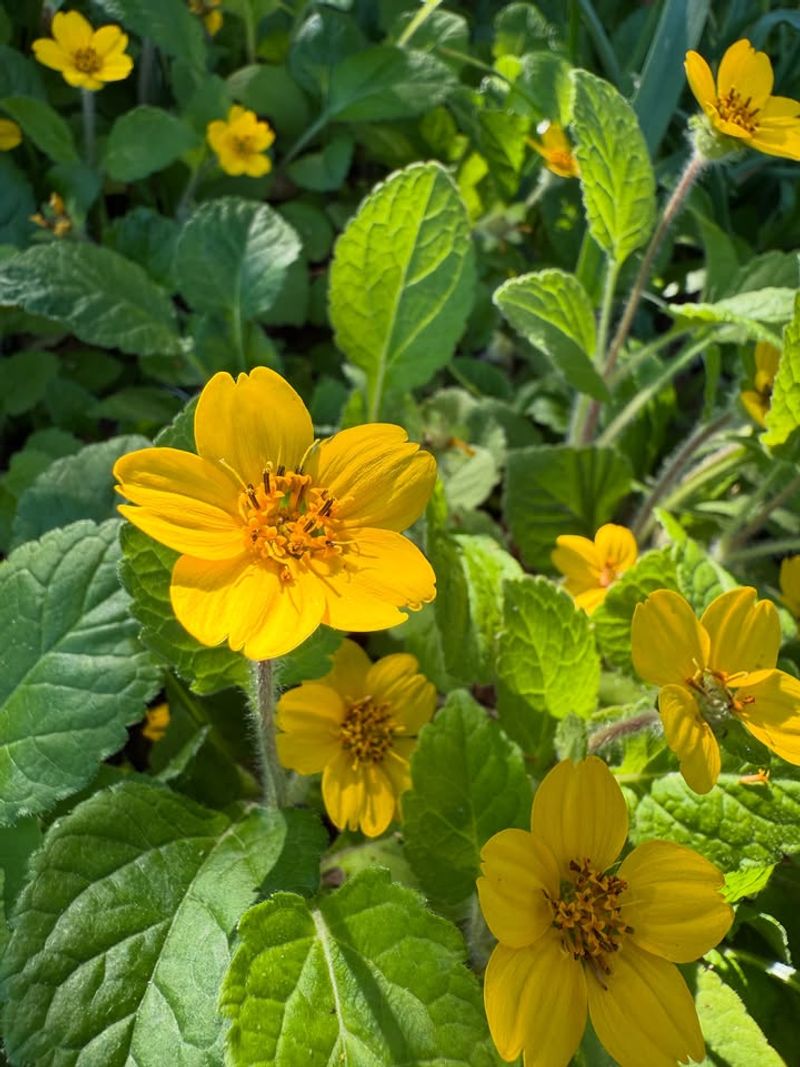
Bright yellow flowers from spring all the way through fall sound almost too good to be true, but Green-and-Gold delivers exactly that. Chrysogonum virginianum is a cheerful, low-growing native perennial that spreads through rhizomes to create a colorful, weed-suppressing mat in Ohio gardens.
It is one of the longest-blooming native groundcovers available to Ohio gardeners.
Plant Green-and-Gold in a partly shaded spot, though it also tolerates more sun if moisture is consistent. Space plants about twelve inches apart in clay soil amended lightly with compost.
Once established, the rhizomatous roots spread steadily, filling in bare areas over one to two seasons without becoming pushy or overwhelming neighboring plants.
The dark green, slightly textured foliage stays attractive even between bloom cycles. During peak flowering in spring, the plants are almost entirely covered in cheerful yellow blooms that attract native bees and small butterflies.
This makes Green-and-Gold a dual-purpose plant, offering both ornamental beauty and pollinator habitat value.
Ohio gardeners appreciate that this plant needs very little attention after establishment. Occasional watering during extended dry periods is enough to keep it healthy.
Divide clumps every three to four years to refresh growth and share starts with neighbors, spreading Ohio’s native plant heritage one yard at a time.
7. Toss In Wild Strawberry For Edible Ground Cover
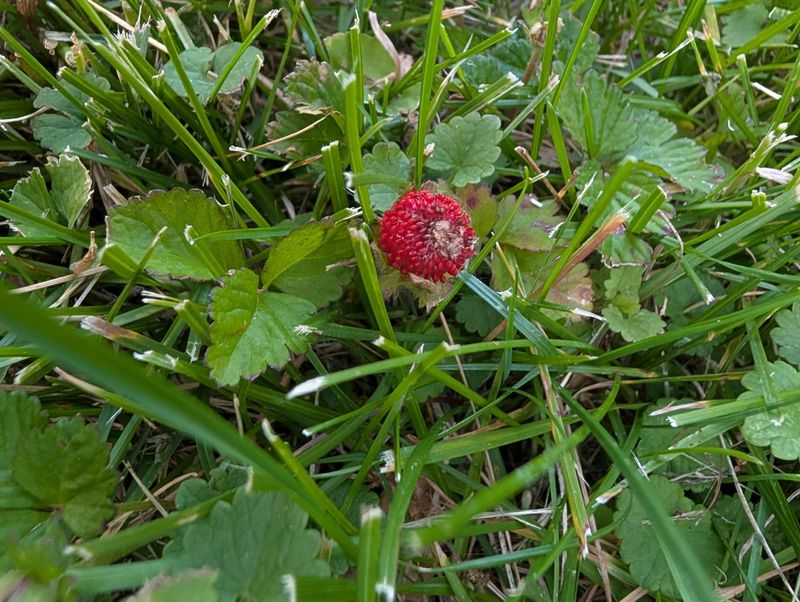
Imagine a groundcover that covers bare soil, feeds pollinators, and then hands you a snack. Wild Strawberry, or Fragaria virginiana, does exactly that.
This native plant produces cheerful white flowers in spring, followed by small but intensely flavored red berries that birds, wildlife, and adventurous gardeners all enjoy. It is one of the most rewarding native groundcovers you can plant in Ohio.
Wild Strawberry spreads quickly through stolons, which are long runners that root wherever they touch the ground. Plant starts or plugs about twelve inches apart in a sunny to partly shaded bed.
Within one growing season, the runners will have reached well beyond the original planting, creating a lush, low mat of trifoliate leaves.
Clay soil tolerance is solid with this plant, especially in spots that receive regular rainfall. Good drainage still helps, so loosen the clay and add a bit of compost before planting.
Once established, Wild Strawberry handles Ohio summers without much extra care beyond occasional deep watering during prolonged dry spells.
The plant stays low, usually under six inches tall, making it perfect for garden edges, slopes, and open areas where you want quick, reliable coverage. It also provides nesting material and food for Ohio’s native wildlife, making it a genuinely useful addition to any Ohio yard.
8. Set Golden Groundsel In Moist Clay Borders
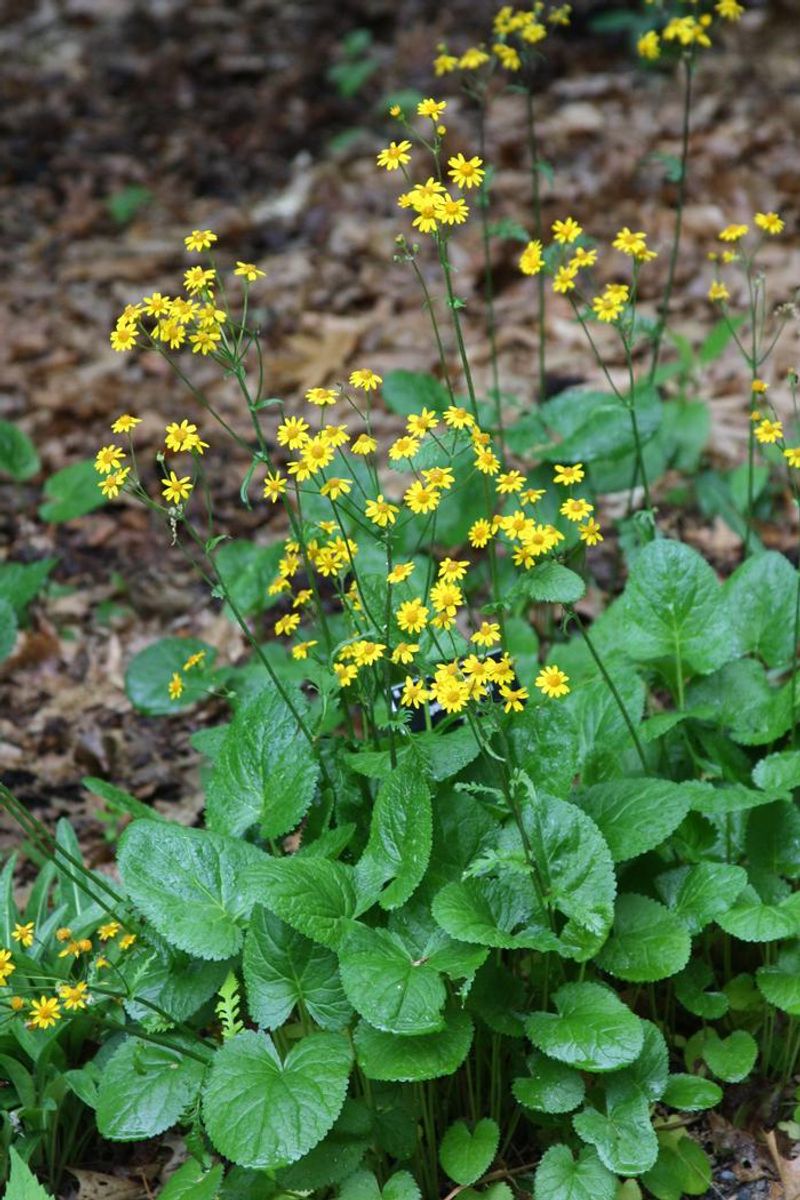
Golden Groundsel brings a burst of golden yellow to Ohio gardens at a time when most landscapes are still waking up from winter. Packera aurea blooms in mid to late spring, producing clusters of cheerful yellow flowers on stems that rise above a rosette of dark green, heart-shaped basal leaves.
It is especially striking planted along moist garden borders and stream edges.
This plant is a natural fit for Ohio’s clay-heavy soils because it actually prefers consistently moist conditions. Plant it in a partly shaded to sunny location where water tends to collect or drain slowly.
Space transplants about twelve inches apart, and they will spread through rhizomes to gradually form a thick, full colony over several seasons.
To encourage faster coverage without overcrowding, divide clumps every two to three years. Replant the divisions in nearby bare spots or share them with fellow Ohio gardeners.
This simple step keeps the planting vigorous and prevents any single area from becoming too dense.
After blooms fade, the foliage remains green and attractive through the growing season, continuing to suppress weeds and hold clay soil in place. Golden Groundsel also supports native bees and early-season pollinators, which makes it a smart, ecologically valuable addition to any Ohio native plant garden.
9. Add Common Blue Violet For Soft, Natural Mats
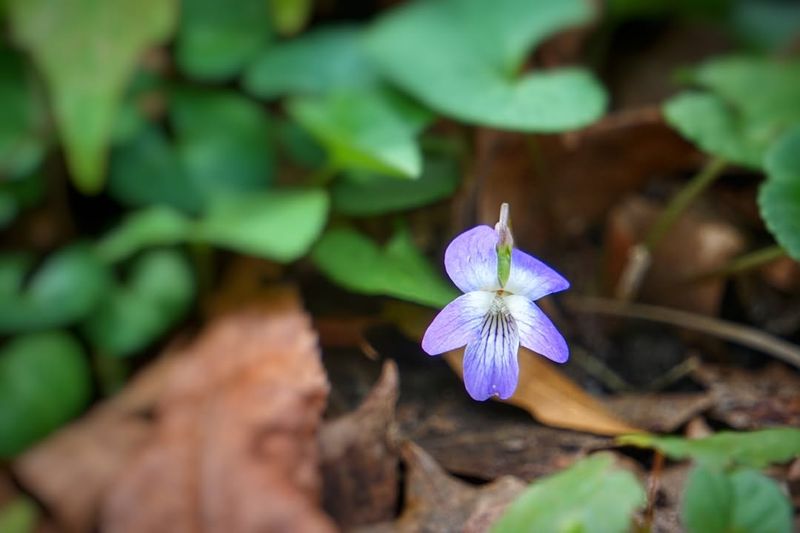
Common Blue Violet has been quietly carpeting Ohio’s lawns, meadow edges, and garden borders for centuries, and there is a very good reason it keeps coming back. Viola sororia is tough, adaptable, and genuinely beautiful, producing small purple-blue flowers in early spring that are among the first native blooms to appear each year.
It feels like a little gift after a long Ohio winter.
This violet spreads through a combination of rhizomes and self-seeding, which means it fills in bare patches gradually and naturally without any help from you. Plant starts or allow natural seedlings to establish along garden edges, under shrubs, or in partly shaded lawn areas.
The heart-shaped leaves stay low and lush, rarely exceeding six inches in height.
Clay soil is no obstacle for Common Blue Violet. It handles compacted, heavy soils better than most ornamental groundcovers and only needs occasional watering once established.
The plant also tolerates light foot traffic, which makes it a practical choice for informal pathways and lawn edges throughout Ohio.
An added bonus is that Common Blue Violet serves as a host plant for several native fritillary butterfly species. By planting it in your Ohio garden, you are directly supporting local butterfly populations, making this soft, natural mat both beautiful and ecologically meaningful.