These Are The Easiest Privacy Plants To Grow In Pennsylvania
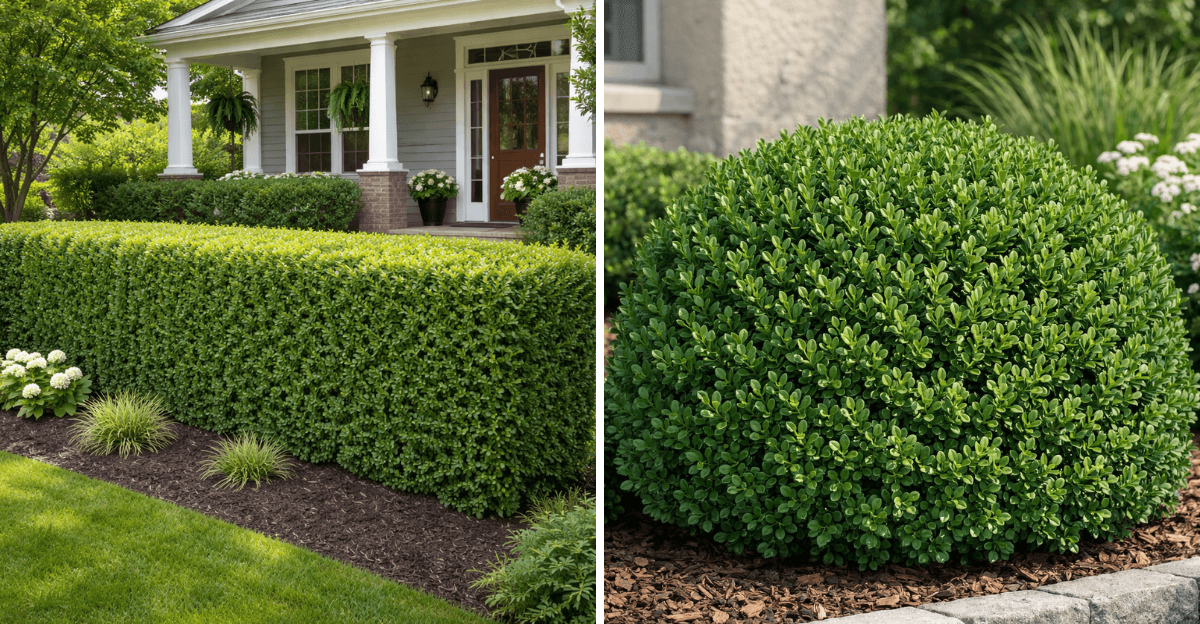
Ever wish you could block a view without adding another weekend chore to your list? Across Pennsylvania, more homeowners are turning to easy-care plants to create natural privacy that blends into the landscape.
From neighborhoods near Philadelphia to open spaces around Pittsburgh, yards come with different conditions, but plenty of plants adapt well to them.
The key is choosing options that establish quickly and do not demand constant attention.
With the right picks, you can build a green screen that adds coverage, softens your space, and keeps maintenance manageable throughout the season.
1. Arborvitae Creates A Dense And Easy Evergreen Screen
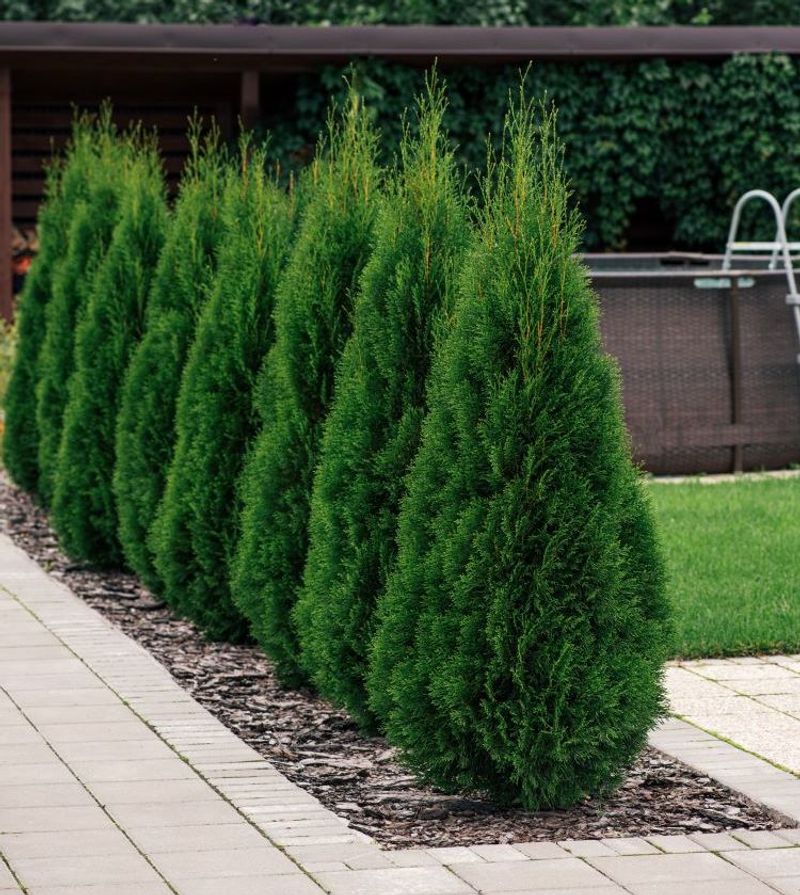
Walk through almost any Pennsylvania neighborhood and you will likely spot a neat row of tall, dark green arborvitae standing like sentinels along a property line.
Few plants have earned such widespread trust among homeowners who want reliable, year-round screening without much fuss.
Arborvitae, or Thuja occidentalis, is a native North American evergreen that handles Pennsylvania winters with ease and stays green even through heavy snowfall.
Popular varieties like ‘Green Giant’ and ‘Emerald Green’ are especially well-suited to Pennsylvania landscapes.
‘Green Giant’ can put on impressive growth each season, sometimes reaching two to three feet per year under good conditions, while ‘Emerald Green’ stays narrower, making it a great fit for tighter spaces between properties.
Both varieties develop dense, layered foliage that blocks sightlines quickly and effectively.
Arborvitae prefers well-drained soil and does well in full sun to partial shade, which suits many Pennsylvania yards nicely. Spacing plants about five to six feet apart allows them to fill in and form a continuous wall of greenery over time.
Watering regularly during the first season helps them establish strong roots. After that, they tend to need very little attention beyond occasional shaping.
For homeowners who want a classic, no-fuss privacy solution, arborvitae remains one of the most dependable choices available in Pennsylvania.
2. Eastern Red Cedar Handles Tough Conditions With Ease
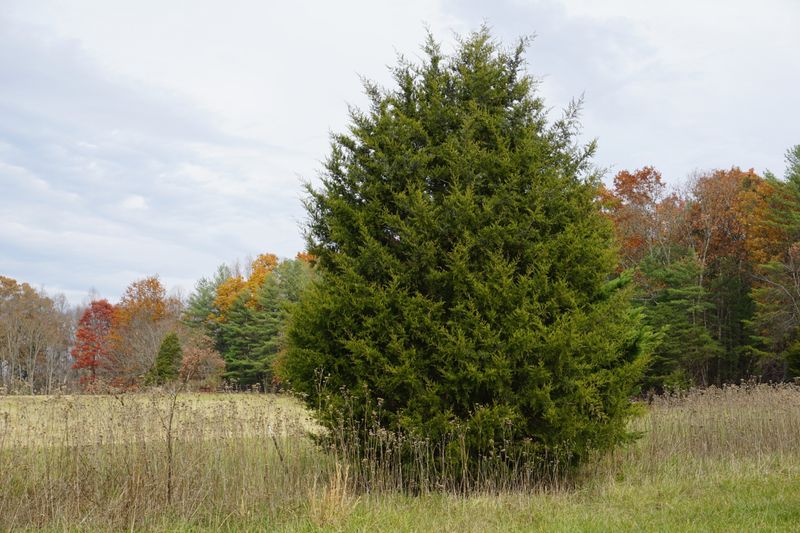
Some yards in Pennsylvania present real challenges for gardeners – rocky hillsides, clay-heavy soil, dry slopes, or spots that get blasted by winter wind.
Eastern Red Cedar, known botanically as Juniperus virginiana, is one of the few trees that can take all of that in stride and still provide outstanding privacy screening.
It is a native species that has been growing across Pennsylvania for centuries, proving its toughness season after season.
This evergreen conifer develops a dense, columnar or pyramidal shape that fills in well over time, offering year-round coverage that many deciduous alternatives simply cannot match.
Mature trees can reach heights of 40 to 50 feet, though they grow at a moderate pace and can be managed with occasional trimming if a more compact hedge is preferred.
The foliage has a distinctive blue-green color with a slightly aromatic quality that many gardeners find appealing.
Eastern Red Cedar is remarkably tolerant of poor soils, drought conditions, and even urban pollution, which makes it a flexible option for properties across Pennsylvania. It performs well in full sun and tends to struggle in heavily shaded spots.
Birds are also drawn to its small, berry-like cones, adding a bit of natural wildlife activity to the yard. For gardeners who need a tough, low-maintenance evergreen screen, this native tree is well worth considering.
3. Ninebark Fills In Quickly For Natural Privacy
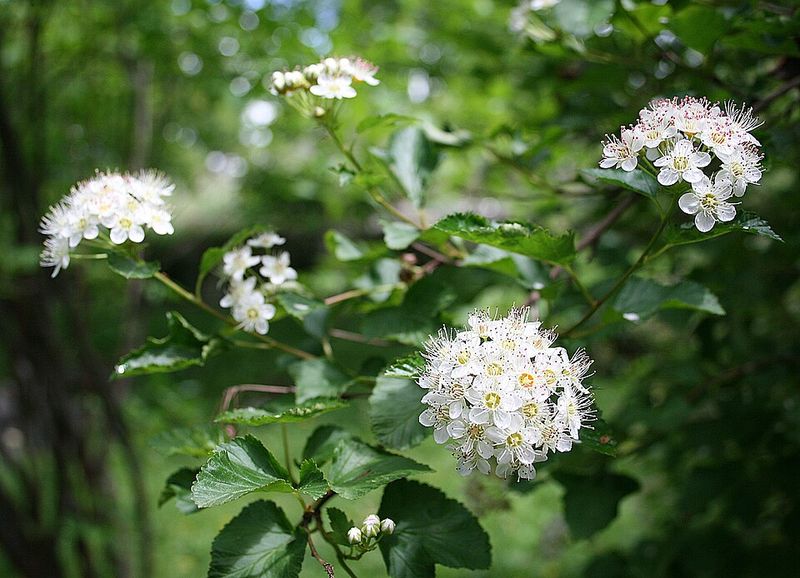
There is something satisfying about watching a shrub fill in fast, and ninebark – Physocarpus opulifolius – does exactly that.
Native to much of the eastern United States including Pennsylvania, ninebark is a vigorous deciduous shrub that puts on noticeable growth each season, quickly developing into a full, arching mound of foliage that creates effective screening from late spring through fall.
It is one of those plants that rewards gardeners with minimal effort.
Ninebark comes in a range of cultivars with foliage colors from chartreuse to deep burgundy, giving homeowners some flexibility in matching it to their overall landscape design.
Varieties like ‘Diablo’ and ‘Summer Wine’ are popular in Pennsylvania gardens for their rich color and dense branching habits.
At maturity, ninebark typically reaches six to ten feet in height and spread, depending on the variety, providing a substantial privacy buffer along borders and fence lines.
One of ninebark’s biggest advantages is its adaptability. It tolerates a wide range of soil types, including clay-heavy soils common in many parts of Pennsylvania, and it handles both wet and dry conditions better than many other shrubs.
Full sun brings out the best foliage color, though it also grows reasonably well in partial shade. Pruning after flowering helps keep it tidy and encourages dense new growth.
For a fast, attractive, native privacy screen, ninebark is a genuinely strong option for Pennsylvania yards.
4. American Holly Adds Structure And Year-Round Coverage
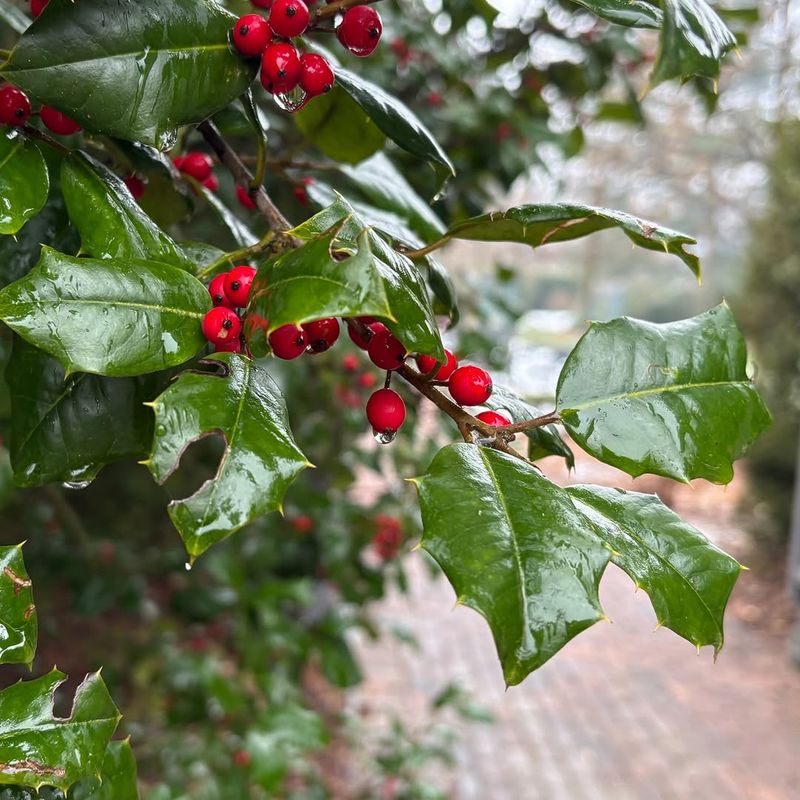
When the leaves have fallen from most trees and shrubs in Pennsylvania, American Holly stands out as one of the few broadleaf evergreens holding its rich green color through the coldest months.
Ilex opaca is a native species with glossy, spiny leaves and clusters of bright red berries that persist well into winter, making it both a practical privacy plant and a genuinely attractive landscape feature year-round.
American Holly grows at a moderate pace, eventually reaching heights of 15 to 30 feet or more in Pennsylvania landscapes, developing a naturally pyramidal shape that becomes denser over time.
For privacy purposes, planting several hollies in a staggered row creates a layered, natural-looking screen that blocks sightlines through all four seasons.
The spiny foliage also adds a bit of a deterrent quality, which some homeowners appreciate along property boundaries.
This native tree performs well in a variety of Pennsylvania soils, including slightly acidic conditions that are common in many parts of the state.
It does best in full sun to partial shade and benefits from consistent moisture, especially during the first couple of growing seasons.
One practical note for gardeners: American Holly is dioecious, meaning you will need both a male and a female plant nearby to get berry production on the female.
Once established, it requires very little maintenance beyond occasional shaping, making it a rewarding long-term privacy investment.
5. Privet Forms A Fast-Growing, Easy-To-Shape Hedge
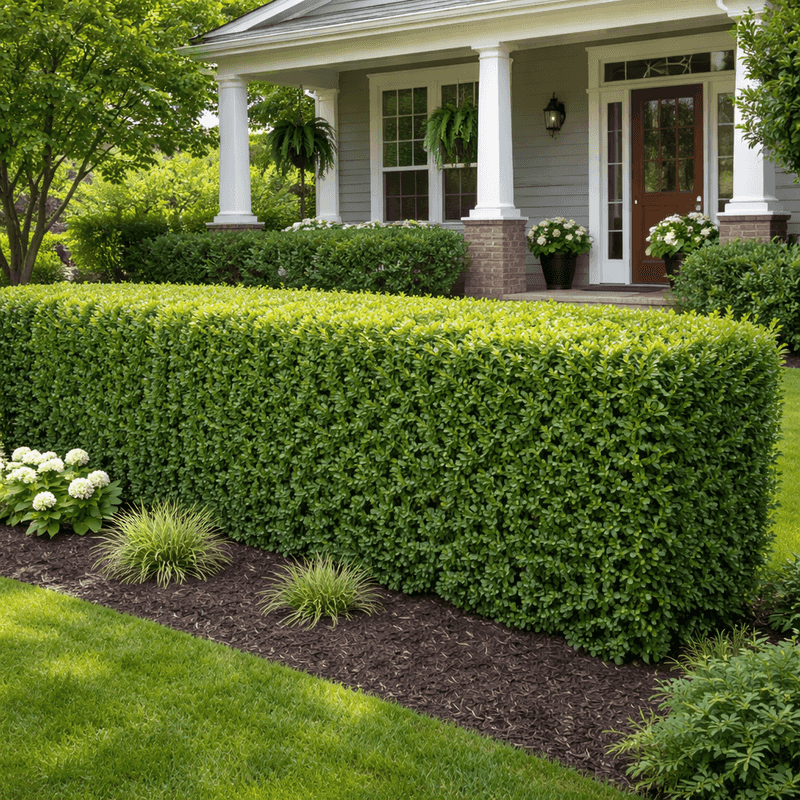
Few hedging plants match the sheer speed and adaptability of privet when it comes to filling in a property boundary quickly.
Ligustrum species have been used for formal and informal hedges across Pennsylvania for generations, and it is easy to understand why – privet responds enthusiastically to pruning, tolerates a wide range of soil types, and establishes itself without much fuss after planting.
For homeowners who want a shaped, tidy hedge, privet is one of the most cooperative plants available.
Common privet can reach six to fifteen feet in height depending on the variety and how it is managed, making it suitable for both low borders and taller privacy screens.
It takes shearing extremely well, which allows gardeners to maintain crisp, formal lines or let it grow into a more relaxed, natural form.
The dense branching habit means it fills in thoroughly, leaving few gaps once established.
Gardeners in Pennsylvania should be aware that some privet species have a tendency to spread beyond garden boundaries in certain parts of the state, so selecting well-behaved or non-invasive varieties is a thoughtful approach.
Cultivars like ‘Lodense’ or Amur privet are often recommended for their more contained habits.
Privet grows well in full sun to partial shade and handles urban conditions, including compacted soils and air pollution, reasonably well.
With moderate watering and a couple of trims each season, privet delivers reliable, attractive privacy screening across Pennsylvania properties.
6. Switchgrass Adds Height And Soft Seasonal Screening
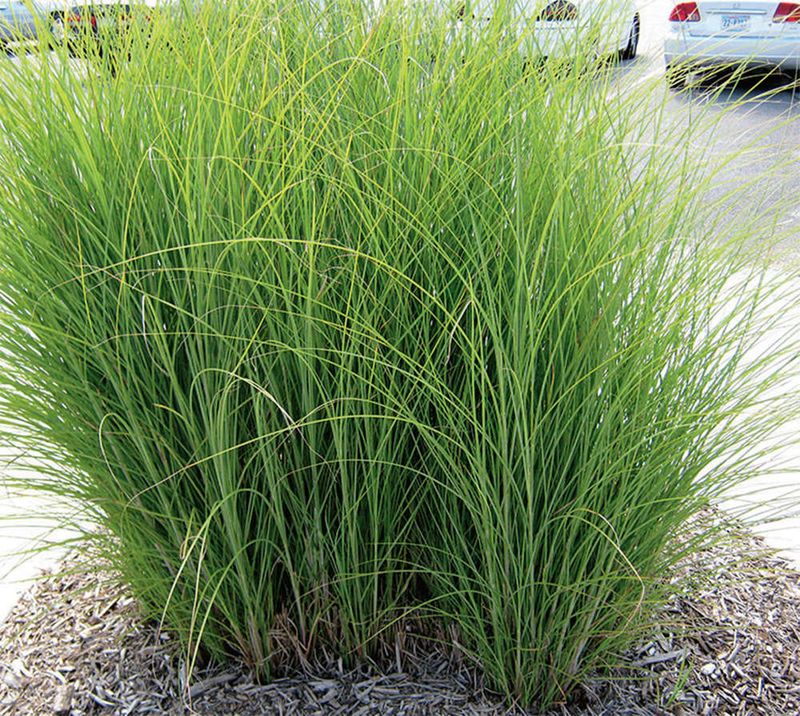
Not every privacy solution needs to be a wall of solid green. Sometimes a softer, more naturalistic approach fits a landscape better, and switchgrass – Panicum virgatum – does exactly that with graceful, flowing charm.
This native ornamental grass grows throughout Pennsylvania naturally, and cultivated varieties bring that same easygoing toughness into home gardens with added visual interest through every season of the year.
Switchgrass typically reaches four to six feet in height, with some taller varieties pushing even higher under good growing conditions.
The upright, airy clumps create a soft screen that filters views rather than blocking them entirely, which works well in naturalistic garden designs or along the edges of larger properties.
In late summer and fall, feathery seed heads catch the light beautifully, and the foliage often turns warm shades of gold and copper before winter arrives. Even through the colder months, the dried stems and seed heads add structure to the landscape.
One of switchgrass’s most practical qualities for Pennsylvania gardeners is its drought tolerance once established.
It handles the clay soils common across much of the state without complaint and does well in full sun to light shade.
Spacing clumps about two to three feet apart encourages them to form a continuous, layered screen over time. Cutting the clumps back to a few inches in late winter or early spring keeps them tidy and encourages fresh, vigorous growth each season.
For low-effort, four-season interest, switchgrass earns its place in any Pennsylvania privacy planting.
7. Boxwood Works Well For Low, Structured Privacy
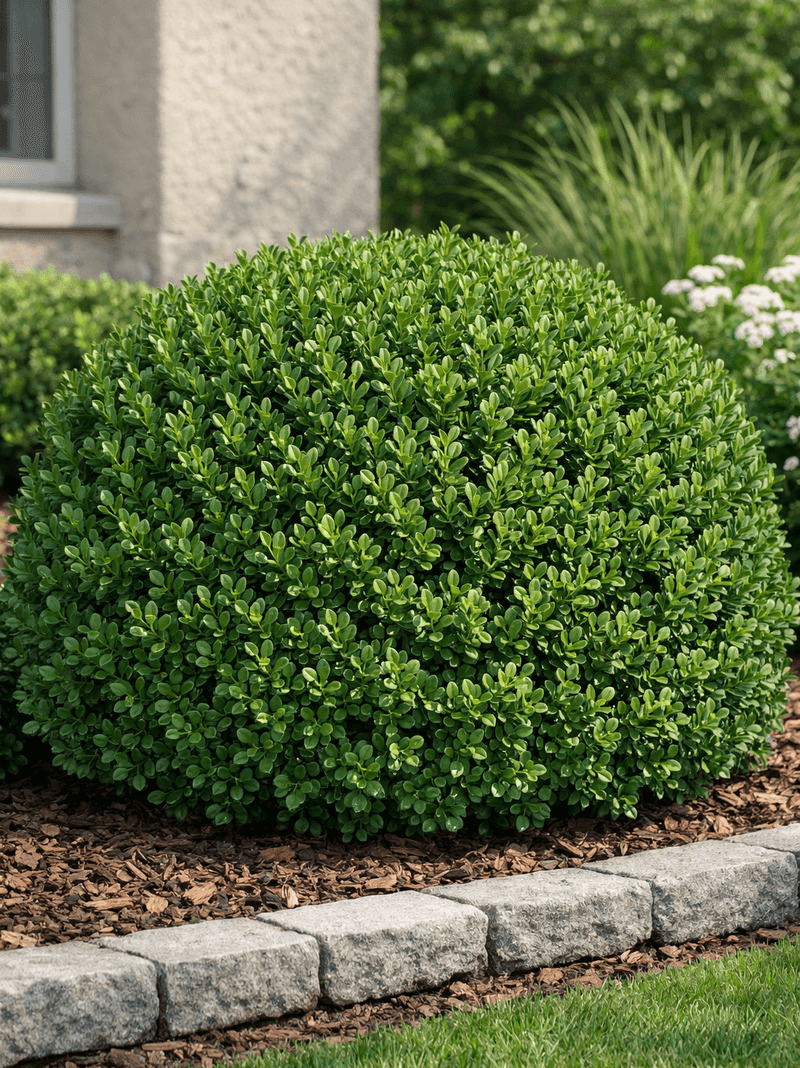
Boxwood has been a cornerstone of formal garden design for centuries, and its popularity in Pennsylvania yards shows no signs of fading.
Buxus species offer something that few other shrubs can match – a dense, compact, evergreen form that holds its shape beautifully with minimal pruning and provides year-round structure along borders, walkways, and property edges.
For homeowners who want a polished, low-growing privacy screen, boxwood delivers consistent results.
Most boxwood varieties used in Pennsylvania landscapes grow slowly and steadily, reaching heights of two to five feet depending on the cultivar and how they are maintained.
‘Green Mountain’ and ‘Green Velvet’ are two varieties that perform well in Pennsylvania’s climate, offering good cold hardiness and dense foliage that stays attractive through winter.
Planting boxwood in a row and allowing it to grow together creates a continuous, formal hedge that screens lower sightlines effectively.
Boxwood grows well in full sun to partial shade and prefers well-drained soil with good organic content. It appreciates consistent moisture during dry stretches but does not tolerate waterlogged conditions.
One thing worth noting for Pennsylvania gardeners is that boxwood blight has been identified in the region, so choosing resistant varieties and ensuring good air circulation around plants helps reduce the risk of issues.
A light trim once or twice a year keeps boxwood looking sharp.
For neat, structured, evergreen privacy along borders and walkways, boxwood remains a reliable and widely trusted choice.
8. Serviceberry Creates Light Privacy With Multi-Stem Growth
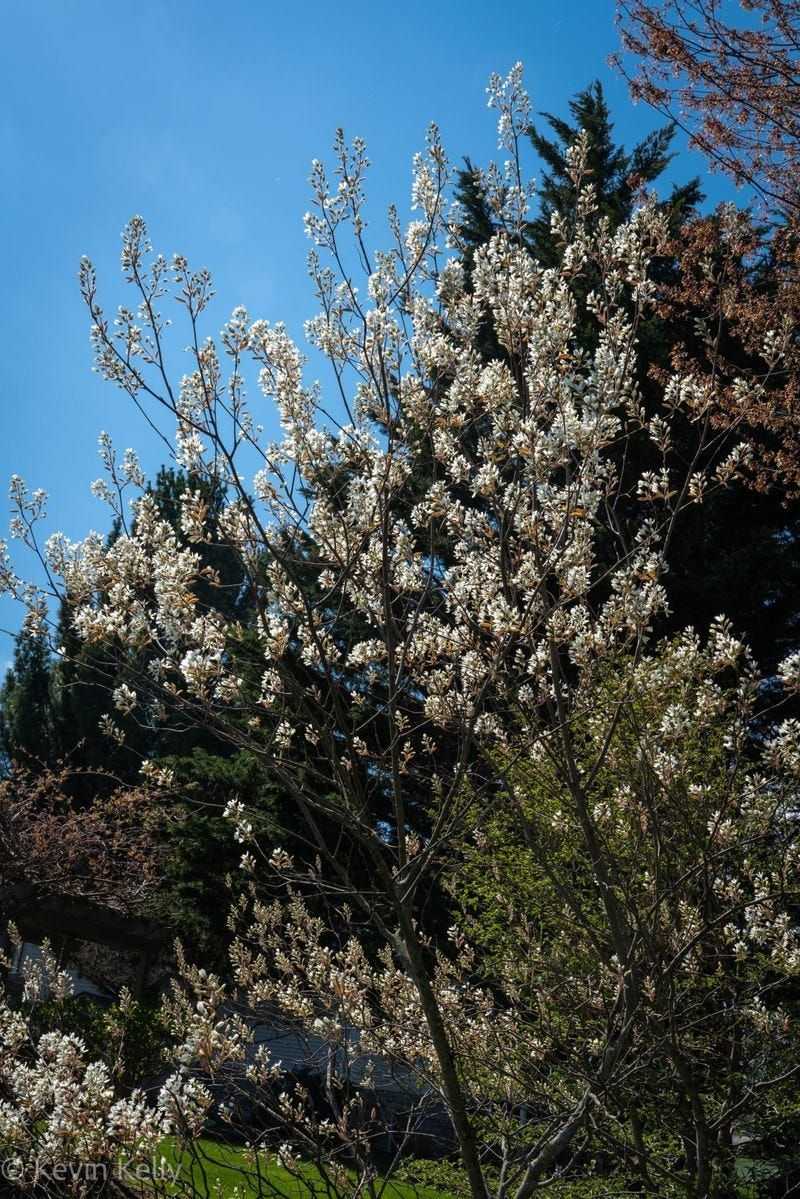
Spring arrives in Pennsylvania with a quiet flourish when serviceberry comes into bloom, covering its branches in clusters of delicate white flowers before most other trees have even leafed out.
Amelanchier species, commonly known as serviceberry or shadblow, bring a distinctly four-season personality to privacy plantings, offering spring blossoms, edible summer berries, rich fall color, and attractive multi-stem structure through the winter months when the garden is otherwise bare.
Serviceberry typically grows in a multi-stem, arching form that reaches 10 to 20 feet in height depending on the species and growing conditions.
The branching habit creates a layered, naturalistic screen that filters views rather than blocking them completely, making it a good choice for gardeners who want privacy with a lighter, more open feel.
Planted in small groupings along a property edge, serviceberry forms a graceful living screen that changes beautifully with the seasons.
As a native species, serviceberry is well adapted to Pennsylvania’s varied soils and climate, growing comfortably in both moist and moderately dry conditions.
It performs well in full sun to partial shade and tends to attract birds throughout the summer, thanks to its small, sweet berries.
Unlike some faster-growing options, serviceberry does not require frequent pruning to stay attractive – an occasional light trim to remove crossing branches is generally sufficient.
For gardeners who want privacy that doubles as a genuine landscape feature, serviceberry is a charming and ecologically friendly option across Pennsylvania.