These Are The 7 Evergreen Shrubs Perfect For Ohio Landscapes
Step outside in winter and most Ohio yards look the same.
Bare branches. Brown lawns. A whole lot of gray.
Winter can make even the nicest landscape feel empty. Yet some gardens still manage to look alive through the coldest months.
The secret usually comes down to one thing. Evergreen shrubs.
These hardy plants keep their foliage all year, bringing color, structure, and life to a yard long after other plants have gone dormant. A few well placed evergreens can frame a front porch, create privacy along a property line, or give the garden shape when everything else fades away.
Ohio gardeners rely on them for a reason. The right varieties handle freezing temperatures, snow, and humid summers without constant fuss.
Even better, they keep the landscape looking finished in every season. The evergreen shrubs ahead have earned a reputation across Ohio for toughness, beauty, and year round impact.
1. Boxwood Brings Timeless Structure To Ohio Gardens
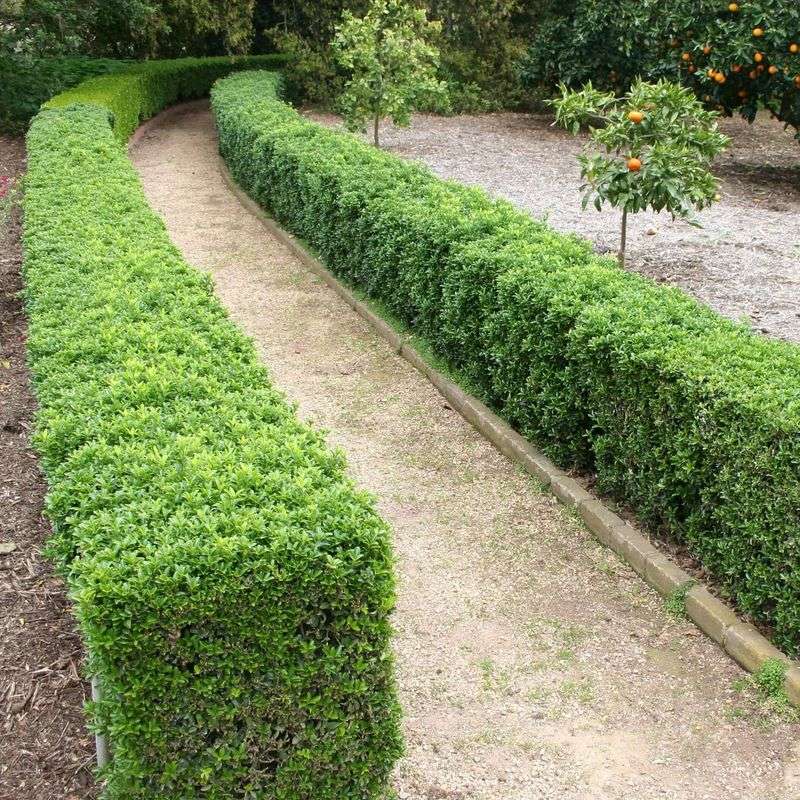
Walk through almost any established Ohio neighborhood and you will spot boxwood growing along front porches, lining garden paths, or framing entryways with tidy, rounded shapes. Few shrubs have earned that kind of staying power, and for good reason.
Boxwood (Buxus spp.) delivers reliable year-round structure that makes every other plant in the garden look more intentional and polished.
For Ohio gardeners, boxwood works especially well in foundation plantings because it stays compact and easy to manage. Ohio State University Extension recommends planting boxwood in a location that offers some protection from harsh winter winds, which can cause leaf burn on exposed foliage during cold snaps.
A spot with morning sun and afternoon shade tends to bring out the best in these plants across the state.
Popular varieties suited to Ohio’s Zone 5 and 6 conditions include ‘Green Mountain,’ which forms a naturally upright cone shape, and ‘Winter Gem,’ a Korean boxwood known for its outstanding cold hardiness. ‘Chicagoland Green’ is another cultivar that holds its color well through Ohio winters without turning bronze the way some varieties do in heavy frost.
Boxwood prefers well-drained soil with a slightly acidic to neutral pH. Ohio soils can range from clay-heavy to sandy depending on the region, so amending your planting area with compost before installing boxwood is a smart move.
Avoid planting in low spots where water collects, since soggy roots are a common problem.
Pruning is straightforward. Light shearing in late spring after new growth hardens off keeps boxwood looking sharp all season.
Avoid pruning late in the fall, as tender new growth encouraged by pruning can suffer when Ohio temperatures drop quickly in November and December.
2. Arborvitae Creates Dense Green Privacy Screens

Sometimes a fence just does not cut it. Neighbors, road noise, and unsightly views are problems that a living wall of arborvitae handles better than any wood or vinyl panel ever could.
Thuja occidentalis, commonly called Eastern arborvitae or white cedar, is one of the most popular privacy plants used in Ohio landscapes, and it earns that reputation every single year.
Arborvitae grows in a naturally narrow, upright column that requires very little shaping. The dense, overlapping foliage creates a visual barrier that stays green and full from top to bottom, even in winter.
For Ohio homeowners who want fast results, ‘Emerald Green’ arborvitae is a top pick. It typically grows 6–12 inches per year per year when young and reaches a mature height of 10 to 15 feet without getting too wide for tight spaces along property lines.
‘Green Giant’ is another cultivar widely used across the Midwest for larger-scale privacy screens. It grows even faster and can reach 30 feet tall at maturity, making it better suited to properties with more room.
Both cultivars perform reliably through Ohio’s cold winters and are rated hardy to Zone 4, well within Ohio’s growing range.
Spacing matters a lot with arborvitae. For a solid screen using ‘Emerald Green,’ plant individual trees about 3 to 4 feet apart.
For ‘Green Giant,’ space them 5 to 6 feet apart to allow proper airflow, which helps reduce disease pressure over time.
One thing Ohio gardeners should know is that deer love arborvitae. In areas with heavy deer pressure, wrapping plants in burlap or using deer repellent sprays through winter is worth the effort to protect your investment.
Choosing deer-resistant alternatives or protecting young plants early makes a real difference in the long run.
3. Japanese Holly Keeps Hedges Neat And Compact
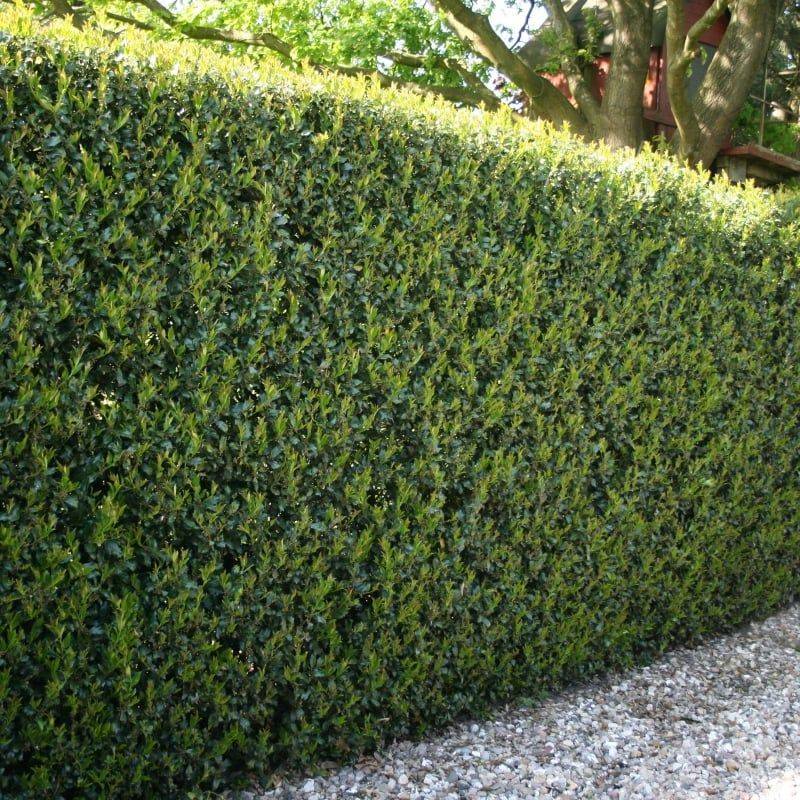
Gardeners who love the look of boxwood but have struggled with boxwood blight or winter damage often find exactly what they are looking for in Japanese holly. Ilex crenata has a similar fine-textured, rounded appearance and responds just as well to shearing, making it an excellent substitute in Ohio landscapes where boxwood has become unreliable.
The small, glossy leaves of Japanese holly stay a rich, deep green throughout the year. Unlike some evergreen shrubs that look a little tired by late winter, Japanese holly holds its color and density right through Ohio’s coldest months.
That consistency is a big part of what makes it so popular for formal hedges, edging along driveways, and tidy foundation plantings around homes.
Compact cultivars like ‘Sky Pencil,’ ‘Soft Touch,’ and ‘Helleri’ are widely available at Ohio nurseries and garden centers. ‘Helleri’ is particularly useful for low borders and front-of-bed plantings because it matures at just 2 to 3 feet tall and wide without much pruning. ‘Soft Touch’ offers a softer, more rounded texture and is known for being very cold-tolerant, which matters in northern Ohio where winters can be especially harsh.
Japanese holly does best in well-drained, slightly acidic soil, and it tolerates both full sun and partial shade. That shade tolerance makes it a great choice for planting on the north or east side of a home where other shrubs might thin out and look sparse.
Ohio’s clay soils can be a challenge, so mixing in organic matter before planting helps roots get established faster.
Pruning is simple and forgiving. Japanese holly can be sheared into formal shapes or left to grow in a naturally rounded form with just one light trim per year, usually in early summer after the spring flush of new growth.
4. Rhododendron Fills Spring Gardens With Bold Color
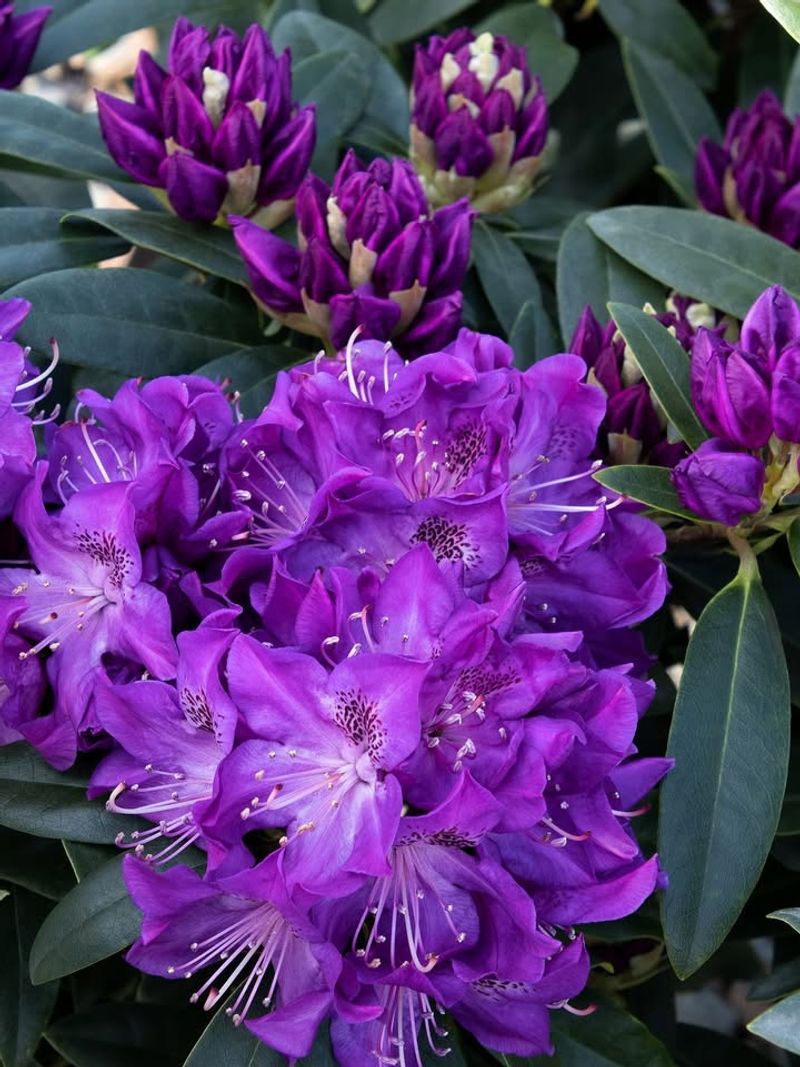
Every spring, Ohio neighborhoods light up with the spectacular blooms of rhododendrons, and it is hard not to stop and stare. These plants pull double duty in the landscape by offering bold, showy flowers in April and May while also maintaining attractive evergreen foliage through every other month of the year.
That combination of color and structure makes rhododendron one of the most rewarding shrubs an Ohio gardener can grow.
Rhododendrons thrive in partial shade, making them ideal for planting under the canopy of tall trees or along the shaded north side of a home. Ohio’s many mature hardwood trees create exactly the kind of dappled light environment where rhododendrons perform at their best.
Too much direct afternoon sun can cause leaf scorch, especially during dry Ohio summers, so finding a spot with filtered light is key.
Soil preparation is critical for success with rhododendrons in Ohio. These plants demand well-drained, acidic soil with a pH between 4.5 and 6.0.
Many Ohio soils, particularly in central and western parts of the state, tend to be neutral to slightly alkaline, which can cause yellowing leaves and poor growth. Amending planting beds with peat moss, pine bark, or sulfur before planting goes a long way toward creating the right conditions.
Cold-hardy varieties recommended for Ohio include ‘PJM,’ which blooms early with bright lavender-pink flowers and handles Zone 5 winters with ease, and ‘Boursault,’ a deep pink variety with excellent cold hardiness. The Ironclad hybrid series is also worth exploring for gardeners in northern Ohio where temperatures regularly drop into the single digits.
Mulching around the base of rhododendrons with 2 to 3 inches of wood chips or pine bark helps retain moisture, regulate soil temperature, and protect shallow roots through Ohio winters.
5. Blue Holly Brightens Winter With Glossy Leaves And Red Berries
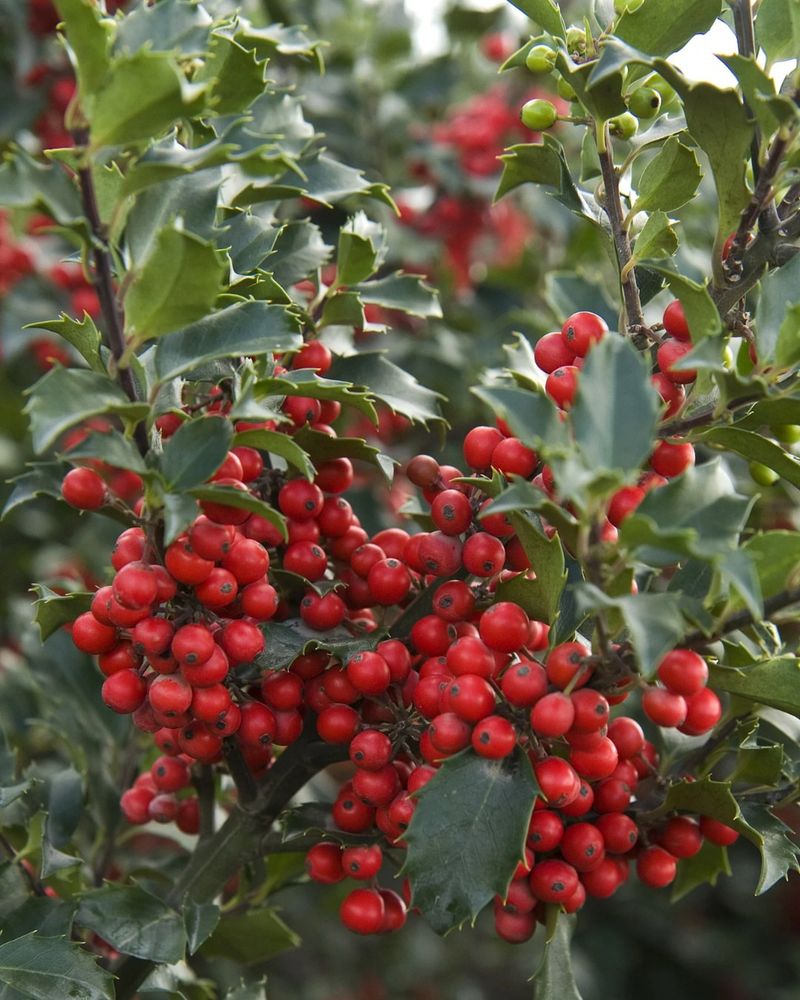
When the rest of the garden has gone quiet and the Ohio landscape feels gray and cold, blue holly shows up and steals the show. With its deep, blue-green glossy leaves and clusters of vivid red berries, Ilex x meserveae is one of the most visually striking plants you can grow in an Ohio yard during the winter months.
The berries develop in autumn and often persist well into February, giving birds and human observers something to enjoy on even the dreariest January days.
Blue holly is a hybrid group developed specifically for cold hardiness, and it performs exceptionally well in Ohio’s Zone 5 and 6 conditions. Popular cultivars include ‘Blue Prince,’ ‘Blue Princess,’ ‘Blue Maid,’ and ‘Blue Stallion.’ Choosing the right combination matters because blue holly requires both a male and female plant for berry production. ‘Blue Prince’ and ‘Blue Stallion’ are reliable pollinators, while ‘Blue Princess’ and ‘Blue Maid’ are the heavy berry producers.
Plant at least one male within 50 feet of female plants to ensure a good berry crop each year.
Wildlife value is a genuine bonus with blue holly. Robins, cedar waxwings, and mockingbirds regularly feed on the berries through winter and early spring, turning your garden into a lively spot even when temperatures are well below freezing.
That kind of ecological connection is something Ohio gardeners increasingly appreciate in their plant choices.
Blue holly grows best in full sun to partial shade and prefers moist, well-drained, acidic soil. It reaches 6 to 10 feet tall at maturity depending on the cultivar, making it useful as a specimen plant, informal hedge, or corner anchor in mixed shrub borders.
Pruning is best done in late winter before new growth begins, and the cut branches with berries make wonderful indoor arrangements through the holiday season.
6. Juniper Thrives In Tough Sites Where Other Shrubs Struggle
Not every corner of an Ohio yard is easy to plant. Steep slopes that drain fast, rocky areas with thin soil, and hot spots baked by afternoon sun are the kinds of challenging places where most shrubs simply refuse to cooperate.
Juniper, however, practically thrives on neglect and difficult conditions, making it one of the most practical evergreen choices for Ohio homeowners dealing with problem areas in their landscapes.
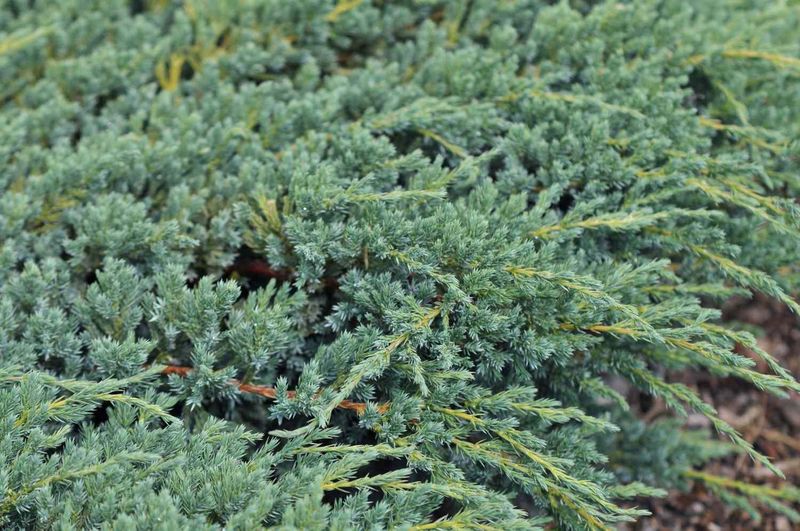
Junipers (Juniperus spp.) come in a wide range of growth forms, from low, spreading ground covers just 12 inches tall to upright columnar types reaching 15 feet or more. That variety gives Ohio gardeners a lot of flexibility.
Spreading forms like ‘Blue Rug’ (Juniperus horizontalis) and ‘Gold Cone’ work beautifully on slopes where erosion control is needed, while upright varieties like ‘Skyrocket’ and ‘Blue Arrow’ create vertical accents in tight spaces or along driveways.
Drought tolerance is one of juniper’s biggest advantages. Once established, most juniper varieties require very little supplemental watering, which is a welcome trait during Ohio’s occasional summer dry spells.
They also handle Ohio’s clay soils better than many other evergreens, as long as drainage is adequate. Planting on a slope or raised bed helps prevent the waterlogged conditions that junipers dislike.
Full sun is where junipers do their best work. Six or more hours of direct sunlight per day keeps the foliage dense and the growth compact.
Shade causes junipers to open up and look leggy, losing the tight, attractive form that makes them so useful in the landscape.
Maintenance is refreshingly minimal. Junipers rarely need pruning and do not require fertilizing once established.
Removing any withered interior branches occasionally and keeping the base clear of debris is about all the attention these tough, long-lived plants need to stay looking great in Ohio landscapes year after year.
7. Yew Forms Elegant Hedges Even In Shady Gardens
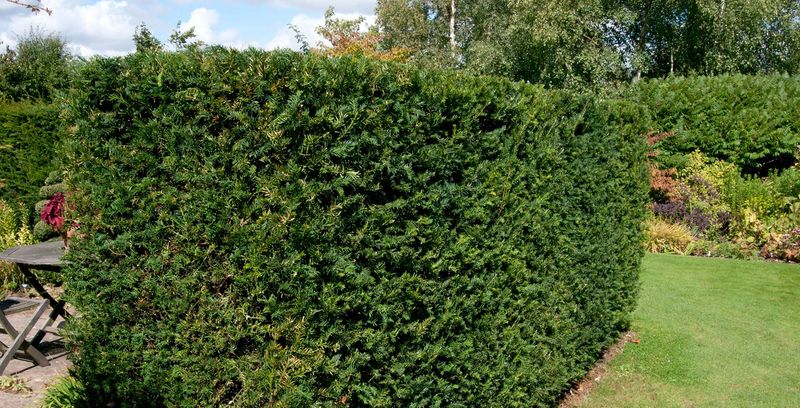
Shady yards can be genuinely frustrating for gardeners who want structure and greenery without constantly fighting the limitations of low light. Yew is the answer that experienced Ohio landscapers keep coming back to, and it has been a trusted standby in formal American gardens for well over a century.
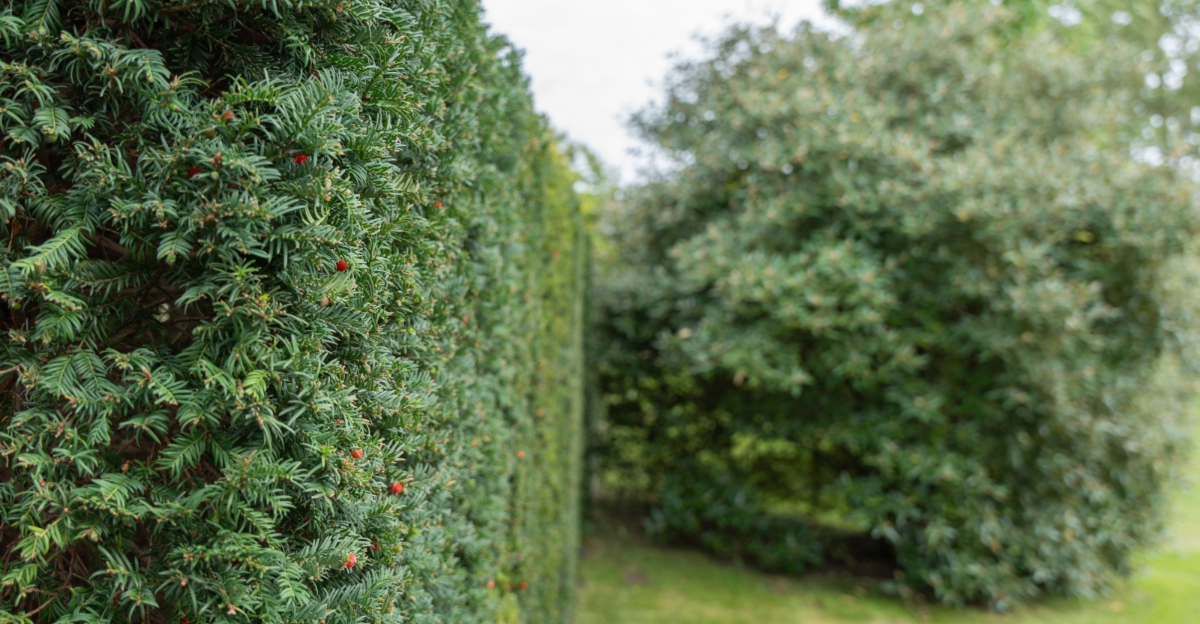
Few evergreen shrubs tolerate shade as gracefully or hold a clipped shape as crisply as a well-grown yew.
Taxus x media, the Anglo-Japanese yew hybrid, is the species most commonly used in Ohio landscapes. It brings together the best traits of its parent species, combining strong cold hardiness with a dense, deep green canopy that looks sharp whether left to grow naturally or sheared into precise geometric shapes.
Cultivars like ‘Hicksii’ and ‘Densiformis’ are popular choices for Ohio foundation plantings and formal hedges, with ‘Hicksii’ growing in a columnar form ideal for narrow spaces and ‘Densiformis’ spreading into a low, wide mound perfect for under-window plantings.
Yew handles Ohio winters reliably. It is rated hardy through Zone 4, which means even the coldest northern Ohio winters rarely cause significant damage.
The foliage stays dark and attractive through ice storms and heavy snow, giving the garden a polished look even in the depths of February.
Soil drainage is the one non-negotiable requirement for yew. Waterlogged conditions around the roots are the most common reason yews decline, so avoid low spots and areas where water pools after heavy rain.
Ohio’s clay-heavy soils in many parts of the state can hold water longer than yews prefer, making raised planting beds or amended soil a worthwhile investment before installation.
Pruning yew is a pleasure compared to many other shrubs. It responds enthusiastically to shearing and can even be cut back hard into older wood to rejuvenate an overgrown plant, a quality that makes it exceptionally forgiving for Ohio gardeners who want long-term landscape value.