These Are The First Garden Pests Oregon Gardeners Spot Every Spring
The first signs of spring in Oregon aren’t just fresh buds and longer days. Garden pests wake up right on schedule too, and they waste no time moving in on tender new growth.
One day everything looks perfect, the next you’re spotting chewed leaves, sticky residue, or tiny invaders you didn’t invite.
Cool, damp weather gives many of these pests a head start, which means they often show up before plants have a chance to get strong.
That early damage can slow growth and turn a promising garden into a frustrating one fast. The good news is they’re pretty predictable once you know what to watch for.
Catching them early makes all the difference. A quick check here and there can stop a small problem from turning into a full takeover. Stay one step ahead and your plants will have a much better shot at thriving all season long.
1. Aphids
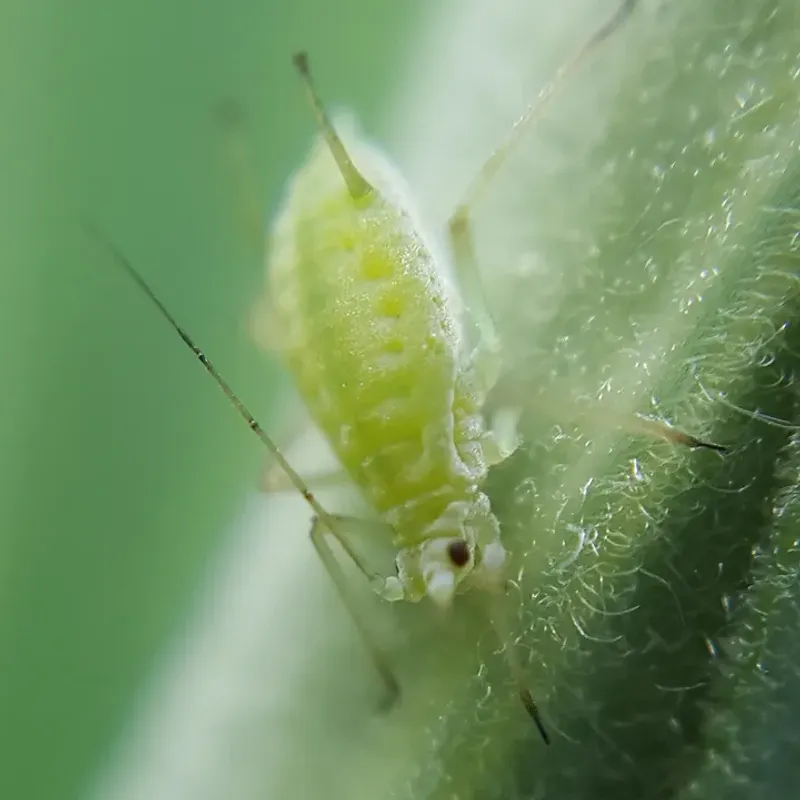
Few things frustrate an Oregon gardener more than spotting a sticky, curled leaf and finding tiny green bugs packed underneath it. Aphids are some of the very first pests to show up each spring, often appearing before you even realize the season has fully shifted.
They are small, soft-bodied, and come in shades of green, yellow, black, and even pink.
These insects feed by piercing plant tissue and sucking out the sap. That might sound minor, but a large colony can seriously weaken a plant fast.
They also leave behind a sticky residue called honeydew, which attracts ants and encourages a black mold to grow on your plants.
Aphids love tender new growth, so seedlings and young plants are especially at risk. Check the undersides of leaves regularly, because that is where they hide.
In Oregon’s cool, damp spring conditions, aphid populations can build up quickly if left unchecked.
The good news is that control is pretty simple. Blast them off with a strong stream of water from your hose.
Ladybugs are natural predators that love to snack on aphids, so attracting beneficial insects to your garden helps a lot. Neem oil or insecticidal soap also works well without harming your other plants.
2. Slugs
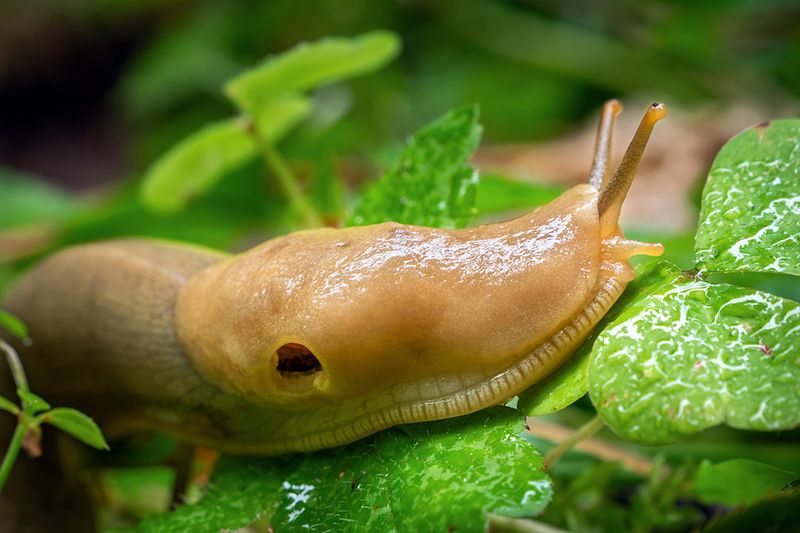
Walk through an Oregon garden on a wet spring morning, and you might notice shiny, silvery trails winding across your soil and leaves. That is the unmistakable calling card of slugs.
These slimy, soft-bodied creatures are one of the most common and destructive early-spring pests in the Pacific Northwest.
Slugs love moisture, and Oregon’s rainy spring weather creates the perfect conditions for them to thrive. They feed at night or on cloudy days, chewing large, irregular holes in leaves and sometimes eating entire seedlings overnight.
Young transplants and tender greens like lettuce and spinach are among their favorite targets.
Because they hide during the day under boards, rocks, mulch, and debris, they can be hard to spot until the damage is already done. One of the best ways to manage them is to remove their hiding spots.
Clear away clutter, boards, and thick mulch near your planting beds.
Hand-picking slugs at night with a flashlight and dropping them into soapy water is surprisingly effective. Iron phosphate bait, which is safe around pets and wildlife, can also be scattered around garden beds.
Copper tape around raised beds creates a barrier that slugs avoid. Oregon gardeners who stay proactive in early spring tend to have far fewer slug problems as the season goes on.
3. Snails
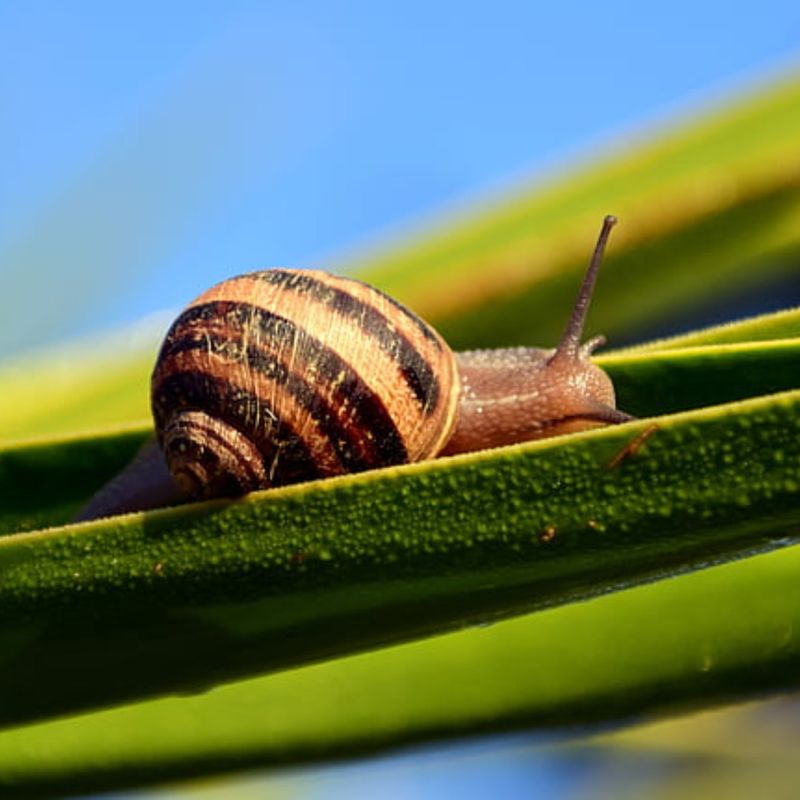
Snails and slugs are close relatives, and they cause nearly identical problems in Oregon gardens each spring. The main difference is that snails carry a hard, spiral shell on their backs, making them a little easier to spot when you go out searching at dusk or dawn.
Like slugs, they thrive in the cool, moist conditions that define Oregon springs.
You will usually find snails munching on leafy greens, herbs, strawberries, and young vegetable transplants. They rasp away at leaf surfaces, leaving behind irregular holes and that telltale slime trail.
A bad snail infestation can wipe out a flat of seedlings in just a couple of nights.
Snails tend to shelter under pots, boards, dense ground cover, and garden debris during the day. Doing a quick inspection of these hiding spots each morning and removing any you find is one of the most effective strategies.
Tossing them into a bucket of soapy water takes care of them quickly.
Creating physical barriers is also helpful. Rough materials like crushed eggshells or diatomaceous earth around plant bases can deter snails from crossing.
Iron phosphate-based baits are widely available at Oregon garden centers and are considered low-risk for the surrounding environment. Consistent monitoring starting in March gives you the upper hand before populations grow out of control.
4. Cutworms
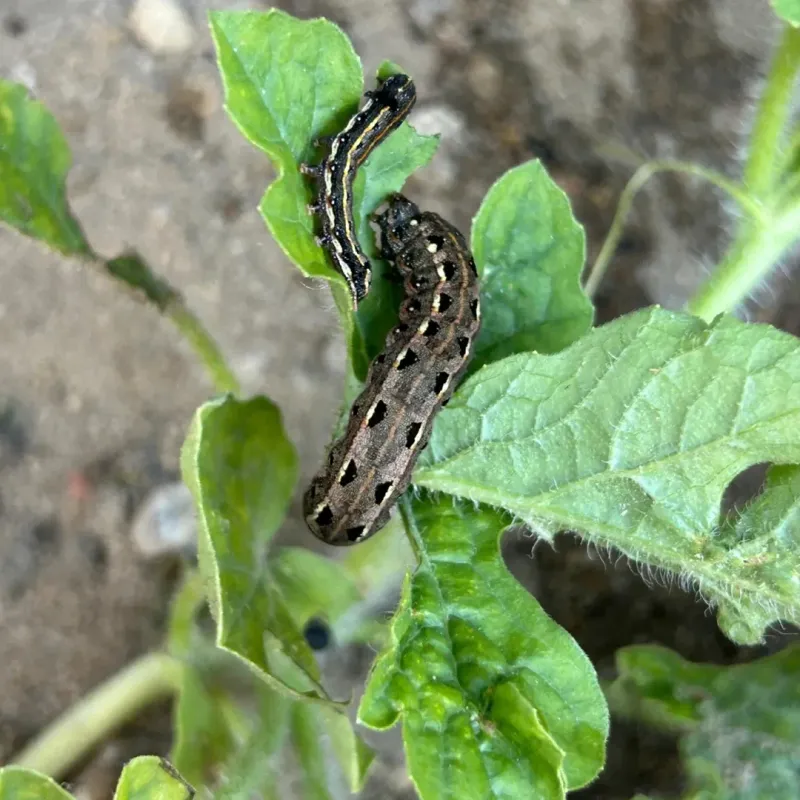
Imagine going out to your Oregon garden one morning, coffee in hand, only to find a perfectly healthy seedling lying flat on the ground with its stem cut clean through at soil level. That is the signature move of cutworms.
These fat, grayish caterpillars hide just beneath the soil surface during the day and come out at night to feed.
Cutworms are the larvae of certain moth species, and they overwinter in the soil. As Oregon’s ground warms in early spring, they become active again.
Newly transplanted seedlings are especially vulnerable because their stems are still soft and easy to cut through. Tomatoes, peppers, cabbage, and corn are common targets.
Because cutworms work underground and at night, you might not even see one until you dig around a damaged plant. Finding a curled-up, plump caterpillar in the soil near a fallen seedling is a sure sign of an infestation.
Placing physical collars around seedling stems at planting time is one of the most reliable ways to protect your plants. A simple collar made from a cardboard tube or plastic cup with the bottom cut out works well.
Push it an inch or two into the soil around each transplant. Beneficial nematodes applied to garden soil in early spring can also help reduce cutworm populations naturally, making them a favorite tool among Oregon organic gardeners.
5. Flea Beetles
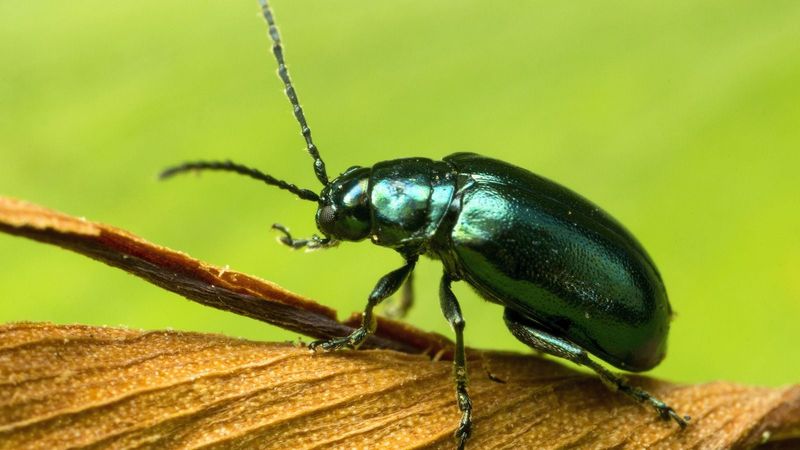
Ever looked at a young plant and noticed it looked like someone had used it for target practice with a tiny hole-punch? Flea beetles are almost certainly the culprit.
These minuscule, shiny black beetles are named for their impressive jumping ability, and they are among the earliest insect pests to appear in Oregon gardens each spring.
Flea beetles tend to attack crops in the brassica family first, including kale, arugula, radishes, and cabbage. They also target eggplant, tomatoes, and potatoes.
The damage they cause looks like dozens of tiny, round holes scattered across the leaves. While a healthy, established plant can handle some flea beetle feeding, young seedlings can be seriously set back by a heavy attack.
Cool spring weather does not slow these beetles down much. In fact, they tend to be most active during the mild temperatures that Oregon experiences in March and April.
Row covers placed over newly seeded or transplanted crops immediately after planting can be a game-changer. The fabric creates a physical barrier that keeps beetles off your plants entirely.
Another smart strategy is to plant a trap crop nearby. Radishes, for example, attract flea beetles away from more valuable crops.
Keeping the garden free of plant debris also reduces overwintering sites. Sticky yellow traps can help you monitor population levels so you know when pressure is at its highest in your Oregon garden.
6. Cabbage Worms
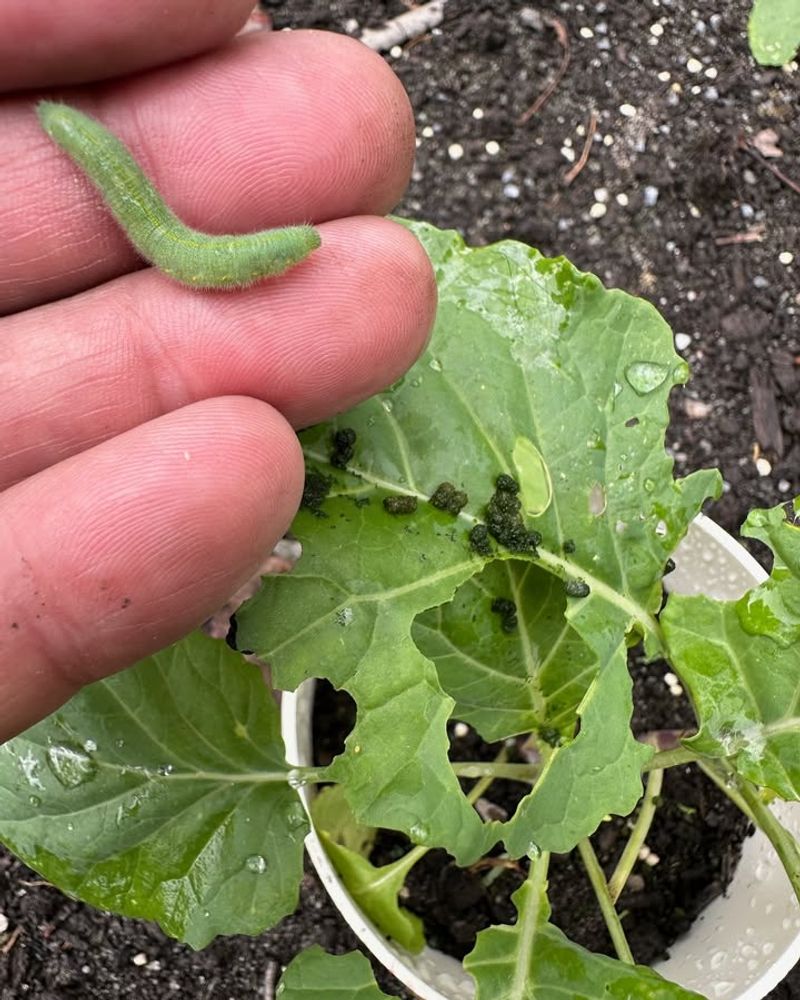
Pretty white butterflies fluttering around your Oregon garden in spring might seem like a good sign, but do not be fooled. Those are likely cabbage white butterflies, and they are on a mission to lay eggs on your brassica plants.
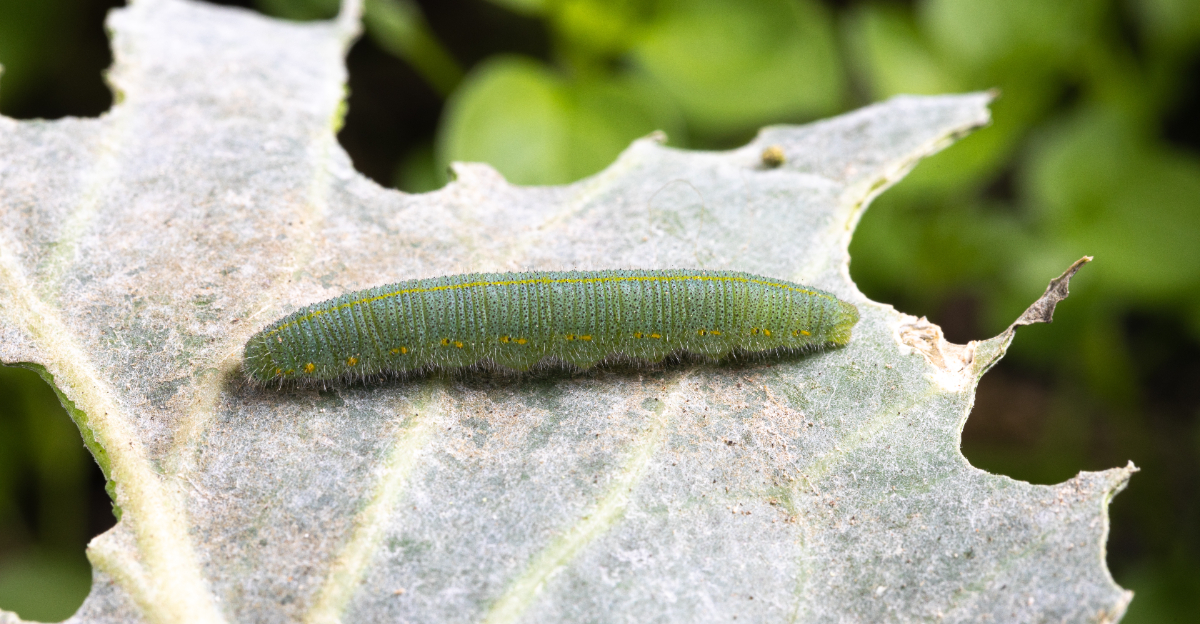
The eggs hatch into velvety green caterpillars known as cabbage worms, and they can do a surprising amount of damage in a short time.
Cabbage worms blend in almost perfectly with the green leaves they feed on, which makes them easy to miss at first. You are more likely to notice their dark green droppings on the leaves before you spot the worms themselves.
They chew large, ragged holes in cabbage, kale, broccoli, Brussels sprouts, and similar crops.
Left unchecked, a handful of cabbage worms can reduce a beautiful head of cabbage to a lacy skeleton within days. Oregon gardeners growing brassicas should check the undersides of leaves for small, oval, pale yellow eggs every few days starting in early spring.
Squishing eggs before they hatch is one of the easiest control methods.
Floating row covers placed over plants as soon as they go in the ground prevent butterflies from laying eggs in the first place. For caterpillars already present, Bacillus thuringiensis, commonly called Bt, is an organic spray that targets caterpillars without harming beneficial insects.
It works best when applied in the evening when worms are most active.
7. Root Maggots
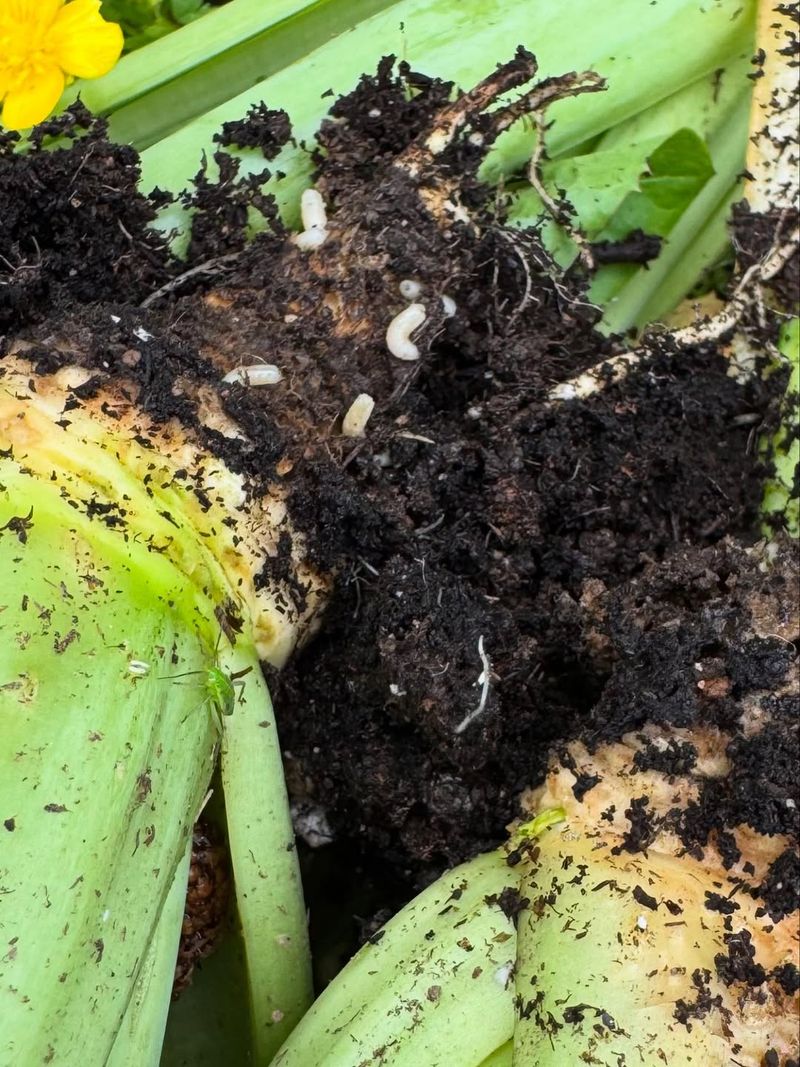
Some pests do their dirty work right where you cannot see it. Root maggots are a perfect example.
These small, creamy white larvae tunnel into the roots of plants, causing wilting, stunted growth, and sometimes total plant collapse. By the time you notice something is wrong above ground, the damage below is already serious.
In Oregon, root maggots are most commonly associated with the cabbage root fly. The adult flies look similar to house flies and begin laying eggs in the soil near host plants in early spring.
Radishes, turnips, cabbages, onions, and carrots are all favorite targets. The eggs hatch into maggots that immediately begin feeding on roots.
One of the earliest signs of root maggot trouble is plants that wilt during the day even when the soil is moist. Pulling up a struggling plant and finding tunneled, damaged roots confirms the diagnosis.
Oregon gardeners in the Willamette Valley, where brassica crops are very popular, tend to see this pest regularly.
Row covers installed at planting time are the most reliable way to prevent adult flies from reaching the soil near your plants. Crop rotation is also essential.
Avoid planting the same family of vegetables in the same spot year after year. Beneficial nematodes can be watered into the soil before planting to help reduce larval populations naturally and keep your root crops healthier throughout the season.
8. Spider Mites
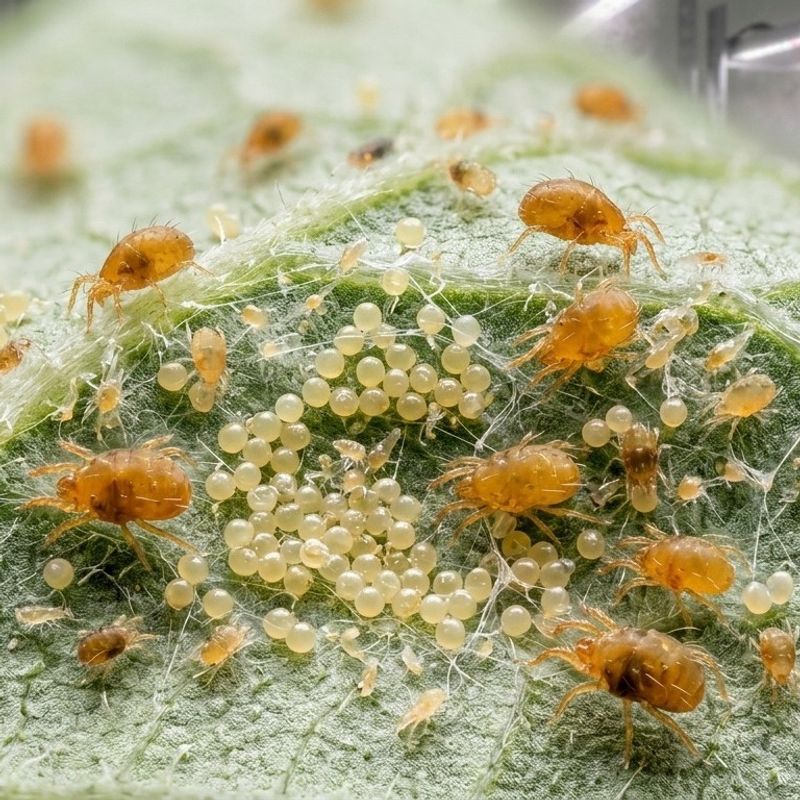
These eight-legged relatives of spiders are not insects, but they cause plenty of trouble in Oregon gardens, especially as temperatures start to climb in late spring. They thrive in warm, dry conditions and can reproduce incredibly fast.
The first sign of spider mite activity is usually a subtle, speckled or stippled pattern on leaves, caused by the mites piercing plant cells and sucking out the contents. As the infestation grows, leaves may turn yellow, bronze, or look dusty.
You might also notice fine, silky webbing on the undersides of leaves or between stems, which is an obvious giveaway.
Spider mites are especially common on tomatoes, beans, cucumbers, and ornamental plants. Indoor seedlings and plants started in greenhouses are also at risk.
Because they multiply so rapidly, populations can explode in just a week or two if conditions are right and no action is taken.
Keeping plants well-watered and healthy helps them withstand mite feeding. A strong blast of water directed at the undersides of leaves dislodges mites effectively and is a great first step.
Neem oil and insecticidal soap are both reliable organic options. Introducing predatory mites is another smart, eco-friendly approach that Oregon gardeners who prefer to avoid sprays have had great success with over the years.
9. Thrips
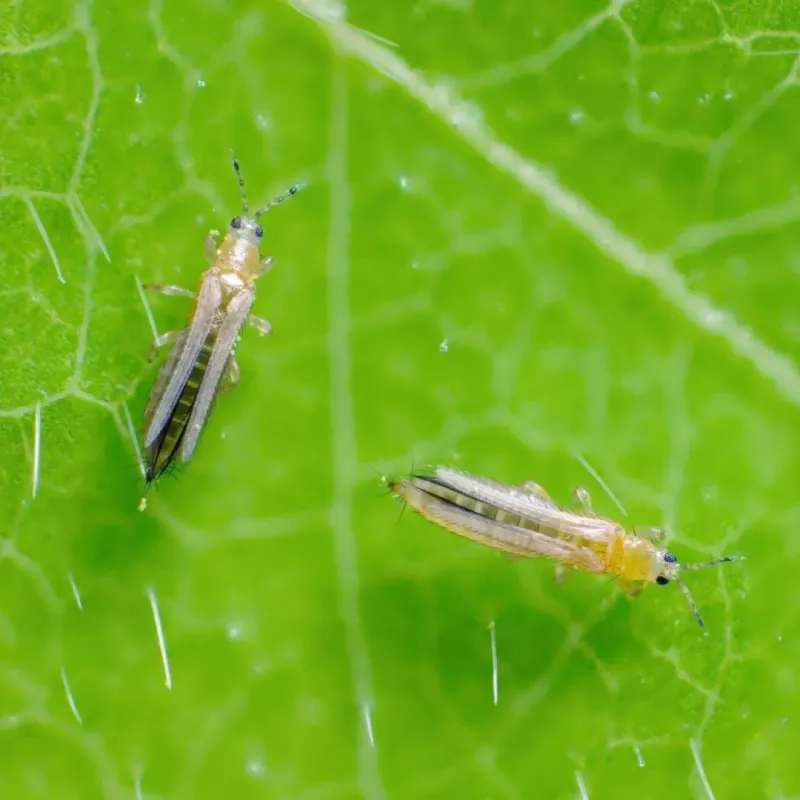
Thrips are so small that most people never actually see the pest itself. What they notice instead are the strange, silvery streaks or papery patches that appear on leaves and flower petals.
These slender, almost microscopic insects rasp at plant tissue and suck out the cell contents, leaving behind a bleached, scarred appearance that makes plants look stressed and worn out.
In Oregon, thrips tend to show up in gardens as spring warming brings more insects out of dormancy. Onions, garlic, leeks, peppers, and many flowering plants are commonly affected.
Thrips also have a habit of hiding deep inside flower buds and between leaf folds, which makes them especially hard to spot and treat.
Besides the direct feeding damage, some thrips species can spread plant viruses, which adds another layer of concern for Oregon vegetable growers. Checking plants closely with a magnifying glass is the best way to confirm their presence.
Holding a white sheet of paper under a plant and tapping the leaves can also cause thrips to fall onto the paper, making them visible.
Blue sticky traps are highly effective at monitoring and catching thrips. Reflective mulch around plants confuses thrips and reduces their ability to land.
Insecticidal soap and spinosad, an organic pesticide derived from soil bacteria, are both effective treatment options. Removing and disposing of heavily affected plant material quickly helps stop thrips from spreading further through your Oregon garden.
10. Leaf Miners
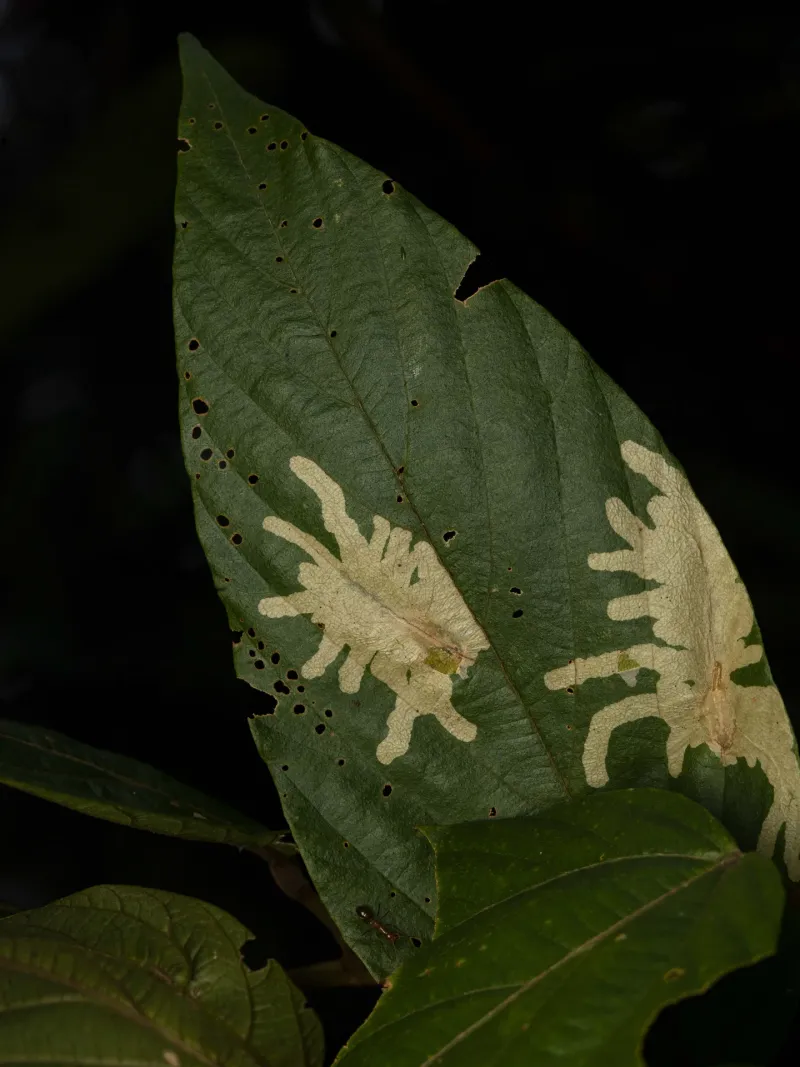
There is something almost artistic about the damage leaf miners leave behind. Winding, pale tunnels snake across leaves in looping, irregular patterns that look almost like someone drew on them with a white marker.
But those squiggly lines are actually the feeding trails of tiny larvae living and eating between the upper and lower layers of a leaf.
Leaf miners are the larvae of certain flies, moths, or beetles, depending on the species. In Oregon gardens, they commonly attack spinach, chard, beets, and various ornamental plants.
The adult insects lay eggs directly on or inside leaves, and the hatching larvae immediately begin tunneling, feeding as they go.
While leaf miner damage looks alarming, it rarely causes serious harm to large, established plants. Young seedlings and heavily infested plants, however, can have their growth slowed significantly.
The bigger concern for Oregon vegetable growers is that damaged leaves become less appealing and harder to sell or eat.
Removing and disposing of affected leaves as soon as you spot mining activity helps break the pest cycle. Row covers placed over susceptible crops early in the season keep adult flies from laying eggs on your plants.
Avoid leaving old plant debris in the garden at the end of the season, as this is where many leaf miner species spend the winter. Consistent garden cleanup is one of the most effective long-term strategies Oregon gardeners can use against this sneaky little pest.