These Are The First Perennials To Wake Up In Ohio
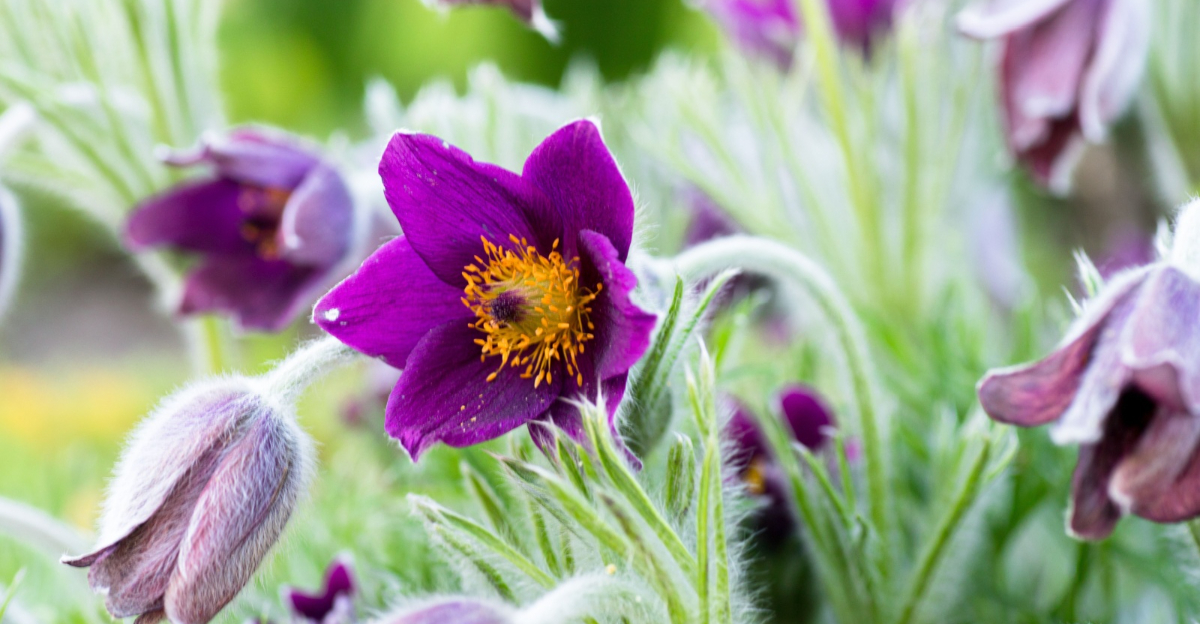
The moment the snow finally melts in Ohio, gardeners start watching their flower beds like detectives looking for the first clue that spring has arrived.
At first the garden still looks quiet, but then tiny green shoots begin pushing through the cold soil, sometimes even while frosty mornings are still common.
Those first brave plants always seem to appear when the rest of the landscape is still asleep. Early-blooming perennials are the real heroes of the Ohio spring garden.
They wake up quickly after winter, bringing color, texture, and life to flower beds weeks before many other plants even begin to grow. Some bloom while the air is still chilly, while others fill shady woodland corners with fresh foliage and delicate flowers just as the season starts to change.
Plant a few of these dependable early risers, and your garden will feel alive long before most neighbors see their first spring blooms.
1. Hellebores Bring The First Color To Ohio Spring Gardens
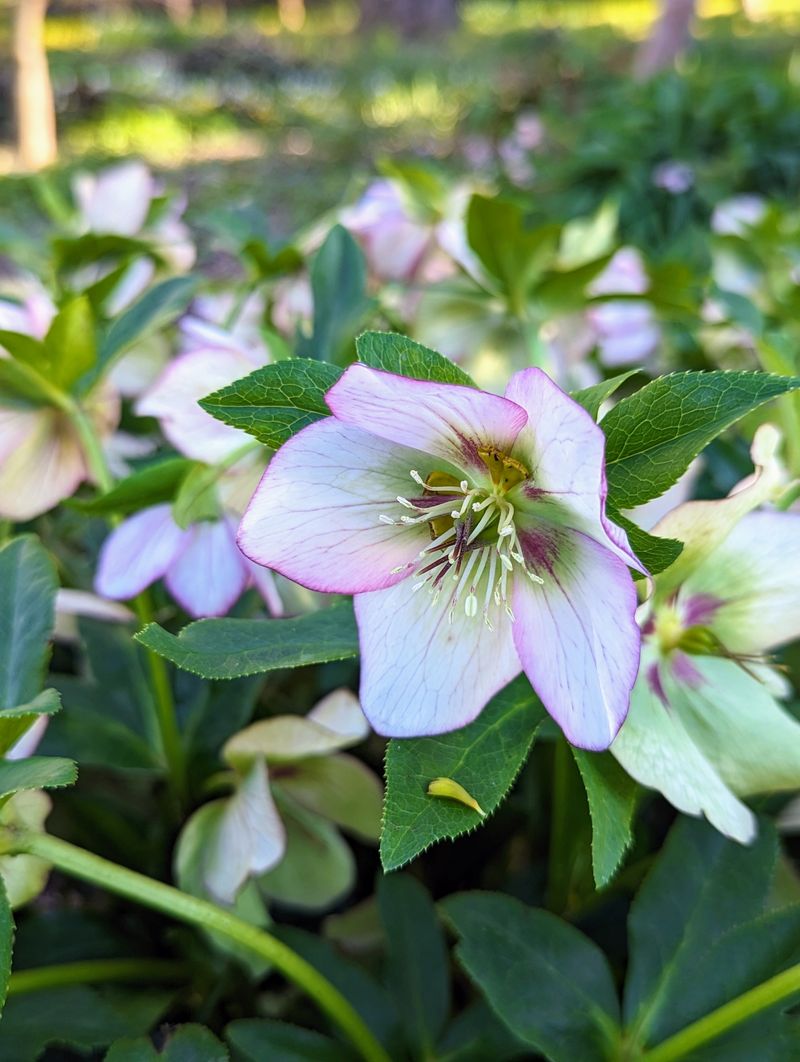
Walk outside on a gray February morning in Ohio and you might be surprised to find hellebores already in full bloom. These remarkable perennials are among the very first to flower each year, often opening their nodding, cup-shaped blossoms as early as late February or even mid-winter during a mild spell.
For Ohio gardeners who have been staring at bare soil for months, that first pop of color is genuinely exciting.
Hellebores thrive in the dappled shade found under deciduous trees, making them a natural fit for Ohio’s many woodland-style gardens. They prefer rich, well-drained soil with a slightly alkaline pH, which suits much of Ohio’s native soil profile quite well.
Once established, they are remarkably low-maintenance and long-lived, often performing beautifully for decades without much fuss.
Their evergreen foliage is another big bonus for Ohio gardeners. The leathery, deep green leaves hold their color through winter, providing structure in the garden even when everything else looks bare.
Bloom colors range from creamy white and soft pink to deep burgundy and nearly black. Hardy in USDA Zones 4 through 9, hellebores are an excellent investment for any Ohio shade garden looking for reliable early-season color.
2. Snowdrops Bloom While Winter Still Lingers In Ohio
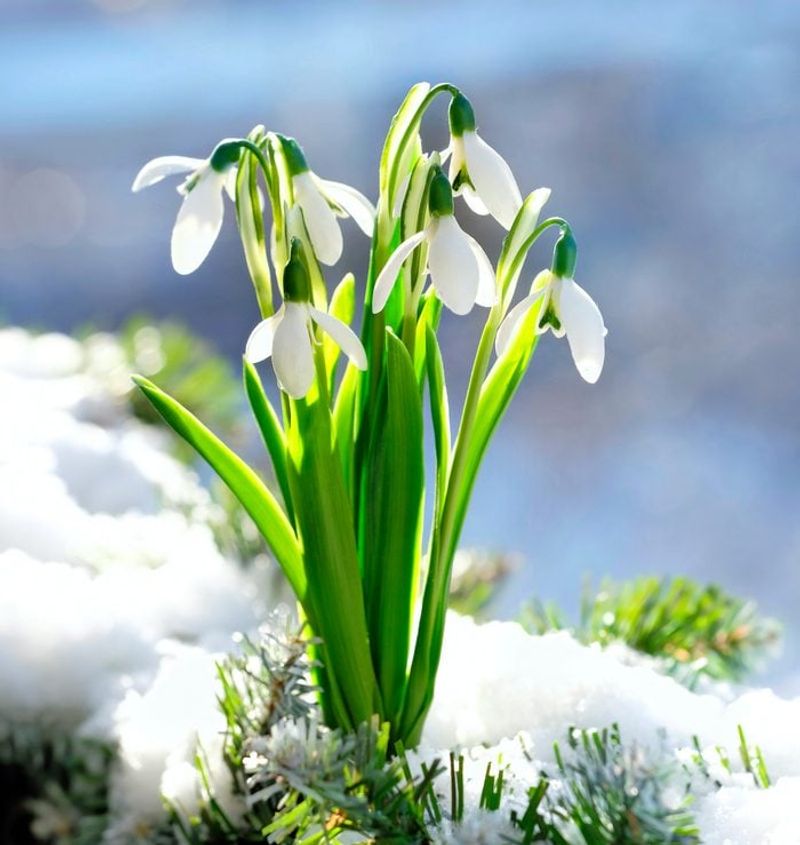
There is something almost magical about seeing tiny white flowers standing tall while snow still dusts the ground around them. Snowdrops earn their name honestly, and Ohio gardeners who plant them are treated to one of the earliest floral displays of the entire year.
In many parts of Ohio, these little bulbs begin blooming in late January or February, well before most gardeners have even started thinking about spring planting.
Snowdrops belong to the genus Galanthus and are cold-hardy well into USDA Zone 3, which means Ohio winters pose absolutely no threat to them. Each nodding, bell-shaped white flower hangs from a slender green stem and features delicate inner petals marked with a small green spot.
They look fragile, but these plants are genuinely tough.
One of the best things about snowdrops is how naturally they spread and naturalize over time. Plant them once under deciduous trees or along a shaded border, and they will slowly multiply into larger and larger drifts each year.
They pair beautifully with hellebores and early crocus for a layered late-winter display. For Ohio gardeners, snowdrops are a simple, low-effort way to bring life back to the garden weeks ahead of schedule.
3. Crocus Push Through Cold Soil To Signal Spring
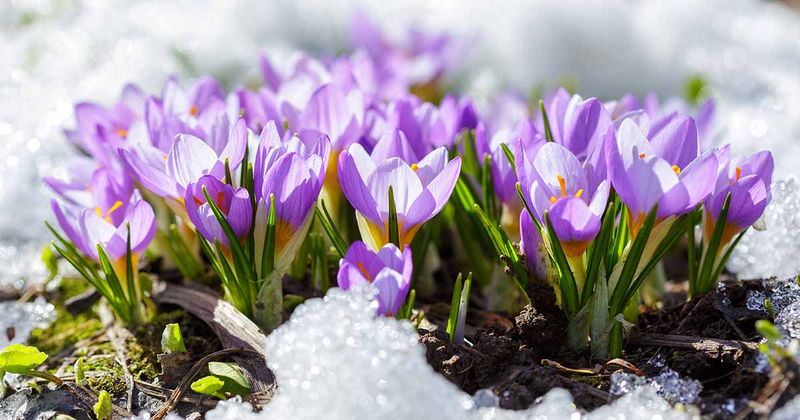
Few sights in an Ohio garden feel as hopeful as a cluster of crocus blooms popping up through the last of the cold, crusty soil. These cheerful little flowers arrive in late February through March, depending on the year and your location in the state, and they bring an instant burst of color in purple, yellow, white, and striped varieties.
Gardeners in Ohio’s Zone 5 and 6 regions can count on crocus to perform reliably year after year.
Crocus are technically corms rather than true bulbs, but they behave much the same way in the garden. Plant them in fall, about three to four inches deep, and let Ohio’s cold winter do the rest.
They naturalize well in lawns, along pathways, and in rock gardens. Planting them in lawns is a popular Ohio trick since the grass is still dormant when crocus bloom, so there is no conflict.
Early-emerging crocus are also valuable for pollinators. Honeybees and native bees in Ohio are desperate for pollen sources in early spring, and crocus provide one of the first reliable meals of the season.
Choosing a mix of species crocus varieties, like Crocus tommasinianus, ensures a longer bloom window and better naturalization across Ohio landscapes.
4. Pasque Flower Opens Silky Blooms In Cool Spring Weather
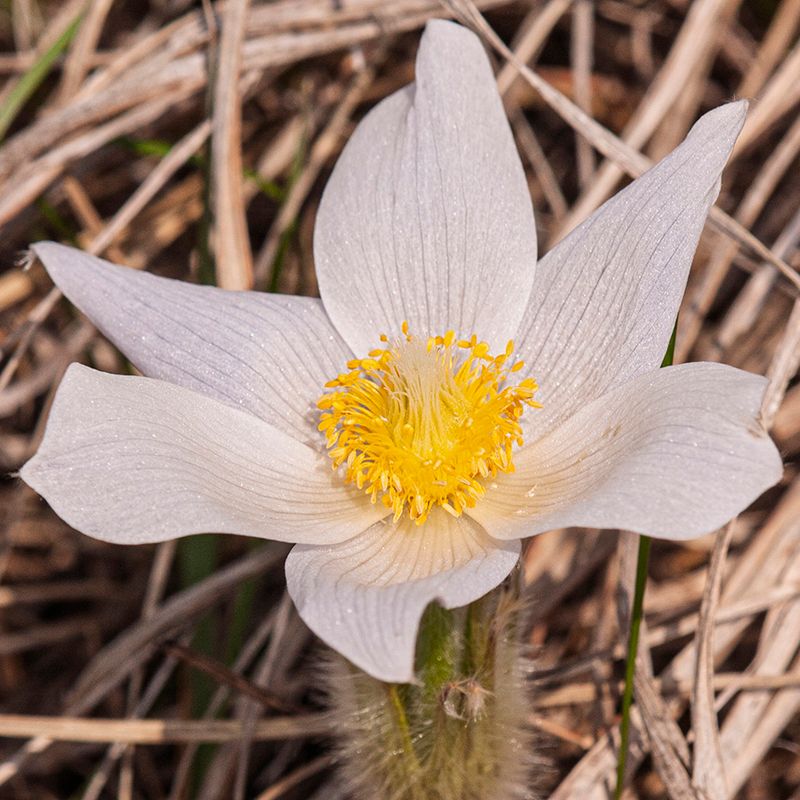
Before most spring flowers have even thought about waking up, pasque flower is already putting on a show. This native prairie perennial produces silky, cup-shaped blooms in shades of purple, lavender, and occasionally white, all covered in fine silvery hairs that catch the morning light beautifully.
In Ohio, pasque flower typically blooms in March and April, right when cool temperatures still dominate the landscape.
Pulsatilla vulgaris, as it is botanically known, is perfectly suited to Ohio’s sunny, well-drained garden spaces. It thrives in rock gardens, slopes, and raised beds where drainage is excellent and roots never sit in wet soil.
Ohio gardeners with heavy clay soil should amend planting areas with sand or gravel to ensure good drainage, which this plant absolutely requires to stay healthy long-term.
Drought tolerance is a genuine strength of pasque flower once it establishes itself. After blooming, the flowers give way to fluffy, feathery seed heads that are nearly as decorative as the blooms themselves, extending the plant’s visual interest well into late spring.
Hardy to USDA Zone 4, pasque flower is a reliable performer across all of Ohio. It pairs wonderfully with early crocus and creeping phlox in sunny garden beds and adds real character to the spring landscape.
5. Virginia Bluebells Create A Sea Of Blue In Early Spring
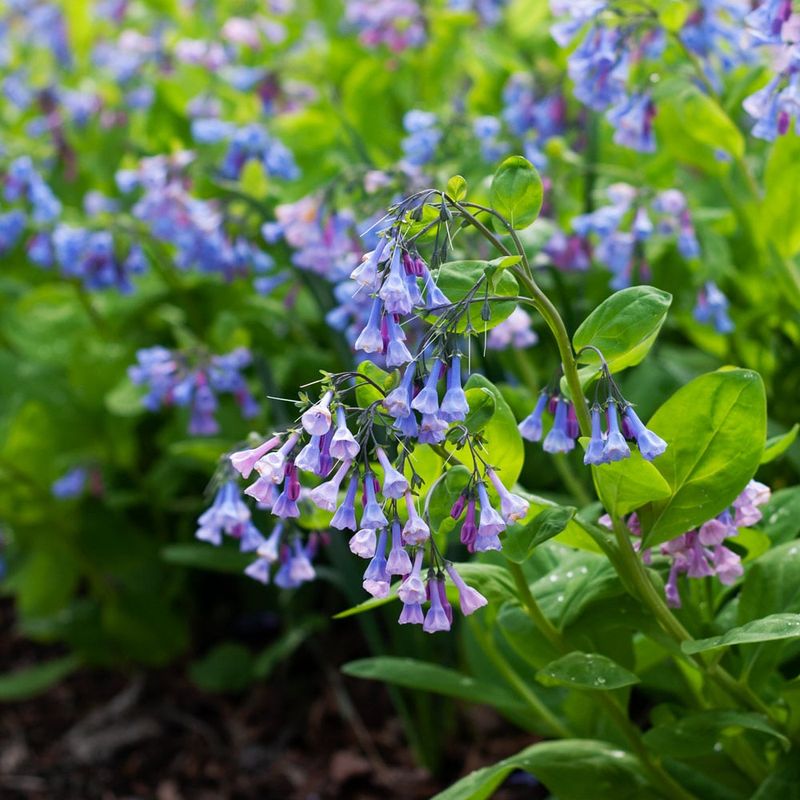
Imagine walking into an Ohio woodland garden in April and finding the ground carpeted in soft, sky-blue trumpet-shaped flowers swaying gently in the breeze. That is exactly what Virginia bluebells deliver, and they are one of the most breathtaking native wildflowers in the entire eastern United States.
Mertensia virginica is native to eastern North America and grows naturally in Ohio’s floodplain woodlands and moist, shaded forests.
Virginia bluebells prefer rich, consistently moist soil and partial to full shade, conditions that are easy to find in many Ohio gardens. They bloom prolifically in April, creating dense, sweeping drifts of color that peak just as the tree canopy above begins to leaf out.
The flowers open pink in bud and turn that signature clear blue as they mature, creating a lovely two-tone effect within a single cluster.
Here is something important to know about this plant: Virginia bluebells are spring ephemerals. That means they go completely dormant by early summer, leaving no trace above ground.
Ohio gardeners should plant them alongside hostas, ferns, or other shade perennials that will fill in the gap once the bluebells fade. This succession planting strategy keeps the garden looking full and interesting from spring all the way through the growing season.
6. Lungwort Adds Early Color And Speckled Foliage
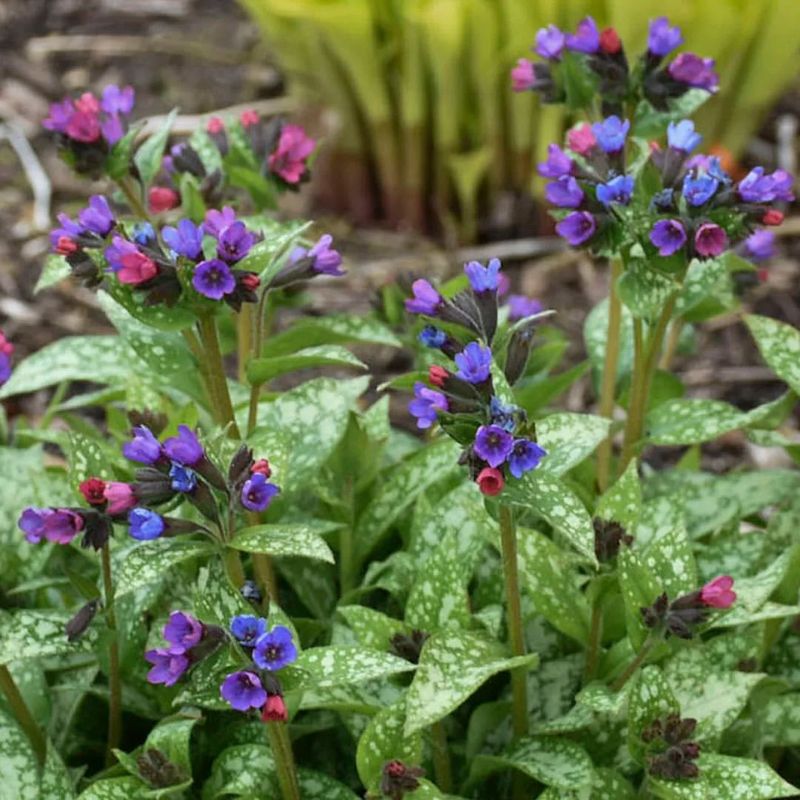
Spotted, silver-splashed leaves and tiny clusters of flowers that change color as they age make lungwort one of the most interesting early-spring perennials an Ohio gardener can grow. Pulmonaria, commonly called lungwort, produces small tubular flowers that open pink and gradually shift to blue or violet as they mature.
This color-changing trick means a single plant displays two different flower colors at the same time, which is a real conversation starter in the garden.
Lungwort performs beautifully in the shaded and partially shaded spots that are so common in Ohio landscapes. It blooms reliably in March and April, making it one of the earliest shade-loving perennials to flower in the state.
The foliage, heavily spotted with silver or white markings, remains attractive long after the flowers fade and continues to brighten dark corners of the garden through summer and into fall.
Ohio gardeners should plant lungwort in moist, humus-rich soil and keep it out of harsh afternoon sun, which can scorch the leaves during hot summers. Varieties like ‘Raspberry Splash’ and ‘Trevi Fountain’ have been selected for especially bold foliage and strong bloom performance.
Dividing clumps every few years keeps plants vigorous. Hardy to Zone 3, lungwort is incredibly dependable in Ohio’s Zone 5 and 6 growing conditions.
7. Brunnera Lights Up Shady Ohio Gardens In Early Spring
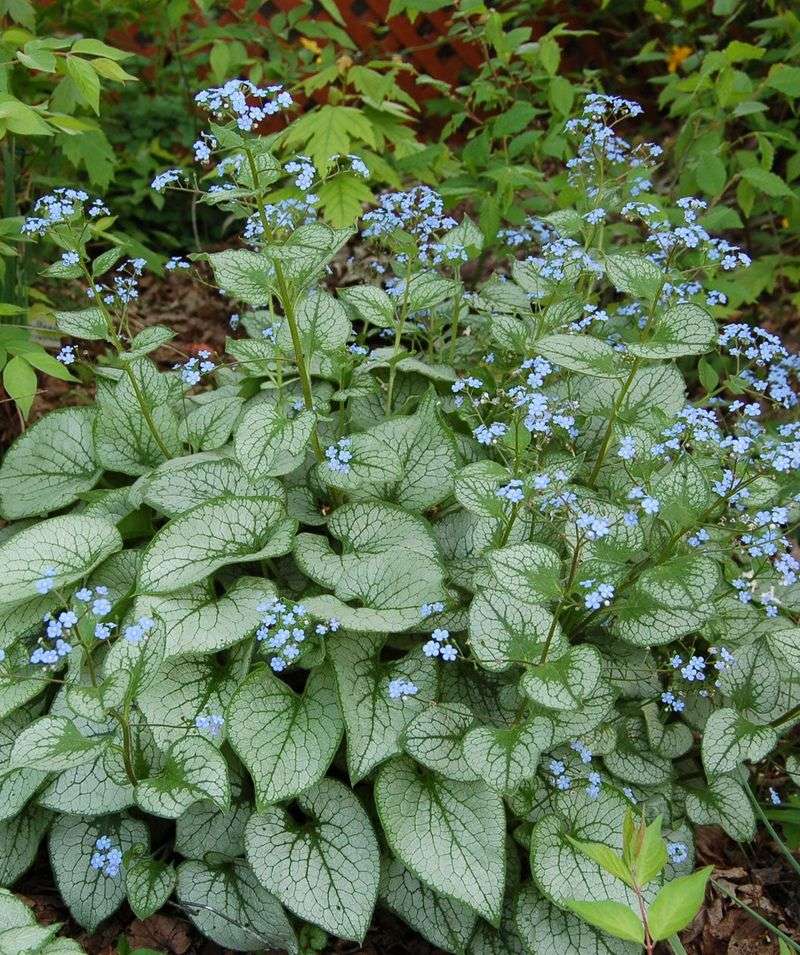
Some plants earn their place in the garden through sheer reliability, and brunnera is exactly that kind of plant. Also called Siberian bugloss, Brunnera macrophylla produces airy clouds of tiny, sky-blue flowers that look remarkably like forget-me-nots, floating above broad, heart-shaped leaves in April and May.
For Ohio gardeners dealing with challenging shaded areas under trees or along north-facing foundations, brunnera is practically a gift.
The foliage is where brunnera really shines. Varieties like ‘Jack Frost’ feature large, silver-overlaid leaves with green veining that glow in low light and remain attractive from spring through fall.
This makes brunnera a true four-season performer in Ohio gardens, contributing texture and visual interest even when it is not in bloom. The leaves can reach eight to twelve inches across on mature plants, creating bold, weed-suppressing ground cover.
Brunnera prefers consistently moist, well-drained soil enriched with organic matter, which mirrors the woodland conditions found naturally across much of Ohio. It is hardy to USDA Zone 3 and handles Ohio winters with ease.
Afternoon shade is important in Ohio’s warmer regions to prevent leaf scorch during summer. Pair brunnera with hellebores and ferns for a layered shade planting that looks polished from late winter through autumn.
8. Creeping Phlox Forms Bright Carpets Of Spring Color
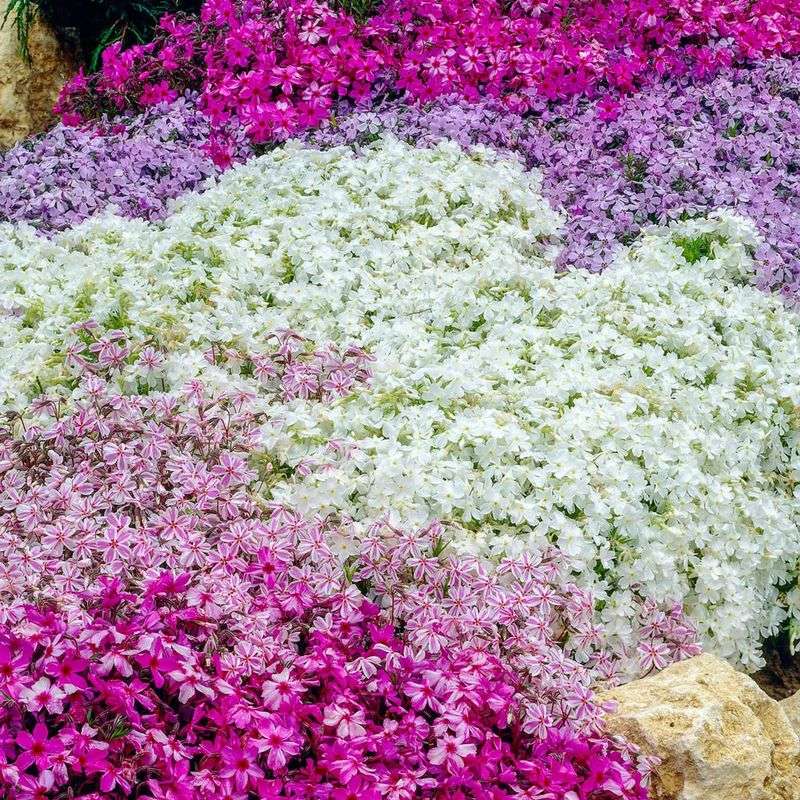
When creeping phlox hits its peak bloom in April and May, it is one of the most visually striking sights in any Ohio garden. The plant forms a dense, low-growing mat of needle-like foliage that becomes completely smothered in flowers, creating a thick carpet of color that can stop passersby in their tracks.
Bloom colors range from bright magenta and soft pink to lavender, white, and candy-striped varieties.
Phlox subulata is a native North American plant that thrives across Ohio in USDA Zones 3 through 9. It is especially well-suited to sunny slopes, rock gardens, and the tops of retaining walls, where its trailing stems can spill gracefully downward.
Excellent drainage is key to its long-term health, and it handles Ohio’s variable spring weather and occasional late cold snaps without any trouble at all.
Beyond its visual impact, creeping phlox is genuinely easy to care for. It requires minimal watering once established and benefits from a light shearing right after bloom to keep the mats tidy and encourage denser growth the following season.
Ohio gardeners often use it to prevent erosion on slopes while adding serious curb appeal. It pairs well with early tulips and creeping sedums for a layered, multi-textured spring display that lasts for weeks.
9. Bleeding Heart Brings Classic Charm To Ohio Spring Gardens
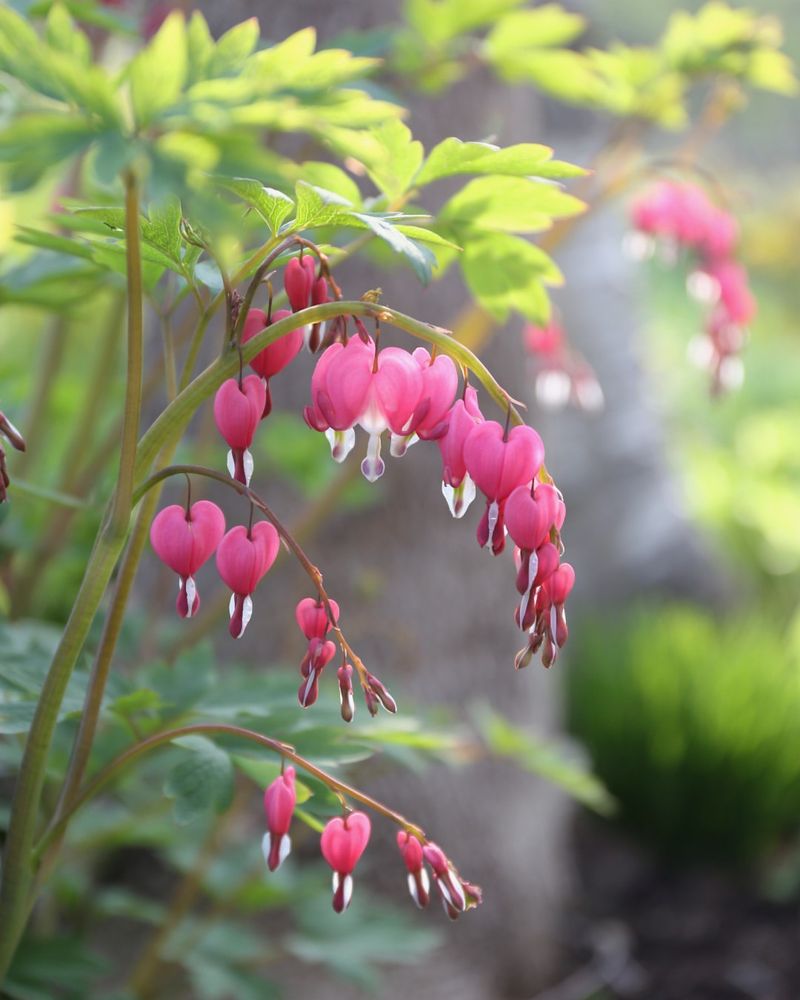
Few flowers in the spring garden carry the same nostalgic weight as bleeding heart. Those perfectly formed, heart-shaped blooms dangling from arching stems in shades of rose-pink and white have been charming Ohio gardeners for generations.
Lamprocapnos spectabilis, formerly known as Dicentra spectabilis, is a classic woodland perennial that has earned its place in gardens across the state, and for very good reason.
Bleeding heart blooms in mid-spring in Ohio, typically April through May depending on the season and location. It thrives in the moist, humus-rich, well-drained soils found in Ohio’s shaded garden areas, performing especially well under the canopy of large deciduous trees.
Morning sun with afternoon shade is the ideal exposure across most of Ohio, where summer temperatures can stress plants that receive too much direct heat.
Like Virginia bluebells, bleeding heart goes dormant in summer, so Ohio gardeners should plan companion plantings of hostas, astilbe, or ferns to fill the space left behind. The ferny, blue-green foliage is attractive through spring and early summer before it fades.
Hardy to Zone 3, bleeding heart is completely reliable in Ohio winters and rewards gardeners with a longer bloom season during cool, rainy springs. The white-flowered variety ‘Alba’ is a particularly elegant choice for formal shade gardens.
10. Columbine Welcomes Pollinators Early In The Season
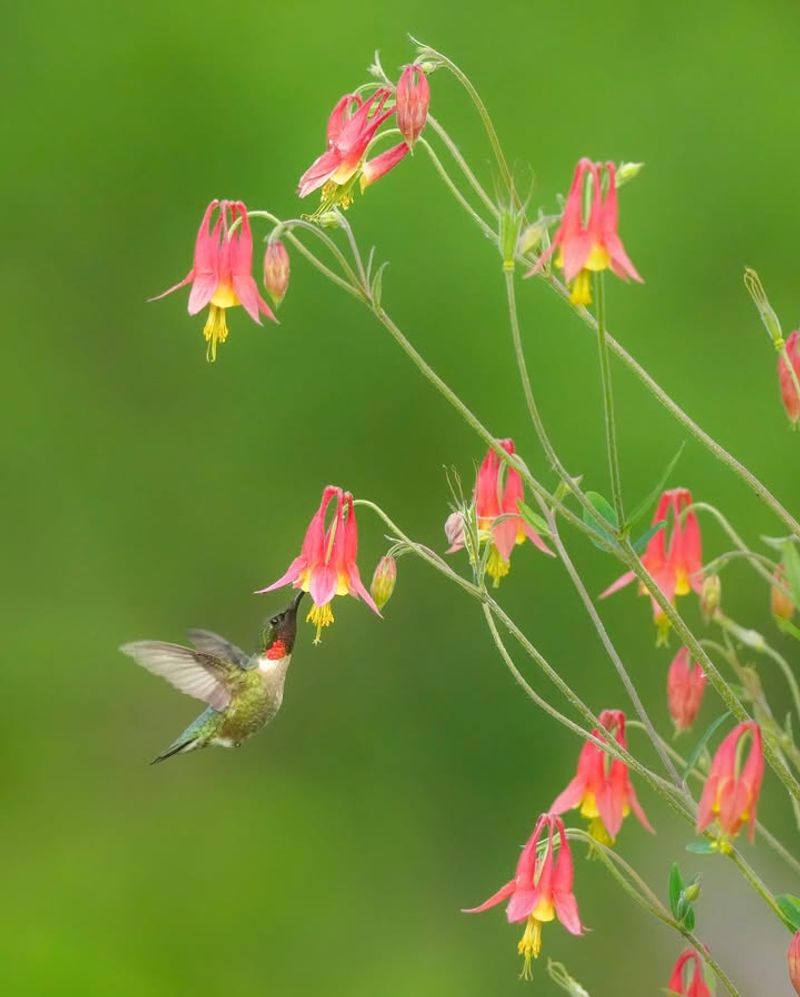
Long before summer pollinators reach peak activity, columbine is already busy feeding them. Aquilegia, with its uniquely spurred, multi-petaled flowers, is a magnet for ruby-throated hummingbirds and early-season bumblebees across Ohio.
The native species Aquilegia canadensis produces striking red and yellow flowers that are especially attractive to hummingbirds, which time their spring migration to coincide with exactly this kind of early nectar source.
Columbine blooms in late April through June in Ohio, bridging the gap between the earliest spring perennials and the summer flowering season. It grows naturally in Ohio’s woodland edges and rocky slopes, adapting comfortably to both full sun and partial shade in the garden.
The lacy, blue-green foliage is attractive even when the plant is not in bloom, adding fine texture to mixed perennial borders throughout the growing season.
Ohio gardeners will appreciate how easily columbine self-seeds, gently spreading through the garden and popping up in unexpected but usually welcome spots. Allowing a few spent flower heads to remain on the plant encourages this natural reseeding.
Both native Aquilegia canadensis and hybrid garden varieties perform well in Ohio’s Zone 5 and 6 conditions. Avoiding overhead watering helps reduce leaf miner damage, which is a common cosmetic issue for columbine growers across the Midwest.