These Are The First Plants North Carolina Gardeners Should Fertilize In March
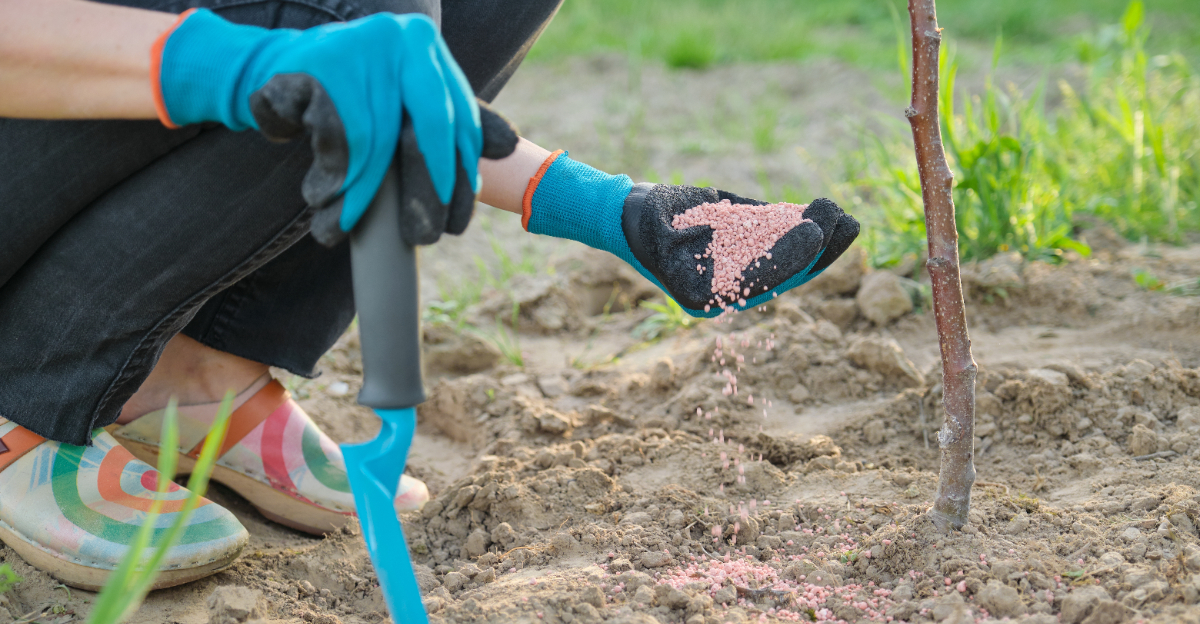
March in North Carolina is when gardens start moving again. Buds begin to swell, fresh growth appears, and the soil slowly warms across the Coastal Plain, Piedmont, and foothill regions.
It is easy to focus on planting, but what you feed your plants right now can shape how they perform for the rest of the season. As plants come out of winter rest, they need the right nutrients to support new growth.
A well timed feeding helps strengthen roots, boost leaf development, and set the stage for better blooms and harvests later on. Waiting too long can mean slower growth just when plants should be gaining momentum.
This early window is one of the most overlooked advantages in the garden. With the right approach, North Carolina gardeners can give their plants a strong start and enjoy healthier, more vibrant growth all season long.
1. Roses
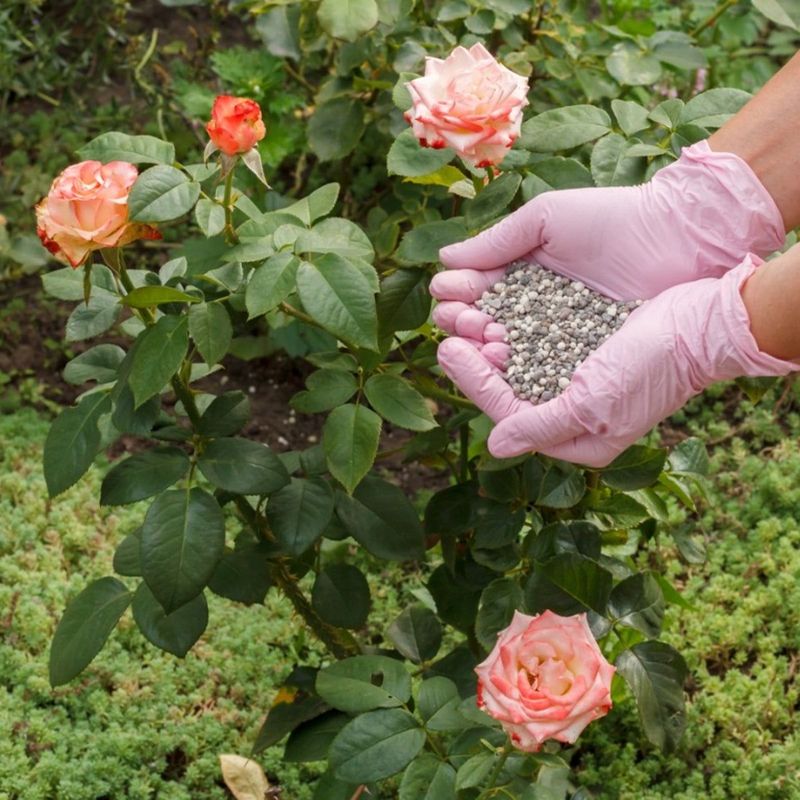
Few plants reward early attention quite like roses do. In North Carolina, March brings the perfect window to fertilize your rose bushes just as those first tiny red shoots push out from the canes.
Catching this moment early sets the tone for the entire growing season ahead. A balanced rose fertilizer, something like a 10-10-10 formula or one made specifically for roses, works really well at this stage.
Sprinkle it evenly around the base of each plant, staying a few inches away from the main cane. Water it in thoroughly so nutrients start moving down into the root zone right away.
Roses are heavy feeders, meaning they use up nutrients quickly as they grow. In North Carolina’s warm springs, growth can take off fast, especially in the Piedmont region where temperatures climb steadily through March.
Giving them a solid nutritional foundation now means stronger stems, more vibrant foliage, and a much bigger flush of blooms when late spring arrives.
Always read the label before applying any fertilizer. Too much can stress the plant or burn the roots, which slows growth instead of helping it.
A light, well-timed feeding in March is far more effective than a heavy application done too late in the season.
2. Blueberries
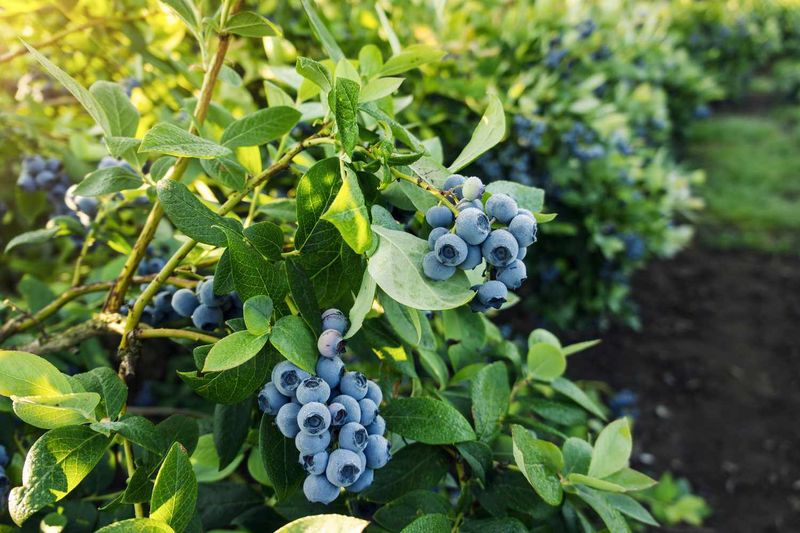
Blueberries are one of the most satisfying fruits you can grow in North Carolina, and March is the month to give them a strong start. As soon as you notice the buds beginning to swell and fatten up on the branches, that is your signal to reach for the fertilizer bag.
Blueberries need acidic soil to thrive, ideally with a pH between 4.5 and 5.5. An acid-forming fertilizer, such as one formulated for azaleas and blueberries, keeps the soil chemistry just right while delivering the nitrogen these plants crave in early spring.
Apply it carefully around the drip line of each bush, not piled against the stem. One important thing to know about blueberries is that they are sensitive to over-fertilizing.
Too much fertilizer, especially nitrogen, can actually harm the roots and reduce your fruit harvest.
Use only the recommended amount listed on the package, and if you have not done a soil test recently, now is a great time to get one through your local NC State Extension office.
North Carolina gardeners in the Piedmont and coastal plain regions often see excellent blueberry crops when soil prep and early spring feeding are done right. A little care in March goes a very long way come harvest time in June and July.
3. Azaleas
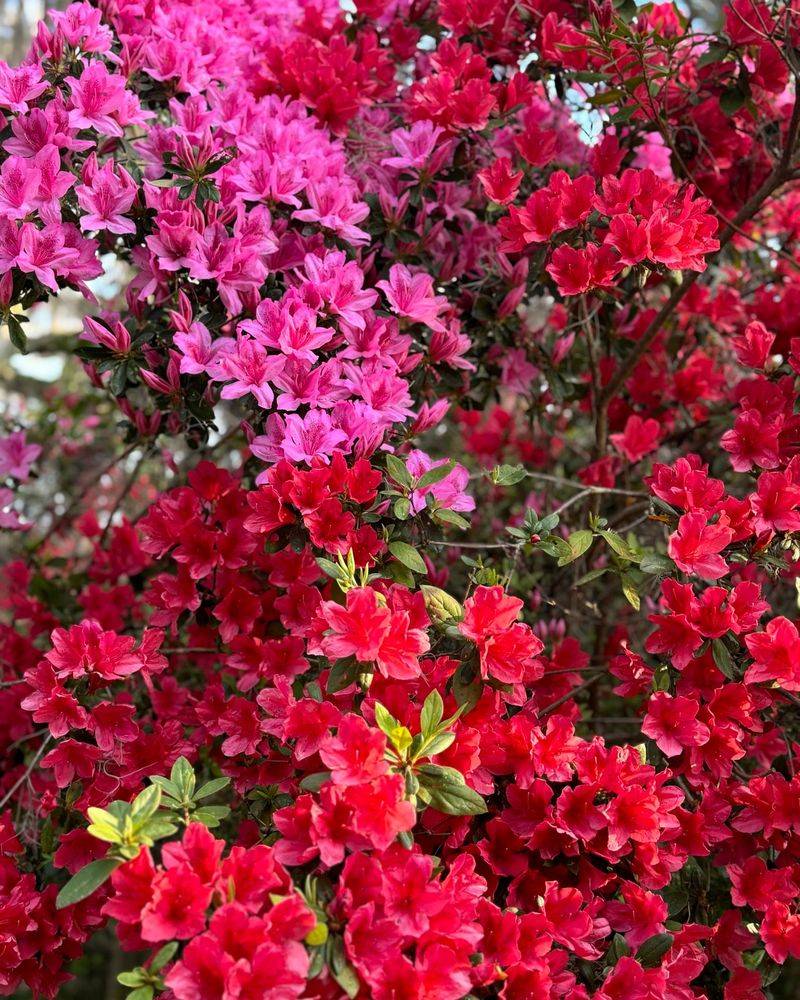
Azaleas are practically the symbol of a Southern spring, and North Carolina gardens are absolutely full of them. These cheerful shrubs burst into bloom in March and April, painting yards with shades of pink, red, white, and purple.
A well-timed fertilizer application helps them look their absolute best. The best approach is to apply a light feeding just before or right as the blooms begin to open.
Use a fertilizer made specifically for acid-loving plants, since azaleas prefer soil with a lower pH, around 4.5 to 6.0.
Granular slow-release options work great because they feed the plant steadily over several weeks without shocking the roots.
Scatter the fertilizer around the outer edge of the plant’s canopy rather than right at the base of the stem.
Azalea roots spread wide and shallow, so reaching the whole root zone matters more than concentrating nutrients in one spot. Water the area well after applying to help the fertilizer soak into the soil.
Avoid over-fertilizing, especially with high-nitrogen products, because too much nitrogen pushes leafy green growth at the expense of flowers.
North Carolina gardeners in Raleigh, Charlotte, and Wilmington all enjoy stunning azalea displays each spring, and a modest, well-placed March feeding is one of the easiest ways to keep those blooms coming back strong year after year.
4. Camellias
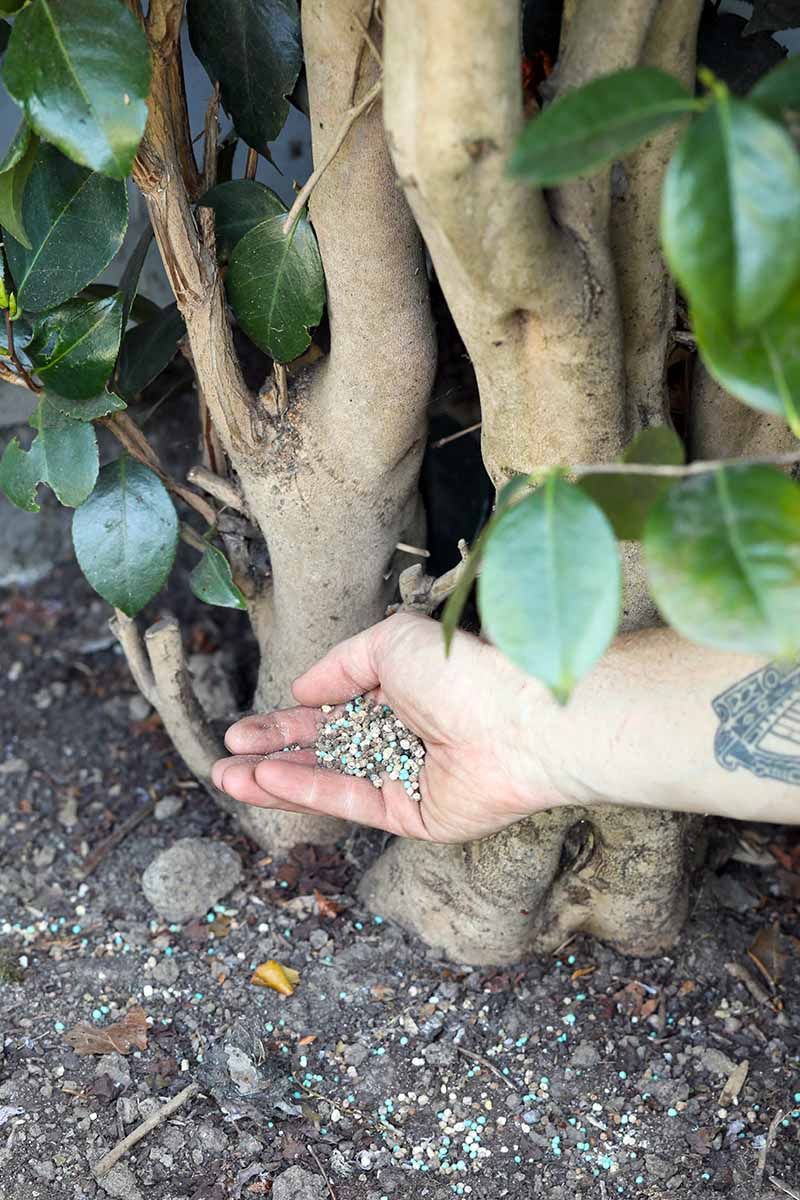
Camellias have a quiet elegance that makes them a favorite across North Carolina gardens. Camellia japonica and Camellia sasanqua both bloom in late fall through early spring, and once those flowers start to fade, that is exactly when you want to reach for the fertilizer.
Fertilizing camellias right after or near the end of their bloom cycle gives the plant energy to push out fresh new growth. That new growth is important because it carries the buds that will become next year’s flowers.
Skipping this feeding can mean fewer blooms the following season, which nobody wants after waiting all year.
Use a fertilizer formulated for acid-loving plants or a camellia-specific blend. Camellias prefer slightly acidic soil, similar to azaleas and blueberries.
Spread the fertilizer evenly under the canopy of the shrub, reaching out to where the branches end, and water it in well.
One thing North Carolina gardeners should keep in mind is that camellias are slow feeders. They do not need heavy doses of fertilizer, and over-applying can cause leaf burn or poor flowering.
A single moderate application in early spring, followed by another in early summer if needed, is usually enough to keep these beautiful shrubs looking lush and producing generously season after season across the Piedmont and coastal regions of North Carolina.
5. Hydrangeas

Hydrangeas are one of those plants that make gardeners genuinely excited about spring. In North Carolina, smooth hydrangeas like Annabelle and panicle hydrangeas like Limelight start pushing out fresh green buds in March, and that early growth is a great sign to get fertilizing.
A balanced slow-release fertilizer works really well for hydrangeas in early spring. Something like a 10-10-10 or a product labeled for flowering shrubs gives the plant a steady supply of nutrients over several weeks.
Avoid high-nitrogen formulas at this stage, since too much nitrogen encourages leafy growth and can actually reduce flowering later in the season.
Sprinkle the fertilizer around the drip line of the shrub, which is the area beneath the outermost branches, and water it in thoroughly. Hydrangea roots spread wide, so covering the whole area under the plant matters.
Applying fertilizer to dry soil without watering it in can stress the roots instead of helping them.
North Carolina’s warm spring temperatures in the Piedmont and coastal plain mean hydrangeas can grow quickly once they get going. A well-fed hydrangea in March tends to produce noticeably larger flower heads and more vibrant foliage by summer.
Timing this feeding right at bud break, rather than waiting until the plant is already leafed out, gives you the best possible head start on a spectacular summer display.
6. Spring Bulbs
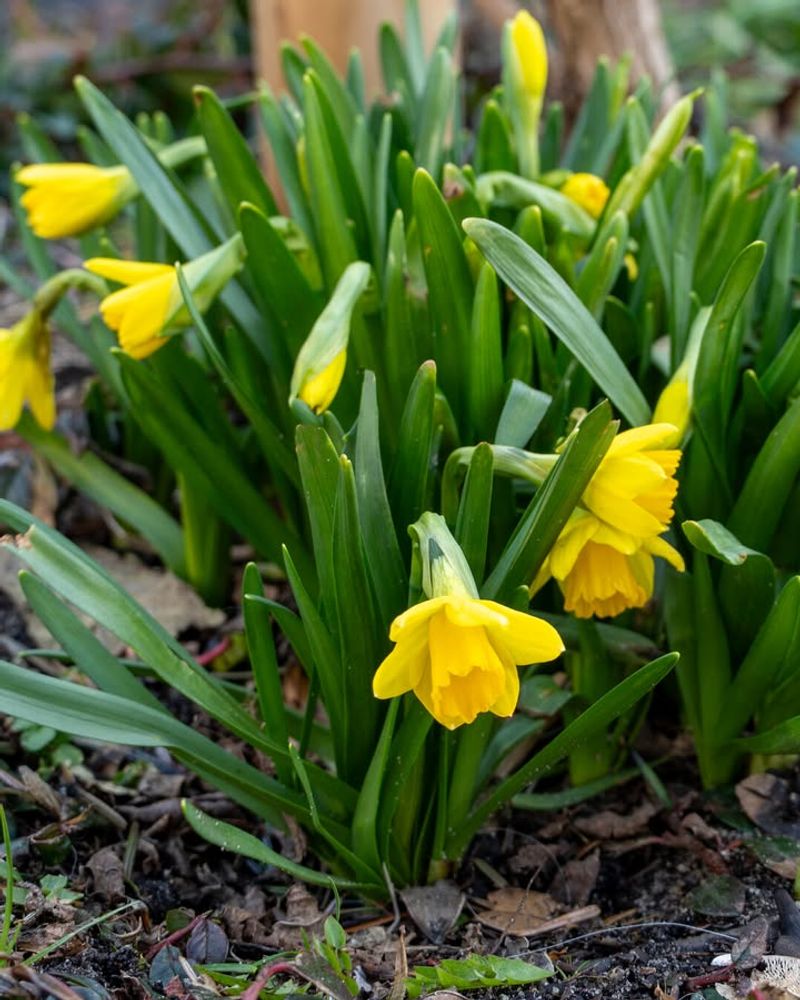
There is something almost magical about watching spring bulbs push through the soil in March. Daffodils and tulips send up bright green shoots as soon as temperatures start to climb, and that early growth phase is actually the best time to give them a nutritional boost.
When bulb shoots are just a few inches tall, applying a bulb-specific fertilizer or a balanced granular fertilizer helps the plant build energy for blooming.
The nutrients you provide now go directly into supporting both the flower and the bulb itself, helping it store enough energy to come back strong next year.
Scatter the fertilizer lightly around the emerging shoots, keeping it off the leaves to avoid any burning. Water it in right after applying so the nutrients begin moving toward the roots.
Avoid heavy nitrogen applications, since bulbs benefit more from phosphorus and potassium at this stage than from a big nitrogen push.
North Carolina gardeners in the Piedmont and mountain foothills often see great daffodil displays each spring, and a small fertilizer application in March makes a noticeable difference in bloom size and longevity.
Tulips in North Carolina can be tricky since the winters are not always cold enough, but feeding them well when they do emerge gives them the best possible chance to produce full, beautiful flowers before the heat of late spring arrives.
7. Cool-Season Lawn Grass

Fescue lawns are incredibly common across North Carolina, especially in the Piedmont region where cool-season grasses perform best.
By March, your fescue is starting to green up and recover from winter, and a light fertilizer application can help it fill in and look its best heading into spring.
The key word here is light. Cool-season grasses like tall fescue actually do their heaviest feeding in fall, which is when they grow the most actively.
A small, carefully measured application of a slow-release nitrogen fertilizer in early spring can support recovery and color, but going overboard in March can push lush soft growth that becomes vulnerable to disease and summer heat stress.
If your lawn looks thin or pale after winter, a light spring feeding makes good sense. Aim for no more than half a pound of actual nitrogen per 1,000 square feet.
Always use a spreader for even coverage and water the lawn after applying to help the fertilizer reach the soil.
North Carolina State University’s turfgrass specialists generally recommend focusing spring fescue care on overseeding bare spots and mowing rather than heavy fertilizing.
Saving the bigger feeding for September and October gives your lawn the nutrition it needs when it can actually use it most effectively.
A light March application is a helpful nudge, not the main event, for cool-season lawns across North Carolina.
8. Fruit Trees
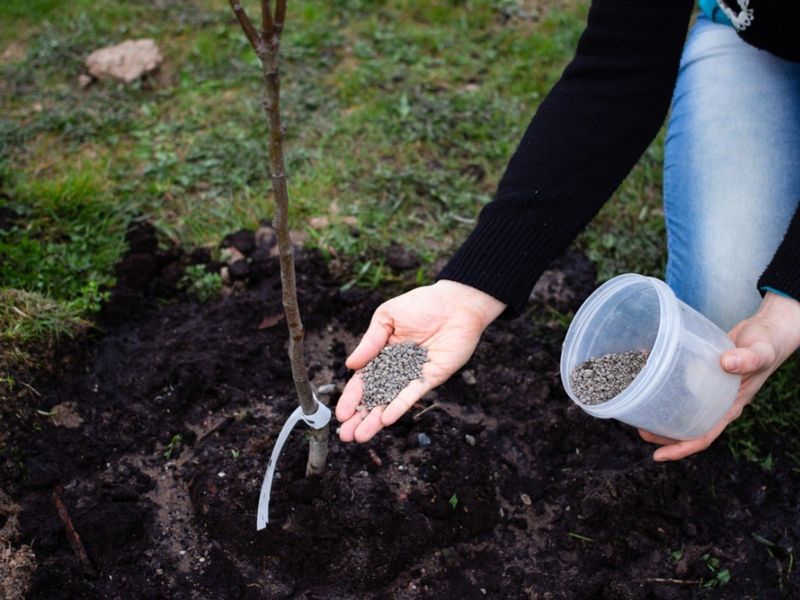
Fruit trees are one of the most rewarding things you can grow in North Carolina, and March is a critical month for getting them off to a great start.
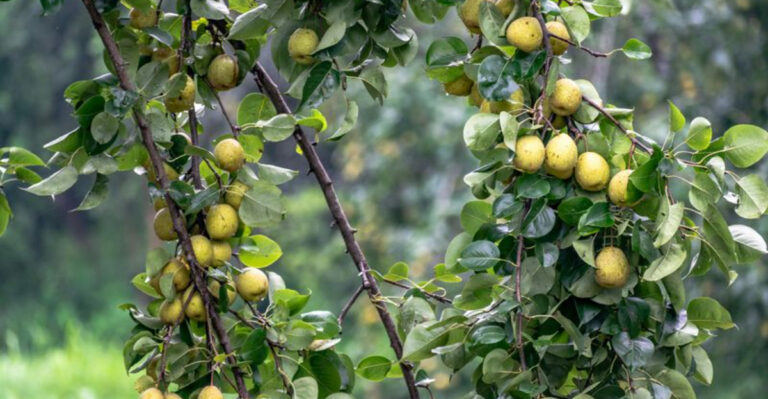
Apples, peaches, and pears all begin pushing out buds as temperatures rise, and that bud-swell stage is the ideal time to apply fertilizer.
Feeding fruit trees at bud break helps fuel the flowering and early fruit development that sets up your entire harvest. A balanced fertilizer like 10-10-10 works well for most backyard fruit trees.
Apply it in a wide circle around the tree, starting a foot or so away from the trunk and extending out to the drip line where feeder roots are most active.
Young trees need less fertilizer than mature ones, so always adjust the amount based on the tree’s age and size. The label on your fertilizer bag will usually provide guidance based on trunk diameter or tree age.
Water the area well after applying so nutrients start moving into the root zone right away. North Carolina’s climate is especially well suited for peaches, and the state consistently ranks among the top peach-producing states in the Southeast.
Giving your peach or apple tree a solid early spring feeding in March means better flowering, stronger fruit set, and a more productive harvest later in summer.
A well-fed tree in spring is the foundation of a great fruit season from the Piedmont to the coastal plain.