These Are The Garden Beds California Gardeners Set Up In May For A Full Summer Harvest
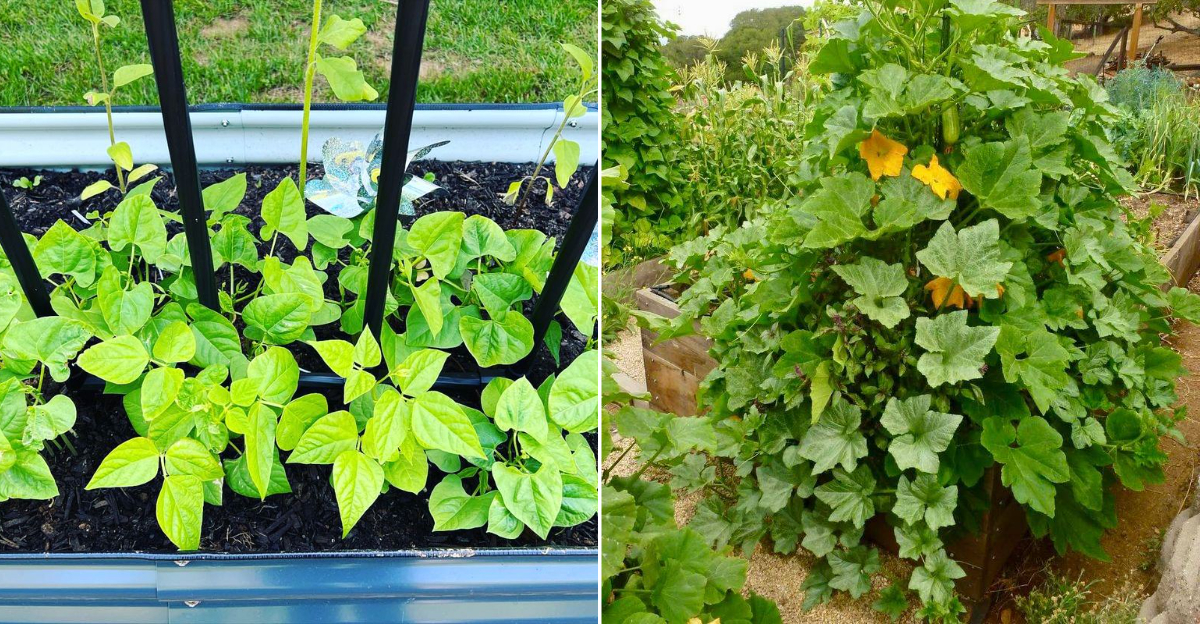
The window for setting up a strong summer harvest in California does not stay open long. Soil is warm, frost is behind you, and warm season crops are ready to go.
What you put in the ground right now directly determines what ends up on your table in July and August. Miss this window and you spend the rest of the season playing catch up.
Gardeners who consistently pull in big summer harvests are not doing anything complicated. They are simply putting the right beds together at the right time.
Warm season crops need a head start, and May is exactly when that starts. The setup does not have to be elaborate or expensive.
A few smart choices about what to grow, how to arrange your beds, and what the soil needs right now will set the tone for everything that follows.
1. Tomato Beds
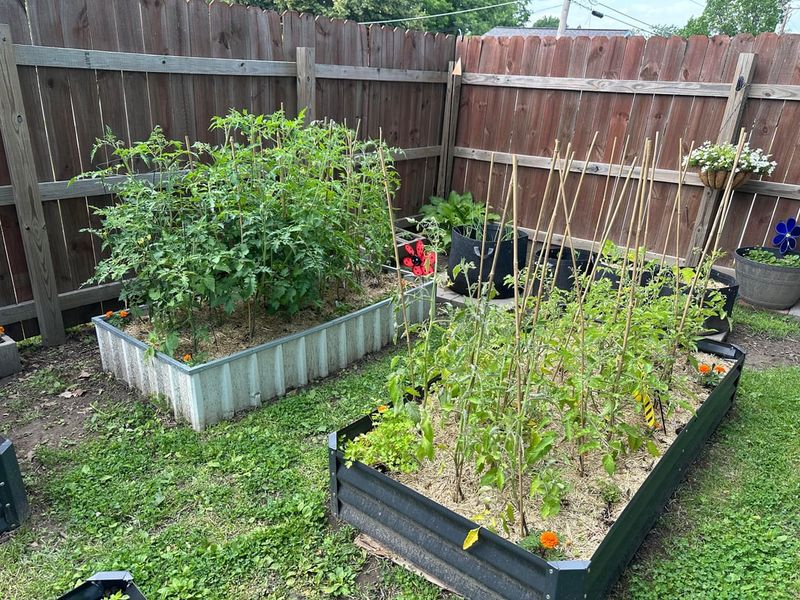
Nothing says summer gardening quite like a bed full of ripe, sun-warmed tomatoes. May is the sweet spot for getting tomatoes in the ground.
The soil has had time to warm up, frost risk is gone, and the long sunny days ahead are exactly what tomato plants crave.
Choose varieties that do well in your specific California climate zone. In cooler coastal areas, Early Girl and Celebrity work great.
In hot inland valleys, heat-tolerant types like Heatmaster or Sun Gold cherry tomatoes hold up beautifully through the hottest months.
Prepare your bed by mixing in plenty of compost and a slow-release fertilizer. Tomatoes are heavy feeders, so rich soil matters a lot.
Plant them deep, burying the stem up to the lowest set of leaves. This encourages strong root growth.
Space plants about 24 to 36 inches apart so air can circulate freely. Good airflow helps prevent common fungal problems.
Add a thick layer of mulch around the base to keep moisture in and weeds out. Water consistently and deeply, and your tomato bed will reward you with an incredible harvest from July all the way through October.
2. Pepper Beds
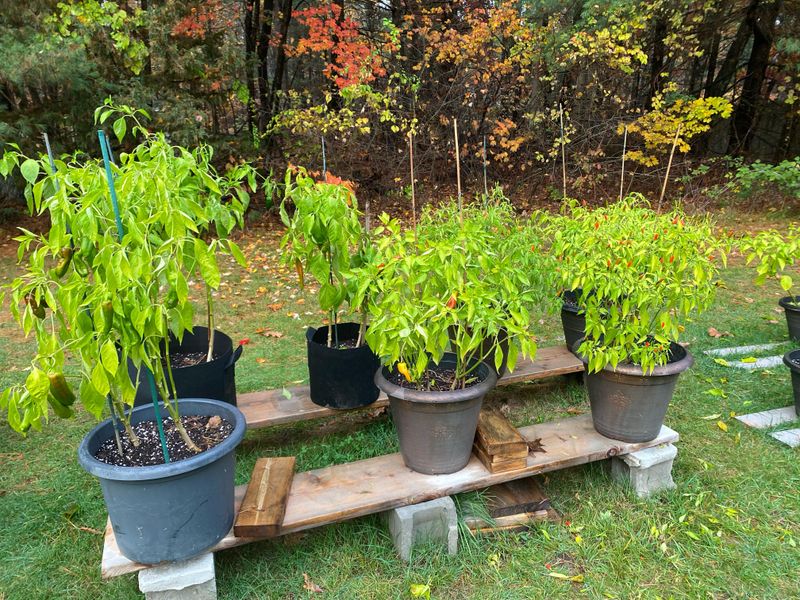
Peppers are one of those crops that absolutely love summer. Hot or sweet, they thrive in warm soil and long sun-filled days.
May planting gives them plenty of time to establish strong roots before the real heat of July and August kicks in.
Start with transplants rather than seeds if you want to save time. Nursery-grown pepper starts are usually already several weeks old, which puts you ahead of the game.
Look for compact, healthy plants with deep green leaves and no yellowing.
Peppers prefer well-drained soil with good organic matter. Work compost into your bed before planting, and make sure the soil temperature is at least 65 degrees Fahrenheit.
Cold soil slows pepper growth significantly, so warming the bed with black plastic mulch a week before planting can really help.
Space plants about 18 inches apart. They do not need as much room as tomatoes, which makes them great for smaller beds.
Water regularly but avoid soaking the soil. Peppers hate waterlogged roots.
Feed them every few weeks with a balanced fertilizer, and by late summer you will have a stunning, colorful harvest that is perfect for salsas, roasting, and more.
Your California Garden Changes Every Week. Your Plan Should Too.
Gardening in California changes quickly throughout the season. Every Friday you’ll receive a simple weekly plan showing exactly what to plant, prune, fertilize, harvest, and protect so you never miss the right timing.
3. Cucumber Beds
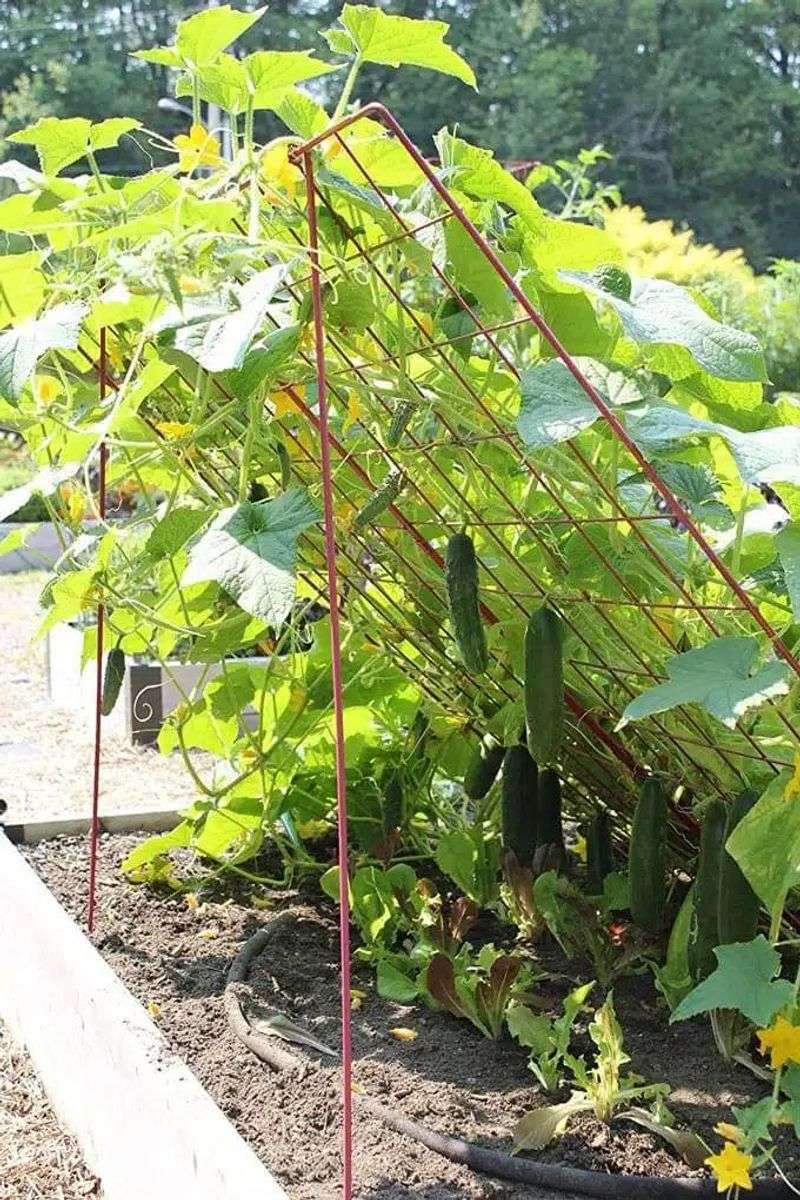
Few things are more refreshing on a hot afternoon than a crisp, homegrown cucumber. Cucumbers grow fast, produce heavily, and love the warm conditions that our summers deliver.
Getting them into the ground in May gives them a long runway to produce all the way through September.
Cucumbers grow best when given something to climb. A simple trellis or wire cage keeps the vines off the ground, improves air circulation, and makes harvesting much easier.
Vertical growing also saves space, which is great if your garden bed is on the smaller side.
Soil prep is straightforward. Cucumbers want rich, loose, well-draining soil.
Add compost generously and work it in at least 12 inches deep. Plant seeds or transplants about 12 inches apart if using a trellis, or 18 to 24 inches apart if letting them sprawl.
Cucumbers need consistent moisture. Uneven watering causes bitter-tasting fruit and misshapen cucumbers.
Drip irrigation or soaker hoses work really well for keeping soil moisture steady. Mulch around the base of each plant to help hold moisture in.
Harvest cucumbers frequently once they start producing. The more you pick, the more the plant will keep making.
A well-tended cucumber bed can produce dozens of cucumbers per plant.
4. Zucchini And Summer Squash Beds
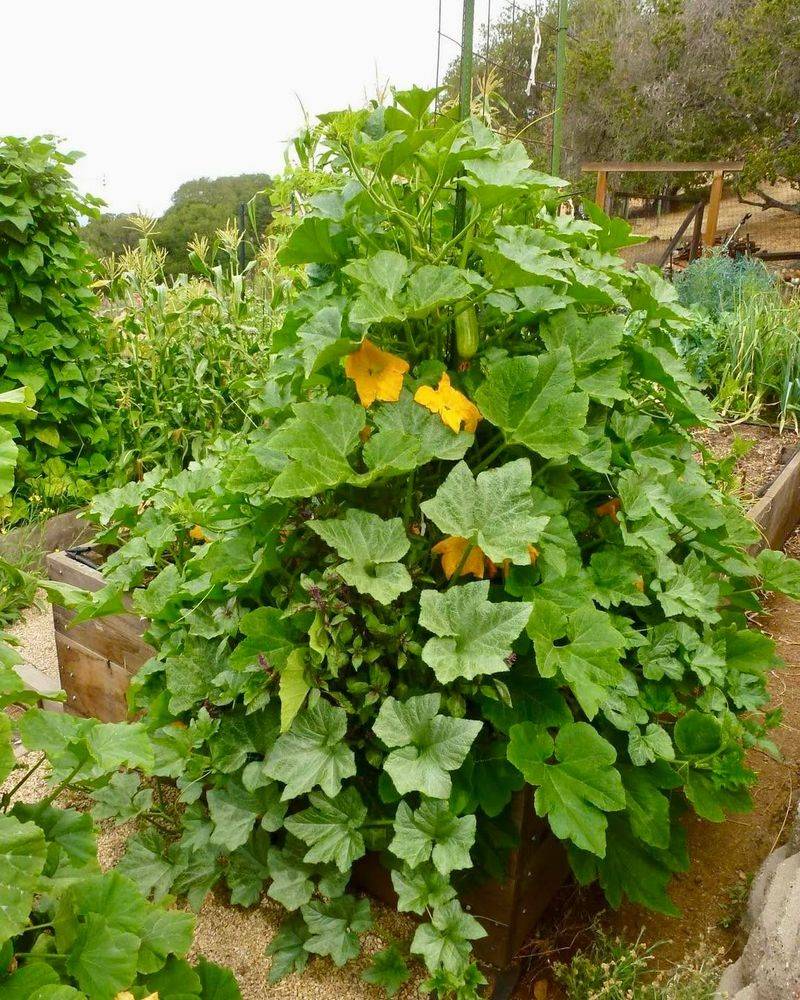
There is a running joke among gardeners that you should never leave your car unlocked in summer because neighbors will fill it with zucchini. That joke exists for a reason.
Zucchini and summer squash are some of the most productive plants you can grow, and May is the perfect time to get them started.
These plants grow fast and take up space, so plan your bed accordingly. Each plant needs about 3 to 4 feet of room.
Two or three plants are usually more than enough for a family. The large leaves shade the soil naturally, which helps keep weeds down and moisture in.
Squash prefer warm, fertile soil with excellent drainage. Mix compost into the bed before planting, and consider mounding the soil slightly to improve drainage.
Plant seeds directly into the bed about an inch deep, or use transplants for a quicker start.
Water regularly at the base of the plant, not on the leaves. Wet leaves can lead to powdery mildew, which is common in squash.
If you notice the first few flowers dropping without producing fruit, do not worry. Early flowers are often male.
Female flowers, which have a tiny fruit at the base, come shortly after and need pollinators to set fruit. Planting flowers nearby can attract more bees to your garden.
5. Melon Beds
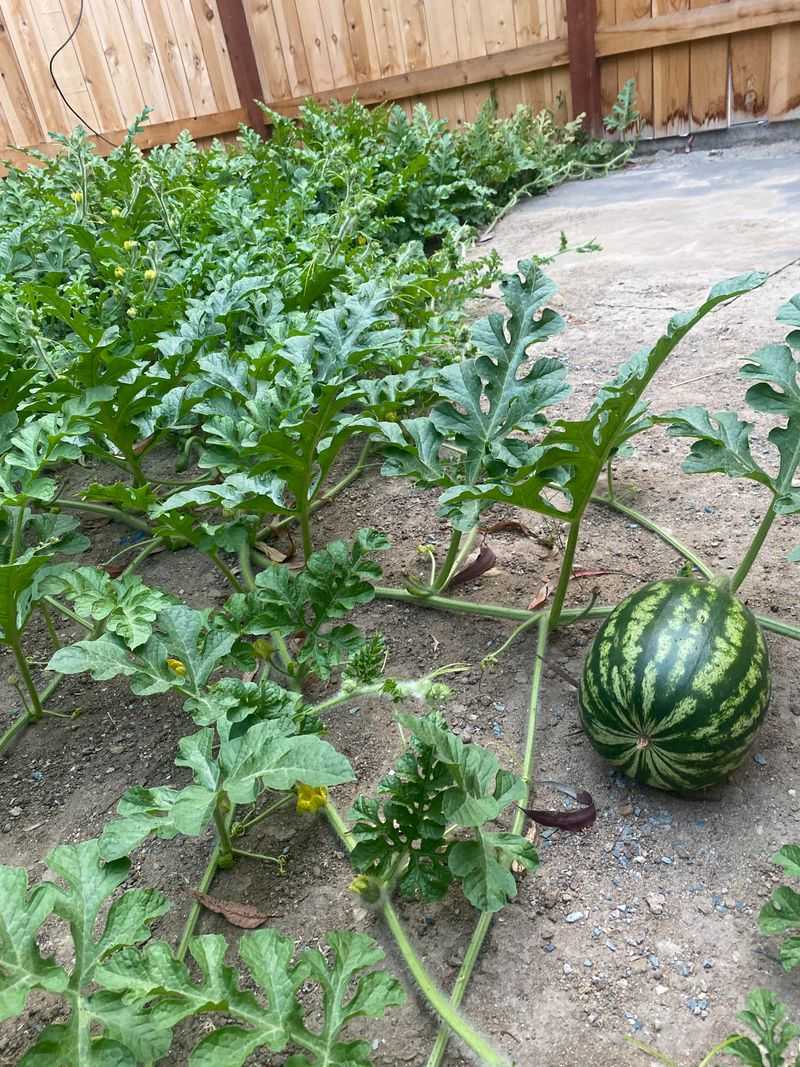
Growing your own melons is one of the most satisfying things a gardener can do. Biting into a cantaloupe or watermelon that you grew yourself is a completely different experience from anything you will find at a grocery store.
May is the ideal time to plant melon beds because these fruits need a long, hot season to fully ripen.
Melons need space. A lot of it.
Watermelon vines can spread 6 to 10 feet in every direction. If space is tight, look for compact bush varieties that are bred for smaller gardens.
Cantaloupe and honeydew take up less room than watermelons but still need plenty of ground to spread.
Soil preparation is critical. Melons love deep, sandy loam soil that drains well and warms up quickly.
Add plenty of compost and some balanced fertilizer before planting. Raised beds work especially well for melons because they warm up faster and drain better than in-ground beds.
Once plants are established, reduce watering as fruits begin to develop. Too much water late in the season can dilute the sweetness of the fruit.
A simple trick is to place a piece of cardboard or straw under developing melons to keep them off the soil and prevent rotting. With the right care, your melon bed will deliver incredible sweetness by late summer.
6. Eggplant Beds
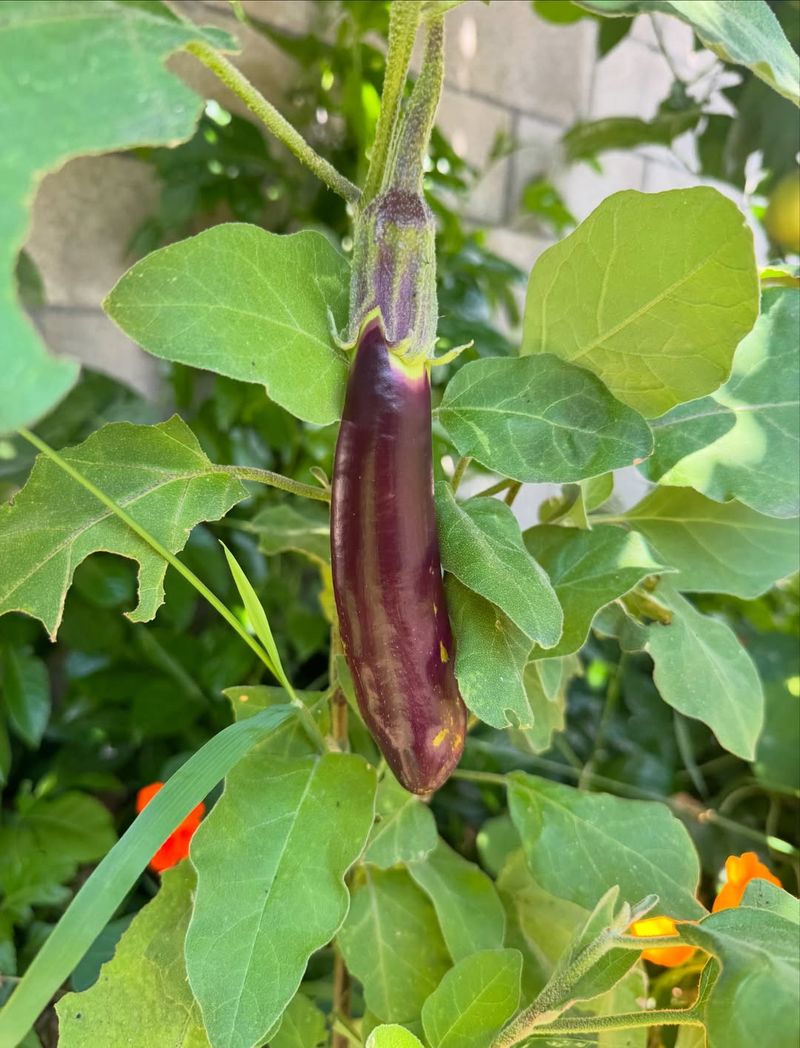
It loves heat more than almost any other common garden vegetable, which makes California one of the best places in the country to grow it. May planting gives eggplant exactly the long, warm season it needs to perform at its best.
Start with transplants rather than direct seeding. Eggplant seeds take a long time to germinate and need very warm conditions to do so.
Buying healthy starts from a local nursery saves weeks of waiting and gets your bed producing sooner.
Prepare the bed with rich, well-drained soil. Eggplant benefits from a generous amount of compost mixed in before planting.
Space plants about 18 to 24 inches apart. They grow into fairly large, bushy plants with beautiful purple flowers that eventually become the fruit.
Consistent watering is important. Eggplant does not like to dry out completely between waterings.
Mulching around the base helps maintain steady soil moisture. Feed plants every two to three weeks with a vegetable fertilizer once they start flowering.
Watch for flea beetles, which love eggplant leaves. Row covers early in the season can protect young plants.
Once temperatures stay above 70 degrees Fahrenheit consistently, eggplant will take off and start producing beautifully shaped, glossy fruits ready for grilling, roasting, or making into baba ganoush.
7. Green Bean Beds
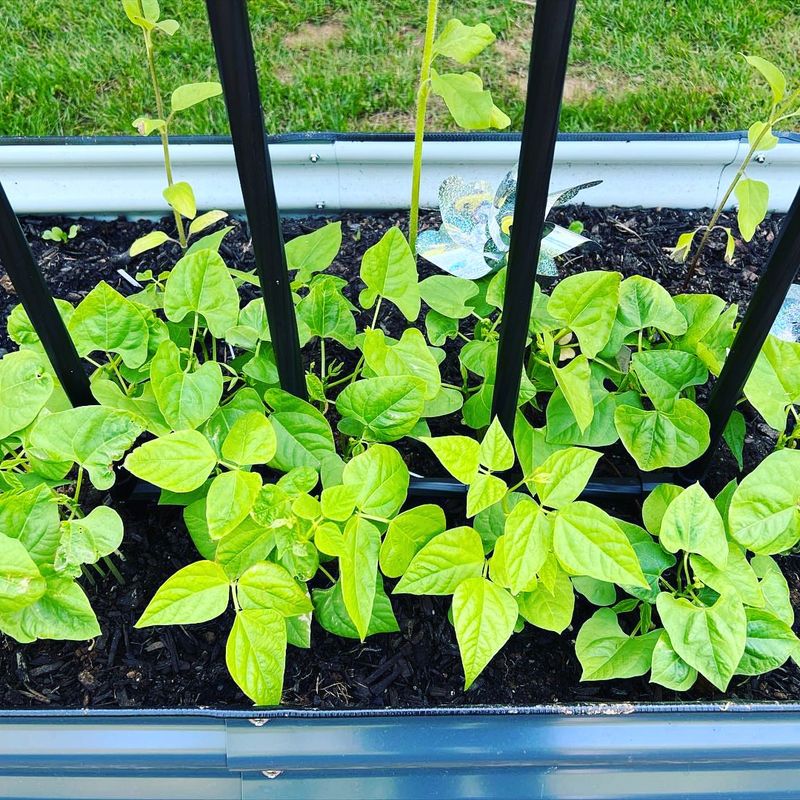
Green beans might be the most underrated vegetable in the summer garden. They are easy to grow, incredibly productive, and taste so much better fresh from the garden than anything from a can or freezer bag.
May is a great time to direct sow green beans because the soil is warm and conditions are just right for fast germination.
You have two main types to choose from: bush beans and pole beans. Bush beans stay compact and do not need support.
They tend to produce all at once, making them great for preserving or freezing. Pole beans grow tall and need a trellis or stake, but they produce continuously throughout the season.
Green beans prefer well-drained, moderately fertile soil. Unlike many other vegetables, they do not need heavy fertilizing.
In fact, too much nitrogen can cause lots of leafy growth but fewer beans. Work a light amount of compost into the bed and that is usually enough.
Plant seeds about an inch deep and 4 to 6 inches apart in rows. Water consistently but avoid overwatering.
Beans are prone to root rot in soggy soil. Harvest pods when they are firm and snap cleanly.
The more you harvest, the more the plant produces. A well-managed green bean bed can keep you supplied with fresh beans for weeks on end throughout the summer.
8. Corn Beds
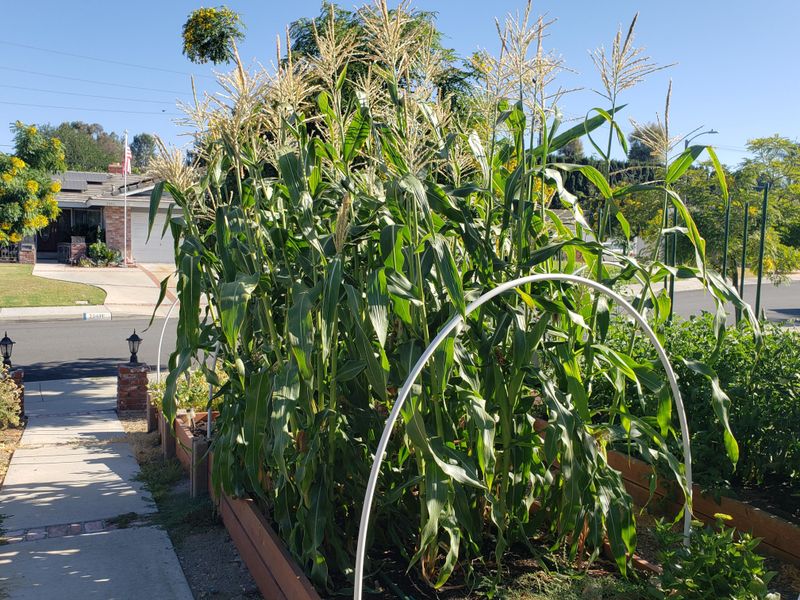
There is something magical about growing corn. Watching those tall stalks shoot up from the ground and eventually produce ears packed with sweet, juicy kernels is genuinely exciting.
Corn is a warm-season crop that thrives in California’s long, sunny summers, and May is the right time to get it planted for a mid-summer harvest.
Corn is wind-pollinated, which means it needs to be planted in blocks rather than single rows. A block of at least four rows planted close together ensures that pollen from the tassels at the top of each stalk can reach the silks on nearby ears.
Poor pollination leads to incomplete ears with missing kernels.
Prepare your bed with very rich soil. Corn is a heavy feeder and pulls a lot of nutrients from the ground.
Add generous amounts of compost and a nitrogen-rich fertilizer before planting. Side-dress plants with additional fertilizer when they are about knee high to keep them fed through the growing season.
Plant seeds about an inch deep and 9 to 12 inches apart. Water deeply and consistently.
Mulching between rows helps retain moisture and reduce weeds. Sweet corn matures in about 60 to 90 days depending on the variety, so May planting puts your harvest right in the heart of summer.
Pick ears when the silk turns brown and kernels are plump and milky.
9. Basil And Summer Herb Beds
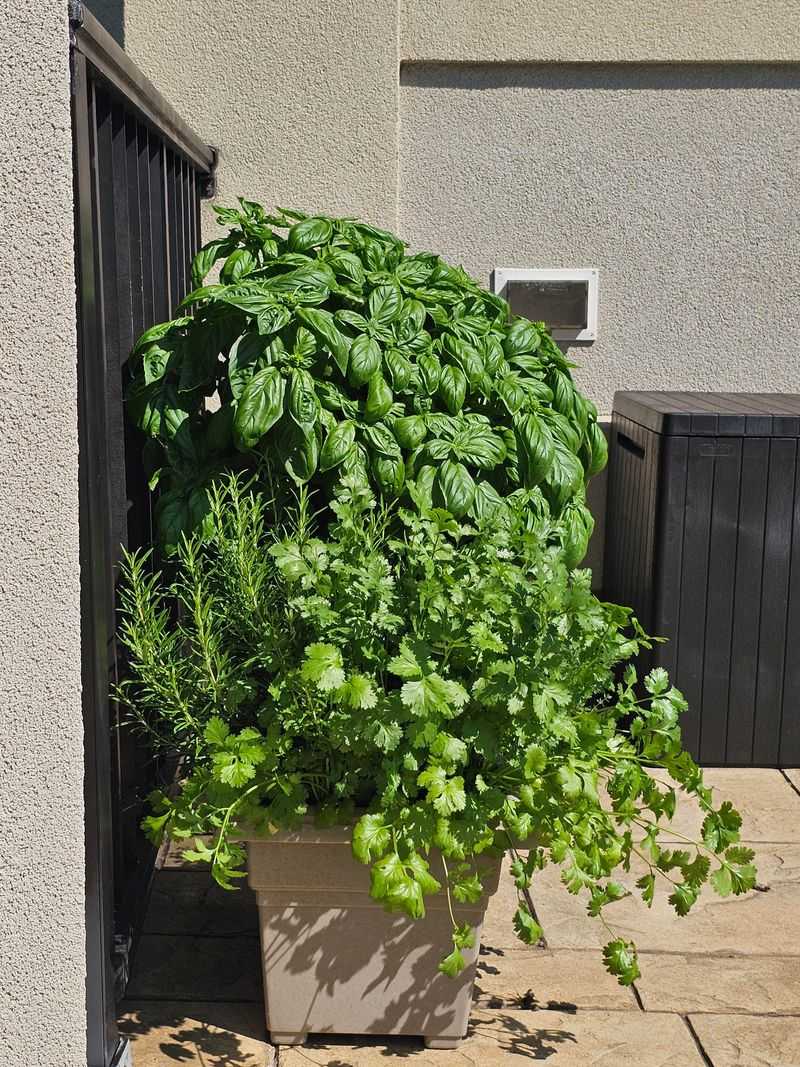
A summer herb bed is one of the most practical and rewarding things you can grow in a garden. Fresh basil, oregano, thyme, and rosemary elevate every dish they touch, and having them just steps from your kitchen is a genuine luxury.
May is the perfect time to establish a herb bed because warm temperatures encourage fast, lush growth.
Basil is the star of the summer herb bed. It loves heat and will struggle in cool, foggy conditions.
In warmer inland areas of California, basil absolutely takes off once summer arrives. Plant it in a sunny spot and pinch off flower buds as they appear.
This keeps the plant bushy and productive rather than going to seed too quickly.
Pair basil with other summer-loving herbs like oregano, marjoram, and lemon basil for a diverse and fragrant bed. Mediterranean herbs like thyme and rosemary are already established perennials in many gardens, but May is a great time to add new plants or refresh older ones that have gotten woody.
Herbs generally prefer well-drained, moderately fertile soil. They do not need as much water as vegetables, but they should not dry out completely either.
A light layer of mulch helps. Harvest herbs regularly by snipping stems just above a leaf node.
Regular harvesting encourages fuller, bushier growth and keeps the plants producing all summer long.
10. Okra Beds
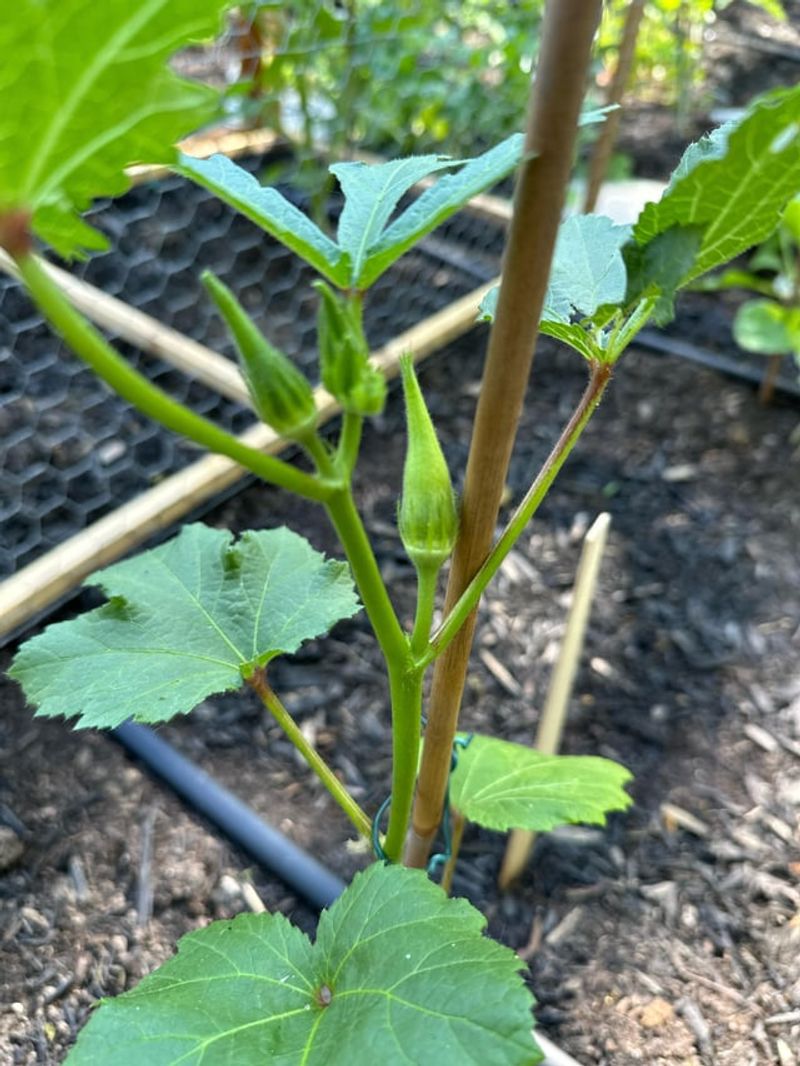
Okra does not get nearly enough credit in the home garden world. It is one of the most heat-tolerant vegetables you can grow, and in California’s warmest regions, it practically thrives on neglect once it gets established.
If you have ever struggled to grow vegetables in a spot that gets scorching afternoon sun, okra might be exactly what you need.
May planting works perfectly for okra because the soil is warm and the long summer ahead gives it plenty of time to grow tall and productive. Okra seeds germinate best when soil temperatures are at least 65 to 70 degrees Fahrenheit.
Soaking seeds overnight before planting can speed up germination significantly.
Prepare your bed with deep, well-loosened soil. Okra sends down long taproots and does not like compacted ground.
Mix in compost for fertility, but avoid going overboard with nitrogen. Too much nitrogen produces big, leafy plants with fewer pods.
Space plants 18 to 24 inches apart. They can grow quite tall, sometimes reaching 5 to 6 feet, so plant them where they will not shade out shorter neighbors.
Harvest pods when they are 3 to 4 inches long. Larger pods become tough and fibrous.
Check plants every day or two once they start producing because okra grows surprisingly fast in the California summer heat.
11. Sweet Potato Beds
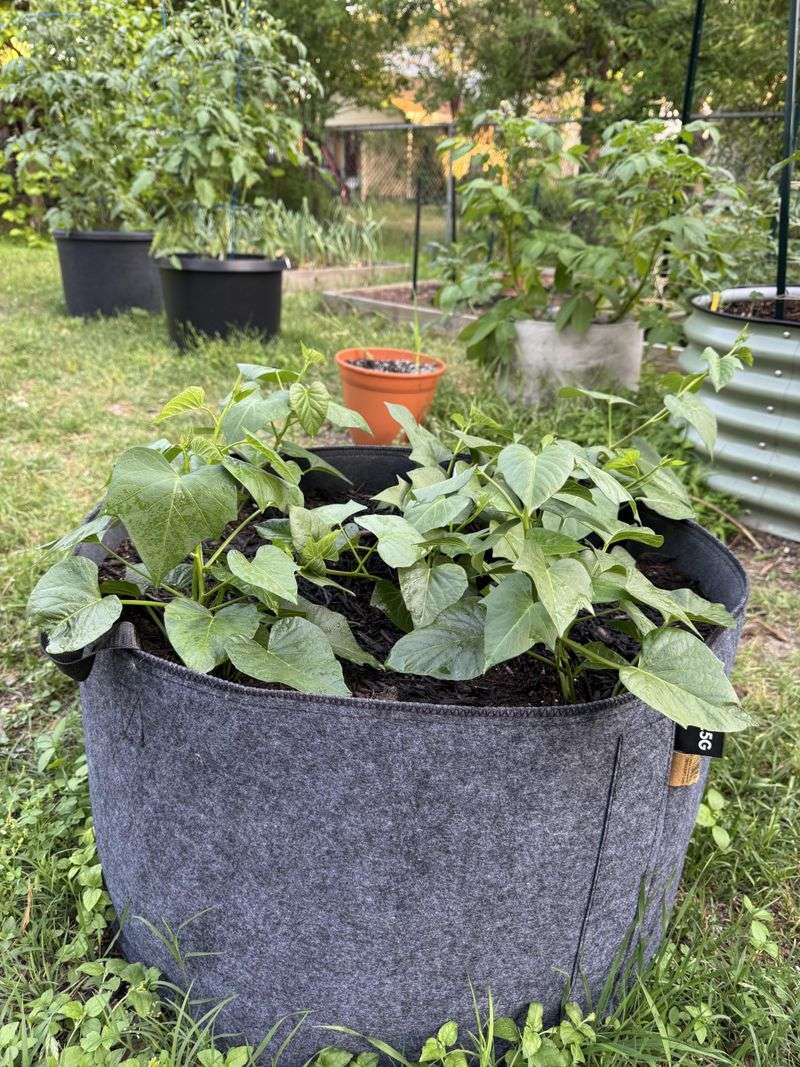
You plant the slips in May, let the vines ramble all summer, and then dig up a treasure chest of beautiful, starchy tubers in the fall. The process feels almost magical, especially when you pull up a vine and discover how much was growing underground.
Unlike regular potatoes, sweet potatoes are started from slips, which are small rooted cuttings taken from a mature sweet potato. You can buy slips from a nursery or order them online.
Plant slips about 12 to 18 inches apart in a raised bed or mounded row. They need loose, well-drained soil to form large, well-shaped tubers.
Sweet potatoes are vigorous growers. The vines will spread well beyond the bed, so give them room or plan to redirect them occasionally.
They are fairly drought-tolerant once established, which makes them a smart choice for California gardeners who want to conserve water during the dry summer months.
Fertilize lightly at planting time and again about a month later. Avoid high-nitrogen fertilizers, which encourage vine growth at the expense of root development.
Tubers are ready to harvest about 90 to 120 days after planting, usually in September or October. Cure them in a warm spot for a week or two after harvest to develop their signature sweetness.