These Are The 8 Georgia Plants That Help Fireflies Complete Their Life Cycle
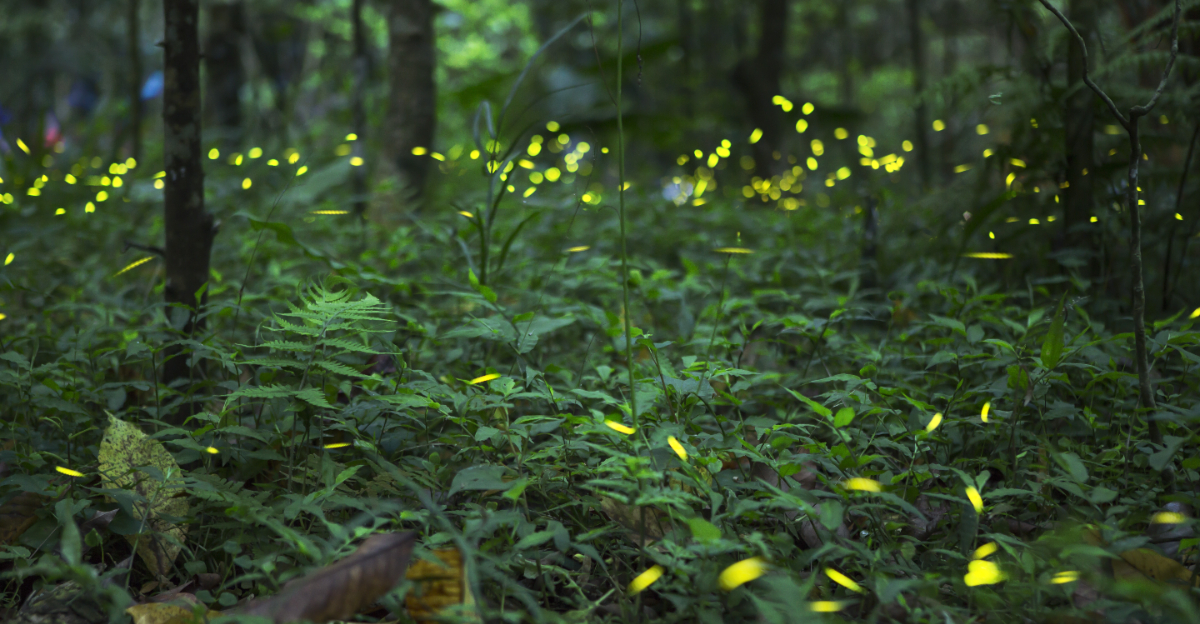
Fireflies still flicker through Georgia evenings, but not in the numbers many remember. Something has been quietly shifting in backyards, and it shows up most clearly after sunset.
When those soft lights start to feel fewer or harder to spot, it usually points back to what is happening in the soil, the plants, and the way a yard is put together.
Some landscapes make it easier for them to stay, while others push them out without anyone realizing it. Small choices can shape whether those glowing moments return each season or slowly fade away.
This is where things start to get interesting. Certain plants do more than fill space or add color.
They play a role that is easy to overlook but hard to replace once it is gone.
That connection becomes clearer once you know what to look for.
1. Eastern Redbud Grows In Moist Soil Where Fireflies Begin To Emerge
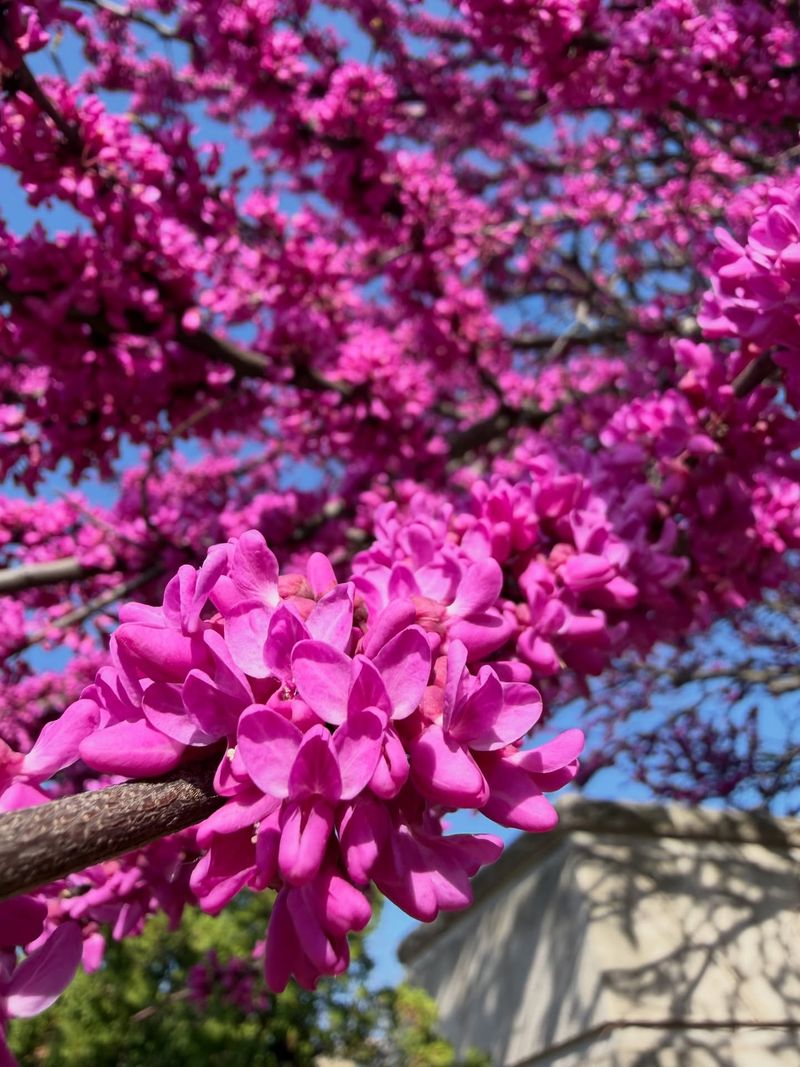
Seeing a Redbud bloom in early spring across Georgia feels like a signal that the whole forest is waking up — and for fireflies, that timing matters more than most people realize. Redbud trees grow best in well-drained soil but can handle some moisture, especially in spots where the ground does not dry out too quickly.
Firefly larvae spend months underground hunting soft-bodied insects and snails. They need soil that stays consistently damp, not waterlogged, but never bone dry either.
The root systems of Redbud trees help hold that balance by pulling in surrounding moisture and shading the ground beneath them.
Fallen Redbud leaves break down fairly quickly, adding organic matter that keeps the topsoil loose and easy for larvae to move through. In Georgia gardens, planting a Redbud near a low spot or a rain garden gives you the best shot at creating that kind of stable, moist environment.
Adult fireflies also use the branching structure of Redbud trees as perches during mating season, which typically runs from late May through July across much of the state.
You do not need a large yard to benefit from one — even a small Redbud in a corner bed can make a noticeable difference in the soil conditions nearby.
That combination of steady moisture, soft soil, and light cover creates the kind of environment where fireflies are more likely to return year after year.
2. Virginia Sweetspire Thrives In Damp Areas Fireflies Prefer
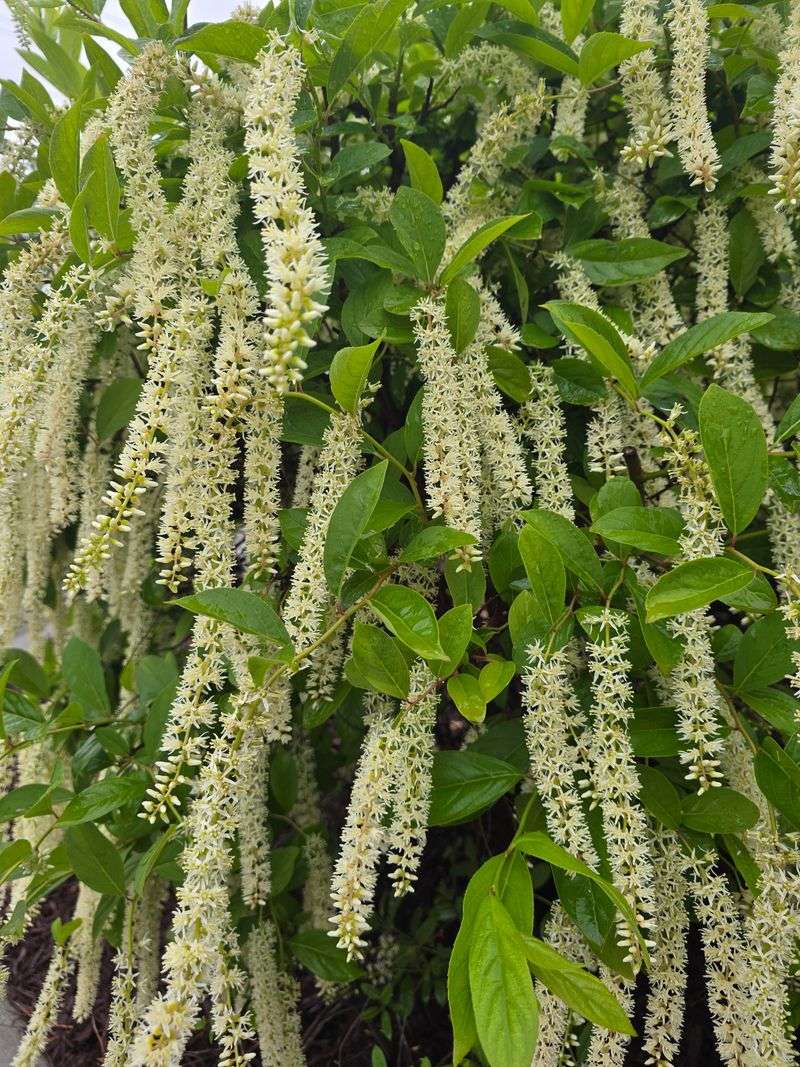
Not many shrubs are willing to sit with wet feet for weeks at a time, but Virginia Sweetspire handles it without complaint.
That tolerance for soggy conditions is exactly what makes it valuable in a Georgia yard where fireflies are trying to survive their larval stage.
Firefly larvae need consistent ground moisture to stay active and find food. Sweetspire naturally colonizes stream banks, pond edges, and low-lying areas across Georgia — the same spots where firefly populations tend to be strongest.
Planting it along a drainage swale or near a downspout can extend that moist zone further into your yard.
Its dense, arching stems create a shaded canopy close to the ground, which slows evaporation and keeps the soil cooler during Georgia’s hot summers.
That shade matters because soil temperature and moisture are closely linked — cooler ground holds water longer, giving larvae a more stable habitat through the dry stretches in July and August.
Sweetspire also holds its leaves late into fall and drops them gradually, building up a layer of organic mulch that larvae can move through during their final feeding months before pupation. White flower spikes appear in early summer and attract small insects, increasing overall activity around the plant.
Across the Georgia Piedmont especially, this shrub fills a real gap in the firefly-friendly plant toolkit.
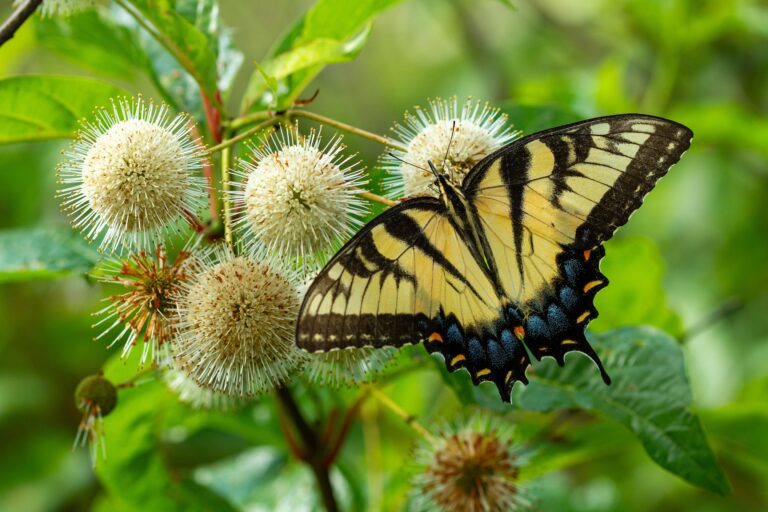
3. Buttonbush Grows Near Water Where Fireflies Often Gather
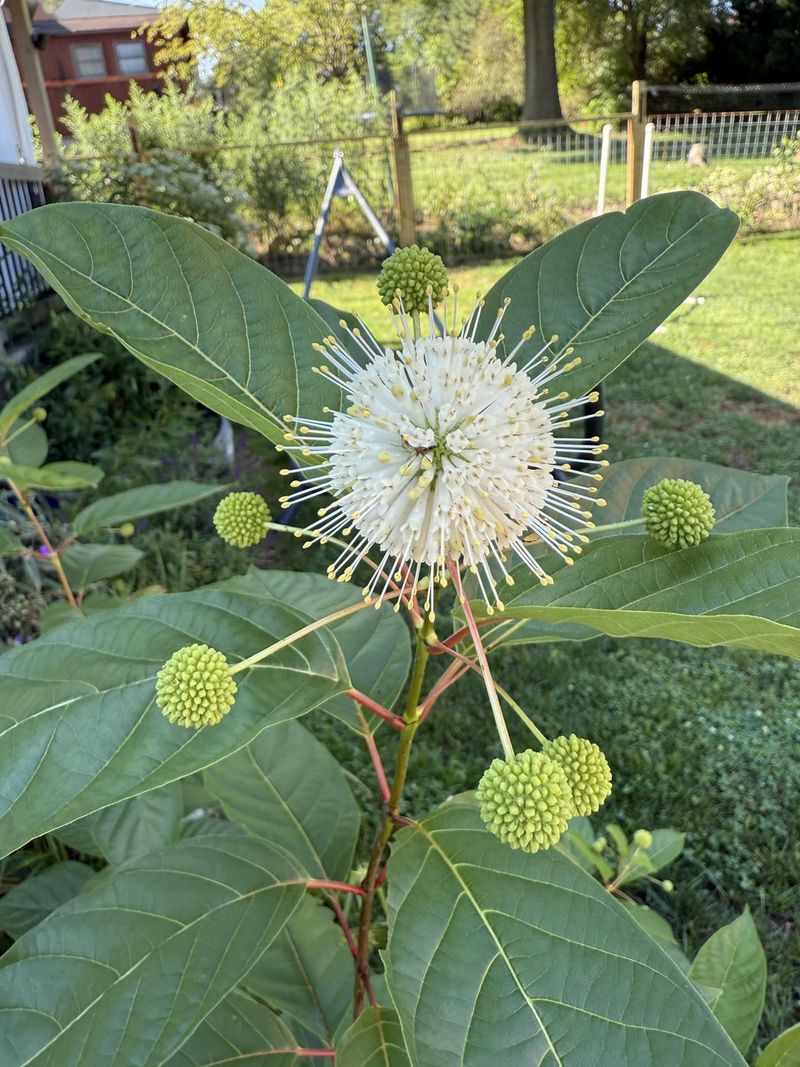
Buttonbush is one of those plants that basically tells you where the water is — find a Buttonbush in Georgia and you are almost certainly standing near a creek, pond, or seasonal wetland.
Fireflies know this too, which is why their populations often concentrate in exactly these spots.
Standing in shallow water for weeks is no problem for Buttonbush, and its roots anchor into saturated soil that stays soft and cool well into summer. That soft, moist earth is prime territory for firefly larvae, which need to burrow and move freely while hunting prey underground.
The round, globe-shaped flower heads bloom in midsummer and support a wide range of insects and nearby soil activity, including the snails and soft-bodied invertebrates that firefly larvae feed on.
More prey in the area means larvae have a better shot at building up enough energy to complete pupation and emerge as adults.
Adult fireflies also use the shrub’s branching structure as a launching point for their mating flights over open water.
In Georgia, late June evenings near a Buttonbush stand can produce some genuinely impressive firefly displays.
Placing one near a rain garden, a pond edge, or a low area that stays wet after storms is a straightforward way to anchor a firefly-friendly corner in your landscape without much fuss.
4. Swamp Milkweed Handles Wet Soil That Supports Firefly Larvae
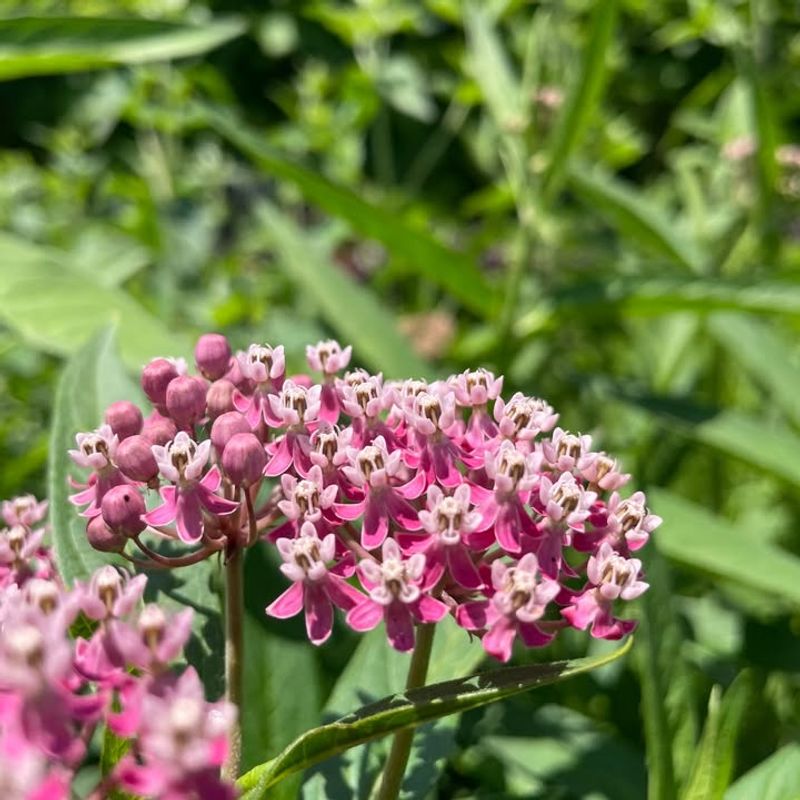
Most people connect milkweed with monarch butterflies and stop there, but Swamp Milkweed pulls extra weight in a Georgia garden by supporting the wet soil conditions that firefly larvae depend on.
It grows naturally in floodplains, roadside ditches, and marshy edges throughout the state.
Its deep root system allows it to thrive in wet conditions without struggling during summer heat.
Firefly larvae living nearby benefit from that stability — they need damp, workable ground to hunt, travel, and eventually form pupae before emerging as adults.
Swamp Milkweed also supports a dense community of insects on and around its stems. Aphids, beetles, and other small invertebrates gather on the plant, and while the plant itself is not what larvae eat, the biological activity it generates keeps the surrounding soil ecosystem productive.
A productive soil ecosystem means more food sources for larvae working their way through summer and fall.
Pink flower clusters appear from late June through August in Georgia, which lines up almost exactly with peak adult firefly activity.
Planting Swamp Milkweed in a rain garden or near a low-lying bed creates a dual-purpose space — one that supports pollinators and quietly backs up the firefly population at the same time.
It spreads gradually through rhizomes, so give it a bit of room and let it settle in over a season or two.
5. Joe Pye Weed Thrives In The Moist Soil Fireflies Prefer
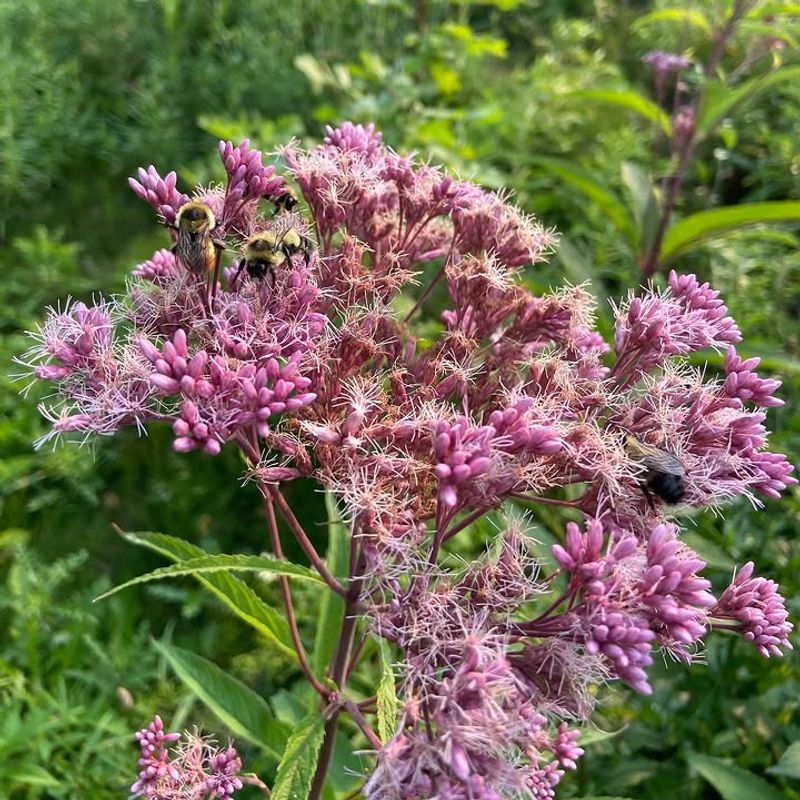
Few plants hit as hard as Joe Pye Weed in late summer — it shoots up to six or seven feet tall in Georgia and covers itself in dusty mauve flower clusters that seem to attract every flying insect within range.
But the above-ground show is only part of what makes it useful for fireflies.
Joe Pye Weed grows best in moist, humus-rich soil, which happens to be the exact type of ground that firefly larvae need to complete their development.
Its tall stems shade the surrounding soil, slowing evaporation during Georgia’s long, hot summers and keeping the ground cooler at the surface where moisture matters most.
As the plant drops leaves and stems in fall, it adds organic material directly to the soil. That decomposing matter feeds the microorganisms and soft-bodied invertebrates that firefly larvae hunt.
More food in the soil means larvae have a better chance of reaching the size they need before winter slows their activity.
Adult fireflies show up around Joe Pye Weed during bloom time, drawn partly by the insect activity on the flowers. In Georgia gardens, planting a clump in a spot that gets morning sun and holds moisture well tends to produce the strongest results.
It spreads slowly from the base, so a small planting can fill in over a few seasons without becoming invasive or difficult to manage.
6. Goldenrod Adds Late Season Cover For Firefly Habitat
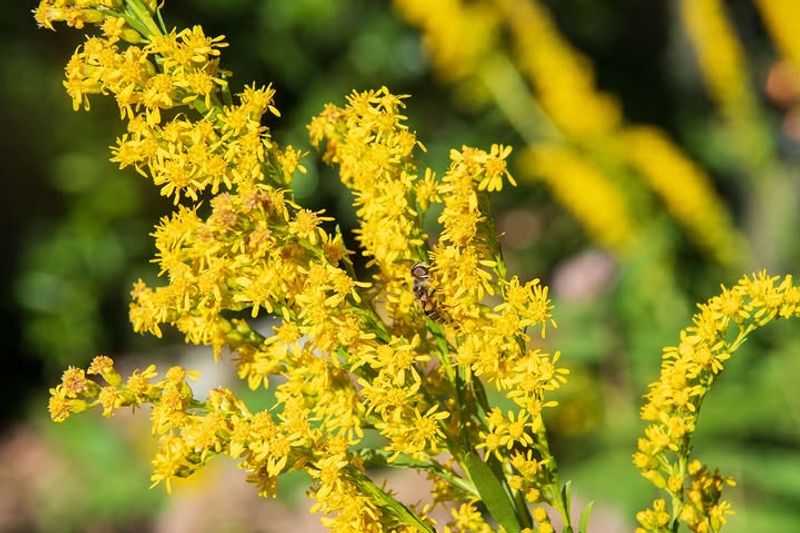
Goldenrod gets blamed for a lot of allergy symptoms it did not cause — that reputation belongs to ragweed, which blooms at the same time.
What Goldenrod actually does is provide one of the most insect-rich environments of any plant blooming in Georgia during fall.
By September and October, most fireflies have already completed their adult stage and returned to the soil as eggs or overwintering larvae.
Goldenrod’s dense, leafy base and the thick layer of stems it drops in late fall give those eggs and young larvae a layer of insulation and organic cover right when they need it most.
The plant thrives in dry to moderately moist soil, so it pairs well with the wetter plants on this list by filling in the drier edges of a firefly-friendly garden.
Planting Goldenrod along a border or meadow patch creates a transition zone where fireflies can move between wet habitat and drier ground cover depending on the season.
Goldenrod also supports a staggering number of insect species, which keeps soil invertebrate populations active well into fall. Firefly larvae feeding in October and November benefit from that sustained food web activity.
Across Georgia, native Goldenrod species like Solidago odora and Solidago rugosa tend to perform best in garden settings and spread at a manageable rate without taking over neighboring plants.
7. Native Ferns Help Maintain Cool Damp Ground Conditions
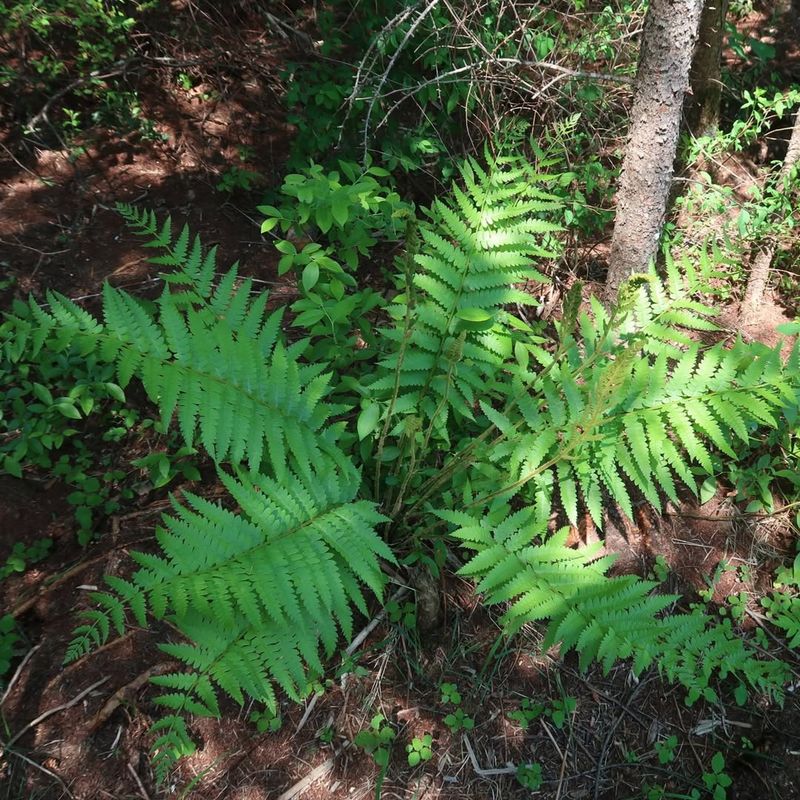
Walk into any shaded hollow in Georgia where the soil stays dark and cool, and you will almost certainly find ferns. You will also likely find fireflies.
That overlap is not a coincidence — ferns and firefly larvae both depend on the same ground conditions to survive.
Fern fronds create a low, dense canopy just above the soil surface that dramatically slows evaporation. In Georgia summers, that shade can keep the top few inches of soil noticeably cooler and moister than exposed ground nearby.
Larvae moving through that zone have a more stable environment for hunting and growing.
Native Georgia ferns like Cinnamon Fern, Royal Fern, and Southern Lady Fern tend to grow in spots that already hold moisture — stream banks, shaded slopes, and woodland edges.
Planting them in similar conditions in your yard extends that cool, damp microhabitat into spaces that might otherwise dry out too quickly for larvae to use.
Fern litter also breaks down slowly and builds up a spongy layer of organic matter on the soil surface. That layer holds moisture, shelters invertebrates, and gives firefly larvae places to move and feed without exposure to heat or predators.
In Georgia, ferns tend to spread gradually through rhizomes, slowly expanding the shaded ground cover over several growing seasons and steadily improving conditions for firefly populations nearby.
8. Native Grasses Provide Shelter And Undisturbed Soil For Fireflies
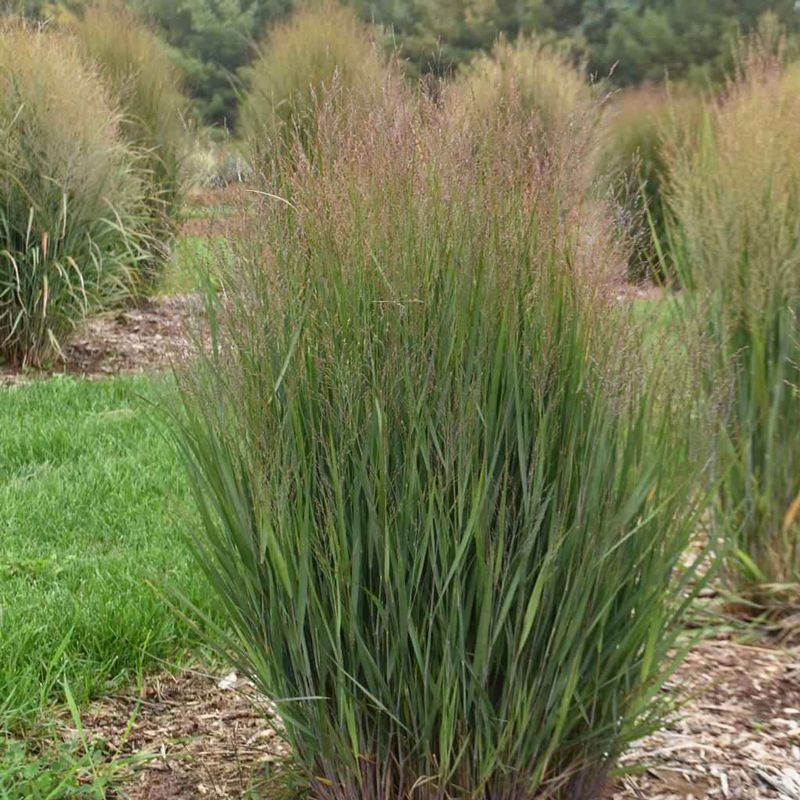
Undisturbed soil is one of the most underrated things you can offer fireflies, and native grasses are one of the easiest ways to create it.
Once a clump of native grass settles in, the ground at its base tends to stay loose, covered, and untouched — exactly the conditions firefly eggs and larvae need.
Grasses like Switchgrass, Elliott’s Lovegrass, and River Oats grow across Georgia and form dense clumps with thick bases that shelter the soil from compaction, rain impact, and temperature swings.
Firefly eggs laid in the surrounding soil have a much higher survival rate when that soil stays loose and consistently moist rather than hard-packed and exposed.
Tall grass stems also give adult fireflies perches and protected spaces for mating flights in late spring and early summer.
Research from the University of Georgia Extension has noted that reducing mowed areas and allowing native grass patches to remain standing through winter can meaningfully support firefly populations over time.
Leaving grass clumps standing through winter is important — cutting them back in fall removes the insulating stem base that overwintering larvae rely on. A light trim in late winter or very early spring, before soil temperatures rise, is a better approach for Georgia gardens.
Even a modest patch of native grass along a fence line or garden edge can quietly become one of the most productive firefly spots in your yard.