These Are The 8 Hardy Alternatives To Butterfly Bush In Ohio
Your Ohio garden deserves a serious upgrade! That Butterfly Bush looks gorgeous, but it behaves like a “gas and go” station for pollinators, offering zero support for the next generation of local wildlife.
This invasive beauty is officially overstaying its welcome in the Buckeye State, crowding out the local plants that actually keep our ecosystem alive. Ohio gardeners deserve better than a high-maintenance guest that threatens our natural prairies.
Transitioning to native powerhouses protects your soil and provides a genuine sanctuary for the birds and bees that call our state home. These alternatives handle our brutal winters and muggy summers with total ease.
Meet the local legends ready to transform your yard into a biodiversity powerhouse!
1. Plant Native Buttonbush For Pollinator Power
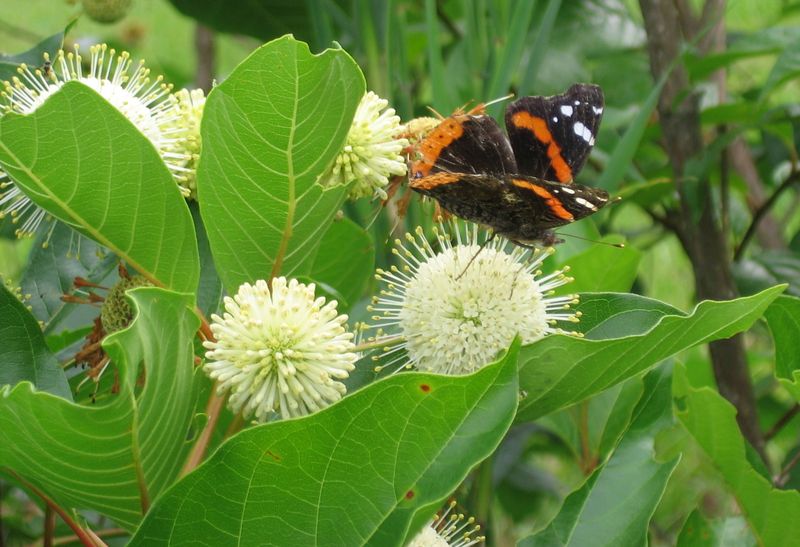
Few shrubs in the Ohio native plant world can match the sheer pollinator spectacle that buttonbush puts on every summer. The creamy white, globe-shaped flowers look like something out of a botanical illustration, and on a warm July morning, they are absolutely covered in bees, butterflies, and hummingbird moths.
Native throughout Ohio, Cephalanthus occidentalis has deep ecological roots in this region and plays a critical role in supporting native bee populations.
One of its biggest selling points for Ohio gardeners is its love of wet feet. Swampy or marshy spots near rain gardens, pond edges, or low-lying areas where other shrubs struggle are exactly where buttonbush thrives.
It handles Ohio’s clay-heavy soils without complaint, and its winter hardiness is rock solid across all of Ohio’s USDA zones 5 and 6.
Buttonbush typically grows 6 to 12 feet tall, though regular pruning keeps it tidy and compact. Plant it in full sun to part shade for best bloom production.
Beyond butterflies, the seed heads attract waterfowl and songbirds well into fall, extending its wildlife value across multiple seasons. For a wet corner of your Ohio yard that needs a hardworking native, buttonbush is genuinely hard to beat.
2. Choose New Jersey Tea For Tough Dry Sites
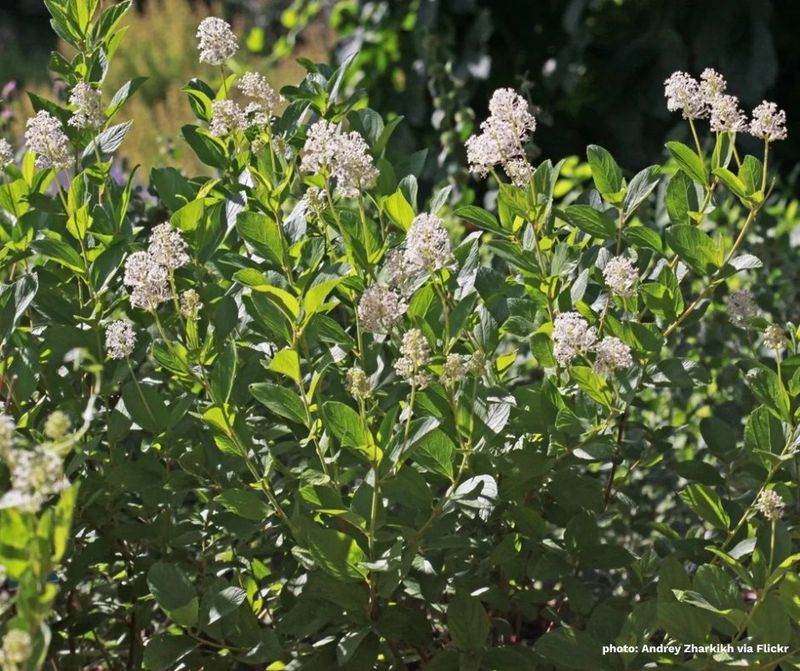
Rocky, dry, sun-baked spots in Ohio gardens are notoriously difficult to plant. New Jersey Tea, Ceanothus americanus, is one of the few native shrubs that genuinely loves those conditions.
Growing only 3 to 4 feet tall and wide, it stays compact without much intervention, making it a practical choice for smaller Ohio yards or foundation plantings where scale matters.
The fluffy clusters of white flowers appear from late spring into early summer and attract an impressive range of native bees, skippers, and small butterflies. What many Ohio gardeners do not realize is that New Jersey Tea is a nitrogen-fixing plant, meaning it actually improves soil fertility over time.
That is a significant bonus in lean, sandy, or gravelly soils where other shrubs barely hang on.
Cold hardiness is another strong point. Rated reliably through USDA zone 4, it handles Ohio winters without protection and bounces back vigorously each spring.
Full sun is ideal, though it tolerates light shade. Once established, supplemental watering is rarely needed, which makes maintenance genuinely low.
For sunny, dry Ohio slopes, roadside strips, or native plant meadow edges, New Jersey Tea earns its place every single season.
3. Add Summersweet For Fragrance And Shade Tolerance
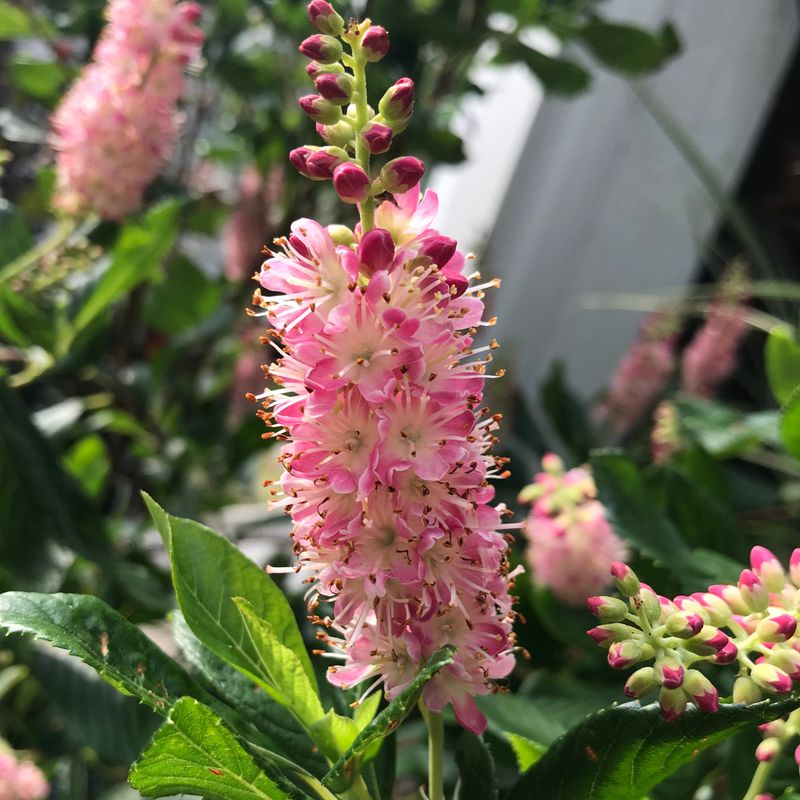
Gardening under trees in Ohio can feel like a puzzle with no good solution. Summersweet, known botanically as Clethra alnifolia, is one of the most reliable answers to that challenge.
The fragrant white or pale pink bottlebrush flower spikes bloom in mid to late summer, filling shaded corners with a sweet, spicy scent that carries surprisingly far on a warm Ohio evening.
Native to the eastern United States, summersweet adapts beautifully to Ohio’s often acidic, moist woodland soils. It tolerates part shade and even deeper shade better than most flowering shrubs, making it invaluable beneath established oaks or maples where nothing else seems to bloom.
Bees, especially bumblebees, are absolutely wild for the flowers, and the plant supports a solid list of native bee species throughout its bloom period.
Mature plants reach 4 to 8 feet tall depending on the cultivar. Compact selections like ‘Hummingbird’ and ‘Ruby Spice’ work especially well in smaller Ohio landscapes.
Fall foliage turns a clean golden yellow, adding a second season of interest before winter. Pruning in early spring keeps growth tidy and encourages strong new flowering wood.
For a shaded, moist Ohio garden spot, summersweet delivers fragrance, wildlife value, and adaptability in one package.
4. Grow Ninebark For Four Season Structure
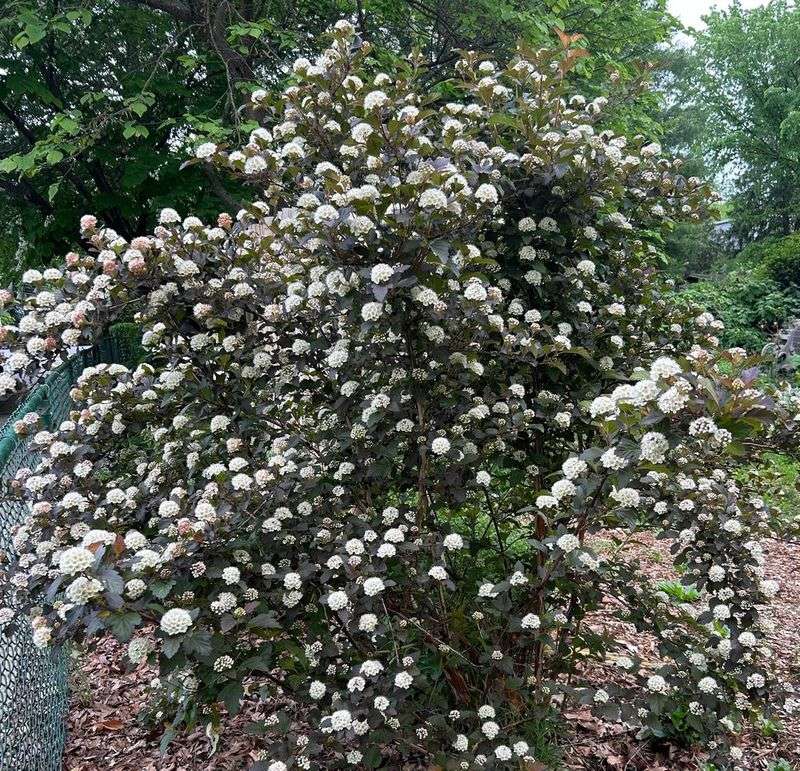
Walk past a mature ninebark in late winter and you will immediately notice the bark. The peeling, cinnamon-toned layers of exfoliating bark on Physocarpus opulifolius create genuine winter interest at a time when most Ohio gardens look bare and brown.
That structural quality alone sets ninebark apart from most flowering shrubs, but the show does not stop there.
Spring brings clusters of white to pale pink flowers that attract native bees and beneficial insects. Summer foliage on modern cultivars like ‘Diabolo’, ‘Coppertina’, and ‘Summer Wine’ ranges from deep burgundy to rich copper, providing bold color contrast in Ohio mixed borders.
Fall delivers reddish seed clusters that birds pick at well into the season, adding ecological value beyond the bloom period.
Cold hardiness is exceptional. Ninebark is rated to USDA zone 2 in some references, which means Ohio’s harshest winters pose absolutely no challenge.
It thrives in full sun to part shade and tolerates a wide range of Ohio soil types, including clay, which is a major practical advantage. Established plants are drought tolerant and require minimal care beyond occasional shaping.
For gardeners who want a native shrub that earns its space across all four seasons, ninebark consistently delivers the goods.
5. Pick Smooth Hydrangea For Reliable Summer Blooms
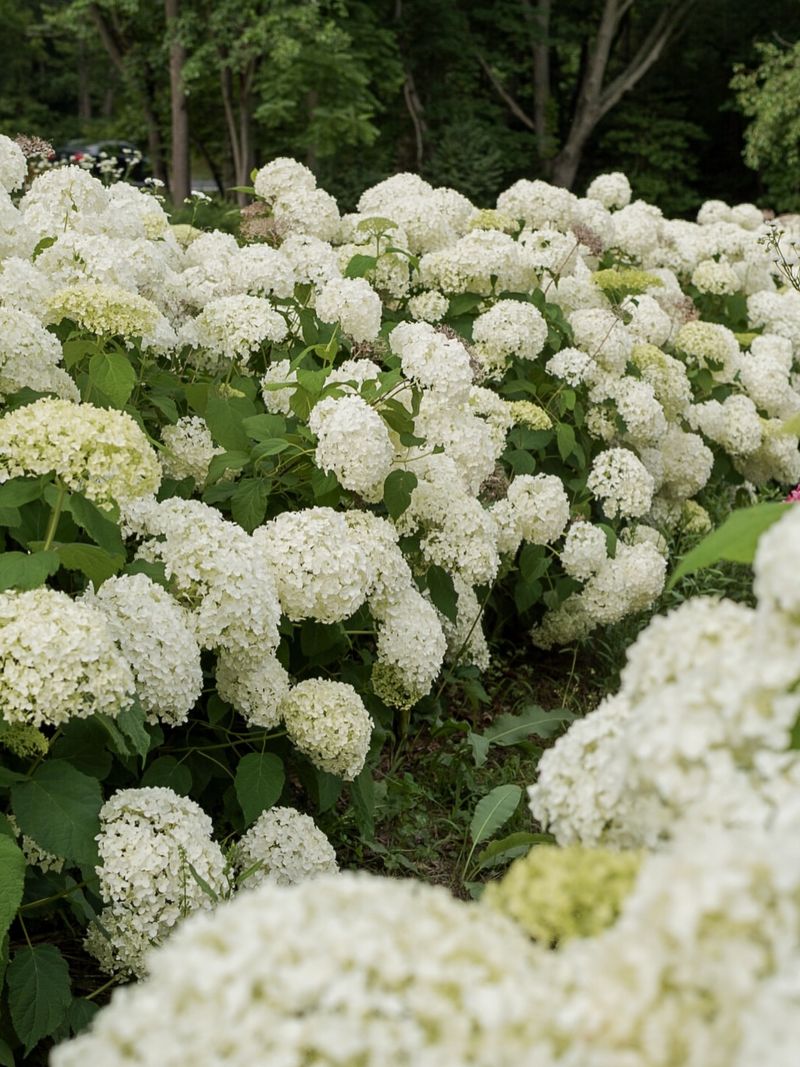
If you have ever watched a butterfly bush get flattened by an Ohio winter only to barely recover by August, smooth hydrangea will feel like a revelation. Hydrangea arborescens is native to Ohio and blooms reliably every single summer because it flowers on new wood, meaning even if stems sustain cold damage over winter, fresh spring growth still produces a full flush of blooms right on schedule.
The large, rounded white flower heads, most famously displayed by the cultivar ‘Annabelle’, can reach up to a foot across and appear from June through August. Pollinators, including native bees and swallowtail butterflies, visit the flowers consistently throughout the bloom period.
The blooms age gracefully from white to parchment green, extending visual interest well into early fall without any deadheading required.
Smooth hydrangea performs well in full sun to part shade and is notably adaptable to Ohio’s clay-heavy soils when given adequate moisture. Plants typically reach 3 to 5 feet tall and wide.
Cutting stems back to about 12 inches in late winter or very early spring encourages the strongest bloom performance each season. For Ohio gardeners who want a low-effort, high-reward native shrub with genuine summer flower power, smooth hydrangea is a consistently dependable choice.
6. Install Blue Mistflower For Late Season Color
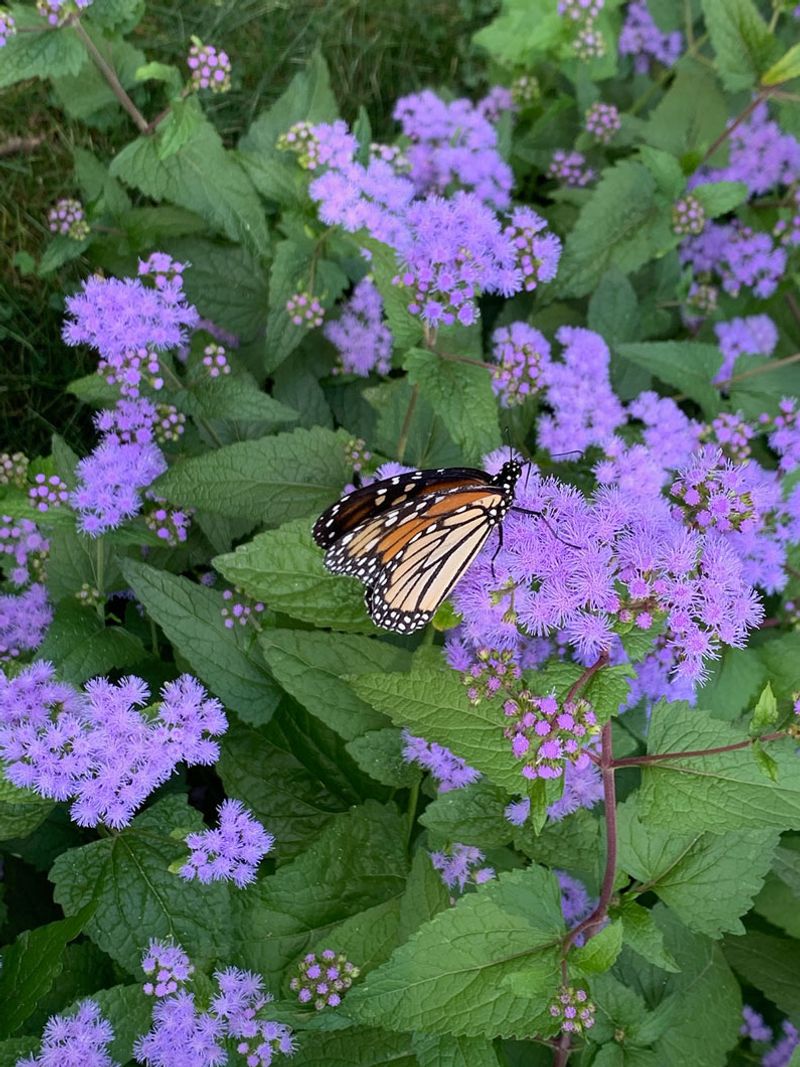
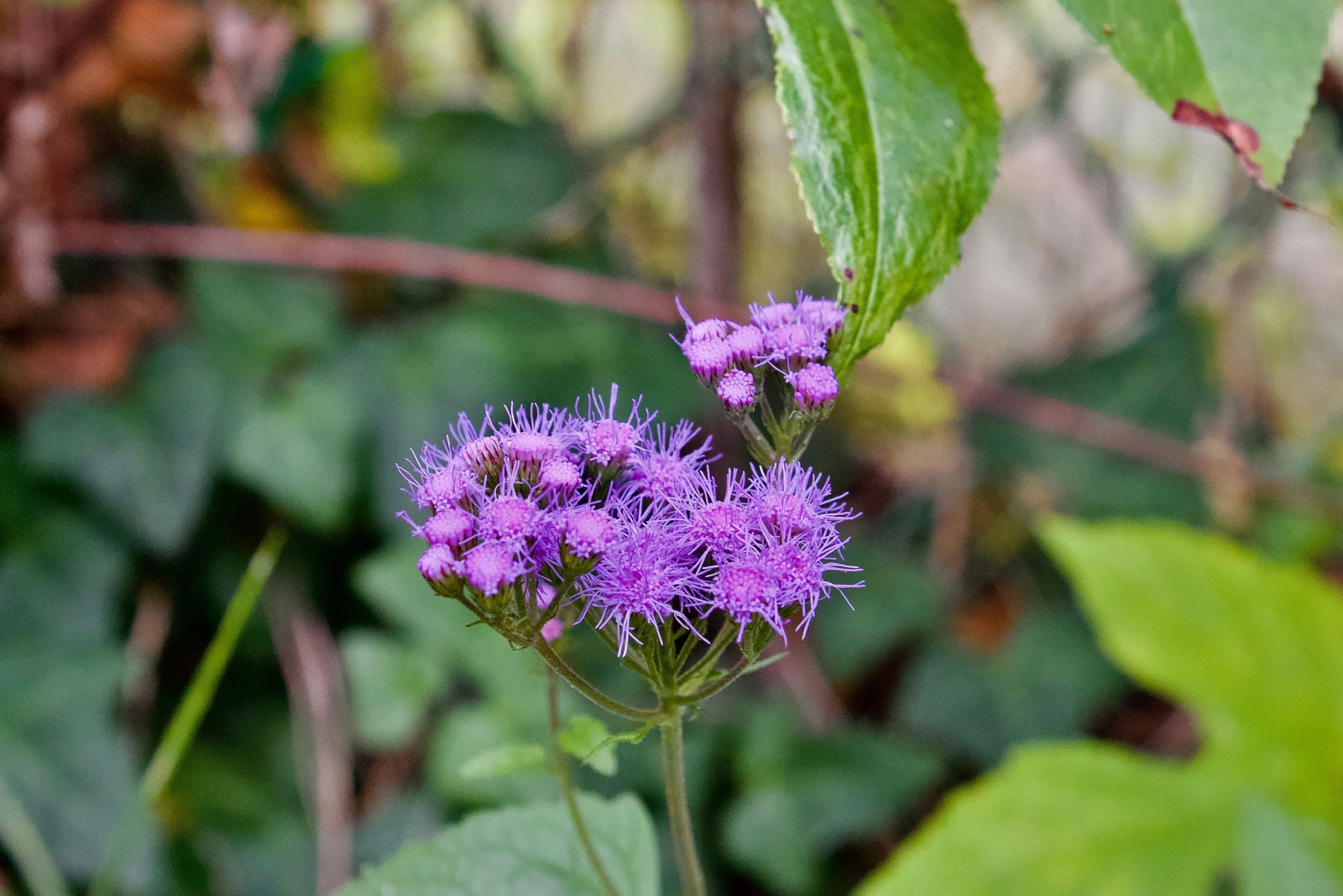
By late August in Ohio, most gardens are starting to look tired. Blue mistflower, Conoclinium coelestinum, is one of the best native perennials for injecting fresh color exactly when the garden needs it most.
The soft, lavender-blue fuzzy flower clusters bloom from late summer through October and have a strong visual resemblance to ageratum, giving borders a lush, fine-textured look during the fall transition season.
Monarch butterflies, migrating through Ohio in September and October, visit blue mistflower heavily. Native bees and skippers also forage on the blooms, making it a meaningful late-season fuel stop for pollinators preparing for winter.
That ecological timing, right when few other natives are blooming, gives blue mistflower outsized value in a pollinator-focused Ohio garden.
One thing to plan for is its spreading habit. Blue mistflower spreads by rhizomes and can colonize a sunny to partly shaded bed fairly quickly.
Planting it in a defined border or managing the edges with a spade each spring keeps it in check without much effort. It tolerates moist Ohio soils well and performs reliably in USDA zones 5 and 6.
For a burst of true blue-purple color when the rest of the garden fades, blue mistflower fills that gap beautifully and dependably.
7. Try Sweetspire For Brilliant Fall Foliage
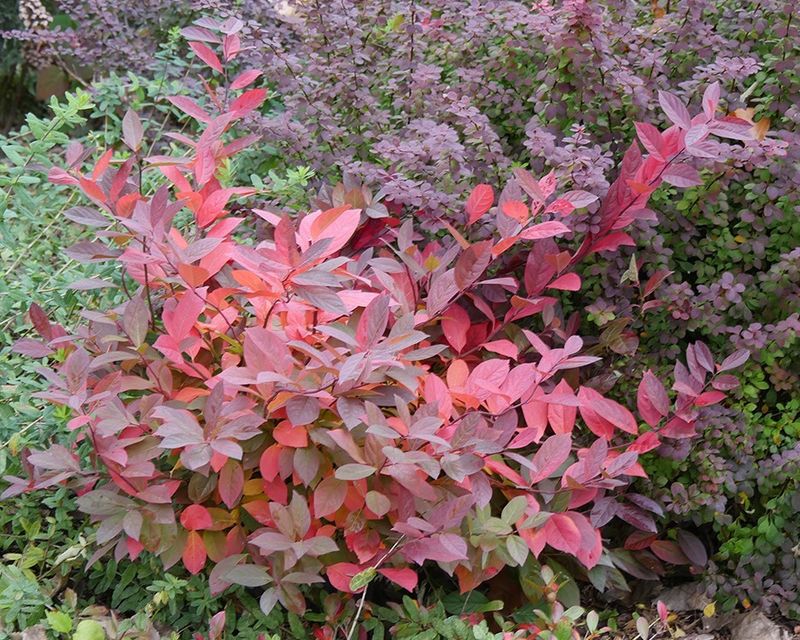
Virginia sweetspire, Itea virginica, earns its spot in Ohio gardens twice over: once in early summer when the arching, fragrant white flower racemes appear, and again in fall when the foliage ignites into some of the most vivid shades of red, orange, and burgundy you will find on any native shrub. That two-season performance makes it genuinely multi-functional in the landscape.
For Ohio gardeners dealing with low-lying areas, rain garden margins, or spots near downspouts that stay moist for long periods, sweetspire is a reliable workhorse. It tolerates wet soils that would stress most ornamental shrubs, yet it also adapts reasonably well to average garden conditions once established.
Full sun produces the best fall color, but the plant grows contentedly in part shade too.
Compact cultivars like ‘Henry’s Garnet’ and ‘Little Henry’ stay 3 to 4 feet tall, fitting neatly into smaller Ohio yards without crowding neighboring plants. Native bees and small butterflies visit the summer flowers, adding ecological value to its ornamental appeal.
Winter hardiness is solid through USDA zone 5, with some cultivars rated to zone 4. Minimal pruning is needed, mostly just removing older stems at the base every few years to encourage fresh, vigorous growth from the ground up.
8. Select Shrubby St John’s Wort For Low Maintenance Color
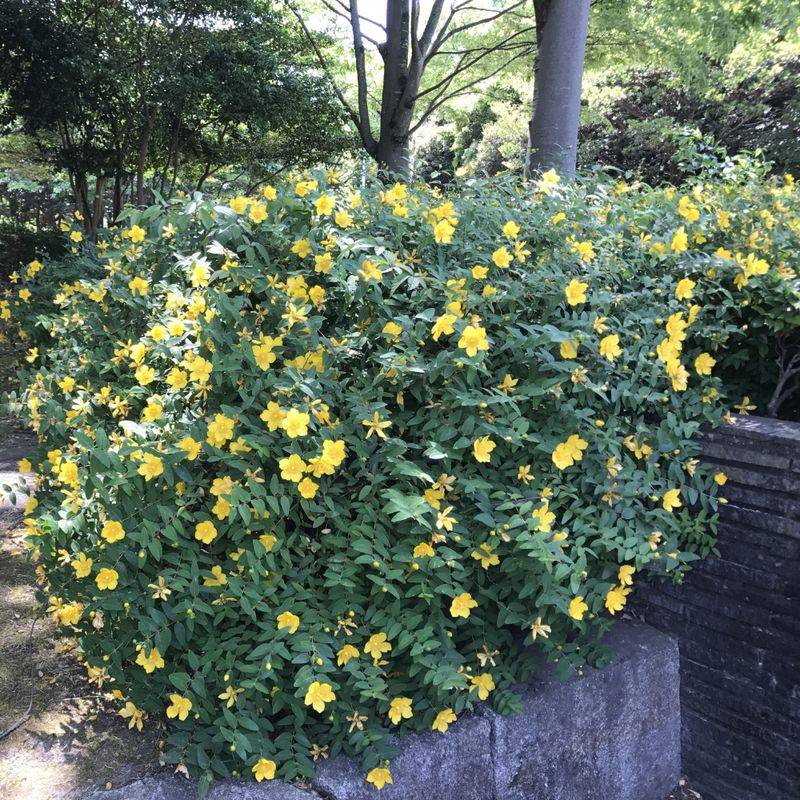
Bright yellow flowers from July through August, a compact and tidy growth habit, and a genuine indifference to tough Ohio soil conditions: shrubby St. John’s Wort, Hypericum prolificum, checks a lot of boxes that most foundation planting shrubs simply cannot. Native to Ohio and the broader eastern United States, it brings cheerful summer color to spots that receive full sun without demanding much in return.
The small, glossy leaves give the plant a fine-textured, refined look that works well against house foundations, along walkways, or in mixed native shrub borders. Growing 1 to 4 feet tall depending on conditions, it stays manageable without aggressive pruning.
Native bees, particularly specialist pollen collectors, seek out the flowers throughout the bloom period, making it more ecologically valuable than many non-native yellow-flowering alternatives.
Soil adaptability is a real strength. Shrubby St. John’s Wort tolerates dry, rocky, and even somewhat sandy Ohio soils that challenge many other natives.
Rated hardy through USDA zone 3, it handles Ohio winters without any protection or coddling. Once established, supplemental irrigation is rarely necessary.
For Ohio homeowners who want a neat, low-fuss native shrub that reliably brightens a sunny bed with warm summer color, this underused plant deserves far more attention than it typically receives.