These Are The Herbs California Gardeners Harvest All Summer With Almost No Effort
Summer is basically herb paradise, and honestly it is about time someone said it out loud. While the rest of the garden might be gasping for water and begging for shade, a well-chosen herb patch is out there absolutely thriving in the heat like it owns the place.
Long sunny days, warm temperatures, and dry spells just so happen to be exactly what a lot of herbs are into. The best part?
Many of them are remarkably low maintenance once they get going. No fussing, no babying, no complicated watering schedules.
Just healthy, fragrant, flavor-packed plants doing their thing all season long.
California herb gardeners have a serious advantage here, and a few well-chosen varieties can keep your kitchen stocked with fresh flavor from a raised bed, a pot, or a tiny patio garden all summer long.
1. Rosemary Keeps Going Through California Summer
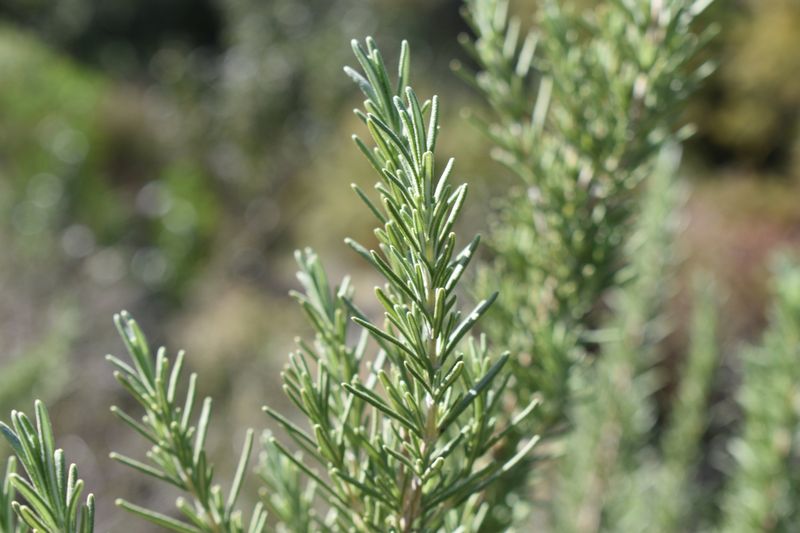
Few plants feel more at home in a California garden than rosemary. Its needle-like leaves, piney fragrance, and woody stems are a familiar sight from San Diego up through the Central Valley, and there is a good reason for that.
Rosemary originates from Mediterranean coastal regions where summers are hot and dry, which means California’s climate suits it very naturally.
Through the warmest months, rosemary rarely slows down. It handles full sun and dry spells without much complaint, especially once it is established in well-drained soil.
Gardeners growing rosemary in raised beds or sloped borders often find it one of the most dependable herbs they own.
Harvesting is simple. Snip fresh stem tips regularly, and the plant responds by pushing out new growth.
This kind of light, frequent trimming keeps rosemary from becoming too woody and encourages a fuller, bushier shape over time.
In containers on warm patios, rosemary tends to do well as long as the pot has drainage holes and the soil is not kept soggy. Overwatering is a more common issue than underwatering in most herb gardens.
Rosemary pairs beautifully with roasted vegetables, grilled meats, and breads, making it a genuinely useful herb to have within arm’s reach of the kitchen all summer.
2. Thyme Stays Productive With Very Little Fuss
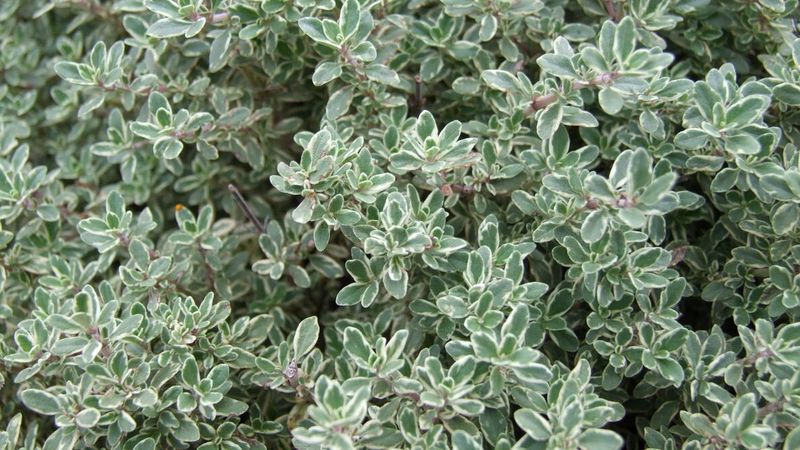
Tucked along a sunny path or spreading across the edge of a raised bed, thyme is one of those herbs that earns its place without asking for much.
It grows low, stays tidy, and produces small aromatic leaves through the entire summer season without needing frequent watering or special soil treatments.
Common thyme, lemon thyme, and creeping thyme all perform well in California gardens. They share a preference for full sun and lean, well-drained soil, which makes them a natural fit for the dry, sunny conditions that define summer across much of the state.
Thyme planted in heavy clay soil or shaded spots tends to struggle, but given the right conditions, it is genuinely low maintenance.
One thing gardeners appreciate about thyme is that harvesting actually encourages the plant to stay productive. Light snipping every week or two prevents the stems from becoming too woody and keeps fresh leaf growth coming.
Your California Garden Changes Every Week. Your Plan Should Too.
Gardening in California changes quickly throughout the season. Every Friday you’ll receive a simple weekly plan showing exactly what to plant, prune, fertilize, harvest, and protect so you never miss the right timing.
Avoid cutting back more than a third of the plant at once for the best ongoing results.
In the kitchen, thyme works with eggs, roasted chicken, soups, and sauces in ways that feel both simple and satisfying.
Growing a small pot of thyme near a kitchen door makes it easy to grab a few stems whenever a recipe calls for it, which in a California summer kitchen happens quite often.
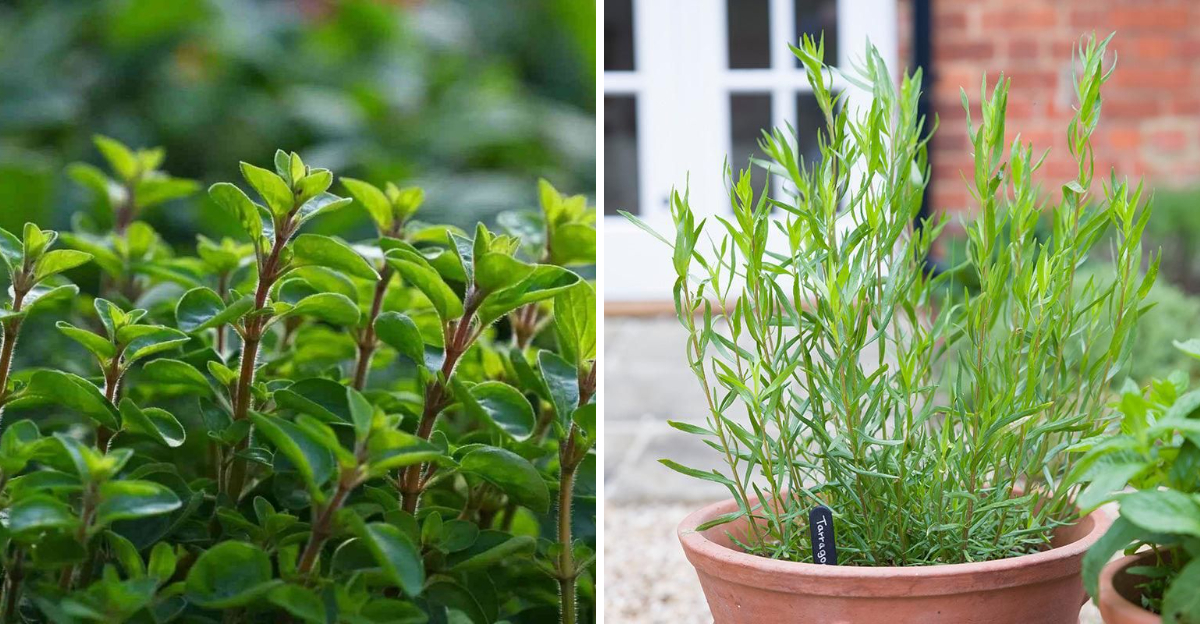
3. Oregano Fills Out Fast And Keeps Producing
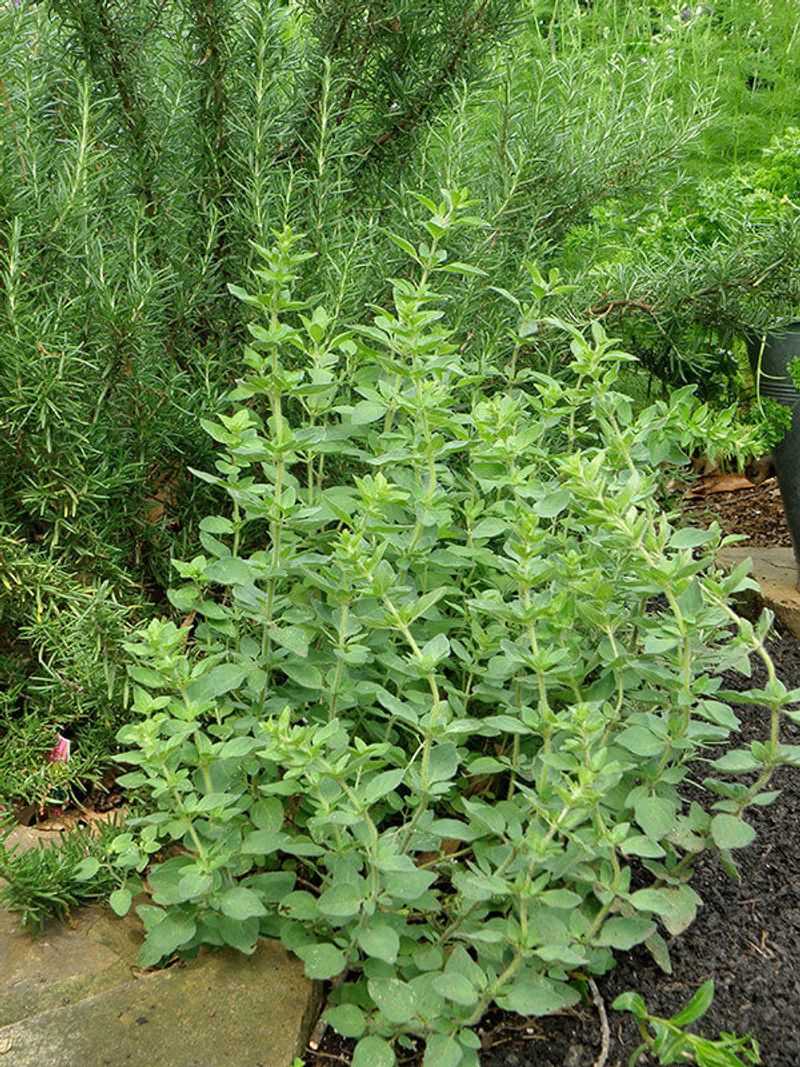
Give oregano a sunny spot and decent drainage, and it will reward you with more leaves than you might expect all summer long.
This herb grows quickly in warm weather and tends to fill out into a full, bushy mound that looks as good in the garden as it tastes in the kitchen.
Oregano shares its Mediterranean roots with rosemary and thyme, which means California’s dry summers feel familiar rather than stressful to this herb.
Once established, it handles heat without wilting dramatically and keeps pushing out fresh growth as long as it gets enough sun and the soil does not stay waterlogged between waterings.
Harvesting oregano regularly is one of the best things you can do for the plant. Cutting stem tips back encourages branching, which means more leaves and a denser plant over the course of the season.
Many gardeners find that oregano grown in containers on a sunny patio produces just as generously as oregano planted in the ground.
The flavor intensifies as summer heat builds, which is something cooks often appreciate. Oregano works in tomato sauces, grilled vegetables, marinades, and pizza, making it one of the most versatile herbs a California kitchen gardener can grow.
Letting a few stems flower at the end of summer also attracts beneficial pollinators to the garden.
4. Sage Offers Steady Harvests In Dry Weather
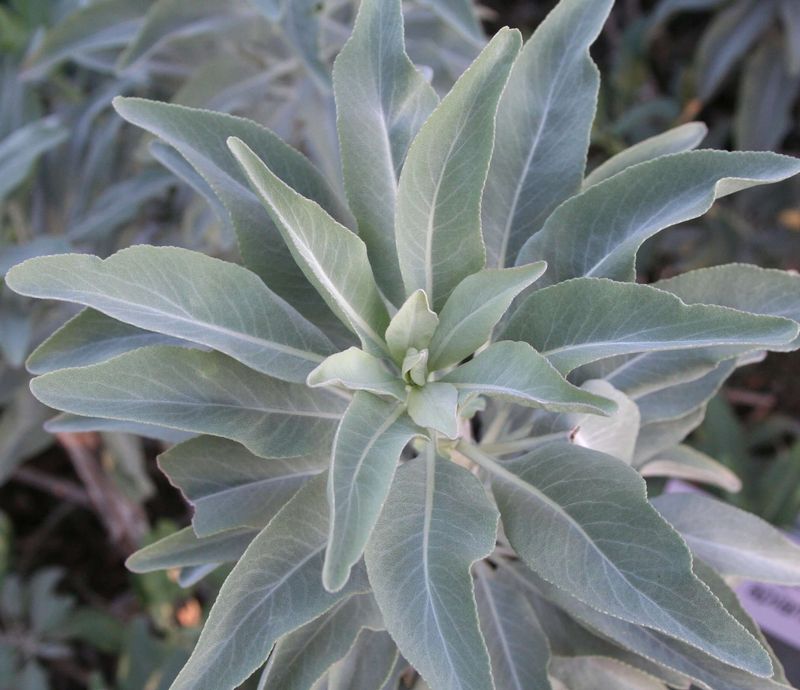
Sage has a kind of quiet reliability that experience gardeners come to count on. Its broad, silvery-green leaves hold up through summer heat without looking stressed, and the plant keeps producing through dry spells that would cause more delicate herbs to sulk.
Common culinary sage originates from rocky, dry hillsides in southern Europe, so California’s warm, low-humidity summers feel natural to it. It grows best in full sun with soil that drains well and does not hold moisture for long.
In heavier soils, planting sage in a raised bed or container helps prevent root problems during summer irrigation cycles.
Harvesting sage through the summer season is straightforward. Pick individual leaves or cut short stem sections regularly to keep the plant productive.
Sage that is never harvested can become quite woody and leggy over time, so regular light picking actually keeps it in better shape through the season.
The flavor of sage is earthy, slightly peppery, and deeply savory, making it useful well beyond Thanksgiving stuffing. California cooks use fresh summer sage in pasta dishes, bean soups, pan sauces, and alongside grilled sausages.
Dried sage from summer harvests stores well too, which means a productive garden plant can keep a kitchen stocked long after the warm weather ends. Sage also has a pleasant fragrance that makes it enjoyable to grow near outdoor seating areas.
5. Lavender Brings Fragrance And Useful Summer Growth
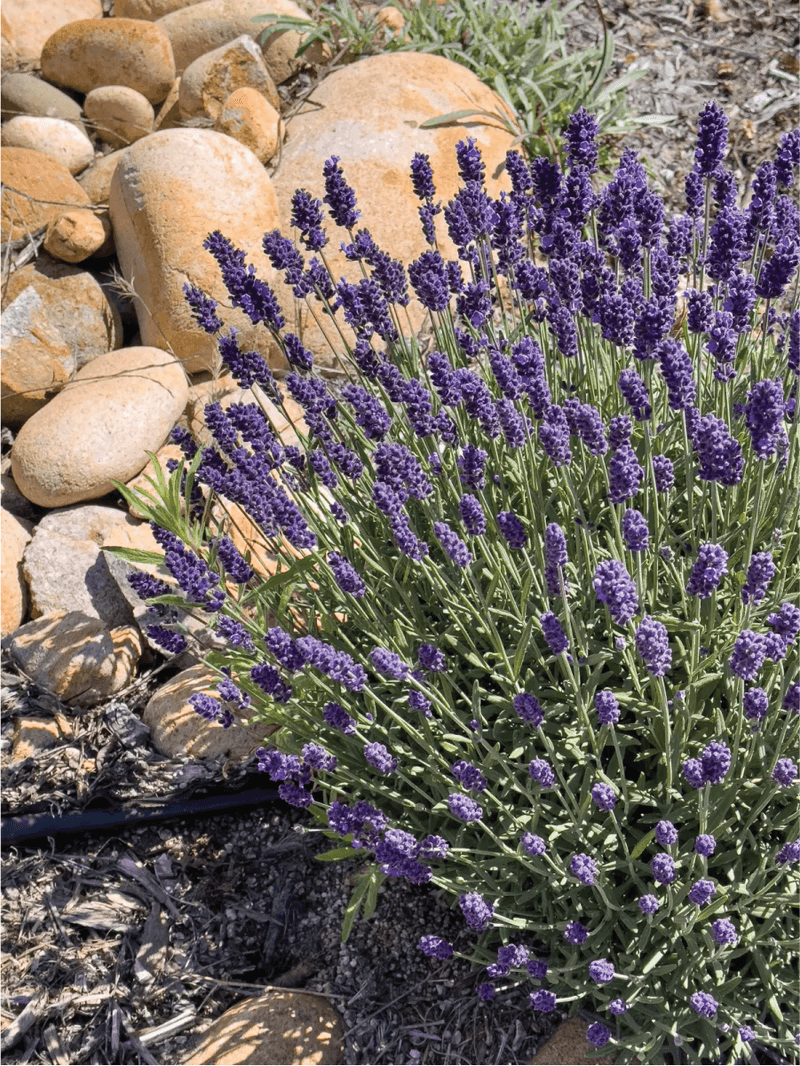
Walking past a lavender plant in full summer bloom is one of the more pleasant experiences a California garden can offer.
The fragrance alone makes it worth growing, but lavender is also genuinely useful through the warm months in ways that go beyond looking and smelling beautiful.
Spanish lavender and English lavender varieties both perform well across many regions, though their preferences can differ slightly.
English lavender handles coastal conditions and moderate summer temperatures well, while Spanish lavender tends to manage inland heat more comfortably.
Choosing the right variety for your specific California microclimate makes a real difference in summer performance.
Lavender flowers and leaves can be harvested through the summer season for culinary use, dried arrangements, sachets, and homemade infusions. Cutting flower stems just before the blooms fully open gives the best fragrance and longest shelf life for dried bundles.
Light trimming after the first flush of flowers encourages a second round of blooms in some varieties.
Like rosemary and thyme, lavender comes from Mediterranean-type climates, which is one reason it fits so naturally into California landscapes and herb gardens. It needs full sun, excellent drainage, and relatively infrequent watering once established.
Overwatering lavender in a summer is one of the most common reasons it underperforms. In the right conditions, lavender can be a long-lived and very low-effort summer herb.
6. Marjoram Stays Soft And Productive In Warm Weather
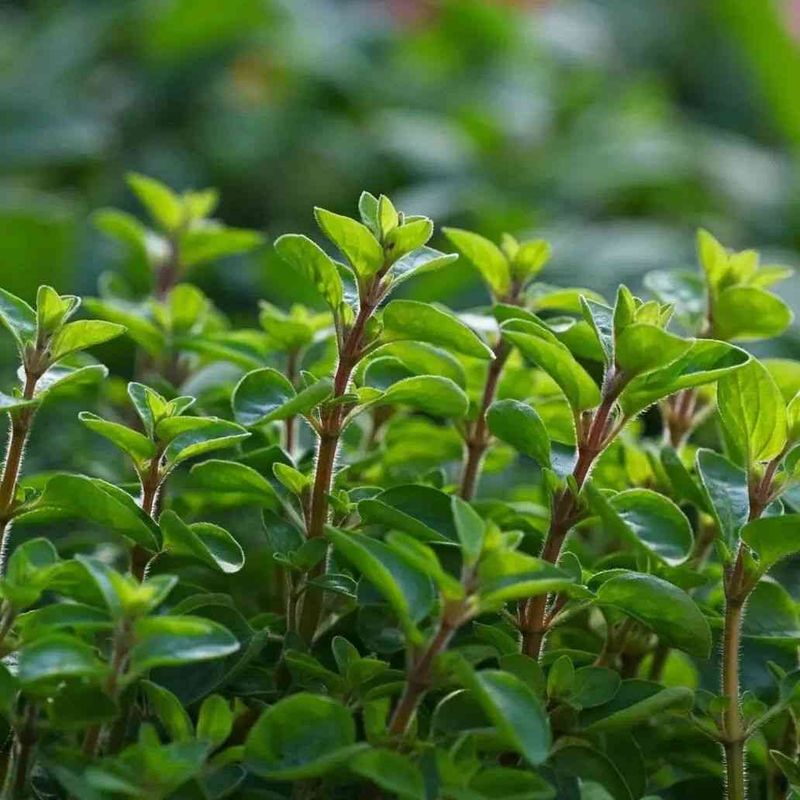
Marjoram does not get as much attention as rosemary or thyme, but California herb gardeners who grow it tend to become quietly devoted to it.
The leaves are softer and more delicate than oregano, the flavor is sweeter and less sharp, and the plant stays productive through warm summers with very little fuss.
Sweet marjoram grows best in full sun with well-drained soil and moderate watering. It handles summer heat reasonably well, especially when given some afternoon shade in the hottest inland areas.
In coastal California gardens, marjoram tends to thrive with minimal intervention through the entire warm season.
One thing that sets marjoram apart from oregano is its texture. The leaves stay soft and tender even in midsummer heat, which makes them easy to use fresh in salads, dressings, and light pasta dishes where a more delicate herb flavor is preferred.
California cooks who discover fresh marjoram often find it becomes a regular addition to summer meals.
Harvesting marjoram works best with light, frequent trims rather than heavy cutting sessions. Snipping stem tips every one to two weeks keeps the plant compact and encourages continuous new growth.
If marjoram is allowed to flower and go to seed, leaf production tends to slow. Pinching off flower buds as they appear through summer keeps the plant focused on producing the flavorful leaves that make it worth growing in the first place.
7. Tarragon Keeps Flavor Coming Through Summer
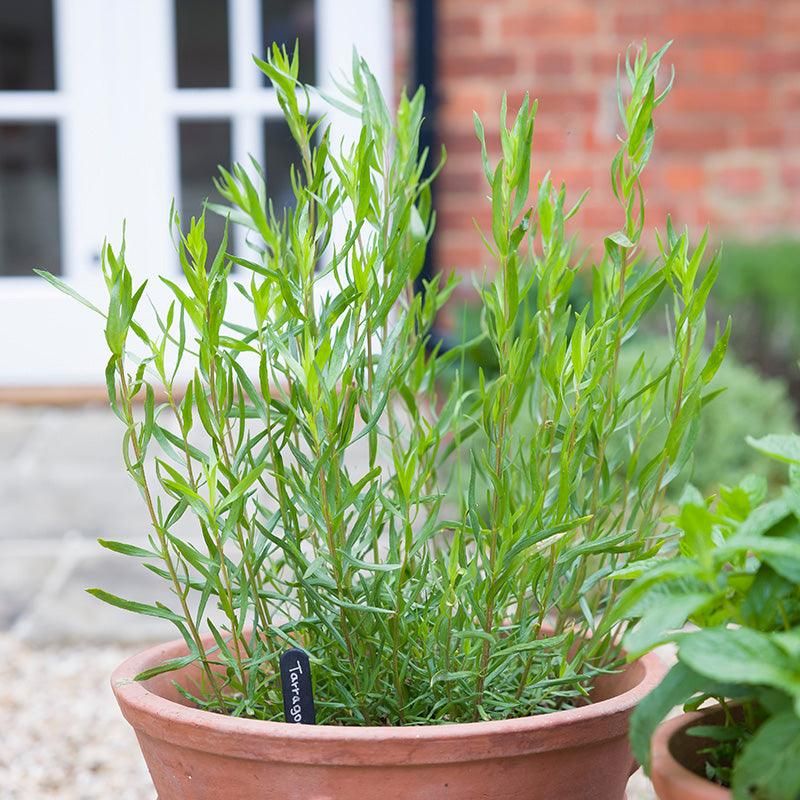
French tarragon has a flavor unlike any other herb in a California summer garden. Its long, slender leaves carry a distinctive anise-like taste that works beautifully in vinegars, cream sauces, chicken dishes, and egg preparations.
For cooks who want something a little more refined in their herb bed, tarragon is a genuinely rewarding choice.
Growing tarragon requires a bit more attention to conditions than rosemary or thyme. French tarragon prefers well-drained soil, full to partial sun, and moderate summer watering.
It does not like to sit in soggy soil, and in the hottest California inland areas, some afternoon shade helps it stay more comfortable through peak summer heat.
An important detail for gardeners is that true French tarragon does not produce viable seed, so it must be grown from cuttings or divisions.
Russian tarragon is available from seed but has significantly less flavor, which is why most culinary gardeners seek out the French variety specifically.
Checking plant labels carefully before purchasing saves disappointment later.
Through summer, tarragon keeps producing harvestable leaves as long as it is not stressed by extreme heat or waterlogged roots. Light harvesting every couple of weeks keeps the plant from becoming too tall and stemmy.
The fresh leaves are best used soon after cutting, though they can be preserved in vinegar or frozen in oil for use beyond the summer growing season.
8. Chives Bounce Back Quickly After Each Cut
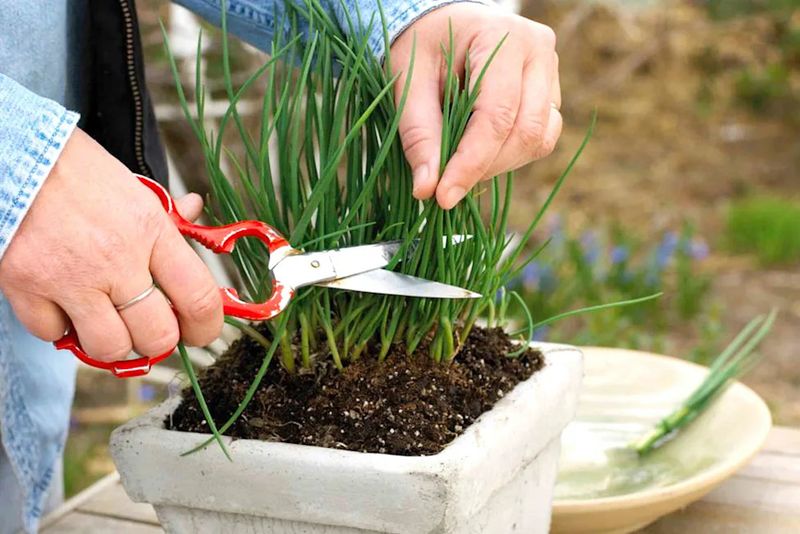
Snip a handful of chives and come back two weeks later to find them standing tall again.
Few herbs in a California summer garden recover quite as quickly or as reliably after harvesting, which is one of the main reasons chives show up in so many home herb beds and kitchen containers across the state.
Chives grow happily in full sun or light partial shade, which gives them a slight edge over some of the stricter Mediterranean herbs that struggle without direct sun all day.
They prefer consistent moisture more than drought-tolerant herbs like rosemary or lavender, but they are still far less demanding than many vegetables grown in summer gardens.
The mild onion flavor of chive leaves works in a wide range of dishes. California cooks reach for fresh chives to finish scrambled eggs, soups, grain bowls, grilled fish, and dips throughout the summer.
The purple flowers that appear earlier in the season are also edible and make a pretty garnish that adds a mild flavor to salads.
Cutting chives down to about an inch above the soil level encourages a full, fresh flush of new growth. Doing this every few weeks through summer keeps the plants looking tidy and productive rather than letting old leaves turn yellow and limp.
In containers on a sunny patio, a couple of chive plants kept well-watered can supply a kitchen with steady harvests from late spring straight through to fall.