These Are The 8 Most Overplanted Ohio Flowers (And What To Grow Instead)
Some flowers show up in Ohio gardens so often that they stop feeling special the second you see them. They are familiar, easy to find, and planted everywhere from front walkways to mailbox beds.
That kind of popularity sounds like a good sign, but it often leads to landscapes that feel repetitive, predictable, and far less interesting than they could be. In some cases, the usual picks also come with more upkeep, shorter bloom windows, or a look that fades fast after the first burst of color.
That is where smarter choices can make a huge difference. The best alternatives do more than replace tired favorites.
They bring fresh texture, longer-lasting beauty, better pollinator value, or stronger performance in Ohio conditions. Swap out the flowers everyone else keeps planting, and your garden can start to feel more original, more dynamic, and a lot more memorable from spring through fall.
1. Purple Loosestrife Is A Beautiful Mistake
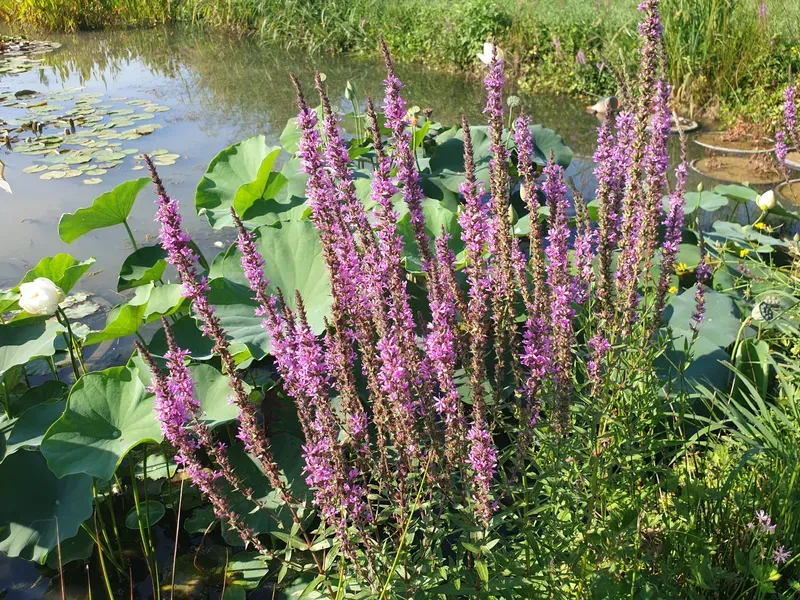
Few plants look as striking along a roadside ditch or pond edge as purple loosestrife, with its tall magenta spikes rising above the waterline. But that beauty comes at a serious cost.
Purple loosestrife is classified as an invasive plant in Ohio and is listed on the Ohio Invasive Plants Council’s watchlist because it spreads aggressively in wetlands, marshes, and along stream banks, forming dense monocultures that crowd out native sedges, rushes, and wetland wildflowers that local wildlife depend on for food and shelter.
A single plant can produce more than two million seeds per year, and once it establishes in a wet area, it is extraordinarily difficult to manage. Ohio gardeners who plant it in good faith often find it has spread far beyond their property lines within a few growing seasons.
Blazing star, also known as Liatris spicata, is a far better choice. It offers the same bold vertical purple color that makes loosestrife so appealing, but it behaves responsibly in the garden.
Native to Ohio, blazing star thrives in full sun with average to dry, well-drained soil. It reaches two to four feet tall, attracts monarchs and bumblebees reliably, and does not spread aggressively.
It is a genuinely rewarding plant that earns its spot.
2. Yellow Flag Iris Is More Trouble Than It Looks
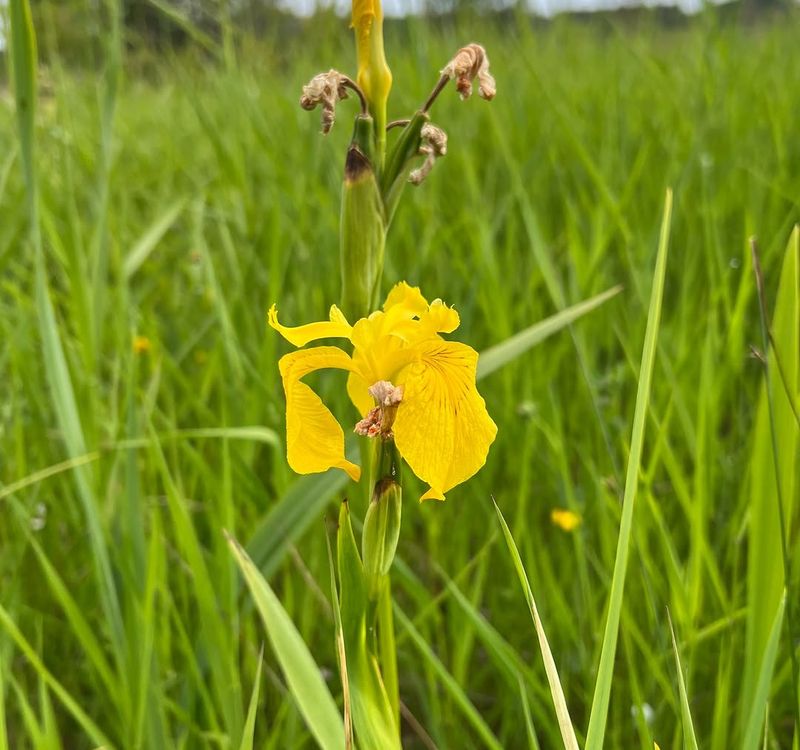
Sold widely at water garden centers and even some big-box stores, yellow flag iris looks like a natural fit for Ohio pond edges and rain gardens. The cheerful yellow blooms are hard to resist.
The problem is that yellow flag iris, Iris pseudacorus, is a highly aggressive spreader in wet environments. It reproduces through both seed and thick rhizomes, allowing it to colonize stream banks, pond margins, and wetlands rapidly.
The Ohio Invasive Plants Council flags it as a plant of concern in natural areas, and several Midwestern states have seen it displace native vegetation in sensitive riparian zones. Its rhizomes are also mildly toxic to livestock and can be irritating to human skin.
For a gardener who just wants a pretty iris near water, that is a lot of unintended consequences.
Blue flag iris, Iris virginica or Iris shrevei, is the native answer. It delivers the same graceful iris flower form with lovely lavender-blue blooms in late spring, and it is genuinely suited to Ohio’s wet meadows, pond edges, and rain gardens.
Blue flag iris spreads at a reasonable pace, supports native bees, and fits naturally into a balanced planting without overwhelming its neighbors. It needs consistent moisture or shallow water to perform well.
3. Lily Of The Valley Comes With Too Much Baggage
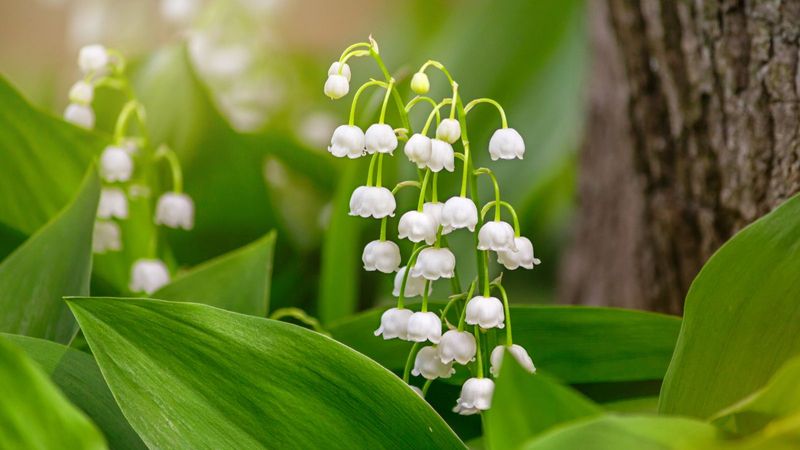
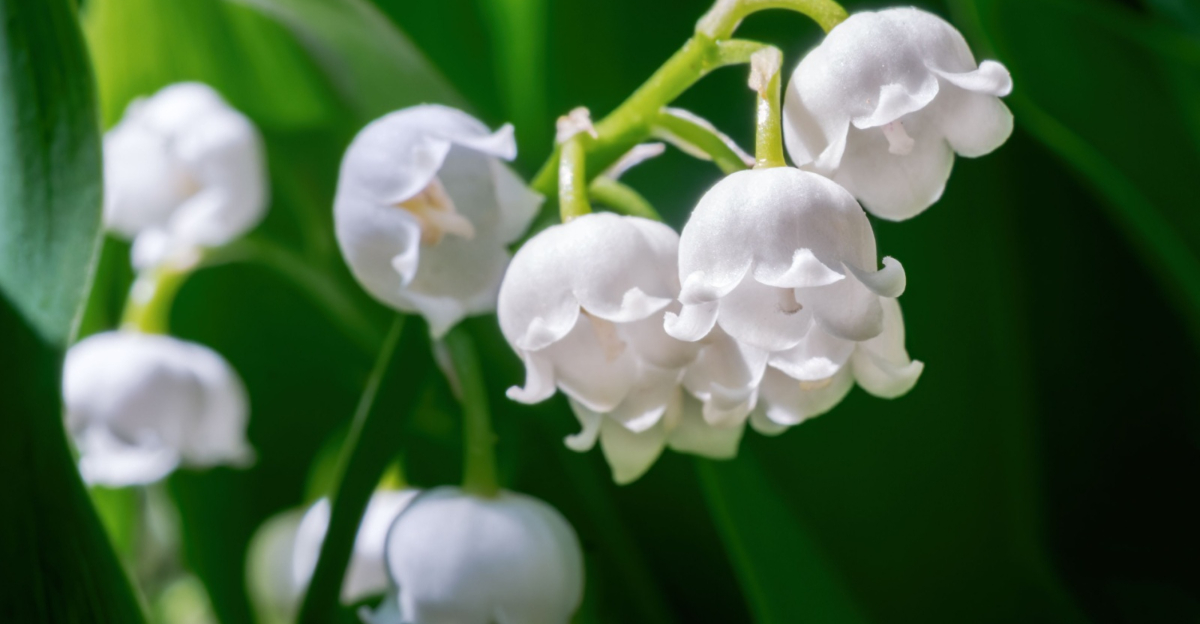
There is something undeniably charming about lily of the valley. The tiny white bells, the sweet fragrance, the way it carpets a shaded corner in spring.
Many gardeners plant it expecting a delicate woodland accent and end up with something closer to a takeover. Convallaria majalis spreads through underground rhizomes and can colonize a shaded bed surprisingly fast, crowding out slower-growing woodland plants that were already thriving in that space.
It is also worth knowing that every part of the plant is toxic to people and pets, which matters if children or animals spend time in the garden. Once established, it is genuinely stubborn to remove because any rhizome fragment left in the soil can resprout.
What started as a pretty ground cover becomes a persistent management challenge.
Foamflower, Tiarella cordifolia, is a native Ohio alternative that brings real beauty to shaded beds without the aggressive spread. It forms attractive clumps of lobed, maple-like leaves and sends up feathery white to pale pink flower spikes in spring.
Foamflower prefers part shade to full shade in moist, organically rich soil, making it well-suited to Ohio’s woodland garden conditions. It spreads gently by stolons but stays manageable, and it supports early-season native bees when little else is blooming.
4. Bishop’s Weed Refuses To Stay In Bounds
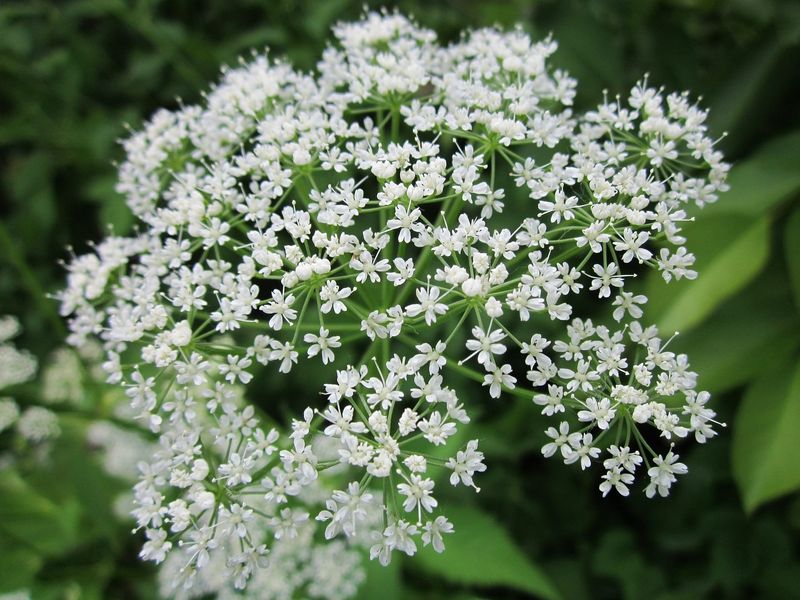
Variegated bishop’s weed, Aegopodium podagraria, has been sold for decades as a carefree ground cover for difficult shaded spots. The green-and-white leaves look tidy in a nursery pot, and the pitch about it thriving in dry shade sounds appealing to any gardener who has struggled with those tough spots under mature trees.
But bishop’s weed is one of the most aggressively spreading perennials that Ohio gardeners regularly regret planting.
It spreads through a dense network of rhizomes that extend far beyond its original planting area, moving into lawns, neighboring beds, and even natural areas. Removing it requires digging out every piece of root, and even small fragments left behind will resprout.
Gardeners who have battled it describe the process as exhausting and seemingly endless. The variegated form can still revert to the solid green type, which spreads even more freely.
Wild geranium, Geranium maculatum, makes a much more satisfying choice for the same shaded or partly shaded spots. It is native to Ohio woodlands and produces lovely lavender-pink flowers in mid-spring that pollinators genuinely love.
Wild geranium grows in clumps rather than spreading by runners, making it far easier to manage. It prefers part shade and moist to average well-drained soil, and it adds seasonal interest without threatening the rest of your garden.
5. Creeping Jenny Spreads Faster Than Most Gardeners Realize
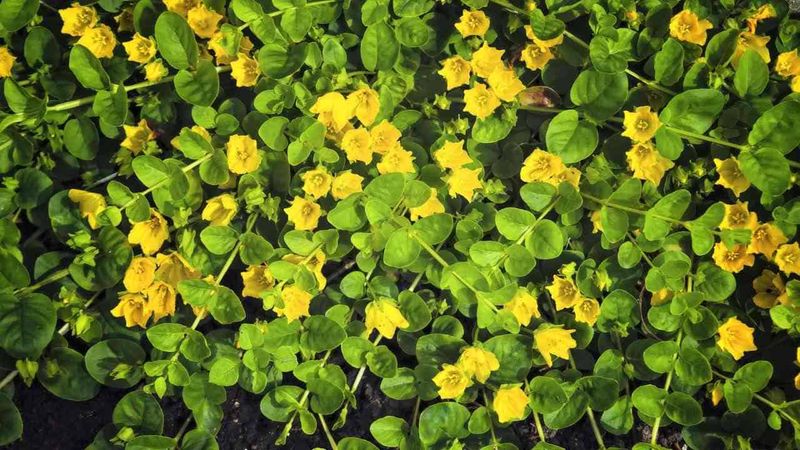
Golden creeping Jenny, Lysimachia nummularia ‘Aurea’, gets recommended constantly as a bright, low-maintenance ground cover for moist spots. The chartreuse foliage is genuinely eye-catching, and it fills in quickly, which seems like a benefit until it keeps going past every edge you set for it.
Creeping Jenny spreads by trailing stems that root at each node wherever they touch moist soil, allowing it to move into lawns, adjacent beds, and nearby low areas faster than most gardeners anticipate.
The standard green form, Lysimachia nummularia, is actually considered invasive in parts of the Midwest and has naturalized in Ohio wetlands and stream corridors. Even the golden cultivar can spread more than expected in favorable conditions.
For gardeners near any natural water feature, it is a plant worth reconsidering carefully.
Golden ragwort, Packera aurea, is a native Ohio alternative that offers similarly bright golden color and effective ground-covering behavior in moist to wet sites. It produces cheerful yellow daisy-like flowers in early spring, one of the earliest native blooms available to pollinators.
Golden ragwort spreads by both stolons and seed, filling in shaded or partly shaded moist areas reliably without the same runaway habit. It performs best in part shade to full shade with consistent moisture and tolerates seasonal flooding well.
6. Ditch Lily Is Tough But Far Too Aggressive
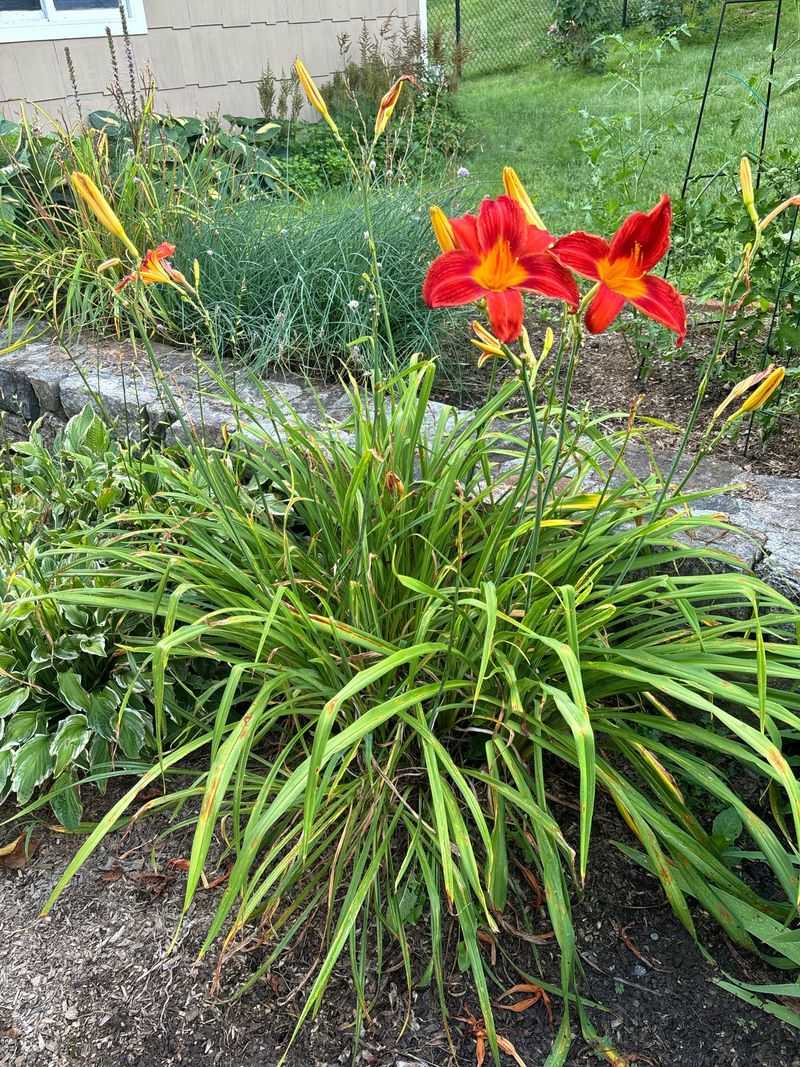
Almost every older Ohio neighborhood has a stretch of ditch lilies somewhere, those bold orange daylilies that bloom reliably in June and seem to ask for nothing. Hemerocallis fulva is genuinely tough, but toughness and good garden behavior are not the same thing.
Ditch lily spreads aggressively through fleshy rhizomes and tuberous roots, forming thick colonies that crowd out other perennials and are difficult to remove completely once established.
Unlike named daylily cultivars, which are sterile or slow-spreading, ditch lily is a vigorous spreader that has naturalized along Ohio roadsides, field edges, and stream banks. It offers little ecological value to native pollinators compared to truly native plants, and its spreading habit makes it a poor choice for any mixed perennial border where you want balance and variety.
Butterfly weed, Asclepias tuberosa, is a much more intentional and ecologically meaningful choice. It produces clusters of brilliant orange flowers from June through August, rivaling ditch lily for pure color impact.
Butterfly weed is a host plant for monarch butterflies and attracts a wide range of native bees and skippers. It thrives in full sun with dry to average, well-drained soil and actually struggles in overly rich or wet conditions.
Once established from its deep taproot, it is long-lived and reliably beautiful without spreading aggressively.
7. Obedient Plant Does Not Always Live Up To Its Name
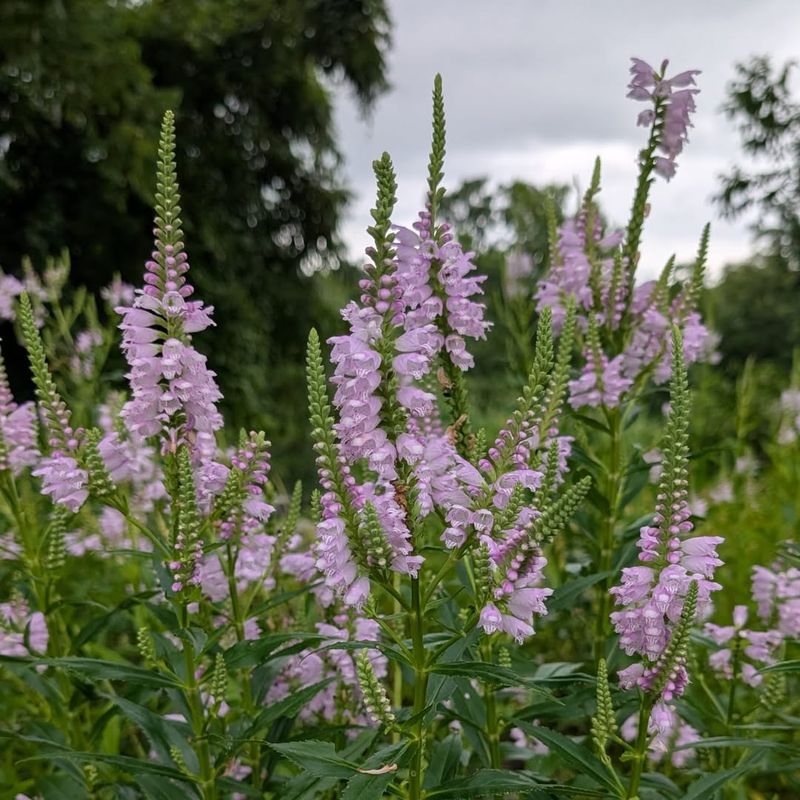
The name sounds reassuring. Obedient plant, Physostegia virginiana, even has an interesting quirk where individual flowers can be repositioned on the stem and will stay where you put them, which is how it earned its common name.
What the name does not warn you about is how aggressively it can spread by rhizomes in garden conditions, especially in moist, fertile soil. Many Ohio gardeners plant it expecting a well-mannered native perennial and find it has muscled into neighboring plants by the second or third season.
Physostegia virginiana is native to parts of North America, including some Ohio habitats, but in a cultivated garden setting with improved soil and regular moisture, it can spread more than expected. Gardeners in small or tightly planted beds often find it requires frequent division and edging to stay in check.
The pink flower spikes are attractive, but the maintenance adds up.
Dense blazing star, Liatris spicata, delivers a similarly strong late-summer vertical show without the same spreading tendency. Its purple flower spikes bloom from top to bottom, which is unusual among flowering plants, and they are magnets for monarchs and native bees.
Dense blazing star grows best in full sun with average to dry, well-drained soil. It forms tidy clumps that expand slowly and politely, making it a much more predictable and rewarding border plant overall.
8. Gooseneck Loosestrife Can Take Over In A Hurry
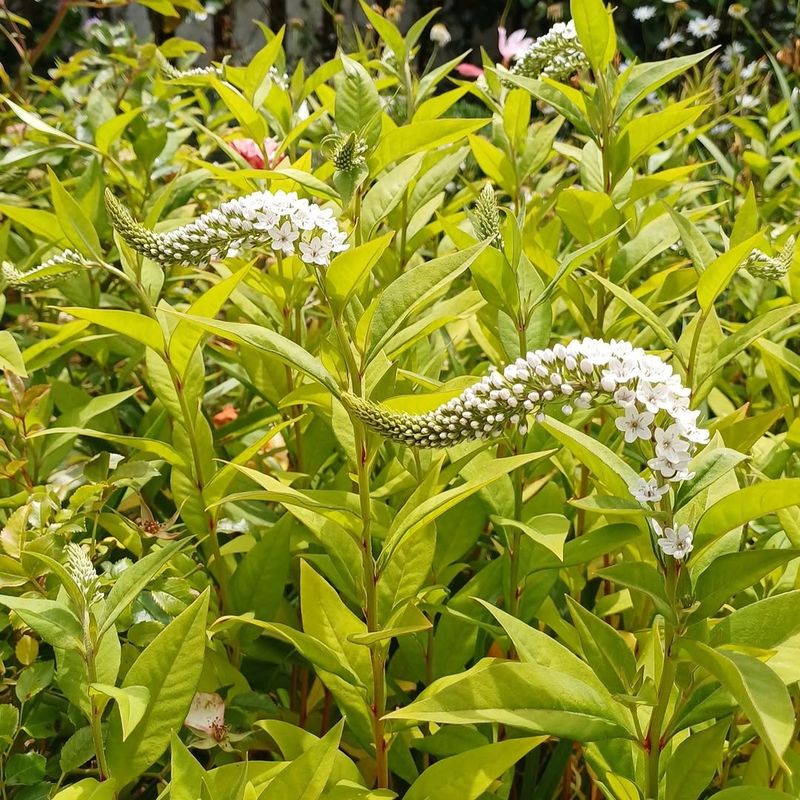
Gooseneck loosestrife, Lysimachia clethroides, has a genuinely elegant look. The arching white flower spikes curve at the tip like the neck of a goose, and they bloom in midsummer when many perennials take a break.
It photographs beautifully in garden books, which is part of why it keeps getting planted. What those photos rarely show is what happens two or three years later, when the plant has spread by rhizomes into a dense, wide colony that is challenging to contain.
In moist, fertile garden soil, gooseneck loosestrife can spread aggressively enough to crowd out neighboring perennials and shrubs. It is not classified as invasive in Ohio the way purple loosestrife is, but its garden behavior frustrates many experienced perennial gardeners who underestimated how much space it would claim.
Dividing it frequently helps but does not eliminate the problem.
Culver’s root, Veronicastrum virginicum, is a native Ohio alternative that offers the same upright, elegant presence with far better garden manners. Its tall, candelabra-like spikes of small white to pale lavender flowers bloom from July into August and can reach four to six feet in height.
Culver’s root prefers full sun to light shade with moist, well-drained soil. It forms a well-behaved clump, attracts a wide variety of native bees and butterflies, and brings a refined, architectural quality to sunny or lightly shaded borders.