These Are The 7 Ohio Prairie Plants With Roots Built For Heavy Soil
Clay soil in Ohio has a reputation, and not a friendly one. It sticks, it compacts, and it can turn a hopeful planting day into a battle.
Yet out on native prairies across the state, tough plants rise through that same heavy ground without struggle. Their secret sits below the surface.
Deep, powerful root systems push through dense soil, open it up, and tap moisture that shallow-rooted plants never reach. That strength shows up above ground with steady growth, better drought tolerance, and blooms that hold through summer heat.
Ohio gardeners who work with clay instead of fighting it often see the biggest payoff. Prairie species bring structure, resilience, and long-season color to spots where other plants fall short.
Once established, they ask for less effort and give back more than expected. The right roots can turn stubborn soil into one of the most reliable parts of your garden.
1. Switchgrass Builds Deep Roots That Break Through Heavy Soil
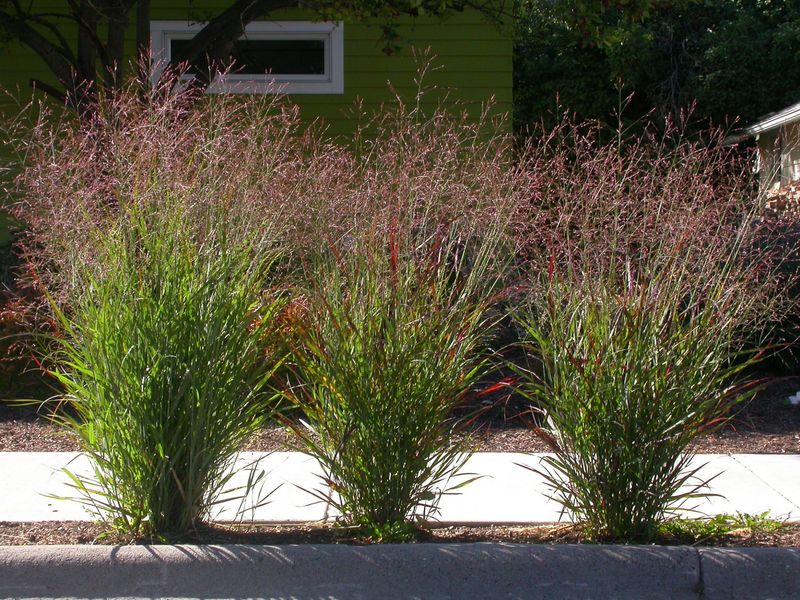
Few native grasses earn their place in Ohio landscapes quite like Panicum virgatum, commonly known as switchgrass. With fibrous roots that commonly push 6 to 10 feet or deeper into the ground, this warm-season grass is a serious soil-breaker.
Those roots do not just anchor the plant, they physically loosen compacted clay layers, creating channels that let air and water move more freely through the soil profile.
Across Ohio, switchgrass handles conditions that would stress most ornamental grasses. It tolerates standing water in spring and bounces back from summer drought without missing a beat.
That adaptability comes from its root system, which stores energy and moisture far below the surface where shallow-rooted plants cannot reach.
Switchgrass adds real visual interest too. Airy seed heads catch the light in late summer, and the foliage turns golden-orange in fall.
Wildlife, including birds and beneficial insects, use the plant for shelter and food throughout the year.
From the clay-heavy soils of western Ohio to the variable terrain of the eastern part of the state, switchgrass performs consistently. It grows well in both full sun and light partial shade, making it flexible for many garden designs.
For a practical planting tip, start switchgrass from plugs or bare-root stock rather than seed if you want faster establishment. Space plants about 2 to 3 feet apart to allow the root systems room to develop fully without competing for resources in their first growing season.
2. Compass Plant Sends Long Taproots Deep Into Dense Clay
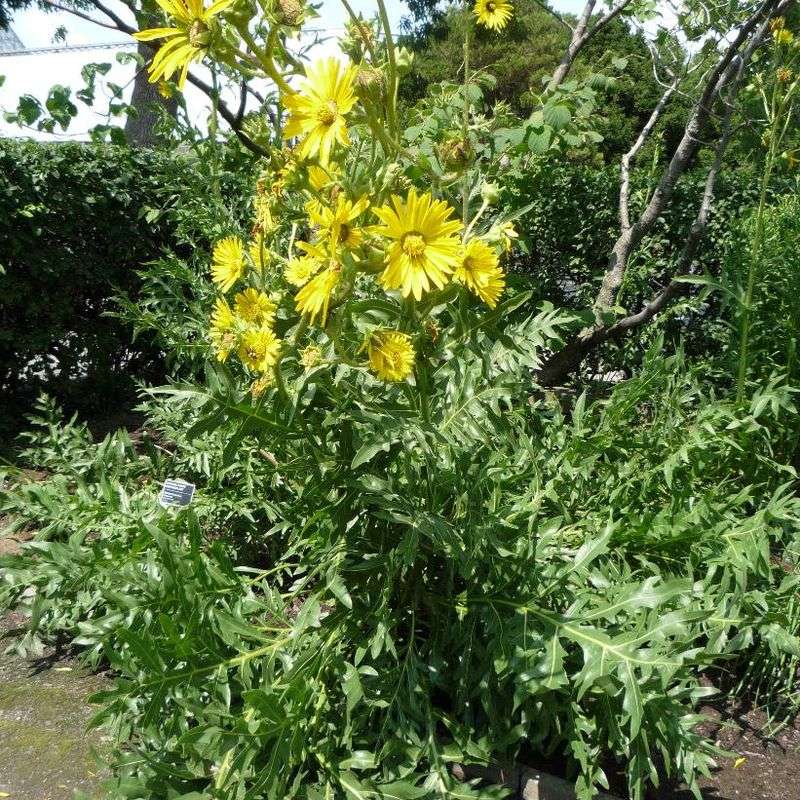
Standing up to 8 feet tall with bold, deeply lobed leaves that tend to orient north to south, Silphium laciniatum is one of the most dramatic native plants you can grow in Ohio. Early settlers reportedly used those leaf orientations to help navigate the open prairie, which is how the compass plant earned its name.
But what happens underground is just as impressive as what you see above it.
The taproot of a mature compass plant frequently exceeds 10 feet in depth, driving straight down through dense clay like a natural soil probe. That deep anchor gives the plant extraordinary drought tolerance once it settles in.
The roots fracture compacted clay layers and create pathways that gradually improve water infiltration over time.
Full sun is non-negotiable for compass plant. In shaded spots, it grows weakly and rarely blooms well.
Choose a location that gets at least 6 to 8 hours of direct sunlight daily, and the plant will reward you with bright yellow blooms from midsummer into fall that pollinators absolutely love.
One of the most important things to understand about compass plant is that transplanting an established specimen is very difficult and often unsuccessful. The taproot is so deep and fragile that moving the plant usually sets it back severely.
Choose your planting location carefully from the start, and then leave it alone.
Patience is required since compass plant can take 2 to 3 years to bloom, but once established, it thrives for decades with almost no care.
3. Prairie Dock Thrives In Tough Soil With Strong Anchoring Roots
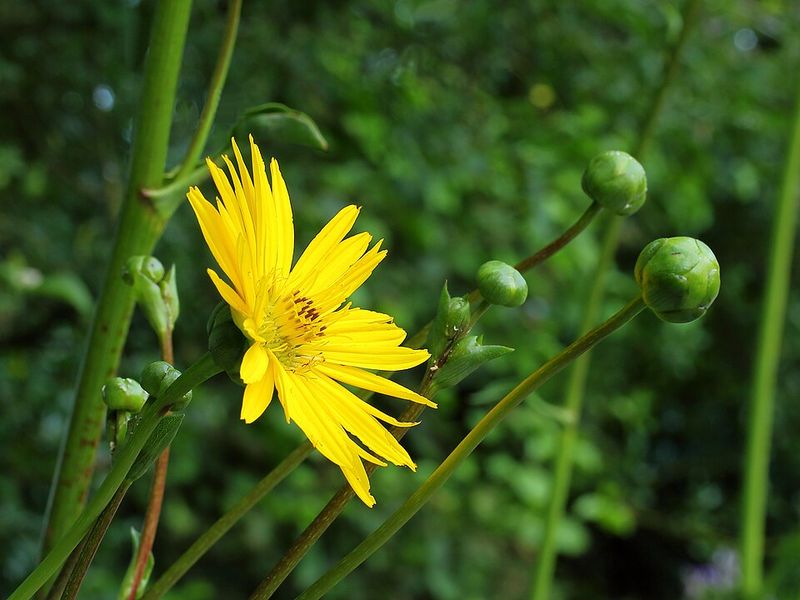
Silphium terebinthinaceum, known as prairie dock, is the kind of plant that makes you do a double take. Its enormous, sandpaper-textured leaves can grow over a foot wide at the base, creating a bold, tropical-looking rosette that feels almost out of place in an Ohio prairie.
But everything about this plant is designed for survival in difficult conditions, starting with its roots.
Prairie dock develops a deep, thick taproot that drives aggressively into heavy clay, anchoring the plant so firmly that wind and soil movement rarely disturb it. Those roots tolerate poor, compacted soil and can handle extended dry periods once the plant is established.
The root system also helps break apart dense clay layers over time, gradually improving the surrounding soil structure.
Above ground, prairie dock sends up tall flower stalks that can reach 6 to 10 feet by midsummer, topped with clusters of small yellow blooms that attract bees and butterflies. The contrast between the giant basal leaves and the wispy flower stalks gives the plant a striking architectural quality in the garden.
Because of its eventual size, spacing matters a lot with prairie dock. Allow at least 3 to 4 feet between plants to give each one room to spread its large leaf canopy without crowding neighbors.
Planting too close together leads to competition and reduces flowering.
Full sun to light partial shade works well for this species, and it performs reliably across most of Ohio without supplemental watering once the root system is established after the first season or two.
4. Cup Plant Handles Wet Heavy Soil Better Than Most Prairie Species
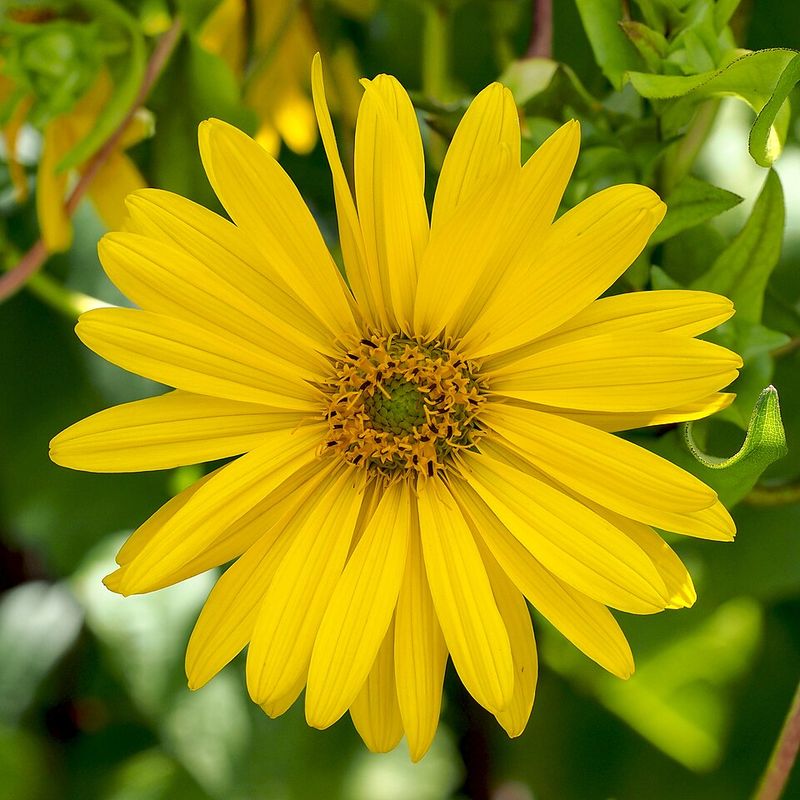
Silphium perfoliatum, the cup plant, has a quirky built-in feature that sets it apart from most prairie natives: its paired leaves fuse around the stem to form a small cup that collects rainwater. Birds and insects drink from these little reservoirs, making cup plant a mini wildlife habitat all on its own.
That water-holding trick also hints at something important about where this plant prefers to grow.
Unlike some prairie species that struggle in soggy conditions, cup plant actively thrives in wet, heavy soil. Low spots in the yard where water lingers after rain?
Cup plant handles those areas with ease. It tolerates the kind of moist, dense clay that causes root rot in most ornamental plants, making it a genuinely useful solution for problem areas in Ohio landscapes.
Mature plants can reach 6 to 8 feet tall with a substantial spreading habit, so give this species room to move. It spreads through both rhizomes and self-seeding, which means a single plant can become a sizable colony over several years.
That spreading habit is a benefit in large naturalized areas but can feel aggressive in smaller garden spaces.
If you need to keep cup plant contained, simply remove new seedlings as they appear each spring before they establish. Cutting back the rhizomes along the colony edges every couple of years also helps manage spread without harming the main planting.
Full sun brings out the best bloom production, with cheerful yellow flowers appearing from midsummer into early fall and attracting goldfinches that feed on the seeds.
5. Big Bluestem Develops Dense Roots That Improve Soil Structure Over Time
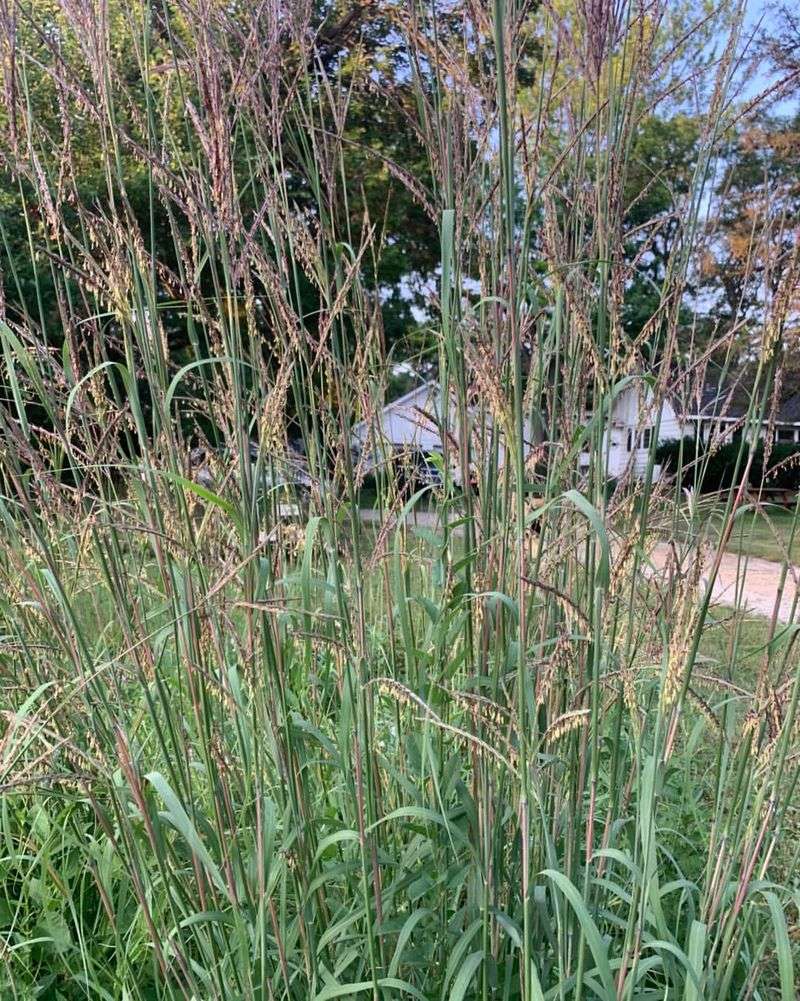
Long before Ohio was farmland, big bluestem covered vast stretches of the Midwest in seas of grass that stood taller than a person on horseback. Andropogon gerardii was the backbone of the tallgrass prairie ecosystem, and its root system is a big reason why.
Roots on mature big bluestem commonly extend 6 to 8 feet deep, sometimes reaching even further, creating a dense underground web that transforms soil structure over time.
In clay-heavy Ohio soils, those deep roots do remarkable work. As they grow and eventually break down, they leave behind channels and organic matter that improve aeration, water movement, and microbial activity.
Gardeners and land managers who plant big bluestem in compacted areas often notice measurable improvements in soil quality within just a few years.
Above ground, big bluestem earns its keep visually. It grows 4 to 6 feet tall and produces the distinctive three-pronged seed heads that inspired its other common name, turkey foot grass.
Fall color is genuinely spectacular, with foliage shifting through shades of burgundy, copper, and orange as temperatures drop.
Clay adaptability is one of this grass’s real strengths. It handles both moderately wet and dry clay conditions, making it a reliable choice across most of Ohio’s varied soil types.
It also resists drought once established, requiring little to no supplemental watering.
For a natural prairie-style look, try planting big bluestem in drifts of five or more plants spaced 18 to 24 inches apart. Mixed with native wildflowers, it creates a low-maintenance planting that looks intentional and supports wildlife year-round.
6. False Indigo Tolerates Clay With Deep Nitrogen-Fixing Roots
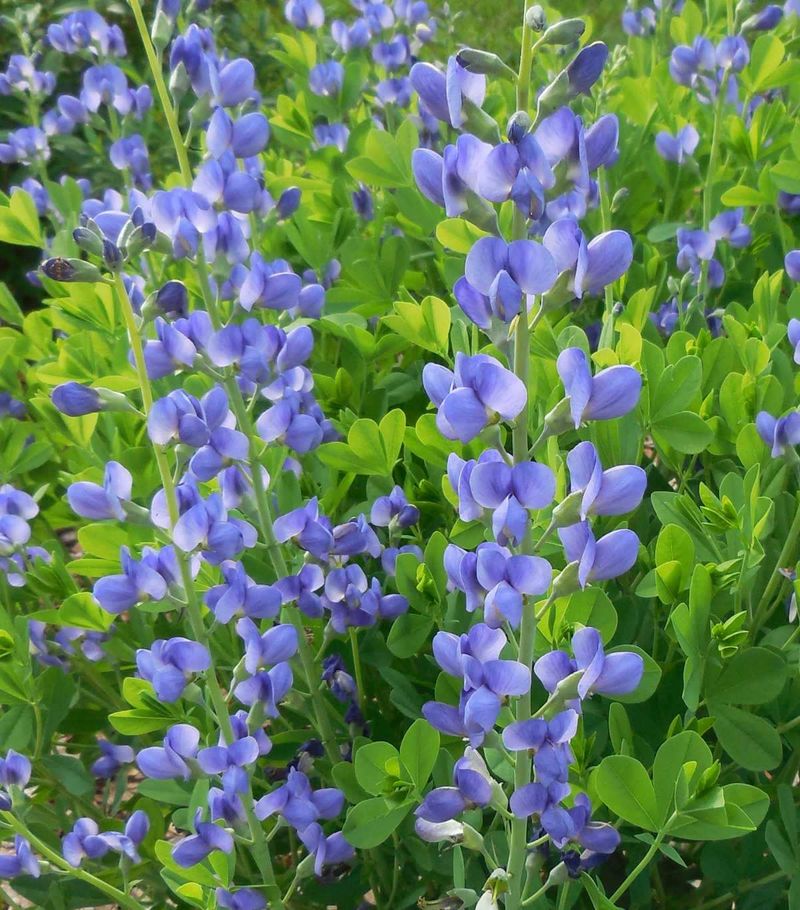
There is a quiet efficiency to Baptisia australis that experienced native plant gardeners deeply appreciate. False indigo does not just survive in tough clay soil, it actually improves it.
As a member of the legume family, its roots form partnerships with nitrogen-fixing bacteria, pulling nitrogen from the air and depositing it into the surrounding soil. Over time, nearby plants benefit from that natural fertility boost.
The root system itself is impressively deep and woody, anchoring false indigo so firmly that established plants rarely need staking even in exposed locations. That same deep root structure gives the plant outstanding drought tolerance, allowing it to tap moisture reserves far below the surface during dry Ohio summers.
Once settled in, false indigo is remarkably self-sufficient.
Spring brings spikes of rich blue-purple flowers that look like lupines and attract bumblebees and other native pollinators. After blooming, the inflated seed pods turn charcoal black and rattle in the wind, adding seasonal interest well into fall and winter.
The blue-green foliage also holds up attractively throughout the growing season.
False indigo is a long-lived perennial with a lifespan that can stretch several decades when left undisturbed. That longevity is tied directly to its root system, which resents disruption.
Avoid moving or dividing the plant once it is established, as it can take years to recover from root disturbance.
Plant false indigo in full sun to light shade and give it space of about 3 feet, because mature clumps spread significantly and look best when allowed to develop naturally without crowding.
7. New England Aster Adapts Well To Clay While Supporting Late Pollinators
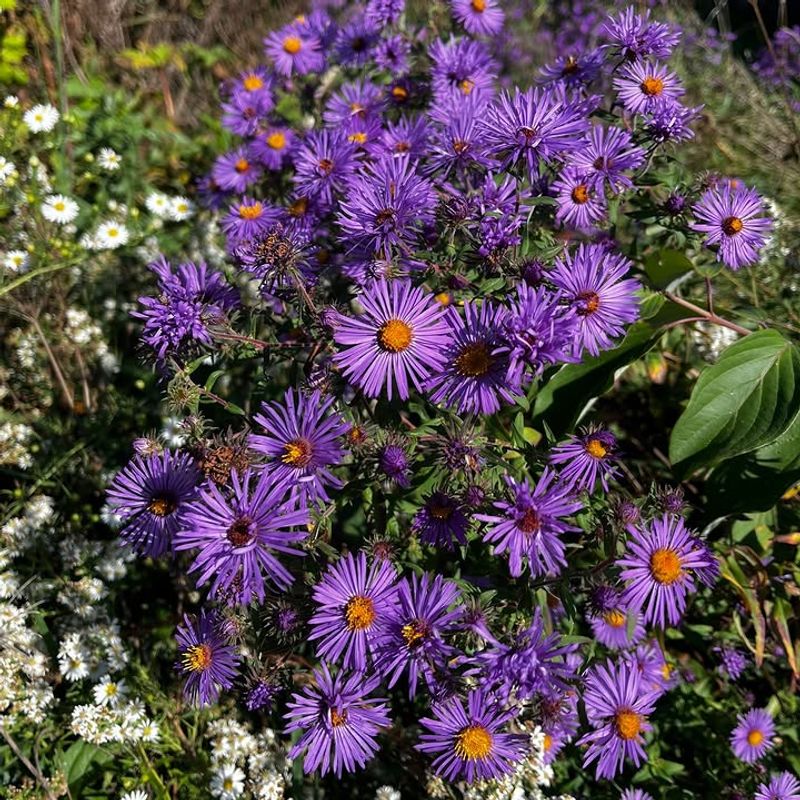
When most of the garden has gone quiet in September and October, Symphyotrichum novae-angliae bursts into color just in time for pollinators making their final push before winter. New England aster produces masses of purple to magenta blooms with bright yellow centers, and on a warm fall afternoon the plant practically hums with bee activity.
For monarch butterflies migrating through Ohio, this aster is a critical fuel stop.
What makes New England aster especially valuable in Ohio landscapes is its adaptability to clay. It handles variable moisture conditions well, tolerating both the wet springs and dry late summers that Ohio gardeners deal with regularly.
Heavy soil does not slow it down the way it limits many other flowering perennials, and it actually seems to settle in more comfortably in clay than in loose, sandy soil.
Mature plants can reach 3 to 6 feet tall and spread steadily through rhizomes, forming sizable clumps over time. That spreading habit fills gaps in a border nicely but can become crowded in small spaces.
Dividing clumps every 2 to 3 years keeps plants vigorous and controls their footprint without any harm to the plant.
For fuller, bushier growth with more blooms, try pinching the stem tips back by about one-third in late spring or early June. This encourages branching and prevents the leggy, floppy habit that untrimmed plants sometimes develop in rich or moderately moist soil.
Full sun to partial shade suits New England aster well, and it pairs beautifully with goldenrod and grasses in naturalistic Ohio garden designs that celebrate fall color.