These Are The 8 Ohio Trees You Should Prune In April
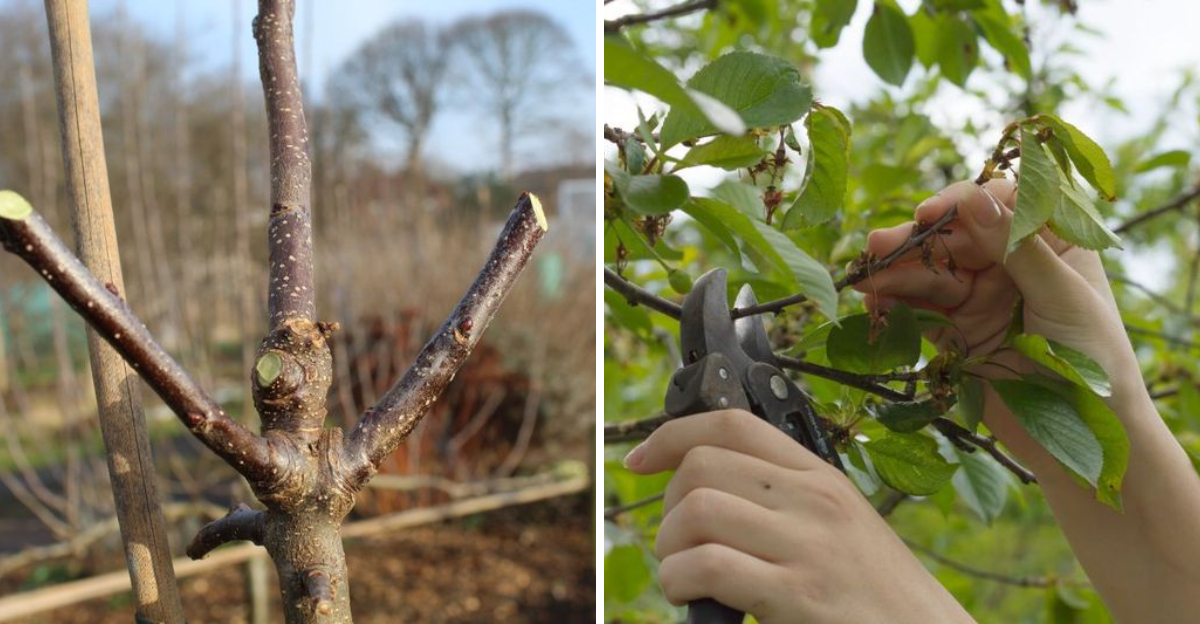
One wrong cut in April can cost your trees an entire season of blooms. That is the part most Ohio homeowners do not realize until it is too late.
Everything starts waking up at once, branches look messy after winter, and it feels like the perfect time to clean things up in a single afternoon. Some trees are ready for that kind of attention and respond with stronger growth and better structure.
Others need a little patience, and cutting too soon can quietly reduce flowering or slow them down. April is not about pruning everything.
It is about timing each tree the right way. Once you know what to cut now and what to leave alone for a few more weeks, your entire landscape starts to look healthier, fuller, and far more intentional.
1. Apple Trees Benefit From Early Spring Structural Pruning
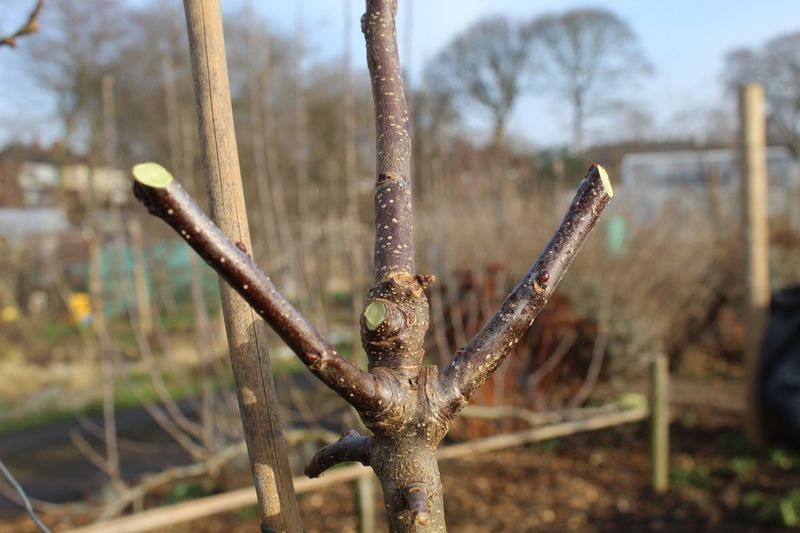
Before the first leaves fully unfurl on your apple tree, April hands you a perfect window to shape it for the entire growing season. Early spring pruning, right when buds are just beginning to swell, lets you see the full branch structure without foliage getting in the way.
That visibility makes all the difference when you are trying to identify problems.
Start by removing any branches that cross or rub against each other. Crossing branches create wounds over time, and those wounds can invite disease into the tree.
Your goal is an open canopy that allows sunlight and air to reach every part of the tree, which directly improves fruit quality and reduces fungal problems like apple scab.
A good rule of thumb is to avoid removing more than one-quarter of the tree’s total canopy in a single season. Focus on the worst offenders first: withered wood, downward-growing branches, and any shoots that crowd the center.
In southern Ohio, early April is ideal since trees break dormancy sooner. In northern Ohio, you may have until mid-April before bud swell becomes too advanced.
Always use sharp, clean pruning tools to make smooth cuts that heal quickly.
2. Pear Trees Respond Well Before Growth Fully Takes Off
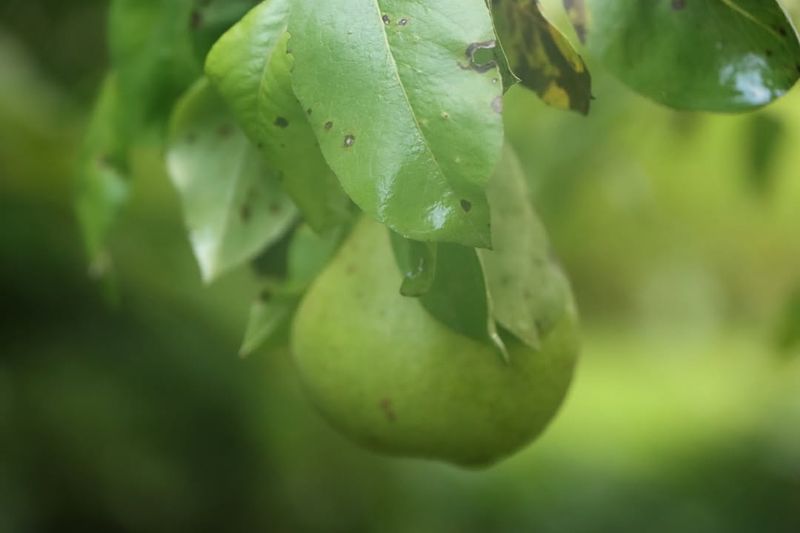
Pear trees have a quiet kind of ambition. Left unpruned, they tend to send branches straight up toward the sky, which makes the tree hard to manage and leaves the lower canopy starved for light.
Early April, before growth fully accelerates, is the right moment to correct this habit and set the tree up for a productive year.
Focus your pruning on branches that grow vertically or crowd the center of the tree. Removing these opens up the interior so sunlight can reach developing fruit.
Pears are also prone to fire blight, a serious bacterial disease, so improving airflow through the canopy is not just about aesthetics. It is a real disease-prevention strategy.
Keep height in check by cutting back the tallest upright shoots to a lateral branch that faces outward. This encourages the tree to spread rather than tower, making harvesting much easier come late summer.
Avoid heavy pruning all at once. Spreading the work over two or three seasons if the tree is significantly overgrown tends to produce better results.
In northern Ohio, aim to finish structural pruning before mid-April, when warmer temperatures push growth into high gear. Sharp bypass pruners will give you the cleanest cuts on smaller branches.
3. Peach Trees Need Early Spring Pruning For Strong Fruiting Wood
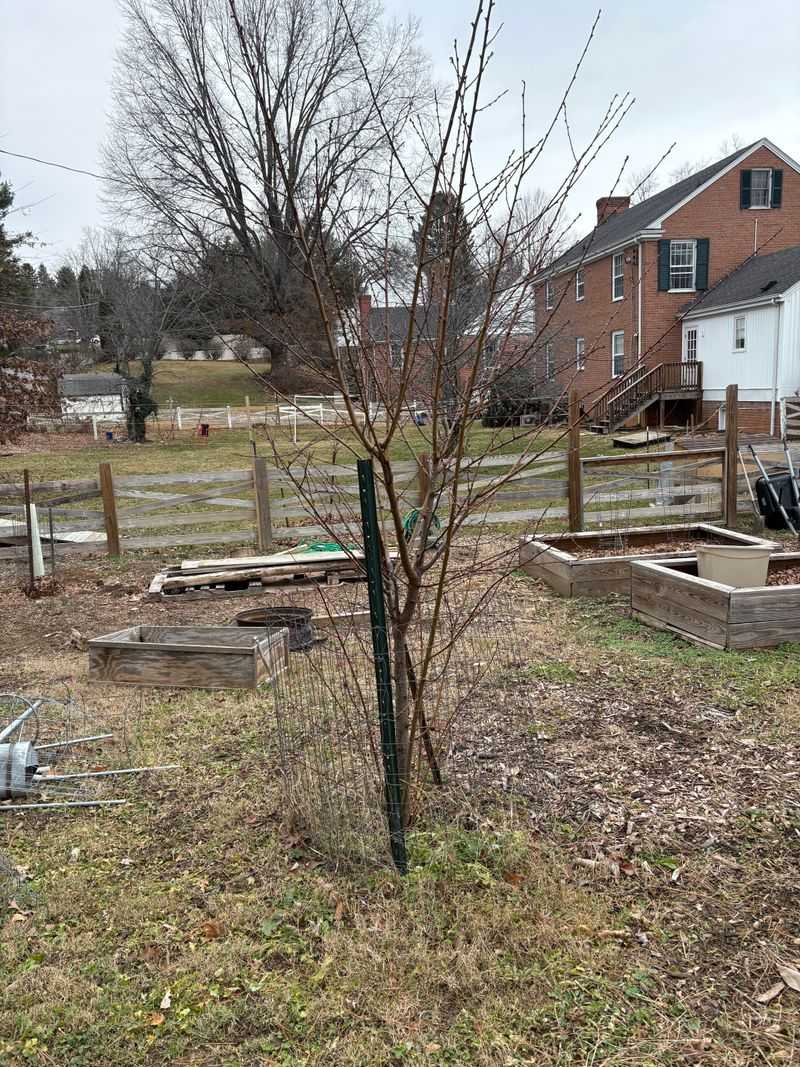
Peach trees are the overachievers of the home orchard. They grow fast, fruit heavily, and absolutely require more aggressive annual pruning than almost any other tree in an Ohio yard.
Skip a year, and you will quickly find yourself with a tangled mess of weak shoots and a disappointing harvest. Early April, just as the pink flower buds begin to show color but before they fully open, is prime time to get to work.
Peaches produce fruit on wood that grew the previous season, so the goal is always to encourage strong new growth each year. Use the open-center method, which means removing the central leader and training three or four main scaffold branches outward and upward.
This keeps the canopy low, spreading, and easy to manage. It also floods the fruiting wood with sunlight, which is essential for good peach flavor and size.
Plan to remove roughly one-third of the canopy each year. Cut back long shoots from last season by about half to stimulate new lateral growth.
Remove any shoots that are thinner than a pencil, as they rarely produce quality fruit. In southern Ohio, peach trees may already be showing pink by early April, so do not delay.
Northern Ohio growers typically have a slightly longer window before full bloom arrives.
4. Flowering Cherry Should Be Trimmed Right After Bloom Fades
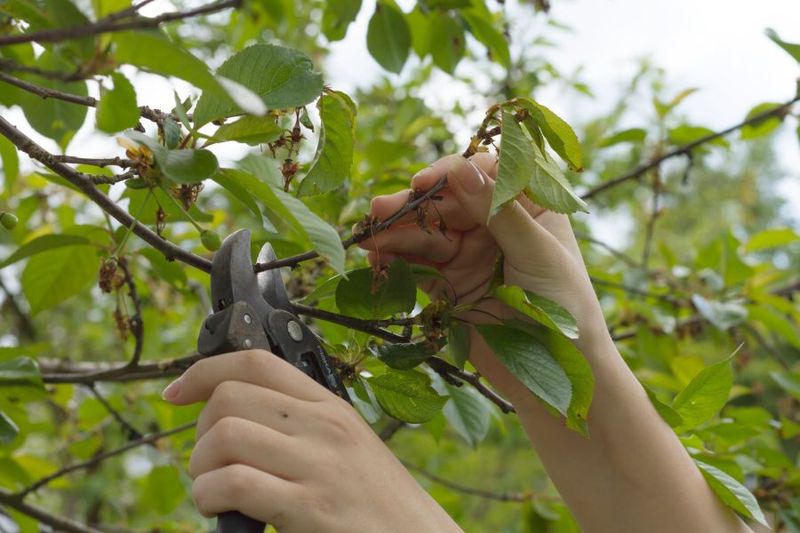
Few sights in an Ohio spring are as breathtaking as a flowering cherry tree in full bloom. All those pink or white blossoms practically stop traffic.
But once that spectacular show wraps up and the petals start drifting to the ground, it is time to pull out the pruning shears and give the tree a little attention.
Waiting until after bloom is not just a suggestion. Flowering cherries set their buds for next year on wood that grows after this season’s bloom, so pruning before or during flowering removes the very buds that would have produced next spring’s display.
Patience here pays off beautifully.
Keep your pruning light and intentional. Remove any branches that look withered, have crossing or rubbing contact, or are growing awkwardly inward toward the center.
Avoid heavy cuts that remove large portions of the canopy, since flowering cherries do not handle aggressive pruning well and are vulnerable to certain fungal diseases that enter through large wounds. Aim for small, clean cuts made just outside the branch collar.
Disinfect your tools between cuts if you notice any signs of disease. A light shaping right after bloom keeps the tree healthy, attractive, and ready to put on another show next April.
5. Redbud Is Best Shaped Once Its Spring Flowers Drop
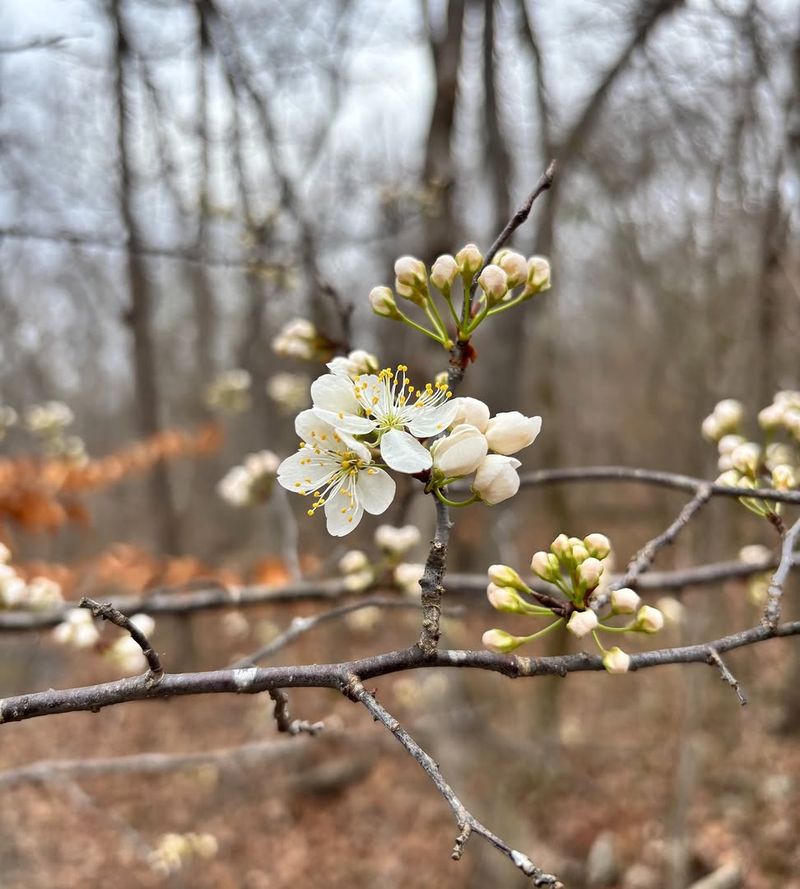
Walk through almost any Ohio neighborhood in early April and you will spot Eastern Redbuds putting on one of the most cheerful color shows of the spring. Those magenta-pink blooms appear directly on the branches and trunk before the heart-shaped leaves emerge, creating a look that feels almost magical.
Once the flowers fade, though, it is a smart time to step in with minimal pruning.
Redbuds are naturally graceful trees that do not need a lot of intervention. Heavy pruning tends to do more harm than good with this species.
What you are really looking for after bloom are branches that were damaged by winter ice, any awkward limbs that cross the main structure, or shoots growing in directions that compromise the tree’s natural shape.
Make your cuts clean and close to the branch collar, and avoid leaving stubs. Redbuds can be slow to seal large wounds, so keep individual cuts small whenever possible.
If a branch is larger than two inches in diameter, consider whether it truly needs to go before making the cut. In Ohio, the post-bloom window for redbuds typically falls between mid and late April, depending on your region.
Southern Ohio redbuds may finish blooming a week or more earlier than those in the northern part of the state.
6. Flowering Dogwood Can Be Lightly Pruned After Bloom
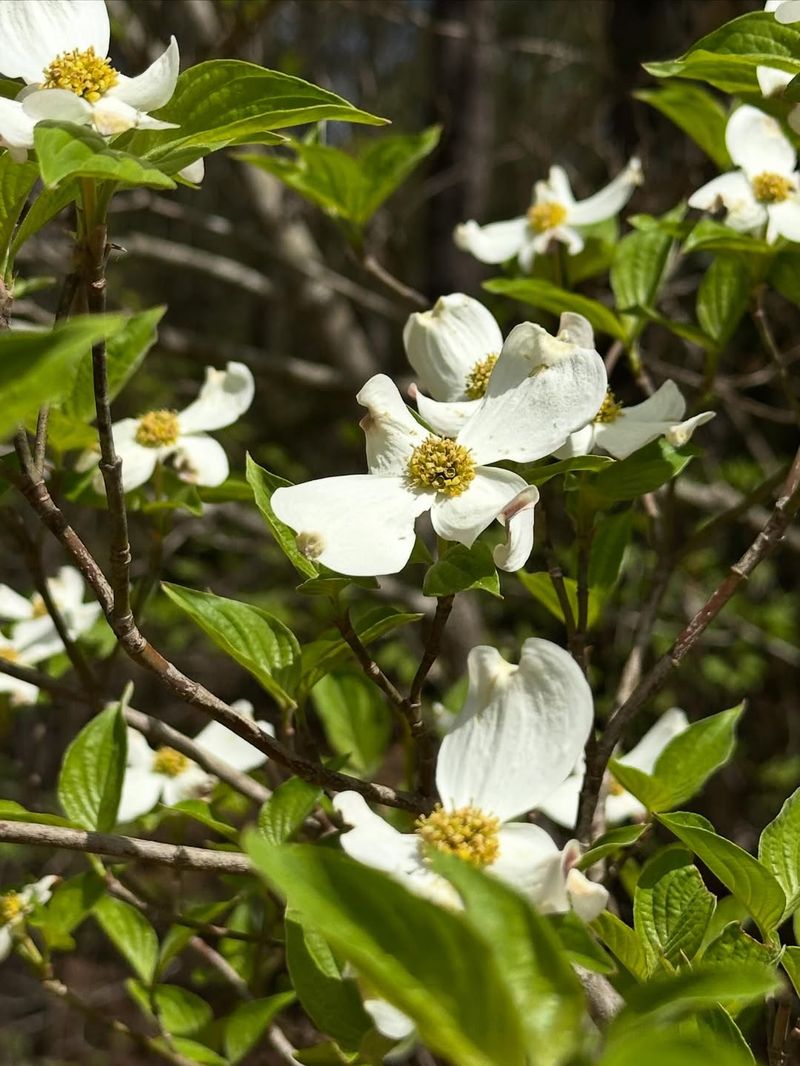
Dogwoods are one of Ohio’s most beloved ornamental trees, and for good reason. Their layered, horizontal branching and white or pink spring blooms give them a distinctive elegance that works in almost any landscape.
But they are also one of the trees that gardeners are most tempted to over-prune, and that is where things can go sideways.
The right approach with flowering dogwood is patience and restraint. Wait until the blooms have faded in late April before touching the tree.
Pruning during or before bloom removes flower buds and stresses the tree at a moment when it is putting enormous energy into reproduction. Once the bracts drop, you have a short, ideal window to make any necessary corrections.
Focus exclusively on removing withered wood, which is easy to spot because it will not have leafed out with the rest of the tree. Also look for any branches that are crossing, rubbing, or growing in directions that disrupt the tree’s naturally layered form.
Avoid cutting into large, healthy branches unless there is a clear structural reason to do so. Dogwoods are susceptible to dogwood anthracnose, a serious fungal disease in Ohio, so clean cuts and good airflow through the canopy are essential.
Keep your tools sharp and sanitized throughout the process.
7. Flowering Plum Benefits From A Post-Bloom Cleanup
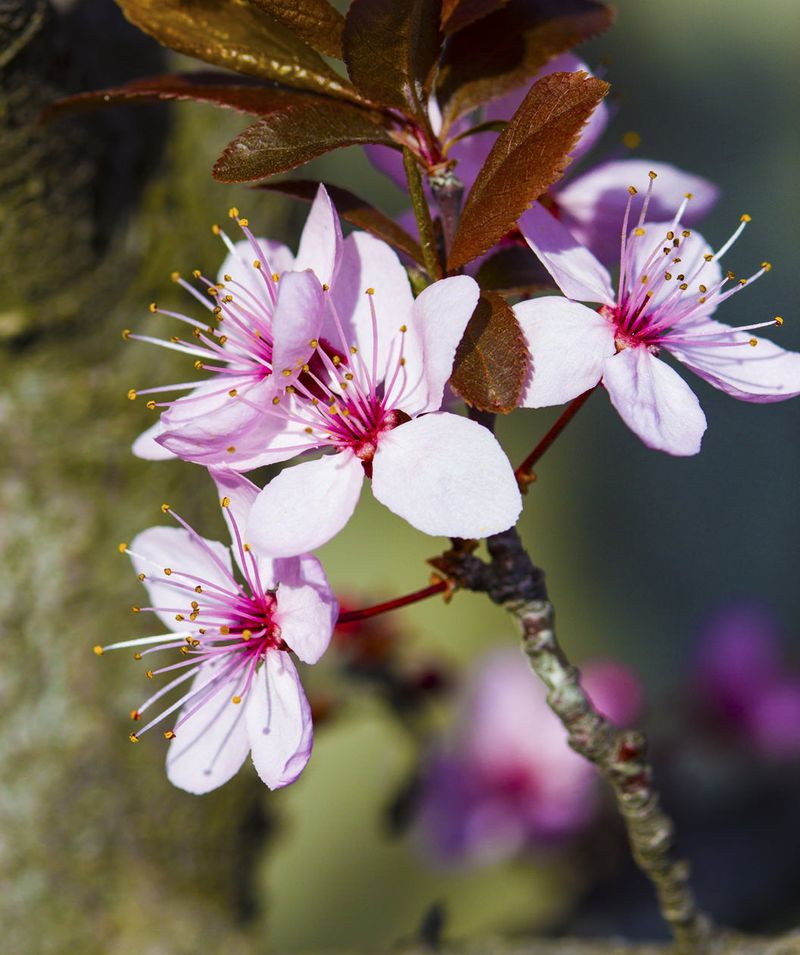
Ornamental flowering plums bring a rich, burgundy-leafed drama to Ohio yards that few other trees can match in spring. Their early blooms, often appearing in shades of pale pink or white, are a welcome sign that winter is truly behind us.
Once those flowers fade in April, the tree is ready for a cleanup that will keep it looking sharp through the rest of the growing season.
Post-bloom pruning for flowering plum focuses on thinning rather than heavy cutting. Look for branches that are growing inward, rubbing against each other, or creating dense clusters that block light and airflow.
Removing these problem areas opens the canopy and reduces the humid conditions that can encourage fungal diseases like brown rot and leaf curl.
Shape the tree by cutting back any shoots that are extending too far beyond the tree’s natural outline. Make cuts just above an outward-facing bud or lateral branch to encourage growth in the right direction.
Avoid topping or shearing the tree into an artificial shape, which destroys its natural beauty and stimulates a burst of weak, cluttered regrowth. For most Ohio homeowners, the post-bloom window for flowering plum falls in mid to late April.
Use clean, sharp tools and wipe the blades with rubbing alcohol between cuts to reduce disease risk.
8. Crabapple Should Be Pruned After Bloom To Protect Next Year’s Flowers
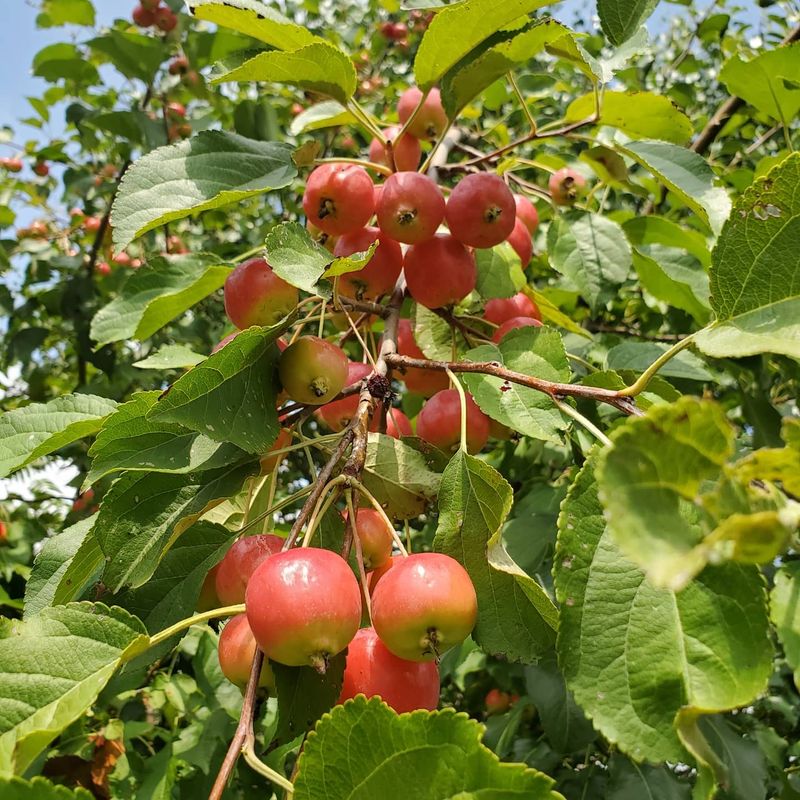
Crabapples are workhorses of the Ohio landscape. They bloom brilliantly in spring, provide food for birds through winter, and offer year-round structure in the yard.
But they are also prone to a cluster of fungal diseases, including apple scab, fire blight, and cedar-apple rust, all of which thrive in dense, poorly ventilated canopies. Post-bloom pruning in late April is one of the most effective tools you have for keeping these issues in check.
Wait until the flowers have fully dropped before picking up your pruners. Crabapples bloom on spurs that developed the previous season, so pruning before or during bloom removes flower-producing wood and reduces next year’s display.
Once the petals are gone, focus first on water sprouts, those fast-growing vertical shoots that rocket up from major branches, and root suckers around the base of the tree. Both drain energy from the tree without contributing anything useful.
Next, thin out any branches that are crossing, crowded, or growing back toward the center of the canopy. Good airflow is your best defense against the fungal diseases that plague crabapples in Ohio’s humid spring weather.
Remove no more than one-quarter of the canopy in a single season. Step back frequently as you work to assess the tree’s overall shape and avoid over-cutting any one area.