These Are The Reasons Louisiana Lawns Need Less Nitrogen And More Potassium This Fall
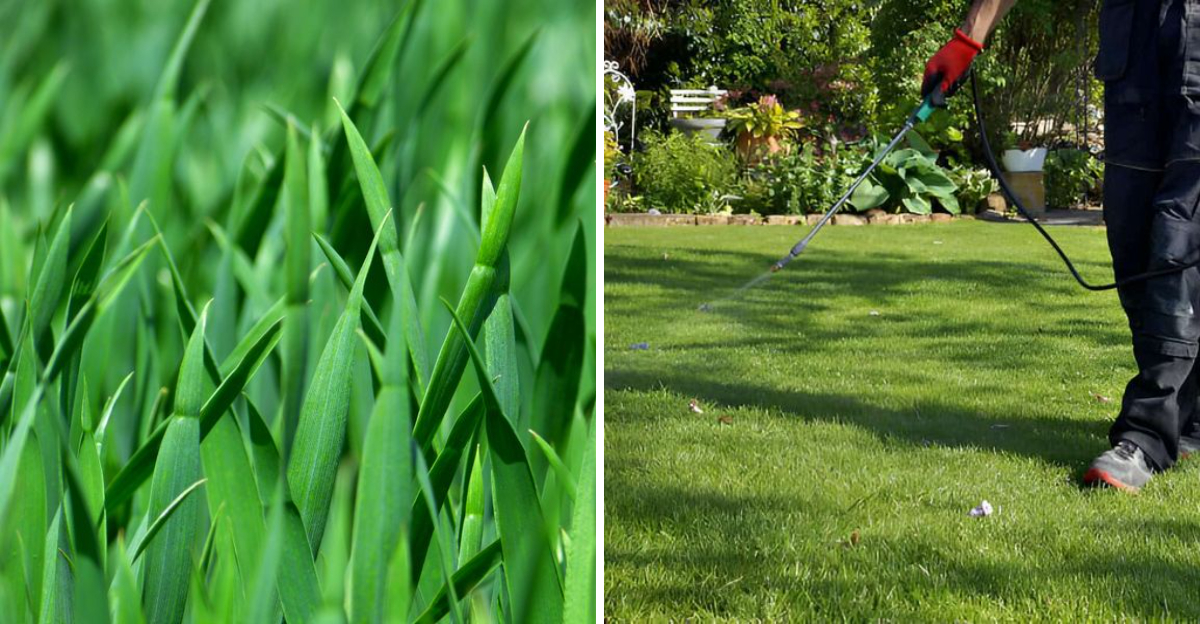
Your lawn is quietly changing right now. Heat still lingers across Louisiana long after summer ends. Grass doesn’t follow a calendar, only what’s underground. Roots are shaping decisions that define next year’s color.
Choices you make today decide how winter treats them. Too much nitrogen right now quietly softens everything beneath the surface slowly. Cell walls either strengthen or soften under pressure.
Disease waits patiently for exactly this kind of softness. Cold snaps reveal what you actually fed your grass. Winters in Louisiana aren’t gentle, even when brief. Every choice compounds, whether you notice it or not.
Spring either rewards patience or exposes careless feeding. Nothing about this process ever slows down, not even briefly. Potassium changes what your lawn can handle.
Timing still matters more than you realize now. Mistakes made right now surface months later, impossible to hide. What happens next depends entirely on what you do now.
1. Excess Nitrogen Increases Disease Vulnerability
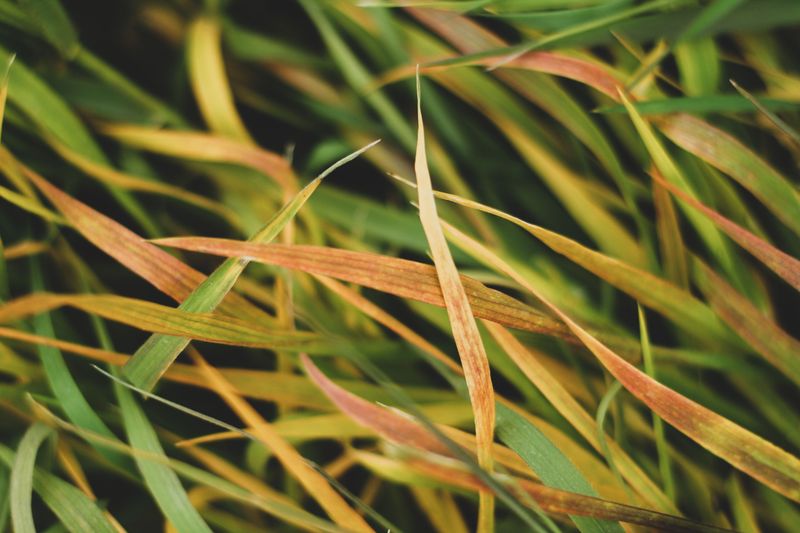
Brown patch is a common concern for Louisiana lawn owners, and excess nitrogen makes conditions more favorable for it. This fungal disease thrives in warm, humid conditions with soft, nitrogen-fed grass blades.
When you overfeed with nitrogen in the fall, your grass produces exactly the kind of growth that fungal spores love. Tender, moist, fast-growing tissue is easy prey.
Louisiana’s fall weather is deceptively tricky. Days can still feel warm while nights cool down enough to create the moisture conditions that fuel disease outbreaks.
Nitrogen pushes your grass to keep producing new growth during this vulnerable window. More soft tissue means more surface area for pathogens to affect.
Potassium, on the other hand, toughens cell walls. Stronger cells are harder for fungal spores and bacteria to penetrate.
Switching your focus to potassium this fall is like upgrading your lawn’s immune system. You’re giving the grass tools to fight back naturally.
Brown patch, dollar spot, and gray leaf spot are all common fall threats across the Gulf South. Reducing nitrogen cuts off a major fuel source for these diseases.
Homeowners who skip the fall nitrogen application often report far fewer disease problems through the cooler months. This aligns with general turf science findings.
Louisiana lawns need less nitrogen and more potassium this fall to stay healthy. A disease-free lawn going into winter is a lawn that wakes up strong in spring.
2. Cooler Temperatures Slow Grass’s Growth Needs
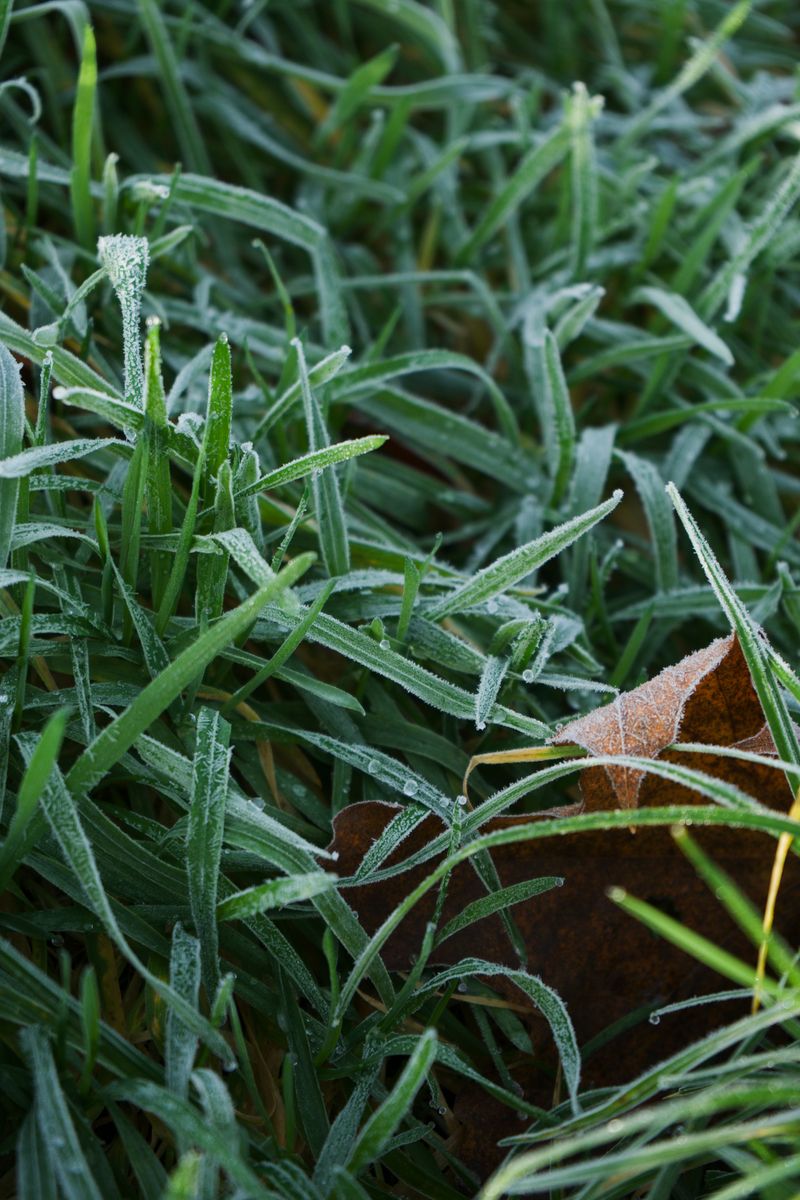
September in Louisiana still feels hot, but the grass knows something you might not. Soil temperatures are quietly dropping, and that shift changes everything about how your turf behaves.
Warm-season grasses are hardwired to respond to temperature cues. As soil gradually cools through the fall, growth slows. The exact pace varies by grass type.
At that point, your lawn simply doesn’t need the same nutritional input it demanded back in June. Applying high-nitrogen fertilizer now is like refilling a gas tank that’s already full.
The excess nitrogen has nowhere productive to go. Instead, it triggers a burst of weak top growth that your lawn can’t sustain or protect.
Your Louisiana Garden Changes Every Week. Your Plan Should Too.
Gardening in Louisiana changes quickly throughout the season. Every Friday you’ll receive a simple weekly plan showing exactly what to plant, prune, fertilize, harvest, and protect so you never miss the right timing.
Potassium works differently. It supports the internal functions your grass needs during this slower phase, like regulating water pressure inside cells and managing enzyme activity.
These behind-the-scenes processes keep your lawn healthy even when visible growth has nearly stopped. That’s the kind of support your turf actually needs right now.
Many homeowners make the mistake of judging their lawn’s needs by what they see on the surface. If the grass looks green and growing, they assume it needs feeding like it’s midsummer.
But looks can be misleading in the fall. Soil temperature is the real signal, and it’s telling your grass to shift gears.
Matching your fertilizer approach to your lawn’s actual seasonal needs is the smartest move you can make. Less nitrogen, more potassium, and your grass will thank you come spring.
3. Potassium Strengthens Roots Before Winter Dormancy
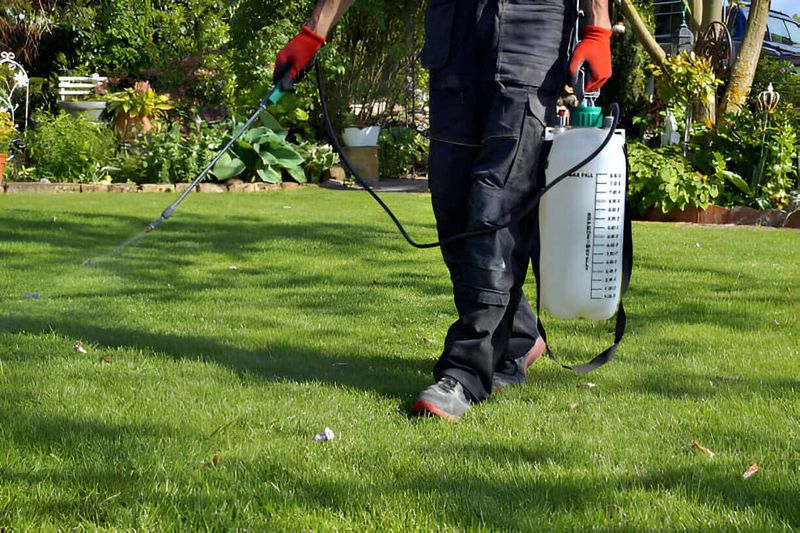
Roots don’t get nearly enough credit. While everyone obsesses over how green their grass looks on top, the real action happens underground.
Fall is prime time for root development in warm-season grasses. As shoot growth slows, the plant redirects energy downward.
Potassium is the nutrient that makes this underground effort count. It regulates water movement inside plant cells and supports strong, deep root growth.
With adequate potassium, your grass can push roots deeper into the soil before dormancy sets in. Deeper roots mean better access to water and nutrients when spring arrives.
Shallow roots, by contrast, are fragile. They’re the first to show damage from a hard freeze or an extended dry spell.
A cold snap in January can stress a lawn with weak roots far more than one with a deep, established root system.
Nitrogen doesn’t support root development the way potassium does. In fact, heavy nitrogen applications can actually shift the plant’s energy back toward top growth at exactly the wrong time.
Choosing a fertilizer with a higher potassium ratio this fall tells your grass to invest in its foundation. That investment pays off with faster green-up and stronger performance the following spring.
Think of potassium as the underground contractor doing quiet, essential work. By spring, you’ll see the results in every blade of grass that pushes through.
4. Nitrogen Encourages Weak, Fast Growth
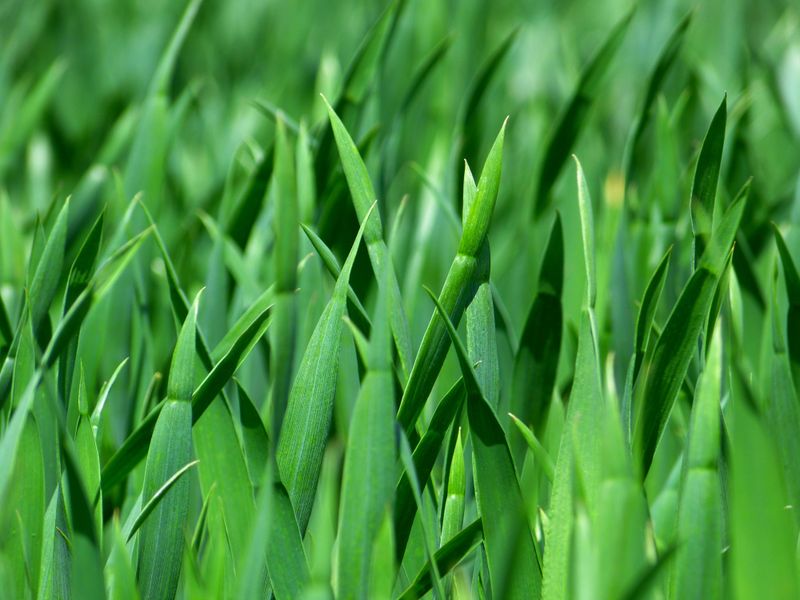
Picture a plant that shoots up fast but can barely hold itself upright. That’s exactly what happens when you pour nitrogen onto warm-season grass in the fall.
Nitrogen is a growth accelerator. It tells your grass to push out new shoots and blades at a rapid pace.
During summer, that kind of push makes sense. Your lawn is actively growing and can handle the workload.
But fall is a different story. As temperatures drop in the Gulf South, your grass naturally starts slowing down.
When you add nitrogen at this stage, you’re forcing the plant to grow when it’s trying to rest. The new growth that appears is thin, pale, and fragile. Those weak blades aren’t just ugly. They’re also a real risk heading into cooler weather.
Soft, fast-growing tissue has less structural integrity than slow, steady growth. A strong wind or a cold snap can damage it quickly.
Louisiana lawns need less nitrogen and more potassium this fall because potassium builds tougher plant cells. It slows things down in a healthy way.
Think of it like training for a marathon versus sprinting every single day. One approach builds endurance; the other burns you out fast.
Choosing the right fertilizer now means your grass arrives at winter in solid shape. Strong blades and healthy crowns are your lawn’s best armor against the months ahead.
5. Potassium Improves Cold And Drought Tolerance
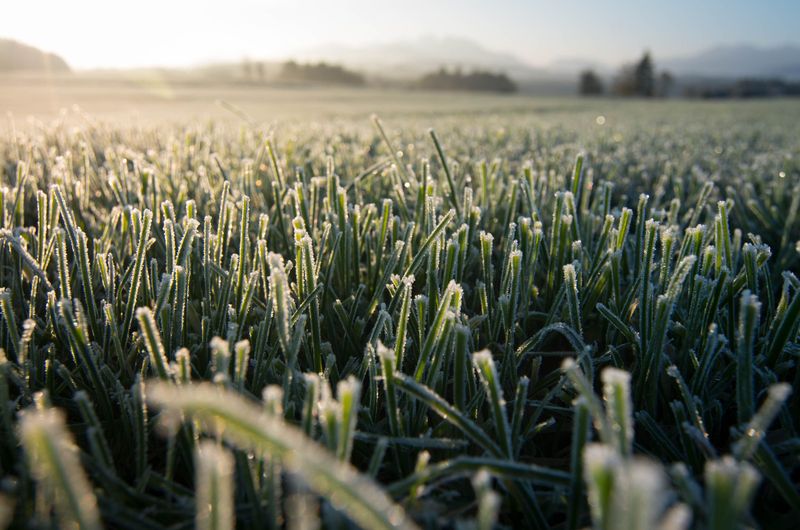
Cold snaps hit Louisiana fast and without much warning. One week you’re mowing in shorts, and the next you’re scraping frost off your windshield.
Grass that hasn’t been properly prepared for that kind of temperature swing struggles more than it should. Potassium is the nutrient that gets it ready.
When potassium levels are adequate, grass cells hold water more efficiently. That internal moisture regulation is what allows turf to survive both cold stress and dry spells.
Louisiana falls can be surprisingly dry between rain events. A lawn that’s been boosted with potassium handles those dry stretches without showing the same wilting and browning you’d see in a nutrient-deficient yard.
On the cold side, potassium lowers the freezing point of the fluid inside plant cells. It’s a natural antifreeze system built right into the grass’s biology.
This is one reason many turf experts recommend potassium-focused fall fertilization in the Gulf South. The benefits show up both during cold nights and dry afternoons.
Nitrogen doesn’t offer any of these protective qualities. It actually makes the situation worse by pushing growth that’s highly sensitive to both cold and moisture stress.
A lawn loaded up with nitrogen heading into fall is a lawn that’s going to struggle at the first sign of bad weather. Potassium-rich turf handles those moments with much more grace.
Building cold and drought tolerance now means fewer problems through the unpredictable Gulf South winter. Your lawn will look better and recover faster when spring finally arrives.
6. Fall Focus Shifts Toward Root Development
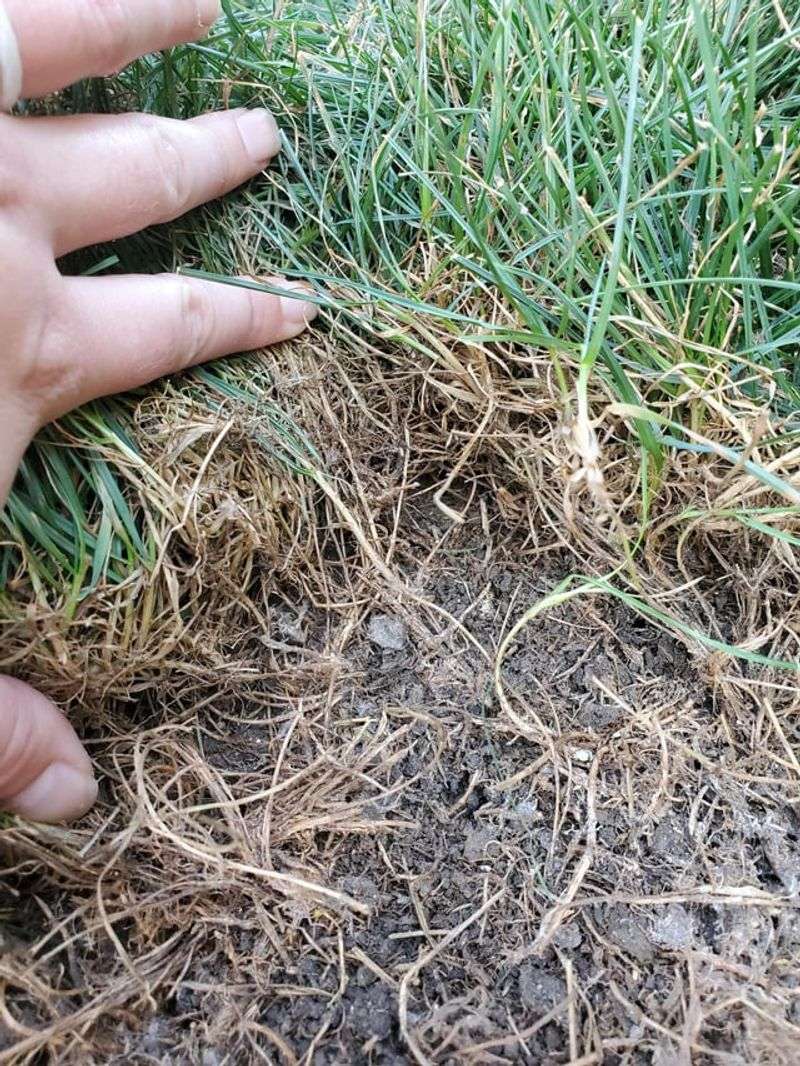
Here’s something most lawn care guides don’t say clearly enough: fall fertilization is not about the grass you see. It’s about the roots you can’t.
Warm-season grasses go through a predictable seasonal shift every fall. Above-ground growth slows, and the plant’s energy budget redirects underground.
This is a natural survival strategy. The grass is building a stronger base before cooler weather arrives.
Potassium supports this shift directly. It activates enzymes involved in root elongation and helps the plant store carbohydrates that fuel spring green-up.
Nitrogen does the opposite in this scenario. It keeps signaling the plant to produce shoots and blades, pulling energy away from where it’s needed most.
Homeowners who apply high-nitrogen fertilizer in September and October are essentially working against their own lawns. They’re interrupting a process the grass is working to complete.
A fertilizer blend with elevated potassium and low nitrogen aligns with what your turf is already trying to do. You’re supporting the plan, not overriding it.
Louisiana lawns need less nitrogen and more potassium this fall because the seasonal goal has changed. Top growth is no longer the priority.
Root depth and carbohydrate storage are what matter now. Every pound of potassium you apply this fall is an investment in the lawn you’ll see next April.
Strong roots mean faster green-up, better drought recovery, and a lawn that looks like you never stopped caring for it all winter long.
7. Too Much Nitrogen Delays Proper Dormancy
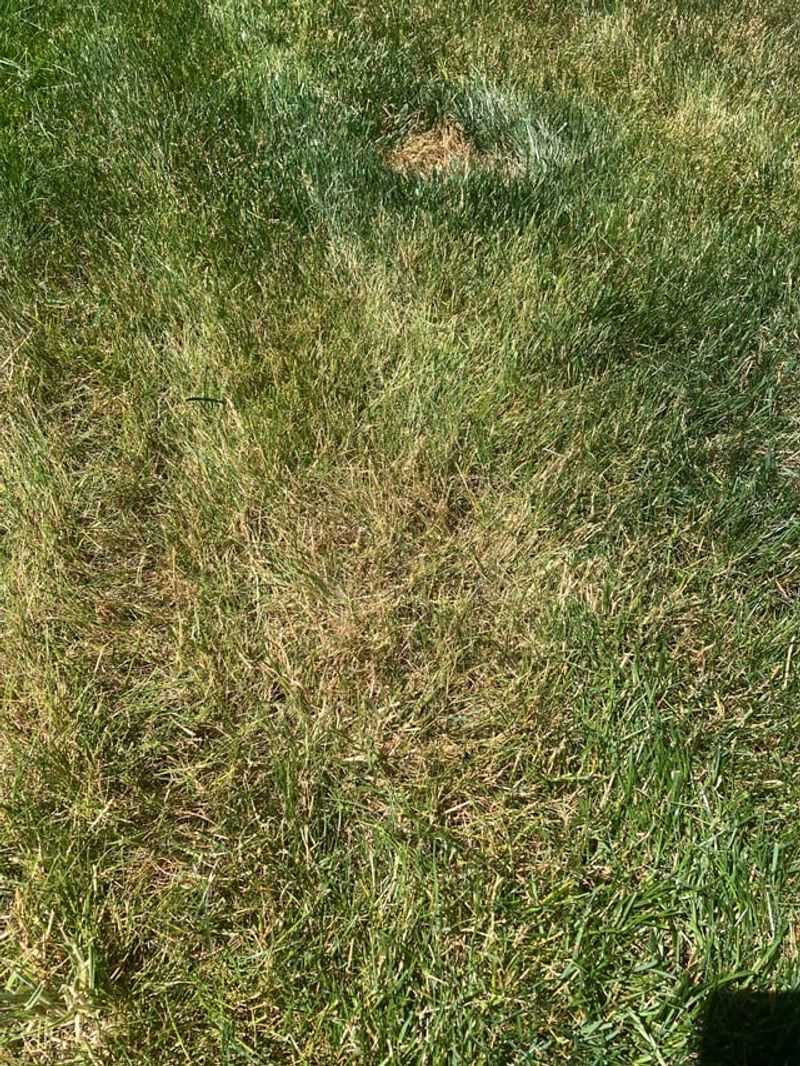
Dormancy gets a bad reputation, but it’s actually one of the best things that can happen to a warm-season lawn. It’s the grass’s way of resting, recharging, and coming back stronger.
Nitrogen disrupts that process. When you apply too much of it in the fall, your grass keeps trying to grow instead of winding down.
That delayed dormancy creates a serious problem. The new growth that appears is highly vulnerable to cold damage because it never had time to harden off properly.
Hardening off is the process where grass cells toughen up and prepare for lower temperatures. It requires slowing down, and nitrogen prevents exactly that.
Lawns that don’t go dormant on schedule also burn through their stored carbohydrate reserves. Those reserves are what power the spring green-up your neighbors will envy.
Spending those reserves trying to keep growing through November leaves the grass depleted by the time warmer weather returns. The result is a slow, patchy, unimpressive spring recovery.
Potassium doesn’t interfere with dormancy. It actually supports the cellular changes that make hardening off possible, including the accumulation of sugars that protect against freezing.
Cutting back nitrogen in September and October gives your lawn the signal it needs to start shutting down properly. That’s not neglect; it’s smart seasonal management.
Letting your grass go dormant on its own schedule, supported by potassium rather than pushed by nitrogen, is one of the most important fall lawn decisions you can make.
8. Balanced Potassium Supports Overall Plant Resilience
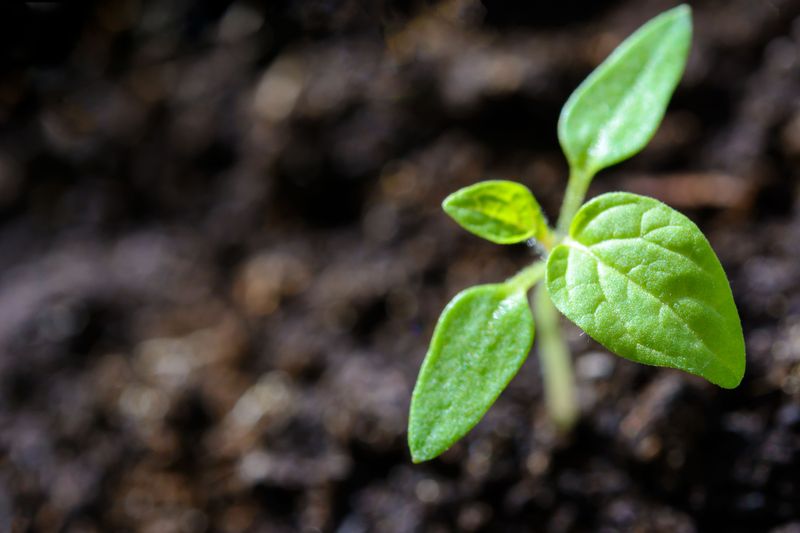
Resilience isn’t something you see until you need it. A lawn that’s been properly fed with potassium through the fall season shows its strength when stress arrives.
Potassium is involved in numerous enzyme systems inside a grass plant. It touches nearly every important biological process, from photosynthesis to protein synthesis to disease resistance.
When potassium levels are balanced, the whole plant functions better. Nutrient uptake improves, water efficiency increases, and the grass can respond to stress without falling apart.
Think of potassium as the quiet manager keeping everything running smoothly behind the scenes. Nitrogen gets all the glory, but potassium does the real maintenance work.
In a region like the Gulf South, where lawns face heat, humidity, fungal pressure, and occasional cold snaps all in the same season, resilience matters enormously. A tough lawn is a low-maintenance lawn.
Many homeowners who prioritize potassium in the fall report fewer problems through the winter and a faster, fuller recovery the following spring, though results can vary by grass type and soil conditions.
Louisiana lawns need less nitrogen and more potassium this fall to build that kind of toughness. The timing isn’t random; it’s based on how warm-season grasses actually function.
Feeding your lawn what it needs, when it needs it, is the foundation of smart turf management. Potassium in the fall is that foundation.
Give your grass the right support now, and it will reward you with a yard that looks great all year long.