These Are The Shrubs Arizona Gardeners Should Trim Before Spring Arrives
Before spring growth begins in Arizona, a little pruning can make a big difference in how shrubs look and perform through the rest of the season.
Many plants push out fresh growth as temperatures warm, and trimming them at the right time helps shape the plant, remove winter damage, and encourage fuller branching.
It also prevents shrubs from becoming leggy or uneven once the growing season picks up speed.
In Arizona landscapes, where heat arrives quickly and plants work hard to stay healthy, timing these small maintenance tasks matters more than most gardeners realize.
A quick trim now can help shrubs stay stronger, neater, and better prepared for the warmer months ahead. If a yard is starting to wake up after winter, these are the shrubs worth checking first before spring fully settles in.
1. Texas Ranger Handles A Late Winter Cutback Well
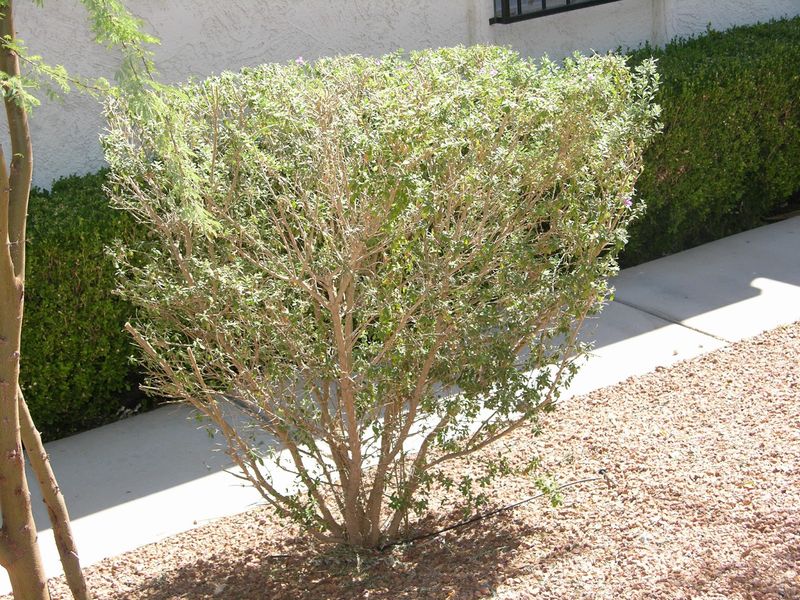
Few shrubs in Arizona shrug off a hard cutback quite like Texas Ranger. Trim it back in late February or early March, and you’ll barely have time to put your gloves away before new buds start showing up.
It’s that responsive.
A lot of people in the Phoenix area let these shrubs go too long without trimming, and they end up with a leggy, uneven shape that doesn’t fill in well when spring hits.
Cutting it back by about one-third gives the plant room to push fresh growth from the base instead of just the tips.
Use clean, sharp bypass pruners and cut at an angle just above a leaf node. Avoid leaving long, bare stubs — they don’t heal well and can invite problems down the road.
After trimming, give the plant a slow, deep watering to help it bounce back.
Texas Ranger doesn’t need fertilizer right after pruning — Arizona soil usually has enough going on to support new growth on its own. Just let it do its thing.
By mid-spring, you’ll have a compact, full-looking shrub covered in those signature purple blooms that make it such a standout in desert landscapes.
Lightly rake away any old debris or fallen leaves around the base before you water. Keeping the area clean improves airflow and helps the shrub start the season with fewer pest or disease issues.
2. Lantana Bounces Back Quickly After A Hard Trim
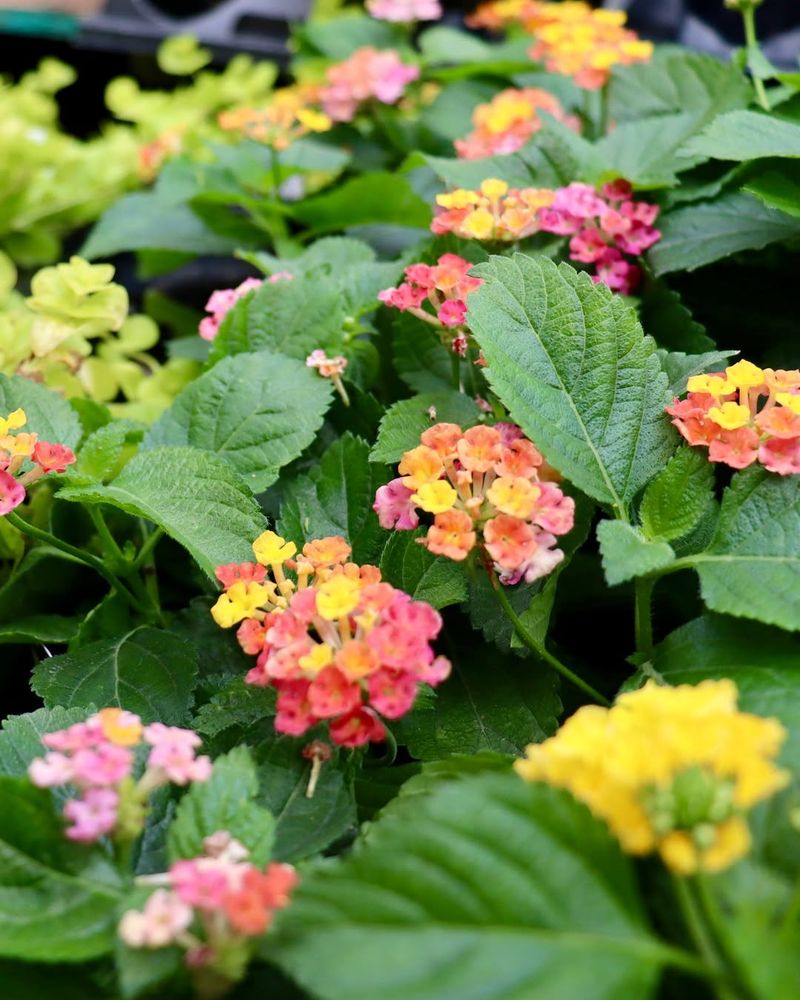
Lantana is tougher than it looks. Cut it all the way back to about six inches from the ground in late winter, and within a few weeks, new green shoots will start popping up from the base like nothing happened.
In Tucson and the surrounding desert areas, lantana can get pretty woody and overgrown if it doesn’t get a hard trim every year.
Skipping the cutback means you’ll end up with a scraggly plant that blooms only at the tips and looks thin through the middle all season long.
The best time to do it is when overnight temps are staying above freezing consistently — usually late February in most parts of Arizona. Don’t wait too long, or you’ll be cutting into new growth that’s already pushing out, which just wastes the plant’s energy.
After trimming, clear away all the old stems and debris from around the base.
Leaving dry plant material on the ground can trap moisture and create problems once the heat picks up. A light layer of mulch after cleanup helps the soil hold moisture while the plant is rerooting its energy into new stems.
By late April, you’ll have a full, rounded plant ready to bloom hard through the entire warm season.
Water the plant deeply once after pruning to help wake up the root system and encourage fresh growth. Within a few weeks, the plant usually fills back in with soft new stems that quickly start setting buds for the first blooms of the season.
3. Autumn Sage Fills Out After A Seasonal Prune
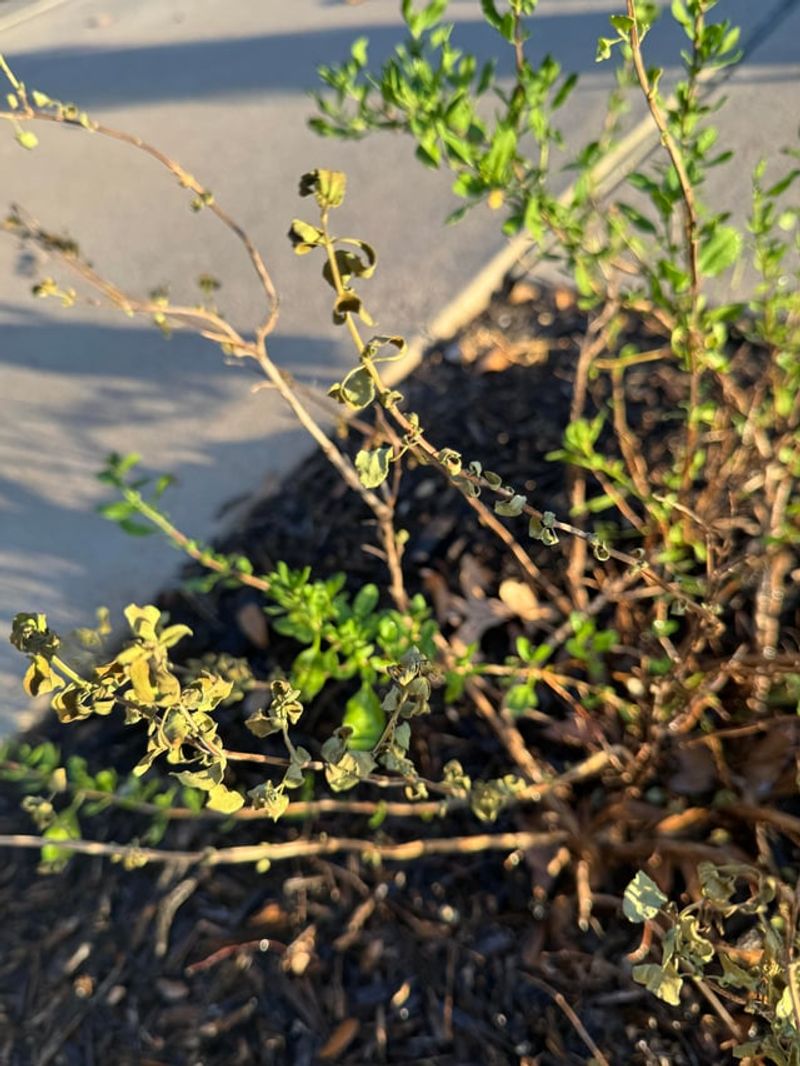
Autumn Sage is one of those plants that rewards you for paying attention to it. Left unpruned, it gets woody and open in the center, and the blooms end up scattered and sparse instead of full and showy.
A seasonal prune before spring does two things — it removes the tired, woody stems from last year, and it signals the plant to push fresh growth from lower on the stem.
In Arizona’s high desert regions like Prescott and Flagstaff, timing matters a bit more since late freezes can still happen.
Wait until you’re confident the cold nights are mostly behind you.
Cut back about one-third to one-half of the plant, focusing on the oldest, woodiest stems first. You want to open up the center a little so air can move through — compact, dense shrubs in Arizona’s summer heat can struggle if airflow is restricted.
Don’t worry if the plant looks a little bare right after you trim it. Autumn Sage fills in fast, especially once the soil starts warming up in March and April.
Within six weeks of a good prune, you’ll typically see dense new growth and the start of fresh flower buds. Keep up with light shaping throughout the season and it stays full and productive well into fall.
Give the plant a slow, deep watering after pruning to help it recover and encourage strong new shoots. A thin layer of mulch around the base also helps keep soil moisture steady as spring growth begins.
4. Yellow Bells Pushes Strong New Spring Growth
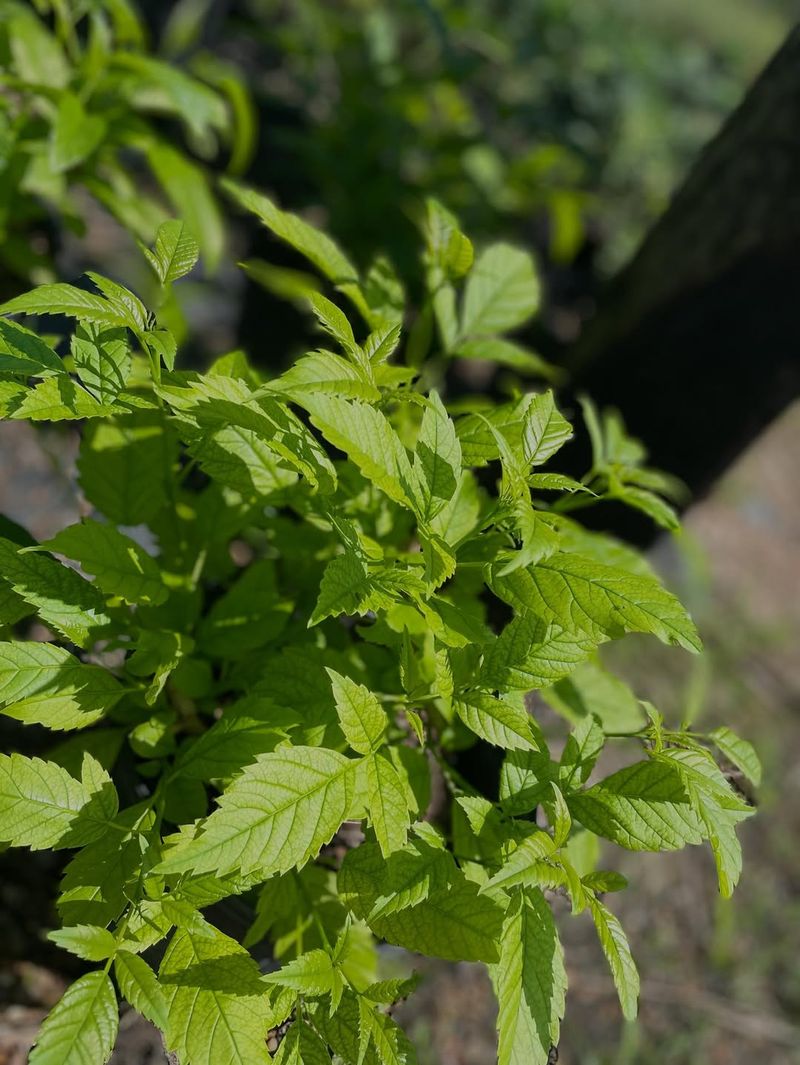
Yellow Bells has a way of making Arizona yards look like something out of a travel magazine when it’s in full bloom — but getting that payoff requires a decent pruning before spring gets going.
Left to its own devices, Yellow Bells can get rangy and top-heavy, with most of the growth concentrated up high and not much fullness near the base.
A late winter trim brings it back into shape and encourages branching lower on the plant, which means more flowers spread evenly across the whole shrub instead of just at the top.
Cut it back by roughly one-third, removing any damaged or crossing branches first. In the Phoenix metro area, late January through mid-February is a solid window for this.
The plant is still in a semi-dormant state, so trimming now doesn’t interrupt active growth cycles.
One thing worth knowing — Yellow Bells can look almost alarmingly bare right after a hard trim. New gardeners sometimes panic and think something went wrong.
Stick with it. Once temperatures start climbing into the seventies, this shrub leafs out fast and aggressively.
By early May, you’ll have a dense, full plant loaded with those vivid yellow blooms that hummingbirds and pollinators absolutely cannot resist. It’s one of the most rewarding spring bloomers in the Arizona desert.
5. Baja Fairy Duster Keeps A Compact Shape With Light Trimming
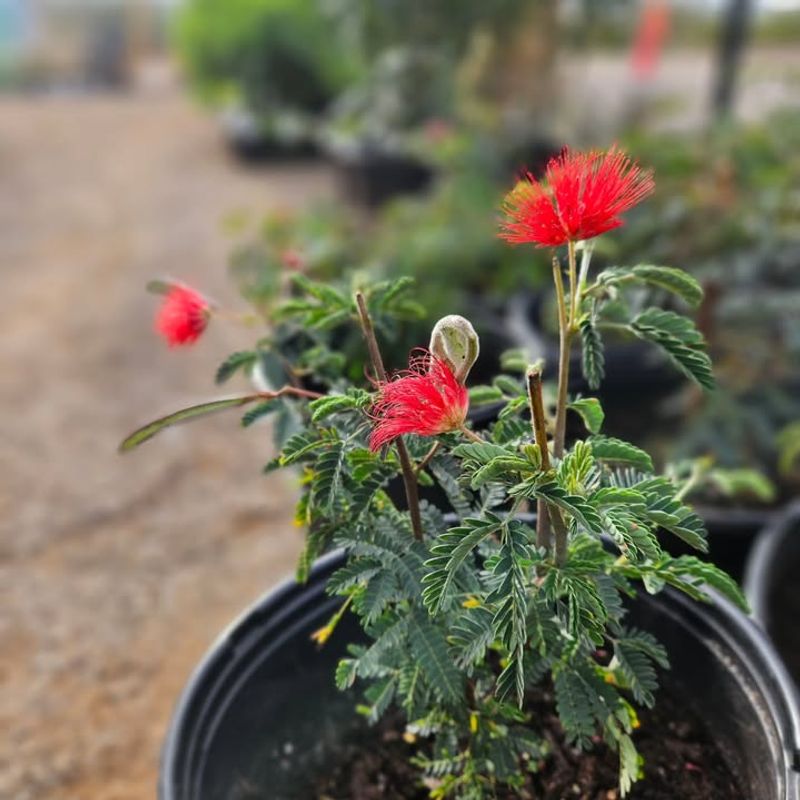
Baja Fairy Duster doesn’t need much — but a light trim before spring makes a real difference in how it performs through the warm months. Skip it, and the plant tends to sprawl in directions you didn’t plan for.
Unlike some of the harder-pruning candidates in this list, Baja Fairy Duster does best with a gentle shaping rather than a heavy cutback. You’re mostly cleaning up the outer edges, removing any frost-damaged tips, and tightening the overall form.
In southern Arizona especially, where this plant thrives along roadsides and in natural desert gardens, keeping it compact prevents it from crowding out neighboring plants.
Use hand pruners rather than hedge shears for this one. The branching structure is irregular and interesting — hedge shears tend to flatten that natural look into something that feels stiff and unnatural.
Work with the plant’s shape instead of against it.
Baja Fairy Duster blooms on new growth, so light trimming now actually encourages more flower production come spring and early summer.
The feathery red and pink blooms are a magnet for hummingbirds, which is reason enough to keep the plant happy and well-shaped.
A little attention in February pays off with months of color and wildlife activity. It’s a low-fuss plant that just needs a nudge in the right direction.
6. Cassia Sends Out Fresh Shoots After Pruning
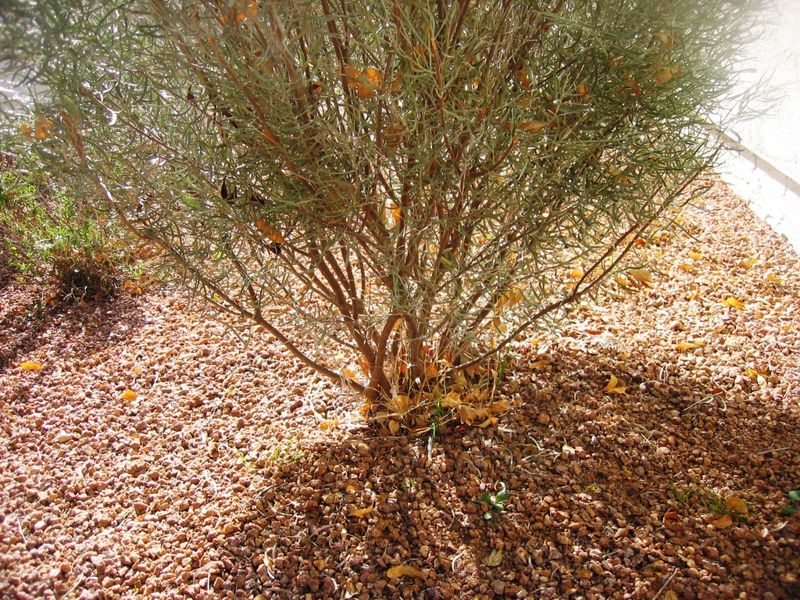
Cassia is a heavy bloomer in Arizona fall and winter, which means by the time February rolls around, it’s often looking a bit spent. Pruning it back now sets the stage for a strong flush of new growth before summer heat arrives.
There are a few different Cassia varieties common in Arizona yards — Desert Cassia, Feathery Cassia, and others — and most of them respond well to a moderate cutback. You don’t need to be aggressive.
Removing about one-third of the overall growth, especially the oldest woody stems, is usually enough to get things moving in the right direction.
One common mistake is waiting too long. By mid-March in the Phoenix area, Cassia can already be pushing new buds, and cutting into active growth at that point stresses the plant unnecessarily.
Late January through mid-February is the sweet spot for most low-elevation Arizona locations.
After pruning, pull out any debris that’s collected at the base of the plant. Old leaves and stems sitting against the trunk can hold moisture against the bark, which isn’t ideal heading into Arizona’s intense spring and summer conditions.
Fresh shoots typically emerge within two to three weeks of a good prune, and by late spring the plant looks rejuvenated and full. It’s a satisfying turnaround that takes less than thirty minutes of work.
7. Desert Ruellia Returns Quickly With New Growth
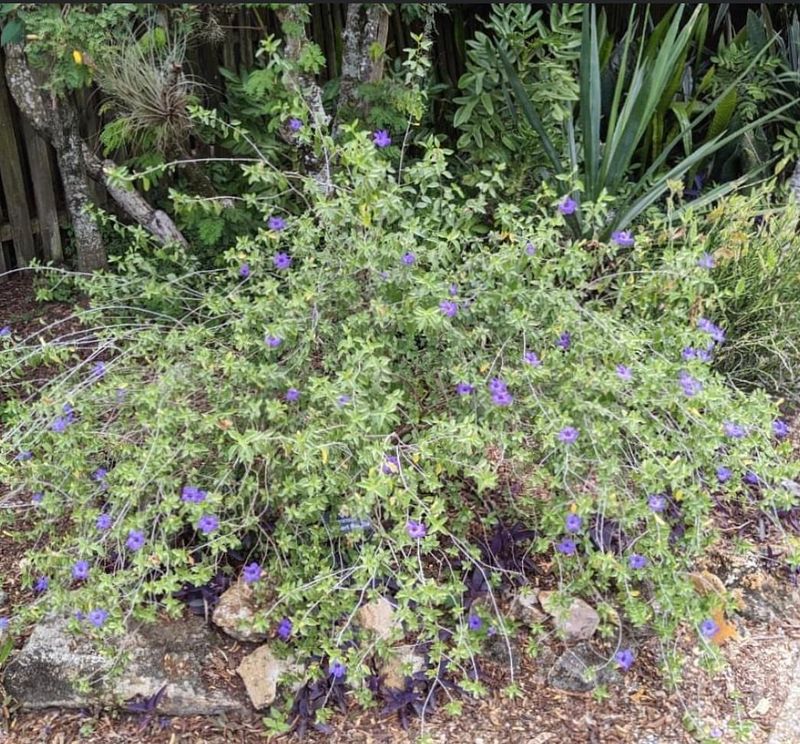
Desert Ruellia is one of those plants that almost seems to enjoy being cut back. Trim it hard in late winter and within weeks, fresh green growth comes pushing up from the base with surprising energy.
In Arizona, Ruellia can get frost damage during cold snaps — especially in areas like Mesa, Gilbert, and other parts of the East Valley where temperatures occasionally dip lower than expected.
Pruning in late winter serves double duty here: you remove the frost-nipped tips and refresh the plant’s shape at the same time.
Cut it back to about eight to twelve inches from the ground. Yes, it will look short and bare for a little while.
But Desert Ruellia is a fast grower once temperatures start climbing, and it fills back in quickly. By early April, most plants are already showing good fullness and are close to blooming again.
Avoid pruning too late into spring — if you wait until April or May, you’re cutting off growth the plant has already invested energy into producing. Late February is the ideal timing for most Arizona elevations.
After trimming, a deep watering helps get the root system engaged. Desert Ruellia doesn’t need much fussing beyond that — just a clean cut, some water, and a little patience while it does what it does naturally.
8. Valentine Bush Responds Well To Shaping After Bloom
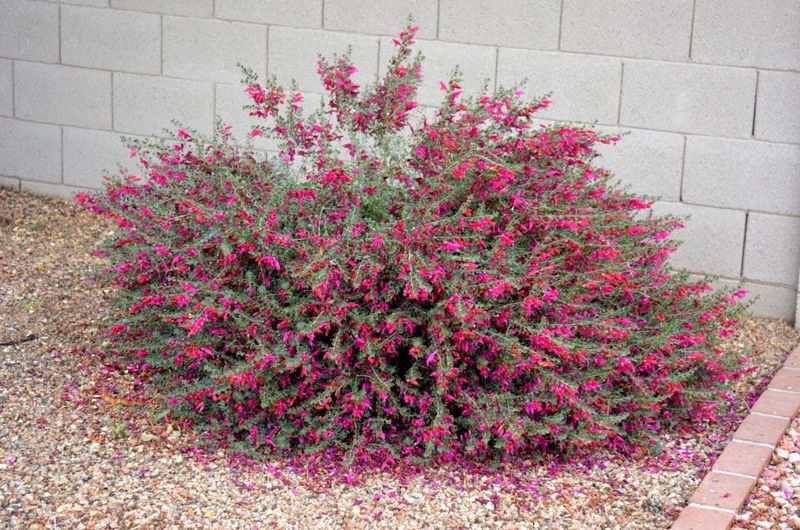
Valentine Bush earns its name by blooming right around February in Arizona — splashes of deep red flowers that show up just when the rest of the yard still looks like it’s half asleep. Once that bloom cycle winds down, it’s the perfect time to give it a shaping.
Pruning right after bloom is the key with this one. You get to enjoy the flowers first, then clean up the plant before it pushes into its main growth phase.
Cutting it back too early — before it blooms — means you lose those February flowers, which is really the whole point of growing it in the first place.
Focus on removing the spent flower stems and any branches that have grown out of bounds. Valentine Bush has a naturally upright form, and light shaping helps maintain that without forcing it into something unnatural.
In Tucson and southern Arizona, where this plant is especially popular, a well-shaped Valentine Bush is a real standout in the landscape.
Don’t go overboard with the trimming. A light to moderate shaping is all it needs — this isn’t a shrub that requires aggressive cutbacks to stay healthy.
After shaping, give it a slow, deep watering and let the Arizona sun do the rest. New growth typically follows within a few weeks, and the plant stays full and attractive right through the warm months ahead.