These Are The 9 Shrubs California Gardeners Should Cut Back Before Spring
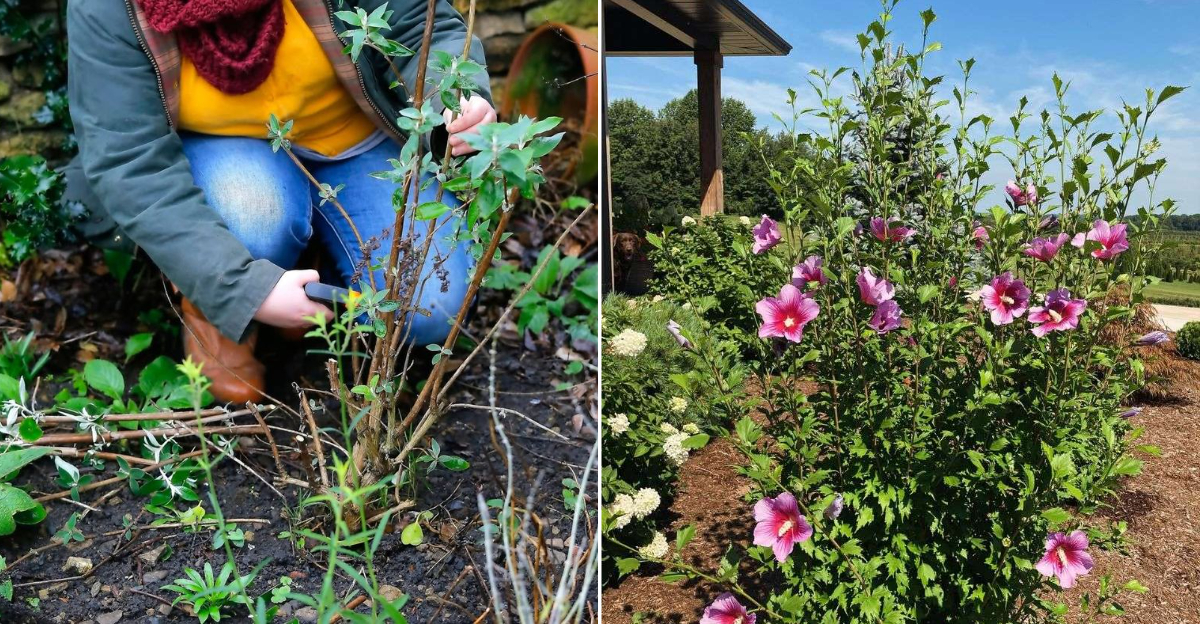
Spring is sneaking up, and your shrubs might be getting a little out of control. Now is the perfect time to grab your shears and give them a fresh cut.
Trimming back overgrown bushes helps them grow stronger, bloom better, and keeps your yard looking sharp. Some shrubs will reward a good haircut with a burst of flowers, while others just need a little shaping to stay out of your way.
Curious which shrubs need attention before the season really kicks in? Roll up your sleeves, grab your gloves, and get ready to show your garden some love.
Your plants will thank you, and your neighbors might do a double take at your perfectly groomed yard.
1. Rose
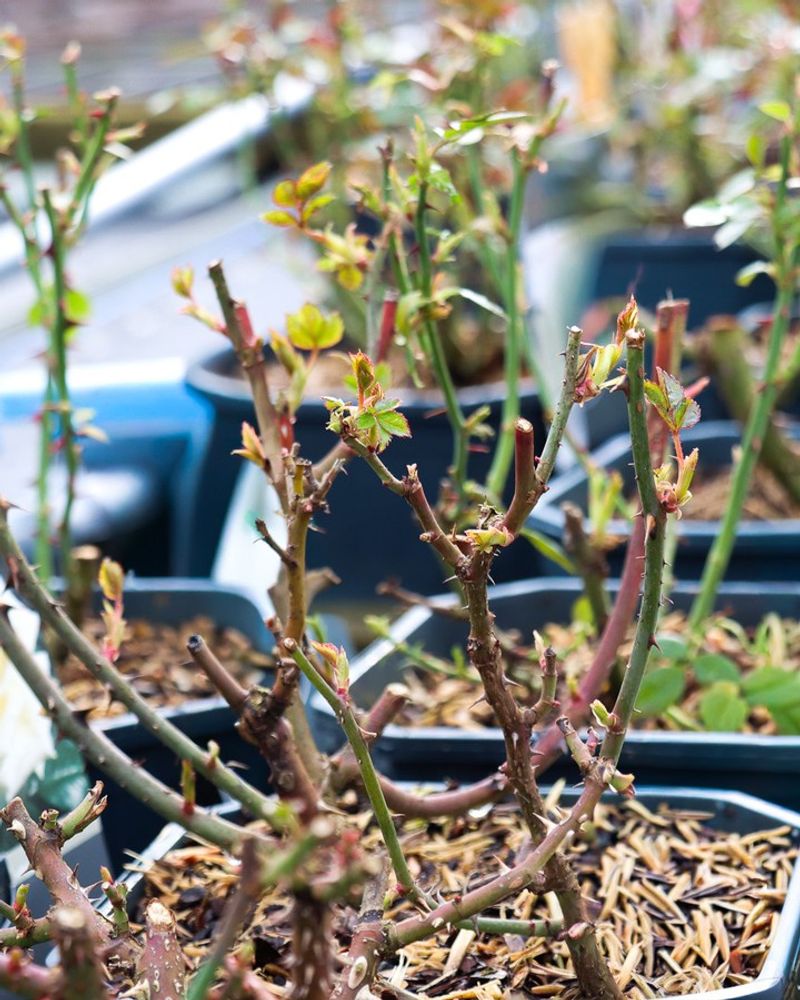
Few plants reward a good pruning quite like roses do. In California, late winter is the sweet spot for cutting roses back hard, usually around January through March depending on your region.
Getting this timing right sets the stage for a spectacular bloom season ahead.
Cut canes back to about 12 to 18 inches from the ground. Remove any withered, crossing, or twiggy stems first.
Make clean cuts at a 45-degree angle just above an outward-facing bud. This helps air circulate through the plant and reduces the chance of disease.
After pruning, clear away all fallen leaves and debris from around the base of the plant. Old leaves can harbor fungal spores that cause problems when warm weather returns.
Many California gardeners also apply a fresh layer of mulch at this stage to help hold moisture in the soil.
Sharp, clean tools are a must. Dull blades crush stems instead of cutting them cleanly, which slows healing.
Wipe your shears with rubbing alcohol between plants to avoid spreading anything unwanted. With just a little effort now, your roses will reward you with full, vibrant blooms all spring and summer long.
2. Butterfly Bush (Buddleja)

There is something almost magical about watching butterflies and hummingbirds flock to a butterfly bush on a warm California afternoon. But to keep that show going year after year, this shrub needs a serious haircut before spring.
Without pruning, it gets woody and produces fewer blooms.
Cut butterfly bush back hard, right down to about 12 inches from the ground in late winter. It sounds drastic, but this shrub handles it like a champ.
That hard cut encourages strong new stems to push up from the base, and those new stems are where all the flower action happens.
In warmer parts of California, like the Inland Empire or the Central Valley, butterfly bush can start showing new growth as early as February. Keep an eye out for fresh green shoots at the base.
Once you see them, you know the pruning worked.
Avoid leaving long, scraggly stems behind. They do not produce good blooms and make the plant look messy.
After pruning, add a balanced slow-release fertilizer to give the roots a nutrient boost. By mid-spring, your butterfly bush will be bushy, lush, and ready to welcome every butterfly in the neighborhood.
3. Russian Sage

Walk past Russian sage in full bloom and you will catch a faint herbal scent that is hard to forget. This tough, drought-tolerant shrub is a favorite in California gardens, especially in drier regions like the Sacramento Valley and Southern California.
It thrives in full sun and asks for very little in return.
Before spring arrives, cut Russian sage back to about 6 to 12 inches above the ground. The old woody stems from last season can get brittle and unattractive over winter.
Removing them gives the plant room to push out fresh, aromatic foliage and those gorgeous lavender-blue flower spikes that gardeners love.
One thing to keep in mind: do not cut into the very old, thick woody base. Leave a few inches of last year’s growth above the crown.
Cutting too low can stress the plant more than it needs. Light, strategic pruning is the goal here.
Russian sage pairs beautifully with ornamental grasses and lavender in California landscapes. After pruning, the plant will look bare and stubby for a few weeks.
Do not worry about it. Once warm weather rolls in, it will fill out quickly.
By early summer, it will be a billowy cloud of silvery stems and soft purple blooms once again.
4. Abelia

Abelia is one of those reliable, easy-care shrubs that California gardeners often overlook until it starts looking a little wild. It blooms from late spring all the way through fall, which is a seriously impressive run.
But to keep it looking its best, a bit of late-winter pruning goes a long way.
Rather than shearing abelia into a tight ball shape, go for a more natural approach. Remove about one-third of the oldest, woodiest stems all the way to the base.
This opens up the plant, lets light reach the center, and encourages fresh arching growth that carries the most flowers.
In mild California climates, abelia may hold onto some of its leaves through winter. That is totally normal.
Focus on cutting out any dead or damaged branches first, then work on thinning the interior. The goal is a graceful, open shape that allows good airflow.
Abelia is also a solid choice for hedging along fences and property lines in California neighborhoods. After pruning, it will look a bit sparse for a few weeks.
But once spring warmth kicks in, new shoots appear fast. Pair it with ornamental grasses or low-growing perennials for a layered garden look that stays colorful for months on end.
5. Spirea

Summer-blooming varieties like Anthony Waterer and Goldflame produce clusters of cheerful flowers on new growth, which means pruning before spring is not just helpful, it is essential. Skip the pruning and you will end up with a leggy plant and far fewer blooms.
Cut summer-blooming spirea back hard, down to about 6 to 12 inches from the ground in late winter. Yes, it will look like a stubby bundle of twigs for a while.
But within a few weeks of warm California weather, new green shoots will start popping up from the base with impressive energy.
Spring-blooming spirea varieties work a little differently. Those should only be lightly pruned after they finish flowering in spring.
Cutting them back in winter would remove the buds that are already forming. Knowing which type you have makes a real difference in how you handle it.
Spirea is a low-maintenance favorite in California gardens from the Bay Area all the way down to San Diego. After pruning, scatter a slow-release fertilizer around the base and water it in well.
The plant will respond quickly. By early summer, it will be covered in dense, colorful flower clusters that make the whole garden feel alive and vibrant.
6. Crepe Myrtle

Their showy blooms light up neighborhoods from Sacramento to San Diego every year. But there is a common mistake many gardeners make with this plant, and it is called crepe murder.
That means chopping the tops off completely, leaving ugly, stubby knobs behind.
Instead, practice selective pruning. Remove any crossing branches, suckers growing from the base, and thin twiggy growth from the interior.
If size control is needed, trim back branch tips by no more than one-third. This keeps the natural shape intact while still encouraging strong new flowering wood.
Late winter, before new buds swell, is the right time to prune crepe myrtles in California. The bare branches make it easy to see the structure clearly and make smart cuts.
Look for branches that rub against each other or crowd the center of the canopy.
One underrated bonus of proper crepe myrtle pruning is showing off the beautiful, peeling bark underneath. The smooth, multicolored trunk is one of the plant’s best features, and it deserves to be seen.
After a good pruning session, step back and admire the elegant silhouette. Come summer, you will have a stunning tree absolutely loaded with colorful blooms that stop traffic in the best way possible.
7. Rose Of Sharon

This is one of those old-fashioned shrubs that never goes out of style. It blooms in late summer when most other shrubs have already finished their show, making it a real standout in California gardens.
The flowers come in shades of white, pink, purple, and lavender, often with a deep-colored center that adds extra visual interest.
Since it blooms on new wood, pruning before spring is the right move. Remove about one-third of the plant, focusing on the oldest, woodiest stems.
Cut those all the way down to the ground to make room for vigorous new growth. Lighter stems can be trimmed back by about one-third of their length to encourage branching.
In California, Rose of Sharon does well in both full sun and partial shade, which makes it versatile for different garden spots. It handles heat reasonably well, especially when given consistent moisture during the hottest months of summer.
One thing worth knowing is that Rose of Sharon can self-seed pretty aggressively if the spent flowers are left on the plant. Deadheading throughout the bloom season helps keep seedlings in check.
After your late-winter pruning, the plant will look bare for a while. But by late spring, it will be leafing out beautifully, ready for another season of late-summer blooms that bring color when you need it most.
8. Oleander

Oleander is tough as nails and has been a staple of California landscapes for decades. You see it lining highways, framing driveways, and growing in parking lot medians from Bakersfield to Los Angeles.
It handles heat, drought, and poor soil without complaining. But even this rugged shrub benefits from a good pruning before spring gets going.
Late winter is the best time to shape oleander and remove any frost-damaged or dead wood. In colder parts of California, some branch tips may have suffered during winter nights.
Cut those back to healthy green wood. Also remove any crossing branches and thin out the interior to improve airflow through the plant.
If your oleander has gotten very large and overgrown, it can handle a more aggressive cut. Reducing the overall size by up to one-third is fine.
New growth will push out quickly once warm weather returns, and the plant will look refreshed and full again by early summer.
One important note: wear gloves when working with oleander. All parts of the plant contain compounds that can irritate skin and eyes.
Keep that in mind if you have curious pets or kids nearby. Despite that caution, oleander remains one of the most reliable, low-effort flowering shrubs in California, delivering bold color season after season with minimal fuss.
9. Glossy Abelia

The shiny, dark green leaves catch the light beautifully, and the small white to pinkish flowers attract pollinators from spring all the way through fall. It is a long-blooming, low-drama shrub that earns its spot in the garden every single year.
Pruning glossy abelia in late winter keeps it from becoming a tangled mess. Focus on removing the oldest, thickest stems at the base to open up the center of the plant.
This renewal pruning encourages fresh, arching new growth that carries the most flowers. Avoid shearing it into a boxy shape, which ruins its natural graceful form.
In mild California climates like the Bay Area or coastal Southern California, glossy abelia may stay semi-evergreen through winter. That makes it a little harder to spot which stems need to go.
Look for wood that is gray and dull rather than greenish and flexible. Those are the older stems worth removing.
Glossy abelia works wonderfully as a hedge, a foundation plant, or a loose border shrub in California yards. After a late-winter pruning, give it a light feeding with a balanced fertilizer.
Fresh growth will appear quickly as temperatures rise. By the time summer arrives, it will be arching beautifully and covered in delicate blooms that keep your garden buzzing with life.