These Are The 8 Shrubs You Should Plant This April In Ohio
April in Ohio feels like a fresh start, and it is tempting to plant anything that catches your eye. But not every shrub is ready to handle what this month can throw at it.
One day the soil feels perfect, the next it is cold, damp, and slow to drain. That back and forth can make or break how well new shrubs settle in.
Choose the right plants now, and they will take advantage of mild temperatures and steady spring moisture to build strong roots before summer arrives. Pick the wrong ones, and they can struggle to establish or stall out early.
The good news is that some shrubs are built for this exact moment.
They handle Ohio’s unpredictable spring with ease and reward you with reliable growth, structure, and color as the season unfolds. Start with the right choices in April, and your landscape will look better with far less effort later on.
1. Smooth Hydrangea Settles In Fast With Spring Planting
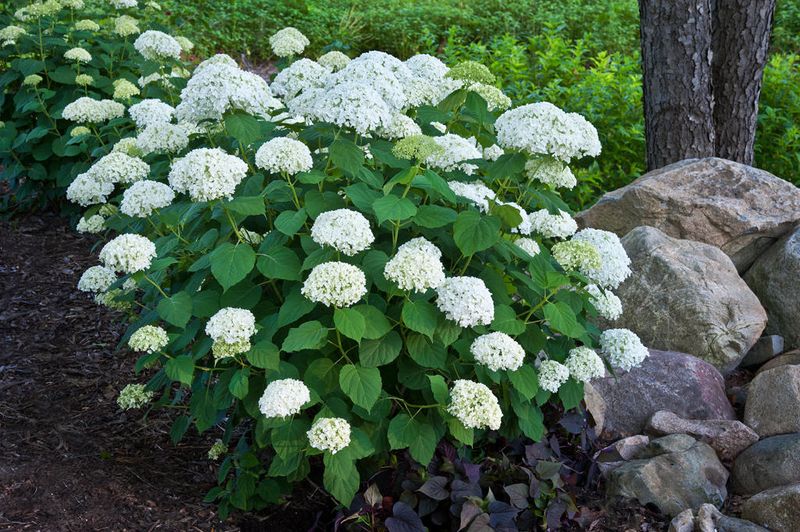
Few shrubs reward April planting quite as quickly as smooth hydrangea.
Native to eastern North America, this reliable beauty is right at home in Ohio gardens, and its ability to establish in cool, moist spring soil makes it a standout choice for gardeners who want results without a lot of fuss.
One of the best things about smooth hydrangea is that it blooms on new wood. That means even if a late frost nips the tips, you can prune it back in early spring and still expect those big, creamy white flower heads to show up by midsummer.
Varieties like “Annabelle” and “Incrediball” are especially popular across the state.
In northern Ohio, growth may start a little slower because the soil takes longer to warm up compared to central or southern parts of the state. That is completely normal, so patience pays off.
Give it a spot with morning sun and afternoon shade, keep the soil consistently moist, and mulch around the base to hold in moisture. With minimal care, smooth hydrangea can grow into a full, stunning shrub that comes back stronger every single year.
2. Panicle Hydrangea Handles Ohio Weather With Ease
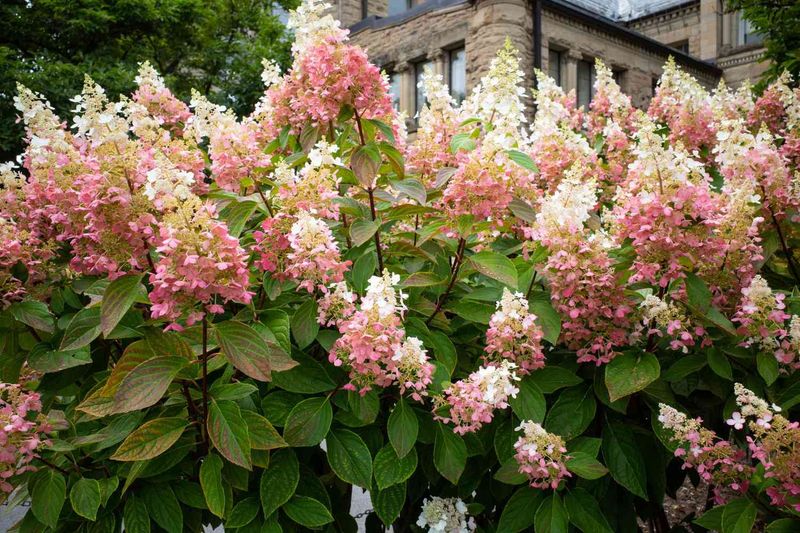
If you have ever watched a panicle hydrangea shift from creamy white to soft pink as summer fades into fall, you already know why so many Ohio gardeners are obsessed with this shrub.
It is one of the most cold-hardy hydrangeas available, performing reliably from the Lake Erie shoreline all the way down to the Ohio River Valley.
Unlike some other hydrangea types, panicle hydrangea thrives in full sun, which makes it a versatile choice for open yards that get plenty of direct light. It also blooms on new wood, so spring pruning is easy and low-stress.
Popular varieties like “Limelight” and “Quick Fire” are widely available at Ohio nurseries and adapt well to a range of soil types, including heavier clay soils that are common throughout much of the state.
Bloom timing does vary a bit across Ohio. Gardeners in southern Ohio near Columbus or Cincinnati may see flowers opening earlier than those in the Cleveland or Toledo areas.
Planting in April gives the root system several weeks of cool-season establishment time before summer heat pushes the plant into active growth. Consistent watering during the first season is key to long-term success.
3. Summersweet Thrives In Moist Soil And Spring Conditions
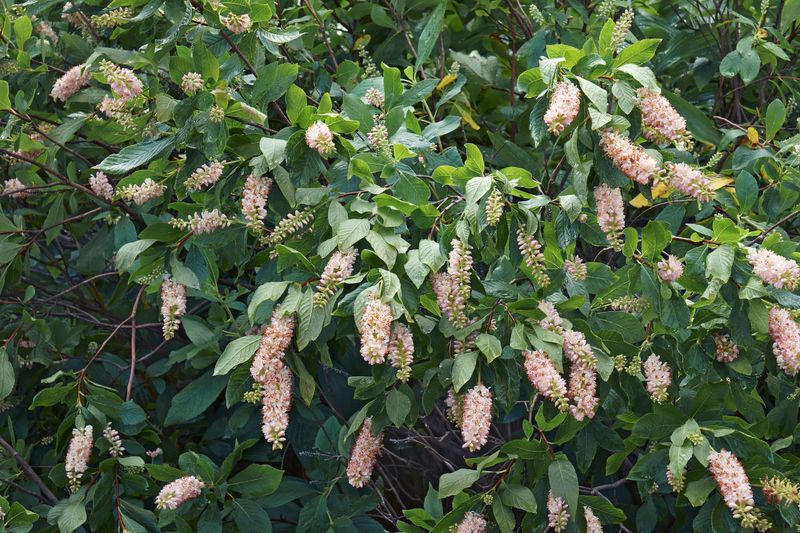
Walk past a summersweet shrub in full bloom on a warm July afternoon and the sweet, spicy fragrance will stop you in your tracks. This native shrub is one of the best options for Ohio gardeners dealing with spots that stay wet or partially shaded, conditions that trip up a lot of other plants.
Summersweet, also known as Clethra alnifolia, naturally grows along stream banks and in moist woodland edges, so it is built for the kind of low-lying, poorly drained areas that show up in many Ohio yards.
It prefers slightly acidic soil, which is fairly common across the state, especially in areas with sandy or organic-rich ground.
The plant does fine in partial shade, though it also handles full sun as long as moisture stays consistent.
April planting sets summersweet up for a strong first season. The cool, damp spring conditions mimic its natural habitat and help the roots spread before summer arrives.
Varieties like “Ruby Spice” add a rosy pink twist to the classic white blooms and look stunning against the shrub’s glossy green foliage.
Fall color is a bonus, with leaves turning golden yellow before they drop, giving the plant a second moment in the spotlight each year.
4. Ninebark Adds Tough Structure And Early Season Interest
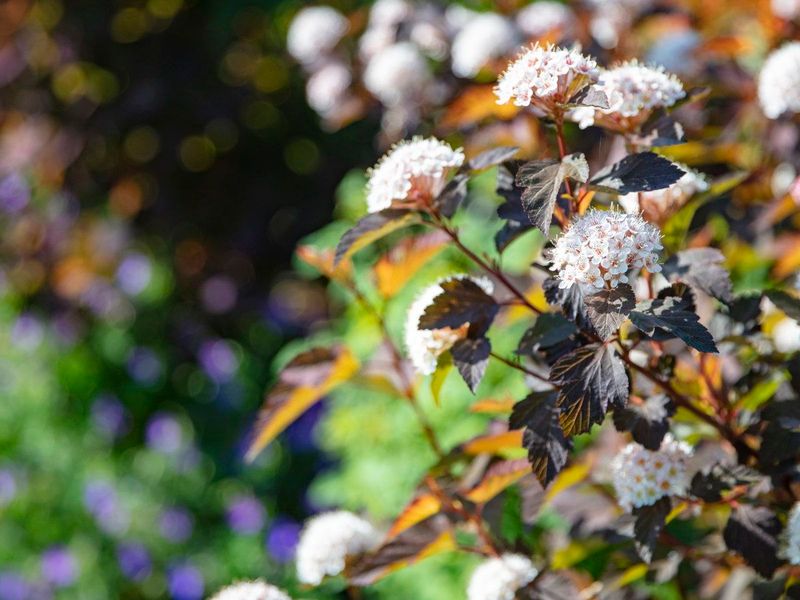
Ninebark is the kind of shrub that earns its place in the garden without asking for much in return.
Native to Ohio and much of the eastern United States, it brings bold foliage color, interesting peeling bark, and small white or pink flower clusters that show up in late spring, all packed into one very tough plant.
What makes ninebark especially appealing for Ohio gardeners is its adaptability. It handles clay soil, sandy soil, and everything in between.
It grows in full sun and tolerates partial shade. Wet springs and dry summers do not rattle it much either.
Ohio State University Extension recognizes it as a low-maintenance native that supports pollinators and fits naturally into both formal and naturalistic landscape styles.
Varieties like “Diablo,” “Coppertina,” and “Little Devil” offer deep burgundy or coppery foliage that holds its color through the growing season, giving the garden strong visual structure even when nothing else is blooming.
April planting allows the roots to anchor well before summer growth kicks in.
Established ninebark shrubs rarely need supplemental watering once they get through their first season, making them a smart, long-term investment for busy Ohio homeowners who want beauty without constant upkeep.
5. Virginia Sweetspire Brings Color And Handles Wet Spots
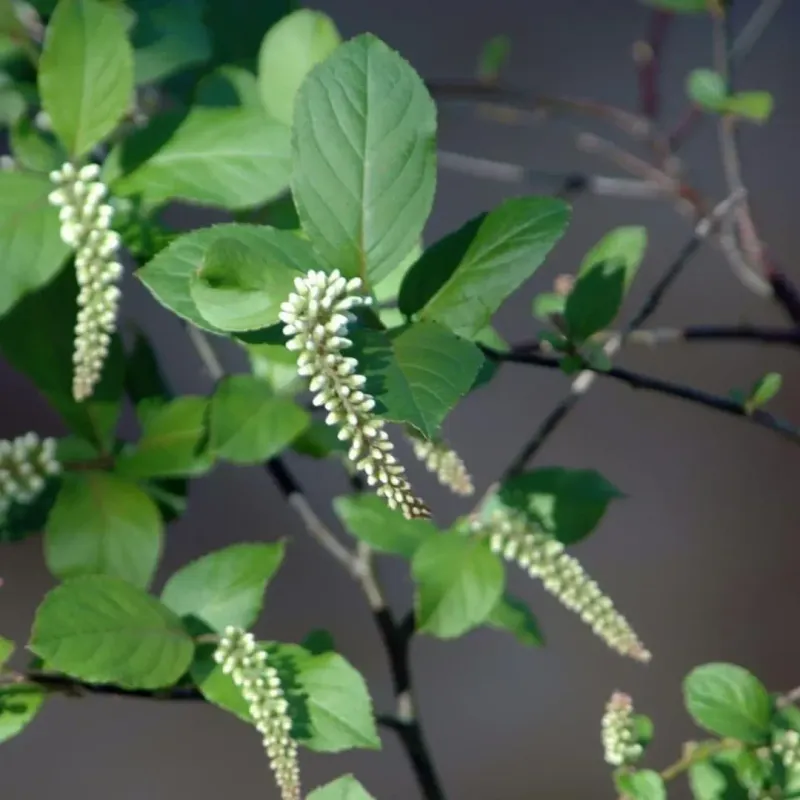
Virginia sweetspire does not always get the attention it deserves, but gardeners who grow it tend to become its biggest fans.
This native shrub delivers three seasons of interest, starting with arching white flower spikes in early summer, followed by some of the most vivid red and orange fall color you will find on any shrub its size.
One of its most practical strengths is its ability to handle wet soils. If you have a rain garden, a low spot near a downspout, or a section of yard that stays soggy after storms, Virginia sweetspire is one of the best shrubs you can reach for.
It also spreads slowly by suckers, gradually filling in an area and creating a soft, naturalistic edge that looks great along pathways or pond margins.
In Ohio, it performs especially well in southern and central parts of the state, where the climate is a bit warmer and moisture is more reliable. Central Ohio gardeners near Columbus often see excellent results with minimal intervention.
Planting in April gives it a full growing season to establish before winter. Itea virginica “Henry’s Garnet” is one of the most recommended varieties, known for its reliable fall color and compact, manageable size that works well in average home landscapes.
6. Shrub Roses Establish Well Before Summer Heat Arrives
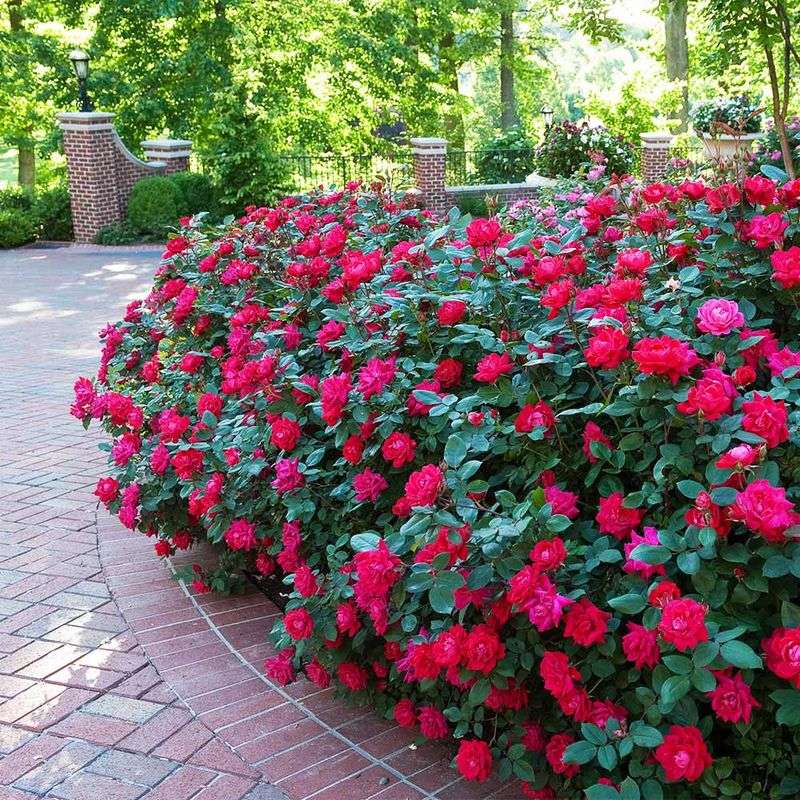
There is something timeless about a rose bush in full bloom, and modern shrub roses have come a long way from the fussy, high-maintenance varieties your grandparents may have wrestled with.
Today’s disease-resistant cultivars are tougher, more reliable, and far better suited to Ohio’s humid summers than older types ever were.
April is genuinely one of the best times to get shrub roses into the ground in Ohio. The cooler soil temperatures reduce transplant stress, and the roots have weeks to spread before hot weather arrives.
Varieties in the Knock Out series and the Easy Elegance line have earned strong reputations across Ohio for their ability to handle summer humidity without constantly battling black spot or powdery mildew.
Air circulation matters a lot with roses in Ohio’s climate. Avoid planting them too close to walls or other shrubs where airflow gets restricted, especially in more humid areas of the state like northeast Ohio near the lake.
A spot with at least six hours of direct sun and good air movement sets them up for the best results. Mulching helps retain moisture and regulate soil temperature through summer.
With the right variety and placement, shrub roses can bloom continuously from late spring all the way into fall with relatively little hands-on care.
7. Weigela Gets A Head Start On Strong Spring Growth
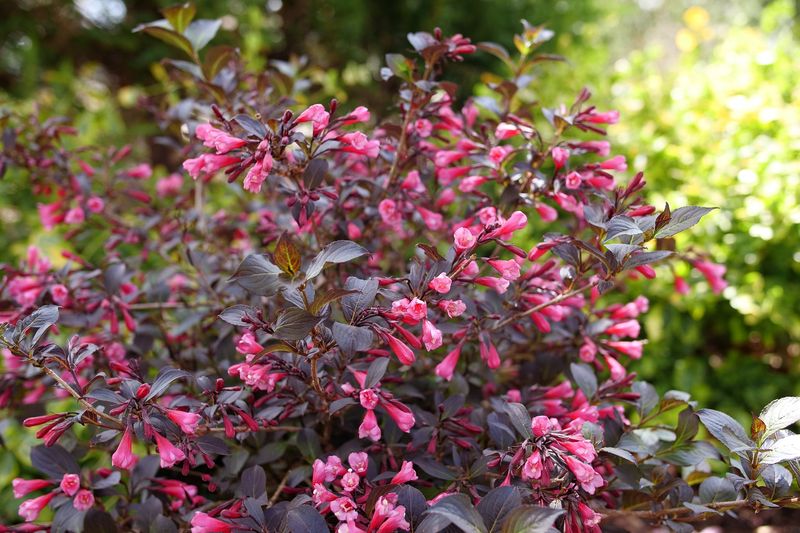
Weigela is one of those shrubs that puts on a show before most people even realize spring is fully underway.
Its trumpet-shaped flowers in shades of pink, red, and white open up in late spring and attract hummingbirds almost immediately, which is a bonus that never gets old for backyard wildlife watchers across Ohio.
Planting weigela in April gives the root system a meaningful head start. The shrub is a fast grower once established, but it does its best work when it has had time to anchor in cool soil before the push of warm-season growth begins.
Varieties like “Wine and Roses” and “Sonic Bloom Pink” are popular across Ohio for their rich foliage color and extended bloom periods that stretch into summer.
Flowering tends to happen a bit earlier in southern Ohio compared to the northern part of the state, simply because temperatures warm up sooner as you move toward Cincinnati and the Ohio River region.
Weigela is not picky about soil as long as drainage is reasonable, and it handles full sun to light shade without complaint.
After the first big bloom flush, a light trim encourages reblooming on some varieties and keeps the plant looking tidy through the rest of the growing season without a lot of extra effort.
8. Potentilla Adapts Quickly To Cool Spring Conditions

Compact, cheerful, and surprisingly tough, potentilla is a shrub that earns its keep from late spring all the way through early fall.
Its small, rose-like flowers in yellow, white, or soft orange bloom for months at a stretch, making it one of the longest-blooming shrubs available to Ohio gardeners.
April planting suits potentilla well because it adjusts quickly to cool soil and gets its roots moving early. By the time summer heat arrives, a spring-planted potentilla is already comfortable and ready to bloom.
This shrub is particularly well-suited to northern Ohio, where cooler summers and consistent moisture keep it looking its best.
In hotter southern parts of the state, like the areas around Cincinnati or Portsmouth, potentilla may slow down or reduce blooming during the peak of summer heat, but it typically bounces back as temperatures ease in late August.
Full sun and well-drained soil are the two things potentilla really needs to thrive. It handles lean, rocky, or sandy soils without trouble, and it rarely needs fertilizing once established.
Ohio State University Extension recommends it as a reliable low-maintenance choice for borders, slopes, and foundation plantings. Shrubby cinquefoil, as it is sometimes called, also offers decent wildlife value, attracting native bees throughout its long blooming season.