These Are The Signs Your Oregon Garden Soil Needs Help Before Summer Dry Season
Oregon springs have a very specific personality. Muddy boots, grey skies, and soil that squishes under your feet for what feels like half the year.
It’s a lot. But here’s the plot twist that catches a surprising number of gardeners off guard every single year: summer arrives fast, and it hits dry.
Like, really dry. The same beds that felt waterlogged in April can turn stubbornly hard and crusty by July, and by then fixing the problem is a whole lot harder than it needed to be.
May is actually the sweet spot for getting your soil sorted before the heat shows up uninvited. A few simple checks right now can save your plants a seriously rough summer.
Your garden is basically asking you nicely.
1. The Soil Is Hard To Dig
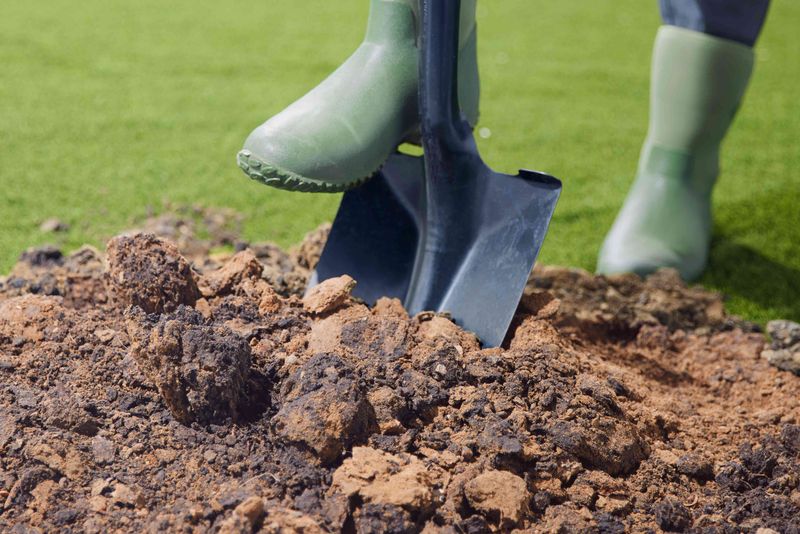
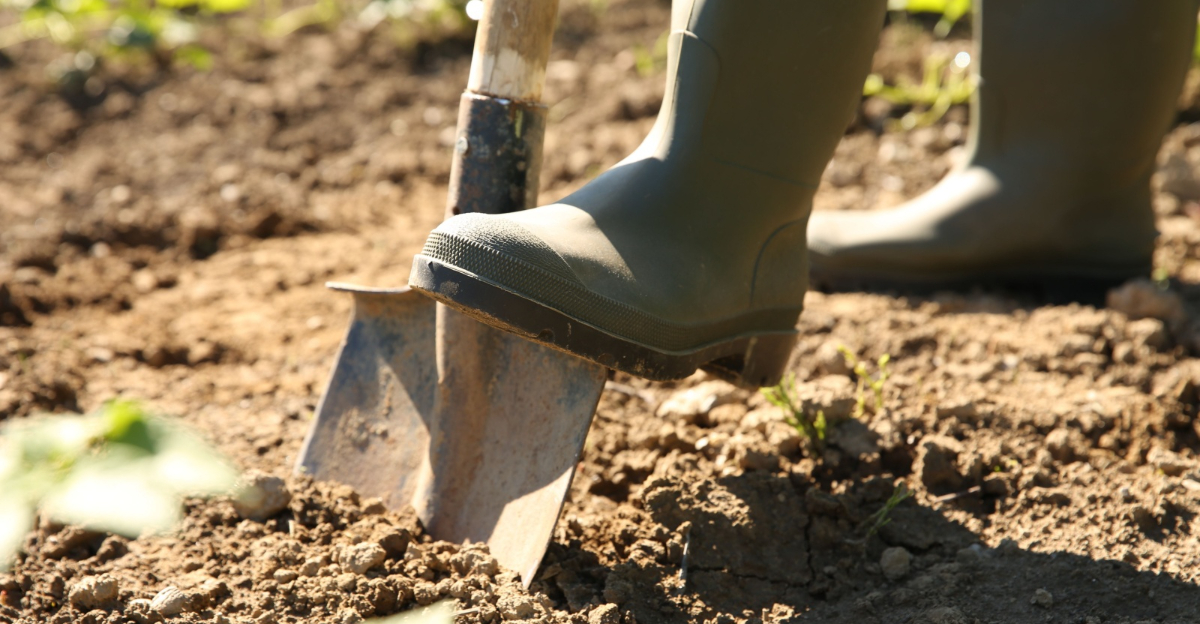
Compacted soil is one of the most common frustrations home gardeners run into, especially in yards with heavy clay that has been walked on, rained on, or left unattended through the winter.
When you push a trowel or garden fork into the bed and it barely moves, that resistance is telling you something important.
Soil that is too dense does not let roots spread easily, and it makes the whole growing season harder before it even begins.
In western Oregon especially, clay-heavy soils tend to compact over the rainy season as repeated wet and dry cycles press soil particles together.
The problem is not always visible on the surface – the top inch might look fine, but a few inches down the soil can feel like packed concrete.
This is called a hardpan layer, and it blocks both roots and water from moving through freely.
Before summer arrives, try the simple screwdriver test: push a standard screwdriver into moist soil with hand pressure. If it sinks six inches without much effort, drainage and root movement are likely fine.
If it stops at two or three inches, the soil needs attention. Adding compost and working it into the top several inches can help loosen compacted beds.
Avoid working soil when it is too wet or too dry, as both conditions can make compaction worse rather than better.
2. Water Puddles Or Runs Off Instead Of Soaking In
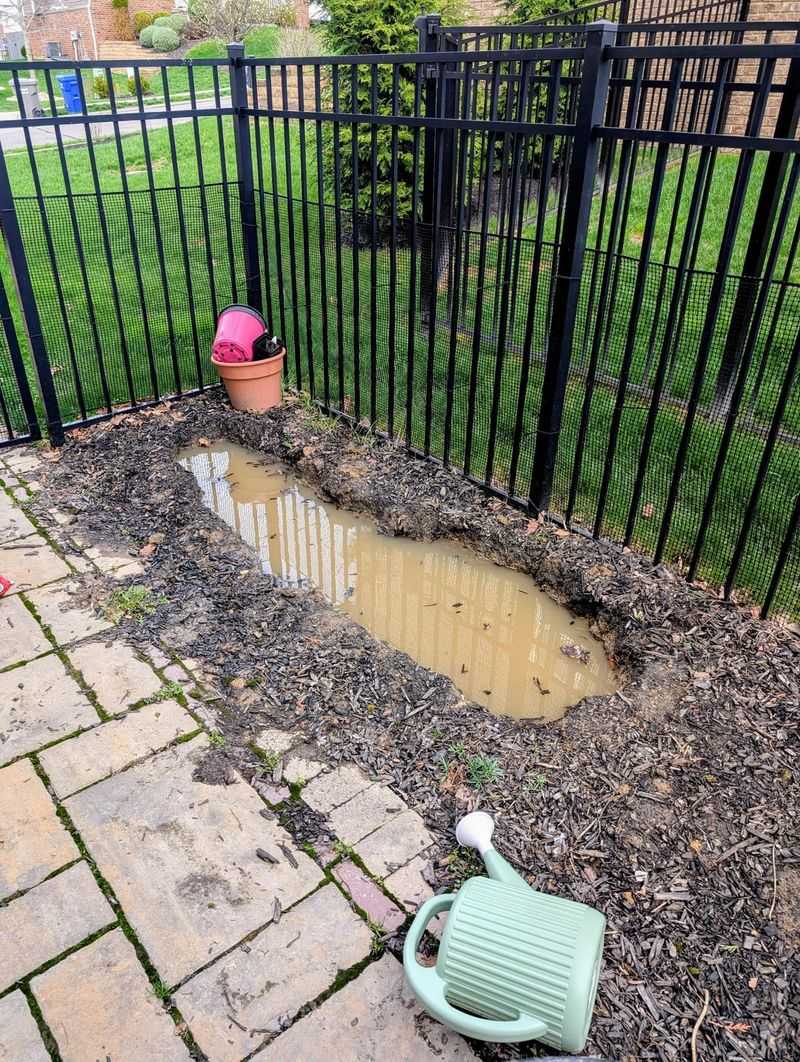
Standing water that lingers on your garden bed long after rain stops is one of the clearest signals that something is off below the surface.
When soil cannot absorb water at a reasonable rate, plant roots end up sitting in soggy conditions that limit oxygen and promote root rot.
Wet spring season makes this sign easy to spot, but it is also easy to ignore because wet weather feels normal in the Pacific Northwest.
Poor drainage in Oregon gardens usually comes down to one of two things: a clay-heavy soil structure that holds water tightly, or a compacted layer beneath the surface that acts like a barrier.
In some parts of western Oregon, soils are naturally high in clay content, which means water moves through them very slowly.
When the surface water has nowhere to go, it pools on top or runs off the sides of raised beds and planting areas.
Your Oregon Garden Changes Every Week. Your Plan Should Too.
Gardening in Oregon changes quickly throughout the season. Every Friday you’ll receive a simple weekly plan showing exactly what to plant, prune, fertilize, harvest, and protect so you never miss the right timing.
Runoff is just as concerning as pooling. When water sheets off the surface rather than soaking in, the soil may have developed a crust or become hydrophobic – meaning it actually repels moisture rather than absorbing it.
Both problems mean your plants are not getting the water they need even when you are watering regularly.
Improving soil structure with organic matter before summer arrives gives the soil a better chance of holding and moving water the way healthy garden beds should.
3. The Surface Crusts Over After Rain Or Watering
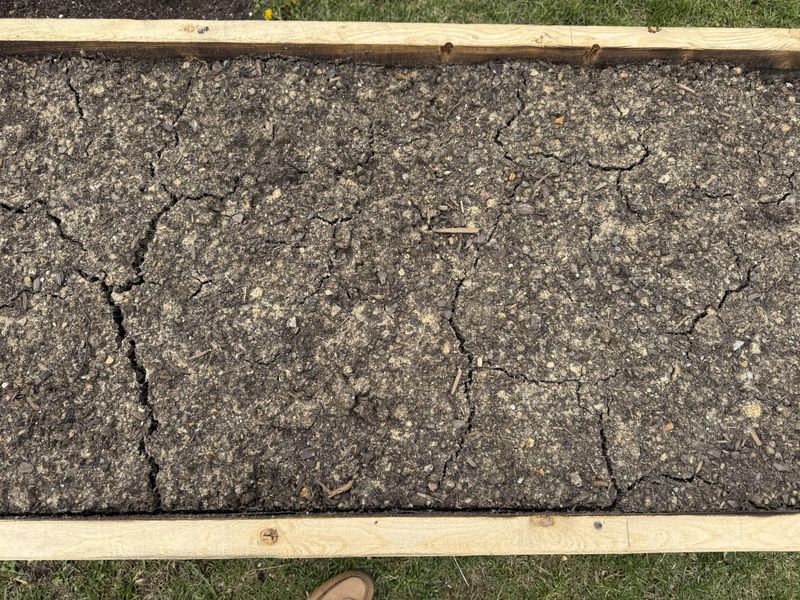
Soil crusting happens when fine particles on the surface get broken apart by rain or irrigation and then dry into a hard, sealed layer.
If you have noticed that your garden beds develop a stiff, almost plaster-like surface a day or two after watering, that crust is more than just a cosmetic issue.
It physically blocks seedlings from pushing through, reduces water infiltration, and speeds up surface evaporation once summer arrives.
In Oregon, crusting tends to show up most in gardens with silty or loamy soils that have low organic matter content. These soils look smooth and workable when wet but seal over quickly as they dry.
The Pacific Northwest’s pattern of moderate spring rains followed by dry spells creates ideal conditions for repeated crusting cycles, especially in bare or lightly mulched beds.
Young seedlings are particularly affected because their first shoot is fragile and may not have the strength to break through a crusted surface. You might notice seeds that germinated but never emerged, or seedlings that look bent and stunted just at the soil line.
Adding compost to the top few inches helps break up the fine particle structure that leads to crusting.
Keeping beds lightly mulched with straw or wood chips also protects the surface from the impact of rain and irrigation water, which is one of the main triggers for crust formation in the first place.
4. The Soil Stays Sticky And Slow To Dry In Spring
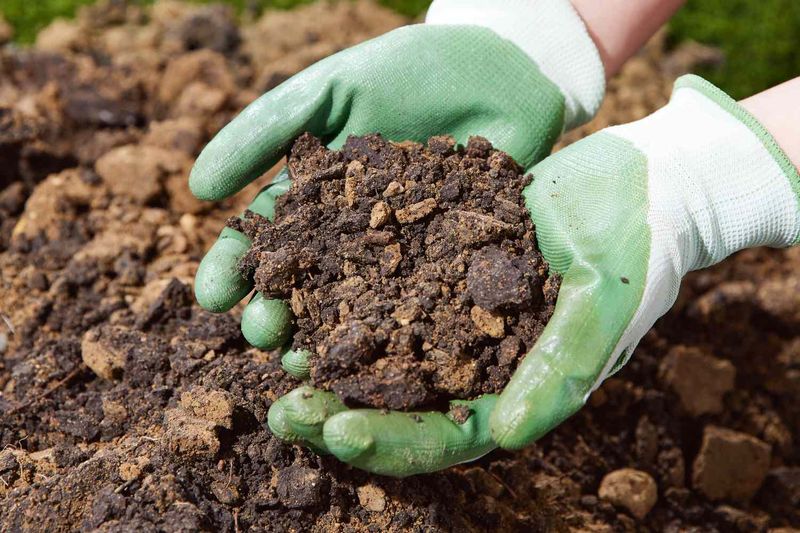
Sticky, slow-to-dry soil in spring is a familiar experience for many gardeners, particularly those gardening in the Willamette Valley and other parts of western Oregon where clay soils are common.
When you pick up a handful of soil and it smears between your fingers rather than crumbling, it is holding too much moisture for comfortable root growth.
Working that soil too early can do lasting damage to its structure.
Clay particles are very small and pack together tightly, which gives clay soils their sticky texture and their tendency to hold water long after rain stops.
While some water retention is a good thing – especially heading into Oregon’s dry summer – soil that stays wet and sticky well into spring can limit how early you plant and how well roots establish.
Waterlogged roots have a harder time accessing oxygen, which slows growth even when nutrients are available.
The squeeze test is a quick way to check soil readiness: grab a handful of soil and squeeze it into a ball, then open your hand and poke the ball with your finger. If it crumbles apart, the soil is ready to work.
If it stays in a tight, slick clump, it is still too wet. Patience matters here.
Working sticky soil compacts it further and breaks down its natural structure. If your beds are consistently slow to dry each spring, adding organic matter over time gradually improves drainage and makes the soil easier to manage season after season.
5. The Soil Dries Out Too Fast Once Weather Warms
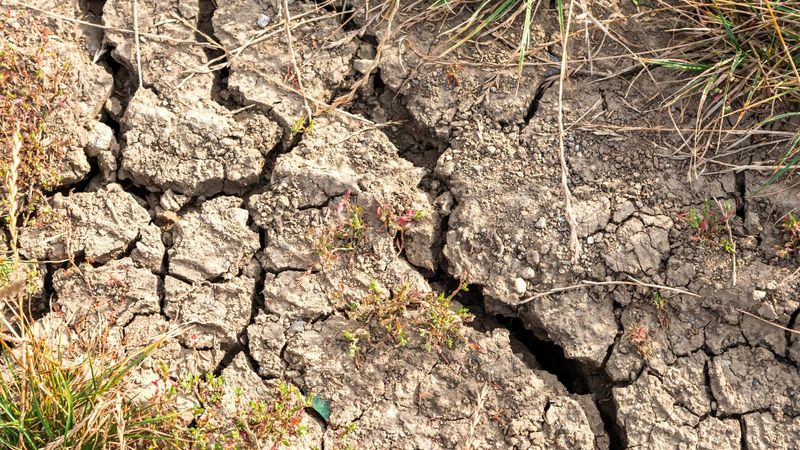
On the opposite end of the spectrum from sticky clay, sandy or low-organic-matter soils can go from moist to bone dry within a day or two of warm weather arriving.
Summer dry season tends to settle in quickly, and soils that cannot hold onto moisture become a constant challenge for gardeners who do not want to water every single day.
If your beds dry out almost as fast as you water them, the soil structure is likely lacking in organic matter.
Sandy soils have large particles with big spaces between them, which allows water to drain through quickly – sometimes too quickly for plants to absorb what they need.
This is more common in parts of Central and Eastern Oregon, but sandy pockets show up in western Oregon gardens too, especially in raised beds filled with low-quality soil mixes.
Even native soils that are not particularly sandy can dry out fast if they have been depleted of organic matter over years of gardening without regular amendments.
Compost is one of the most effective tools for improving water retention in fast-draining soils. It acts like a sponge, holding moisture in the root zone longer and releasing it gradually as plants need it.
Mulching the surface with a few inches of straw, wood chips, or shredded leaves also slows evaporation significantly. Addressing fast-drying soil before summer arrives gives plants a much better foundation for handling warm, dry months without constant stress.
6. Plants Show Pale Or Smaller-Than-Normal Leaves
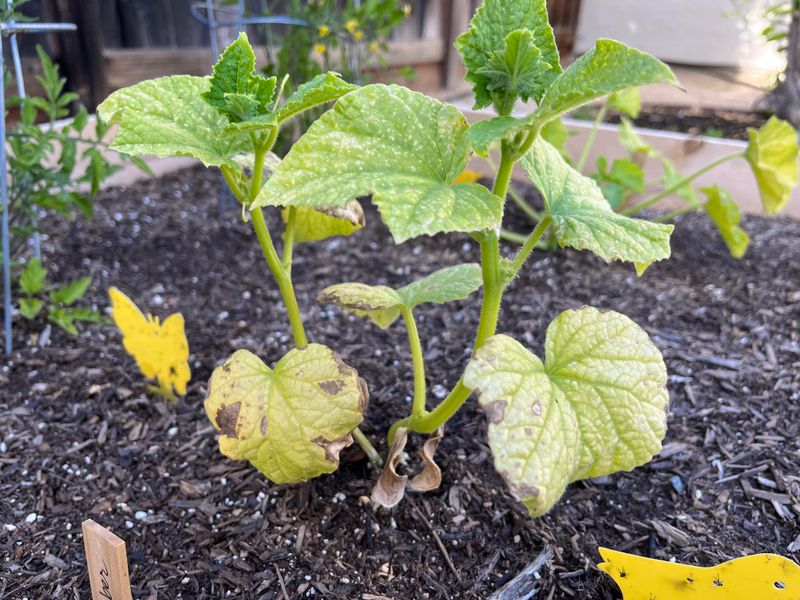
Pale leaves and stunted growth in spring can point to a soil problem that goes beyond just watering habits.
When plants are not getting enough of the nutrients they need – particularly nitrogen, iron, or magnesium – their leaves often lose their deep green color and new growth comes in smaller than expected.
In Oregon, spring soil that has been leached by heavy winter rains is a common reason for these early-season nutrient shortfalls.
Oregon’s wet winters can wash soluble nutrients out of the soil before the growing season even starts. Nitrogen is especially vulnerable to leaching because it moves easily with water through the soil profile.
If your garden beds did not receive compost or a cover crop over winter, they may be heading into summer already short on the nutrients young plants need.
Low pH levels can also lock up nutrients in the soil, making them unavailable to roots even when they are technically present.
Before adding fertilizer, it helps to check the soil with a simple home test kit or send a sample to a local extension service lab.
Guessing at nutrient problems and over-applying fertilizer can cause its own set of issues, including burning roots or creating nutrient imbalances.
If the soil test confirms deficiencies, a balanced compost application along with a slow-release fertilizer suited to your crop type can help restore what was lost over winter and set plants up for stronger growth heading into the dry season.
7. Roots Struggle To Push Through The Soil
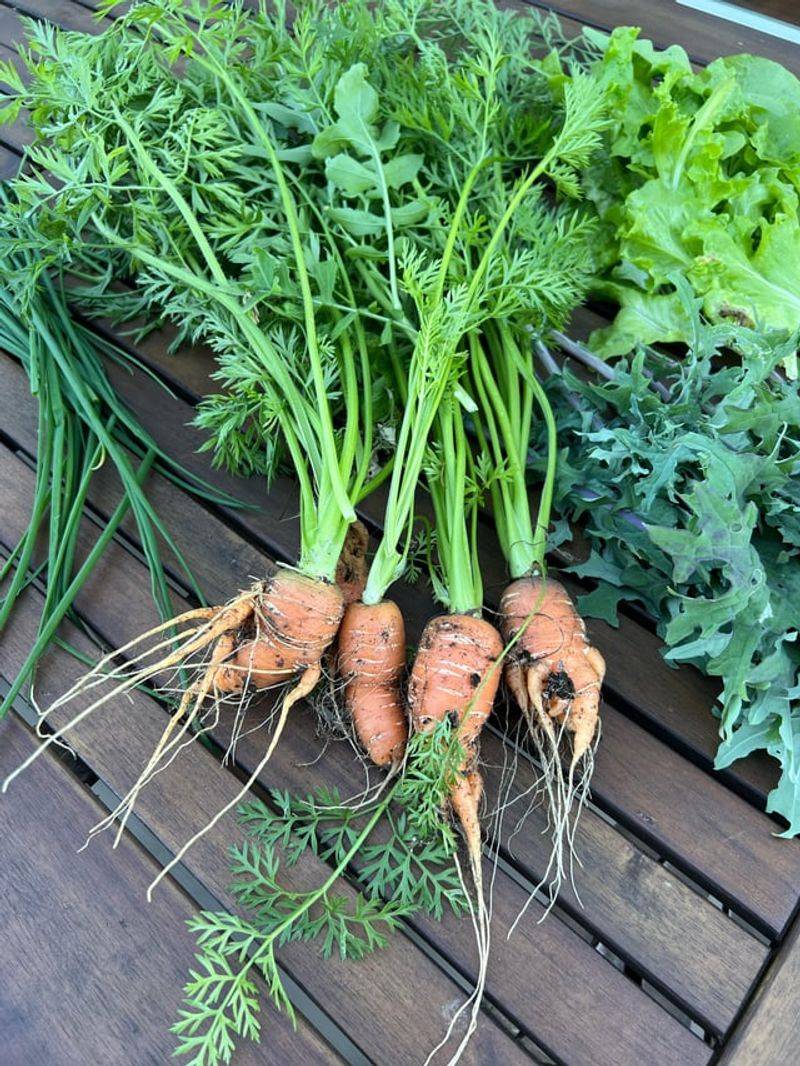
When you pull up a carrot, beet, or even a spent annual at the end of the season and the roots look twisted, forked, or stubby, the soil was likely too dense for them to grow straight and deep.
Root vegetables make the problem obvious, but the same issue affects tomatoes, squash, beans, and flowers – any plant that relies on a well-developed root system to anchor itself and pull in water during dry summer months.
Roots follow the path of least resistance. In loose, well-structured soil, they spread wide and go deep, which gives plants access to moisture stored further down in the soil profile – a huge advantage when surface soil dries out quickly in July and August.
In compacted or heavy clay soil, roots tend to stay shallow because pushing deeper takes more energy than the plant can spare. Shallow roots make plants much more dependent on regular surface irrigation.
Checking root depth and shape at transplant time or when pulling finished crops gives you a good read on what is happening underground. If roots are circling, bending sideways, or barely extending beyond the original root ball, the soil is resisting them.
Double-digging beds, adding compost to the full depth of the root zone, and avoiding heavy foot traffic on garden beds all help create the looser, more open structure that roots need to grow freely before and during Oregon’s warm, dry season.
8. The Bed Makes A Poor Seedbed
Getting a smooth, fine-textured seedbed is harder than it sounds when the soil is full of large clods, rocks, and debris. A poor seedbed is not just an inconvenience – it directly affects germination rates, seedling survival, and how evenly a planting comes up.
If you have tried to rake your beds smooth in spring and ended up with a lumpy, uneven surface that seeds fall into unevenly, the soil structure needs work before summer planting begins.
Good seedbed preparation requires soil that breaks into small, crumbly pieces when worked at the right moisture level. Soil with low organic matter, heavy clay, or severe compaction tends to break into large, hard clods instead of fine crumbles.
Seeds need good contact with soil particles to absorb moisture and germinate properly. Gaps between large clods leave seeds exposed to air, which dries them out before they can sprout.
In Oregon, the window for preparing seedbeds in spring can feel narrow – the soil is often too wet in early spring and then dries out faster than expected as summer approaches. Timing matters, but so does soil health going into the season.
Beds that received compost the previous fall tend to be much easier to work into a fine seedbed in spring.
If your beds are consistently cloddy and rough, working in two to three inches of finished compost and raking it in before the soil fully dries can make a noticeable difference in how well direct-seeded crops establish before the dry season sets in.