These Are The Trees California Homeowners Must Remove To Avoid Fines
Not every tree in a California yard is safe to keep. Certain species are considered hazardous, invasive, or a fire risk, and local laws require homeowners to remove them to protect property and neighbors.
Ignoring these regulations can result in fines or mandatory removal at your expense. One tree in the wrong place can become an expensive problem.
Trees prone to dropping large limbs, spreading aggressively, or contributing to wildfire risk are often on the list for removal. Municipalities and fire districts enforce these rules to maintain safety and prevent damage.
Knowing which trees are regulated helps homeowners act proactively and avoid costly penalties. Removing dangerous trees early keeps your yard safe and legal.
California homeowners who stay informed and remove problem trees enjoy safer, more attractive landscapes without legal trouble. Smart tree management protects your property and keeps your yard in compliance.
Street Trees (Trees In The Public Right-Of-Way)
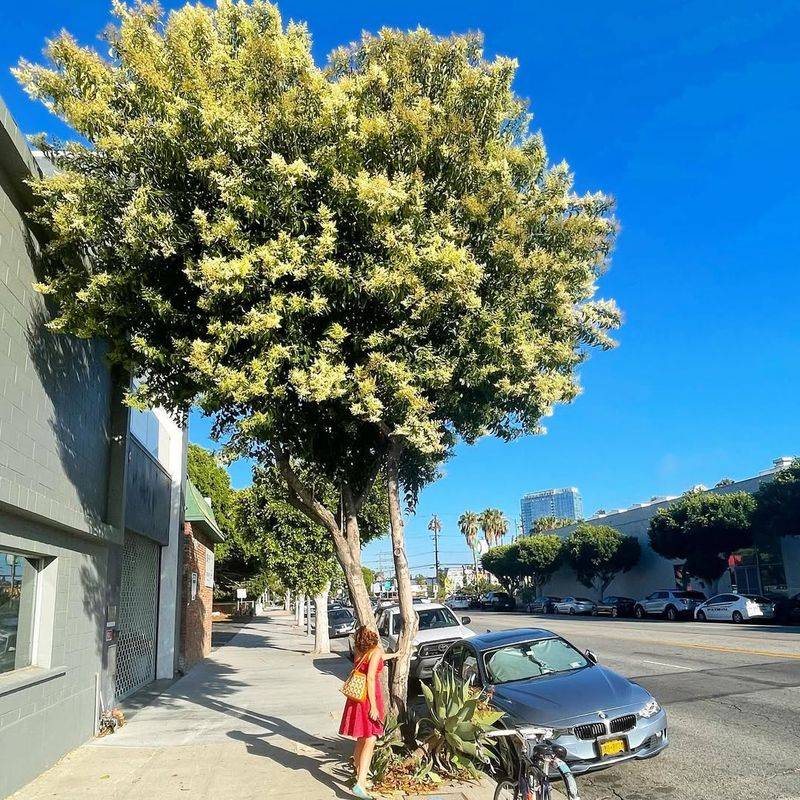
Walking down your neighborhood sidewalk, you probably notice those beautiful trees planted between the curb and the pavement.
While they might seem like part of your front yard, these street trees actually belong to the city and are protected by law.
Touching them without official approval can lead to serious financial consequences, with some California cities imposing fines that reach into the tens of thousands of dollars.
San Jose, for example, can charge homeowners up to $15,000 for unauthorized pruning or removal of street trees. These trees are considered public property, even if they sit directly in front of your home.
Municipalities invest heavily in urban forestry programs to maintain shade, air quality, and neighborhood beauty, so they take violations seriously.
Before you even think about trimming an overhanging branch or removing a tree that blocks your view, contact your local public works department. Most cities have clear permit processes and arborist consultations available.
Some communities even offer free tree maintenance services for street trees, so you might not need to do anything yourself.
Understanding who owns and manages these trees protects you from unintentional violations and keeps your neighborhood green and vibrant for everyone to enjoy.
Heritage Trees
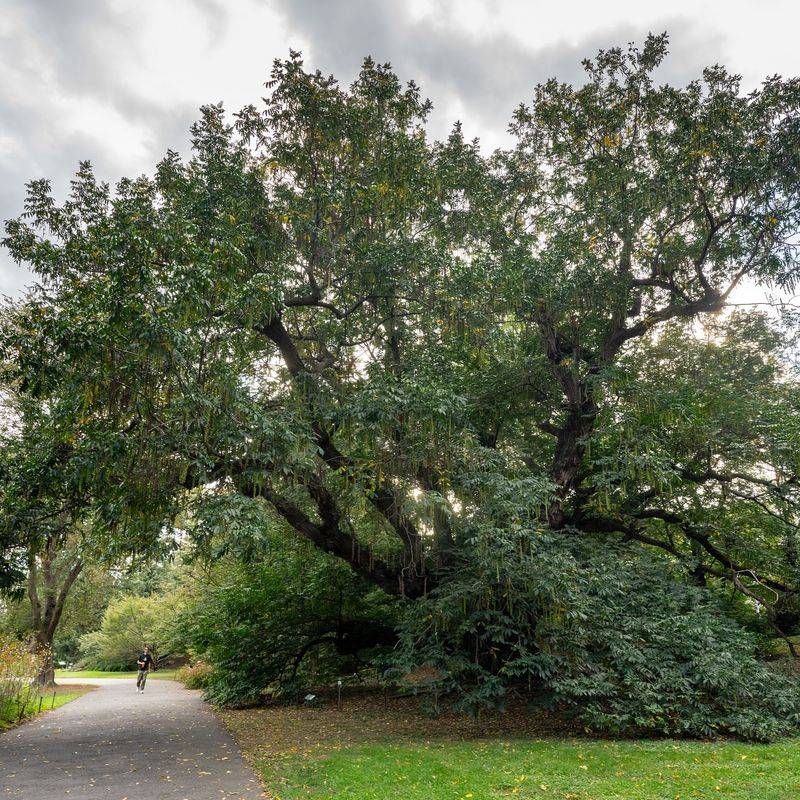
Some trees have stood for generations, witnessing decades of neighborhood history and providing irreplaceable character to California communities.
Heritage trees are those special specimens designated by cities for their age, size, historical significance, or unique beauty.
Removing one without proper authorization can result in penalties that double the appraised value of the tree, which can easily climb into tens of thousands of dollars.
Cities across California maintain heritage tree registries that list protected specimens by address and species.
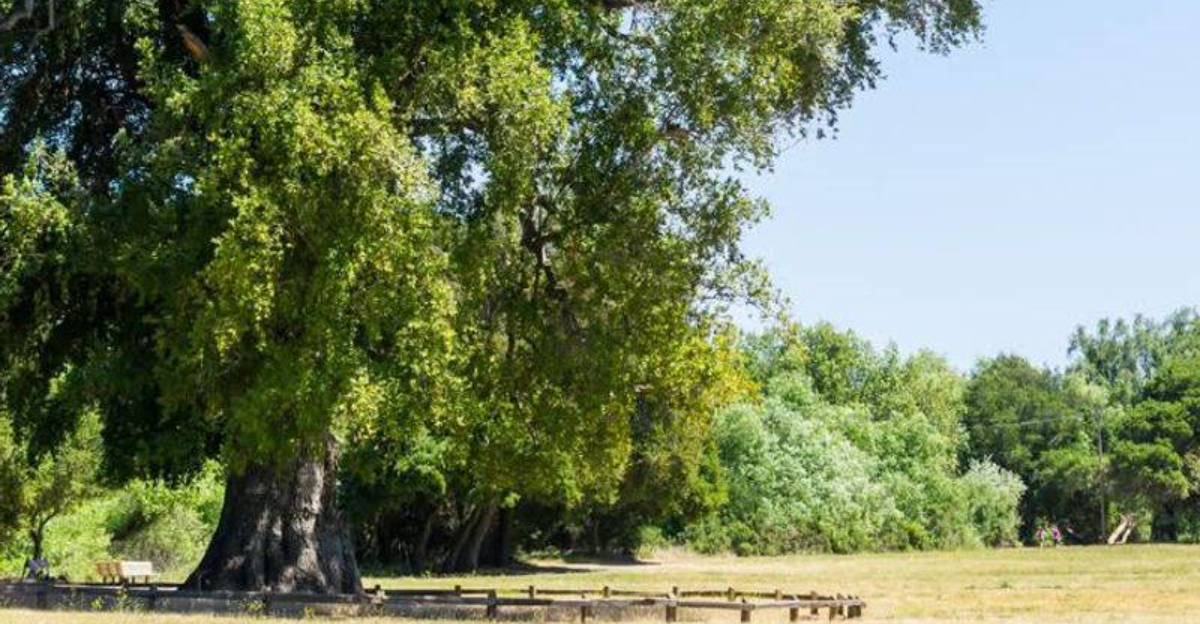
A majestic oak that has shaded your backyard for a century might be on that list, and you would need city council approval to remove it. These designations recognize trees as living landmarks that contribute to community identity and environmental health.
If you own property with a heritage tree, regular maintenance and care are your responsibility, but removal requires jumping through official hoops.
You will need to submit an application, often including arborist reports, photographs, and justification for removal. Even then, approval is not guaranteed, and you may be required to plant replacement trees.
Respecting heritage tree protections honors the past while preserving natural beauty for future generations, and staying informed about your trees’ status prevents costly legal troubles down the road.
Ordinance-Size Trees
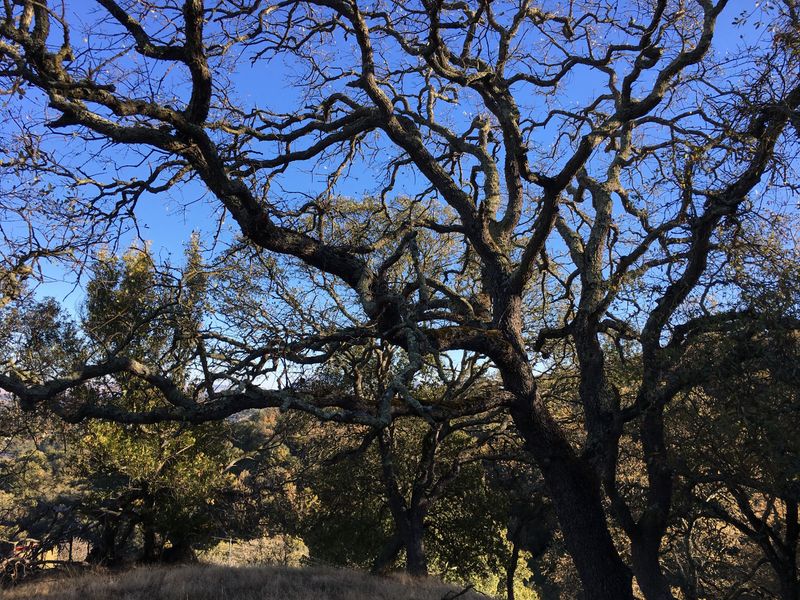
Your city might have rules about tree size that determine whether you need permission before removal.
Many California municipalities define ordinance-size trees based on trunk diameter measured at a specific height, typically four and a half feet above ground.
Once a tree reaches that threshold, it becomes subject to local tree preservation laws, regardless of species or location on your property.
For instance, a city might protect any tree with a trunk diameter exceeding six inches, requiring homeowners to obtain permits before cutting it down.
These regulations aim to preserve urban canopy cover, which provides cooling, air filtration, and habitat for wildlife. Violating these ordinances can result in fines, required replacement plantings, and even legal action.
Before starting any tree removal project, measure your trees and check your local municipal code. Most city websites have tree ordinance sections that clearly outline size thresholds and permit requirements.
Some communities also offer online permit applications and guidance from city arborists to help you navigate the process. Even if a tree seems like it is entirely on your private property, ordinance-size regulations mean you still need to follow local rules.
Planning ahead and understanding these requirements keeps you compliant and helps maintain the green spaces that make California neighborhoods so desirable.
Native Oak Trees On Protected Lists
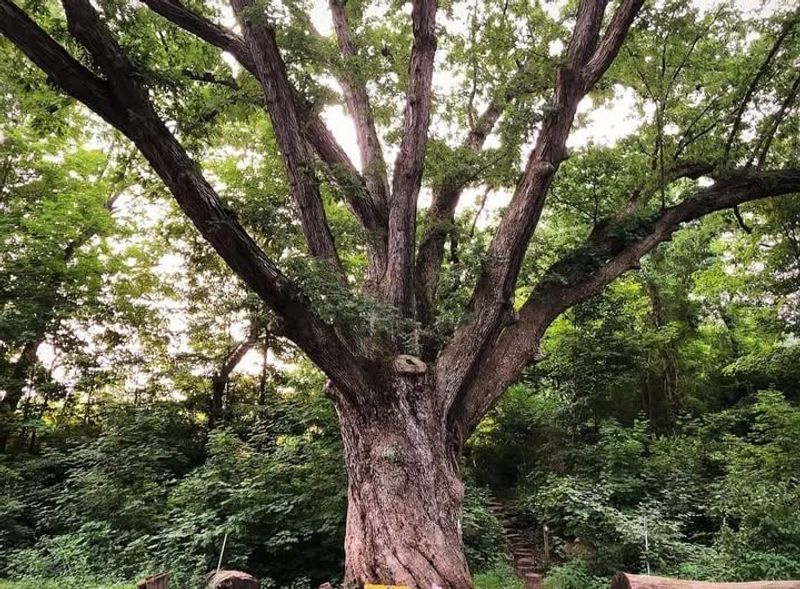
California’s native oaks are ecological treasures, supporting hundreds of species and playing a vital role in local ecosystems. Counties like Sacramento have specific ordinances protecting native oak species, making it illegal to remove them without permits.
Violating these protections triggers enforcement actions that can include hefty fines, mandatory mitigation plantings, and legal proceedings.
Native oaks, including valley oaks, coast live oaks, and blue oaks, are often protected regardless of size or location on private property.
These trees provide critical habitat for birds, insects, and mammals while improving soil health and water retention. Their deep roots and broad canopies make them keystone species in California’s natural landscape.
If you have a native oak on your property and need to remove it due to disease, structural hazards, or construction, you must apply for a permit and provide documentation.
Arborist reports, engineering studies, and sometimes environmental impact assessments are required. Even with approval, you may need to plant multiple replacement trees or pay mitigation fees.
Protecting native oaks is not just about following the law; it is about preserving California’s natural heritage and supporting biodiversity.
Before you consider removing a native oak, consult with local authorities and explore alternatives like pruning or relocation to keep these magnificent trees standing.
Trees Defined As Protected Species In Local Ordinances
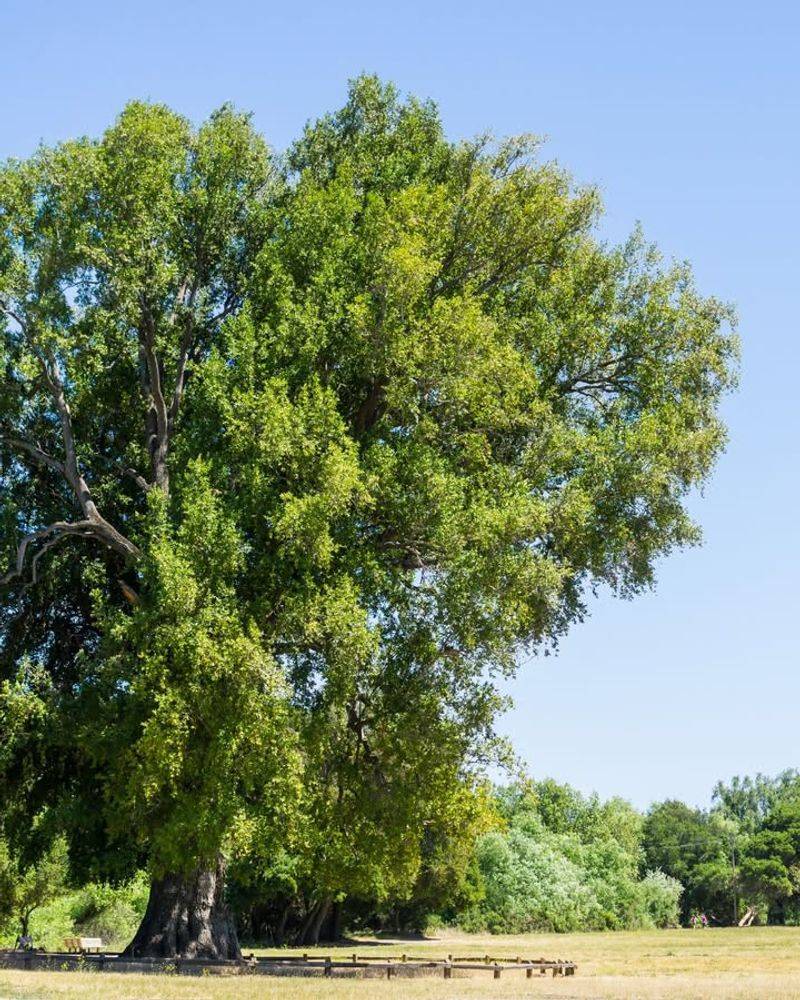
Beyond native oaks, many California cities maintain lists of protected tree species that cannot be removed without official permission.
These lists often include redwoods, bay laurels, black walnuts, sycamores, and other species valued for their ecological, aesthetic, or cultural importance.
Taking down a protected species without a permit violates local codes and can result in significant penalties. Each municipality sets its own protected species list based on regional ecology and community values.
What is protected in one city might not be in another, so you need to check your specific local ordinances.
These protections recognize that certain trees contribute uniquely to urban forests, providing habitat, shade, and visual appeal that generic landscaping cannot replace.
If your property includes a protected species, you are responsible for maintaining it properly and seeking permits before removal.
Applications typically require arborist evaluations, proof of necessity, and sometimes public hearings. Approval is not automatic, and you may face conditions like replacement plantings or conservation easements.
Understanding your local protected species list helps you make informed landscaping decisions and avoid unintentional violations.
These protections ensure that California’s diverse urban forests remain healthy and vibrant, benefiting everyone in the community while preserving the natural character that makes the state so special.
Trees Within Riparian Or Environmentally Sensitive Zones
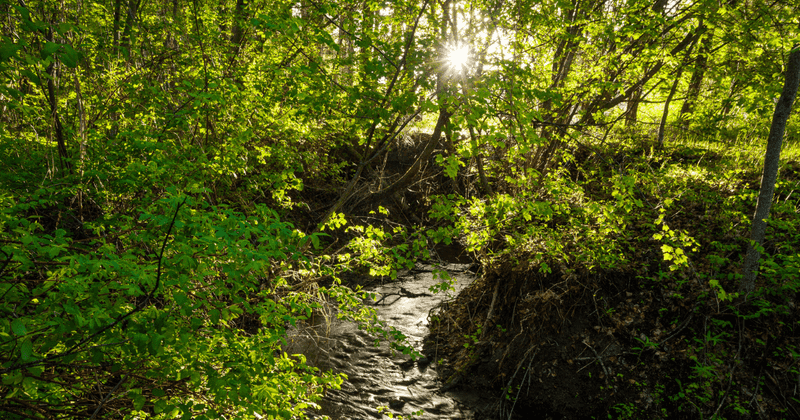
Properties near streams, wetlands, or other water bodies often fall within riparian zones, where trees are protected by environmental regulations.
These buffers play a crucial role in preventing erosion, filtering pollutants, maintaining water quality, and providing wildlife corridors.
Removing trees from riparian or environmentally sensitive zones without authorization can trigger fines and enforcement actions from local, state, and even federal agencies.
Riparian tree protections are not just about individual tree species but about preserving entire ecosystems. Trees along waterways stabilize banks, shade streams to keep water cool for aquatic life, and provide habitat for birds, amphibians, and insects.
Their root systems filter runoff and prevent sediment from entering water bodies. If your property includes a creek, pond, or wetland, check with your county planning department and regional water quality board before removing any trees.
You may need environmental assessments, mitigation plans, and multiple permits. Violations can be costly, with fines escalating based on the ecological damage caused.
Respecting riparian protections helps maintain California’s fragile water ecosystems and ensures compliance with environmental laws.
Working with environmental consultants and local agencies can help you navigate these regulations while protecting the natural resources that make your property unique and valuable.
Trees Required By Development Approvals Or Landscape Plans

When developers build new homes or commercial properties, they often must submit landscape plans that include specific trees as part of project approval.
These trees are not just decorative; they are legal requirements tied to permits, environmental mitigation, or community design standards.
Removing a tree that was required by a development approval violates permit conditions and can lead to penalties, stop-work orders, and mandatory replanting.
Homeowners who purchase newly built properties might not realize that certain trees on their lot are protected by previous approvals.
These trees may have been planted to offset environmental impacts, meet setback requirements, or fulfill urban forestry goals. Cutting them down without permission breaches the original development agreement.
Before removing any tree on a newer property, check with your local planning department to see if it is part of an approved landscape plan. You may need to review site plans, environmental documents, or homeowners association rules.
Violating these conditions can result in fines and costly replacement requirements. Understanding which trees are tied to development approvals protects you from legal troubles and honors the commitments made during the permitting process.
Keeping these trees in place maintains neighborhood aesthetics, environmental benefits, and compliance with local regulations that govern land use and development.
Trees On Public Or Dedicated Easements
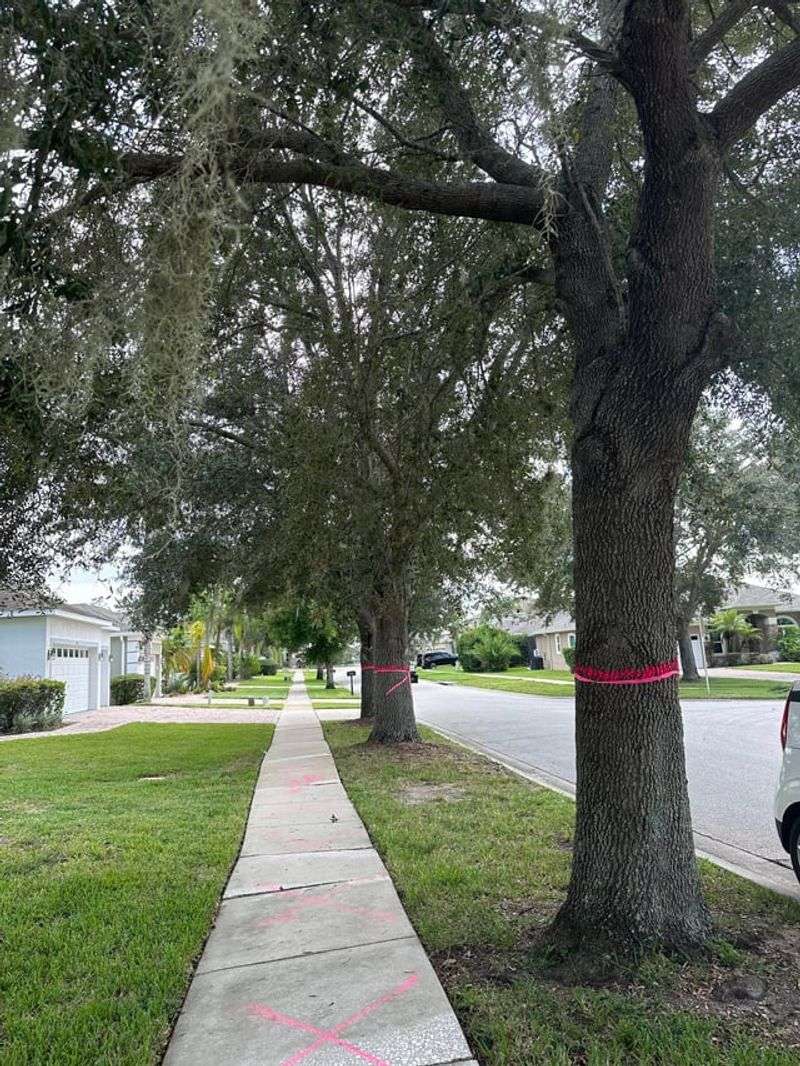
Easements are portions of your property where others have legal rights, such as utility companies, conservation organizations, or government agencies.
Trees growing on public or dedicated easements are often protected by state law and easement agreements, and removing them without authorization can violate those legal arrangements.
California law prohibits unauthorized removal of vegetation on rights-of-way, and violations can result in fines and legal action.
Utility easements, for example, allow power or water companies to access infrastructure, but that does not mean you can freely remove trees in those areas. Conservation easements may restrict all tree removal to protect natural habitats.
Public access easements might include trees that contribute to trail systems or park-like settings. Before cutting down any tree, review your property deed and easement documents to understand what restrictions apply.
Contact easement holders, such as utility companies or land trusts, to clarify what activities are permitted. Unauthorized tree removal can breach easement terms and expose you to legal liability.
Respecting easement protections ensures you stay compliant with property rights and legal obligations while maintaining the environmental and infrastructure functions these areas serve.
Consulting with legal and environmental professionals helps you navigate easement rules and avoid costly mistakes that could affect your property value and legal standing.