These Are The 9 Weed Control Techniques That Actually Work In Colorado Front Yards
Weeds in Colorado don’t wait. They take over fast.
A few dry weeks or a sudden storm, and a tidy front yard can turn into a tangle of stubborn weeds overnight. They spread quickly, popping up where you least expect them.
Some choke out your grass. Others scatter seeds that come back stronger next season.
Most people don’t realize how quickly things got out of hand until they’re staring at patches of weeds that weren’t there a month ago.
The trick is catching them early and knowing what actually works in Colorado’s tough soil and unpredictable weather. The difference between a yard full of weeds and one that stays clean often comes down to a few small habits!
Mulch Does More Than Make Beds Look Good
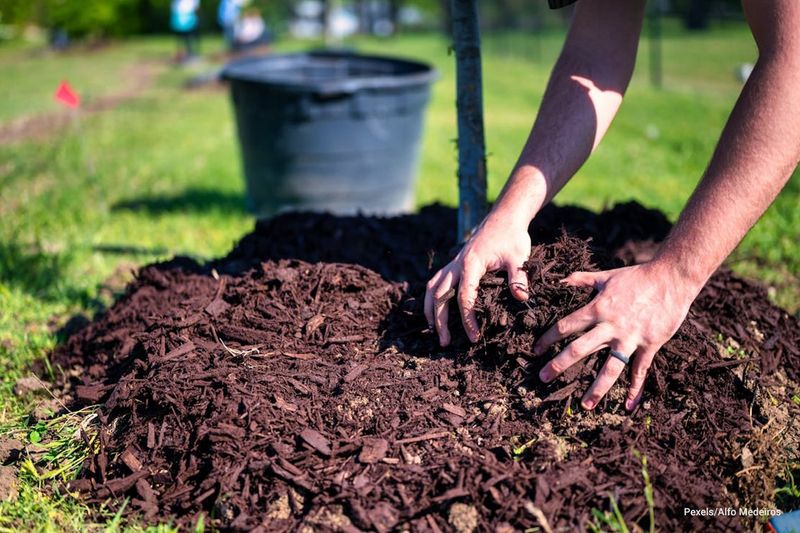
Mulch is one of the most underrated weapons in any Colorado homeowner’s lawn-care toolkit.A thick layer of organic mulch blocks sunlight from reaching weed seeds, stopping them before they even sprout.
Wood chips, straw, and shredded bark all work well in Colorado’s dry climate.
Aim for a layer about two to three inches deep around flower beds, trees, and shrubs.Too thin and weeds push right through.
Too thick and you risk trapping moisture that could cause root rot in Colorado’s unpredictable spring weather.
Organic mulch also breaks down over time, feeding the soil with nutrients that your plants love.Refresh the mulch layer once a year, ideally in early spring before weed season kicks off.
This single habit can reduce your weeding time by more than half across a single growing season.
Inorganic options like gravel or landscape fabric work well in Colorado’s xeriscape designs too.Gravel mulch is especially popular in Denver neighborhoods where water conservation is a priority.
Pair mulch with edging to keep it contained and your front yard will look polished with very little upkeep.
Pre-Emergent Herbicides Stop Weeds Before They Sprout

Timing is everything when it comes to stopping weeds before they show their faces.Pre-emergent herbicides work by creating a chemical barrier in the soil that prevents weed seeds from germinating.
In Colorado, the best window to apply them is late March through mid-April, just as soil temperatures climb above 50 degrees Fahrenheit.
Missing this window means the weeds have already sprouted and pre-emergents become useless.Set a reminder on your phone and check the soil temperature with an inexpensive thermometer available at most Colorado garden centers.
Applying at the right moment is the difference between a clean yard and a weedy mess by June.
Corn gluten meal is a popular organic pre-emergent option that is safe around kids and pets.Synthetic options like prodiamine are stronger and last longer through Colorado’s dry summer months.
Always read the label carefully and water the product in after application to activate it properly.
Keep in mind that pre-emergents also affect grass seed germination.Avoid applying them if you plan to overseed your lawn in the same season.
Plan ahead and your front yard will stay clean from the very first warm day of the year.
Hand Pulling Works Best After Rain
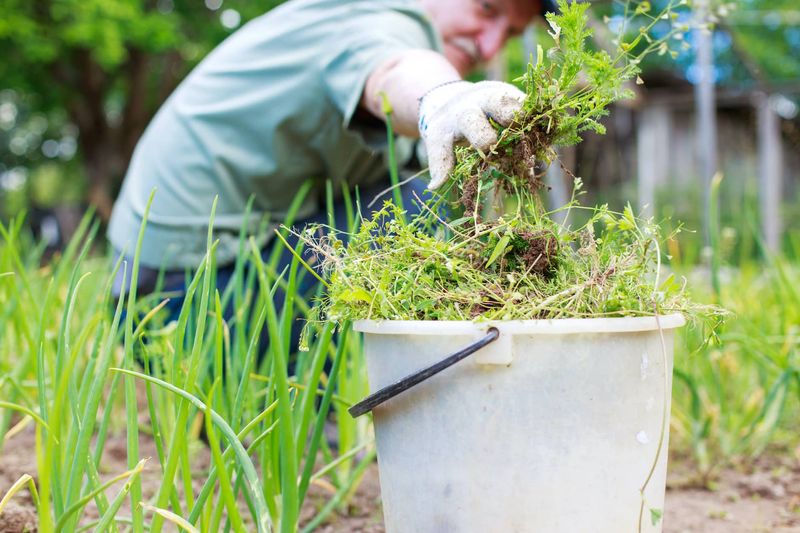
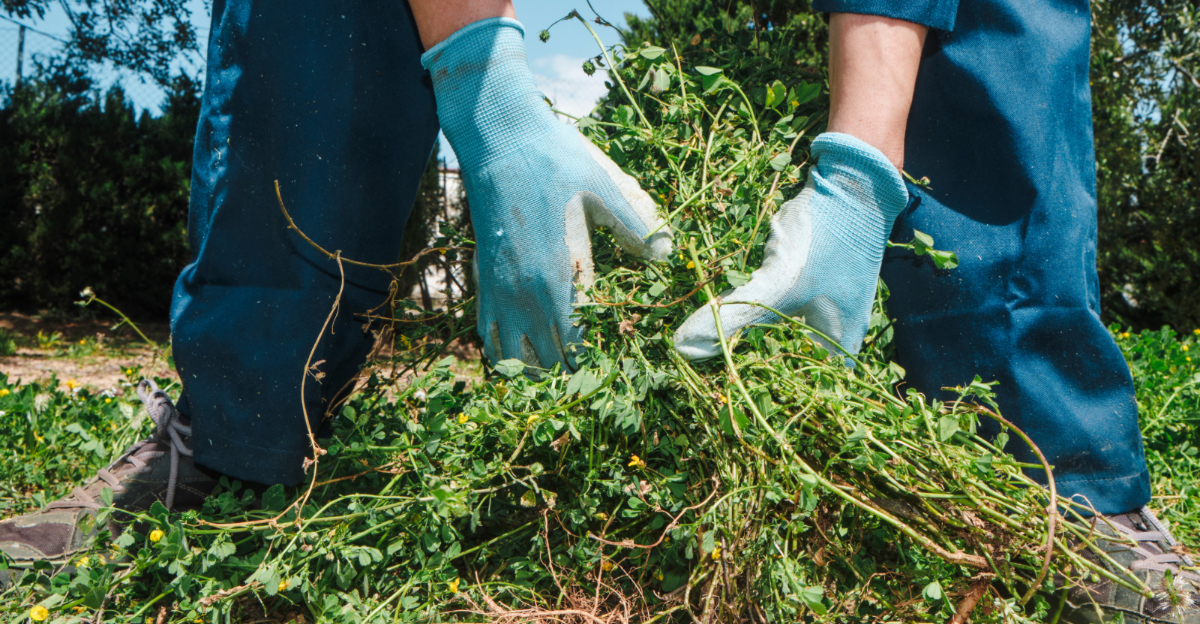
Nothing beats the satisfaction of pulling a weed out completely by the root after a good rain.Wet soil loosens its grip on roots, making it far easier to remove the entire plant without snapping the stem.
In Colorado, where summers can be dry, hand-pulling right after irrigation day is your best bet.
Always grab as close to the base of the weed as possible and pull slowly with a steady, firm motion.Leaving even a small fragment of root behind means the weed grows right back within days.
A weeding tool or garden fork can help with deep-rooted weeds like dandelions, which are extremely common across Colorado lawns.
Make hand-pulling a weekly habit rather than a once-a-month panic session.Spending just fifteen minutes after each watering day keeps the problem manageable and prevents weeds from going to seed.
Once weeds seed, one plant can spread hundreds of new seeds across your entire yard.
Wear gloves to protect your hands and use a kneeling pad to save your knees during longer sessions.Dispose of pulled weeds in a bag rather than a compost pile if they have already seeded.
Small, consistent effort adds up to a yard that looks well-maintained all season long.
Landscape Fabric Keeps Rock Gardens Weed Free
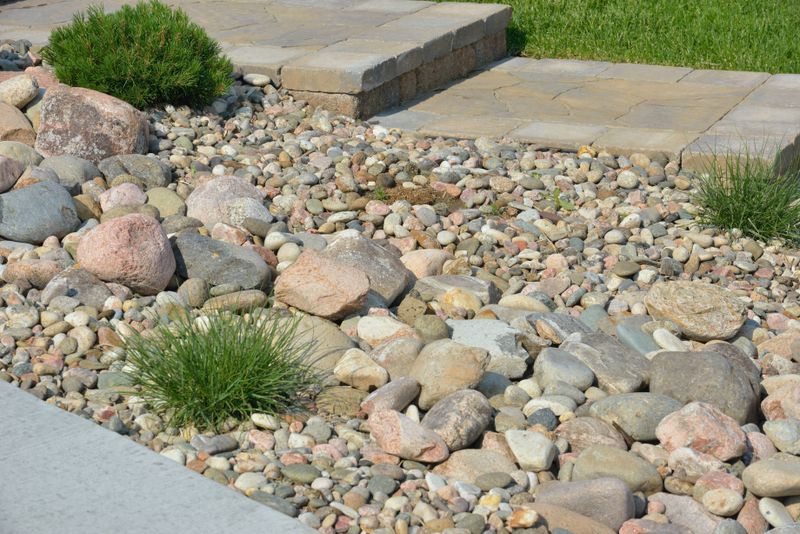
Rock gardens are a water-wise choice for Colorado front yards, but without the right foundation, weeds will creep through every gap.
Landscape fabric laid beneath decorative rock creates a physical barrier that blocks weed growth while still allowing water and air to pass through.
This technique is especially popular in Denver and the Front Range, where xeriscape design is both practical and stylish.
Choose a heavy-duty woven fabric rather than the thin plastic sheeting found at discount stores.
Cheap plastic traps heat, breaks down quickly, and can actually make weed problems worse over time.
A quality fabric, properly installed, can last a decade or more with minimal maintenance.
Overlap fabric edges by at least six inches and secure them with landscape staples every few feet.
Cut precise holes only where you want plants to grow and seal the edges with extra staples to prevent weeds from sneaking through.
Rock placed on top adds weight that keeps the fabric firmly in place through Colorado’s gusty spring windstorms.
Refresh the rock layer every few years as debris accumulates on top of the fabric.
Leaves and dust can build up and create a thin layer of soil where new weeds take hold.
A quick rake-out each fall keeps the system working at its best.
Proper Mowing Height Helps Grass Crowd Out Weeds
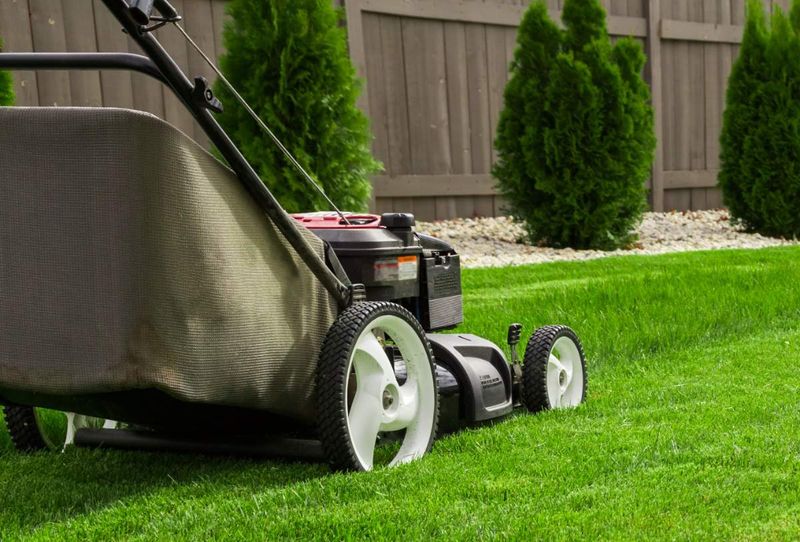
Mowing your lawn too short is one of the most common mistakes Colorado homeowners make, and weeds absolutely love it.
Short grass leaves bare soil exposed to sunlight, which is exactly what weed seeds need to sprout and thrive.
Keeping your grass at the right height creates a dense, shady canopy that naturally crowds out weeds before they get a foothold.
For most Colorado lawns, the ideal mowing height is between two and a half to three and a half inches. Bluegrass and fescue, which are the most common grass types along the Colorado Front Range, both perform best when kept on the taller side.
Never remove more than one-third of the grass blade in a single mowing session, as this stresses the lawn and opens gaps for weeds.
Keep your mower blades sharp throughout the season.
Dull blades tear grass rather than cut it cleanly, leaving ragged edges that are more vulnerable to weeds and disease.
A sharp blade cuts cleanly and keeps your lawn looking neat and healthy.
Mow regularly rather than letting grass grow too long between cuts.
Consistent mowing at the right height is one of the simplest, most effective weed prevention strategies available to any Colorado homeowner.
Make it part of your weekly routine and the difference will be obvious.
Post-Emergent Herbicides Target Weeds Already Growing
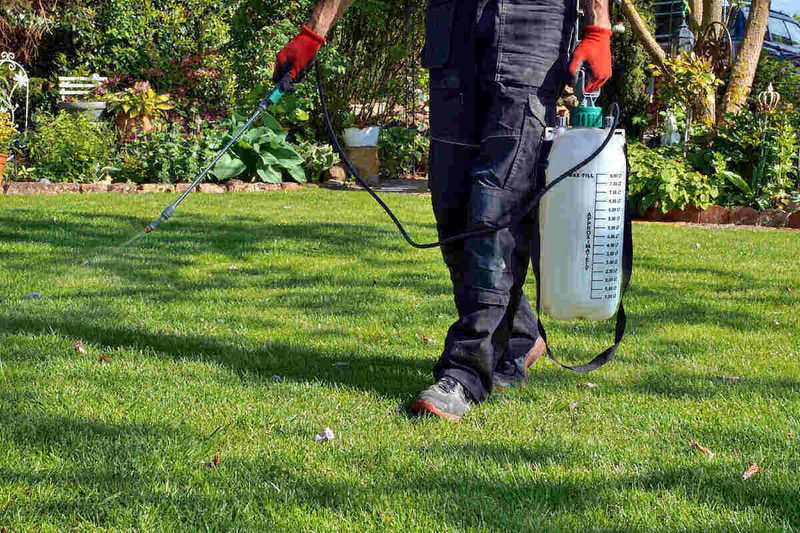
Sometimes weeds sneak through even the best prevention efforts, and that is when a targeted spot treatment becomes your best friend.
Post-emergent herbicides are designed to tackle weeds that are already actively growing, working directly on the leaves and roots of the problem plant.
Using a small handheld sprayer rather than a broadcast spreader saves product and protects your desirable grass and plants.
Broadleaf weeds like dandelions, clover, and bindweed are extremely common in Colorado and respond well to selective post-emergent herbicides. These products target broadleaf plants, meaning your grass stays safe while the weeds break down.
Always apply on a calm, windless day to avoid drift onto nearby garden beds or neighboring yards.
Check the weather before you spray.
Rain within 24 hours of application will wash the product off the leaves before it can be absorbed, wasting your time and money.
Colorado afternoons can bring surprise thunderstorms in summer, so morning applications are usually the safest bet.
Repeat treatments may be needed for stubborn weeds like bindweed, which has an incredibly deep root system.
Be patient and consistent rather than increasing the dose, which can harm your lawn.
With the right product and timing, most common Colorado weeds can be managed effectively within a few weeks.
Overseeding Fills Bare Spots Before Weeds Move In
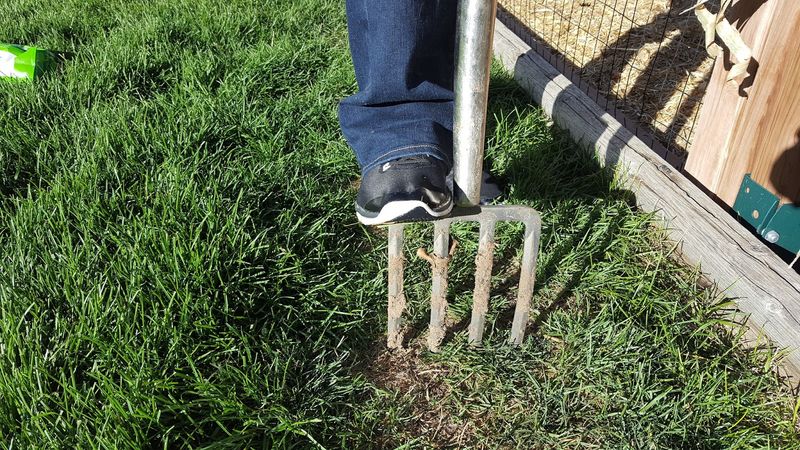
Bare spots in a lawn are basically open invitations for weeds to move in and set up camp.Overseeding fills those gaps with healthy grass that competes aggressively with weeds for water, nutrients, and space.
In Colorado, early fall is the best time to overseed because soil temperatures are still warm but the scorching summer heat has backed off.
Choose a grass seed blend suited to Colorado’s climate, such as a turf-type tall fescue or Kentucky bluegrass mix.These varieties handle the state’s temperature swings, dry spells, and intense UV exposure far better than generic seed mixes.
Buy quality seed from a local Colorado garden center rather than a big-box store for the best results.
Prepare the area by raking out thatch and loosening the top layer of soil before spreading seed.Good seed-to-soil contact is essential for germination, especially in Colorado’s dry conditions.
Water the area lightly twice a day until the new grass establishes, then gradually reduce to a normal watering schedule.
Overseeding every one to two years keeps your lawn thick and resilient across the entire front yard.A dense lawn is the most natural weed barrier available, and it improves curb appeal at the same time.
Healthy grass simply leaves no room for weeds to take hold.
Drip Irrigation Waters Plants Without Feeding Weeds
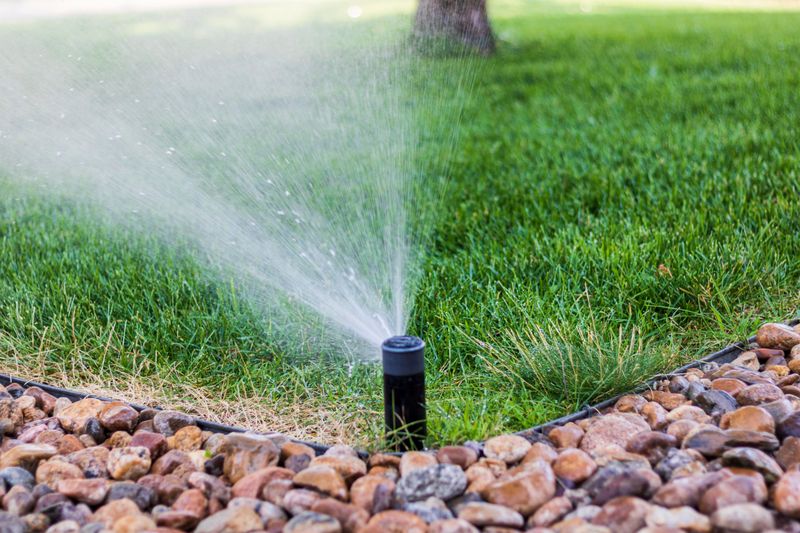
Sprinkler systems that broadcast water across an entire yard do more than hydrate your plants, they also water every weed seed waiting in the soil.
Switching to drip irrigation delivers moisture directly to the root zone of your desired plants, leaving the surrounding soil dry and inhospitable for weeds.
This is a game-changer for Colorado homeowners dealing with persistent weed pressure in garden beds and borders.
Drip systems are also a smart choice given Colorado’s ongoing water conservation goals and restrictions that affect many Front Range municipalities.
Using less water while growing healthier plants is a win on every level, especially during drought years that hit Colorado harder than most states.
Many local water utilities even offer rebates for installing drip irrigation systems in residential yards.
Installation is more straightforward than most homeowners expect.
Basic drip kits are available at most Colorado home improvement stores and can be set up in a single afternoon.
Connect the system to a timer for hands-free watering that stays consistent even during busy weeks.
Pair drip irrigation with mulch for maximum weed suppression in garden beds.
The combination of targeted watering and a thick mulch layer creates conditions where most weeds simply cannot survive.
Your plants thrive, your water bill drops, and your weed problem shrinks significantly with this pairing.
Native Plants Naturally Crowd Out Weeds
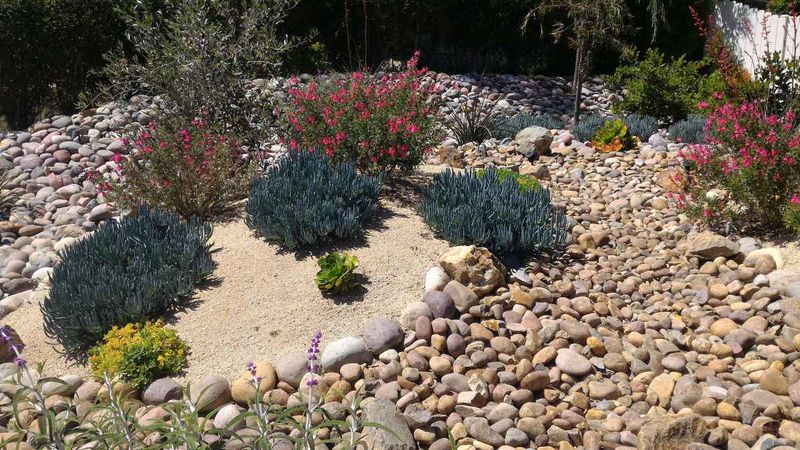
Colorado native plants are built tough, and they come with a surprising bonus. They crowd out weeds naturally without much help from you.
Plants like blue grama grass, native sedums, Rocky Mountain phlox spread and fill space efficiently, leaving little room for weeds to establish.
They evolved alongside Colorado’s climate, which means they thrive where many exotic plants struggle.
Dense plantings are one of the most effective long-term weed control strategies available to any homeowner.
The more ground your plants cover, the less bare soil is exposed to sunlight and weed seed germination.
Planning your front yard with this in mind from the start reduces your future maintenance load significantly.
Native plants also support Colorado’s pollinators, including bees and butterflies that are vital to local ecosystems.
Choosing plants that serve double duty as weed suppressors and pollinator habitats is both practical and genuinely rewarding to watch through the seasons.
Many Colorado communities and neighborhoods actively encourage native landscaping for exactly these reasons.
Work with a local Colorado nursery to select species that suit your specific yard conditions, including sun exposure, soil type, and elevation.
The right plants in the right spots grow vigorously and hold their ground against weeds season after season.
Once established, a native plant garden practically manages itself.