These Are The Worst Vegetables To Plant In Your Pennsylvania Garden Beds
Not every veggie loves Pennsylvania’s climate, and some are just plain trouble in garden beds here. If you’ve ever planted something with high hopes only to watch it flop, you’re not alone.
Many gardeners learn the hard way that not every seed packet leads to success, especially in our unpredictable weather. The truth is, some vegetables demand more warmth, longer growing seasons, or constant attention that just doesn’t make sense in Pennsylvania soil.
Others fall victim to pests, poor yields, or constant disease. Instead of fighting nature, it’s smarter to work with it.
That means skipping the plants that struggle and focusing on crops that thrive. If you’re planning your spring garden and want to save time, space, and frustration, this list is for you.
We’re calling out the vegetables that don’t pull their weight in Pennsylvania beds, so you can avoid the disappointment and plant smarter this season. Let’s dig in.
1. Artichokes
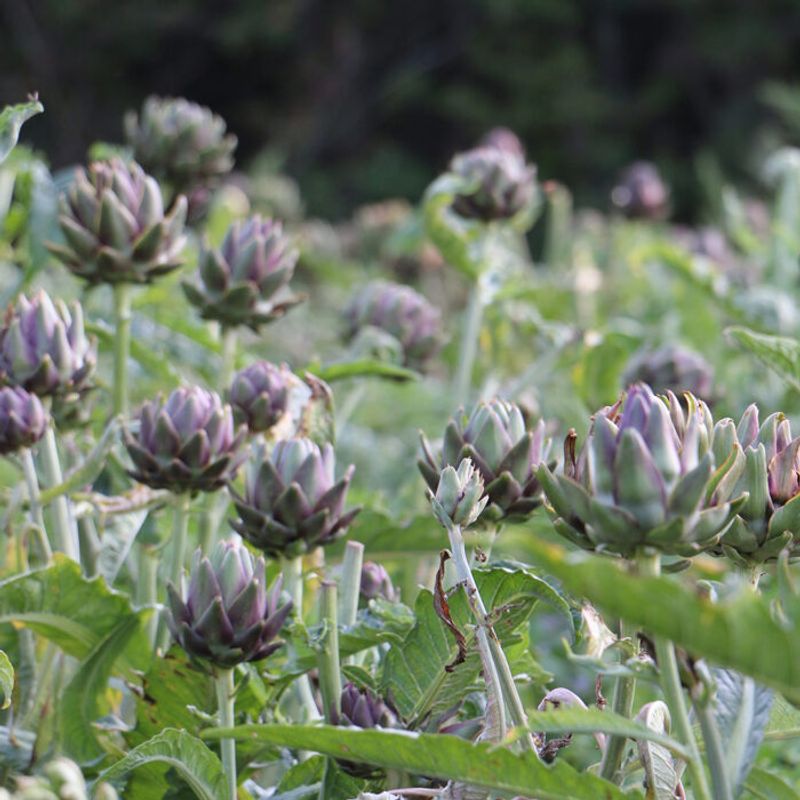
Globe artichokes need a long, cool growing season that Pennsylvania simply cannot provide consistently. These Mediterranean natives prefer mild winters and fog-cooled summers, conditions found along California’s coast but not in the Keystone State.
Pennsylvania’s hot, humid summers and freezing winters create an impossible situation for these perennial vegetables.
Most artichoke varieties require 85 to 100 days of cool weather to produce their edible flower buds. Pennsylvania’s spring warms up too quickly, and fall arrives too soon to give artichokes the extended mild period they need.
Even if you manage to get plants established, the first hard freeze will damage or destroy them completely since they cannot survive temperatures below 20 degrees Fahrenheit.
Growing artichokes in Pennsylvania means treating them as annuals and starting seeds indoors extremely early, around January or February. This process demands heated growing spaces, special lights, and months of careful attention before transplanting.
Even with all this effort, your harvest will likely consist of just one or two small buds per plant.
The space these plants occupy makes them particularly impractical for Pennsylvania gardens. Each artichoke plant spreads 3 to 4 feet wide and grows equally tall, taking up room that could support multiple productive vegetable plants.
For the average home gardener in Pennsylvania, the tiny harvest does not justify the enormous space, time, and resources required.
Better options for Pennsylvania gardeners include cool-season crops like broccoli, cauliflower, or Brussels sprouts. These vegetables actually thrive in the state’s climate and produce generous harvests without the challenges artichokes present.
2. Okra
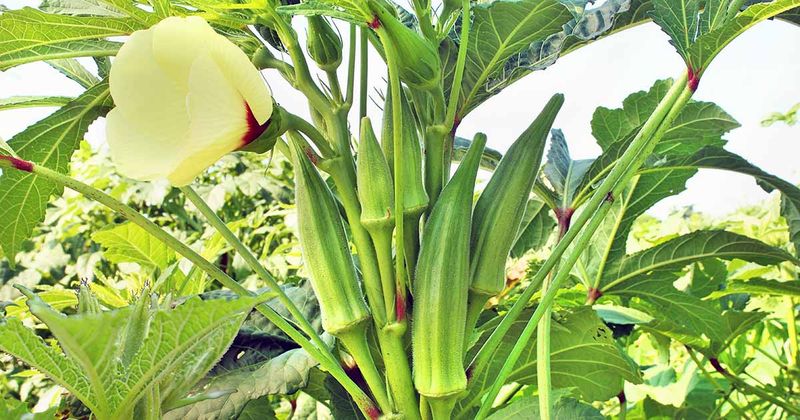
Okra loves scorching heat and long summers, conditions that Pennsylvania’s climate cannot reliably deliver. This Southern favorite needs consistent temperatures above 85 degrees Fahrenheit for several months to produce well.
Pennsylvania’s summers, while warm, include too many cool nights and unpredictable weather patterns that slow okra’s growth significantly.
The growing season in most Pennsylvania regions is simply too short for okra to reach its full potential. These plants need 50 to 65 days of hot weather after transplanting to begin producing pods.
By the time Pennsylvania’s soil warms enough to plant okra safely, usually late May or early June, the countdown to fall has already begun.
Cold-sensitive okra plants refuse to grow when temperatures drop below 70 degrees at night. Pennsylvania gardeners often experience cool spells even during summer months, which causes okra plants to stall and stop flowering.
When plants are not actively growing and blooming, they are not making the pods you want to harvest.
Even in ideal conditions, okra plants in Pennsylvania tend to produce sparse, small harvests compared to gardens in warmer states.
The pods that do form often become tough and fibrous quickly because stressed plants in marginal climates do not produce tender vegetables. You might get a handful of usable pods after months of waiting and care.
Pennsylvania gardeners seeking similar vegetables should consider green beans or snap peas instead. These crops thrive in the state’s climate, produce abundantly, and offer similar culinary uses without the frustration.
Summer squash also grows reliably and provides generous harvests throughout Pennsylvania’s growing season.
3. Sweet Potatoes
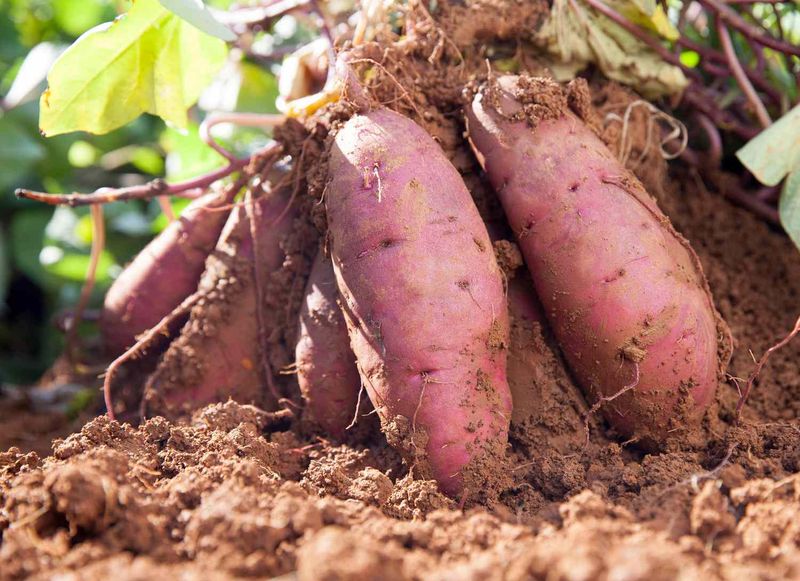
Sweet potatoes demand an extremely long, hot growing season that Pennsylvania cannot consistently provide. These heat-loving tubers need 90 to 120 frost-free days with warm soil temperatures to develop properly.
Pennsylvania’s growing season, while adequate for many crops, falls short for sweet potatoes in most regions of the state.
Soil temperature matters tremendously for sweet potato success. The ground must reach at least 60 degrees Fahrenheit before planting, and warmer is better.
Pennsylvania’s soil takes a long time to warm up in spring, which delays planting until late May or even early June in northern counties. This late start leaves insufficient time for tubers to size up before fall.
Sweet potato plants spread vigorously, sending vines running 6 to 10 feet in all directions. This aggressive growth habit consumes enormous amounts of garden space that could support multiple plantings of faster-maturing vegetables.
For small to medium-sized Pennsylvania gardens, dedicating this much real estate to a crop with uncertain results makes little sense.
Even when Pennsylvania gardeners manage to grow sweet potatoes successfully, the harvest often disappoints. The tubers remain small and underdeveloped compared to those grown in Southern states.
You might dig up roots the size of your thumb after nurturing plants all summer, hardly worth the space and effort invested.
Regular potatoes perform excellently throughout Pennsylvania and mature much faster than sweet potatoes. Carrots, beets, and turnips also produce reliable root crops in Pennsylvania gardens.
These alternatives give you substantial harvests without gambling on whether the season will be long and warm enough.
4. Watermelons
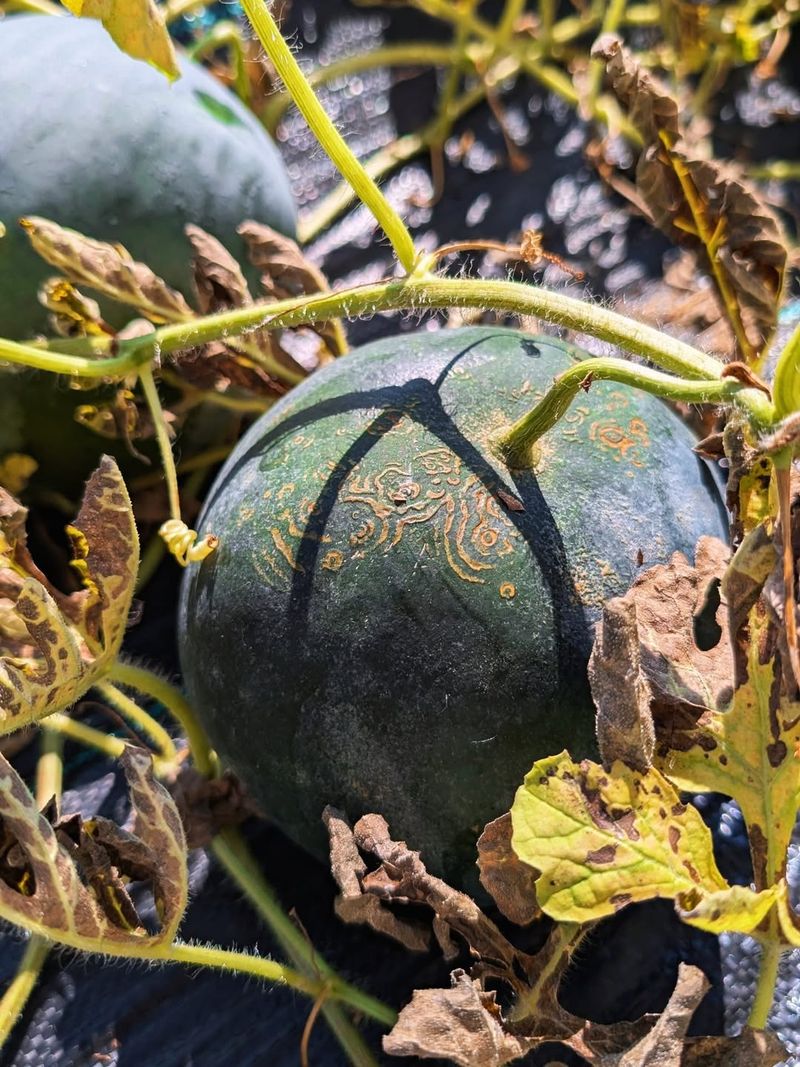
Watermelons need serious heat and a long growing season that Pennsylvania’s climate barely provides. Standard watermelon varieties require 80 to 100 days of hot weather to produce ripe fruit.
Pennsylvania’s unpredictable summers, with their cool spells and variable temperatures, make watermelon growing a risky proposition for most home gardeners.
Space requirements make watermelons particularly problematic for typical Pennsylvania gardens. Each plant sends vines sprawling 10 to 20 feet across the ground, and you need several plants for adequate pollination and fruit set.
A small watermelon patch can easily consume 100 square feet or more of garden space, crowding out vegetables that would produce more reliably.
Pennsylvania’s humid summers create perfect conditions for fungal diseases that plague watermelon plants. Powdery mildew, downy mildew, and anthracnose spread rapidly in humid conditions, attacking leaves and reducing the plant’s ability to ripen fruit.
Controlling these diseases requires regular fungicide applications, adding expense and maintenance to an already demanding crop.
Even if your watermelon plants survive Pennsylvania’s challenges, the fruit quality often disappoints. Melons need consistent heat to develop their characteristic sweetness.
Cool nights and variable temperatures during Pennsylvania summers result in watermelons that taste bland or fail to ripen completely before frost arrives in fall.
Cantaloupe and honeydew melons perform somewhat better in Pennsylvania gardens, though they still present challenges. For reliable melon-like satisfaction, consider growing cucumbers, which thrive in Pennsylvania and produce abundantly.
Summer squash and zucchini also grow vigorously in the state’s climate and provide generous harvests from much smaller plants.
5. Cauliflower
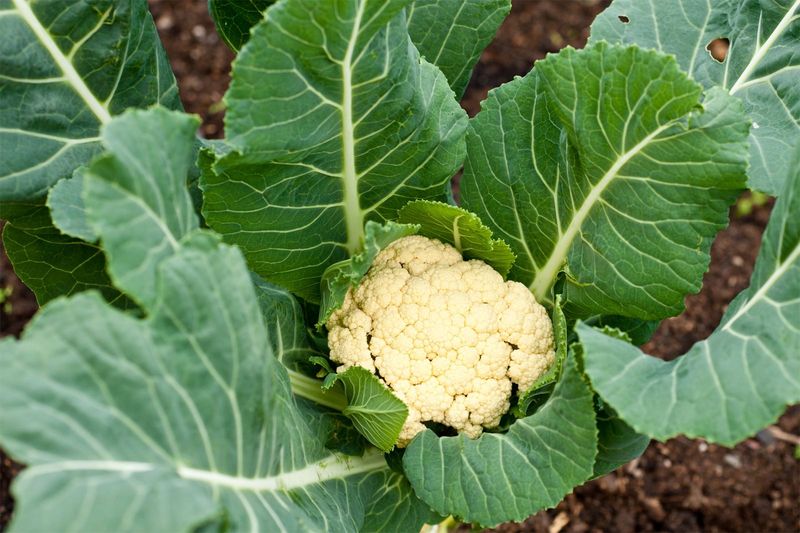
Cauliflower ranks among the most temperamental vegetables you can attempt in Pennsylvania gardens. This finicky crop demands nearly perfect growing conditions and throws a fit when temperatures fluctuate outside its narrow comfort zone.
Pennsylvania’s unpredictable spring and fall weather creates constant stress for cauliflower plants.
Temperature sensitivity makes cauliflower especially frustrating for Pennsylvania gardeners. The plants need consistent cool weather between 60 and 65 degrees Fahrenheit to form proper heads.
Pennsylvania springs warm up unpredictably, and a few hot days cause cauliflower to bolt or form tiny, loose heads instead of the tight, white domes you want.
Timing cauliflower plantings in Pennsylvania feels nearly impossible. Plant too early, and cold snaps stunt growth or damage young plants.
Plant too late, and warm weather arrives before heads form. The window for success spans just a few weeks, and predicting Pennsylvania weather that far in advance is anybody’s guess.
Even when conditions seem right, cauliflower attracts every cabbage-family pest in Pennsylvania. Cabbage worms, aphids, and flea beetles attack cauliflower with particular enthusiasm.
The large leaves and developing heads provide perfect hiding spots for pests, making control difficult. Many gardeners find themselves battling insects throughout the entire growing period.
Cauliflower heads also require blanching, meaning you must tie leaves over the developing heads to keep them white. This extra maintenance step adds another task to an already demanding crop.
Pennsylvania gardeners seeking similar vegetables should grow broccoli instead, which tolerates temperature swings much better and produces reliably without blanching. Cabbage also thrives in Pennsylvania and requires far less fussing than cauliflower.
6. Eggplant
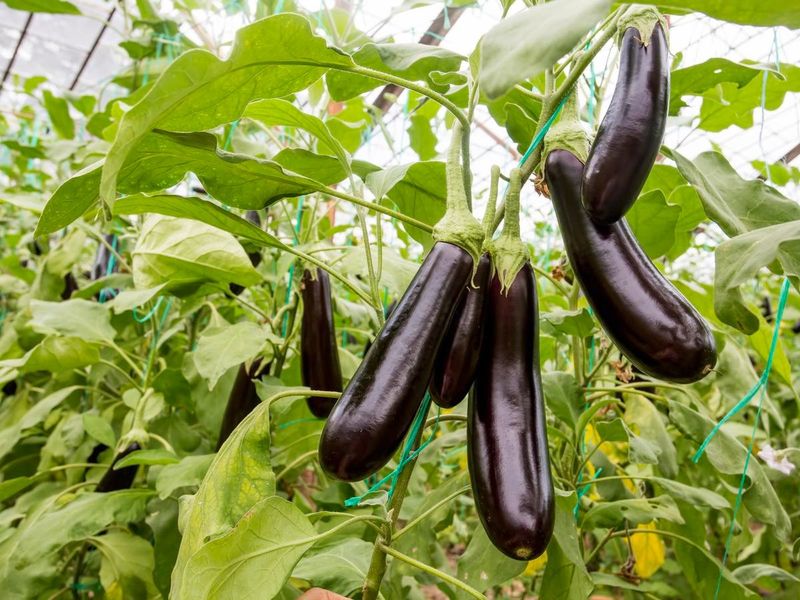
Eggplants crave tropical heat that Pennsylvania summers provide inconsistently at best. These warmth-loving plants originated in India and need sustained high temperatures to thrive.
Pennsylvania’s climate, with its moderate summers and cool nights, leaves eggplants struggling to produce decent harvests.
Soil temperature critically affects eggplant success, and Pennsylvania’s ground warms slowly in spring. Eggplants refuse to grow when soil temperatures stay below 70 degrees Fahrenheit.
By the time Pennsylvania’s soil reaches appropriate warmth, usually early June, the shortened growing season leaves insufficient time for plants to mature and produce heavily.
Cool nights throughout Pennsylvania summers slow eggplant growth dramatically. Even during warm days, nighttime temperatures frequently dip into the 50s or low 60s.
Eggplants essentially pause their growth during these cool periods, extending the time needed to produce fruit and reducing overall yields significantly.
Flea beetles attack eggplants with particular ferocity in Pennsylvania gardens. These tiny black insects chew countless small holes in leaves, giving plants a shotgun-peppered appearance.
Heavy flea beetle damage weakens plants and reduces fruit production. Controlling these pests requires vigilant monitoring and frequent treatment throughout the growing season.
When eggplants do produce fruit in Pennsylvania, the harvest typically arrives late and remains modest. You might get a few small fruits per plant after months of care, hardly worth the garden space and effort invested.
Pennsylvania gardeners wanting similar vegetables should grow peppers instead, which tolerate cooler conditions better and produce more reliably.
Summer squash and zucchini also thrive in Pennsylvania’s climate and provide abundant harvests without the challenges eggplants present.
7. Asparagus
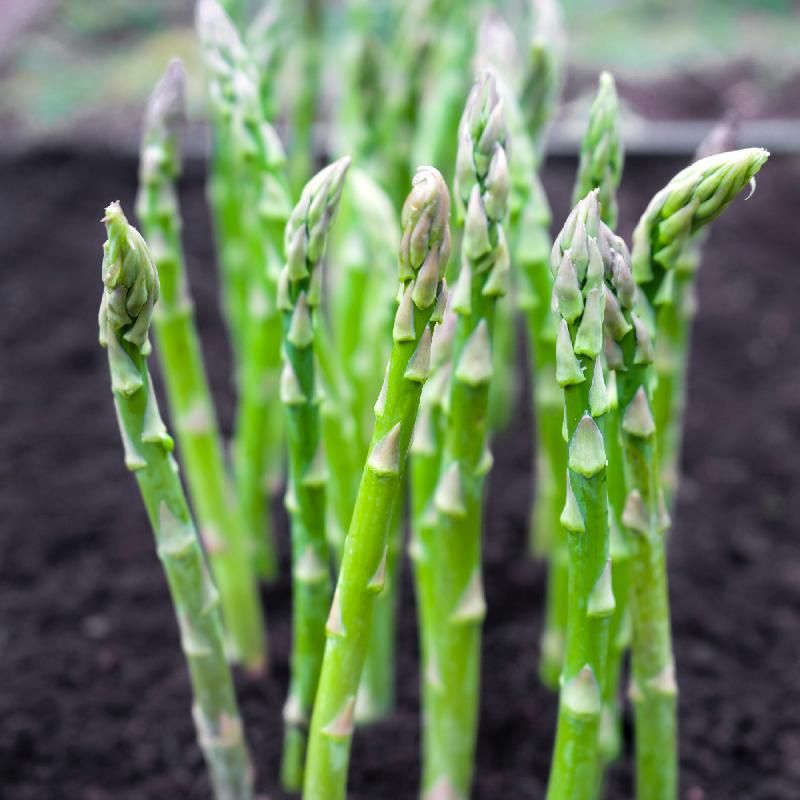
Asparagus demands patience and commitment that many Pennsylvania gardeners find unreasonable. This perennial vegetable requires three full years of growth before you can harvest any spears.
During those first years, you must care for the bed, control weeds, and watch asparagus grow without picking a single stalk.
Establishing an asparagus bed requires significant upfront work and expense. You need to prepare the soil deeply, incorporate lots of organic matter, and purchase crowns or seeds.
The bed occupies permanent garden space for decades, preventing you from rotating crops or changing your garden layout. This long-term commitment feels risky when you have not tasted your first homegrown spear.
Asparagus beds become weed magnets in Pennsylvania gardens. The ferny foliage provides little shade, allowing weeds to flourish between plants.
Controlling weeds without disturbing shallow asparagus roots requires careful hand-weeding throughout the growing season. Many Pennsylvania gardeners find this maintenance overwhelming, and weedy asparagus beds produce poorly.
Even established asparagus beds in Pennsylvania produce for only a short harvest window, typically four to six weeks in spring. After this brief period, you must let remaining spears grow into tall, ferny plants to feed the roots for next year.
The harvest season feels frustratingly short considering the year-round space the bed occupies.
Asparagus beetles plague Pennsylvania plantings, chewing foliage and laying eggs on spears. These pests reduce plant vigor and make harvested spears less appealing.
Controlling asparagus beetles requires regular monitoring and treatment throughout the growing season. Pennsylvania gardeners seeking perennial vegetables should consider rhubarb instead, which establishes faster and requires less maintenance.
Annual vegetables like snap peas provide similar spring harvests without the multi-year wait.