These 9 Arizona Groundcovers Choke Out Weeds Naturally
Weeds have a way of taking over fast in Arizona yards, especially when bare soil is left exposed to sun and wind. Instead of constantly pulling them or relying on short-term fixes, the right groundcovers can step in and do the job naturally.
These plants spread out, cover the soil, and make it much harder for weeds to get established in the first place. Once they fill in, they create a dense layer that blocks sunlight and keeps unwanted growth from popping up.
What makes them even better is how well they handle Arizona conditions. Heat, dry soil, and intense sun do not slow them down, and once established, they need far less attention than most people expect.
It is a simple shift that can turn a high-maintenance area into something much easier to manage.
1. Creeping Lantana Spreads Fast And Suppresses Weeds
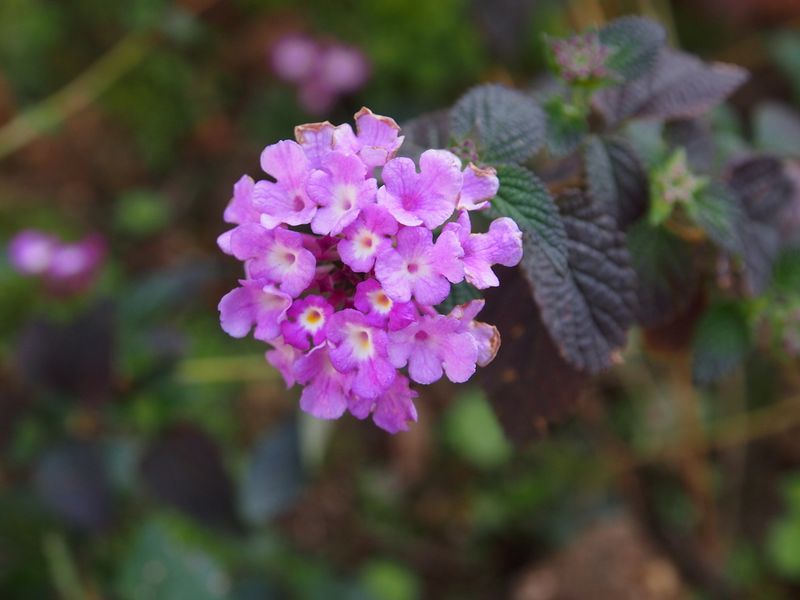
Few groundcovers move as aggressively as creeping lantana in Arizona’s heat. Once it gets going, it spreads outward in thick waves that leave no room for weeds to squeeze through.
Slopes, medians, and wide-open desert yards are where this plant really earns its keep.
Lantana handles brutal Arizona summers without flinching. It keeps flowering through triple-digit temperatures when other plants are struggling just to stay alive.
Butterflies and hummingbirds show up regularly once the blooms open, which is a nice bonus you did not ask for but will definitely appreciate.
Spacing plants about three feet apart gives each one enough room to fill out quickly. Water them a few times to help roots anchor, then pull back on irrigation as the season moves along.
Most established plants in Arizona do fine with deep watering every couple of weeks during hot spells.
Weeds that try to sprout underneath the dense canopy of lantana rarely survive. Sunlight cannot reach the soil, and the thick stems block airflow at ground level.
If a weed does pop up near the edge, it is easy to spot and pull before it causes any real trouble.
2. Trailing Rosemary Forms Dense Weed Blocking Growth
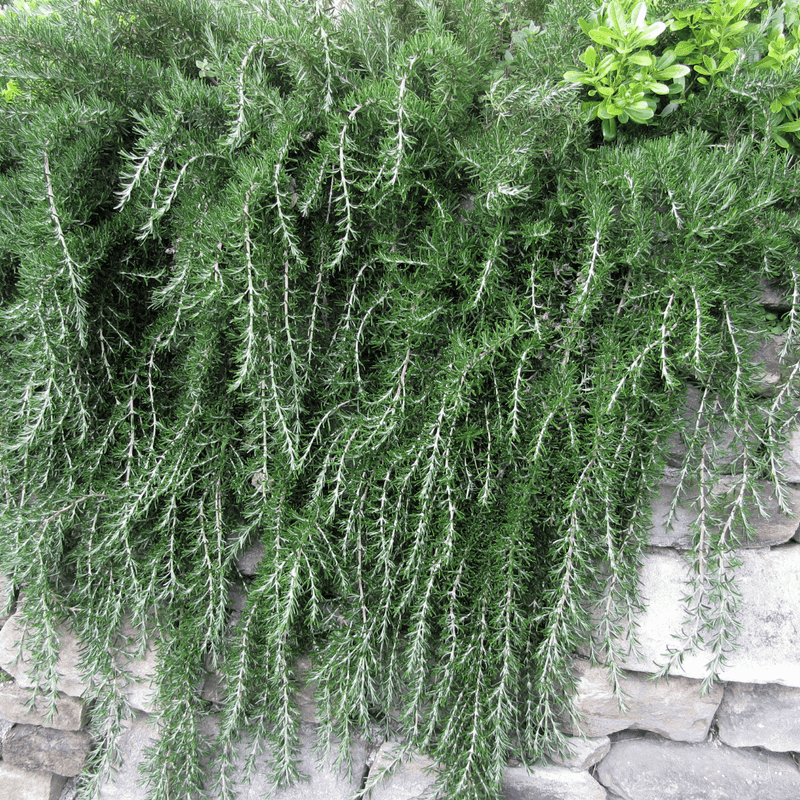
Trailing rosemary does something most groundcovers struggle with in Arizona: it smells incredible while working hard. Run your hand across the foliage and you get that sharp, clean herb scent that makes the whole yard feel alive.
Beyond the aroma, this plant builds a dense layer of woody stems and needle-like leaves that weeds genuinely cannot push through.
Planted along walls, berms, or sloped areas in Tucson or Scottsdale, trailing rosemary cascades downward in a natural, relaxed way. It softens hard edges in xeriscaped yards without looking out of place among desert plants.
Blue flowers appear in late winter and early spring, attracting bees when not much else is blooming.
Drainage matters a lot with this one. Rosemary roots hate sitting in wet soil, so raised beds or slopes with good gravel drainage are ideal.
In Arizona’s sandy and rocky soils, it usually finds exactly what it needs without much help.
Spacing plants about four feet apart gives them room to spread into each other over time. Once they connect, the interlocking branches create a physical barrier that stops weed seeds from ever reaching the soil surface.
Trim back any straggly edges once a year to keep the mat tight and tidy.
3. Damianita Stays Compact And Limits Weed Space
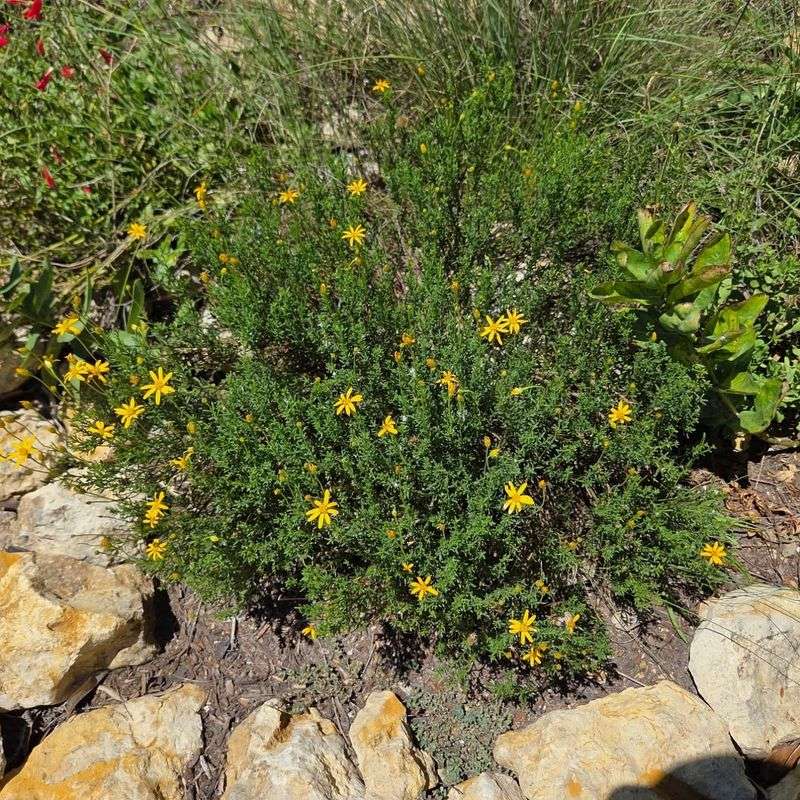
Bright yellow flowers on a plant that barely needs any water sounds like a gardening fantasy, but damianita makes it real. Native to the Chihuahuan Desert region, it fits right into Arizona’s landscape without looking forced or out of place.
Its rounded, dome-shaped growth habit means it fills in tightly and leaves almost no gaps for weeds to exploit.
Unlike sprawling groundcovers that take over everything, damianita stays relatively compact, topping out around two feet tall and wide. That makes it useful in smaller spaces where you need weed control without the plant swallowing up nearby shrubs or pathways.
Borders, rock gardens, and dry creek beds all work well.
Strong fragrance is one of its underrated qualities. Brush against it or walk nearby after rain and you notice an herbal, slightly resinous scent that many Arizona gardeners find pleasant.
Deer tend to leave it alone, which is a real advantage in areas where deer pressure is an issue.
Planting in full sun with excellent drainage gives the best results. Soil amendment is usually not needed in native Arizona ground.
Water lightly to establish, then cut back irrigation significantly. Damianita is genuinely built for heat, and extra moisture during summer can actually cause more harm than drought ever would.
4. Prostrate Verbena Covers Ground And Competes With Weeds
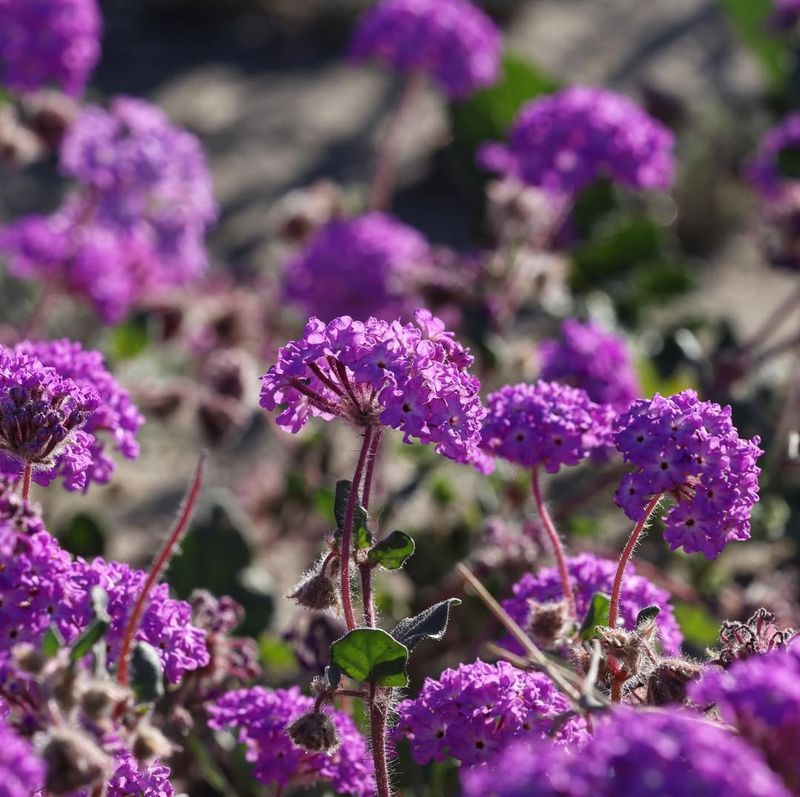
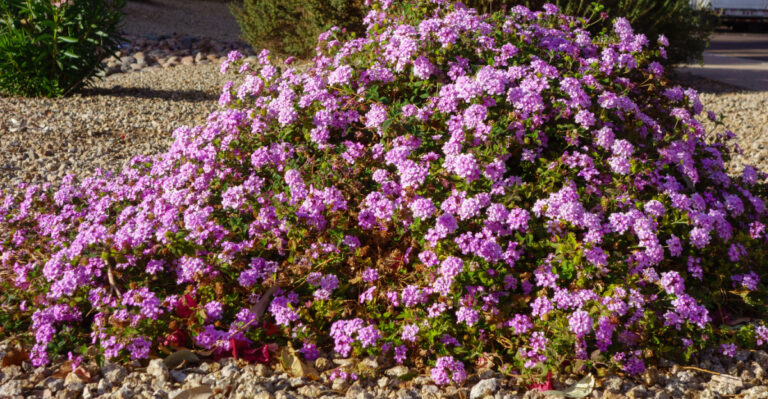
Purple flowers hugging the ground in the middle of an Arizona summer is exactly what prostrate verbena delivers. It spreads quickly, stays low, and produces clusters of color that make a bare patch of desert soil look intentional and designed.
Weeds do not stand much of a chance once verbena fills in because the dense mat physically blocks their access to sunlight.
Speed is one of verbena’s biggest advantages. Compared to slower-spreading groundcovers, it covers ground fast enough that you can see noticeable progress within a single growing season.
That means less hand-weeding during the establishment window, which is usually when weed pressure is highest anyway.
Heat and drought are not problems for this plant. Phoenix gardeners in particular have found it reliable through long, brutal summers when other groundcovers fade or go dormant.
Cutting it back hard in late winter encourages fresh, vigorous growth that comes in even thicker than the year before.
Plant spacing around eighteen inches apart gives each plant enough room to spread without competing against itself. Mulching lightly between plants during the first season helps retain moisture and reduces early weed pressure while verbena fills in.
After that, the plants do the weed-blocking work themselves without any extra help needed.
5. Silver Ponyfoot Shades Soil And Reduces Weeds
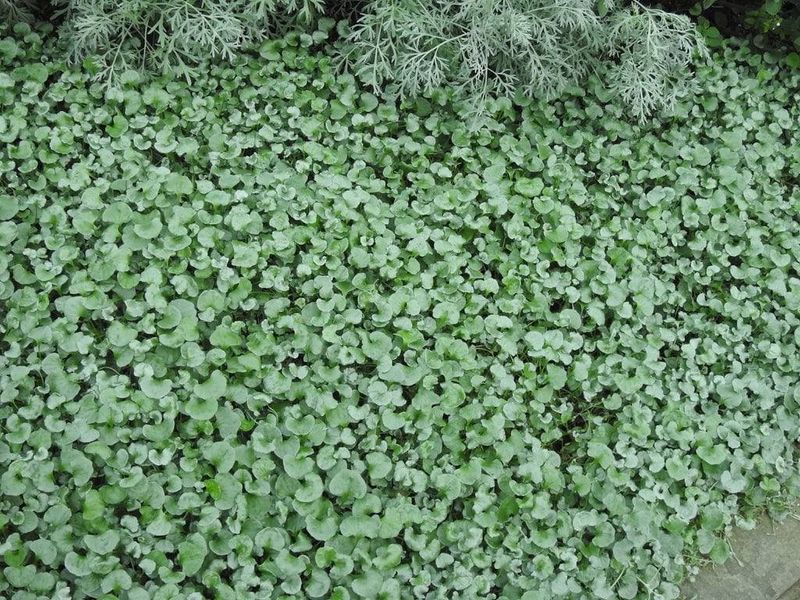
Silver ponyfoot earns its name. Round, silvery leaves catch the light in a way that makes a plain garden bed look almost luminous, especially in morning sun.
Beyond the visual appeal, those leaves do something genuinely useful: they shade the soil so thoroughly that weed seeds sitting on the surface never get the light they need to sprout.
Heat tolerance is impressive even by Arizona standards. Silver ponyfoot handles reflected heat from walls and pavement without wilting or dropping leaves.
That makes it a smart choice for areas near driveways, south-facing walls, or heat-trap spots where most other groundcovers struggle to survive through July and August.
Moisture management matters with this plant. It prefers some irrigation, especially during peak summer, but overwatering causes stem rot fairly quickly.
Sandy or gravelly Arizona soil helps with drainage. Raised planters or sloped beds work particularly well if your yard tends to hold water after monsoon rain.
Spreading by trailing stems that root as they go, silver ponyfoot fills gaps naturally without much direction. Plant it at the base of desert shrubs or along pathway edges where weeds tend to creep in.
Within a season or two, those problem spots become covered in a soft silver-green mat that looks polished and keeps weeds firmly out.
6. Frogfruit Forms A Thick Mat That Suppresses Weeds
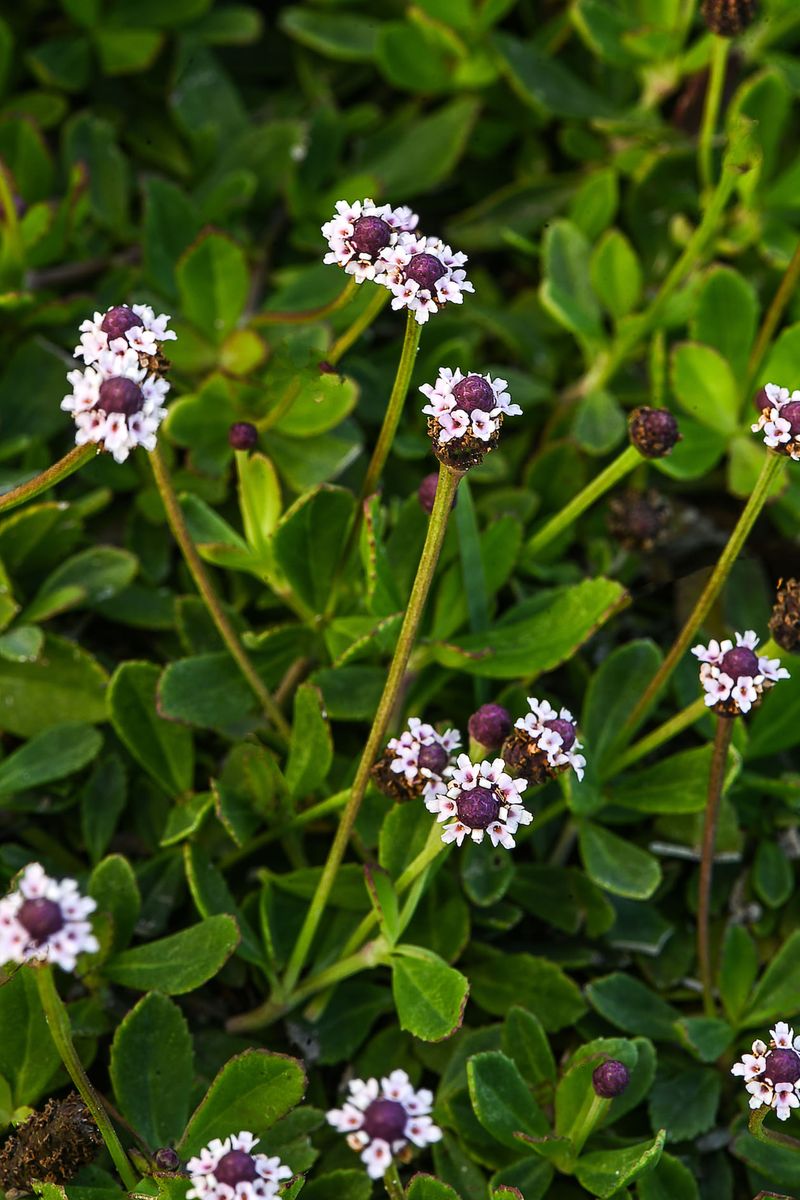
Frogfruit is not the most glamorous name in the plant world, but do not let that fool you. In Arizona, this groundcover works best in areas with occasional irrigation, where it can form a thick, weed-resistant mat.
It roots as it spreads, locking itself into the soil layer by layer until there is simply no room for anything else to grow underneath it.
Tiny white flowers appear almost constantly through the warm months, and butterflies absolutely flock to them. If you want a groundcover that also doubles as a pollinator habitat in your Tucson or Mesa yard, frogfruit is hard to beat.
It handles foot traffic better than most groundcovers its size, making it workable even in areas where people occasionally walk across it.
Partial shade to full sun both work fine. That flexibility sets frogfruit apart from many Arizona groundcovers that demand direct sun all day.
Under mesquite trees or along shaded north-facing walls, it fills in where other weed-suppressing plants refuse to grow.
Water needs are moderate, and it appreciates a deep soak during dry spells. Established plants in Arizona can handle dry stretches reasonably well, though they look and spread better with consistent moisture during summer.
Mow or shear it once a year to refresh the mat and keep it growing thick from the base outward.
7. Desert Marigold Fills Gaps And Reduces Weed Growth
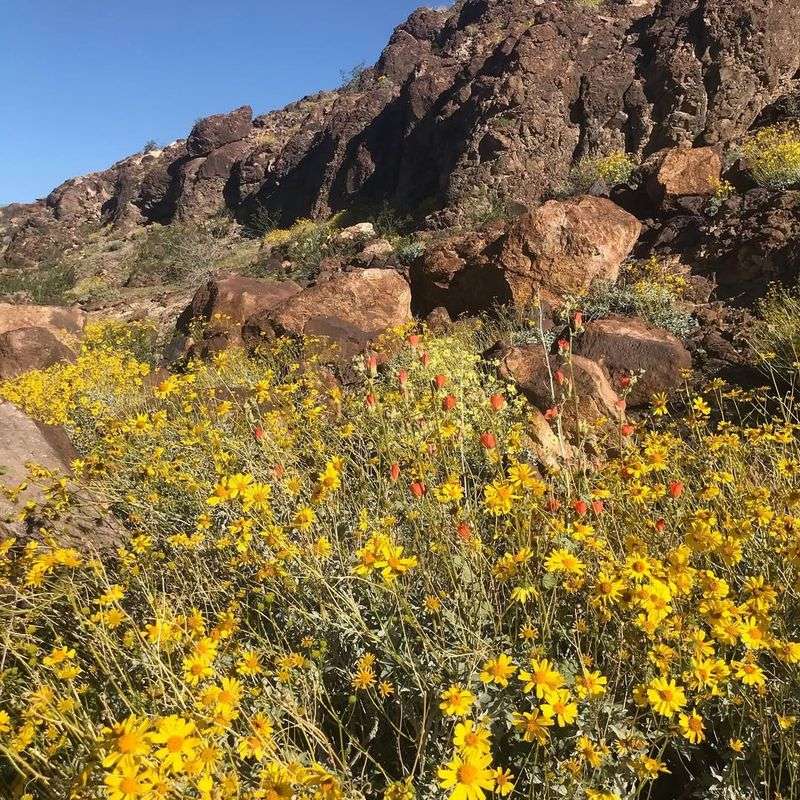
Brilliant yellow flowers from spring straight through fall is not a bad deal for a plant that asks almost nothing from you. Desert marigold is a tough Arizona native that reseeds itself readily, filling bare spots on its own without any intervention.
Where bare ground exists, weeds move in fast, and desert marigold is one of the most effective plants for closing those gaps before weeds find them first.
Reseeding is both its strength and its quirk. In an open Arizona yard, it will spread into empty patches naturally each year.
That self-filling habit means the planting gets denser over time rather than thinner, which is the opposite of what happens with many short-lived groundcovers. Older plants that fade out get replaced by new seedlings automatically.
Wool-like silver foliage covers the plant even when it is not in bloom, providing year-round ground coverage that shades out weed seeds. Deer tend to avoid it due to the slightly bitter leaf texture, and the foliage is mildly toxic to some grazing animals, which keeps browsing pressure low in rural Arizona properties.
Drainage is the one non-negotiable requirement. Clay-heavy soil causes problems, but most native Arizona ground suits desert marigold just fine.
Skip the fertilizer entirely. Rich soil actually produces weaker, floppier plants.
Lean, dry, rocky conditions bring out the best in this tough native beauty.
8. Purple Trailing Ruellia Spreads And Crowds Out Weeds
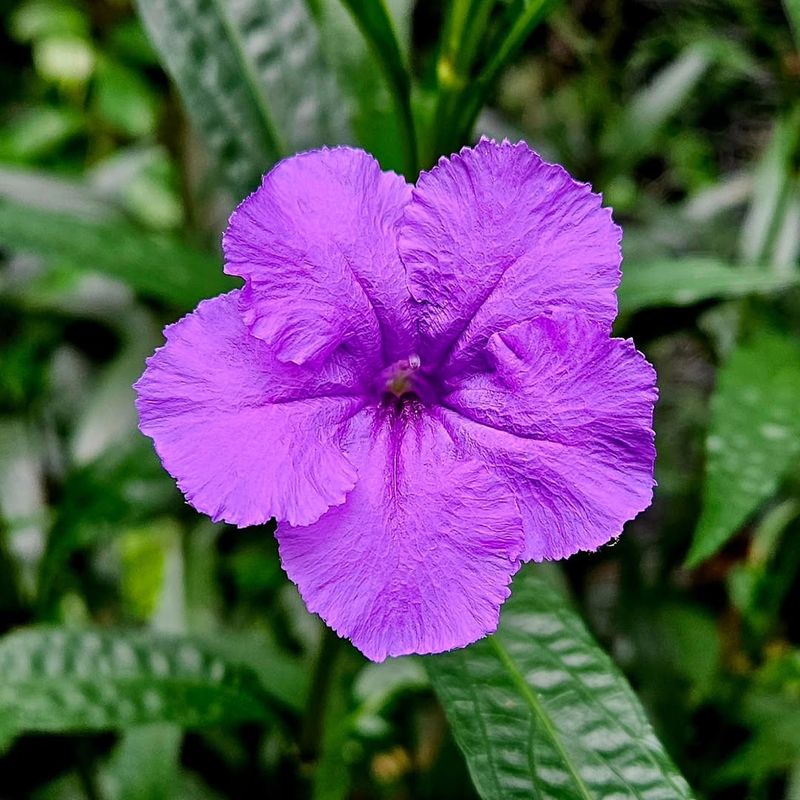
Purple trumpet flowers blooming through the hottest months of an Arizona summer is a sight that stops people in their tracks.
Trailing ruellia delivers that color reliably, and while it is busy looking good, it is also spreading outward in thick mats that crowd weeds right out of the picture.
Few groundcovers manage to be both showy and functional in equal measure, but ruellia pulls it off.
Spreading happens through underground runners as well as surface stems, which means it fills in from multiple directions at once. In Phoenix and Tucson landscapes, this aggressive spreading habit works best in irrigated areas where it has room to fill in and crowd out weeds.
It moves into gaps quickly before opportunistic weeds can claim the space.
Some gardeners in Arizona treat it with mild caution because of how enthusiastically it spreads. Planting it where it has room to roam freely avoids the need to pull it back from pathways or neighboring plants.
Wide open beds, slopes, and parkway strips give it the space to do what it does best without becoming a management headache.
Full sun produces the heaviest flowering and the most vigorous spreading. Ruellia handles reflected heat well, making it a reliable performer along south and west-facing walls where summer temperatures regularly exceed what most plants tolerate.
Water deeply but infrequently through summer, and it will reward you with months of purple color and weed-free ground.
9. Ice Plant Creates Dense Coverage That Blocks Weeds
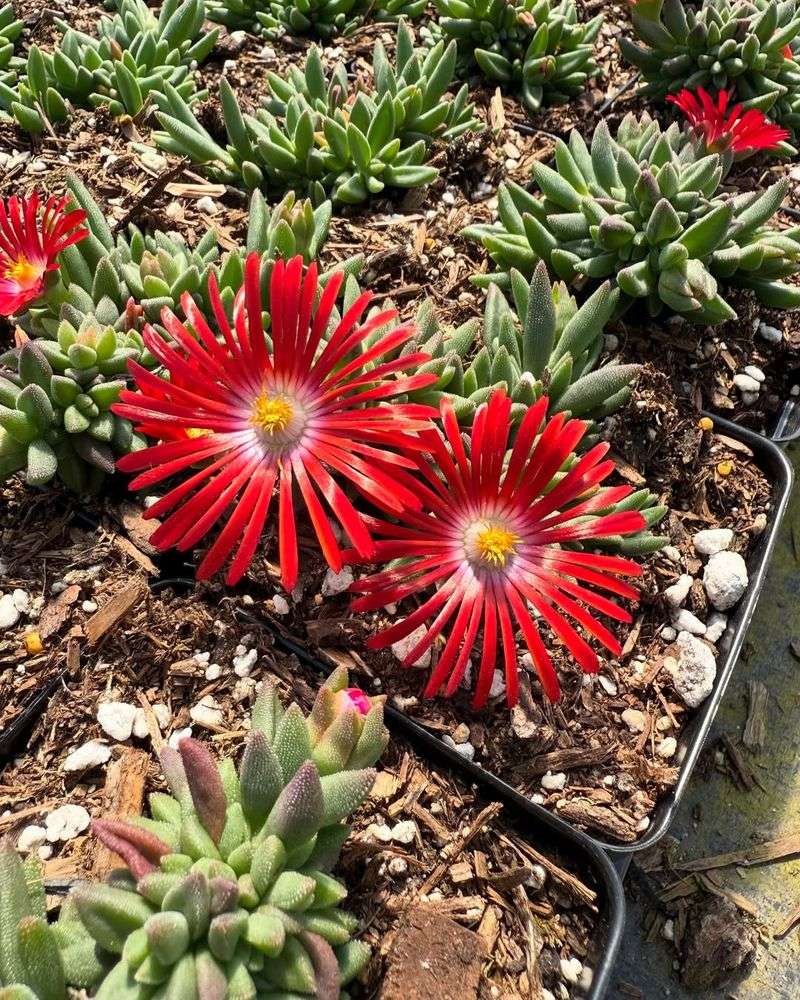
Succulent leaves that glitter like tiny ice crystals in morning sunlight gave this plant its name, and the look is genuinely striking in an Arizona landscape. Ice plant does not just look interesting though.
Its fleshy, water-storing leaves grow so densely that they form a nearly impenetrable layer over the soil, and weed seeds sitting beneath that layer do not stand a realistic chance of sprouting.
Vivid flowers in shades of magenta, orange, and yellow open on sunny days and close at night, creating a display that shifts through the day. Planted on a dry Arizona slope or hillside, ice plant holds soil in place while simultaneously blocking weeds and adding serious color.
Erosion control and weed suppression in a single plant is a genuinely useful combination.
Drainage is everything with ice plant. Standing water after monsoon rain causes rot quickly.
Slopes, raised beds, and hillsides in Arizona naturally provide the sharp drainage this succulent needs to stay healthy through wet seasons. Avoid planting in low spots or areas where water pools after storms.
Spacing plants around twelve to eighteen inches apart allows them to knit together into a solid mat within one full growing season. Fertilizer is not needed and actually encourages weak, floppy growth.
Lean Arizona soil suits ice plant perfectly, and once the mat closes in, weeds simply have nowhere left to go.