These 8 Backyard Drainage Problems Show Up Every Winter In Oregon
Winter in Oregon has a talent for exposing things we’d rather ignore, especially in the backyard. One week it’s rain, the next it’s more rain, and suddenly your yard has opinions.
That low spot becomes a temporary pond, the lawn squishes when you walk across it, and the path you swear was fine last summer is now a muddy mess. It’s not exactly the cozy winter vibe you had in mind.
At first, it feels like part of the deal. Oregon winters are wet, so a little sogginess seems normal.
But when the same puddles show up every year like clockwork, it starts to feel less like weather and more like a pattern. Winter is when drainage problems stop hiding and put themselves front and center.
You might notice water lingering long after the rain stops, soil that never firms up, or plants that look stressed despite getting plenty of moisture. These are your yard’s quiet hints that water isn’t moving the way it should.
And while it’s tempting to wait it out, these issues don’t usually fix themselves.
If you’ve ever stared out the window wondering why your backyard turns against you every winter, you’re in good company. These common drainage problems show up almost every single year in Oregon, and once you recognize them, they’re much easier to tackle before spring arrives.
Standing Water Pools That Never Seem To Drain
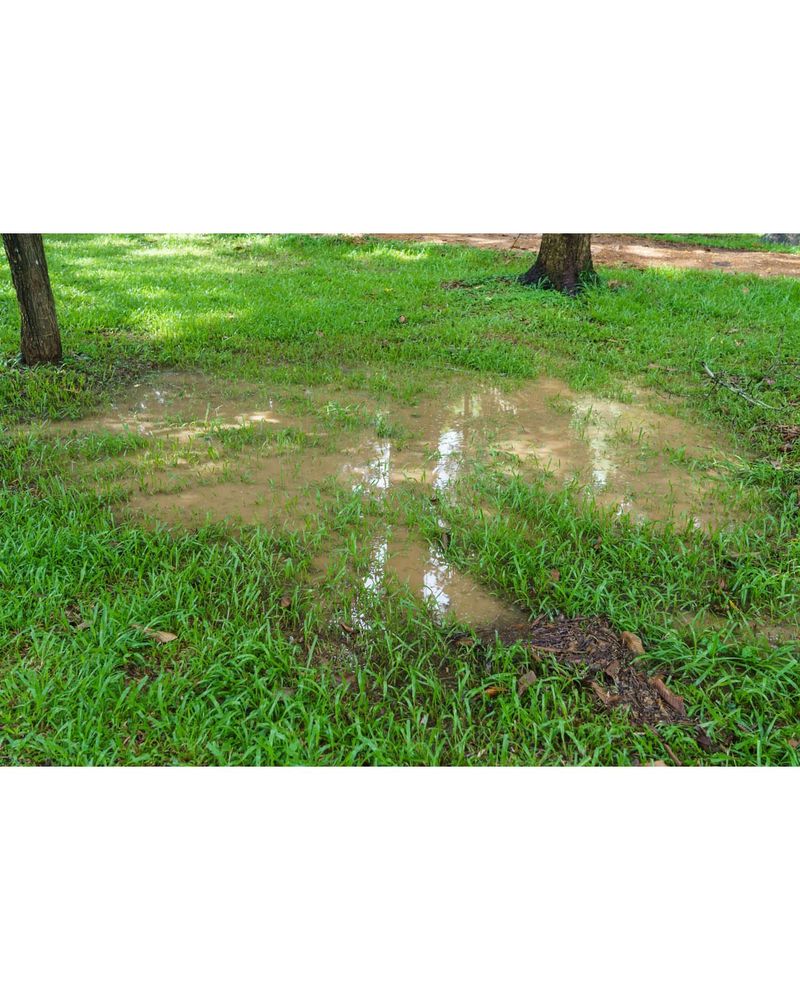
You walk outside after a rainstorm and notice large puddles sitting in the same spots week after week. Water collects in low areas of your yard and just stays there, creating muddy patches that make it impossible to walk around without getting your shoes soaked.
Birds might enjoy the temporary pond, but your grass certainly does not.
Standing water happens when soil becomes compacted or when the ground naturally slopes toward certain areas without anywhere for the water to go. Clay-heavy soil, which is common in many parts of Oregon, makes the problem worse because it absorbs water very slowly.
Over time, these pools can damage plant roots and create breeding grounds for mosquitoes even in winter.
The best solution involves improving soil drainage by adding organic matter or creating a gentle slope that directs water away from problem areas. You might also consider installing a French drain or a dry well to give the water somewhere to go underground.
Some homeowners add raised garden beds in low spots to work with the natural drainage instead of fighting it.
Fixing standing water issues early prevents bigger problems down the road. Grass and plants need oxygen at their roots, and constant saturation pushes air out of the soil.
Taking action now means a healthier, more usable backyard when spring arrives.
Erosion Along Slopes And Hillsides
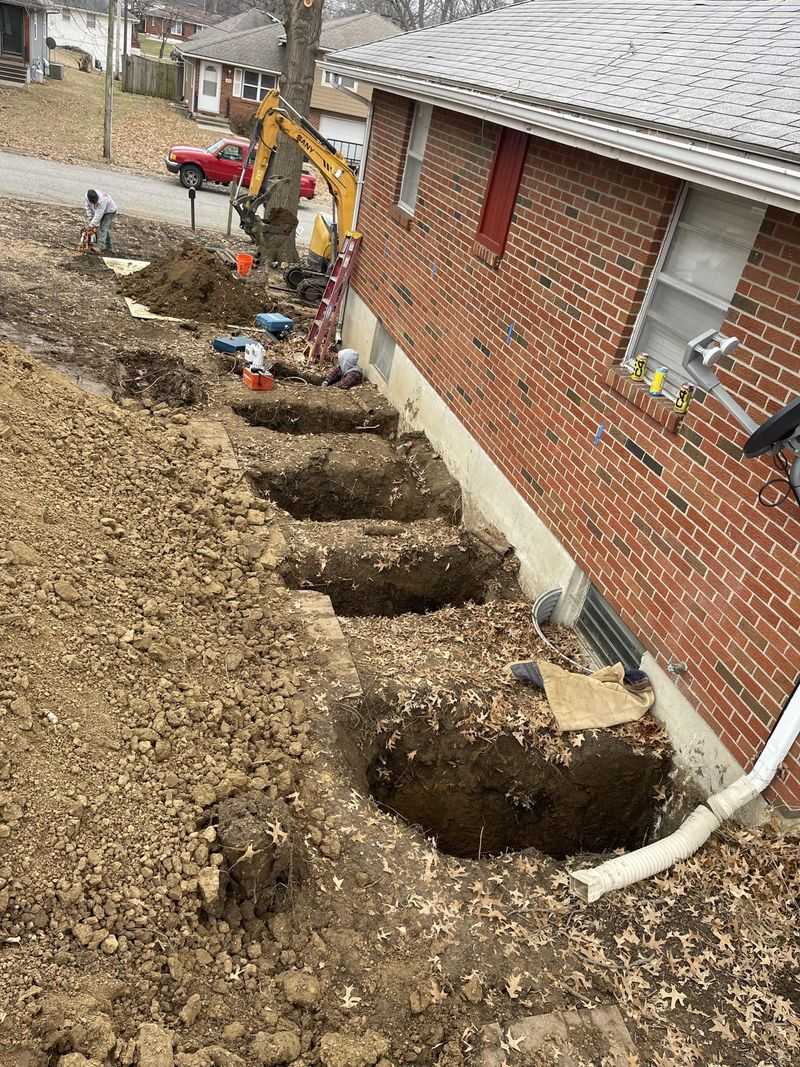
Rainwater rushes down slopes in your yard, carving channels through soil and washing away precious topsoil with every storm. You might notice small gullies forming or exposed roots where plants used to sit firmly in the ground.
What started as a gentle slope can quickly turn into a scarred landscape if water flows too fast without anything to slow it down.
Erosion happens when rainfall intensity exceeds the soil’s ability to absorb water, especially on bare or sparsely vegetated slopes. Oregon’s winter rains are steady and heavy, giving water plenty of time to pick up speed as it travels downhill.
Without plants to anchor the soil or structures to break up the flow, gravity does its work efficiently and destructively.
Preventing erosion requires slowing water down and giving it time to soak into the ground instead of racing across the surface. Ground cover plants, mulch, and strategically placed rocks can all help.
Terracing steeper slopes creates flat areas that catch water and reduce its speed. Some homeowners install erosion control blankets or use jute netting to hold soil in place while new plants establish roots.
Addressing erosion protects your yard and prevents sediment from washing into storm drains or neighboring properties. Healthy soil takes years to develop, so keeping it in place saves you time and money while maintaining your landscape’s beauty and function.
Saturated Soil That Stays Muddy For Weeks
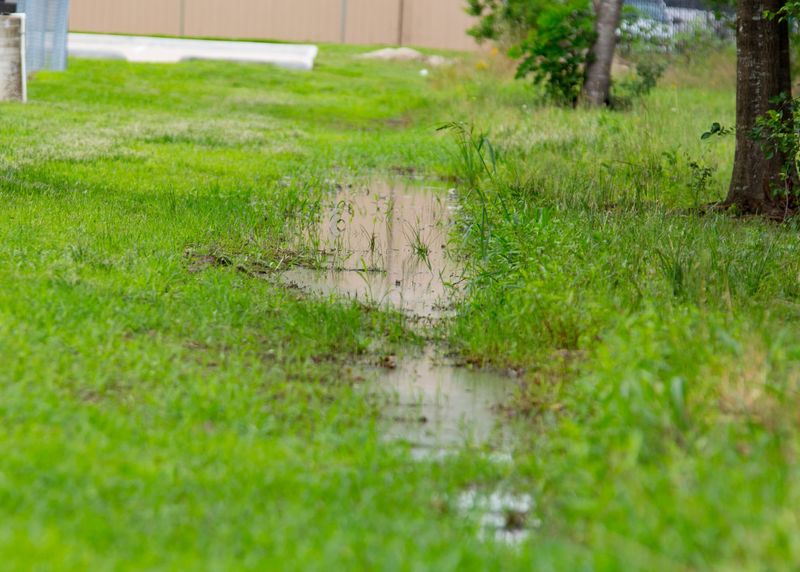
Your backyard feels more like a swamp than solid ground during Oregon winters. Every step leaves a deep footprint, and the soil squishes underfoot no matter how many days pass without rain.
Grass struggles to grow in the soggy conditions, and you avoid going outside because tracking mud into the house becomes inevitable.
Soil saturation occurs when water fills all the tiny air pockets between soil particles, leaving no room for oxygen. Heavy clay soils hold water much longer than sandy or loamy soils, and poor drainage compounds the issue.
Plants suffer because their roots need air to function properly, and prolonged saturation can lead to root rot and other problems.
Improving saturated soil takes patience but pays off with a yard you can actually use. Aerating the lawn helps create channels for water to move through compacted soil.
Adding compost or other organic materials improves soil structure over time, making it easier for water to drain. Installing drainage systems like French drains or dry wells provides an outlet for excess water that the soil cannot handle on its own.
Some homeowners choose to embrace the moisture by planting native Oregon plants that thrive in wet conditions. Rain gardens filled with water-loving species can turn a drainage problem into an attractive landscape feature.
Whatever approach you choose, addressing saturated soil makes your backyard more enjoyable and healthier for plants.
Clogged Gutters Causing Overflow Near Foundation
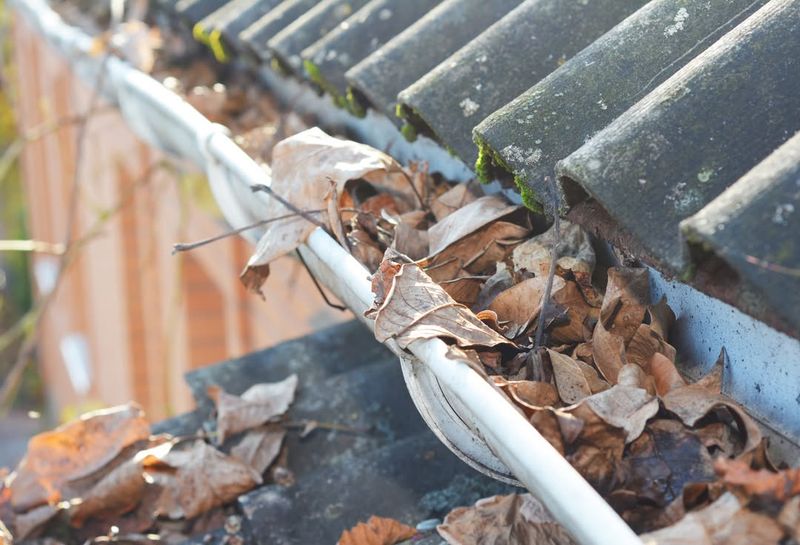
Water pours over the edges of your gutters during rainstorms instead of flowing through downspouts where it belongs. The overflow lands right next to your house foundation, creating puddles and potential structural problems.
You might notice water stains on siding or soil erosion near the base of your home.
Gutters collect leaves, pine needles, and debris throughout fall, and by winter they are often completely blocked. Oregon’s frequent rain means gutters work overtime during the wet season, and any blockage quickly leads to overflow.
When water cannot travel through the gutter system, it takes the path of least resistance, which usually means cascading down near your foundation where it can cause serious damage over time.
Cleaning gutters before winter arrives is one of the most important maintenance tasks for Oregon homeowners. Removing debris ensures water flows freely through downspouts and away from your house.
Installing gutter guards can reduce the amount of cleaning needed, though they still require occasional maintenance. Make sure downspouts direct water at least six feet away from your foundation to prevent pooling.
Some people add extensions to their downspouts or connect them to underground pipes that carry water even farther from the house. Regular gutter maintenance protects your foundation, basement, and landscaping from water damage.
Spending an afternoon on gutter cleaning can save thousands in repair costs down the road.
Poorly Graded Yards That Direct Water Toward Homes
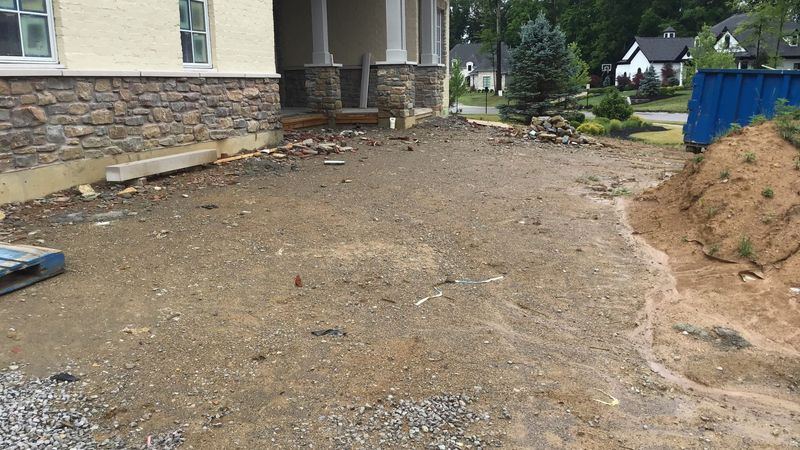
Instead of flowing away from your house, rainwater runs straight toward your foundation. You notice water pooling along the base of your home or seeping into your crawl space after heavy rains.
What should be a gentle slope away from the building actually angles back toward it, creating problems with every storm.
Proper grading means the ground slopes away from your house at a rate of about one inch per foot for at least six feet. Many older homes were not graded correctly during construction, or the original grading has settled and changed over decades.
New construction sometimes has grading that looks good initially but settles unevenly during the first few rainy seasons. Poor grading is especially problematic in Oregon where winter rains are both frequent and heavy.
Fixing grading issues often requires adding soil to create the proper slope away from your foundation. This can be a big project depending on how much area needs adjustment.
Some situations call for professional help, especially if the grading problem affects multiple sides of your house or involves complex drainage patterns. Smaller areas might be manageable as a DIY project with a few loads of soil and some hard work.
Correct grading protects your foundation from water damage, prevents basement flooding, and keeps crawl spaces dry. Water that flows away from your house cannot cause structural problems or create conditions for mold growth.
Investing in proper grading is one of the smartest moves a homeowner can make.
Downspouts Dumping Water In Wrong Locations
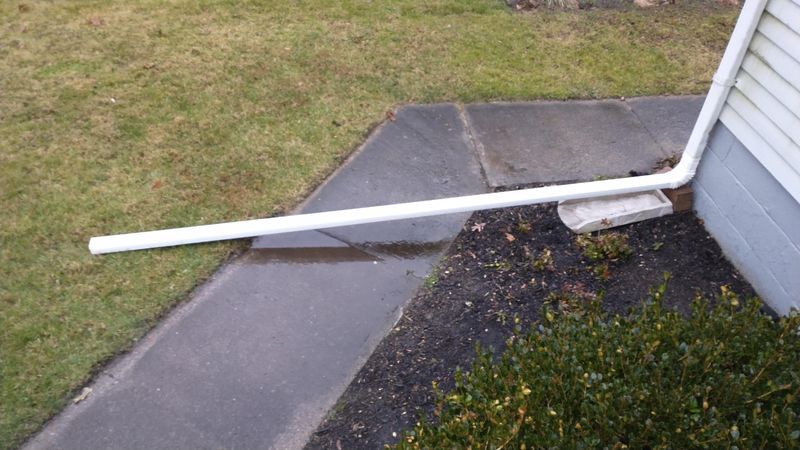
Your gutters work fine, but the downspouts empty water right next to your foundation or into areas that already have drainage problems. Water shoots out of the downspout and immediately starts pooling instead of flowing away.
You might even notice water flowing from your downspout directly into your neighbor’s yard, which nobody appreciates.
Many homes have downspouts that were installed in convenient locations rather than optimal ones. Builders sometimes place them where they are easy to connect rather than where they will do the most good for drainage.
Over time, landscapes change and what once worked no longer functions properly. Oregon’s heavy winter rains make poor downspout placement much more obvious and problematic.
Extending downspouts away from problem areas is usually straightforward and inexpensive. Flexible extensions, rigid pipes, or underground drainage systems can all move water to better locations.
The goal is to direct water at least six feet from your foundation and preferably to an area that naturally drains well or to a rain garden designed to handle the volume.
Some homeowners get creative by using decorative elements like river rock channels or rain chains to manage downspout water while adding visual interest. Whatever method you choose, proper downspout placement prevents foundation damage, reduces erosion, and keeps water from creating new problems elsewhere in your yard.
Small adjustments to downspout locations can make a huge difference in how well your property handles winter rain.
Compacted Soil That Refuses To Absorb Rainfall
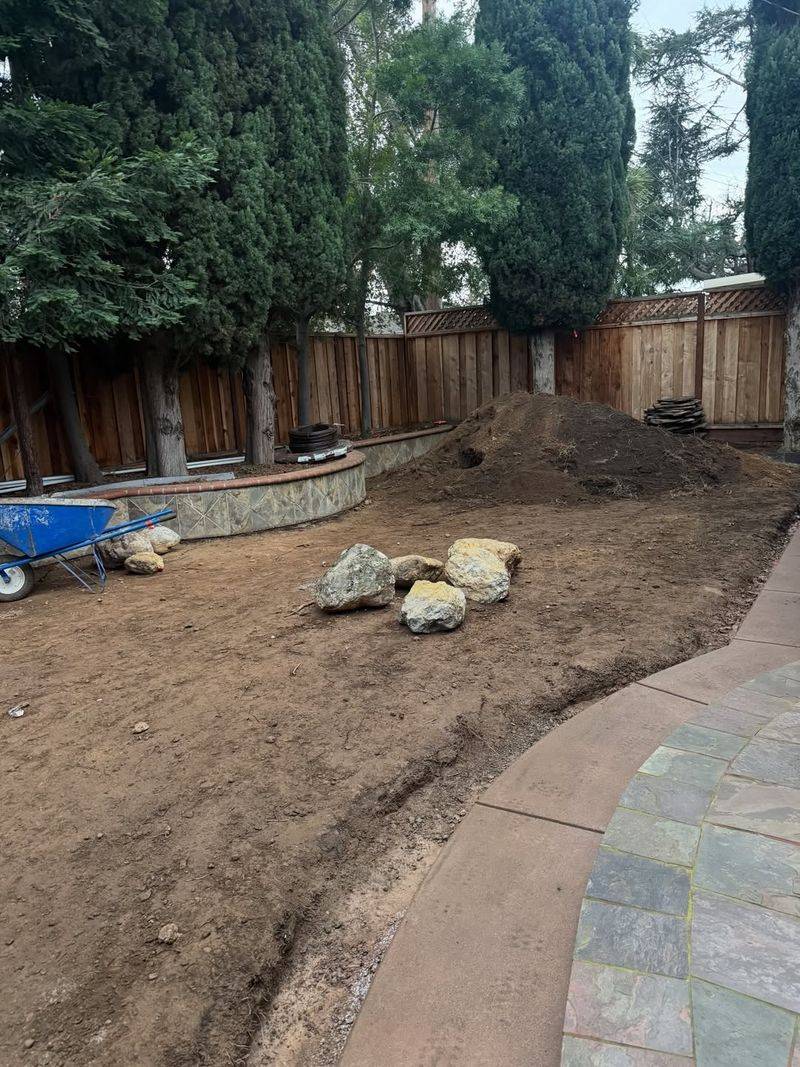
Rainwater sits on top of your lawn instead of soaking in, even hours after a storm ends. The ground feels rock-hard when you try to push a shovel into it, and grass roots struggle to penetrate the dense soil.
High-traffic areas like paths or play spaces become especially problematic, turning into muddy messes because water has nowhere to go.
Soil compaction happens when weight and pressure squeeze out the air spaces between soil particles. Foot traffic, vehicles, construction equipment, and even heavy rains can all contribute to compaction over time.
Clay soils, common throughout Oregon, compact more easily than sandy soils and take longer to recover. Compacted soil prevents water from infiltrating, forcing it to run off the surface instead of recharging groundwater or nourishing plant roots.
Aerating your lawn is the most effective way to combat compaction. Core aeration removes small plugs of soil, creating channels for water, air, and nutrients to reach deeper layers.
Most Oregon lawns benefit from annual aeration, ideally in fall before the heavy winter rains begin. Adding compost or other organic matter after aerating helps improve soil structure over time.
For severely compacted areas, you might need to take more aggressive action like tilling and amending the soil or even replacing it entirely. Reducing foot traffic in problem areas and creating defined paths can prevent compaction from returning.
Healthy, uncompacted soil absorbs rain efficiently, supports robust plant growth, and makes your yard more resilient to Oregon’s wet winters.
Overflowing Window Wells And Basement Water Entry
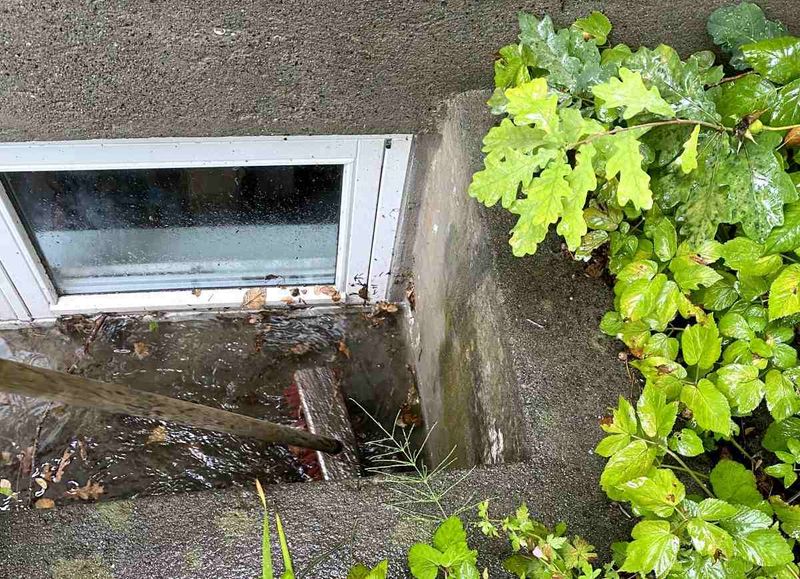
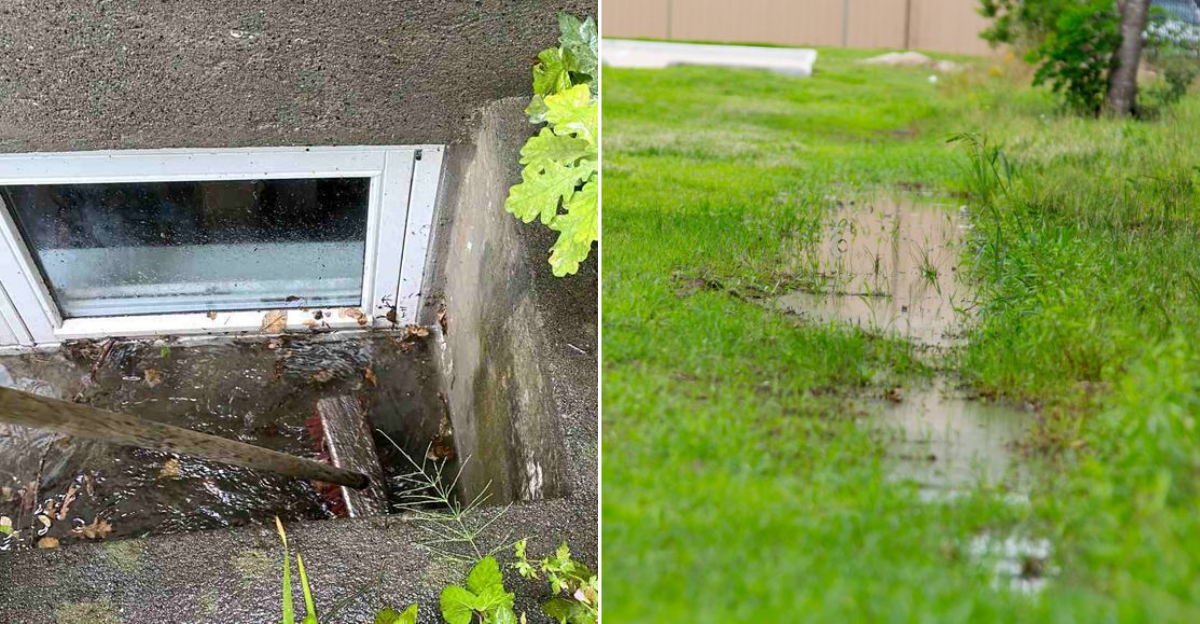
Water collects in your window wells during rainstorms, sometimes rising high enough to threaten basement windows. You might find water seeping through window seals or even flooding into your basement through the wells.
What should be a simple drainage feature becomes a weak point in your home’s defenses against Oregon’s winter rains.
Window wells are designed to provide light and emergency egress for basement windows, but they can easily become water collection points if not properly maintained. Leaves and debris clog the drainage holes at the bottom, or the wells were never properly connected to drainage systems in the first place.
Some older homes have window wells with no drainage at all, relying on evaporation that cannot keep up with Oregon’s winter precipitation.
Start by cleaning out any debris from your window wells and checking that drainage holes are clear. If your wells do not have drainage, you may need to dig down to the footing level and add gravel or connect to your foundation drainage system.
Window well covers keep out debris and reduce the amount of water that enters in the first place. Clear covers maintain light while providing protection from the elements.
Some situations require installing a small sump pump in the window well to actively remove water. Make sure the ground around your window wells slopes away to prevent surface water from flowing directly into them.
Protecting your window wells keeps your basement dry and prevents costly water damage to your home’s interior.