These Backyard Habits Attract Pests In Pennsylvania
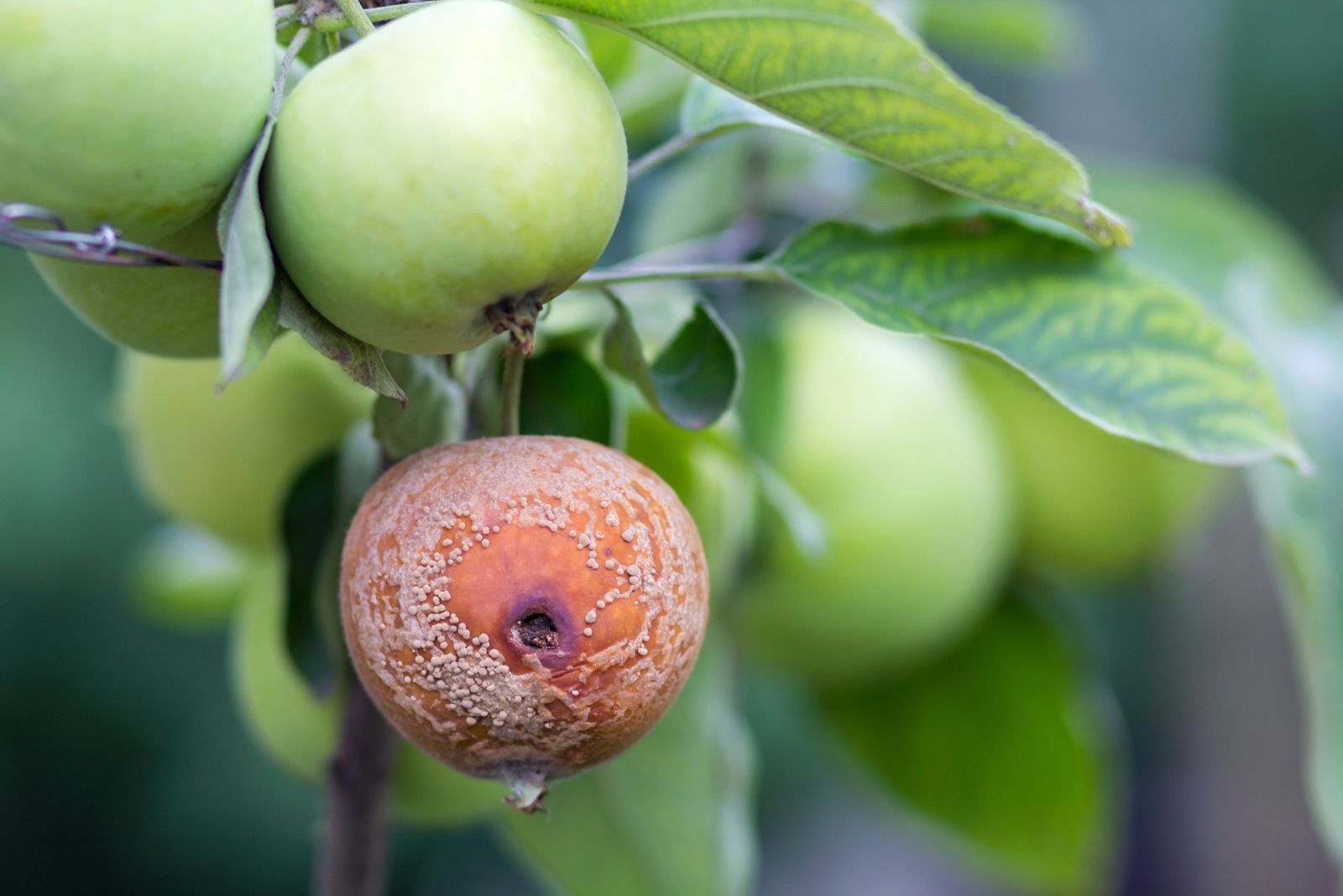
A beautiful backyard in Pennsylvania can quickly turn into a hotspot for unwanted critters if a few everyday habits go unnoticed.
Many common pest problems start with simple things like leftover food scraps, standing water, overgrown plants, or cluttered corners that offer easy shelter.
While these small details may not seem like a big deal, they can quietly invite insects and rodents to settle in and multiply. The good news is that most of these issues are easy to fix once you know what to watch for.
By making a few smart changes, you can discourage pests before they become a full blown nuisance and keep your outdoor space far more enjoyable.
A cleaner, well maintained yard not only looks better but also helps protect your plants, garden beds, and outdoor living areas.
Understanding which backyard habits attract pests is the first step toward creating a healthier, more comfortable Pennsylvania outdoor space.
1. Leaving Standing Water Around Your Property
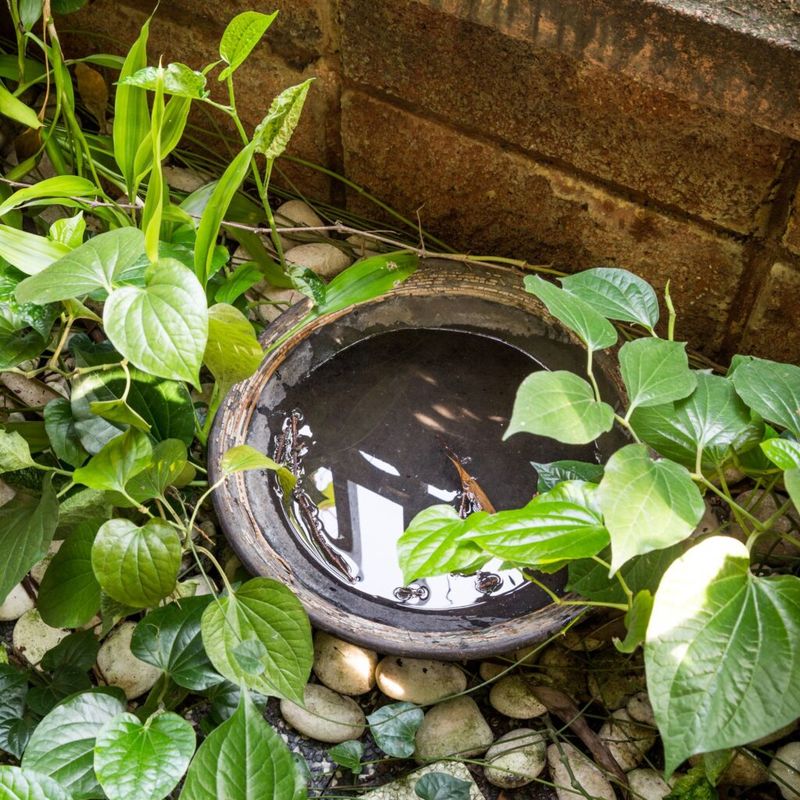
Standing water creates the perfect breeding ground for mosquitoes throughout Pennsylvania. Female mosquitoes need only a small amount of stagnant water to lay hundreds of eggs that hatch within days.
Birdbaths, clogged gutters, plant saucers, old tires, and even bottle caps can hold enough water for mosquitoes to reproduce rapidly.
Pennsylvania summers provide ideal temperatures for mosquito development. A single forgotten bucket or poorly draining flower pot can produce thousands of mosquitoes over just a few weeks.
These pests not only cause itchy bites but can also carry diseases like West Nile virus that affect residents across the state.
Check your yard weekly for any containers holding water. Empty birdbaths every few days and refill them with fresh water.
Clean your gutters regularly to prevent water from pooling, especially after Pennsylvania rainstorms that are common in spring and summer.
Fix any areas where water collects in your lawn or driveway. Cover rain barrels with fine mesh screens to keep mosquitoes out while still collecting water. Remove or drill drainage holes in anything that might catch rainwater.
Pet water bowls left outside should be changed daily. Kiddie pools need to be emptied when not in use.
Even tarps covering firewood or equipment can create water-holding pockets that attract mosquitoes.
Ornamental ponds should have fountains or pumps to keep water moving. Mosquitoes prefer still water for laying eggs.
Adding mosquito dunks to decorative water features provides safe control without harming birds or other wildlife that visit your Pennsylvania backyard.
2. Keeping Overripe Fruit On Trees And Ground
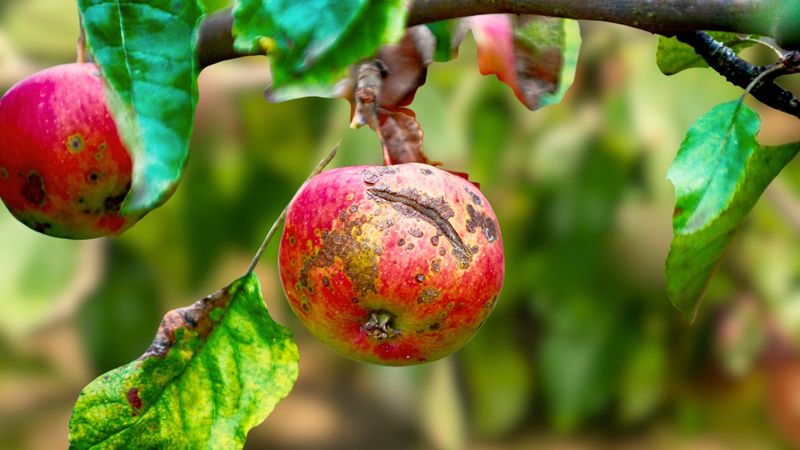
Fruit trees add beauty and bounty to Pennsylvania yards, but fallen fruit becomes a pest magnet fast. Overripe apples, pears, cherries, and plums attract wasps, hornets, yellow jackets, and fruit flies by the dozens.
Rodents like rats and mice also feast on this free food source, establishing nests nearby for easy access.
Fermenting fruit releases sweet odors that travel far, drawing pests from neighboring properties. Yellow jackets become particularly aggressive around rotting fruit in late summer and early fall across Pennsylvania.
Their stings can cause serious reactions, making backyard activities uncomfortable and potentially dangerous for family members.
Deer and raccoons will regularly visit yards with fruit on the ground. These larger animals can damage gardens, spread ticks carrying Lyme disease, and create additional messes. Opossums and skunks also appreciate easy meals from neglected fruit trees.
Harvest ripe fruit promptly before it falls or becomes overripe. Walk around your trees daily during peak season to collect any fruit that has dropped overnight. This simple habit dramatically reduces pest attraction in Pennsylvania backyards.
Rake up all fallen fruit at least twice weekly. Dispose of it in sealed compost bins or trash bags rather than leaving piles at the edge of your property. Those piles still attract unwanted visitors and move the problem rather than solving it.
Prune trees to make fruit easier to reach and harvest. Consider netting smaller trees to catch falling fruit before it hits the ground.
For trees producing more fruit than you can use, invite friends and neighbors to help harvest or contact local food banks that accept fresh produce donations throughout Pennsylvania.
3. Storing Firewood Against Your House
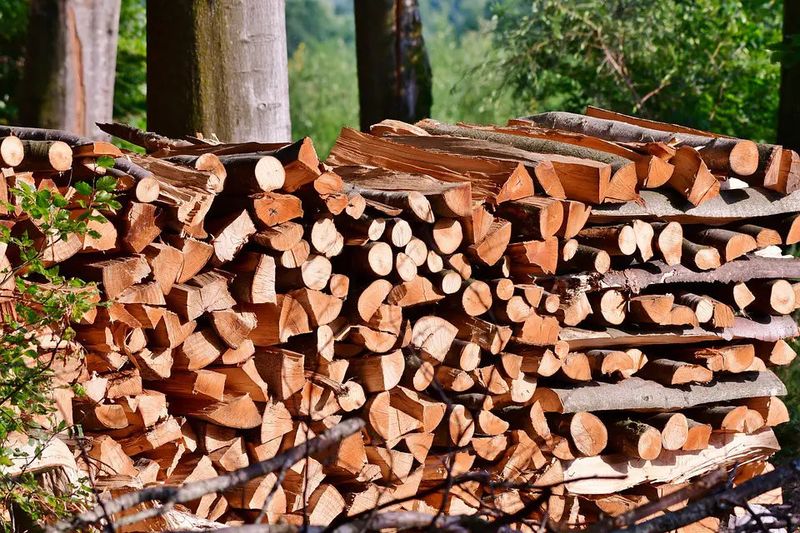
Firewood stacked against your Pennsylvania home creates a highway for pests straight into your living space. Termites, carpenter ants, spiders, rodents, and other insects love the shelter and moisture that develops between wood piles and house walls.
These pests can easily transition from the woodpile into small cracks in your foundation or siding.
Carpenter ants are particularly problematic in Pennsylvania and often nest in firewood before moving into homes. They excavate galleries in both the stored wood and your house structure, causing costly damage over time.
Termites work similarly, and their presence often goes unnoticed until significant harm has occurred.
Mice and rats view woodpiles as perfect nesting sites with protection from weather and predators. Once established in your firewood, they quickly find entry points into your home seeking food and warmer temperatures.
Pennsylvania winters drive rodents indoors, making this habit especially risky during colder months.
Store firewood at least twenty feet away from your house and any other structures. Elevate wood stacks on racks or pallets at least six inches off the ground to improve air circulation and reduce moisture.
This makes the environment less appealing for pests seeking damp, dark spaces. Keep only small amounts of firewood inside your home for immediate use. Bring in just enough for a day or two rather than storing large quantities indoors.
Inspect each piece carefully for insects before carrying it inside your Pennsylvania home. Cover the top of outdoor woodpiles with tarps or metal roofing to shed rain while leaving sides open for airflow. Rotate your wood stock regularly, using older pieces first.
Consider treating firewood with pest repellents designed for outdoor use if pest problems persist around your property.
4. Neglecting Lawn And Garden Maintenance

Overgrown grass and weedy gardens provide excellent hiding spots for ticks, fleas, mosquitoes, and rodents throughout Pennsylvania. Tall vegetation creates cool, moist environments where these pests thrive and reproduce rapidly.
Ticks carrying Lyme disease are particularly abundant in unmowed areas, posing serious health risks to families and pets.
Dense ground cover and untrimmed shrubs touching your house give pests easy access to your home. Mice and rats use overgrown plants as cover while traveling to and from their nests. Spiders build extensive webs in neglected corners where plants meet structures.
Weedy flower beds and vegetable gardens attract aphids, beetles, and other plant-damaging insects. These pests multiply quickly when left unchecked, eventually spreading to healthy plants and neighboring yards.
Pennsylvania gardens suffer significantly when maintenance falls behind during the growing season.
Mow your lawn regularly, keeping grass at three inches or shorter. This height reduces tick habitat while maintaining healthy turf.
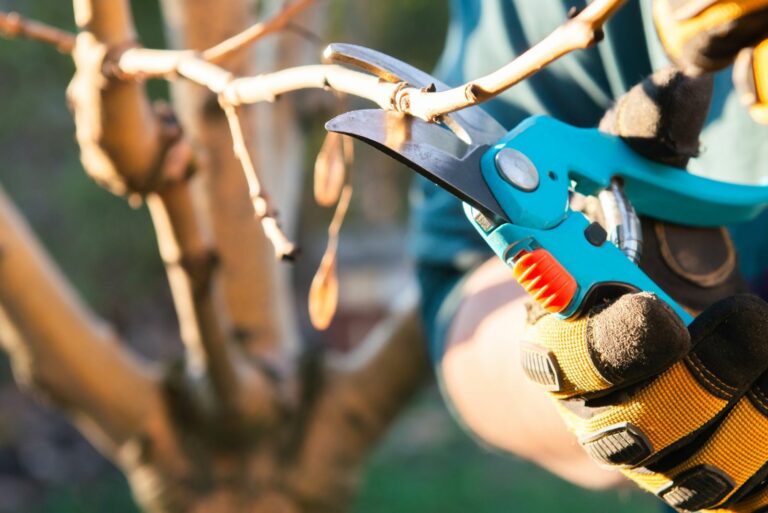
Edge along sidewalks, driveways, and foundation walls to eliminate pest corridors. Trim back shrubs and tree branches so they do not touch your house exterior.
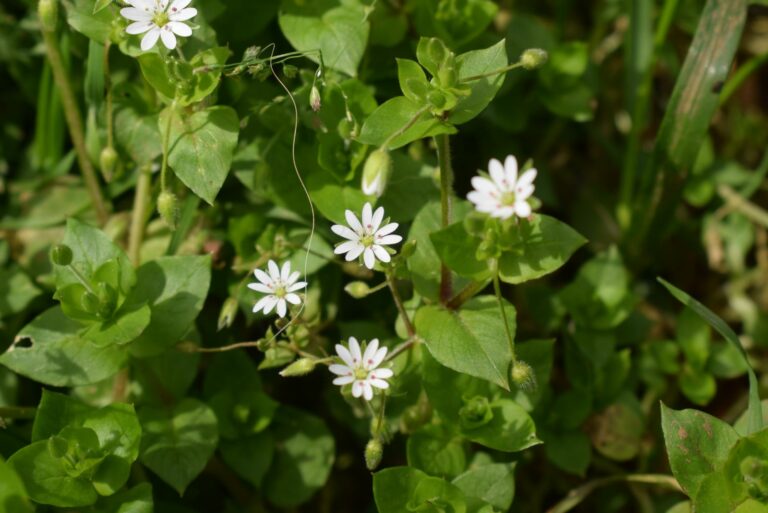
Pull weeds consistently before they go to seed and spread throughout your Pennsylvania yard. Mulch garden beds to suppress weed growth while improving soil quality.
Remove dry plants and fallen leaves promptly, as these create hiding spots and breeding areas for various pests.
Prune bushes to allow air circulation and sunlight penetration, making them less attractive to pests. Create a gravel or mulch barrier between your lawn and house foundation.
This dry zone discourages pests from approaching your home while adding visual appeal to your landscaping throughout Pennsylvania neighborhoods.
5. Leaving Pet Food And Trash Accessible
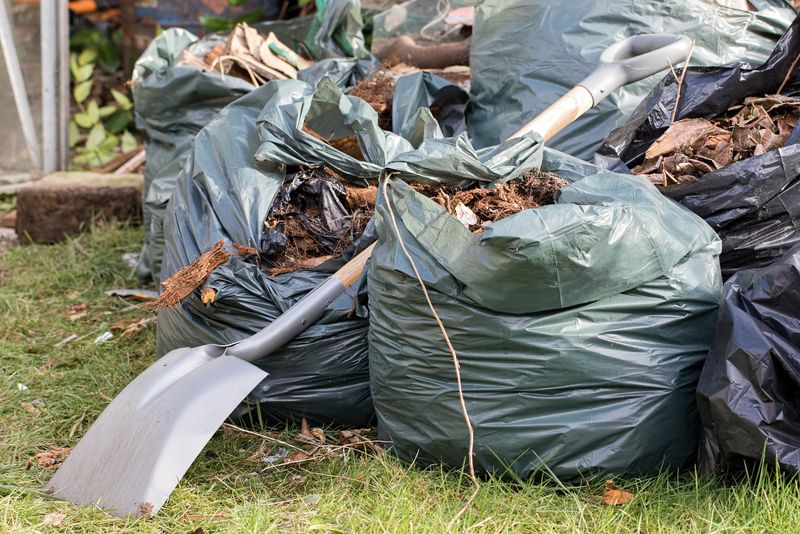
Pet food left outside overnight becomes an open buffet for raccoons, opossums, skunks, and rats across Pennsylvania. These animals have excellent senses of smell and will return repeatedly once they discover a reliable food source.
They often bring friends and family members, turning a small problem into a significant infestation.
Open or poorly secured trash cans attract numerous pests seeking easy meals. Flies, wasps, ants, and rodents all target garbage containing food scraps.
Bears in rural Pennsylvania areas will also investigate accessible trash, creating dangerous situations for homeowners and neighbors.
Ants create trails leading from their colonies to pet food bowls, sometimes traveling impressive distances. Once established, these trails bring hundreds of ants that contaminate the food and invade nearby areas.
Cockroaches also thrive when pet food remains available after dark in warm Pennsylvania weather.
Feed pets indoors whenever possible, or bring outdoor bowls inside immediately after meals. Never leave pet food sitting out overnight in your Pennsylvania backyard.
Store dry pet food in sealed containers rather than original bags that pests can easily chew through.
Invest in trash cans with tight-fitting, locking lids that animals cannot pry open. Secure lids with bungee cords or special latches if needed. Store garbage cans in a garage or shed until collection day when possible.
Rinse food containers before throwing them away to reduce odors. Double-bag particularly smelly trash like meat scraps or fish remains.
Consider freezing strong-smelling garbage until trash day if you have persistent pest problems around your Pennsylvania property.
Clean up any spilled pet food immediately. Hose down areas where pets eat outdoors to remove food residue.
These simple steps significantly reduce pest attraction while keeping your backyard cleaner and more enjoyable for family activities.
6. Creating Dense Mulch Beds Near Foundations
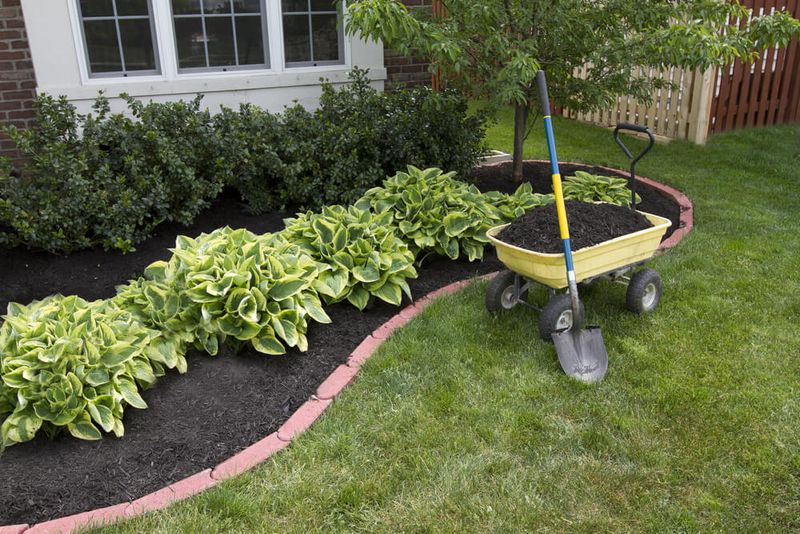
Thick mulch piled against your home creates a moisture-rich environment that attracts termites, carpenter ants, and other wood-destroying insects common in Pennsylvania.
Mulch holds water against your foundation and siding, creating the damp conditions these pests need to survive and reproduce. This practice essentially rolls out a welcome mat for costly home invaders.
Centipedes, millipedes, sowbugs, and earwigs thrive in deep mulch layers. While mostly harmless, these creatures often migrate indoors when mulch becomes too wet or dry.
Their presence indicates that conditions around your foundation are attracting pests that could lead to bigger problems.
Rodents burrow into thick mulch for nesting material and shelter. The insulation properties that make mulch great for plants also make it attractive to mice and voles seeking protection from Pennsylvania weather extremes.
These animals then damage plant roots and bulbs while living in your landscaping. Keep mulch layers no more than two to three inches deep throughout your Pennsylvania yard.
Pull mulch back at least six inches from your house foundation, siding, and any wooden structures. This gap allows air circulation and lets the foundation dry properly after rain.
Choose coarser mulch materials like pine bark nuggets rather than fine shredded mulch near your home.
Coarser materials dry faster and provide fewer hiding spots for small insects. Replace mulch annually to prevent it from decomposing into pest-friendly compost.
Consider using stone or gravel in beds directly adjacent to your foundation. These materials do not hold moisture or attract pests while still providing an attractive landscaping element.
Inspect regularly where mulch meets your house for signs of pest activity like mud tubes or sawdust piles indicating active infestations requiring professional attention in Pennsylvania homes.