These 9 Blooms Keep Bees Coming Back To Your Georgia Garden
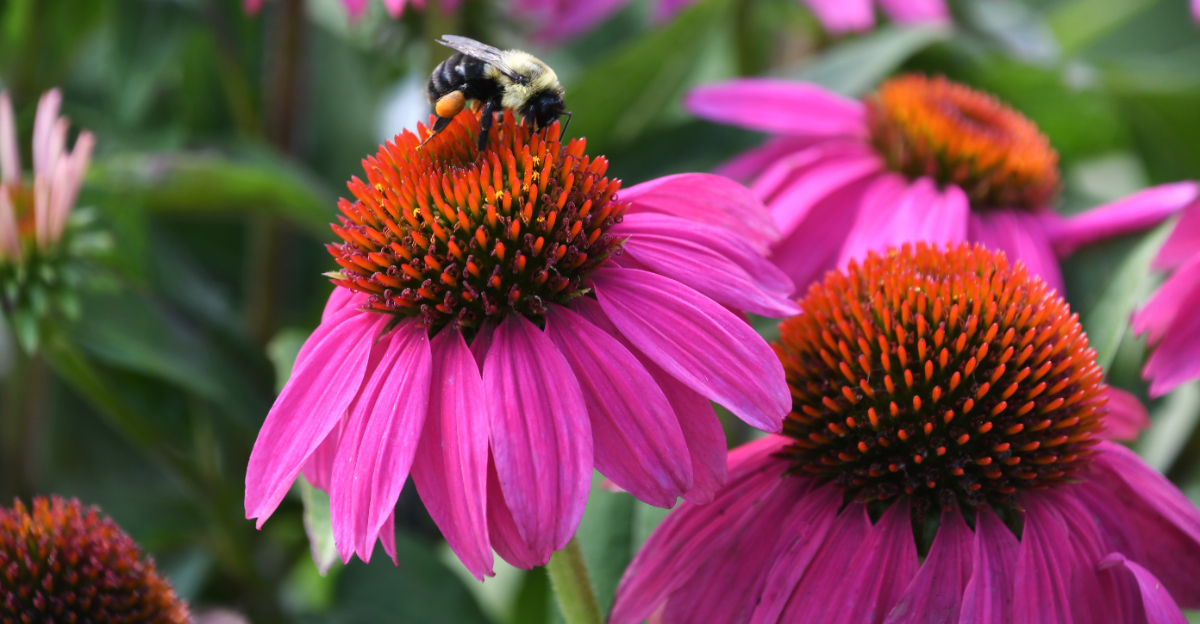
Have you noticed that some Georgia gardens stay full of bees all summer while others go quiet by July? The difference usually comes down to which flowers keep paying off once the heat settles in.
When blooms keep producing nectar instead of fading out early, bees learn your garden is worth returning to again and again.
Georgia’s heat and humidity quickly expose weak bloomers. Some flowers slow down once temperatures climb, while others continue flowering steadily through long, hot days.
Bees respond fast to that consistency.
When food sources stay reliable, they don’t just stop by, they linger, move through the garden, and keep coming back.
The blooms below are known for holding up under Georgia conditions while supporting strong, visible bee activity.
Instead of short bursts of visits, these plants help create a garden that stays active, balanced, and buzzing from early summer through the end of the season.
1. Purple Coneflower Keeps Bees Working Your Garden All Summer
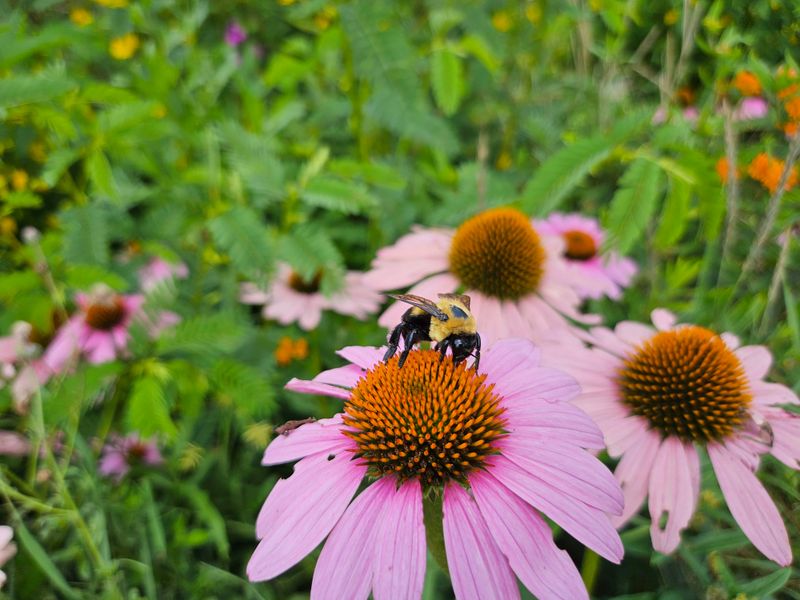
Bees spot these pink-purple petals from across your yard and head straight for them. The raised center cone holds tons of pollen, and bees will spend several minutes on just one flower head, working methodically around the spiky middle.
You’ll watch them get absolutely covered in yellow pollen dust.
Plant these coneflowers in full sun anywhere in Georgia, and they’ll bloom from June straight through September. They handle our summer heat without wilting or stopping flower production.
Once established, they need very little water even during dry spells.
Space them about 18 inches apart in groups of three or five for maximum bee appeal. Deadheading spent blooms encourages more flowers, but leaving some seed heads late in the season feeds goldfinches.
The plants spread slowly and form nice clumps after a few years.
Georgia’s native bees especially love purple coneflowers, including bumblebees and smaller solitary species. You’ll notice bee activity peaks during mid-morning and late afternoon.
These perennials come back stronger each year, eventually reaching three feet tall and becoming anchor plants in your pollinator garden that require almost no maintenance once settled in.
2. Black Eyed Susan Steps In Right When Spring Blooms Fade
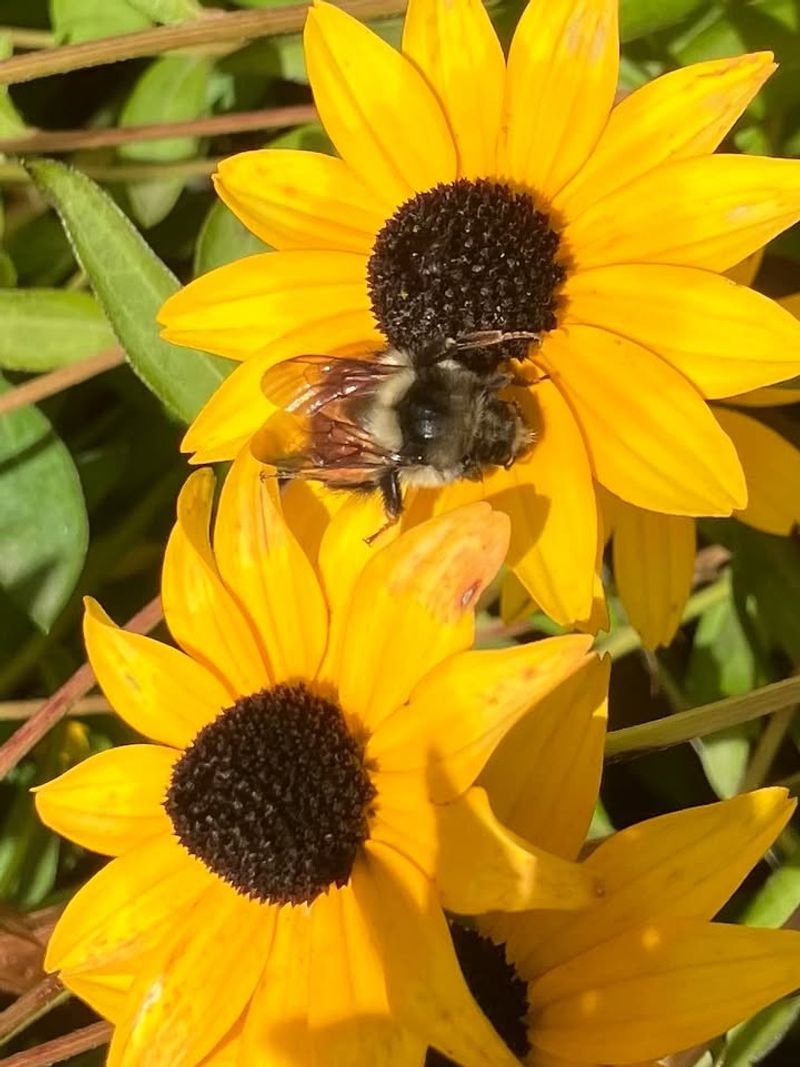
June arrives in Georgia and suddenly these cheerful yellow flowers burst open everywhere. The timing works perfectly because spring bloomers have finished, and bees need new nectar sources.
Black-eyed Susans deliver exactly when the gap appears.
Each flower has a dark chocolate-brown center that bees find irresistible. Watch closely and you’ll see multiple bees working the same plant, moving from bloom to bloom without any territorial disputes.
The flowers produce nectar throughout the day, so bee traffic stays steady from sunrise to sunset.
These tough plants laugh at Georgia heat and humidity. They’ll bloom continuously from June through October if you plant them in full sun with decent drainage.
Even poor soil doesn’t slow them down much. Water them during establishment, then they basically take care of themselves.
Clumps spread naturally through self-seeding, filling in bare spots without becoming invasive. Cut back the plants in late fall after they’ve finished blooming, or leave the seed heads standing for winter interest and bird food.
They grow 24 to 36 inches tall and look fantastic planted in drifts along fence lines or at the back of flower beds where their height shows off.
3. Bee Balm Pulls In Heavy Bee Activity Day After Day
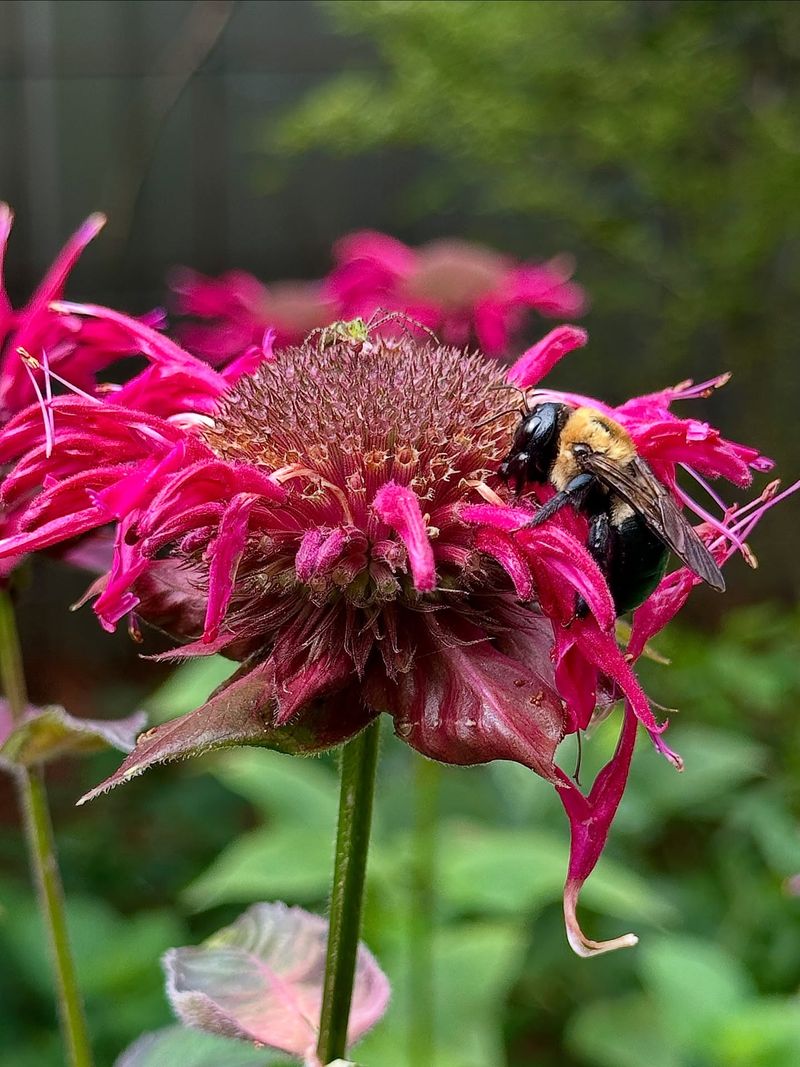
The name tells you everything. Bees go absolutely wild for these shaggy red, pink, or purple blooms.
Plant bee balm in your Georgia garden and prepare for constant buzzing action. The tubular flowers fit perfectly for bee tongues to reach deep nectar reserves.
Blooming peaks in July and August when Georgia gardens need all the color they can get. The flowers sit atop square stems with aromatic leaves that smell minty when brushed.
Hummingbirds visit too, but bees dominate the scene, often with five or six working a single clump simultaneously.
Give bee balm afternoon shade in Georgia to prevent leaf scorch during brutal summer heat. Morning sun with protection from intense afternoon rays works best.
Keep soil consistently moist but not waterlogged. Mulch around plants to maintain moisture and keep roots cool.
Powdery mildew can appear on leaves during humid Georgia summers, but newer cultivars resist this issue much better than older varieties. Space plants 18 to 24 inches apart for good air circulation.
Deadhead spent blooms to encourage continued flowering. Plants spread through underground runners, so divide clumps every three years to control size and maintain vigor while sharing extras with neighbors.
4. Coreopsis Keeps Nectar Available Even During Georgia Heat
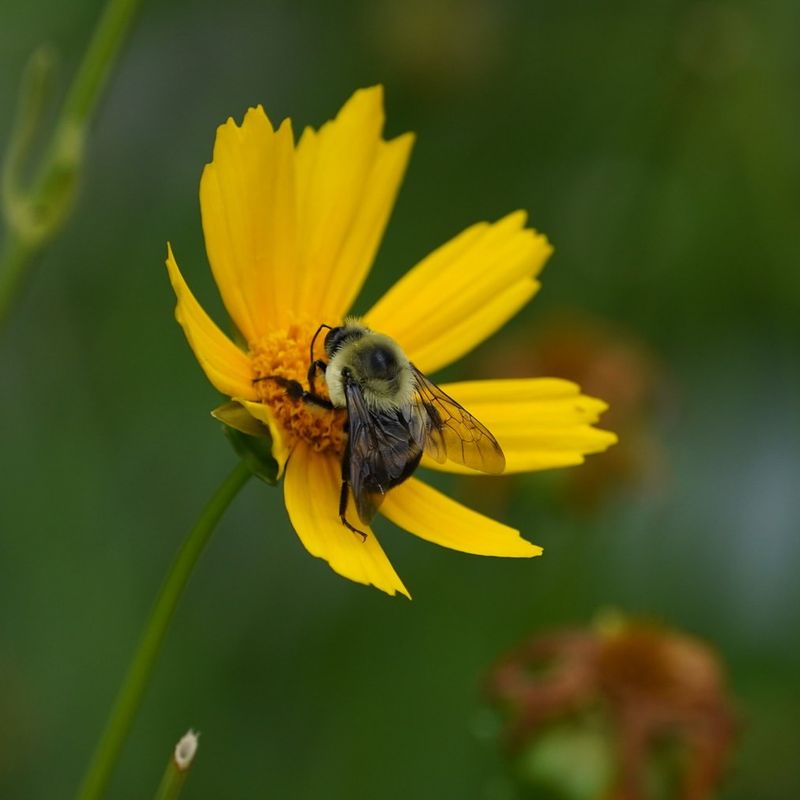
Georgia summers test every plant, but coreopsis just keeps pumping out cheerful yellow blooms regardless of temperature. Small native bees particularly favor these flowers, visiting them even during midday heat when other blooms get ignored.
The simple daisy-like flowers open wide, making nectar easy to access.
Coreopsis starts blooming in May and continues through September without taking a break. Deadheading isn’t even necessary for continuous flowers, though removing spent blooms does keep plants looking tidy.
They tolerate poor, dry soil better than most perennials, making them perfect for Georgia’s red clay.
Full sun brings the heaviest flowering, but plants handle light shade reasonably well. Once established, they survive weeks without supplemental watering.
Drought actually encourages deeper root growth, making plants even tougher long-term.
These native Georgia wildflowers fit naturally into any landscape style. They stay compact at 12 to 18 inches tall, working well along borders or tucked into rock gardens.
The fine, ferny foliage looks attractive even when plants aren’t blooming. Self-sowing produces volunteer seedlings, but they’re never aggressive or weedy.
Divide clumps every four years to maintain vigor, or just let them naturalize into drifts that require zero maintenance beyond occasional watering during extreme drought.
5. Anise Hyssop Trains Bees To Return Again And Again
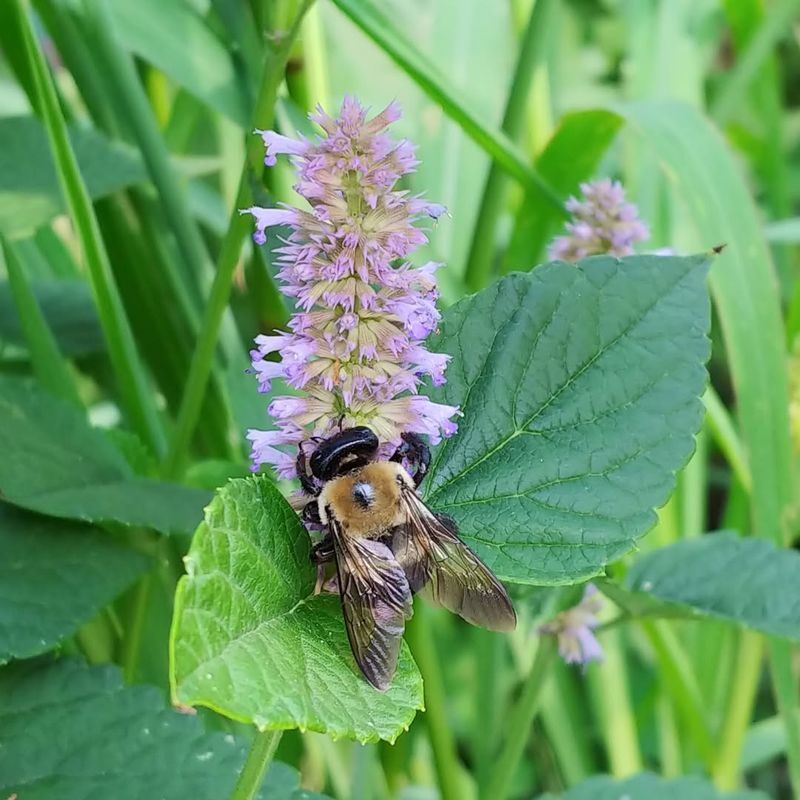
Bees learn patterns quickly, and anise hyssop creates a reliable feeding station they remember. The tall purple-blue flower spikes bloom for months, and bees establish regular routes that include your plants as essential stops.
You’ll see the same bees returning multiple times daily.
Flowers smell like licorice when you brush against them, and bees detect this fragrance from remarkable distances. Blooming runs from July through September in Georgia, perfectly filling the late-summer gap.
Each spike contains hundreds of tiny flowers that open gradually from bottom to top, extending the nectar flow.
Plant in full sun with good drainage for best results. Anise hyssop handles Georgia heat without complaint but appreciates consistent moisture during establishment.
Once roots settle in, plants tolerate dry periods reasonably well. They grow 24 to 36 inches tall with a neat, upright habit.
Butterflies visit too, but bees dominate the action. Leave spent flower spikes standing through winter because finches eat the seeds.
Cut plants back in early spring before new growth emerges. They self-sow moderately, producing volunteers that are easy to transplant or remove.
The foliage stays attractive all season without any pest or disease problems worth mentioning, making this a completely reliable Georgia garden performer.
6. Joe Pye Weed Feeds Large Native Bees Late In The Season
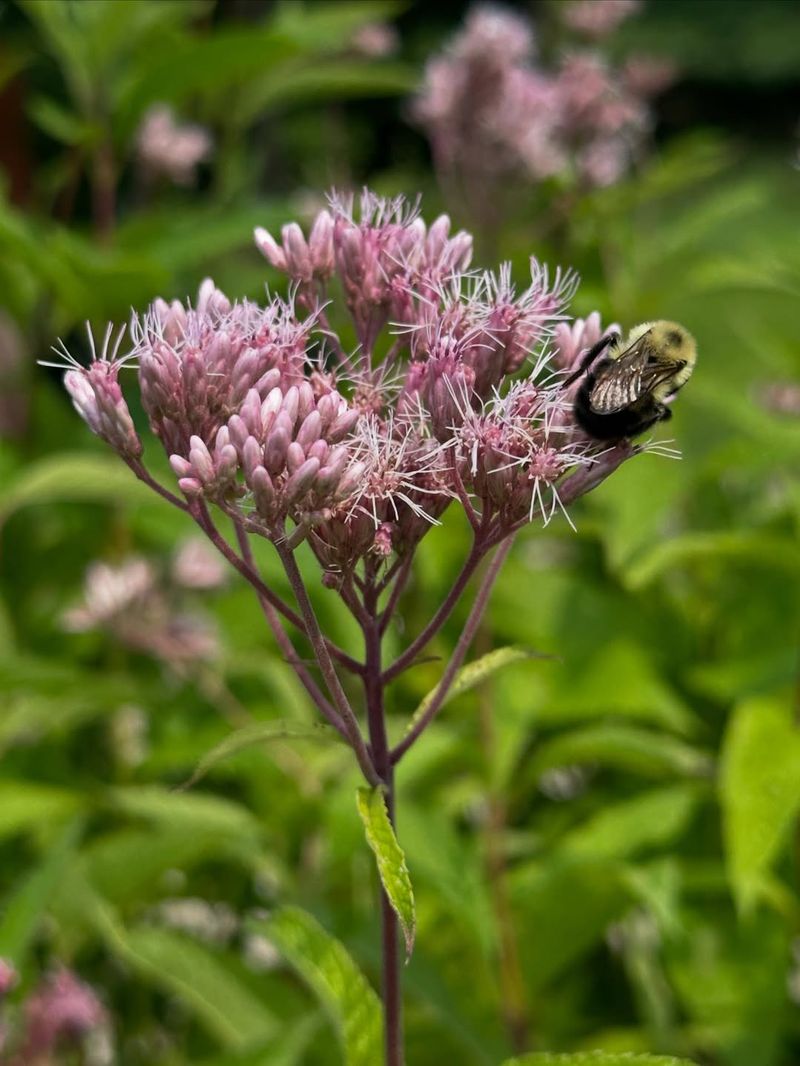
August arrives in Georgia and most flowers look tired. Joe Pye weed just hits its stride, sending up massive dusty-pink flower clusters that tower over everything else.
Large bumblebees and carpenter bees work these blooms heavily, often spending 20 minutes on a single plant.
The flowers form huge domed clusters at stem tops, each cluster containing hundreds of individual tiny blooms. This abundance means bees can gather significant nectar and pollen without flying to multiple plants.
Late-season foraging becomes much more efficient.
Joe Pye weed grows tall, reaching five to seven feet in Georgia gardens. Give it room in the back of borders or use it as a living screen.
It prefers consistent moisture and handles partial shade well, making it perfect for those slightly damp spots where other perennials struggle.
Plant in spring and stand back. Growth happens fast once warm weather arrives.
The sturdy hollow stems never need staking despite their height. Butterflies visit alongside bees, creating incredible pollinator activity during late summer.
Cut stems back in late fall or leave them standing through winter for architectural interest and seed food for birds. Plants form substantial clumps that rarely need division, though you can split them in spring if you want more plants for other garden areas.
7. Blanket Flower Holds Up Through Heat While Bees Keep Visiting
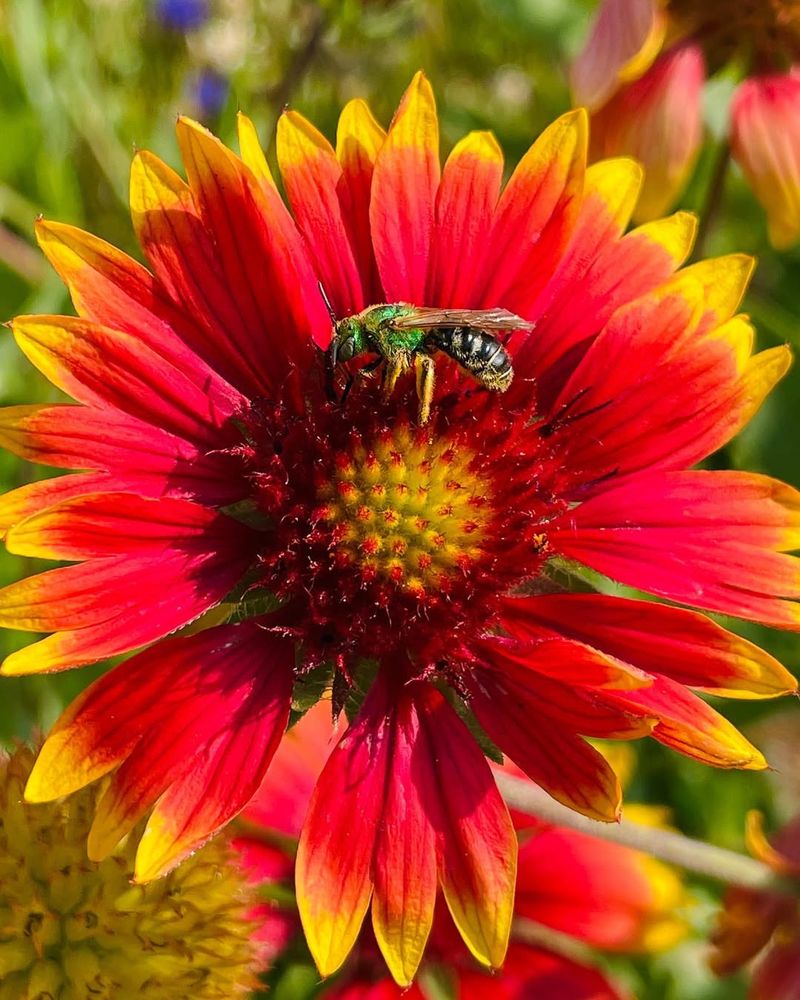
Georgia’s brutal July and August heat makes many flowers shut down completely. Blanket flowers actually bloom harder when temperatures soar.
The bold red and yellow petals practically glow in full sun, and bees visit constantly despite the heat. These flowers produce nectar all day long.
Each bloom lasts about a week, but plants produce so many flowers that something’s always open. The daisy-like form makes nectar easily accessible to bees of all sizes.
You’ll see honeybees, small native bees, and even tiny sweat bees working these flowers.
Plant blanket flowers in the hottest, driest spot you’ve got. They actually perform better with some neglect than with too much care.
Overwatering causes root rot, while drought just makes them tougher. Sandy or rocky soil works great.
Full sun is essential for heavy flowering.
These short-lived perennials often act like annuals in Georgia, but they self-sow freely so you’ll always have plants. Deadhead regularly to keep flowers coming, or let some go to seed late in the season.
Plants stay compact at 12 to 18 inches tall and spread about the same width. They work beautifully in containers, rock gardens, or anywhere you need reliable color with minimal water and zero fuss.
8. Mountain Mint Becomes A Bee Magnet Once It Starts Blooming
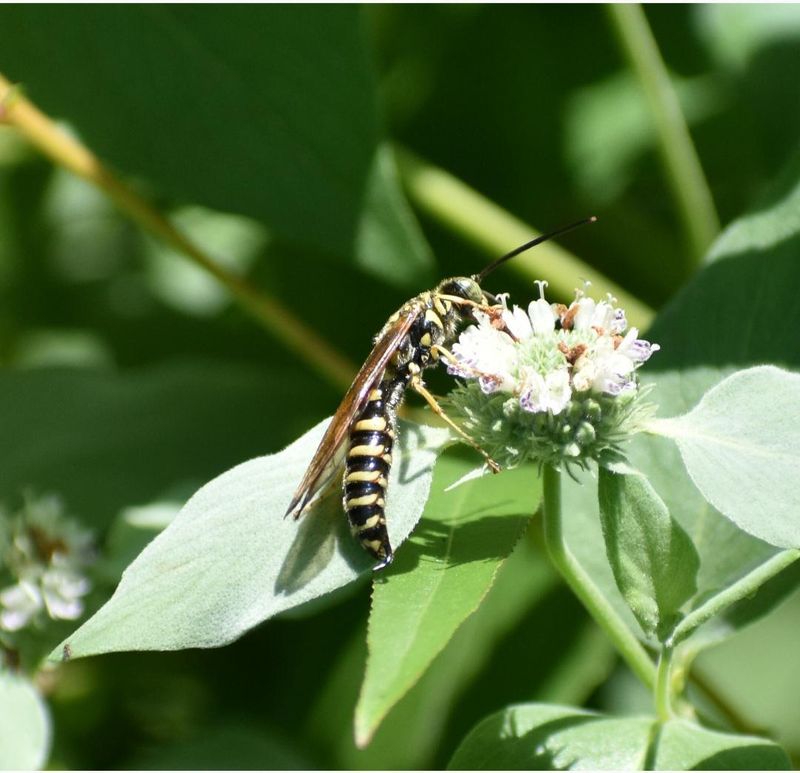
Nothing in your Georgia garden will attract more bee diversity than mountain mint. When these plants bloom, prepare to see bee species you didn’t know existed.
The small white flowers cluster densely, and the silvery bracts surrounding them reflect light, creating a beacon bees can’t resist.
Blooming happens from July through September, and during peak flowering, you might count 20 different bees on a single plant. The mint-scented foliage adds another sensory dimension.
Crushing a leaf releases intense fragrance that fills the area.
Mountain mint spreads aggressively through underground runners, so plant it where you can contain it or let it naturalize in wild areas. It handles Georgia heat and humidity perfectly, never showing stress even during the worst summer weather.
Full sun to partial shade both work fine.
Plants grow 24 to 36 inches tall with a somewhat sprawling habit. The foliage stays attractive all season without any pest problems.
Cut plants back hard in early spring before new growth starts. Divide clumps every few years to control spread or share with other gardeners.
The flowers dry beautifully for arrangements, and the foliage makes excellent filler. Bees work mountain mint so heavily that you’ll hear the buzzing from several feet away, creating a living soundtrack in your Georgia garden throughout late summer.
9. Goldenrod Finishes The Season When Bees Need It Most
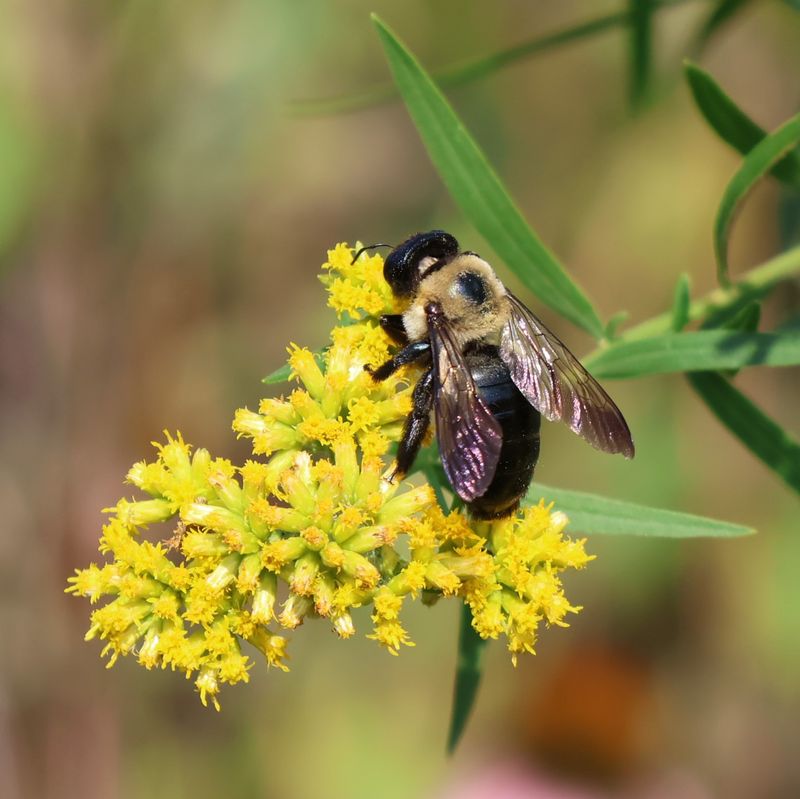
September and October bring cooler temperatures to Georgia, and most flowers have finished blooming. Goldenrod saves the day with brilliant yellow plumes that provide critical late-season nectar.
Bees pack on weight for winter, and goldenrod gives them the fuel they need.
The bright yellow flower spikes glow in autumn light, creating stunning displays that rival spring blooms. Each plume contains hundreds of tiny flowers loaded with nectar and pollen.
Bees work these plants frantically, knowing cold weather approaches. You’ll see the heaviest bee activity you’ve witnessed all year.
Goldenrod gets blamed for causing allergies, but ragweed is the actual culprit. Goldenrod pollen is too heavy to become airborne.
Plant these native Georgia wildflowers without worry. They grow in full sun to light shade and handle poor soil without complaint.
Heights vary by variety, from compact 18-inch types to towering six-foot giants. Choose based on your space and design needs.
All attract bees equally well. Plants spread through underground rhizomes but aren’t difficult to control.
Cut stems back after flowering or leave them for winter interest. Goldfinches eat the seeds through late fall and winter.
These native perennials require zero maintenance once established and provide essential late-season food when bees need it most for winter survival.