These 11 Blooms Will Have Bees Buzzing Around Your California Garden
A garden filled with buzzing bees is a sign that something beautiful and beneficial is in bloom. In California, the right flowers can transform an ordinary yard into a lively pollinator hotspot bursting with color, movement, and life.
Bees are always on the hunt for rich nectar and bright blossoms, and certain blooms make their job almost irresistible.
Beyond the gentle hum and cheerful activity, these hardworking visitors play a huge role in keeping your garden healthy and productive. More bees mean better pollination, stronger plants, and a more vibrant outdoor space through the seasons.
The secret lies in choosing flowers that thrive in California’s sun soaked climate while offering the sweet rewards bees love most.
Ready to turn your garden into a buzzing paradise? These standout blooms will invite bees in droves and keep your landscape lively, colorful, and full of natural energy all season long.
1. California Poppy (Eschscholzia californica)
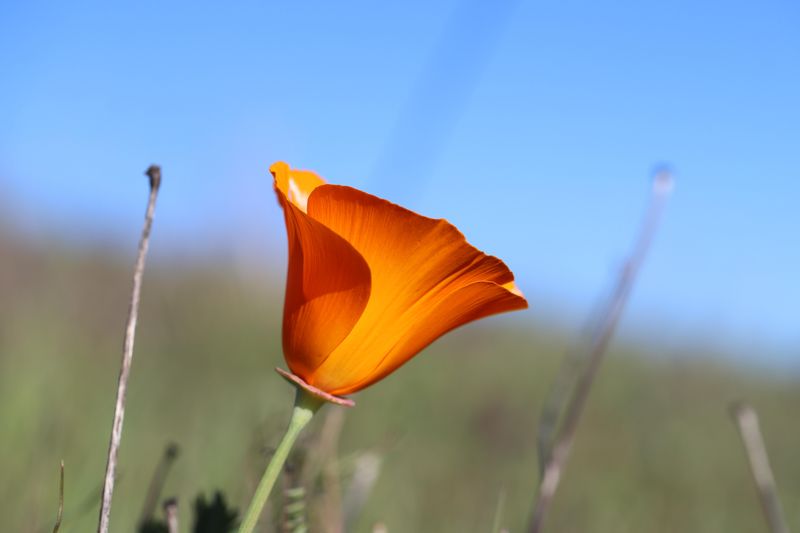
Watch bees arrive in your garden within days of these golden-orange blooms opening, and you’ll understand why California poppies reign as one of the state’s most reliable pollinator magnets.
Native bees particularly love these flowers because they’ve evolved together for thousands of years, creating a perfect partnership between plant and pollinator.
Many gardeners assume California poppies need constant attention, but the opposite is true.
These drought-tolerant natives actually struggle with overwatering and rich soil, thriving instead in lean, well-drained conditions with minimal summer water once established.
Plant them in fall for spring blooms, or scatter seeds in early spring for later color.
The flowers close at night and on cloudy days, conserving pollen for when bees are actively foraging. This intelligent behavior means you’re not wasting resources, and bees get maximum nutrition during peak activity hours.
Coastal gardeners enjoy longer bloom periods with cooler temperatures, while inland gardens see more intense color but shorter flowering windows.
Deadheading isn’t necessary since these annuals self-seed readily, creating naturalized drifts year after year. Let them go to seed in late spring, then enjoy volunteer seedlings the following season without replanting.
2. Purple Coneflower (Echinacea purpurea)
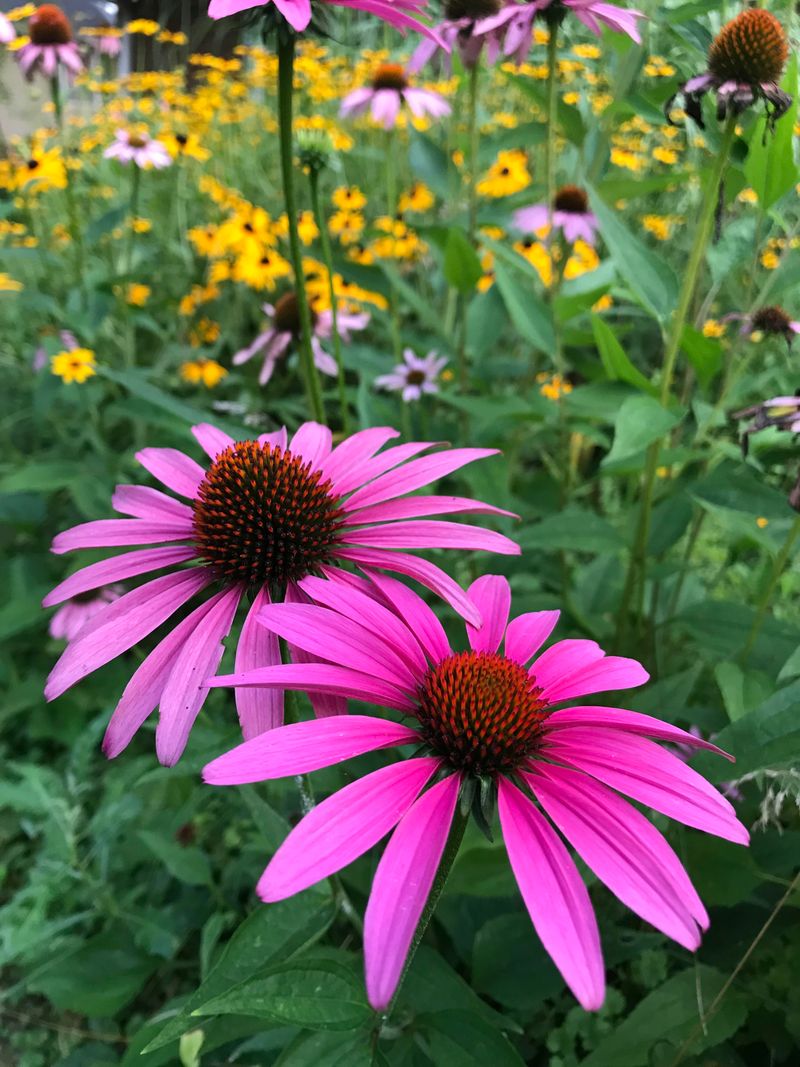
Bees navigate straight to the prominent center cone of purple coneflowers, landing on the spiky disk to collect pollen while you watch from just feet away.
This Midwest native has adapted beautifully to California gardens, particularly in areas with some summer water, offering reliable blooms from early summer through fall when many other flowers have faded.
The raised central cone isn’t just decorative, it’s a landing platform perfectly designed for bee access. As flowers age, the cone becomes even more pronounced, continuing to offer pollen long after the purple petals begin to droop.
This extended resource availability makes coneflowers exceptionally valuable in pollinator gardens.
Full sun and decent drainage are non-negotiable for success, but coneflowers tolerate clay soil better than many perennials. Inland gardeners should provide afternoon shade during extreme heat waves, while coastal areas can grow them in full sun without stress.
Water deeply but infrequently once established, mimicking their native prairie conditions.
Resist cutting back spent flowers immediately, goldfinches love the seeds, and the seed heads provide winter interest.
Many gardeners leave them standing until late winter, then cut back before new growth emerges in spring.
3. Bee Balm (Monarda fistulosa)
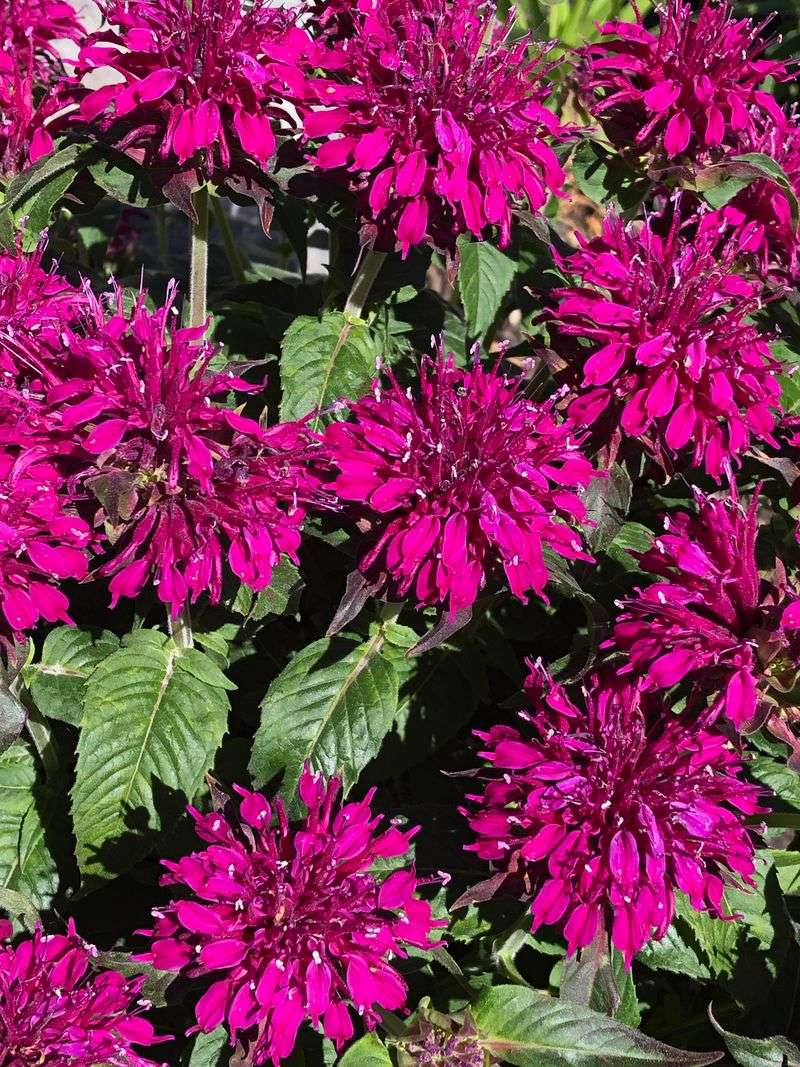
Hummingbirds may visit first, but bees quickly claim bee balm as their own, working the tubular flowers with impressive efficiency.
The name says it all, this perennial was recognized centuries ago as a bee favorite, and modern California gardens prove that reputation holds true, especially in areas with regular water availability.
Coastal gardeners find bee balm nearly carefree, while inland gardeners need to provide consistent moisture and afternoon shade to prevent powdery mildew.
Good air circulation prevents most disease issues, so space plants eighteen to twenty-four inches apart rather than crowding them together.
This breathing room also makes it easier for bees to access flowers from all angles.
The shaggy, pom-pom-like flower heads bloom for weeks, with each tubular floret opening sequentially to extend the nectar flow. Bees learn the bloom pattern quickly, returning daily to check for newly opened flowers.
Deadheading encourages additional bloom cycles, potentially extending flowering into early fall with adequate water.
Bee balm spreads through underground rhizomes, so plant it where expansion is welcome or use barriers to contain growth.
Division every three years keeps plants vigorous and flowering heavily, providing divisions to expand your pollinator garden or share with neighbors.
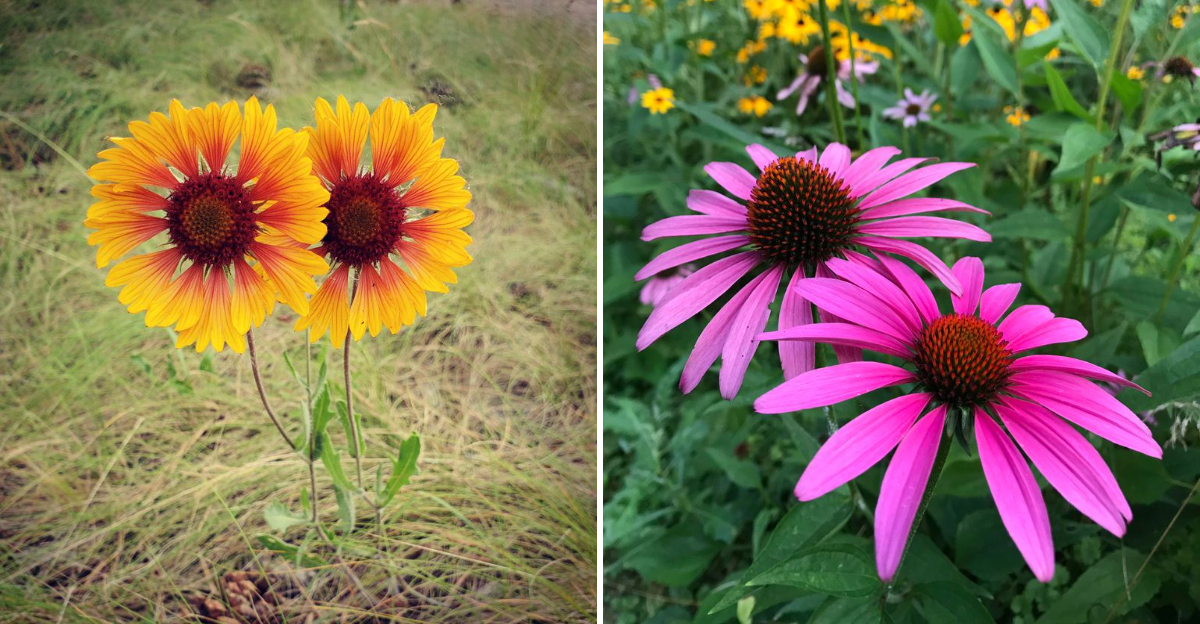
4. Blanket Flower (Gaillardia aristata)
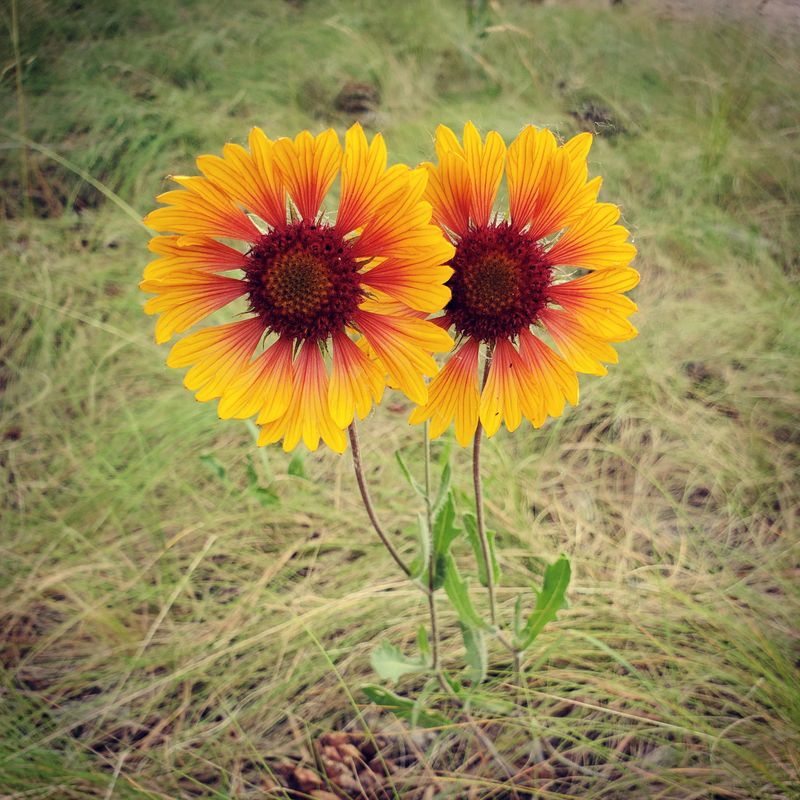
Heat-loving blanket flowers laugh at California’s toughest summer conditions, blooming prolifically when many plants surrender to drought stress.
Bees appreciate this resilience, visiting the cheerful red-and-yellow daisies throughout the hottest months when nectar sources become scarce in water-wise gardens.
The central disk flowers provide abundant pollen, while the ray petals guide bees toward the reproductive parts with their bold color pattern. This visual targeting system evolved to help pollinators find resources quickly, conserving energy during hot weather foraging.
You’ll notice bees spending considerable time on each flower head, methodically working the tiny disk flowers.
Blanket flowers demand excellent drainage and actually perform poorly in amended, moisture-retentive soil. Plant them in native soil or add sand to improve drainage, then water sparingly once established.
Overwatering causes root rot and reduces flowering, so err on the dry side, especially during summer.
Deadheading extends the bloom season dramatically, encouraging new flower production from late spring through October in mild climates. Shear plants back by one-third in midsummer if flowering slows, then water lightly to encourage fresh growth and a second bloom flush.
Coastal and inland gardens both succeed with blanket flowers, though inland plants show more intense coloration.
5. Black-Eyed Susan (Rudbeckia hirta)
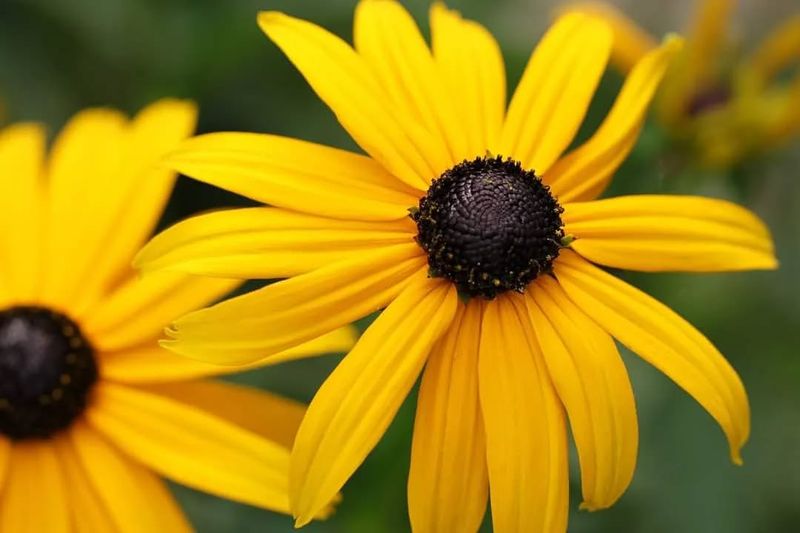
Golden petals surrounding chocolate-brown centers create an irresistible target for bees, who land repeatedly on black-eyed Susans throughout the day.
These cheerful daisies bring prairie toughness to California gardens, adapting successfully to both coastal and inland conditions when given appropriate water and sun exposure.
The dark central cone contains hundreds of tiny disk flowers, each producing pollen and nectar as it opens. Bees work methodically across the cone, and you can actually see pollen accumulating on their bodies as they forage.
This efficient design means a single flower head feeds multiple bee visits over several days.
Black-eyed Susans tolerate more moisture than many drought-tolerant perennials, making them useful in gardens with regular irrigation. However, they also handle dry conditions remarkably well once established, particularly in amended soil with decent drainage.
Full sun produces the most flowers, though plants accept light afternoon shade in hottest inland areas.
These short-lived perennials often behave as biennials or annuals in California, but they self-seed reliably when allowed to go to seed. Let some flowers mature completely, scattering seeds in late fall, then enjoy volunteer seedlings the following spring.
Deadhead remaining flowers to encourage continued blooming through summer and into fall.
6. Salvia ‘Mystic Spires Blue’ (Salvia longispicata x farinacea)
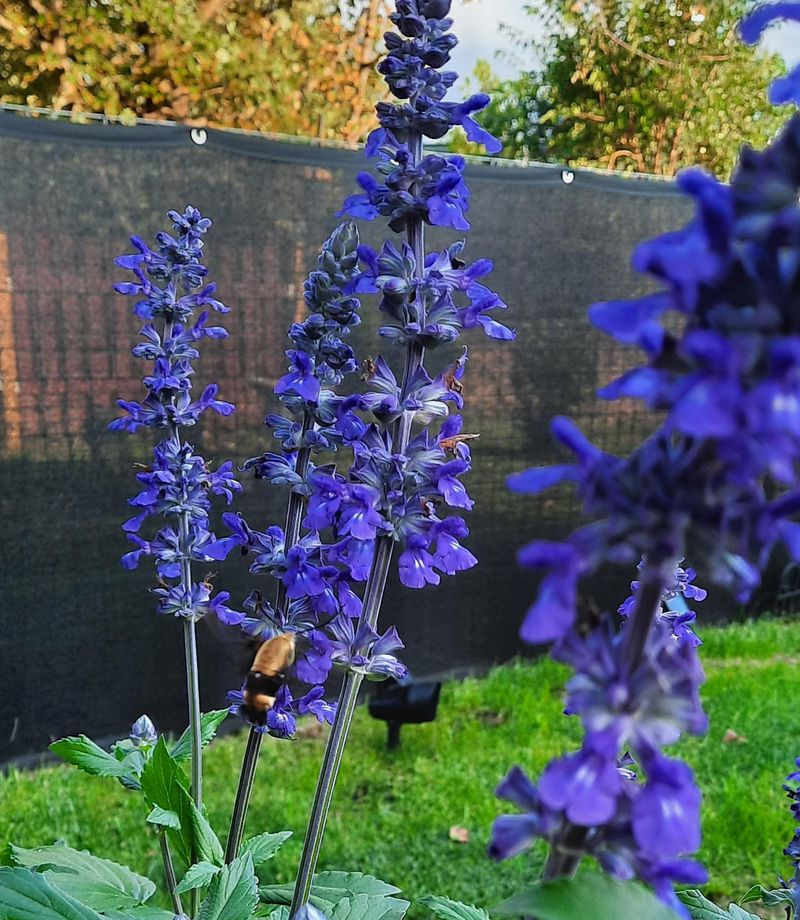
Vertical flower spikes loaded with tubular blue blooms create a bee superhighway in your garden, with pollinators working up and down the stems systematically.
This salvia hybrid combines the best traits of its parent species, delivering non-stop flowering from spring through fall with minimal care, a rare combination in California gardens.
Unlike some salvias that pause during extreme heat, Mystic Spires Blue continues blooming through summer, providing crucial nectar when other sources diminish. Bees recognize the flower shape instantly, having evolved alongside salvias for millennia.
The tubular flowers protect nectar from evaporation, ensuring quality nutrition even on hot afternoons.
Full sun and moderate water keep this salvia thriving, though established plants tolerate brief dry periods without stress. Avoid overwatering, which reduces flowering and encourages weak, floppy growth.
Inland gardens benefit from afternoon shade during heat waves, while coastal gardens can provide full sun without concern.
Shearing spent flower spikes encourages new growth and additional blooming, potentially giving you three to four bloom cycles annually. Cut back by one-third when flowering slows, then water lightly to promote fresh stems.
This salvia rarely needs division and can remain in place for years, increasing in size and flower production as it matures.
7. Yarrow (Achillea millefolium)
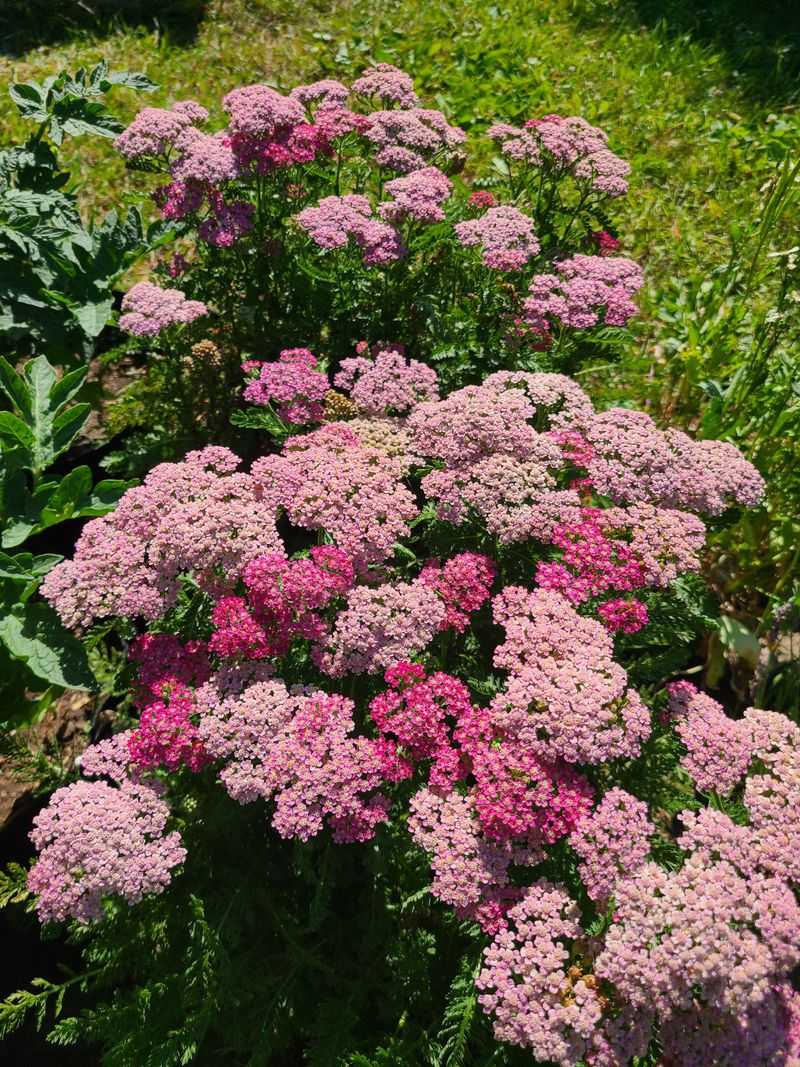
Flat-topped flower clusters create perfect landing platforms for bees, who appreciate the easy access to hundreds of tiny flowers packed into each flower head.
Yarrow’s horizontal architecture differs from spike-form flowers, attracting different bee species and adding structural diversity to pollinator plantings.
California’s native yarrow varieties offer white flowers, while cultivated forms provide yellow, pink, and red options. All attract bees effectively, though white and yellow varieties often draw the most consistent pollinator activity.
The fern-like foliage remains attractive even when plants aren’t flowering, providing year-round garden interest.
Extreme drought tolerance makes yarrow ideal for water-wise gardens, though plants accept regular irrigation without complaint. Once established, they survive on rainfall alone in many California regions, blooming reliably each summer despite minimal water.
Poor soil actually encourages better flowering than rich, amended beds, so skip the compost when planting yarrow.
Deadheading extends the bloom season, but leaving some flower heads to mature provides seeds for goldfinches and other birds. The dried flower heads also add winter interest, standing architectural and beautiful long after blooming finishes.
Cut plants back to basal foliage in late winter, before new growth begins, to maintain tidy appearance and encourage vigorous spring growth.
8. Goldenrod (Solidago californica)
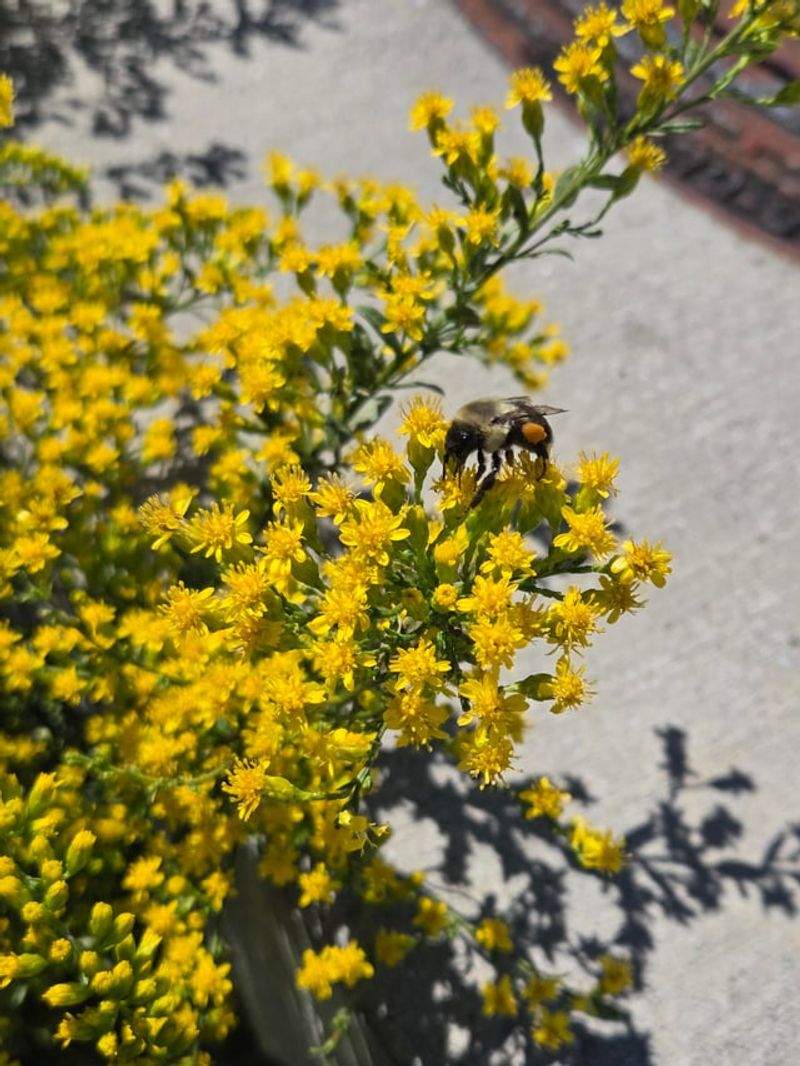
Late summer gardens come alive when California goldenrod opens its golden plumes, attracting bees precisely when many other flowers have finished blooming.
This native perennial provides critical late-season nectar, helping bees build winter stores and supporting colonies preparing for reduced foraging opportunities ahead.
Many people mistakenly blame goldenrod for allergies, but this plant is insect-pollinated, not wind-pollinated, meaning its heavy, sticky pollen doesn’t become airborne. Ragweed, which blooms simultaneously, causes those allergic reactions.
Goldenrod actually deserves celebration for supporting pollinators during a crucial seasonal transition.
Native to California, this goldenrod thrives in conditions that challenge many garden plants, dry soil, full sun, and minimal summer water. Coastal and inland gardens both succeed, though inland plants may need occasional deep watering during extended heat waves.
Good drainage prevents root problems, so avoid heavy clay without amendment.
The arching stems create graceful movement in the garden, swaying with visiting bees and adding dynamic interest to late-season plantings. Cut back spent stems in late fall or leave them standing for winter structure and seed production.
Goldenrod spreads moderately through rhizomes, creating expanding clumps that can be divided every few years to control spread or create new plants.
9. Cosmos (Cosmos bipinnatus)
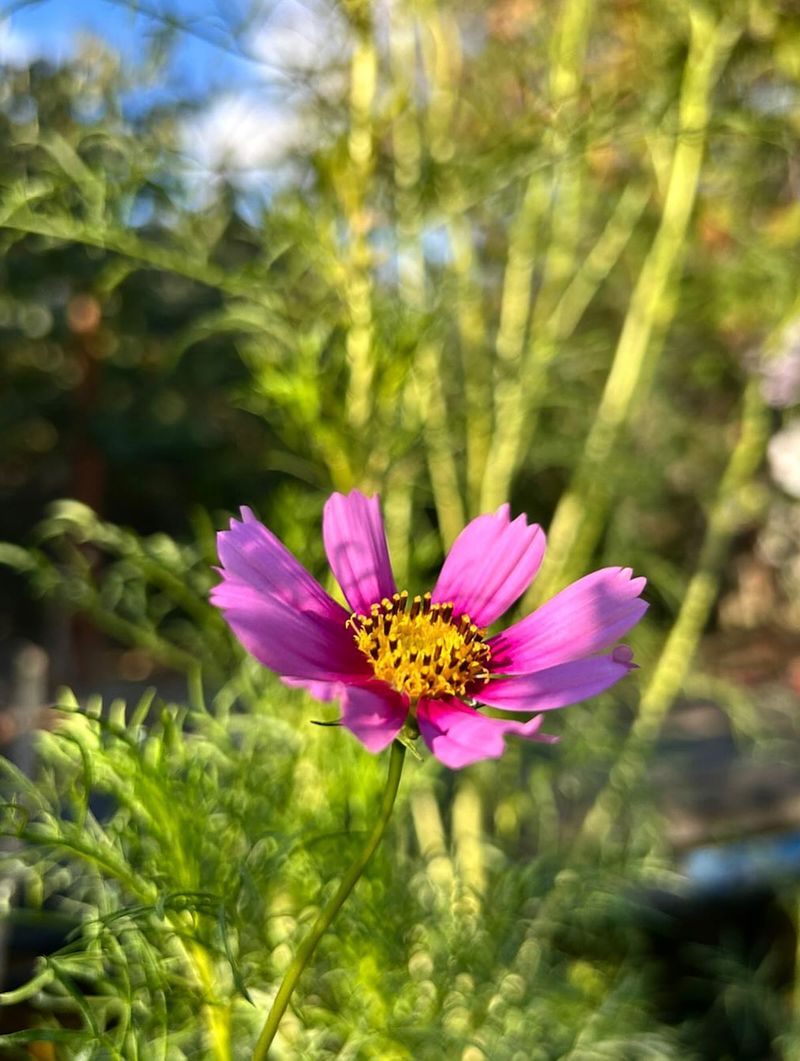
Few flowers deliver such abundant blooms for so little effort, making cosmos a favorite among gardeners who want maximum bee activity without fussy maintenance.
These Mexican natives adapted beautifully to California’s Mediterranean climate, self-seeding reliably and providing continuous flowers from early summer until frost in mild areas.
The open, daisy-like flowers allow easy bee access to pollen and nectar, with the central disk providing abundant resources. Bees often visit multiple cosmos flowers in quick succession, moving through plantings systematically.
The delicate, ferny foliage creates an airy appearance that complements the cheerful blooms without overwhelming smaller gardens.
Direct seed cosmos in spring after frost danger passes, or start transplants indoors for earlier blooms. They germinate quickly and grow rapidly, often flowering within eight weeks of planting.
Full sun and average soil produce the best results, though cosmos tolerate poor soil remarkably well. Avoid overwatering and fertilizing, which encourage foliage growth at the expense of flowers.
Deadheading encourages continuous blooming, but allow some flowers to set seed for volunteer plants next season. Cosmos self-seed enthusiastically in favorable conditions, creating naturalized drifts that return annually.
The lightweight seeds scatter easily, so expect seedlings to appear in unexpected locations, a delightful surprise most gardeners welcome.
10. Sunflower (Helianthus annuus)
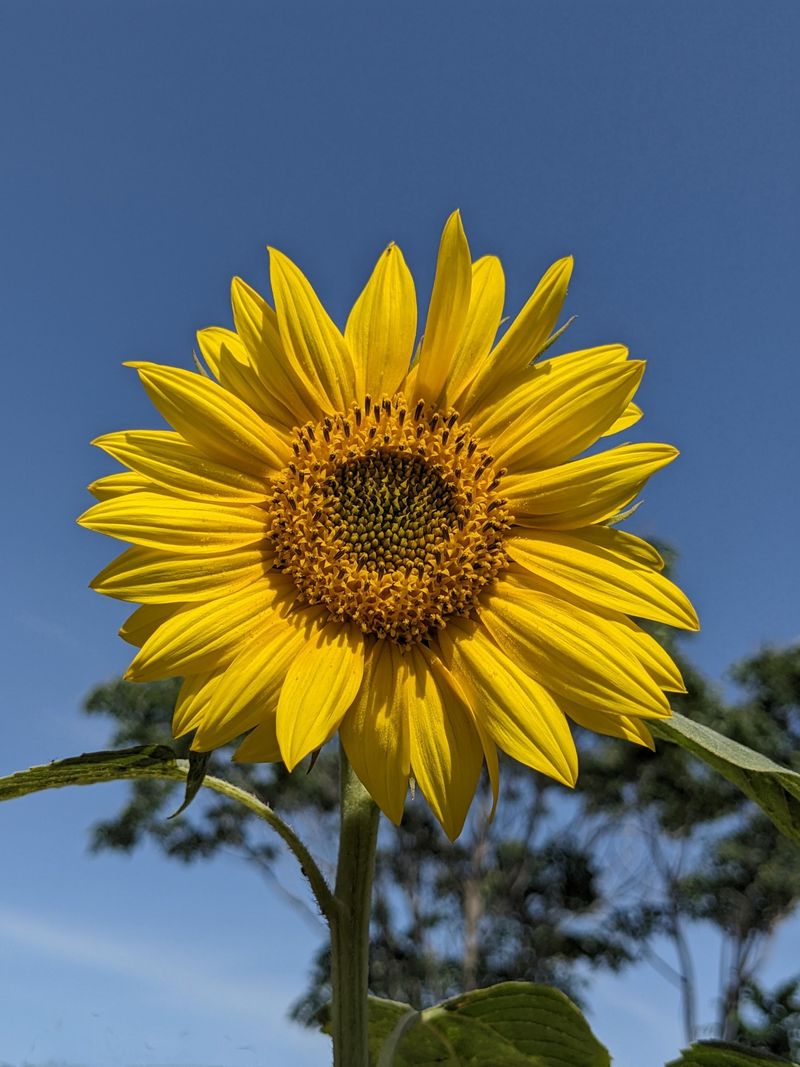
Nothing announces a pollinator-friendly garden quite like sunflowers, their massive faces tracking the sun while bees work the enormous center disks.
These iconic flowers provide abundant pollen and nectar, with a single large bloom potentially feeding dozens of bees throughout the day as different disk flowers open sequentially.
Branching varieties produce multiple smaller flowers per plant, extending the bloom period and providing more consistent bee forage than single-stem types. Both types attract pollinators effectively, so choose based on your garden design preferences.
Dwarf varieties work well in containers and small spaces, while towering varieties create dramatic backdrops and privacy screens.
Sunflowers demand full sun and accept poor soil, actually flowering better in lean conditions than in heavily amended beds. Water regularly during establishment, then reduce frequency as plants mature.
Deep roots access moisture unavailable to shallow-rooted plants, making established sunflowers surprisingly drought-tolerant despite their large leaves.
Leave spent flower heads on plants through fall and winter, allowing birds to harvest seeds while providing food for overwintering beneficial insects. The dried stalks also create nesting sites for native bees, who use hollow stems for egg-laying chambers.
Cut back stalks in late winter, checking for sealed bee nests before disposing of plant material.
11. Tidy Tips (Layia platyglossa)
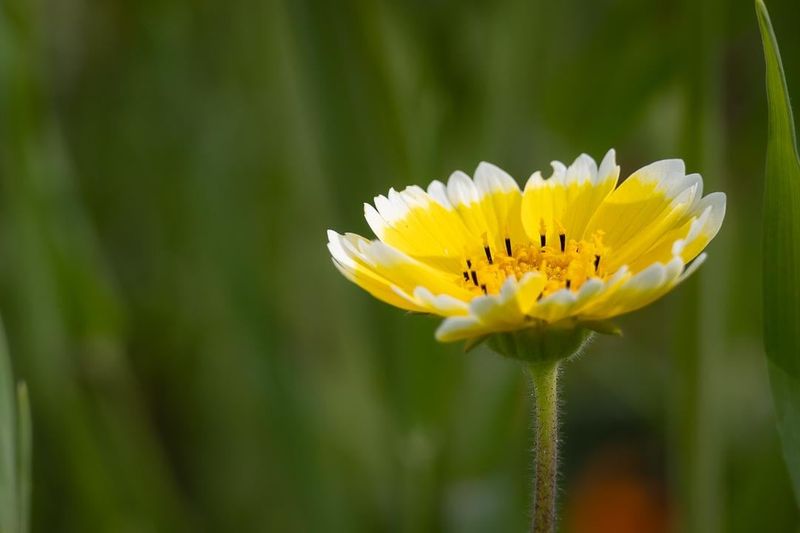
California’s native wildflowers evolved specifically to support our native bee populations, and tidy tips exemplify this perfect partnership with their cheerful yellow-and-white blooms appearing in spring.
These low-growing annuals create carpets of color in favorable conditions, attracting native bees who recognize them as reliable nectar sources from generations of evolutionary history.
The white-tipped petals give this wildflower its common name, creating a distinctive appearance that stands out in meadow plantings and naturalized areas. Native bees visit enthusiastically, often preferring tidy tips over non-native flowers when given choices.
The relatively short bloom period concentrates bee activity, creating impressive pollinator displays during peak flowering.
Scatter seeds in fall for spring germination, mimicking natural cycles and allowing winter rains to establish seedlings. Tidy tips need no supplemental water in most California regions, thriving on rainfall alone.
They perform best in full sun and well-drained soil, struggling in heavy clay or constantly moist conditions.
Allow flowers to set seed completely, letting plants die back naturally as temperatures rise in late spring. The seeds drop and lie dormant through summer, germinating with fall rains to repeat the cycle.
This hands-off approach creates self-sustaining wildflower populations that return annually, supporting native bees without ongoing garden maintenance.