These Bulbs Will Flower Across Ohio By March (Even After Harsh Winters)
Winter in Ohio can feel endless. Gray skies, frozen ground, and long cold stretches leave most yards quiet and lifeless.
Then, almost overnight, small bursts of color begin pushing through snow and chilled soil. Snowdrops, crocus, and other early bulbs refuse to wait for perfect spring weather.
They rise through frost, shrug off late cold snaps, and signal the first real turning point of the season.
Many Ohio gardeners miss this moment simply because the right bulbs were never planted the previous fall. Yet a handful of cold hardy bulbs can bring flowers to your yard weeks before trees leaf out or lawns turn green.
Walkways brighten, garden edges wake up, and signs of life return long before true spring settles in.
Set these bulbs in the ground once, and each late winter will greet you with the same early color, even after the harshest Ohio winter.
1. Snowdrops Bloom Even Through Snow And Frozen Ground
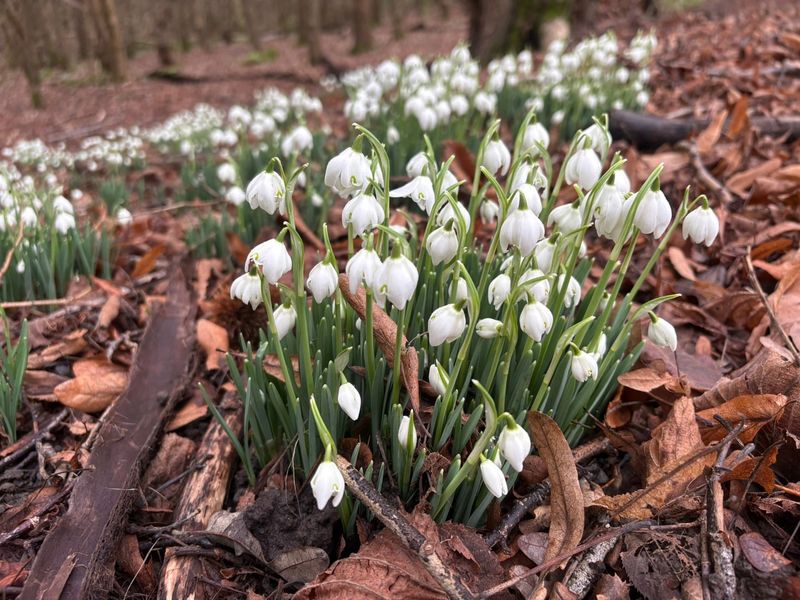
When most plants are still dormant and hiding underground, snowdrops push their way through frozen soil like they own the place. These small but tough flowers can push through snow and lightly frozen soil using stored energy from the bulb.
Their nodding white bell-shaped blooms appear as early as late February in Ohio, sometimes even poking through a blanket of fresh snow.
Snowdrops grow only about six inches tall, making them perfect for planting along walkways or under trees where you’ll notice them up close. The flowers hang downward like tiny lanterns, with three outer petals surrounding three shorter inner petals marked with green.
They spread slowly over time, creating larger patches each year without becoming invasive or taking over your garden beds.
Plant snowdrop bulbs about three inches deep in fall, choosing spots with partial shade and soil that drains well. They grow reliably across Ohio and prefer cooler early spring conditions with partial shade and well-drained soil.
Once established, these bulbs need almost no care and will return reliably every year. They’re also resistant to deer and rabbits, which usually leave them alone even when other early flowers get nibbled.
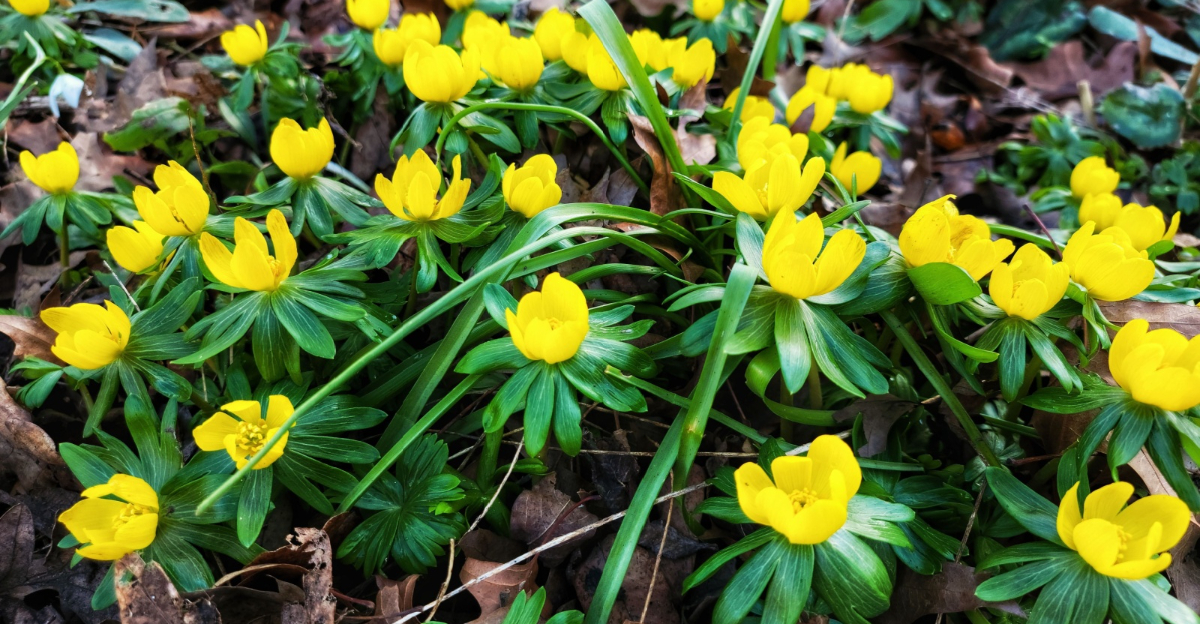
2. Winter Aconite Brings Bright Yellow Before Spring
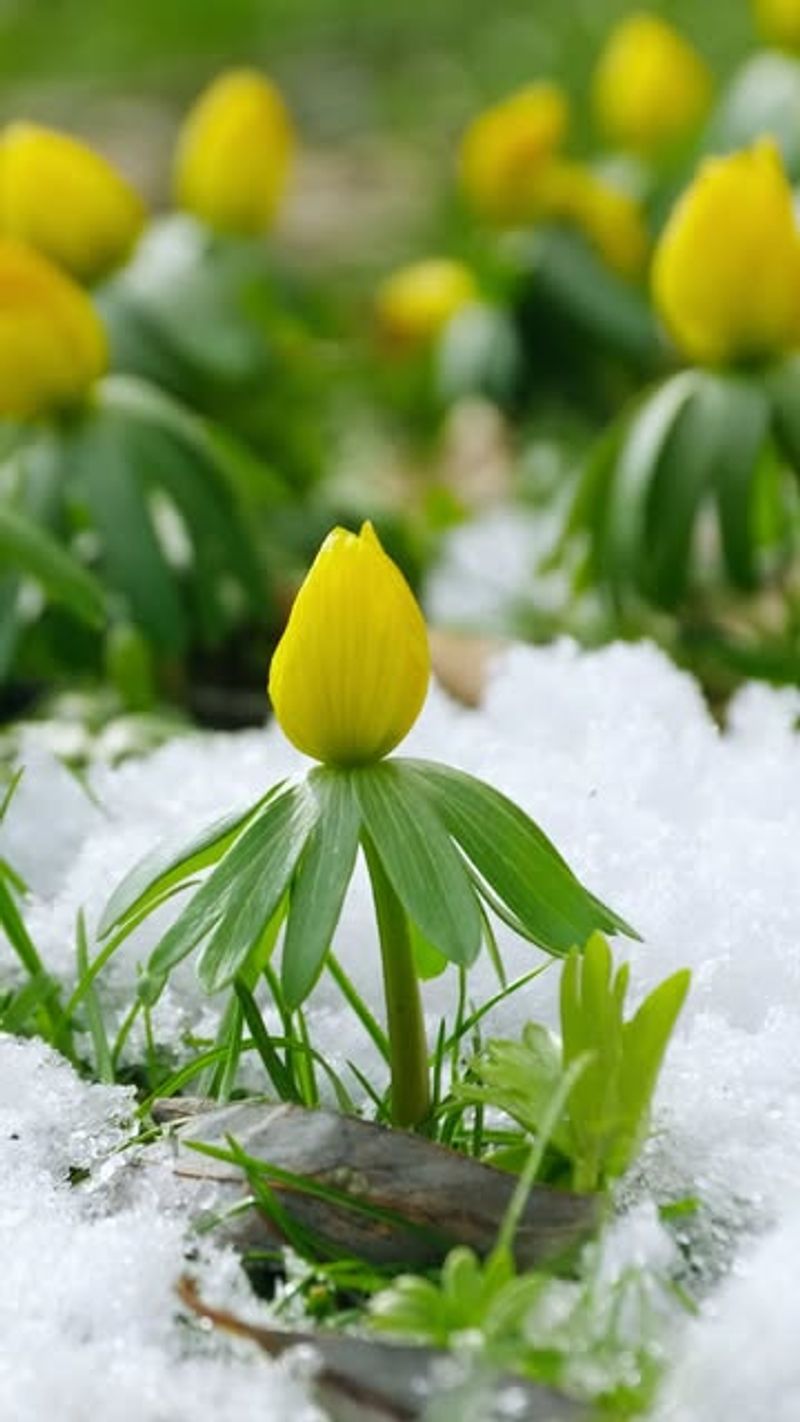
Bright golden flowers that look like tiny buttercups arrive before most gardeners even think about spring planting. Winter aconite bursts open with cheerful yellow blooms surrounded by a ruff of green leaves that looks almost like a collar.
These tough little plants can handle Ohio’s unpredictable late winter weather without missing a beat, blooming happily even when temperatures drop back below freezing at night.
Each flower sits just three to four inches above the ground, making them ideal for rock gardens or the front edges of flower beds. The blooms open wide on sunny days and close up tight when clouds roll in or temperatures drop.
Winter aconite spreads naturally through self-seeding, creating sunny yellow carpets that expand gradually over the years without becoming weedy or problematic in maintained garden spaces.
These bulbs prefer planting in fall, tucked about two inches deep in soil that stays slightly moist. They thrive in partial shade under deciduous trees, where they get plenty of early spring sunlight before the tree canopy fills in.
Winter aconite goes dormant by late spring, disappearing completely until the following February or March, so mark their location to avoid accidentally digging them up during summer gardening projects.
3. Dwarf Iris Appears While Most Gardens Still Sleep
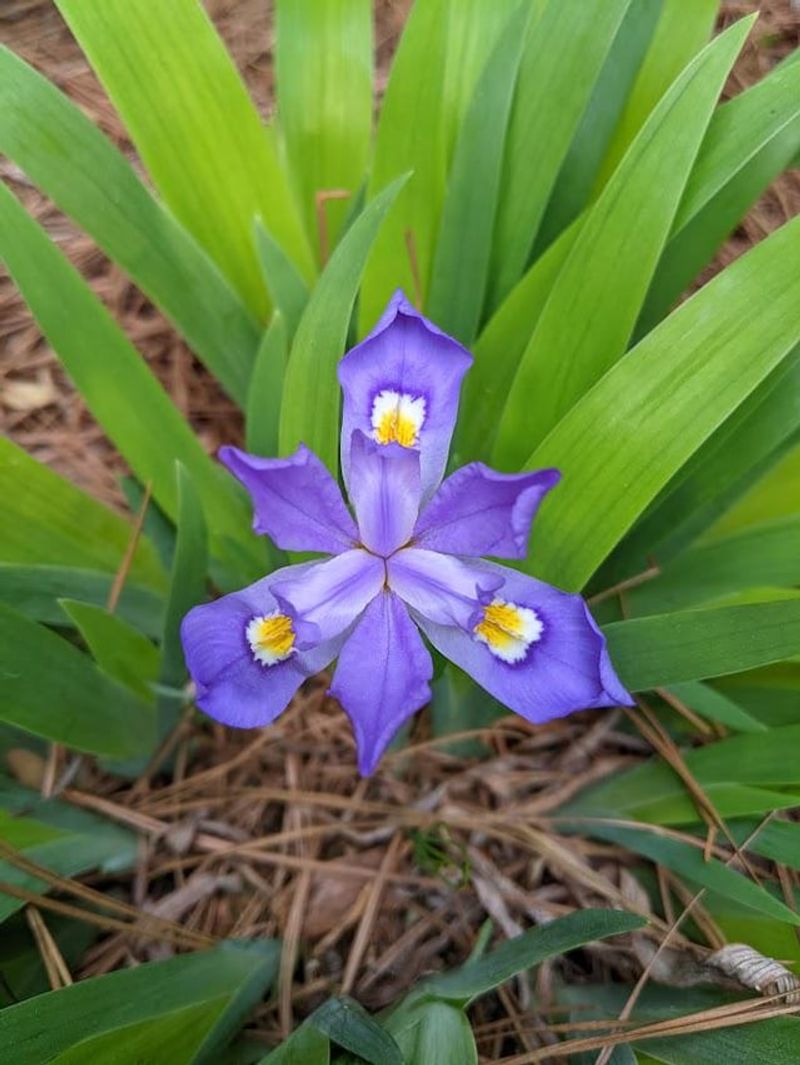
Standing barely four inches tall, dwarf iris brings rich purple, blue, and yellow flowers to Ohio gardens while frost still clings to shaded spots. These miniature versions of their larger cousins pack the same beautiful flower structure into a compact package that can handle whatever late winter throws at them.
The blooms feature the classic iris shape with upright petals and falls marked with yellow or white accents that guide early pollinators to their centers.
Dwarf iris bulbs are technically rhizomes that spread slowly to form small clumps over several years. They bloom reliably in late February through early March, depending on how mild or harsh the winter has been.
The foliage looks like short grass blades that emerge alongside the flowers and remain green for several weeks after blooming finishes, then gradually fade away as temperatures warm up.
Plant these rhizomes in fall with the top just barely showing above the soil surface, choosing locations with full sun to light shade. They need good drainage and won’t tolerate soggy soil, making them perfect for raised beds or slopes where water runs off quickly.
Dwarf iris naturalizes best in rock gardens, borders, and well-drained beds, where its early blooms can be easily seen before most spring plants emerge.
4. Early Crocus Brings The First Splash Of Color
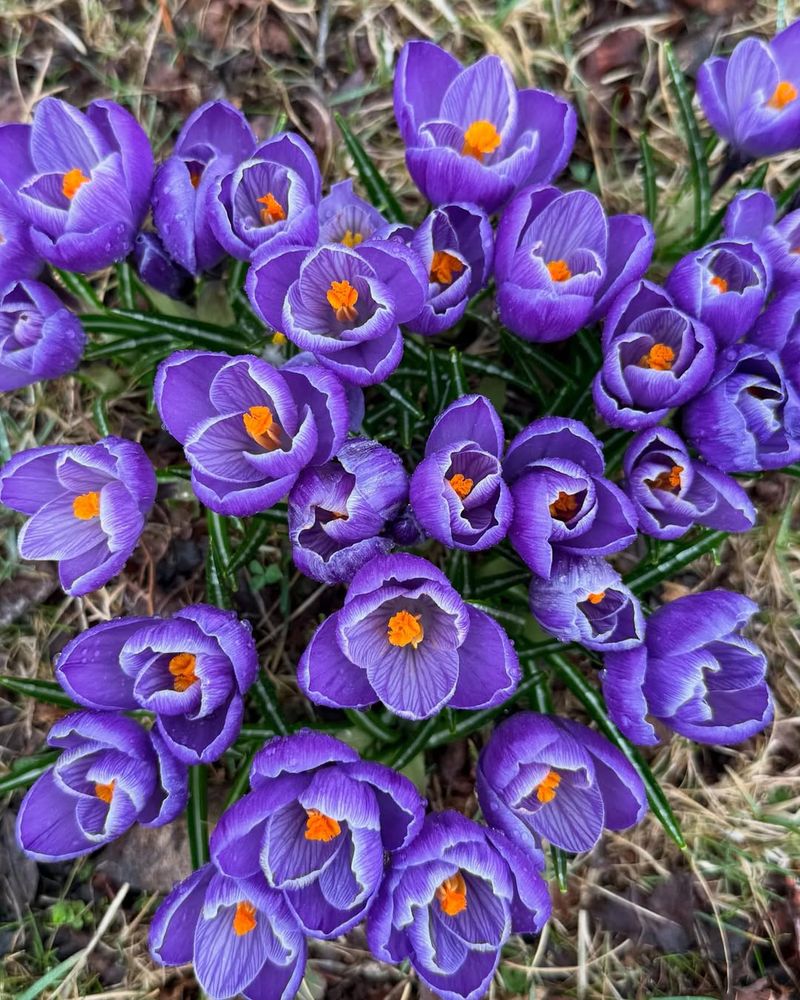
Cup-shaped blooms in purple, white, yellow, and striped combinations announce that spring is coming whether Ohio’s weather agrees or not. Early crocus flowers open wide on sunny days, revealing bright orange stamens that attract the first bees and butterflies of the season.
These hardy bulbs can handle snow, ice, and freezing temperatures without any damage, closing their petals during cold snaps and reopening when conditions improve.
Crocus grows about four inches tall with grass-like foliage that emerges right alongside the flowers. Each bulb produces multiple blooms over a two-week period, and when planted in groups, they create eye-catching drifts of color that really stand out against bare ground or brown grass.
The flowers close at night and during cloudy weather, then pop back open when the sun returns, creating a daily show that changes throughout the day.
Plant crocus bulbs three inches deep in fall, spacing them a few inches apart in clusters rather than straight lines for a more natural appearance. They prefer full sun but tolerate light shade, and they’re not picky about soil as long as it drains reasonably well.
Crocus naturalizes beautifully in Ohio lawns, multiplying over time to create larger displays. Let the foliage turn yellow naturally before mowing to ensure strong blooms the following year.
5. Siberian Squill Forms Blue Carpets Across Lawns

Intense blue flowers that rival the sky create stunning carpets across lawns and under trees when planted in large numbers. Siberian squill produces multiple stems per bulb, each carrying several nodding bell-shaped blooms in the most brilliant blue you’ll see in any early spring garden.
These tough bulbs handle Ohio’s freeze-thaw cycles without any trouble, blooming reliably in early to mid-March regardless of how cold the preceding weeks have been.
Each plant stands only about six inches tall, but the real magic happens when you plant dozens or hundreds of bulbs together. They spread naturally through self-seeding and bulb division, creating larger displays with each passing year.
The flowers open in succession over several weeks, extending the bloom period longer than many other early bulbs. Siberian squill’s foliage is narrow and grass-like, blending seamlessly into lawns after the flowers fade.
Plant these small bulbs about three inches deep in fall, scattering them randomly rather than in organized patterns for the most natural effect. They grow well in full sun or partial shade and aren’t particular about soil conditions.
Siberian squill naturalizes aggressively in some areas, so consider whether you want them spreading freely before planting near garden beds where you might not want them appearing. The foliage disappears by late spring, allowing you to mow right over the planting area without harming next year’s display.
6. Glory Of The Snow Blooms As Winter Fades

Star-shaped flowers in shades of pink, blue, and white with contrasting white centers create delicate displays just as winter loses its grip. Glory of the snow earns its name by blooming incredibly early, often appearing while snow patches still linger in shaded areas of Ohio gardens.
Each bulb sends up multiple flower stems, and the blooms face upward rather than nodding downward, making them especially noticeable when you’re looking down at the garden from above.
These plants grow only four to six inches tall, with narrow leaves that emerge alongside the flowers. The blooms open in clusters, creating small bouquets on each stem rather than single flowers.
Glory of the snow spreads gradually through bulb offsets and self-seeding, forming larger patches over several years without becoming aggressive or invasive in well-maintained gardens. The flowers stay open even during cloudy weather, unlike crocus that closes when the sun disappears.
Plant bulbs about three inches deep in fall, choosing locations with full sun to partial shade and average garden soil. They perform best when planted in groups of at least a dozen bulbs, creating enough visual impact to be noticed from a distance.
Glory of the snow tolerates a wide range of soil conditions but prefers spots that don’t stay soggy during spring thaws. The foliage fades naturally by late spring, making these bulbs perfect for planting among perennials that will fill in and hide the withered leaves.
7. Spring Snowflake Opens Graceful Bells In Cold Soil
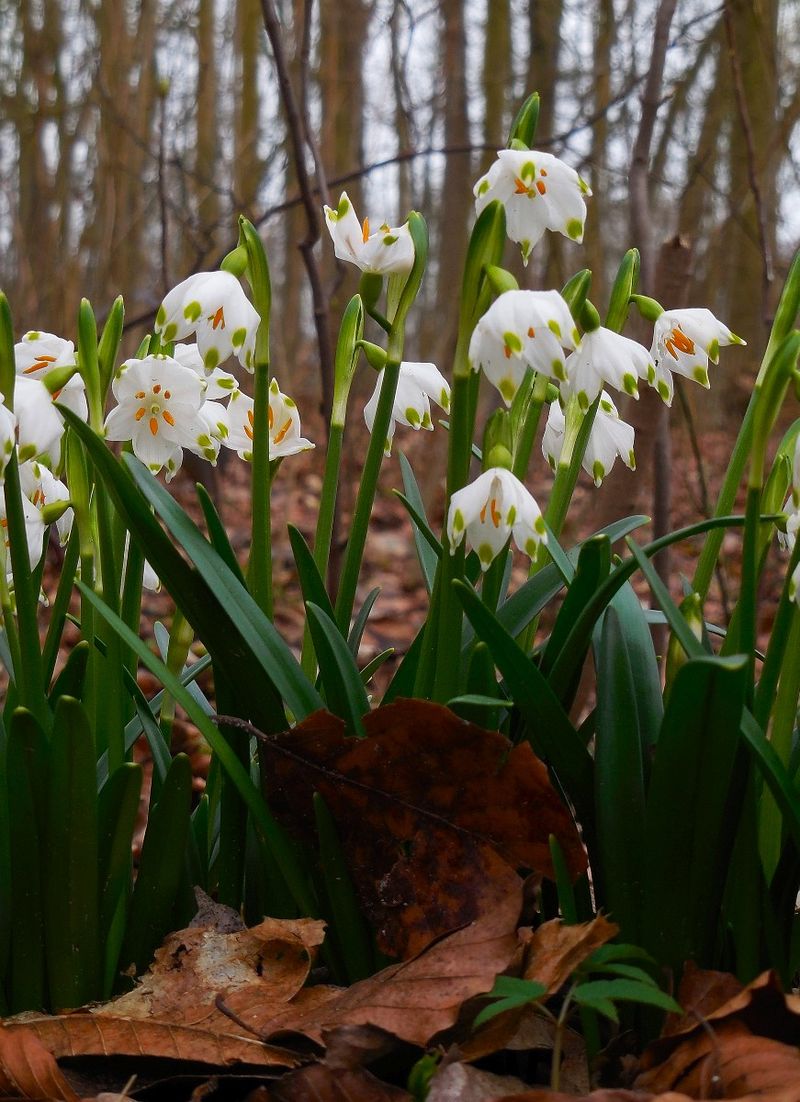
Graceful white bells tipped with green dots dangle from stems that rise higher than most other early bloomers. Spring snowflake looks similar to its cousin the snowdrop but grows taller at ten to twelve inches and blooms slightly later in March.
Each stem carries multiple flowers rather than just one, creating a fuller display that lasts for several weeks. The flowers handle late frosts and even light snow without any damage, making them perfectly suited to Ohio’s unpredictable early spring weather patterns.
The bell-shaped blooms hang downward from arching stems, creating an elegant appearance that looks especially nice when planted in drifts along walkways or near water features. Spring snowflake’s foliage is strap-like and emerges before the flowers, staying green for several weeks after blooming finishes.
These bulbs naturalize well in Ohio gardens, slowly forming larger clumps that can be divided every few years if they become too crowded or you want to spread them to new locations.
Plant spring snowflake bulbs about four inches deep in fall, choosing spots with partial shade and soil that stays evenly moist but not waterlogged. They tolerate more moisture than many other spring bulbs, making them excellent choices for low spots or areas near downspouts where other bulbs might struggle.
Spring snowflake performs best when left undisturbed for several years, so plant them in permanent locations rather than annual beds that get dug up each season.
8. Grape Hyacinth Spreads Blue Flowers Year After Year
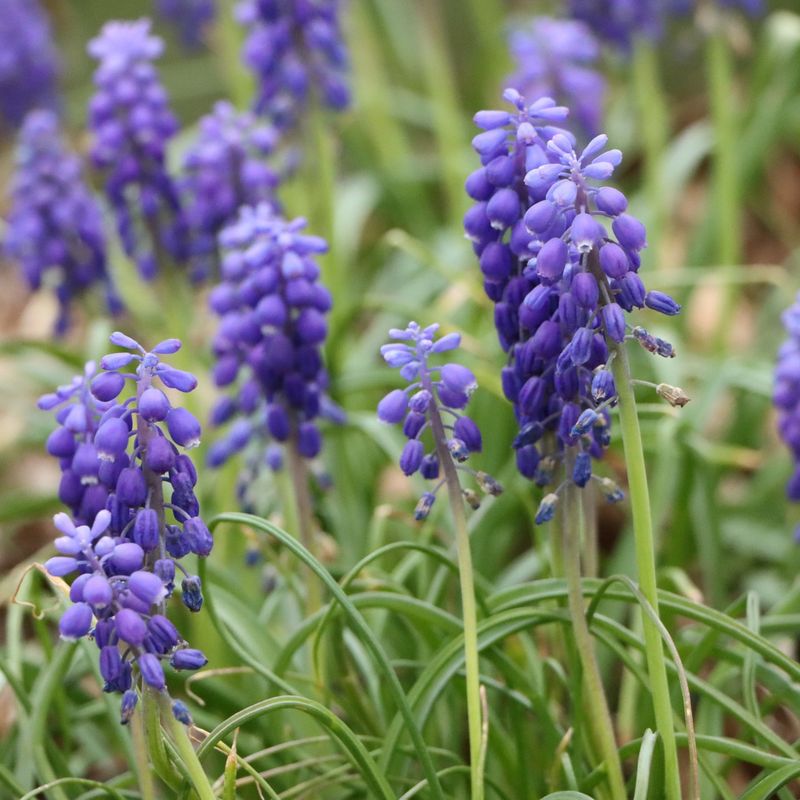
Dense spikes of tiny blue bells that smell like grape candy appear reliably every March without any fussing or special care. Grape hyacinth produces compact flower clusters that look like miniature hyacinths, with dozens of small bell-shaped blooms packed tightly on each stem.
These incredibly tough bulbs multiply quickly, spreading to form larger patches that bloom more abundantly with each passing year. They handle Ohio’s cold winters easily and can even tolerate late spring frosts without losing their flowers.
Each bulb sends up multiple flower spikes about six to eight inches tall, surrounded by grass-like foliage that may emerge in fall or late winter depending on weather conditions. The most common color is deep blue-purple, but white and lighter blue varieties are also available.
Grape hyacinth blooms later than crocus and snowdrops, usually appearing in late March when spring is truly arriving. The flowers last for several weeks and attract early bees and other beneficial insects to the garden.
Plant grape hyacinth bulbs about three inches deep in fall, spacing them a few inches apart in groups for maximum impact. They grow in full sun or partial shade and tolerate almost any soil as long as it’s not constantly soggy.
These bulbs naturalize aggressively and can spread into lawn areas, so plant them where you won’t mind them multiplying freely. Some gardeners consider them too vigorous for formal beds but perfect for naturalizing under trees or on slopes where they can spread without interfering with other plants.
9. Early Miniature Daffodils Bring The First Cheerful Glow
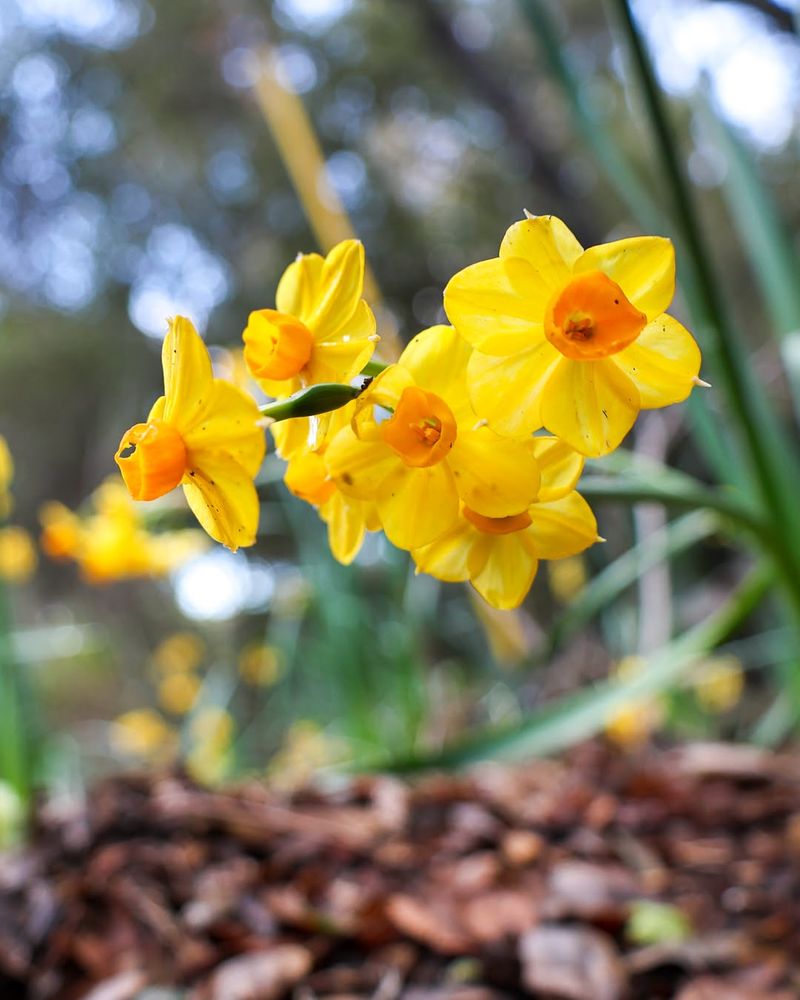
Cheerful yellow trumpets on short stems bring classic daffodil charm to gardens weeks before standard-sized varieties bloom. Early miniature daffodils stand only six to eight inches tall, making them perfect for rock gardens, container plantings, or the front of flower beds where taller plants would overwhelm the space.
These tough little bulbs handle Ohio’s late winter freezes without any problems, and their flowers last longer than many other early bloomers because cold temperatures actually help preserve the blooms rather than damaging them.
Each bulb produces one to three flowers with the traditional daffodil shape: outer petals surrounding a central trumpet or cup. Colors range from pure yellow to white with yellow centers, and some varieties feature swept-back petals that give them a windswept appearance.
Miniature daffodils typically bloom in early to late March in Ohio, depending on the variety and seasonal weather patterns. They’re resistant to deer, rabbits, and most other garden pests that might otherwise nibble early flowers.
Plant these bulbs about four inches deep in fall, choosing locations with full sun to light shade and well-draining soil. They perform best when planted in odd-numbered groups of five, seven, or nine bulbs rather than even numbers or straight rows.
Miniature daffodils naturalize well in Ohio gardens, slowly multiplying to create larger displays over time. Let the foliage yellow naturally before cutting it back to ensure the bulbs store enough energy for strong blooms the following year.
These early bloomers pair beautifully with other spring bulbs, creating layered displays that extend the flowering season from late winter well into spring.