These California Flowers Bloom From Spring Through Fall
If you think gardening in California is just about succulents and gravel, prepare for a vibrant wake-up call.
The Golden State has a reputation for sunshine that can toast a delicate plant in minutes, yet certain floral rockstars actually live for that intense heat.
You deserve a landscape that looks like a technicolor dream instead of a scorched patch of dirt. Finding plants that can handle the local rays while pumping out blossoms for months on end is the ultimate secret to a stunning yard.
Forget those finicky varieties that drop their petals the second things get interesting. It is time to embrace the heavy hitters that thrive on neglect and soak up the Pacific breeze.
We are looking at resilient, eye-popping choices that turn a standard patio into a private oasis. Dust off your gardening gloves and get ready to plant some serious personality. These selections are about to make your neighbors very jealous.
1. California Fuchsia
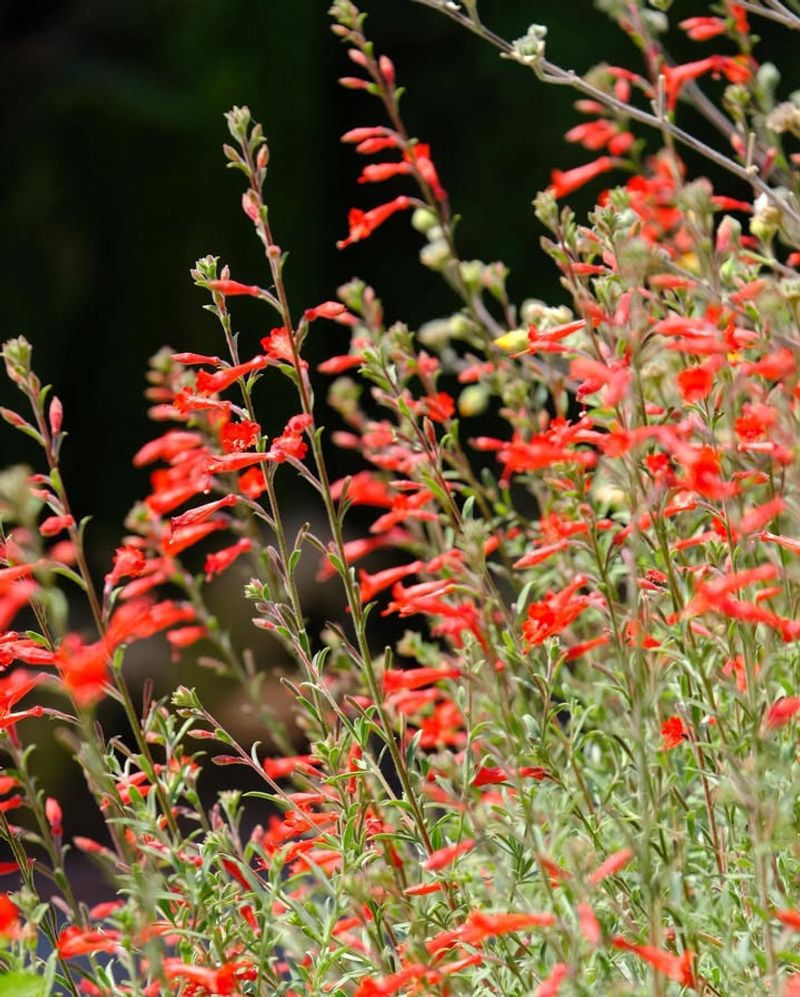
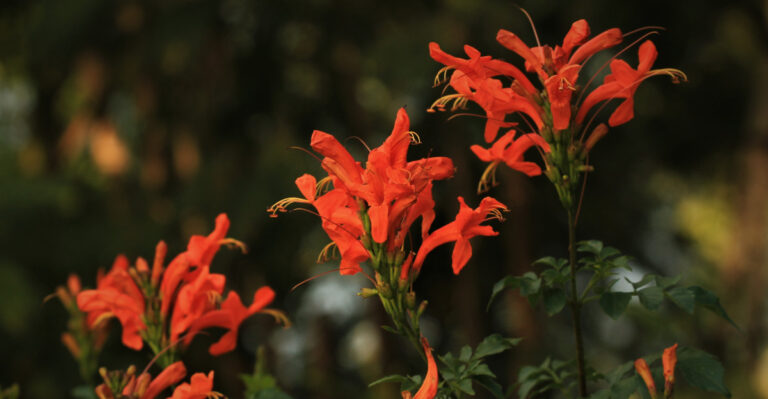
Few plants in California can pull off the trick of blooming hard through summer heat while still looking fresh come fall. California Fuchsia does exactly that.
Its bright red, trumpet-shaped flowers start showing up in late spring and keep going strong until the first cool nights of autumn arrive.
Hummingbirds absolutely love this plant. If you want to attract them to your yard, this is one of the easiest ways to do it.
The tubular flowers are shaped perfectly for hummingbird beaks, and you will often see them hovering around the blooms throughout the day.
This plant is native to California, which means it already knows how to handle the state’s dry summers. Once it gets established in your garden, it needs very little water.
It grows well in rocky or sandy soil and does best in full sun. You can find it growing naturally along hillsides and coastal bluffs across the state.
Trim it back in late winter to keep it looking tidy. New growth will come in fast, and by spring you will have a full, lush plant ready to bloom again.
It is truly one of California’s most dependable garden stars.
2. Blackfoot Daisy
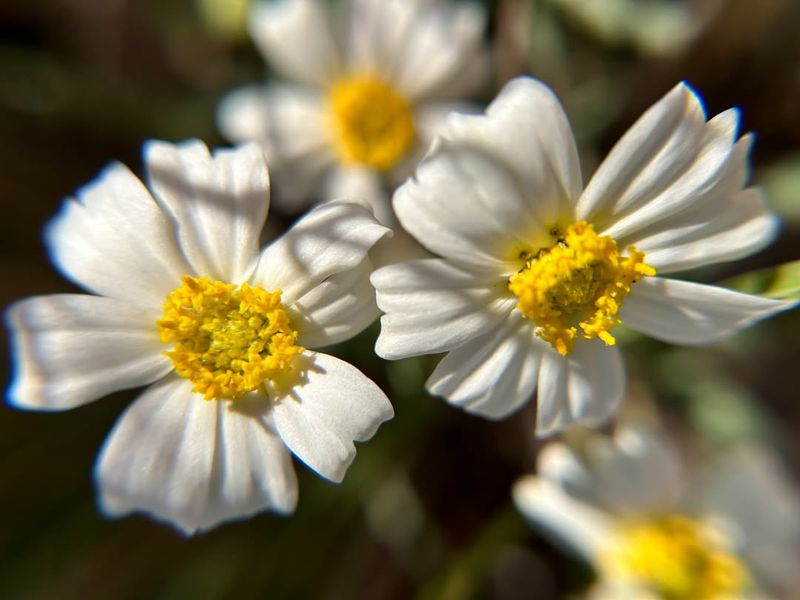
There is something cheerful and no-fuss about the Blackfoot Daisy. It looks like a classic daisy, with bright white petals and a sunny yellow center, but it is tougher than it looks.
This little plant blooms from spring all the way through fall, filling garden beds with cheerful color for months on end.
Originally from the American Southwest and Texas, Blackfoot Daisy has found a happy home in California gardens. It loves full sun and dry, well-drained soil.
In fact, too much water is the one thing that can really stress it out. Plant it in a spot that drains well and let the natural California sunshine do the rest.
The flowers have a faint honey-like scent that pollinators find irresistible. Bees and butterflies visit regularly, making this plant a great addition to any pollinator garden.
It stays relatively compact, usually reaching about one foot tall, which makes it great for borders, rock gardens, and containers.
One of the best things about this plant is how low-maintenance it is. You do not need to fertilize it heavily or fuss over it.
Just give it sun, good drainage, and a little room to spread, and it will reward you generously all season long.
3. Coreopsis
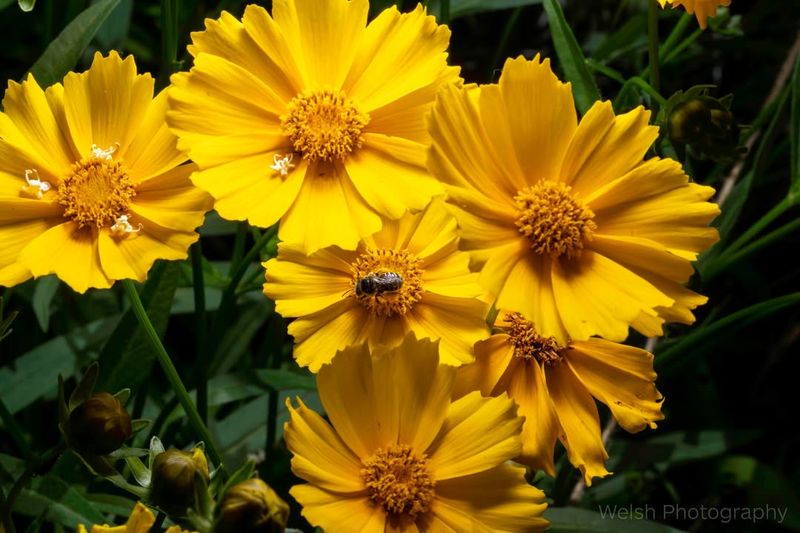
Sunny, bold, and almost impossible to stop once it gets going, Coreopsis is one of those flowers that just makes a garden feel alive. The bright yellow blooms appear in spring and keep coming back in waves all the way through fall.
Each flower looks like a little burst of sunshine, and they come in clusters that cover the whole plant.
California gardeners love Coreopsis because it handles heat and drought really well. Once established, it does not need much water at all.
That makes it a smart choice for anyone trying to keep their water bill down while still having a colorful yard. It grows well across many parts of California, from the coast to the inland valleys.
There are several varieties to choose from. Some grow tall and upright, while others stay low and spreading.
The most popular types have golden-yellow flowers, but you can also find varieties with orange, red, or two-toned blooms. All of them attract bees and butterflies like crazy.
Deadheading, which means removing spent flowers, encourages the plant to keep producing new blooms. It is a simple task that takes just a few minutes and makes a big difference.
Coreopsis is a true workhorse in the garden and one of California’s most reliable long-season bloomers.
4. Blanket Flower
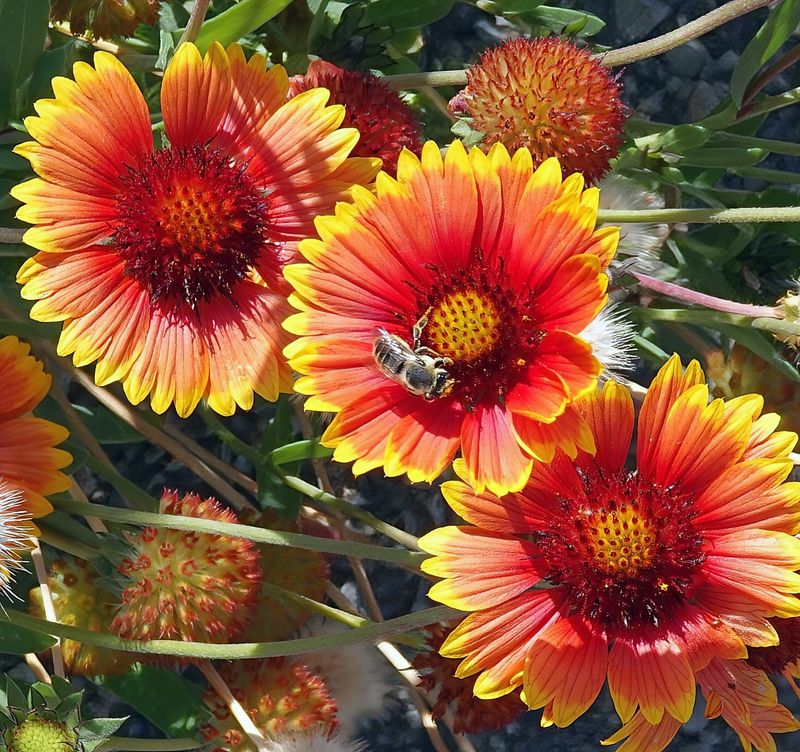
Named after the colorful patterns found on Native American blankets, the Blanket Flower lives up to its bold reputation. The blooms are a striking mix of red, orange, and yellow, and they show up in late spring, staying bright and showy all the way through fall.
Few flowers can match this kind of long-lasting color.
Blanket Flower thrives in California’s warm, sunny climate. It loves full sun and does best in well-drained soil.
Overwatering is something to avoid with this plant. It actually prefers drier conditions, which makes it a great fit for many parts of California where summers are hot and dry.
Pollinators go wild for Blanket Flower. Bees, butterflies, and even some beetles visit the blooms regularly.
If you are trying to build a pollinator-friendly garden in California, adding this plant is a smart move. It also works beautifully as a cut flower, so you can bring some of that color indoors.
Blanket Flower is also a great choice for beginners. It does not require a lot of attention.
Snip off the old blooms to encourage new ones to form. The plant will reward that small effort with a fresh wave of color that keeps going until the weather finally cools down in late fall.
5. Zinnia
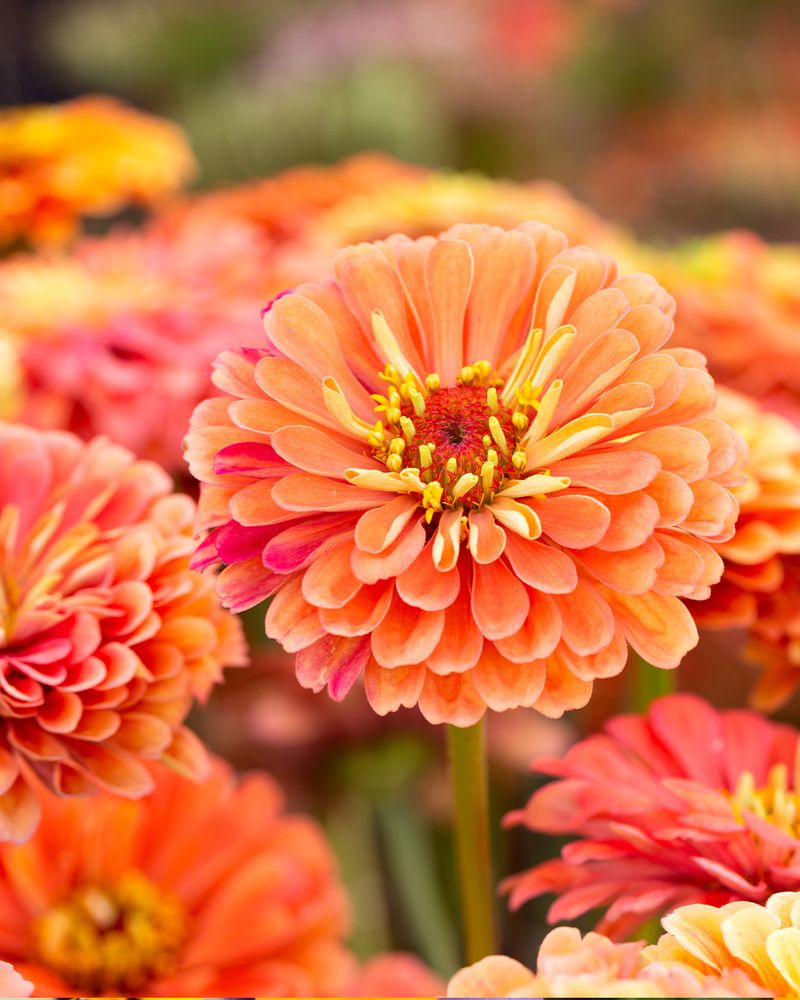
Walk into almost any California garden in summer and you are likely to spot Zinnias. They are everywhere, and for good reason.
These flowers are some of the easiest to grow from seed, and they bloom in almost every color imaginable, from deep red and hot pink to orange, yellow, white, and purple. They start blooming in late spring and keep going until fall.
Zinnias love the heat. The hotter and sunnier it gets, the happier they seem to be.
That makes them a perfect match for California’s long, warm summers. Plant them in a sunny spot with good drainage, water them regularly but not excessively, and they will reward you with weeks of nonstop color.
Butterflies absolutely adore Zinnias. The flat-topped flowers are like landing pads for monarchs, swallowtails, and painted ladies.
If you want to see more butterflies in your California yard, planting a patch of Zinnias is one of the fastest ways to make it happen.
They also make gorgeous cut flowers. Snipping blooms for a vase actually encourages the plant to produce more flowers.
So the more you cut, the more you get. Zinnias are a win in every direction, and no California summer garden feels quite complete without a generous patch of them.
6. Cosmos
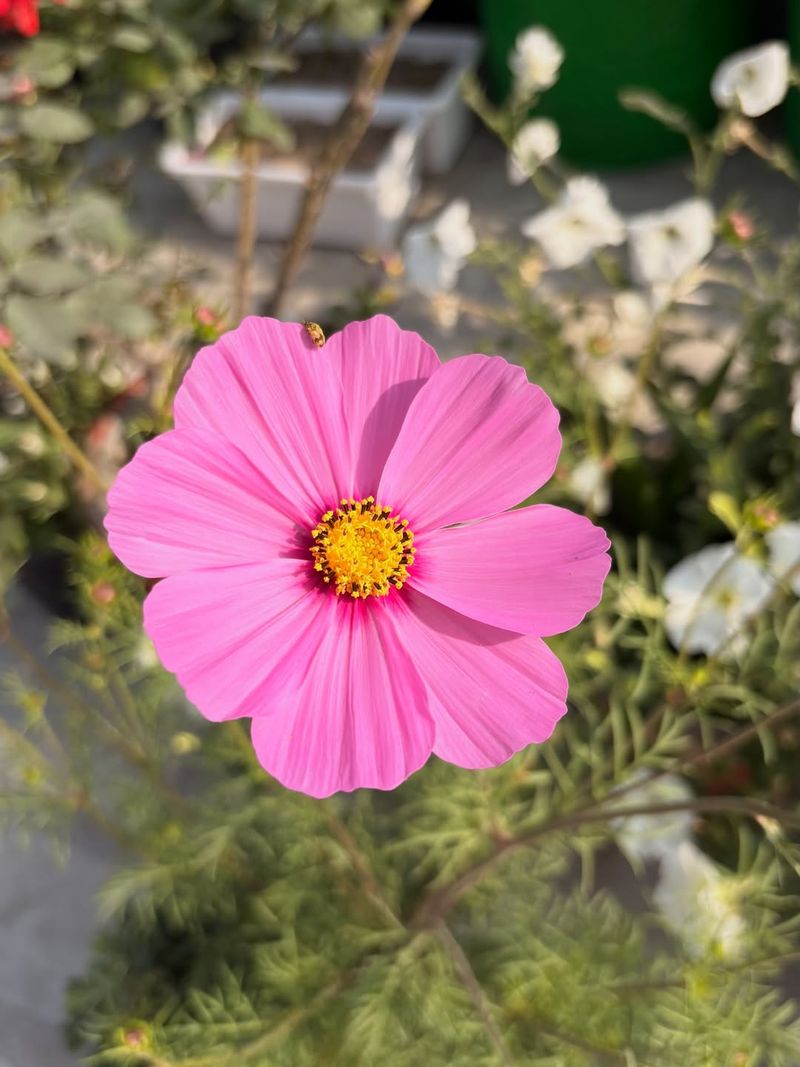
If you want a flower that looks like it belongs in a fairy tale, Cosmos is the one. The blooms are delicate and airy, with thin petals in shades of pink, white, magenta, and red.
They sway gently in the breeze on tall, feathery stems, giving any California garden a soft, romantic feel from summer all the way through fall.
Cosmos is incredibly easy to grow. You can scatter the seeds directly in the garden after the last frost and they will sprout quickly.
They prefer full sun and actually do better in poor, dry soil than in rich, heavily fertilized ground. Too much fertilizer causes them to grow lots of leaves but very few flowers.
Bees and butterflies visit Cosmos constantly. The open, simple flowers make it easy for pollinators to access the nectar and pollen.
In California, where supporting pollinators is especially important, Cosmos earns its place in any garden.
One fun thing about Cosmos is that it self-seeds. If you let some flowers go to seed at the end of the season, new plants will sprout on their own the following spring.
That means you might only need to plant them once and enjoy them for years to come. It is a generous and charming garden flower in every way.
7. Lantana
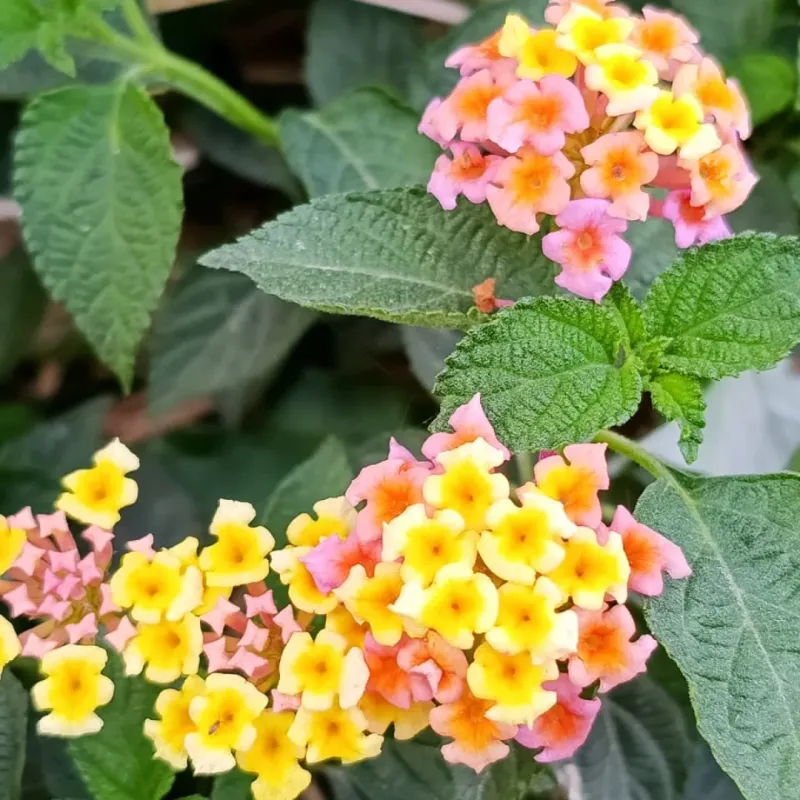
Lantana is one of those plants that looks like it is working overtime. The clusters of tiny flowers come in wild combinations of yellow, orange, red, and pink, often all on the same plant.
It starts blooming in spring and keeps going through the hottest months of summer without missing a beat, right into fall.
It is important to choose non-invasive varieties when planting Lantana in California. Some types can spread aggressively in warm climates and crowd out native plants.
Sterile or non-invasive cultivars, like Bandana or Luscious series, give you all the beauty without the spreading problem. Your local nursery can help you pick the right one.
Lantana handles heat and drought with ease. It is one of the toughest flowering plants you can put in a California garden.
Once established, it needs very little water and almost no fuss. Plant it in full sun and give it room to spread, and it will fill in beautifully over time.
Butterflies and hummingbirds are drawn to Lantana in big numbers. The dense flower clusters are rich in nectar, making this plant a lively hub of activity all season long.
For California gardeners who want color, wildlife, and low maintenance all in one plant, Lantana is a seriously hard offer to pass up.
8. Verbena
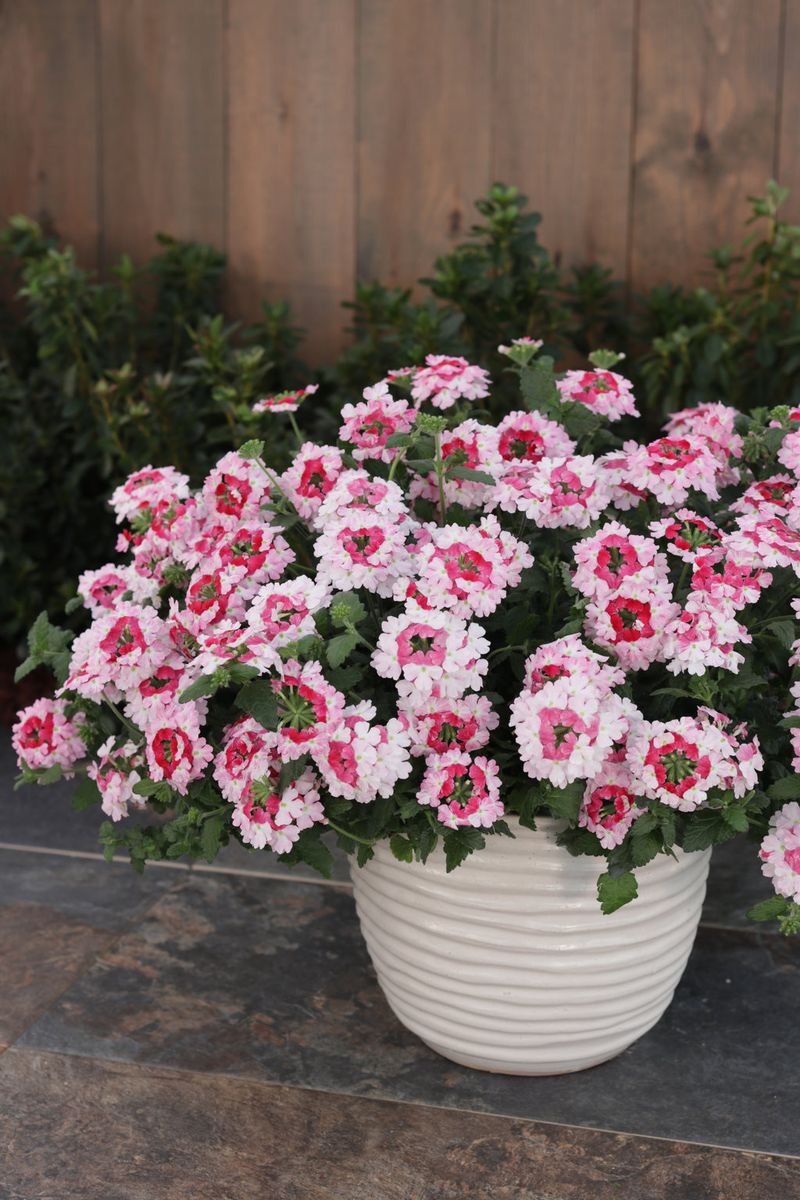
There is a reason Verbena shows up in so many California garden centers every spring. It is reliable, colorful, and keeps blooming long after many other plants have faded.
Garden Verbena produces tight clusters of small flowers in shades of purple, pink, red, white, and coral. The blooms start in spring and continue through fall with very little effort on your part.
Choosing garden varieties, rather than wild or invasive types, is important for responsible planting in California. Cultivated Verbena varieties stay where you put them and do not spread into natural areas.
Look for trailing types for hanging baskets or upright varieties for garden beds. Both perform well in the California climate.
This plant loves full sun and warm temperatures. It does well in coastal gardens and in hotter inland areas alike.
Water it regularly during the first growing season to help it establish roots. After that, it becomes much more drought-tolerant and requires less attention.
Verbena is a magnet for butterflies. The flat flower clusters are easy for them to land on and feed from.
Planting it alongside Zinnias or Cosmos creates a pollinator paradise in your California yard. It also looks stunning spilling over the edges of raised beds or cascading from containers on a sunny patio or deck.
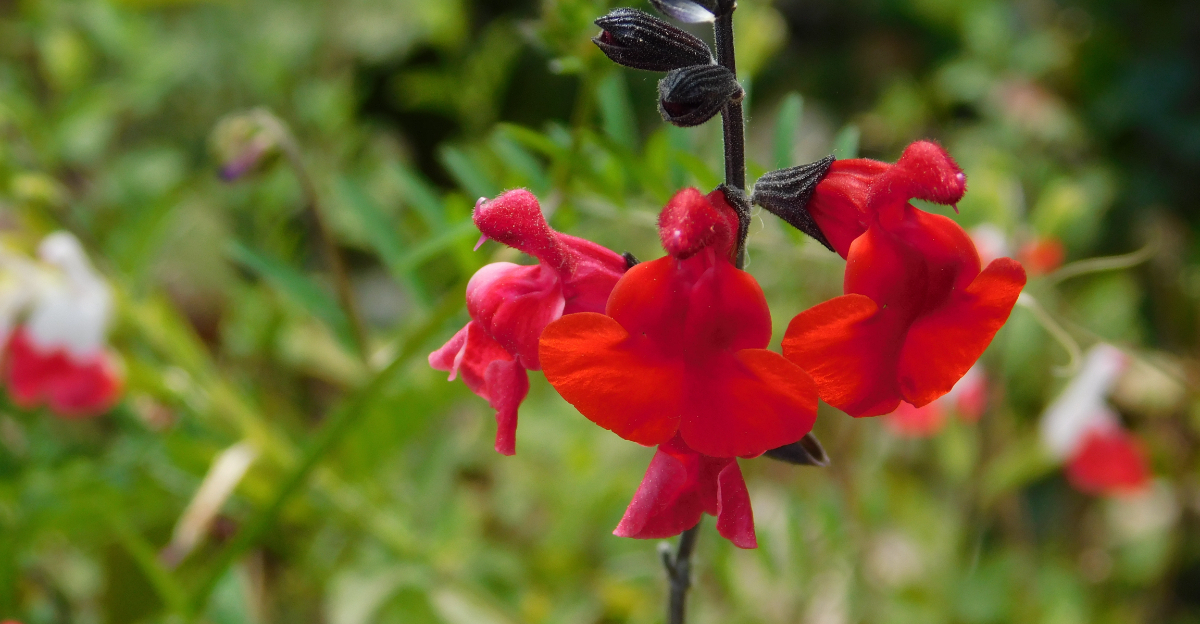
9. Autumn Sage
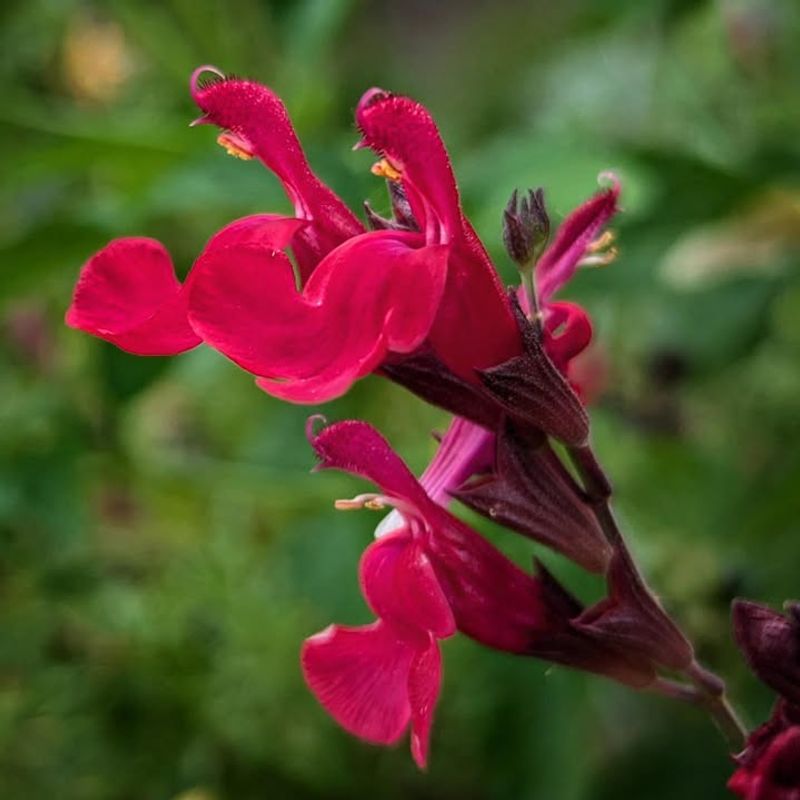
Do not let the name fool you. Autumn Sage does not wait until fall to start blooming.
In California, this tough little shrub starts producing its bright red, tubular flowers in spring and barely stops until winter arrives. The name comes from the fact that it hits its peak performance right when most other plants are winding down.
Hummingbirds treat Autumn Sage like a favorite diner. They come back to it again and again throughout the season.
The red flowers are perfectly shaped for their long beaks, and the plant produces so many blooms that there is always something fresh for them to visit. It is one of the top hummingbird plants you can grow in California.
Autumn Sage is native to the borderlands of Texas and Mexico, but it has adapted beautifully to California’s climate. It handles heat, drought, and poor soil without complaint.
Plant it in full sun with good drainage and it will thrive with minimal care. It grows into a tidy, mounding shrub about two feet tall and wide.
Cutting it back lightly after each big flush of blooms encourages fresh new growth and more flowers. This simple habit keeps the plant looking neat and productive all season.
For California gardeners who want reliable color deep into fall, Autumn Sage is an absolute must-have in the garden.