These 9 California Groundcovers Choke Out Weeds Naturally
Weeds don’t stand a chance against the right groundcovers. In California gardens, smart planting can do the hard work for you.
Dense, low-growing plants spread quickly, block sunlight, and leave no room for unwanted growth to take hold. The result is a cleaner yard with less pulling, less spraying, and far less frustration.
Many groundcovers also bring color, texture, and seasonal blooms that upgrade your landscape while protecting the soil. They help retain moisture, prevent erosion, and thrive in dry conditions once established.
Even problem areas like slopes and bare patches can be transformed with the right choices. If you’re tired of fighting weeds every season, it’s time to let plants do the job naturally.
These California groundcovers offer an easy, eco-friendly solution that keeps gardens looking fresh and low maintenance.
1. Creeping Thyme
Imagine walking across your yard and releasing the sweet scent of fresh herbs with every step. Creeping thyme makes this dream a reality while simultaneously blocking weeds from taking over your California landscape.
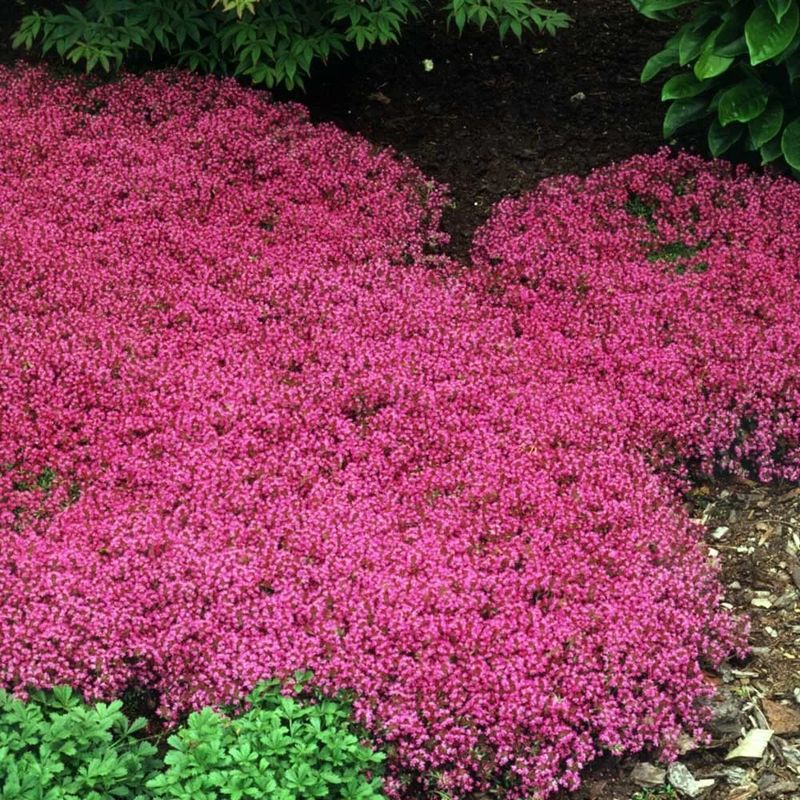
This aromatic groundcover forms a dense, low-growing mat that reaches only 2-3 inches tall, making it perfect for pathways, between stepping stones, or as a lawn alternative.
The plant spreads quickly once established, sending out stems that root wherever they touch the soil. This aggressive growth habit means weeds simply can’t compete for space or sunlight.
During late spring and early summer, tiny purple, pink, or white flowers blanket the entire plant, attracting beneficial pollinators to your garden.
Creeping thyme thrives in California’s full sun and tolerates drought conditions beautifully once its roots have settled in. It actually prefers poor to average soil, which means you won’t need to fuss with fertilizers or soil amendments.
The plant handles foot traffic remarkably well, bouncing back quickly when stepped on.
For California gardeners, this groundcover checks all the boxes. It requires minimal water after establishment, survives hot summers without complaint, and stays evergreen throughout mild winters.
Plant it in spring or fall, spacing plants 6-8 inches apart, and watch as it weaves together into a fragrant, weed-blocking carpet that transforms your outdoor space.
2. Dymondia
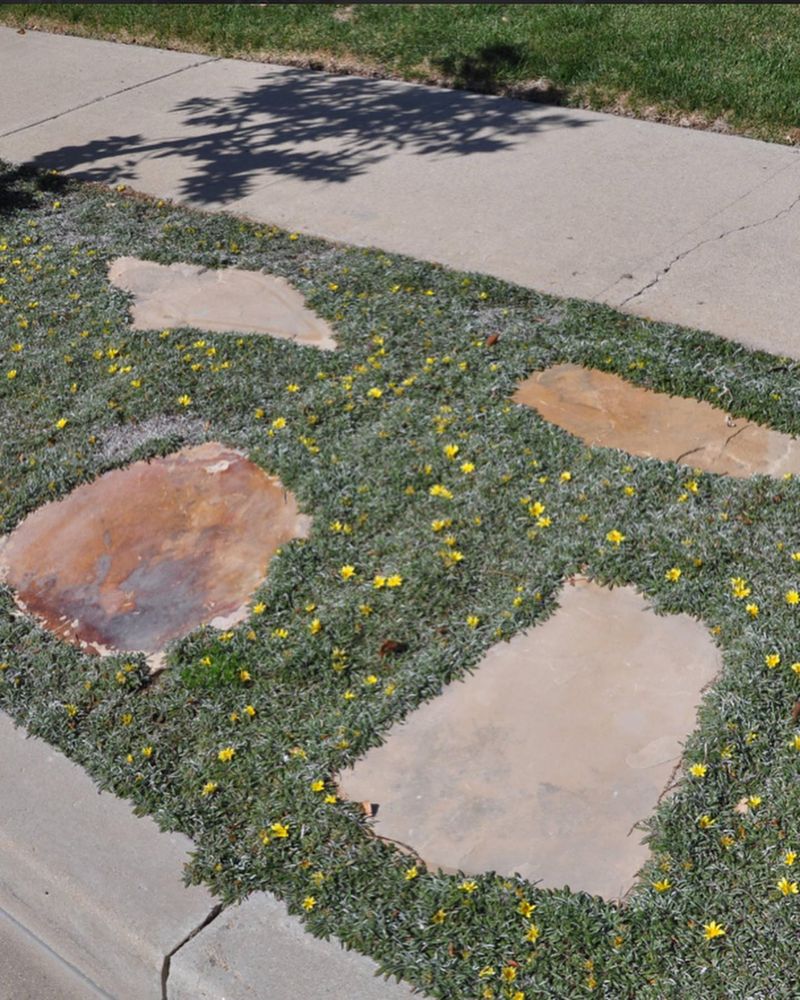
Silver-green foliage catches the light like tiny mirrors across your yard when you plant Dymondia.
Native to South Africa but perfectly adapted to California conditions, this exceptional groundcover has become a favorite among landscape professionals and homeowners alike.
Its dense growth pattern leaves absolutely no room for weeds to establish themselves.
Dymondia grows flat against the ground, reaching only 1-2 inches in height, which makes it ideal for areas where you want a smooth, uniform appearance.
The leaves have a distinctive look with green tops and silvery-white undersides that create a shimmering effect in breezes.
Small yellow flowers appear in summer, adding cheerful pops of color to the silvery carpet.
This groundcover tolerates moderate foot traffic and actually grows stronger when occasionally walked upon. It spreads through underground runners, filling in gaps and creating an impenetrable barrier against weeds.
Once established, Dymondia needs very little water, making it perfect for California’s increasingly strict water conservation requirements.
The plant thrives in full sun to partial shade and adapts to various soil types throughout California regions. It stays evergreen year-round and maintains its attractive appearance even during the hottest summer months.
Plant plugs about 6-12 inches apart in spring, water regularly for the first few months, then step back and watch as it transforms bare soil into a stunning, weed-free landscape feature.
3. California Native Yarrow
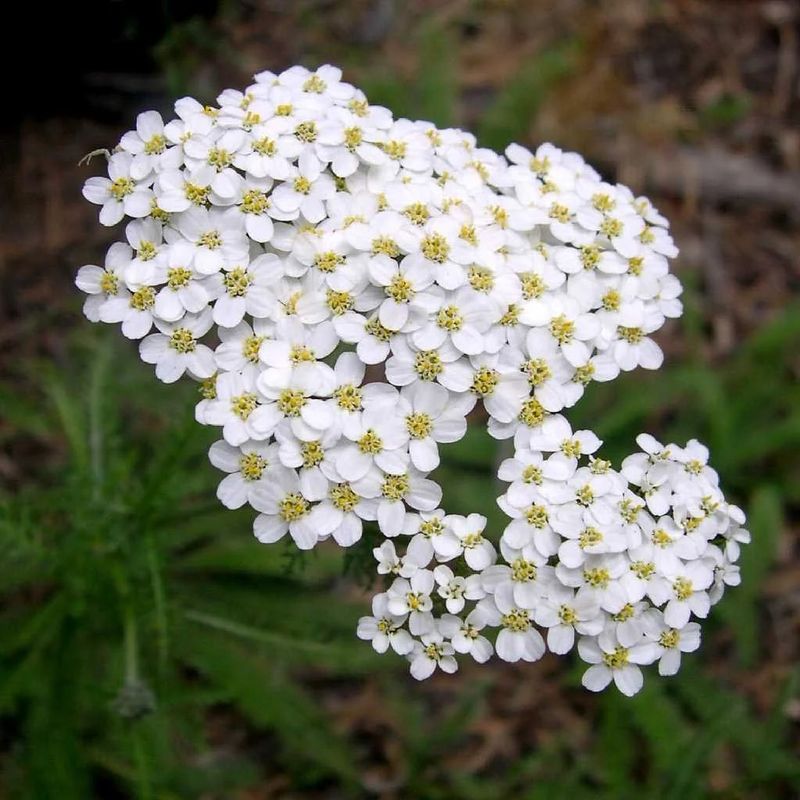
Supporting local ecosystems while fighting weeds might sound too good to be true, but California native yarrow accomplishes both goals effortlessly. This tough, adaptable groundcover evolved right here in our state, which means it knows exactly how to thrive in our unique climate conditions.
Its fern-like foliage creates a dense layer that shades out competing weeds while providing habitat for beneficial insects.
Native yarrow grows 12-18 inches tall, making it slightly taller than other groundcovers but still low enough to suppress most weeds effectively.
The feathery, aromatic leaves spread outward, creating overlapping layers that block sunlight from reaching the soil below.
Flat-topped clusters of white or cream flowers appear from late spring through fall, attracting butterflies, bees, and other pollinators.
This plant handles California’s dry summers without breaking a sweat. Once established, it needs almost no supplemental water, even during extended drought periods.
It grows well in full sun to partial shade and tolerates a wide range of soil types, from sandy coastal soils to heavier clay found in inland areas.
California native yarrow spreads through underground rhizomes, gradually filling in open spaces and crowding out unwanted plants. It works particularly well on slopes where erosion control is needed alongside weed suppression.
Plant it in fall for best results, spacing plants 18-24 inches apart, and you’ll soon have a self-sustaining groundcover that requires virtually no maintenance while keeping your California garden weed-free.
4. Ice Plant (Non-Invasive Varieties)
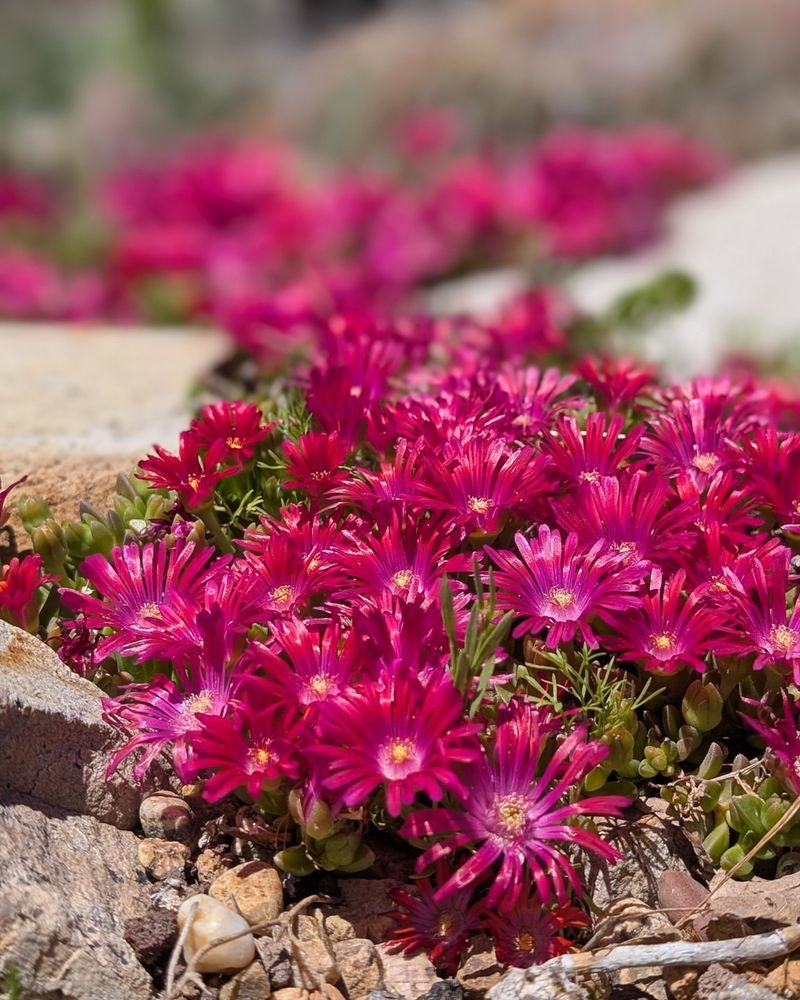
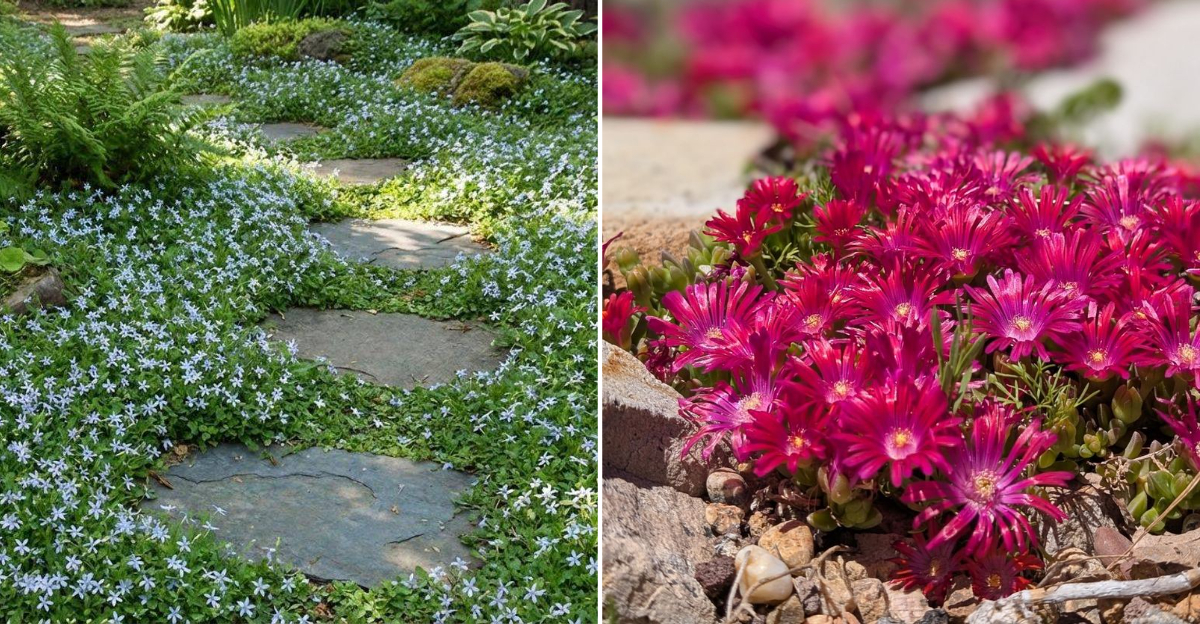
Brilliant flowers in electric colors transform slopes and bare areas when you choose non-invasive ice plant varieties.
While some ice plants have earned bad reputations for aggressive spreading, newer cultivated varieties provide all the benefits without the invasive behavior.
These succulent groundcovers create incredibly dense mats that weeds simply cannot penetrate.
The thick, fleshy leaves store water like tiny reservoirs, allowing ice plants to survive extended dry periods that would stress most other groundcovers.
This drought tolerance makes them particularly valuable in California landscapes where water conservation matters.
During bloom time, which can last several months, the plants become covered in daisy-like flowers in shades of pink, purple, orange, yellow, or red.
Ice plants grow 3-6 inches tall but spread several feet wide, with trailing stems that root as they grow. This growth habit quickly covers large areas, making them economical choices for expansive spaces.
The dense foliage blocks sunlight so effectively that weed seeds can’t germinate beneath the canopy.
These groundcovers thrive in California’s coastal areas but also perform well inland with occasional deep watering. They prefer full sun and well-draining soil, making them perfect for rocky slopes, banks, or sandy areas where other plants struggle.
Plant them in spring, spacing 12-18 inches apart, and they’ll knit together within a single growing season, creating a colorful, low-maintenance carpet that keeps weeds at bay throughout the year.
5. Blue Star Creeper
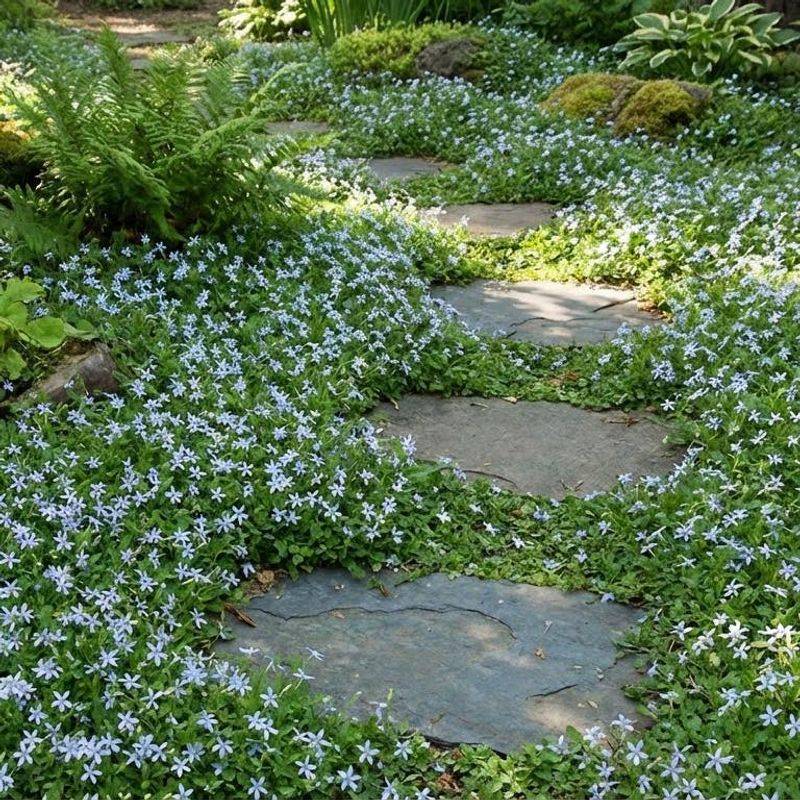
Delicate star-shaped blue flowers create a magical effect when Blue Star Creeper blooms across your California garden. Despite its dainty appearance, this groundcover packs serious weed-fighting power.
The tiny leaves grow so closely together that they form an almost solid mat, preventing weed seeds from finding any bare soil to colonize.
Growing only 1-3 inches tall, Blue Star Creeper works beautifully between pavers, along pathways, or as a lawn substitute in shaded areas. It tolerates light to moderate foot traffic, making it practical as well as pretty.
The small, star-shaped flowers appear in spring and early summer, covering the green carpet with pale blue blooms that seem to float above the foliage.
This groundcover prefers partial shade to full shade, which makes it valuable for California gardens where many sun-loving groundcovers struggle. It appreciates regular water, especially during hot summer months, though it doesn’t need as much as traditional lawns.
The plant spreads through creeping stems that root at nodes, gradually expanding to fill available space.
Blue Star Creeper stays evergreen in most California regions, maintaining its lush appearance year-round. It grows well in various soil types as long as drainage is adequate.
Plant it in fall or spring, spacing plugs 6-12 inches apart, and keep the soil consistently moist until establishment. Once settled, it requires less attention while continuing to block weeds and add charm to shaded garden areas throughout your California landscape.
6. Beach Strawberry
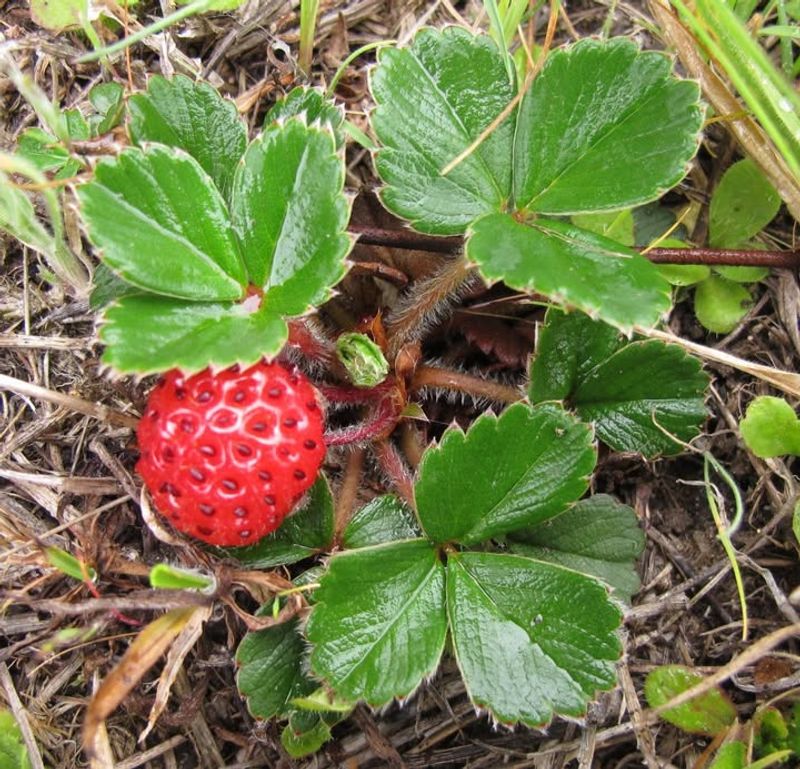
Glossy green leaves and sweet edible berries make Beach Strawberry a multifunctional addition to California landscapes.
This California native groundcover evolved along our coastline, which means it handles salt spray, sandy soils, and coastal winds without complaint.
Its vigorous spreading habit creates thick coverage that weeds find impossible to penetrate.
Beach Strawberry grows 4-6 inches tall and spreads through runners, much like cultivated strawberries but with more aggressive growth.
The attractive foliage stays evergreen in most California climates, turning bronze or reddish in winter for added seasonal interest.
White flowers with yellow centers appear in spring, followed by small red berries that are edible though not as flavorful as garden strawberries.
This groundcover excels in coastal California gardens but also adapts to inland areas with adequate water. It tolerates full sun near the coast but appreciates afternoon shade in hotter inland regions.
The plant handles various soil types and even grows well in sandy or rocky conditions where other groundcovers struggle.
Beach Strawberry provides excellent erosion control on slopes while simultaneously blocking weed growth. It attracts birds and beneficial insects, supporting local wildlife while beautifying your landscape.
The dense root system stabilizes soil and the overlapping leaves shade out competing plants. Plant it in fall or spring, spacing plants 12-18 inches apart, and water regularly during establishment.
Once settled, this tough California native requires minimal care while providing year-round weed suppression and natural beauty to your outdoor space.
7. Kurapia
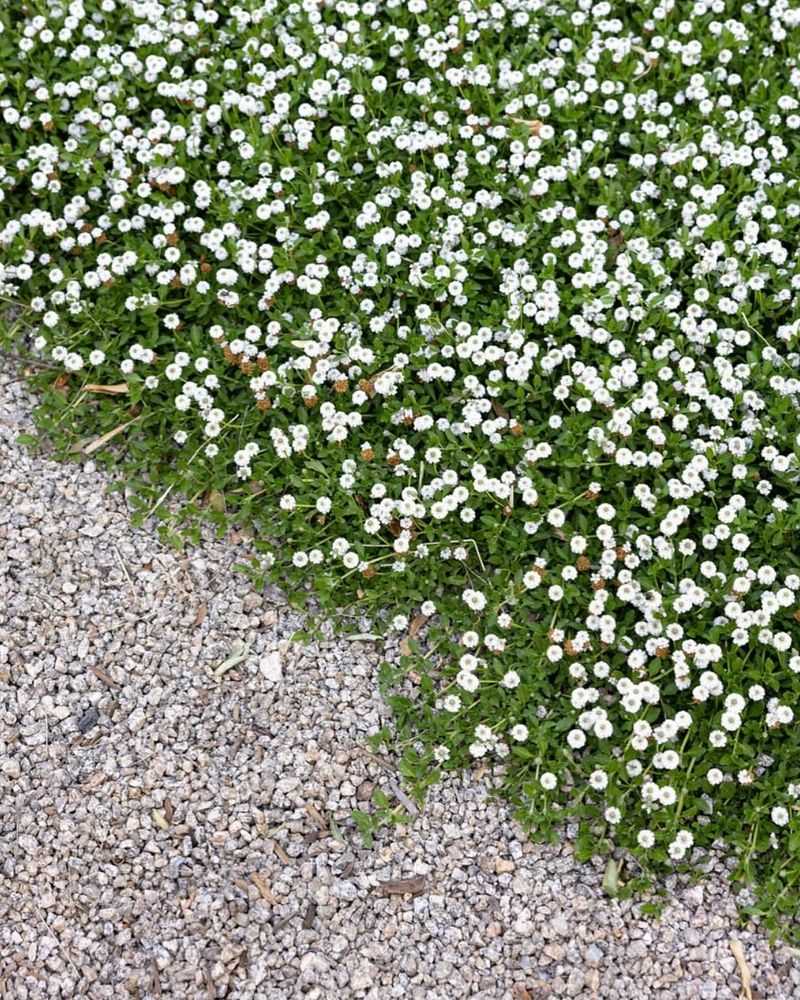
Lawn-like appearance without the high maintenance makes Kurapia increasingly popular across California. Developed specifically for low-water landscapes, this groundcover spreads rapidly to form an incredibly dense mat that weeds cannot penetrate.
It looks similar to traditional turf but requires a fraction of the water and maintenance.
Kurapia grows only 1-3 inches tall and tolerates regular foot traffic, making it suitable for play areas, pathways, and spaces where you want the functionality of grass without the hassle.
Tiny white flowers appear spring through fall, attracting pollinators while adding subtle beauty.
The plant spreads through above-ground runners that root quickly, allowing it to fill in bare spots faster than most other groundcovers.
This groundcover thrives in full sun throughout California and handles our hot summers remarkably well. Once established, it needs only 25-30% of the water required by traditional lawns, making it perfect for water-conscious gardeners.
It grows in various soil types and tolerates both clay and sandy conditions common across California regions.
Kurapia stays green year-round in mild California climates, though it may go dormant in colder areas during winter. It requires occasional mowing if you want to maintain a manicured appearance, though many gardeners simply let it grow naturally.
Plant it from plugs or flats in spring or early summer, spacing 12-18 inches apart, and water regularly for the first few months.
Once established, this remarkable groundcover provides a beautiful, weed-free alternative to traditional lawns while saving water and reducing maintenance time.
8. Periwinkle (Vinca)
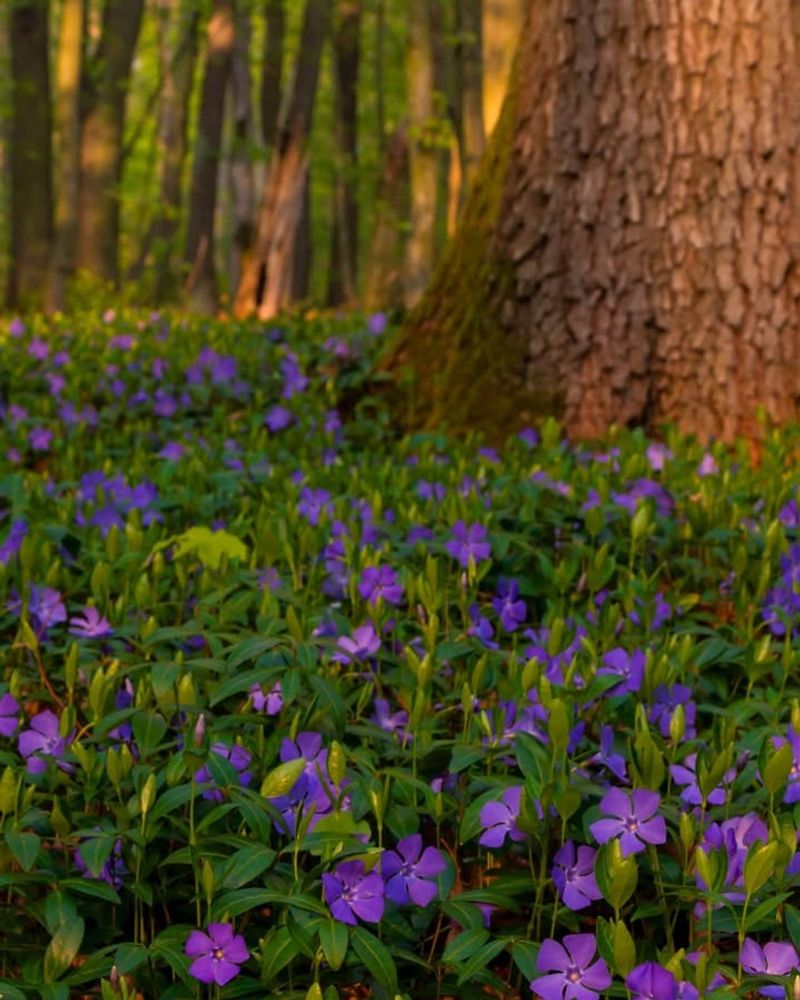
Shady areas pose challenges for many groundcovers, but Periwinkle thrives where sun-lovers fail. This evergreen groundcover produces glossy, dark green leaves that form dense layers, blocking light from reaching the soil below and preventing weed germination.
The plant’s ability to grow in deep shade makes it invaluable for California gardens with mature trees or north-facing slopes.
Periwinkle grows 4-6 inches tall and spreads through trailing stems that root wherever they touch soil. The stems weave together, creating multiple layers of foliage that effectively smother existing weeds while preventing new ones from establishing.
Purple-blue flowers appear in spring and sporadically throughout the year, adding color to otherwise dark garden areas.
This groundcover adapts to various California climates, from coastal regions to inland valleys. It tolerates both full shade and partial sun, though it performs best with some protection from intense afternoon heat.
Periwinkle appreciates regular water, especially during establishment, but becomes somewhat drought-tolerant once its roots have spread.
The plant works particularly well under trees where grass struggles to grow and weeds often take over. It also stabilizes slopes and banks while providing evergreen coverage year-round.
Periwinkle grows in most soil types and actually prefers the slightly acidic conditions often found beneath conifers. Plant it in fall or spring, spacing plants 12-15 inches apart, and water consistently during the first growing season.
Once established, this reliable groundcover requires little attention while keeping shaded California garden areas weed-free and attractive throughout the year.
9. Creeping Rosemary
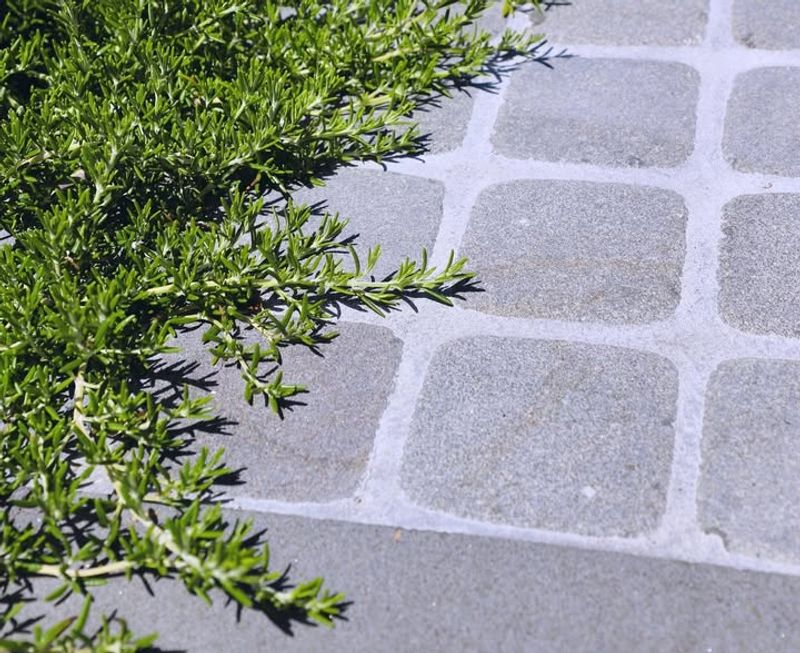
Aromatic herbs working double duty as groundcovers bring both function and fragrance to California landscapes. Creeping rosemary cascades over walls, spreads across slopes, and fills in bare areas while releasing its signature scent whenever brushed against.
This Mediterranean native feels right at home in California’s similar climate, requiring minimal water once established.
Unlike upright rosemary varieties, creeping types grow 6-12 inches tall but spread 4-8 feet wide, creating horizontal coverage that blocks weeds effectively.
The needle-like evergreen leaves grow densely along woody stems, forming layers that shade out competing plants.
Blue to purple flowers appear in winter and spring, providing color during months when many other plants rest.
Creeping rosemary thrives in full sun and actually prefers the poor, rocky soils that challenge other groundcovers. It handles California’s dry summers without complaint and needs very little supplemental water once its roots have established.
The plant also tolerates coastal conditions, including salt spray and sandy soils.
This groundcover works beautifully on slopes where erosion control is needed alongside weed suppression. It drapes over retaining walls, softening hard edges while preventing weeds from gaining footholds in crevices.
The aromatic foliage deters some pests and can be harvested for cooking without harming the plant’s appearance. Plant creeping rosemary in fall or spring, spacing plants 3-4 feet apart, and water deeply but infrequently to encourage deep root growth.
Once settled, this hardworking herb provides year-round weed control, fragrance, and beauty to California gardens with almost no maintenance required.