These 7 California Indoor Plants Thrive In Jars And Bottles
Growing plants in jars and bottles is a fun way to bring greenery into small spaces. It looks stylish, saves room, and works surprisingly well in California homes.
With the right plants, these simple containers can turn into beautiful mini gardens.
Glass containers help hold moisture and create a stable environment. That makes them great for certain indoor plants that enjoy steady humidity.
When set up correctly, they need very little care and stay attractive for a long time.
Many people assume plants need large pots to grow well. That’s not always true.
Some varieties actually prefer tighter spaces and controlled moisture.
These California-friendly indoor plants do especially well in jars and bottles. They’re easy to manage, low maintenance, and perfect for shelves, desks, and windowsills.
1. Pothos (Epipremnum aureum)
If your shelves are bare and your corners feel empty, you need a plant that grows fast, looks lush, and never complains about being stuck in a small container. Pothos is that plant.
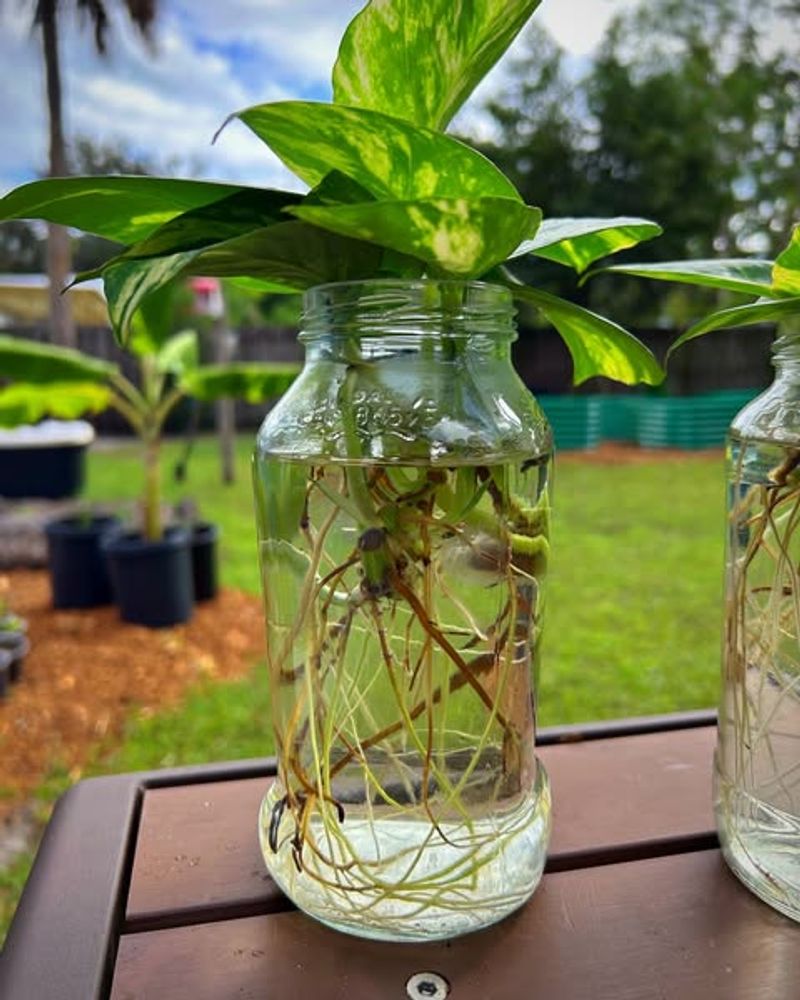
Its trailing vines cascade beautifully from mason jars, old wine bottles, or recycled glass containers, creating instant greenery without taking up counter space.
Pothos roots incredibly well in plain water, making it one of the easiest plants to maintain in a jar. Just snip a stem below a node, drop it in filtered or tap water, and watch roots appear within a week or two.
You can also grow it in a jar with a layer of pebbles and soil if you prefer a more traditional setup.
This plant tolerates low to bright indirect light, which is perfect for California apartments with varying window exposure. Keep it out of harsh direct sun, though, as leaves can scorch.
Change the water every two weeks to prevent algae buildup and keep roots healthy.
Pothos is practically indestructible and adapts to dry indoor air common in California homes. Its heart-shaped leaves add a soft, organic feel to modern spaces, and it grows quickly enough to fill out a display shelf in just a few months.
It’s the ultimate beginner-friendly jar plant.
2. Lucky Bamboo (Dracaena sanderiana)
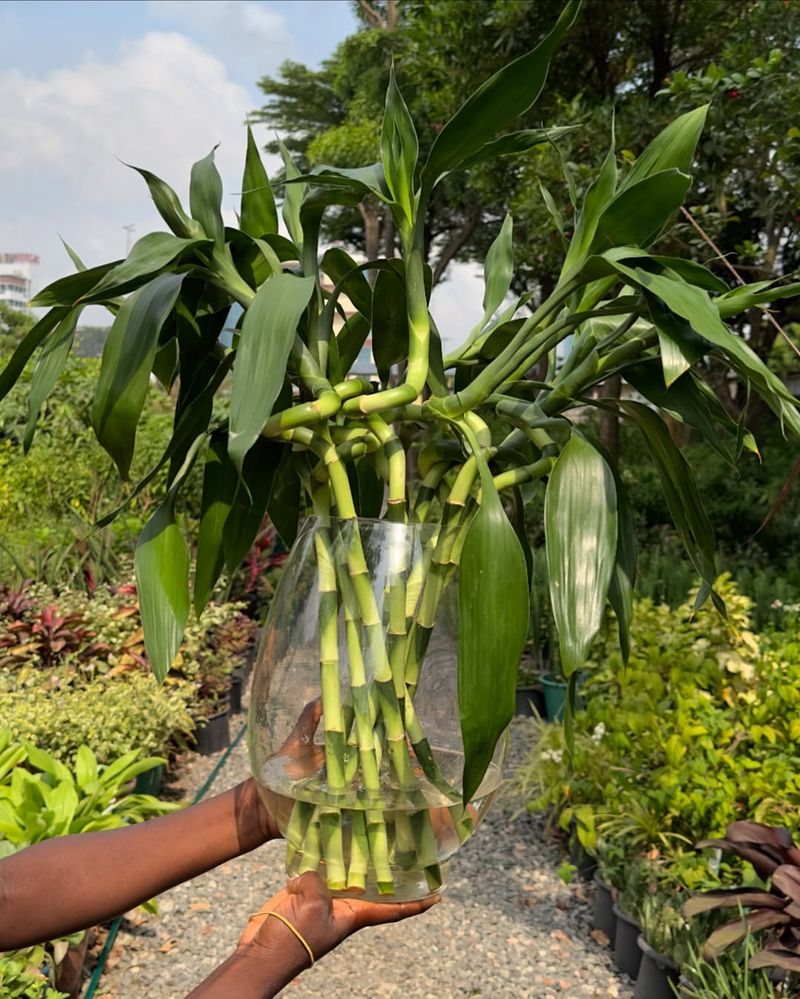
When you want a plant that looks elegant, stays compact, and requires almost zero effort, lucky bamboo delivers. Despite its name, it’s not actually bamboo—it’s a tropical plant that thrives in water and small containers.
Tall glass bottles or cylinder vases show off its graceful stalks beautifully, and it fits perfectly on desks, bathroom counters, or narrow shelves.
Lucky bamboo grows best in water with just a few inches covering the roots. You don’t need soil at all, though some people add decorative pebbles or marbles to anchor the stalks and add visual interest.
Use filtered or distilled water if possible, as tap water with high fluoride or chlorine can cause leaf tip browning.
This plant prefers bright, indirect light but tolerates lower light better than most houseplants. Keep it away from direct California sun, which can bleach the stalks and damage leaves.
Change the water every two to four weeks to keep it fresh and clear.
Lucky bamboo is extremely low-maintenance and handles dry indoor air without complaint. Its upright, architectural form adds a zen-like calm to any room, and it’s small enough to tuck into tight spaces.
If you’re new to jar plants or just want something that looks polished with minimal fuss, this is your plant.
3. Spider Plant (Chlorophytum comosum)
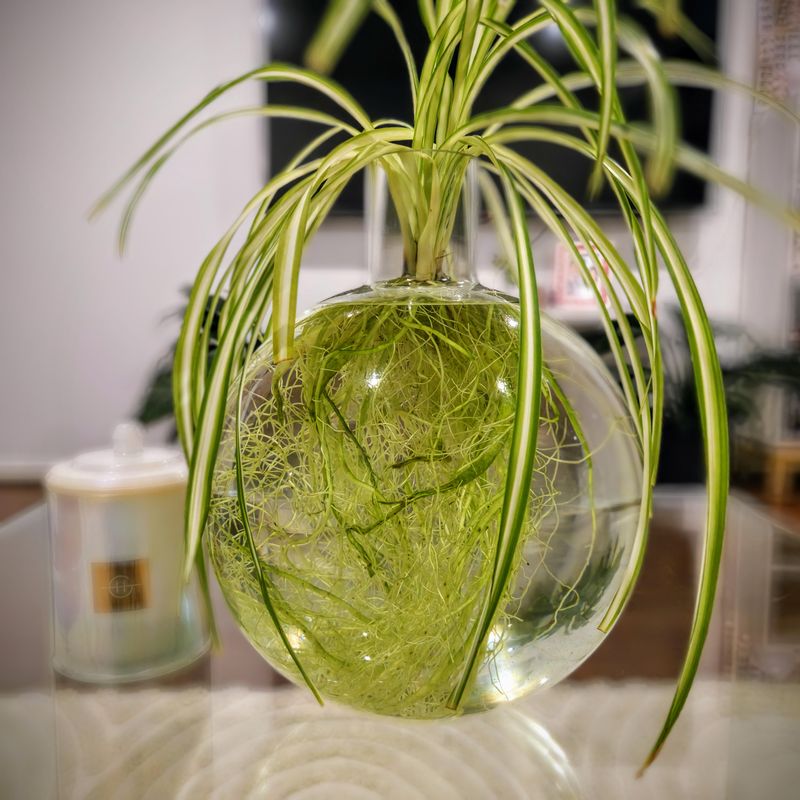
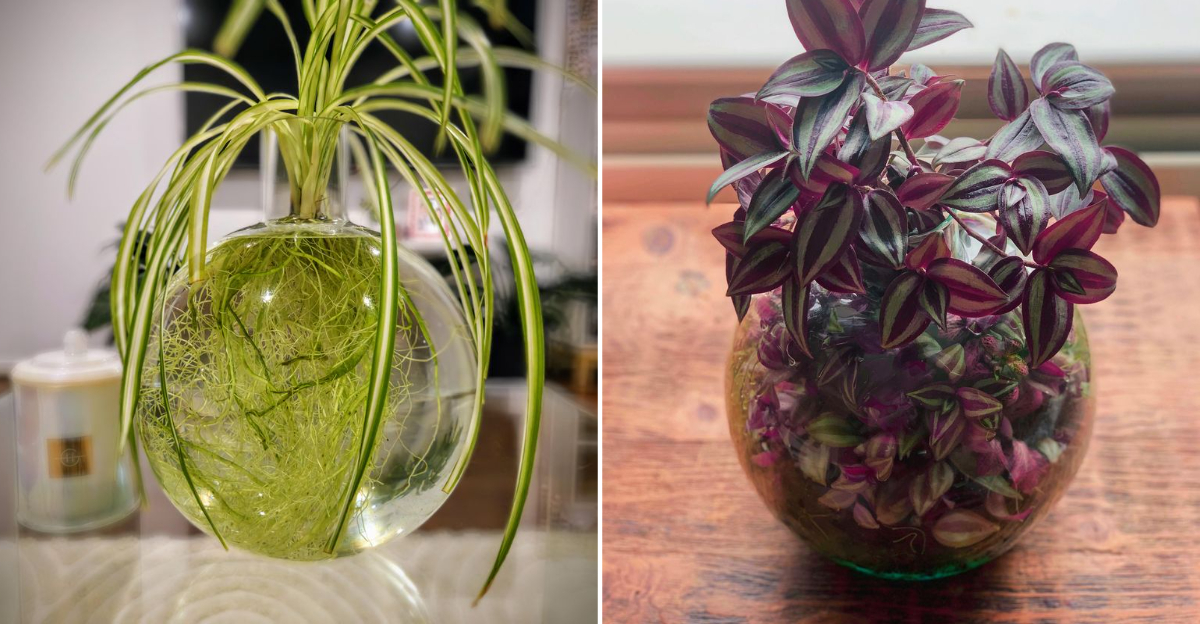
Bright windows and dry air can stress out a lot of houseplants, but spider plants handle California conditions like champions. Their arching, striped leaves look fantastic spilling out of wide-mouth jars or repurposed glass containers, and they produce adorable baby plantlets that dangle like natural ornaments.
This plant brings movement and texture to any space without demanding much attention.
Spider plants can grow in water or soil-based jar setups. If you choose water, place the roots or a baby plantlet in a jar with enough water to cover the base, and refresh it weekly.
For soil, use a small jar with drainage material like pebbles at the bottom to prevent root rot.
These plants thrive in bright, indirect light but tolerate medium light surprisingly well. They’re perfect for those sunny California rooms where other plants might struggle with heat or brightness.
Just avoid placing them in direct afternoon sun, which can scorch the delicate leaf tips.
Spider plants are incredibly forgiving and adapt to fluctuating indoor humidity. Their air-purifying qualities are well-documented, and they add a fresh, clean look to kitchens, bathrooms, and living rooms.
The baby plantlets make propagation fun and easy, so you can fill multiple jars without spending extra money. It’s a plant that keeps on giving.
4. Philodendron Heartleaf (Philodendron hederaceum)
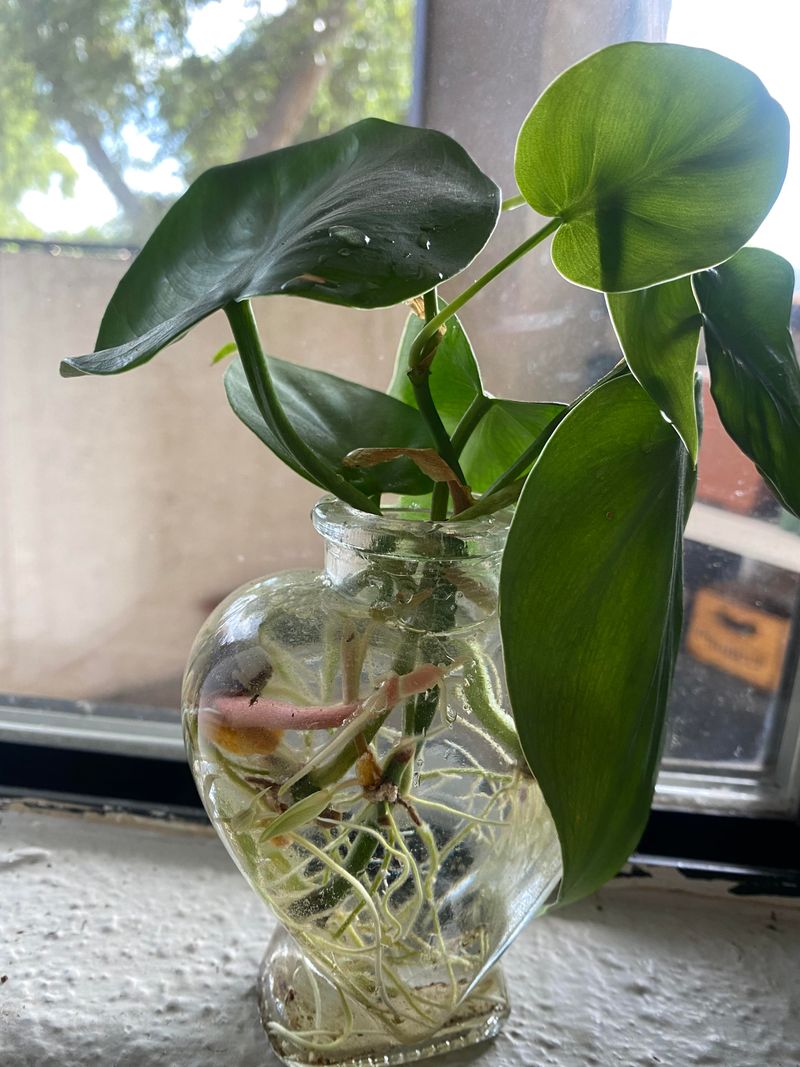
Small spaces need plants that grow vertically or trail gracefully without hogging valuable surface area. Heartleaf philodendron does exactly that.
Its glossy, heart-shaped leaves cascade from jars and bottles like living curtains, softening hard edges and adding warmth to minimalist décor. This plant is forgiving, fast-growing, and surprisingly adaptable to jar life.
Heartleaf philodendron thrives in water, making it ideal for jar growing. Snip a healthy stem cutting just below a node, place it in a jar of water, and roots will develop quickly.
You can keep it in water indefinitely, or transfer it to a jar with soil once roots are established. Either way, it adapts beautifully.
This plant prefers bright, indirect light but tolerates lower light better than many trailing plants. It’s perfect for California homes with varying light conditions, from bright living rooms to dimmer hallways.
Avoid direct sun, which can fade the rich green color and damage leaves.
Change the water every one to two weeks to keep roots healthy and prevent algae growth. Heartleaf philodendron handles dry indoor air well, though occasional misting can keep leaves looking extra glossy.
Its compact growth habit makes it perfect for small apartments, dorm rooms, or office spaces where floor space is limited but vertical interest is needed.
5. Peace Lily (Spathiphyllum)
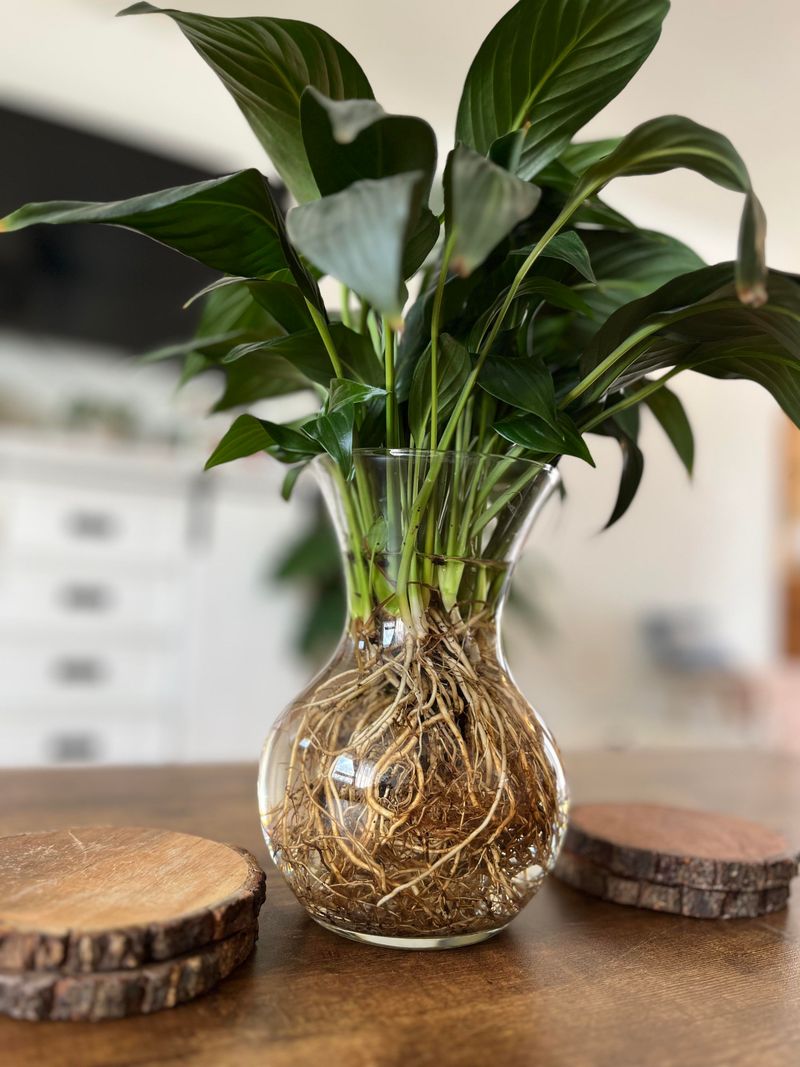
Not every plant can bloom indoors, especially in a jar, but peace lilies manage to do just that. Their elegant white flowers and deep green leaves bring a touch of sophistication to any room, and they’re surprisingly happy in water-based setups.
If you want a plant that looks high-maintenance but actually isn’t, peace lily fits the bill perfectly.
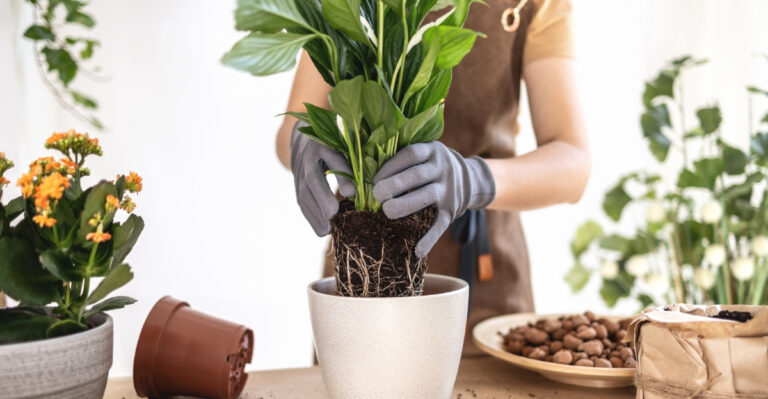
Peace lilies can grow in water, though they’re more commonly grown in soil. For jar setups, choose a wide-mouth container that supports the root system and allows the plant to sit comfortably.
You can transition a soil-grown peace lily to water by gently rinsing the roots and placing them in a jar with enough water to cover the base.
This plant prefers low to medium indirect light, making it ideal for California rooms that don’t get intense sun. It’s one of the few flowering plants that tolerates lower light and still produces blooms.
Keep it away from direct sunlight, which can burn the leaves and stress the plant.
Change the water weekly to prevent root rot and maintain clarity. Peace lilies are sensitive to tap water chemicals, so use filtered or distilled water if possible.
They’re known for their air-purifying qualities and add a calming, refined presence to bathrooms, bedrooms, and offices. The plant will even droop slightly when thirsty, giving you a clear signal when it needs attention.
6. English Ivy (Hedera helix)
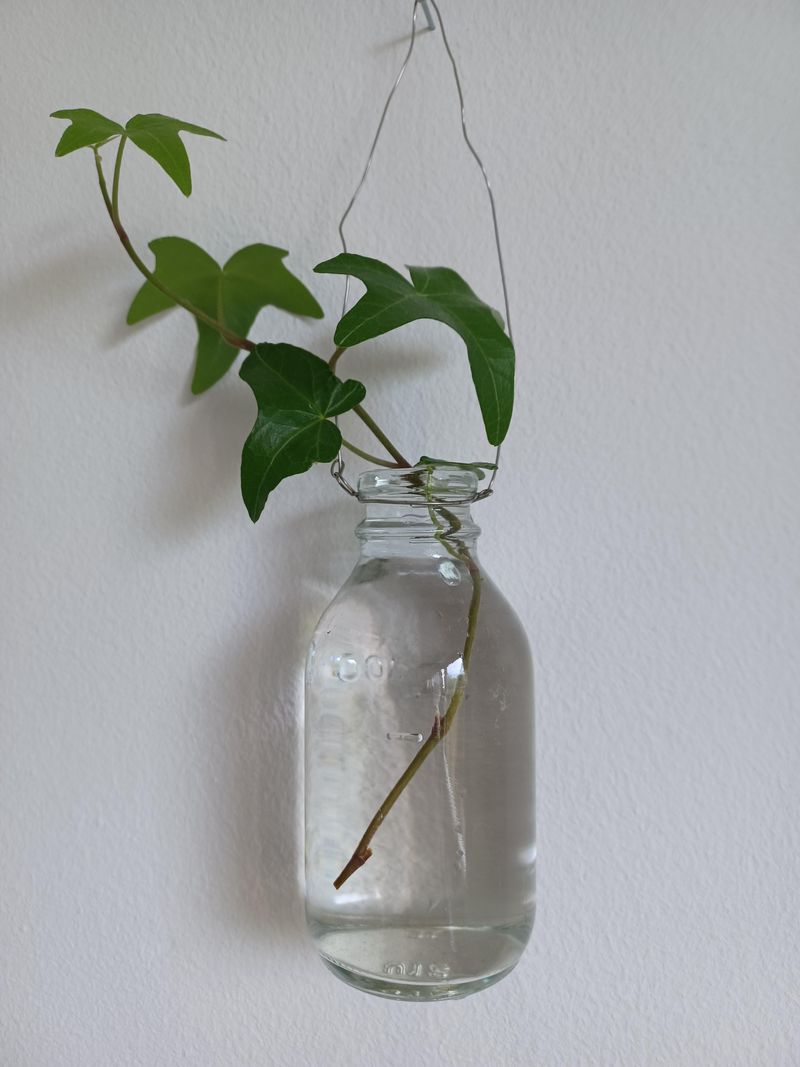
Trailing plants add drama and movement to indoor spaces, but many need constant pruning or complicated care. English ivy is different.
Its delicate, lobed leaves cascade beautifully from jars and bottles, creating a lush, cottage-style look that works in everything from modern apartments to cozy studios. It’s a classic plant that never goes out of style.
English ivy roots easily in water, making it perfect for jar growing. Cut a healthy stem, remove the lower leaves, and place it in a jar with clean water.
Roots will appear within a week or two, and the plant will continue growing happily in water for months. You can also plant it in a jar with soil if you prefer a more traditional setup.
This plant prefers bright, indirect light but tolerates lower light better than many trailing varieties. It’s well-suited to California homes with varying light conditions, though it grows faster and fuller in brighter spots.
Avoid direct sun, which can scorch the delicate leaves and cause them to brown.
Change the water every one to two weeks to keep it fresh and clear. English ivy appreciates slightly higher humidity, so misting occasionally or placing the jar in a naturally humid room like a bathroom can help.
Its trailing habit makes it perfect for hanging displays or high shelves where the vines can drape naturally. It’s elegant, easy, and endlessly versatile.
7. Wandering Dude (Tradescantia zebrina)
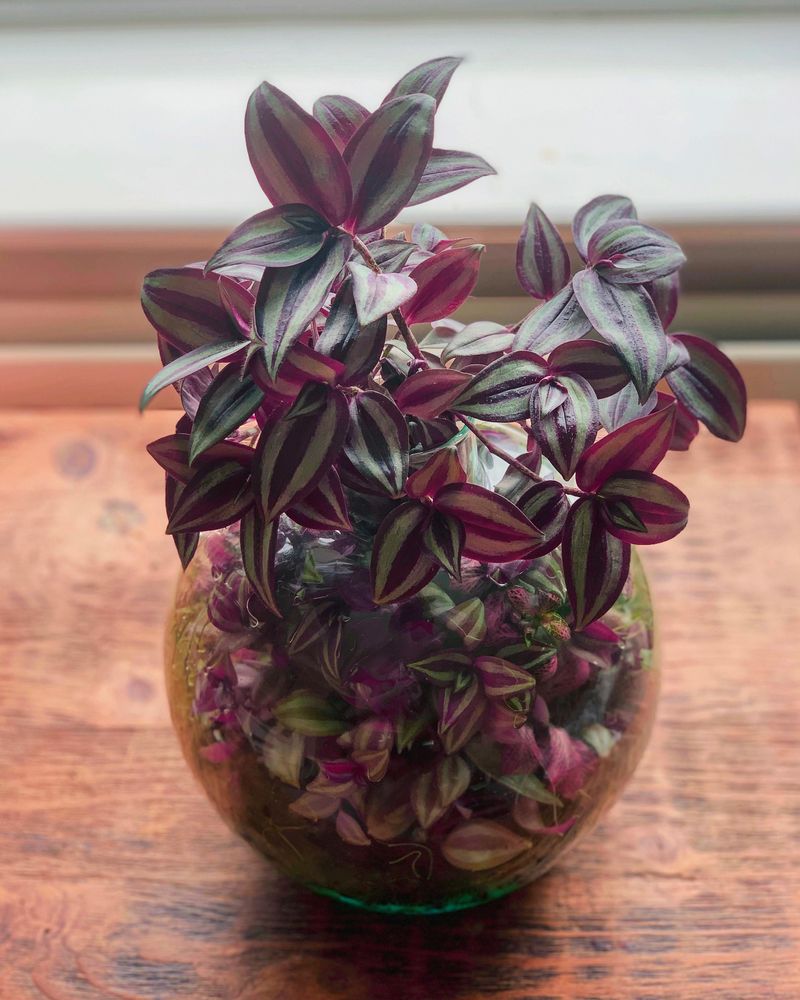
Colorful plants are hard to find for indoor jar setups, but wandering dude breaks that rule beautifully. Its striped purple, green, and silver leaves add instant color and texture to any space, and it grows fast enough to fill a jar in just a few weeks.
If you want a plant that looks vibrant and feels alive without needing fancy care, this is it.
Wandering dude thrives in water and is incredibly easy to propagate. Snip a stem cutting, place it in a jar with water, and watch it root within days.
You can keep it growing in water indefinitely, or transfer it to a jar with soil once roots are well-developed. Either way, it adapts without complaint.
This plant prefers bright, indirect light to maintain its vibrant coloring. Lower light will cause the purple hues to fade and the plant to stretch.
California homes with sunny windows are perfect for wandering dude, though you should avoid direct afternoon sun, which can scorch the delicate leaves.
Change the water weekly to keep roots healthy and prevent algae. Wandering dude grows quickly and may need occasional trimming to keep it looking full and bushy.
Its trailing habit makes it ideal for jars placed on shelves, desks, or windowsills where the colorful vines can spill over the edges. It’s bold, beautiful, and ridiculously easy to care for.