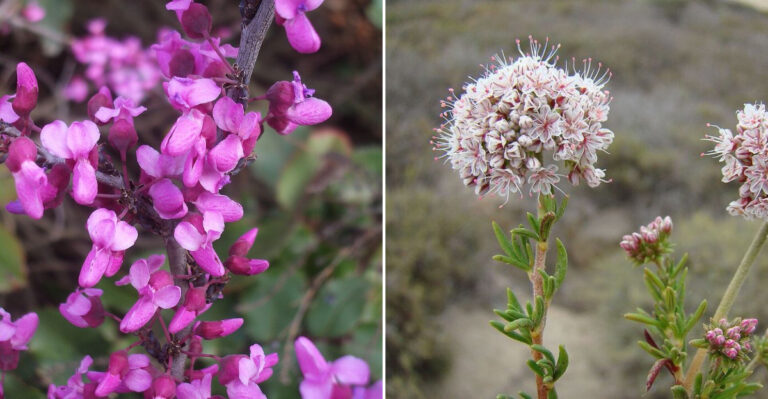
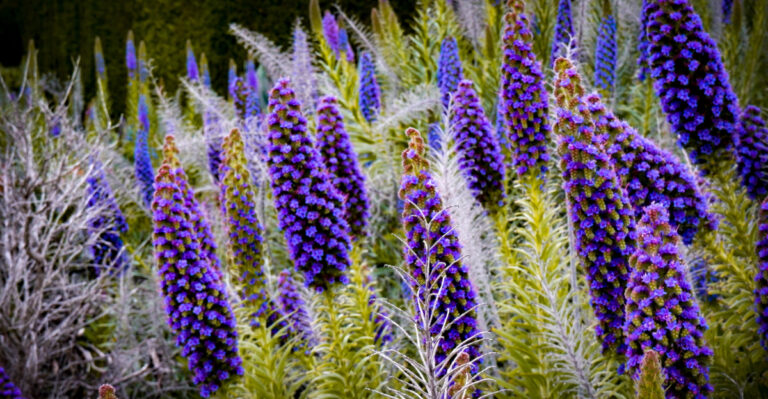
These 9 California Native Plants Thrive When Planted In February
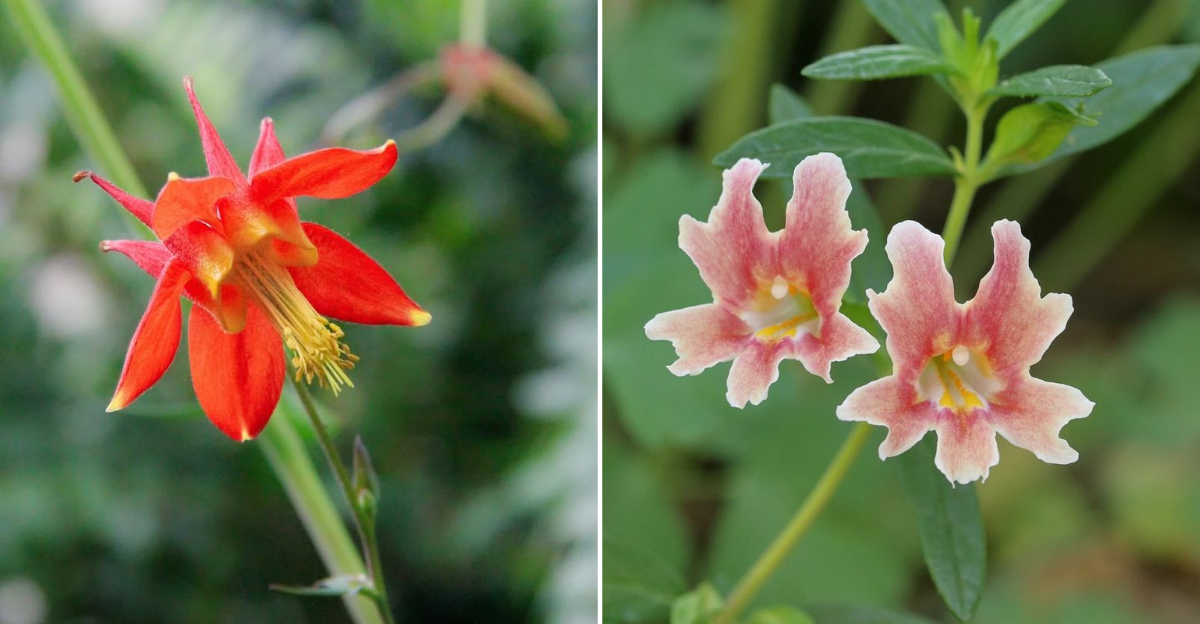
February might still feel like winter, but in California, it is one of the best kept gardening secrets.
While many gardens sit quiet, this is prime time to plant tough, beautiful natives that are ready to wake up and thrive with spring rains.
California native plants are built for this climate. They handle dry summers, support pollinators, and often need far less care once established.
Even better, planting now gives roots time to settle in before the heat arrives. The result is stronger growth, healthier plants, and a garden that feels naturally in sync with the season.
If you want a garden that is vibrant, resilient, and full of life, this is the perfect moment to get them in the ground and let nature do the rest.
1. Douglas Iris (Iris douglasiana)
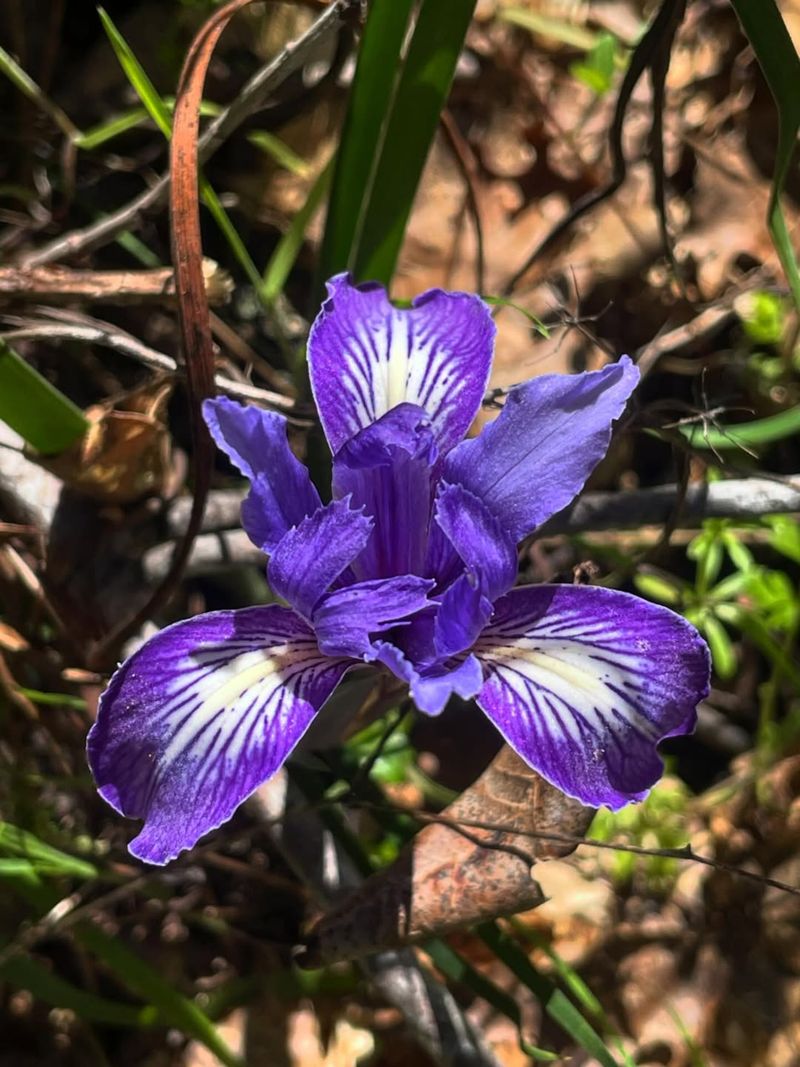
Shady spots under oaks or along north-facing walls often frustrate homeowners looking for reliable color. Douglas iris solves this challenge beautifully, bringing spring blooms to areas where sun-lovers struggle and creating lush groundcover year-round.
February planting lets roots explore moist soil before spring growth kicks in. This coastal native adapts well inland too, tolerating clay or sandy conditions equally.
Part shade to full shade works best, though coastal gardens can push toward more sun exposure.
Water weekly during the first summer, then taper off as plants mature. Established clumps handle summer drought without complaint, though occasional deep watering keeps foliage looking fresh.
Purple, blue, and cream flowers appear March through May, attracting hummingbirds and native bees.
Evergreen foliage provides structure when other perennials go dormant. Clumps spread slowly, filling space without becoming aggressive.
Divide crowded clumps every few years to refresh plantings or share with neighbors. Your shaded areas transform from bare dirt to textured, blooming landscape that requires minimal attention once established.
2. Red Flowering Currant (Ribes sanguineum)
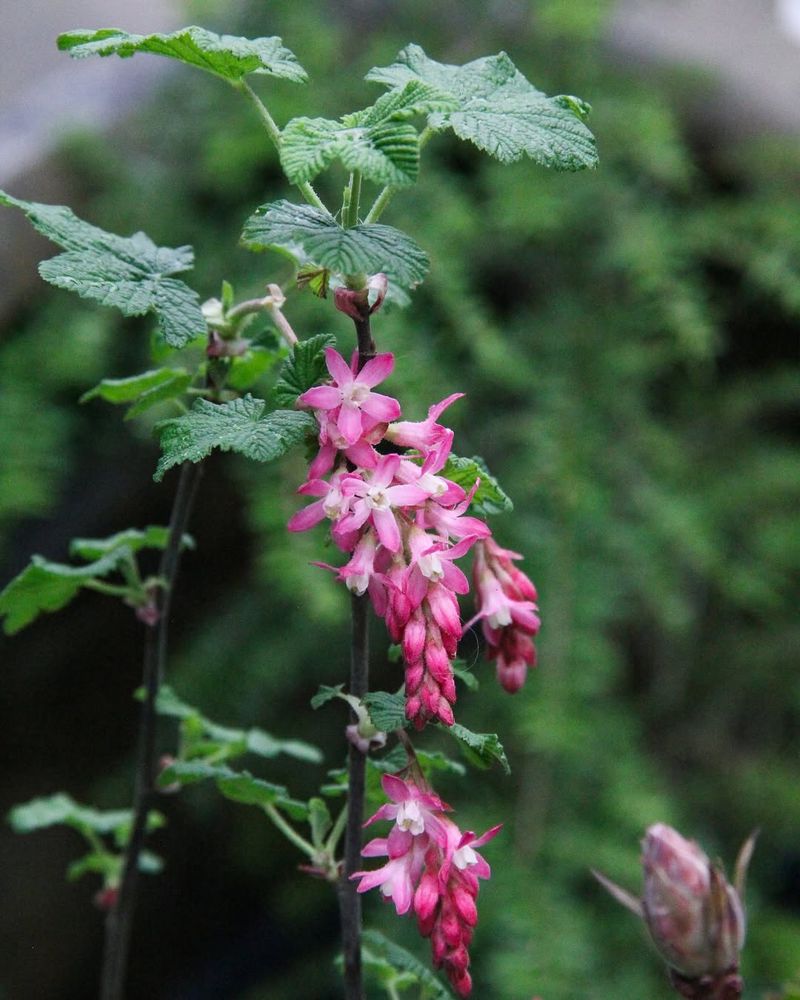
Early spring hummingbird activity depends on nectar sources blooming when birds return from winter ranges.
Red flowering currant delivers exactly that, producing drooping clusters of rose-pink flowers in March just when Anna’s and Allen’s hummingbirds need fuel most.
Planting bare-root or container shrubs in February gives roots time to settle before flowering energy demands hit. This deciduous shrub reaches six to ten feet tall and wide, making it perfect for hedges, corners, or standalone specimens.
Coastal fog and inland heat both suit this adaptable native.
Full sun to part shade works well, with shadier spots producing slightly less bloom. Any soil type suffices as long as drainage exists.
Water deeply every two weeks the first summer, then monthly or less once established. Plants handle complete summer drought after year two.
Beyond hummingbird value, currant offers seasonal interest through leaf emergence, flowering, and fall color. Edible blue-black berries follow flowers, feeding birds through summer.
Minimal pruning maintains shape. Your yard gains reliable spring color, wildlife habitat, and a tough shrub requiring almost no maintenance long-term.
3. California Poppy (Eschscholzia californica)
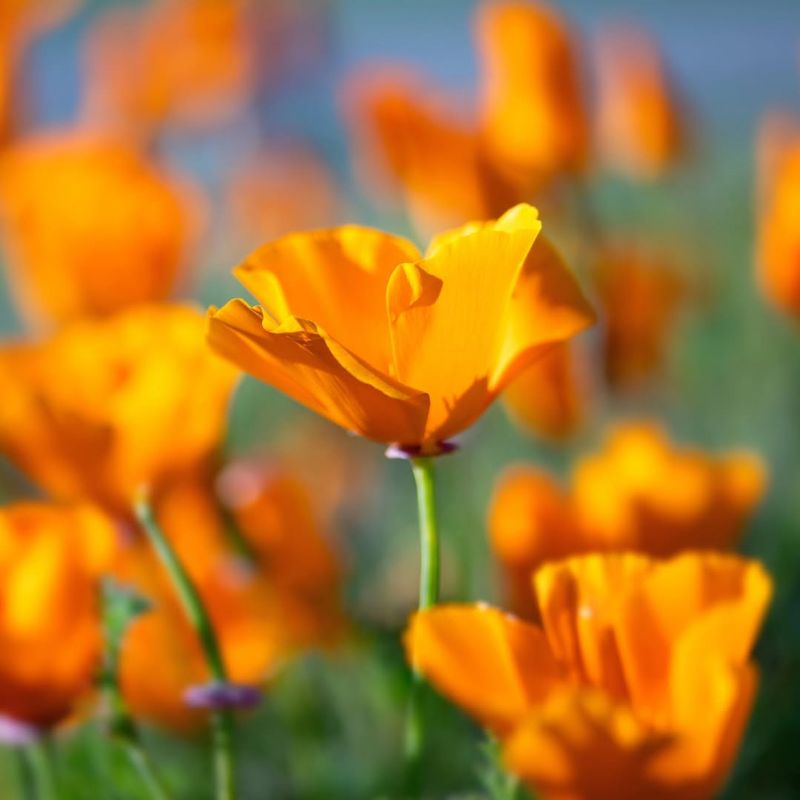
Winter rains create perfect conditions for direct-seeding wildflowers that will carpet your yard in gold by spring. California’s state flower establishes quickly from seed scattered in February, taking advantage of natural moisture cycles without any fuss from you.
These cheerful bloomers thrive in full sun and tolerate poor, rocky soil that frustrates other plants. Coastal and inland gardens both support poppies beautifully, though inland heat brings even more prolific flowering.
Scatter seeds where you want color, rake lightly, and let February rains do the germination work.
Once sprouted, poppies need zero supplemental water in most years. They’re truly plant-and-forget natives that reseed themselves annually.
Blooms attract native bees and beneficial insects while adding that classic California look to borders, parkways, and meadow areas.
Maintenance involves nothing more than enjoying the show. After blooms fade in late spring, plants go dormant until next winter.
Your yard gains effortless color, pollinator support, and authentic California character without ongoing care or water bills.
4. California Fuchsia (Epilobium canum)
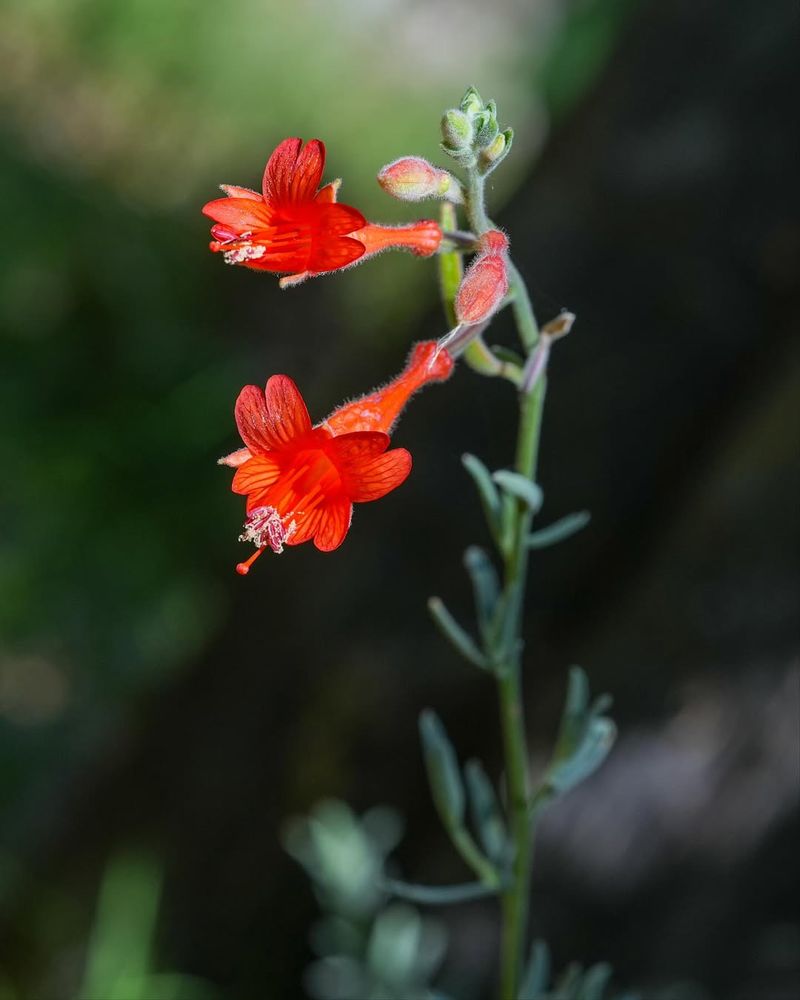
Late summer and fall often leave California gardens looking tired and colorless. California fuchsia breaks this pattern completely, exploding with brilliant orange-red tubular flowers from August through October when almost nothing else blooms.
February planting seems counterintuitive for a fall bloomer, but early establishment makes all the difference. Roots spread through spring while plants build energy reserves for spectacular autumn displays.
This low-growing perennial handles full sun and reflected heat that would cook less adapted plants.
Rocky slopes, hellstrips, and dry banks become assets rather than problems with California fuchsia. Plants thrive in lean, fast-draining soil and actually sulk with too much water or richness.
After establishment watering through the first summer, cut back to monthly deep soaks or less.
Hummingbirds mob these flowers when few other nectar sources exist. Gray-green foliage stays semi-evergreen in mild areas, going dormant in colder inland winters.
Plants spread moderately by rhizomes, creating drifts over time. Shear back by half in early spring to encourage compact growth and heavier flowering later.
5. Sticky Monkey Flower (Diplacus aurantiacus)
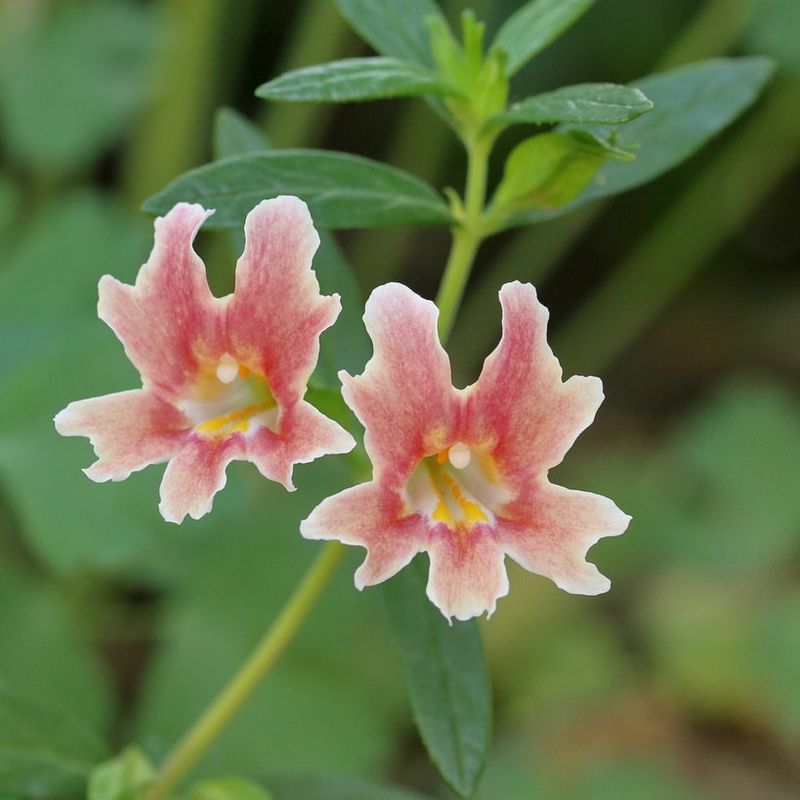
Evergreen structure matters in California gardens, especially on slopes or areas visible year-round. Sticky monkey flower provides exactly that while adding nearly year-round orange blooms that keep hummingbirds and gardeners equally happy.
Getting plants in during February takes advantage of winter moisture for root establishment before spring growth surges. This versatile shrub adapts to coastal fog, inland heat, and everything between.
Full sun produces the most flowers, though light shade works fine too.
Plants reach three to four feet tall and wide, creating informal hedges or specimen plantings. Sticky leaves give the plant its name but don’t cause problems in landscapes.
Any well-drained soil works, including clay if amended with compost at planting time.
Water every two weeks through the first summer, then taper to monthly or eliminate entirely once established. Peak bloom happens spring through fall, with sporadic flowers even in winter during mild years.
Shear lightly after main bloom flush to encourage bushiness and more flowers.
Your yard gains reliable evergreen presence, extended bloom season, and proven hummingbird habitat. Maintenance stays minimal while visual impact remains high throughout the year.
6. Hummingbird Sage (Salvia spathacea)
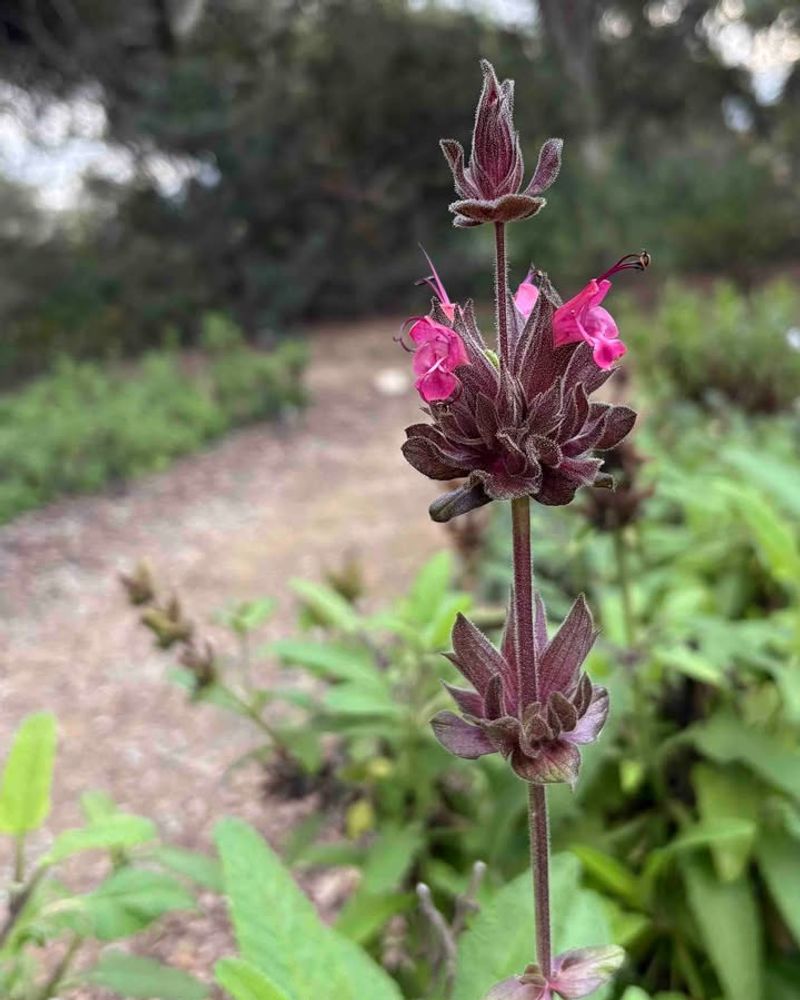
Dry shade under oaks or eaves creates some of the toughest planting conditions California gardeners face. Hummingbird sage thrives in exactly these challenging spots, spreading into lush groundcover that blooms reliably each spring without demanding summer water.
February planting capitalizes on winter rain to establish plants before dormancy hits next summer. This low-growing perennial spreads by rhizomes, eventually forming dense mats that suppress weeds and cover bare soil.
Magenta-pink flower spikes rise above large, aromatic leaves in March and April.
Part to full shade works best, especially inland where afternoon sun can scorch leaves. Coastal gardens tolerate more sun exposure.
Plants go summer-dormant in hot inland areas, greening up again with fall rains. Coastal plants often stay evergreen year-round.
Water weekly through the first growing season, then reduce drastically once dormancy begins. Established plants need little to no summer water, making them perfect for neglected side yards or under mature trees.
Hummingbirds visit flowers heavily during spring bloom.
Your shaded problem areas transform into attractive, functional groundcover that requires minimal care while supporting wildlife and preventing erosion on slopes.
7. Western Columbine (Aquilegia formosa)
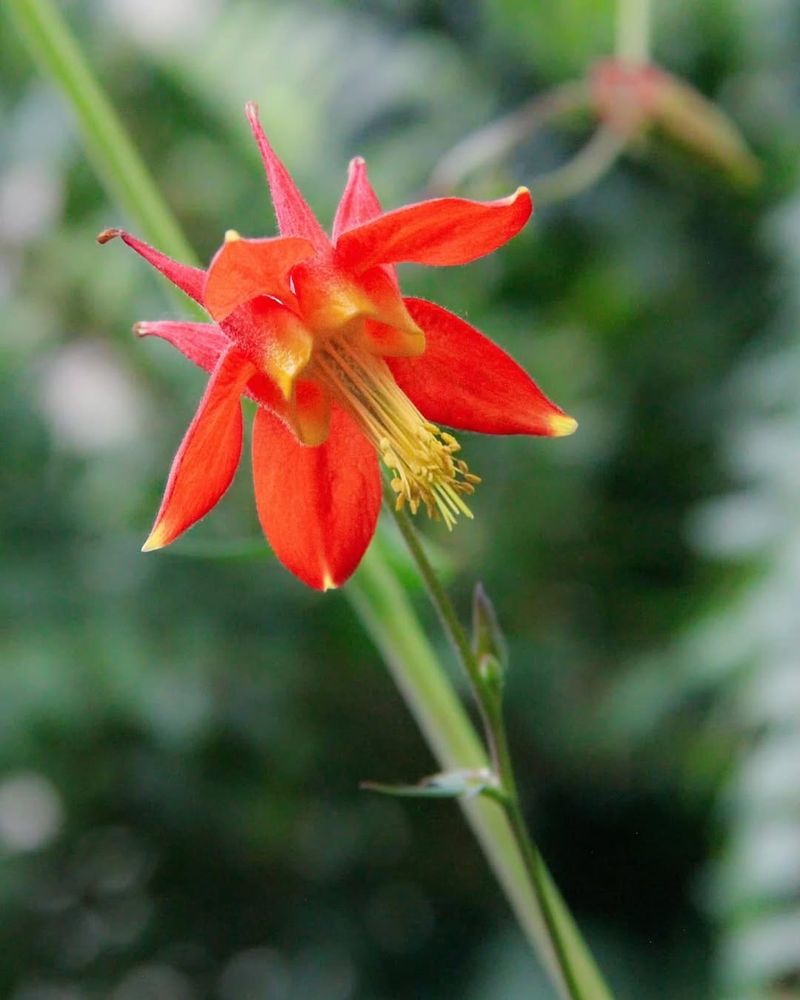
Woodland edges and moist, shaded spots often lack interesting flowering options that aren’t fussy or invasive.
Western columbine fills this niche perfectly, bringing delicate red-and-yellow blooms to shaded areas while tolerating more moisture than most California natives.
Planting in February allows roots to establish during naturally moist conditions. This herbaceous perennial goes dormant in late summer, reappearing with fresh foliage when fall rains return.
Ferny leaves create attractive groundcover even before flowers appear in spring.
Part shade to full shade suits columbine best, particularly in hotter inland areas. Coastal gardens can push toward more sun if soil stays reasonably moist.
Plants tolerate clay soil better than many natives, though adding compost improves results everywhere.
Water regularly through the first summer to support establishment, then reduce to every two weeks or weekly in hottest months. Established plants handle brief dry periods but appreciate occasional summer water, unlike drought-dormant natives.
Nodding flowers attract hummingbirds from April through June.
Self-seeding produces new plants without becoming weedy. Your shaded garden gains cottage-garden charm with a true California native that bridges the gap between dry-adapted and moisture-loving plants beautifully.
8. Yarrow (Achillea millefolium)
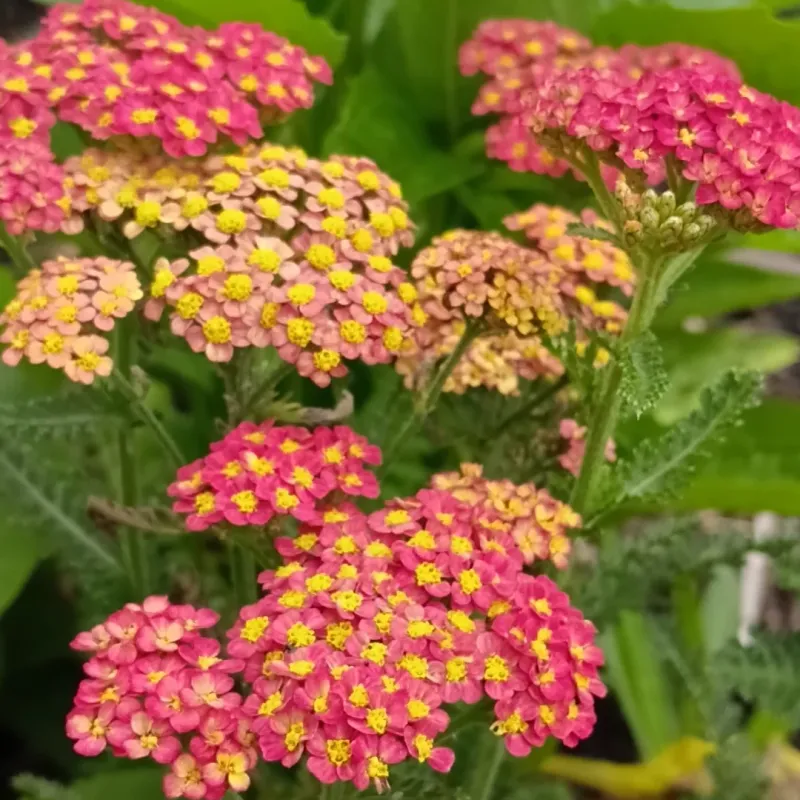
Tough, reliable perennials that handle neglect while looking good year-round are gardening gold in California.
Yarrow delivers on all counts, producing flat-topped flower clusters from spring through fall while its feathery foliage stays semi-evergreen and attractive through winter.
February planting establishes roots during cool, moist conditions before heat arrives. This adaptable native tolerates coastal fog and inland heat equally well.
Full sun produces the most flowers, though light shade works too. Poor, unamended soil actually encourages stronger, more drought-tolerant plants.
White flowers are most common, but native yarrows also come in pink and yellow forms. Blooms attract countless beneficial insects, native bees, and butterflies, making yarrow a pollinator powerhouse.
Plants spread moderately by rhizomes without becoming invasive, filling space naturally over time.
Water every two weeks through the first summer, then monthly or eliminate entirely once established. Deadheading spent flowers encourages more blooms, though leaving some seedheads feeds birds.
Shear plants back by half in late winter to refresh foliage and promote compact growth.
Your garden gains tough, beautiful, wildlife-supporting perennials that ask almost nothing while giving constant visual interest and ecological value throughout the year.
9. Purple Needlegrass (Stipa pulchra)
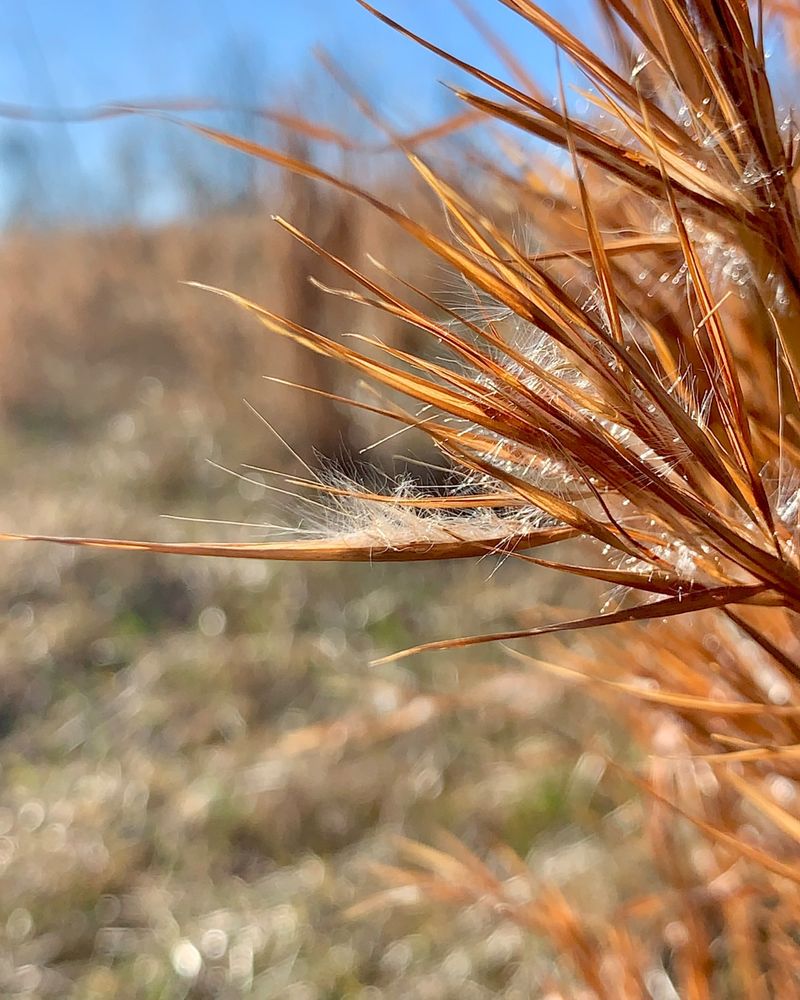
California’s state grass transforms ordinary lawns and bare areas into flowing, textured landscapes that capture light and movement while requiring a fraction of traditional turf’s water and maintenance.
Purple needlegrass brings authentic California character to yards ready to move beyond water-hungry lawns.
February planting gives this bunch grass time to establish before spring growth accelerates. Cool-season growth patterns mean roots develop through winter and spring, building drought tolerance before summer heat arrives.
This native thrives throughout California, from coastal bluffs to inland valleys.
Full sun and any well-drained soil suit needlegrass perfectly. Plants form attractive clumps two to three feet tall, with purple-tinged flower stems rising above green foliage in spring.
Seed heads mature to golden tan, creating year-round interest and feeding birds through summer and fall.
Water every two weeks the first summer, then monthly or eliminate completely once established. Plants go summer-dormant in hot inland areas, greening up dramatically with fall rains.
No mowing, fertilizing, or aerating required, ever.
Your yard gains authentic California grassland character while drastically reducing water use, maintenance time, and environmental impact compared to conventional turf or thirsty ornamental grasses.