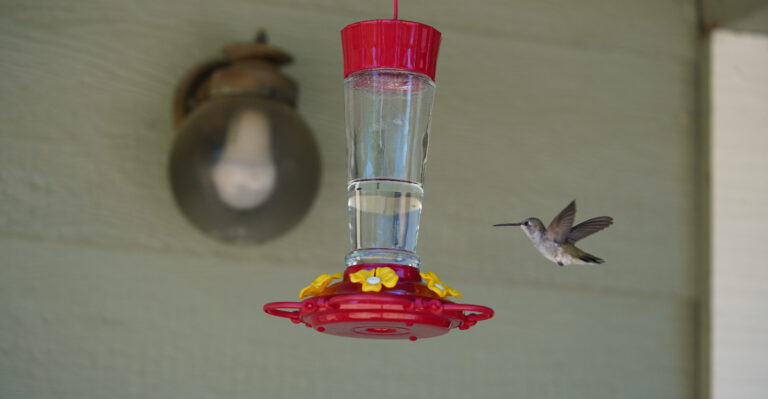
These California Plants Bring Hoverflies That Help Control Aphids Naturally
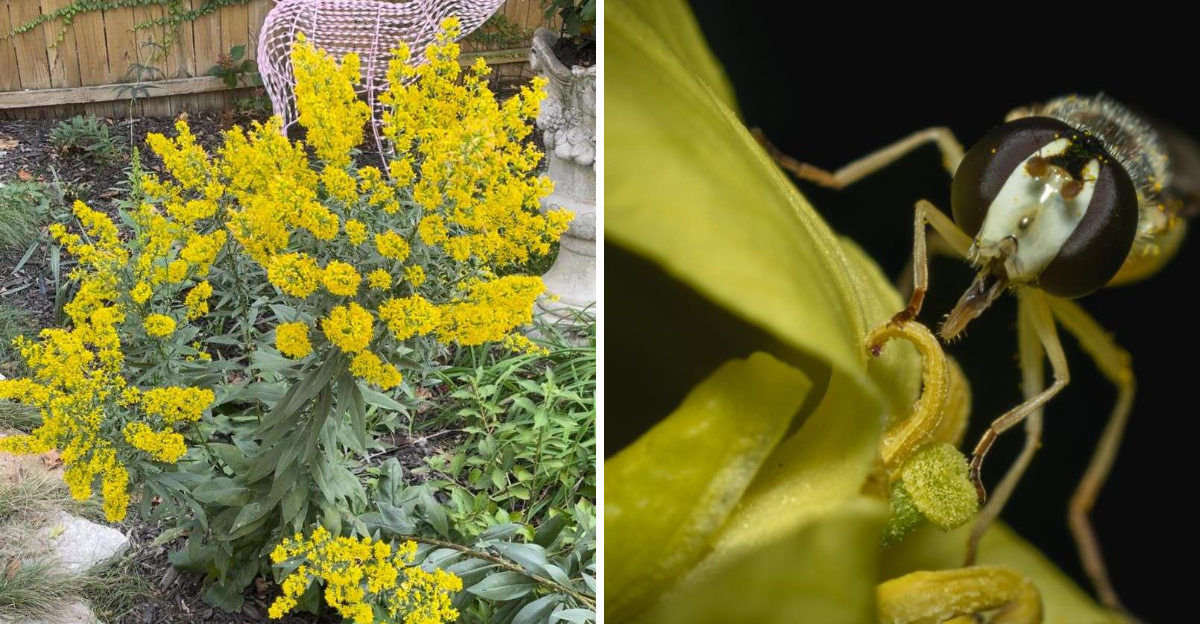
Aphids know exactly where the tender stuff is.
They crowd new stems, curl soft leaves, coat buds with sticky honeydew, and make a healthy plant look overwhelmed almost overnight.
The good news is that California gardens already have tiny backup on standby. Hoverflies, those bee-like visitors that pause in midair like little striped helicopters, can become serious allies when aphids start multiplying.
The adults need flowers. Their larvae need prey. Put the right blooms close to vegetables, roses, citrus, and ornamentals, and you give hoverflies a reason to stay near the places aphids love most.
This is not a magic spell. A few flowers will not erase every aphid from every stem. But steady nectar, pollen, and habitat can tilt the garden toward natural balance, especially when broad sprays stay out of the picture.
So which California-friendly plants make hoverflies more likely to patrol nearby aphid hotspots?
Start with small, open flowers that are easy for short-mouthed adults to use all season.
1. Edge Beds With Sweet Alyssum
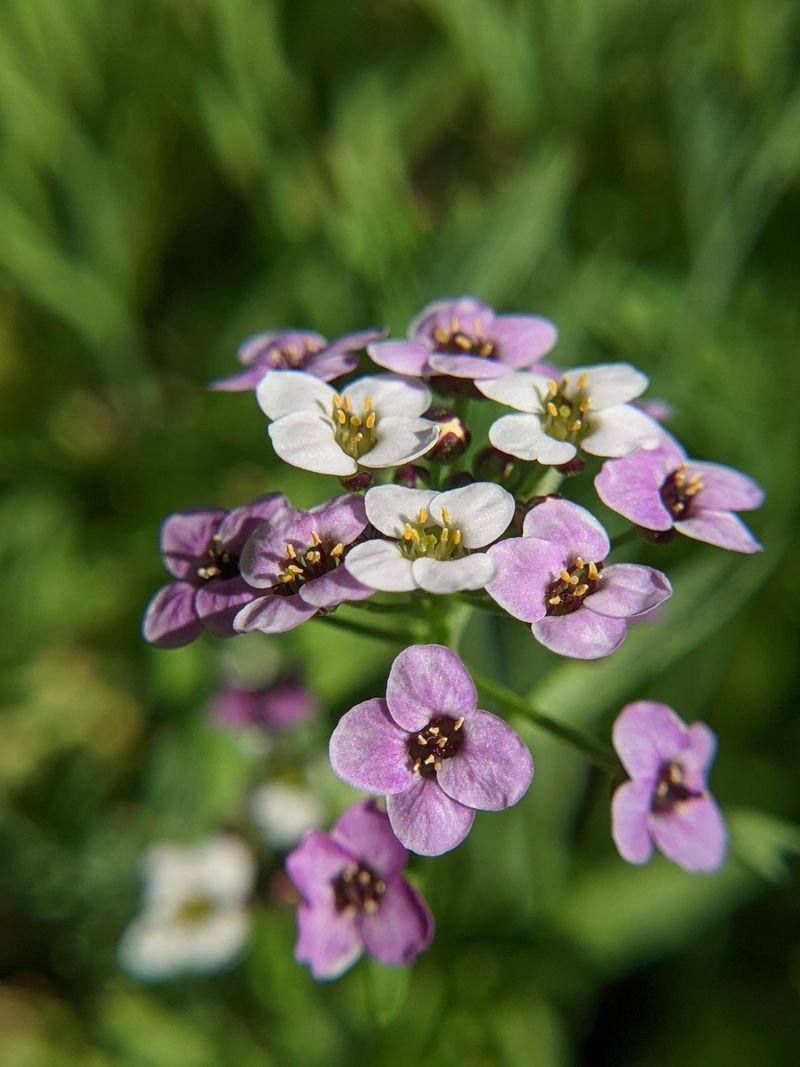
Sweet alyssum is small, but it pulls more weight than most border plants.
Those low carpets of tiny white, purple, or pinkish flowers may look like filler, but to adult hoverflies, they can be a steady food source.
The blooms sit in easy clusters, with nectar and pollen close enough for short mouthparts to reach without a struggle.
That flower shape matters. Hoverflies are not built for deep, complicated blooms. They need open flowers that let them land, feed, and move on quickly.
Plant sweet alyssum along vegetable bed edges, between wider rows, or around crops that regularly attract aphids. Lettuce, kale, broccoli, peppers, roses, and young citrus flushes can all benefit from having hoverfly food close by.
The research support for sweet alyssum is especially strong compared with many companion-planting favorites.
In California vegetable systems, it has been used as an insectary plant near lettuce to increase hoverfly activity and help reduce aphid pressure.
For home gardeners, the practical lesson is simple. Put the flowers near the crop, not across the yard where hoverflies have no reason to connect one area with the other.
Coastal California gardens may keep alyssum blooming for long stretches. Hot inland valleys can be harder on it during summer. In those areas, use it as a cool-season and shoulder-season plant, then refresh it when fall returns.
Shear tired plants by about one-third if they get leggy. They often push new growth and bloom again when weather cooperates.
Keep the soil lightly moist during establishment. Once settled, sweet alyssum can handle modest dryness, but it blooms better with regular care.
Let a few plants reseed if you like volunteers. Pull extras where they crowd seedlings.
Alyssum is not showy in a dramatic way. It is useful, low, easy, and exactly the kind of flower hoverflies can work all day.
2. Sow Cosmos For Open Landing Pads
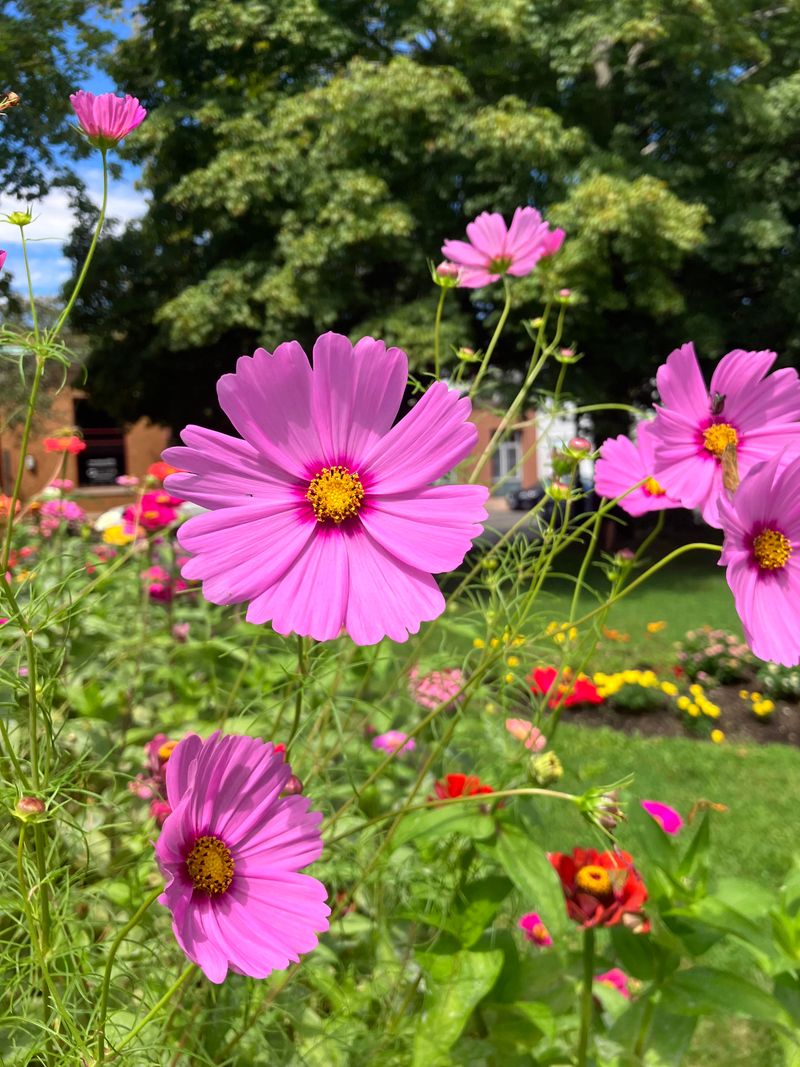
Cosmos brings color, height, and a casual kind of usefulness.
The best types for hoverflies are the simple single-flowered varieties with open centers. Those flowers act like landing pads, giving adult hoverflies access to pollen and nectar without forcing them through layers of tight petals.
Your California Garden Changes Every Week. Your Plan Should Too.
Gardening in California changes quickly throughout the season. Every Friday you’ll receive a simple weekly plan showing exactly what to plant, prune, fertilize, harvest, and protect so you never miss the right timing.
Skip the dense double varieties if insect support is the goal. They may look frillier to people, but they can make food harder for small beneficial insects to reach.
Cosmos grows easily from seed in much of California. Sow after frost risk passes, or start plants earlier in containers and transplant carefully. Give them full sun and well-drained soil.
Do not overfeed. Rich soil can produce tall, leafy plants with fewer flowers, and a six-foot cosmos leaning over a tomato cage is not the helpful border anyone planned.
Compact varieties are better near vegetable beds. They bloom without shading crops too aggressively and are easier to keep tidy along paths.
Trim spent flowers to keep new buds coming. Then, late in the season, leave some seedheads if you want the patch to return next year.
Cosmos can help carry hoverfly food through warm months when cool-season insectary plants such as cilantro and alyssum have slowed down.
That seasonal handoff is valuable. Aphid problems often flare at different times, so a garden with only one bloom window can leave gaps.
Place cosmos near roses, beans, peppers, squash, or ornamental borders where aphids tend to appear on new growth.
Water regularly while seedlings establish. Once mature, cosmos can handle some dryness, but steady bloom usually improves with occasional deep water during hot spells.
This plant does not need to be fussy to be effective. Simple flowers, steady bloom, and good placement do the work.
3. Let Cilantro Bloom Before Pulling It
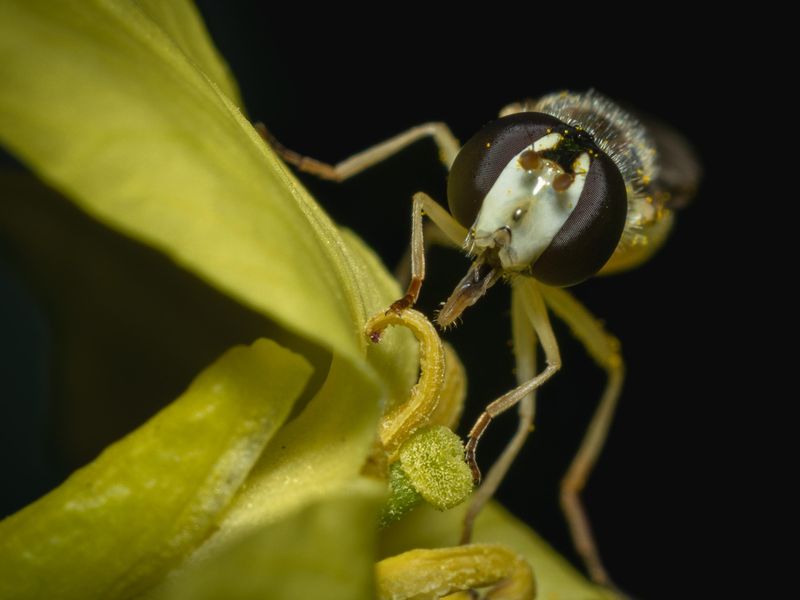
Bolting cilantro usually gets treated like a kitchen failure.
In an insect-friendly California garden, it can become a useful second act. Once cilantro stretches up and opens its tiny white flowers, the plant shifts from leafy herb to hoverfly feeding station.
The flower clusters are shallow umbels, which means many small blooms sit open together. Hoverflies can land, feed, and move from flower to flower without needing long mouthparts.
Small parasitic wasps, lacewings, and other beneficial insects may visit too.
The trick is planning for both harvest and habitat.
Grow one patch for leaves and allow a few plants to flower. That keeps the cook happy without removing every bloom before beneficial insects get a chance to use them.
Cilantro prefers cool weather, so timing depends on your California region. Coastal gardens and mild Southern California areas may grow it through much of the cooler season.
Inland valleys often get the best results from fall, winter, and early spring sowings before heat pushes plants to bolt fast.
Sow small batches every few weeks rather than one big planting. That gives you a rolling supply of leaves, flowers, and later coriander seed.
Place flowering cilantro near aphid-prone crops. Brassicas, peas, lettuce, young pepper plants, and tender ornamental growth can all become aphid magnets.
Having cilantro blooms nearby means adult hoverflies may already be feeding close to the problem area.
Do not expect cilantro to repel aphids. It does not work like a scented fence. Its value is feeding adult beneficials that may lay eggs near aphid colonies.
Leave a few seedheads to mature if the patch is healthy. Volunteers may appear when cool weather returns.
A bolted cilantro stem may not belong in salsa anymore, but it can still belong in the garden.
4. Keep California Poppies In The Mix

California poppies bring familiar color with very little fuss.
Those bright orange cups open in the sun and close when light fades, giving the garden a daily rhythm that feels perfectly suited to the state.
They are also accessible to small insects looking for pollen, including hoverflies moving through dry, sunny plantings.
The evidence connecting California poppies directly to aphid reduction is not as strong as the evidence for sweet alyssum.
That does not make them useless. It means they belong in the general beneficial-insect support category, not the guaranteed aphid-control category.
Use them where they fit naturally: sunny, well-drained beds, dry slopes, gravel edges, and low-water borders.
Direct sow seed in fall or early spring. Poppies dislike root disturbance, so transplants often struggle compared with seeds sown in place.
Do not bury the seed deeply. Good soil contact and light coverage are usually enough.
Once established, California poppies need little irrigation in many regions, especially where winter rain helps seedlings grow before dry weather arrives. Overwatering and rich soil can make them floppy or short-lived.
Let some seed pods mature if you want a self-sustaining patch. The plant can reseed generously, so pull extras while they are young if the colony moves where you do not want it.
Place poppies near the dry edge of a vegetable garden, not in the wettest irrigation zone. They pair well with yarrow, buckwheat, and other drought-tolerant insectary plants.
When aphids show up nearby, keep scouting the affected crop. Poppies add food for adult hoverflies, but they do not replace inspection, pruning, water management, or careful pest decisions.
They are a beautiful part of the support system, especially in gardens built for low water and long bloom.
5. Add California Goldenrod For Late Nectar
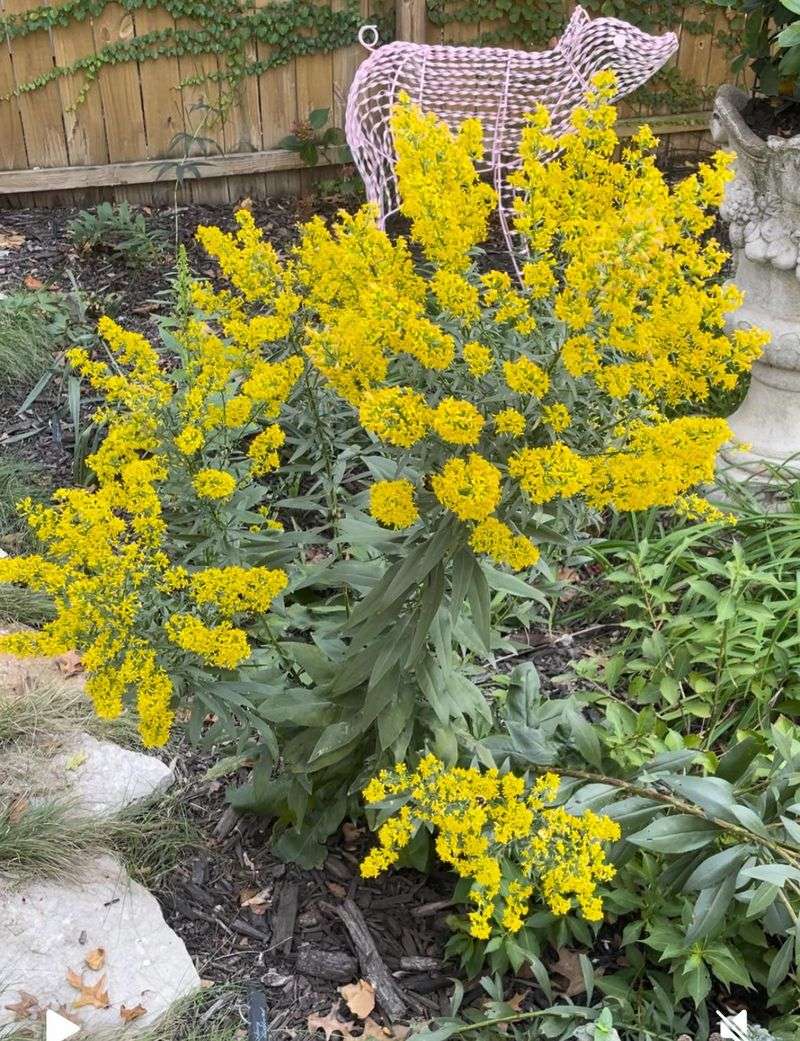
California goldenrod keeps the beneficial-insect buffet open late.
By late summer and fall, many spring flowers have faded, and even some summer annuals are slowing down.
That is exactly when goldenrod becomes valuable. Its arching sprays of tiny yellow flowers can feed hoverflies, bees, small wasps, butterflies, and other insects during a season when fresh nectar is harder to find.
That late bloom window matters for aphid management because beneficial insects need food across the whole season, not only when the garden looks fresh in spring.
California goldenrod grows best in full sun with well-drained soil. Once established, it can handle dry conditions, though first-year plants need steady water while roots develop.
Give it room. Goldenrod can spread by rhizomes and seed, which is useful in a habitat corner but annoying in a tight border. Place it where a patch can expand, or plan to divide clumps and clip seedheads when needed.
Mature plants may reach a few feet tall, depending on water and soil. In richer beds, stems can grow taller and may lean. Leaner soil often keeps growth sturdier.
Goldenrod pollen often gets blamed for allergies, but it is carried mainly by insects rather than wind. That makes the plant a pollinator resource, not the fall villain people often imagine.
Buy from native plant nurseries or trusted local sources so you get a California-appropriate species. Generic goldenrod tags can hide plants with different habits.
Pair goldenrod with native buckwheat, asters, yarrow, or grasses for a late-season border that looks intentional.
For hoverflies, goldenrod is not a quick fix. It is long-game habitat. The flowers help keep adult beneficials active when the garden needs them most.
6. Plant Marigolds Near Aphid Hotspots
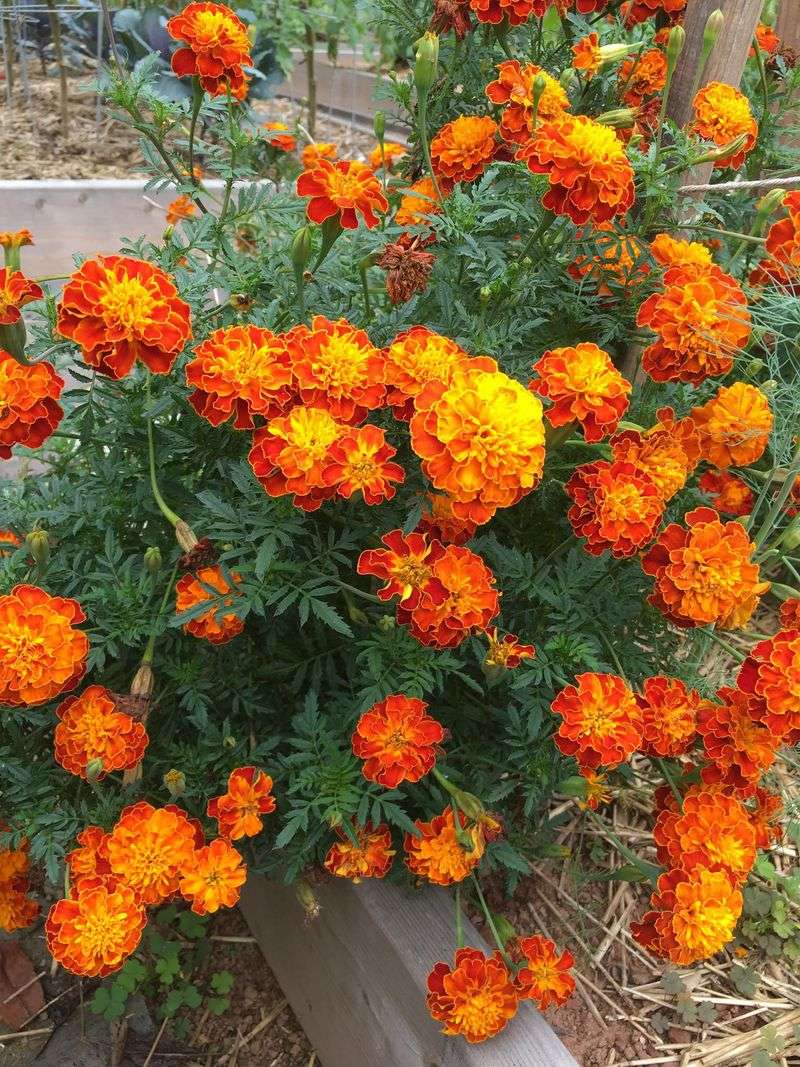
Marigolds have a reputation bigger than the evidence.
They get advertised as pest-repelling superheroes, but that promise is too neat for real gardens. Marigolds do not form a magical barrier around vegetables, and they do not make aphids vanish because they were planted nearby.
That said, they can still earn a place.
Single and semi-double marigolds offer more accessible flowers than dense, pom-pom types. Adult hoverflies can use simpler blooms for nectar and pollen, especially when the flowers sit near aphid-prone crops.
Use marigolds as insectary support, not folklore in flower form.
French marigolds are compact and easy to tuck near tomatoes, peppers, squash, beans, and ornamental borders. They thrive in full sun, bloom for months, and handle California’s warm season with steady color.
Start with transplants for faster flowers or sow seed once the soil warms. Space plants so air can move around them, especially in coastal areas where cool nights and moisture can invite mildew.
Trim regularly to keep blooms coming. More flowers mean more feeding opportunities for adult hoverflies and other beneficial insects.
One caution matters in hot, dry areas. Marigolds can host spider mites, especially when plants are stressed or dusty. Scout the undersides of leaves, and rinse dusty foliage early in the day if mites start building.
Do not let a companion plant become a pest reservoir.
Place marigolds where you can inspect them easily. A plant tucked too deeply into a crowded bed will not get checked often enough.
Marigolds are useful when used honestly: bright flowers, long bloom, accessible food, and good placement near aphid hotspots.
That is enough. They do not need superhero claims to be worth growing.
7. Use Yarrow For Flat Flower Clusters
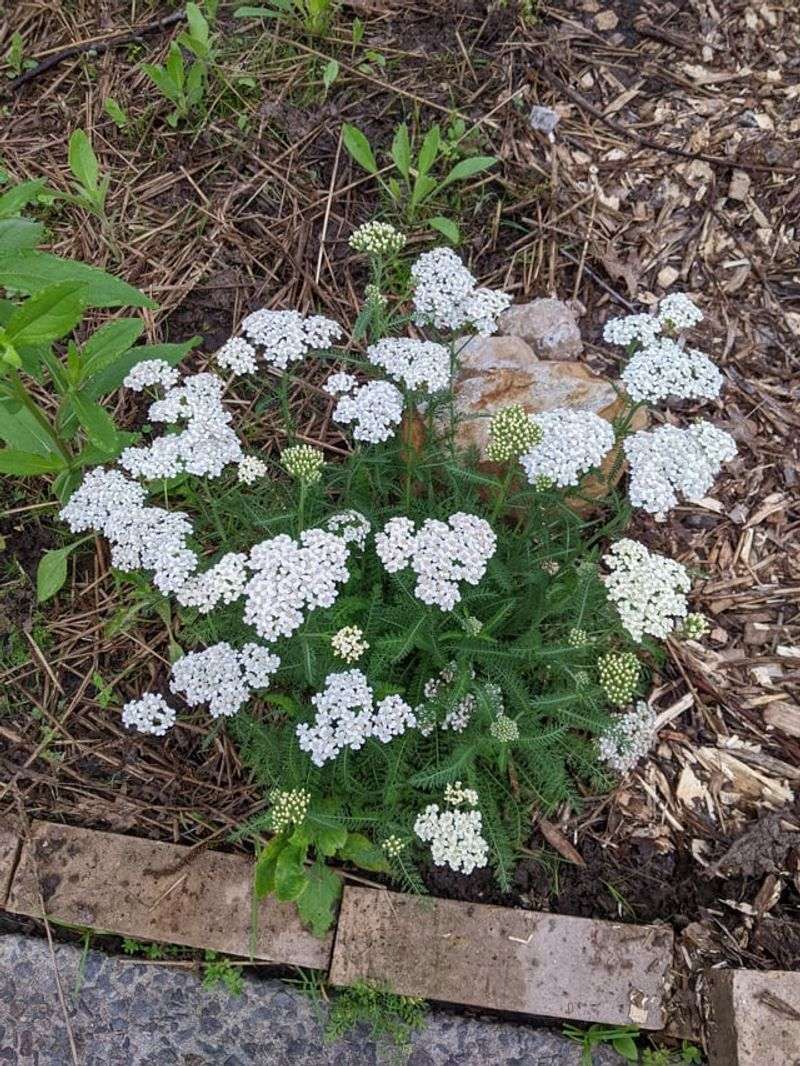
Yarrow understands small insects.
Its flower heads are made of many tiny florets arranged in flat clusters, creating a broad platform where hoverflies can land and feed efficiently. That shape is one of the reasons yarrow keeps showing up in beneficial-insect plantings.
Common yarrow grows across much of California in native and introduced forms, so sourcing matters. If local ecology is part of your goal, look for regionally appropriate native stock from a reputable nursery.
Plant yarrow in full sun with well-drained soil. It handles drought well once established, but it does not enjoy soggy roots or heavy, constantly wet clay.
First-year plants need regular water while roots settle. After that, reduce irrigation and let the plant lean into its dry-garden strengths.
Yarrow can spread by rhizomes, forming widening clumps over time. That is helpful in a border that needs coverage, but it needs management in a small vegetable garden.
Divide clumps every few years to keep them vigorous and in bounds. Pull wandering shoots while they are young if they move into paths or crop rows.
Cut back spent flowers after the main bloom to encourage another flush. A second bloom can extend hoverfly food into a later part of the season.
White and yellow forms are often especially useful for a wide range of beneficial insects because the flowers are easy to see and access. Deeply colored cultivars can still add value if the florets remain open.
Place yarrow at the dry edge of beds, near roses, fruit trees, or vegetables with repeated aphid trouble.
Yarrow is not flashy in the way cosmos can be. It is tougher, flatter, steadier, and extremely practical for a California garden that wants more helpful insect activity with less water.
8. Add Native Buckwheat For Long Bloom
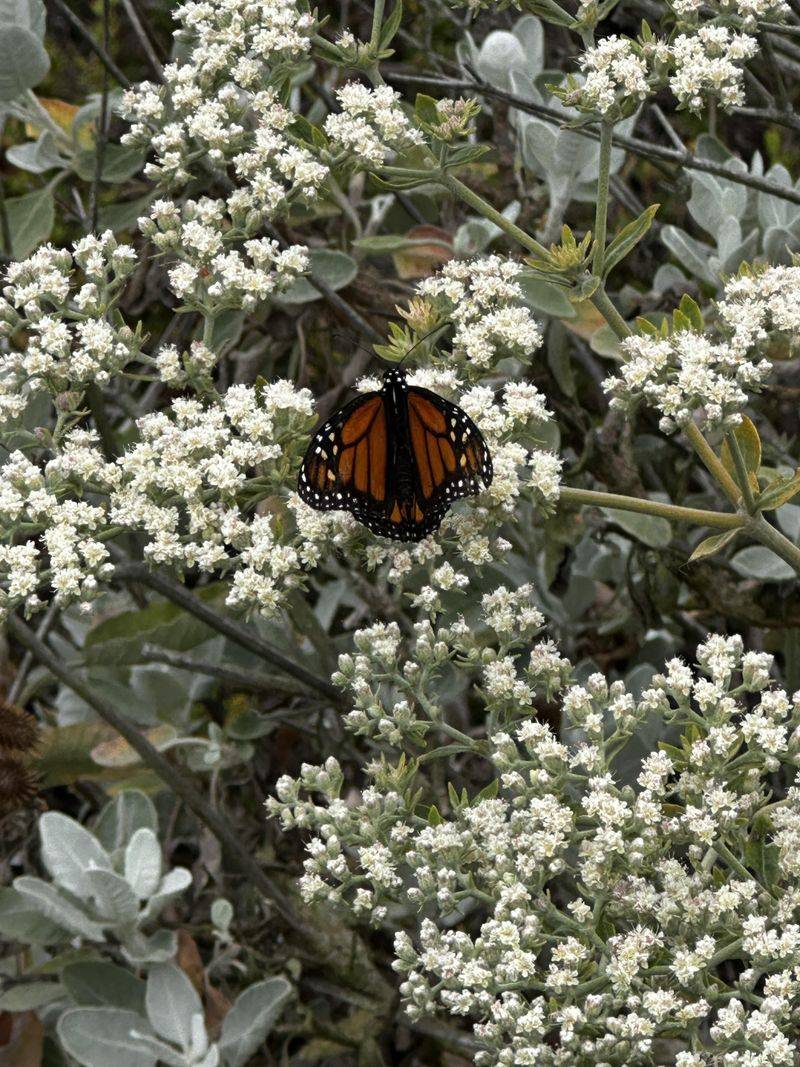
Native buckwheat can turn a dry California garden into an insect magnet.
The flowers are tiny, clustered, and often held in broad heads that stay useful for a long time. Fresh blooms may open white, cream, or pink, then age into rust, tan, or coppery tones that still look beautiful in a dry border.
Hoverflies, bees, small wasps, butterflies, and other beneficial insects may all visit buckwheat. That wide insect traffic makes it one of the strongest habitat plants for low-water California landscapes.
Flat-topped buckwheat is one of the most widely used species, but California has many native buckwheats. The right choice depends on region, soil, elevation, and space.
A coastal garden may suit one species. An inland valley or foothill garden may need another. Ask a native plant nursery or local native plant society chapter before buying.
Most buckwheats need full sun and sharp drainage. Heavy, wet soil can shorten their life fast. Avoid placing them in beds that get frequent vegetable-style irrigation.
Water new plants during the first year so roots establish. Mature plants often need little added water once settled, especially in climates close to their native range.
Give them room. Shrubby types can reach several feet tall and wide, and they look best when allowed to keep their natural shape.
Do not prune them into stiff balls. Light shaping after bloom is usually plenty.
Use buckwheat near aphid-prone crops only if the irrigation zones make sense. It belongs at the dry edge, not in a soggy row.
For hoverflies, buckwheat offers long-season food and structure. For the gardener, it offers beauty that does not beg for water every afternoon.