These 9 California Shrubs Survive Drought And Still Look Amazing
California gardens don’t have to sacrifice beauty to save water. Some shrubs are well adapted to dry conditions and can still provide strong color, texture, and multi-season interest when properly selected and maintained.
These resilient plants are adapted to hot summers, low rainfall, and challenging soils, and they generally maintain healthy structure even when conventional landscapes struggle.
With the right plant choices and proper establishment care, you can significantly reduce watering needs.
Also, lower maintenance demands and maintain an attractive landscape. Many drought-tolerant shrubs also attract pollinators, provide privacy, and add structure to outdoor spaces.
They work in small yards, large landscapes, and everything in between. If you’re tired of watching plants wilt during dry spells, it’s time to plant smarter.
These California shrubs show that a water-wise garden can remain visually appealing through most of the growing season while using far less water.
1. California Lilac (Ceanothus spp.)
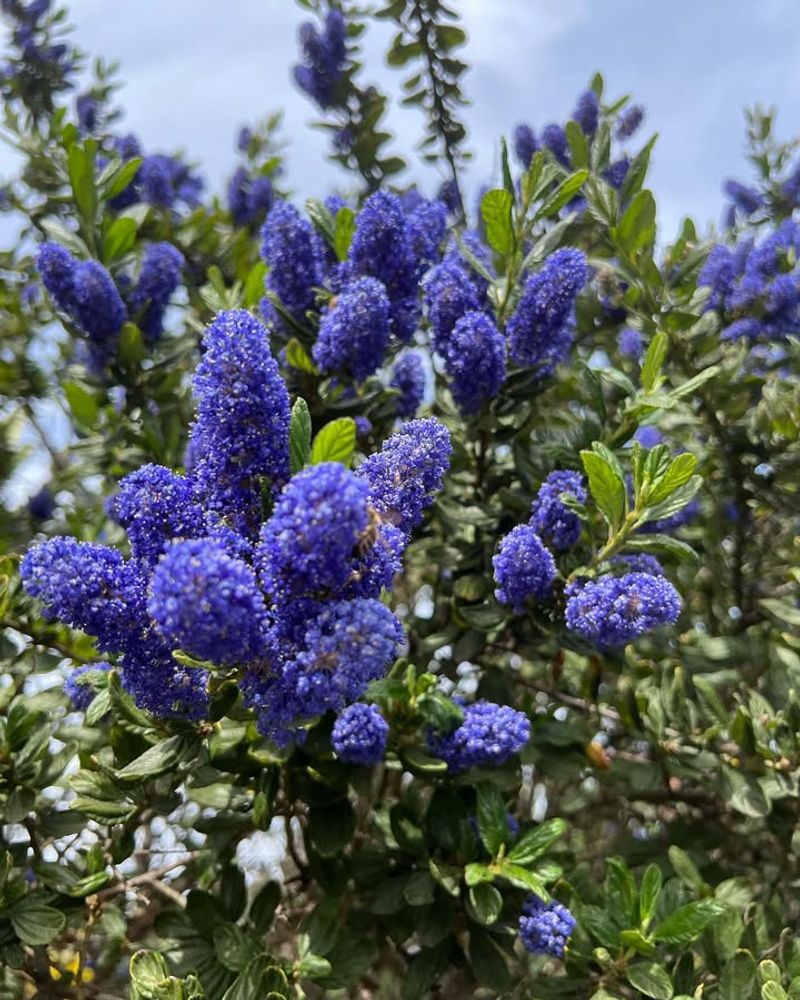
When your yard needs a reliable spring showstopper that doesn’t demand weekly watering, California Lilac delivers stunning blue flower clusters that rival any thirsty ornamental.
Once established, many California lilac varieties can survive primarily on natural rainfall in suitable climates, though occasional deep watering may be beneficial during extreme heat or prolonged drought.
Its deep root system taps into moisture reserves that shallow-rooted plants can’t reach.
California Lilac prefers full sun and excellent drainage and generally performs best when summer watering is limited and carefully managed. Overwatering causes root rot, so resist the urge to pamper it.
Coastal and inland varieties exist, so choose cultivars suited to your microclimate. Pruning right after flowering keeps plants compact and encourages next year’s blooms.
Beyond drought tolerance, this shrub attracts native bees, butterflies, and hummingbirds, turning your yard into a wildlife haven. The evergreen foliage provides year-round structure even after flowers fade.
Heights range from groundcover types at two feet to large screening shrubs reaching twelve feet tall. Plant it on slopes for erosion control or use smaller varieties as foundation plantings.
Your neighbors will ask how you keep it looking so lush without constant watering.
2. Manzanita (Arctostaphylos spp.)
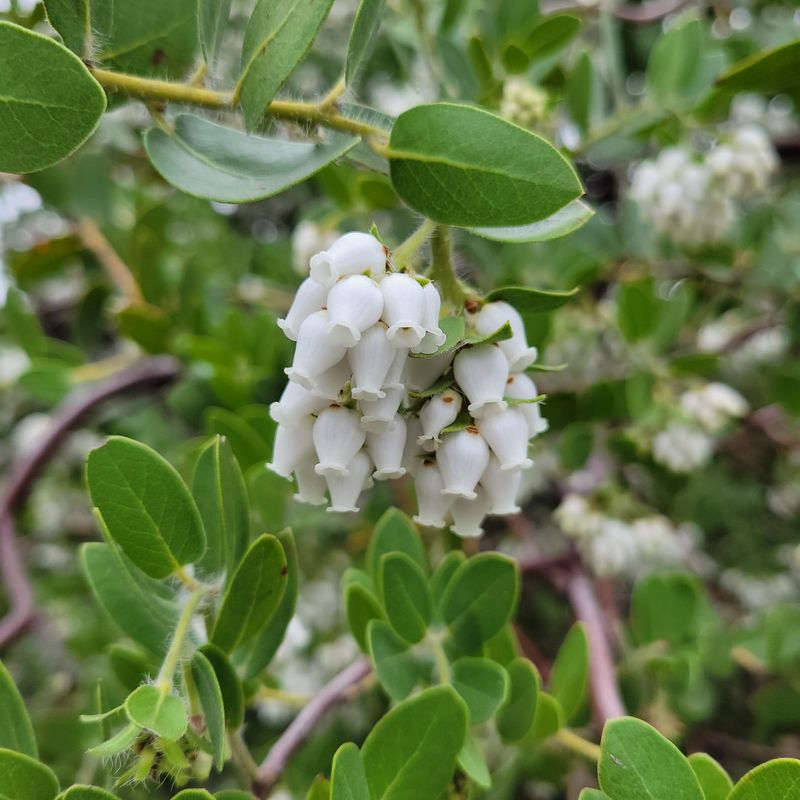
Bare spots in your yard that get blasted by afternoon sun need something tougher than typical garden center offerings. Manzanita handles California’s harshest conditions with sculptural beauty that actually improves with age.
The smooth mahogany bark catches light beautifully and provides winter interest when other plants look dormant.
This shrub evolved in California’s Mediterranean climate and expects long, dry summers.
Water it regularly during establishment, then reduce irrigation significantly once roots are established, providing occasional deep watering only during extreme drought or heat stress.
Manzanita grows in sandy, rocky, or clay soils as long as drainage stays sharp. Full sun brings out the best foliage color and flower production.
Avoid fertilizers and heavy mulch around the base, which can cause fungal problems.
Delicate pink or white bell-shaped flowers appear in winter through early spring, feeding hummingbirds when little else blooms. Berries follow in summer, providing food for birds and small mammals.
Varieties range from low groundcovers perfect for slopes to upright shrubs reaching fifteen feet. The twisted branch structure creates natural garden art that improves your curb appeal without any fussing.
Manzanita proves that drought-tolerant doesn’t mean boring or utilitarian.
3. Toyon (Heteromeles arbutifolia)
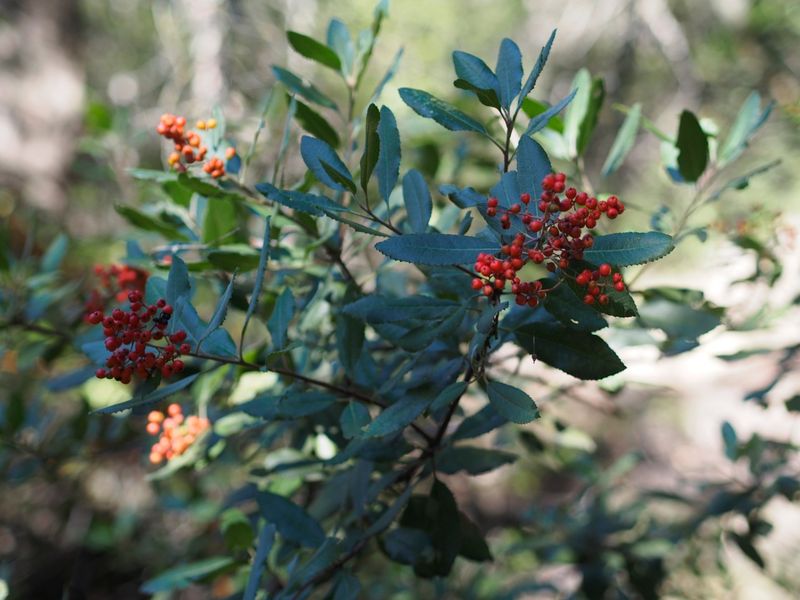
If your yard needs reliable screening that stays attractive through summer heat and winter cold, Toyon delivers four-season interest without demanding irrigation.
This California native earned the nickname “Christmas Berry” for its brilliant red berries that ripen during winter holidays.
Birds flock to these fruits, making your yard a wildlife destination when natural food sources run scarce.
Toyon adapts to both coastal fog and inland heat, thriving in full sun to part shade.
Once established, Toyon can tolerate long dry periods and often survives primarily on rainfall in many California regions, though supplemental watering may be helpful during extreme heat.
The evergreen leaves stay glossy and dark green year-round, providing dense coverage for privacy or windbreaks.
White flower clusters typically appear from late spring into early summer, contrasting beautifully against the foliage before transforming into those famous berries.
This shrub tolerates clay soil, rocky hillsides, and neglect better than most landscaping plants. Pruning shapes it into a small tree or keeps it bushy as a hedge.
Heights reach six to ten feet with similar spread, filling spaces that need substantial presence. Toyon requires virtually no maintenance once roots establish, making it perfect for homeowners who want great looks without weekend yard work.
The combination of flowers, berries, and evergreen foliage means your yard never looks bare or seasonal.
4. Coffeeberry (Frangula californica)
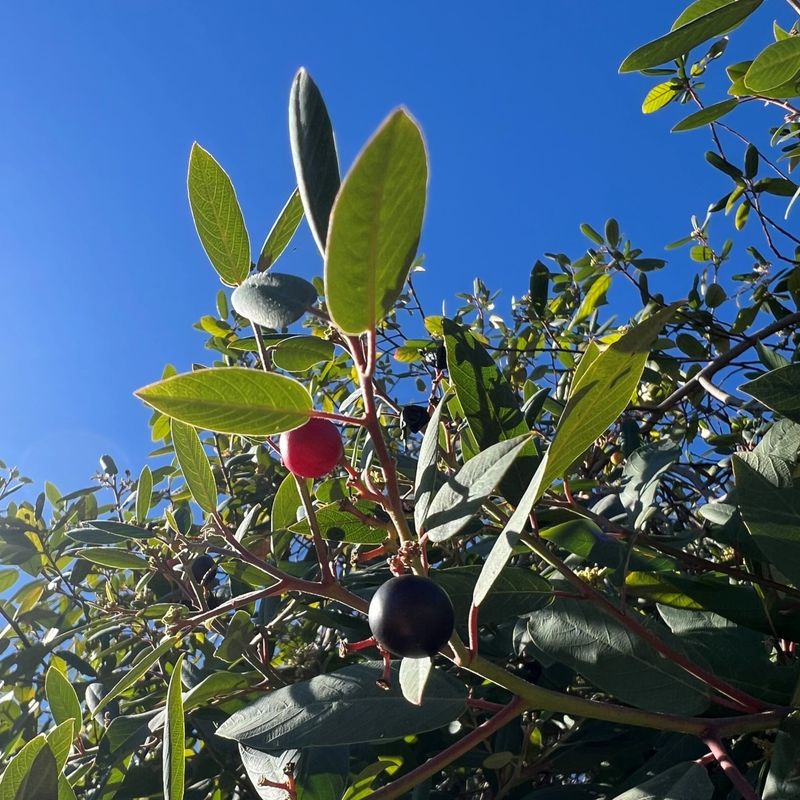
Shady spots under trees or along north-facing walls often become problem areas where nothing seems to thrive. Coffeeberry solves this challenge by tolerating both shade and drought once established.
The glossy leaves look healthy and vibrant even during peak summer heat, while berries transition through green, red, and finally black stages, creating a changing color display.
This adaptable native grows equally well in full sun or partial shade, though shadier spots need even less water. Coffeeberry handles clay or sandy soils and doesn’t mind coastal conditions or inland valleys.
Established plants are highly drought tolerant and often rely primarily on rainfall in coastal and mild climates, though periodic deep watering can improve performance in hotter inland areas.
The berries attract numerous bird species, which spread seeds and bring movement to your yard throughout the year.
Compact cultivars stay around four feet tall, perfect for foundation plantings or low hedges. Larger varieties reach eight feet, providing mid-height screening without blocking views entirely.
The dense branching structure fills in gaps naturally without constant pruning. Coffeeberry works beautifully as an understory shrub beneath oaks or as a transition plant between lawn areas and wild spaces.
Homeowners appreciate how it looks intentional and well-maintained despite requiring almost no care beyond occasional shaping. The combination of shade tolerance and drought survival makes it invaluable for difficult yard areas.
5. Cleveland Sage (Salvia clevelandii)
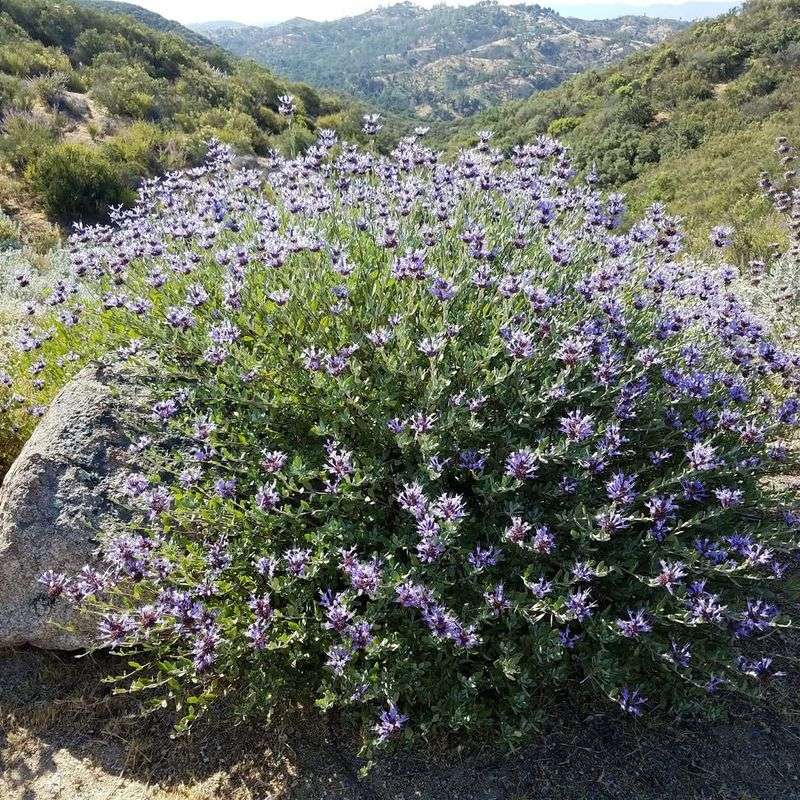
Hot, dry slopes and hellstrip areas between sidewalks and streets challenge even dedicated gardeners. Cleveland Sage thrives exactly where other plants wither, producing fragrant gray-green foliage and stunning purple-blue flower spikes.
The aromatic leaves release scent when brushed, adding sensory appeal to pathways and seating areas.
This sage evolved in Southern California’s driest regions and actually declines with too much water or rich soil. Plant it in full sun with fast-draining soil, then leave it alone after establishment.
Excessive summer irrigation can contribute to root problems, so watering should be infrequent and deep rather than frequent and shallow. The compact mounding form reaches three to five feet tall and wide, creating neat shapes without constant trimming.
Hummingbirds and butterflies mob the flower spikes from late spring through summer, providing entertainment and supporting local pollinator populations.
The silvery foliage contrasts beautifully with darker green plants, adding textural variety to landscapes.
Cleveland Sage works perfectly in rock gardens, Mediterranean-style plantings, or as a low-maintenance groundcover on banks. Prune lightly after flowering to maintain shape and encourage bushiness.
Your yard will look intentionally designed rather than struggling, even during the driest months. The fragrance alone makes this shrub worth planting near outdoor living spaces where you’ll brush against it regularly.
6. California Buckwheat (Eriogonum fasciculatum)
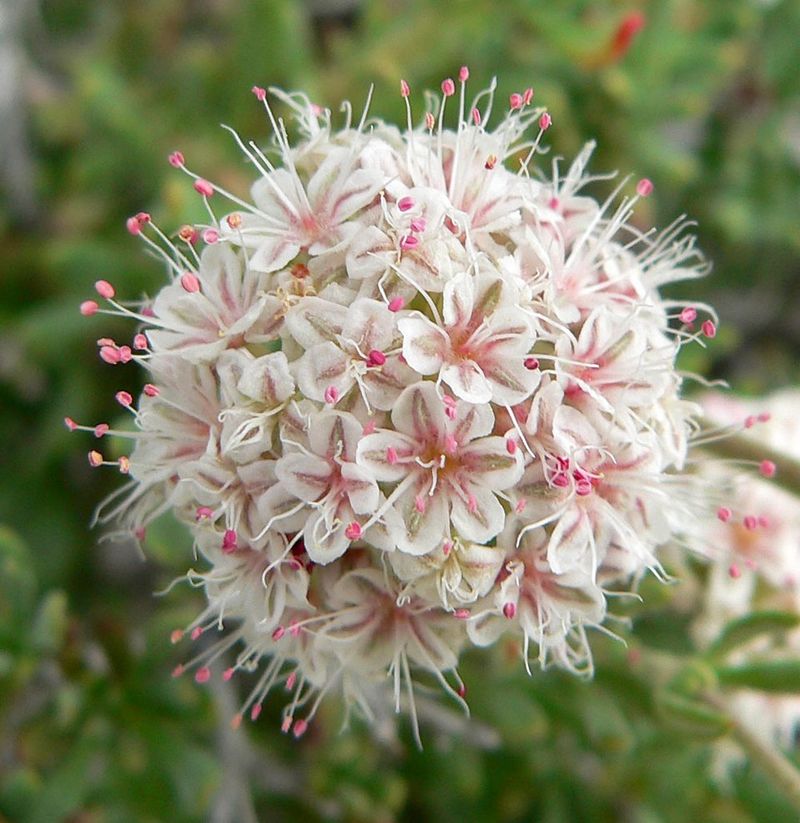
When water bills spike and guilt about irrigation sets in, California Buckwheat proves that beautiful landscapes don’t require constant watering.
This workhorse native blooms for months, transitioning from white to pink to rust-colored flowers that provide continuous visual interest.
Pollinators visit from spring through fall, making your yard a biodiversity hotspot.
California Buckwheat grows throughout the state in full sun and well-drained soil. It handles coastal conditions, inland heat, and everything between with equal ease.
Once established, California Buckwheat typically requires very little supplemental water and can tolerate extended dry periods. The small, narrow leaves stay evergreen, maintaining structure through winter.
This shrub actually looks better with neglect than with pampering, making it perfect for busy homeowners.
Heights range from one to three feet depending on variety and growing conditions, with wider spreads creating groundcover effects. Use it on slopes for erosion control or mass plant it for low-maintenance meadow effects.
California Buckwheat works beautifully as edging along paths or filling gaps between larger shrubs. The flowers dry beautifully on the plant, adding winter interest and feeding birds seeking seeds.
Light pruning or selective deadheading after flowering can help maintain shape, but heavy cutting into older woody growth should be avoided.
Your yard will look intentionally wild and naturalistic rather than neglected, even during the hottest, driest months when conventional landscaping struggles.
7. Island Snapdragon (Gambelia speciosa)
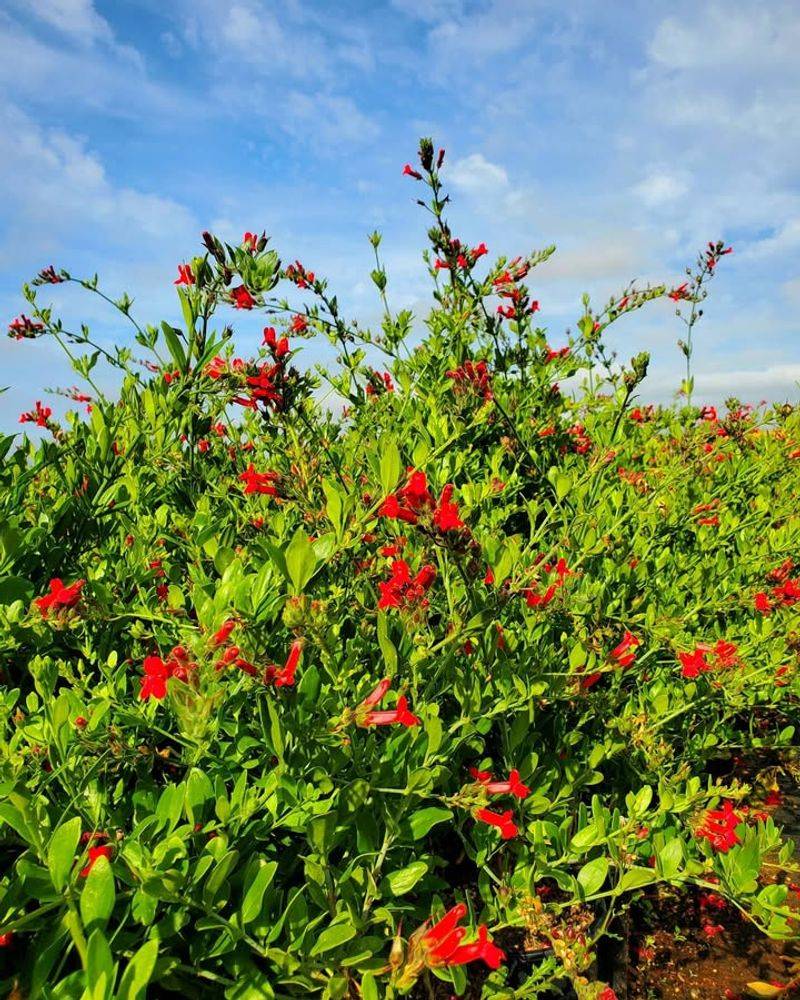
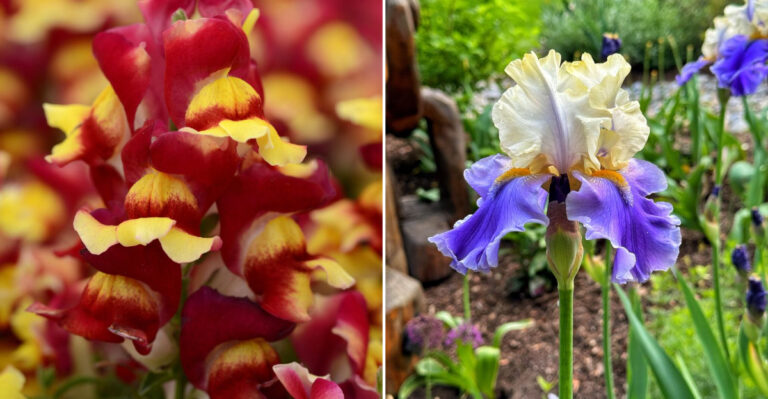
Blank walls and fences often sit bare because climbing plants either need constant water or become invasive nightmares. Island Snapdragon offers a California native solution with sprawling stems covered in brilliant red tubular flowers.
Hummingbirds seek out these blooms specifically, hovering at eye level where you can watch them feed.
This shrubby perennial thrives in full sun to light shade with excellent drainage. It naturally drapes over walls, spills from containers, or sprawls across slopes.
Established plants are drought tolerant and often perform well with minimal irrigation, though inland gardens may benefit from occasional deep watering during hot periods.
The semi-evergreen foliage stays attractive most of the year, with peak flowering from spring through fall.
Island Snapdragon tolerates salt spray near the coast and handles inland heat with equal success.
Growth typically ranges from one to four feet tall, with a wider spreading or cascading habit that can extend several feet. The informal growth habit looks relaxed and naturalistic rather than rigid or controlled.
Prune back by one-third after the main bloom period to encourage bushiness and more flowers. This plant works beautifully in butterfly gardens or wildlife-friendly landscapes.
Island Snapdragon proves that drought-tolerant natives can provide the color and drama typically associated with water-hungry ornamentals, all while supporting local ecosystems and reducing your environmental footprint.
8. Bush Anemone (Carpenteria californica)
Shaded areas under eaves or north-facing garden beds often become forgotten spaces where nothing special happens.
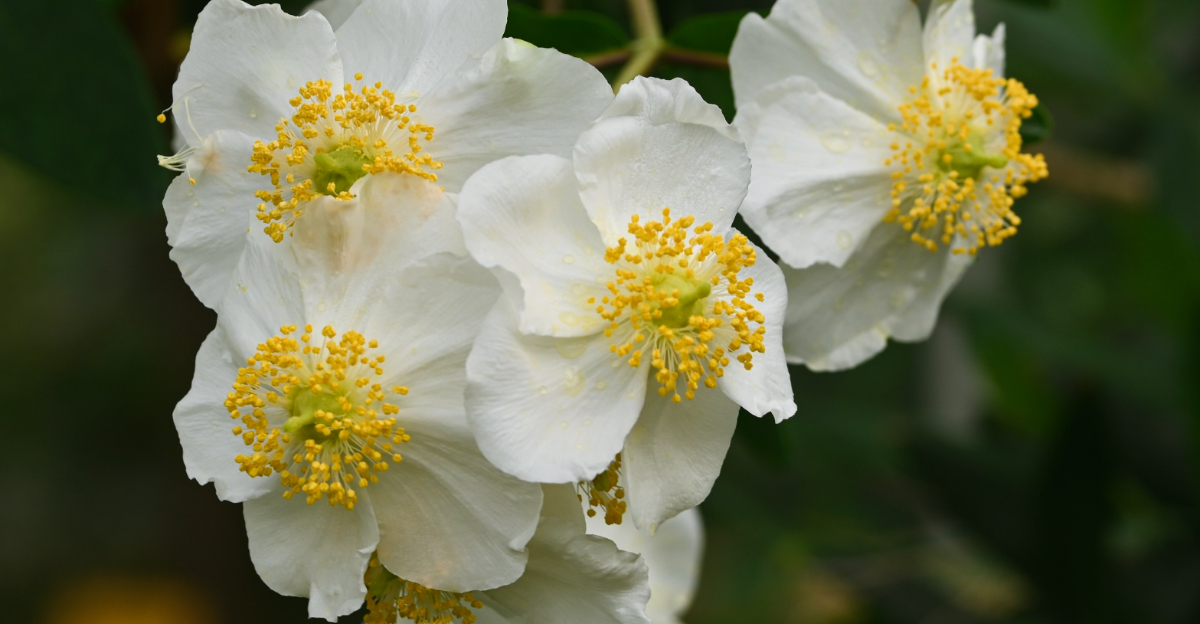
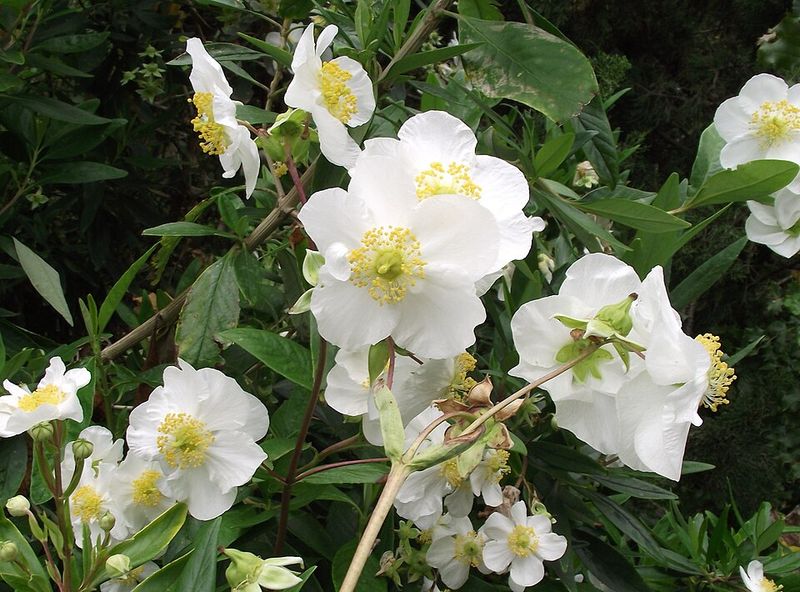
Bush Anemone transforms these spots with spectacular white flowers that look almost tropical despite being California native.
The large blooms feature prominent yellow stamens and appear in late spring, brightening areas that typically fade into the background.
This rare native grows naturally in a small area of the Sierra Nevada foothills but adapts well to gardens throughout California. It prefers afternoon shade, especially inland, and needs good drainage like most natives.
Established plants are drought tolerant but often perform best with occasional deep watering during hot, dry periods, especially inland.
The evergreen foliage stays glossy and attractive year-round, providing structure between bloom periods.
Bush Anemone reaches four to six feet tall with similar spread, creating substantial presence without overwhelming smaller gardens. The upright form works well as a specimen plant or mixed into shrub borders.
Fragrant flowers attract native bees and other beneficial insects. This shrub tolerates clay soil better than many natives and handles occasional deep watering during establishment.
Prune lightly after flowering to shape plants and remove any frost-damaged tips. Your shaded areas will finally have a showpiece plant that looks intentional and special rather than just tolerating difficult conditions.
Bush Anemone proves that drought-tolerant doesn’t mean sacrificing flower power.
9. Lemonade Berry (Rhus integrifolia)
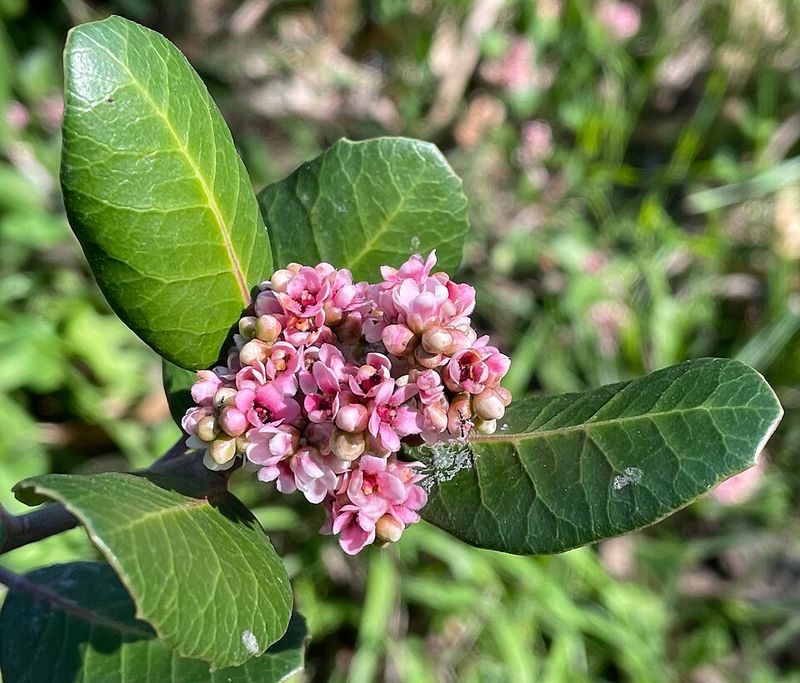
Coastal properties face unique challenges with salt spray, wind, and sandy soil that defeat typical landscaping plants. Lemonade Berry evolved specifically for these conditions, creating dense evergreen screens that block wind while tolerating ocean exposure.
The thick, leathery leaves stay glossy year-round, and clusters of small white to pink flowers appear in spring.
This native shrub thrives in full sun along the coast and tolerates both sandy and clay soils. It handles drought very well once established and typically needs little to no supplemental irrigation in mild coastal climates, depending on site conditions.
Inland, it appreciates afternoon shade and occasional deep watering during extreme heat. The dense branching structure provides excellent privacy screening and windbreaks.
Red berries follow flowers, attracting birds and adding seasonal color.
Lemonade Berry grows six to ten feet tall with similar spread, creating substantial presence for property boundaries or background plantings. The common name comes from early uses of the tart berries for making a lemonade-like beverage.
Modern landscapers value it for low maintenance and reliable performance in difficult coastal conditions. Prune to shape or control size, but the natural form looks attractive without constant intervention.
This shrub proves invaluable for coastal homeowners who want year-round greenery without fighting salt damage or spending weekends on yard maintenance.
Your property will look intentionally landscaped and well-established rather than struggling against environmental challenges.