These 7 Cold-Hardy Vegetables Thrive In Oregon’s Cool Climate
Oregon’s cool climate can be perfect for growing vegetables that don’t mind a chill in the air.
While some plants struggle when temperatures drop, there are plenty of vegetables that actually thrive in cooler conditions, producing crisp, flavorful harvests even when it’s brisk outside.
You don’t need a heated greenhouse or complicated setup to enjoy a productive garden. Cold-hardy vegetables are tough, forgiving, and often more resilient than their warm-weather counterparts.
From leafy greens to root vegetables, these plants can handle frost, wind, and fluctuating temperatures while still providing fresh, homegrown goodness.
Even if you’ve struggled with vegetables wilting or failing in early spring or late fall, choosing the right varieties can make all the difference.
Some grow quickly, others store well, and many can be harvested multiple times during the season, making them perfect for small spaces and busy gardeners alike.
Let’s take a look at seven cold-hardy vegetables that are particularly well-suited to Oregon gardens. With the right choices, you can extend your growing season, enjoy fresh produce for longer, and make the most of Oregon’s cool, inviting climate.
1. Kale
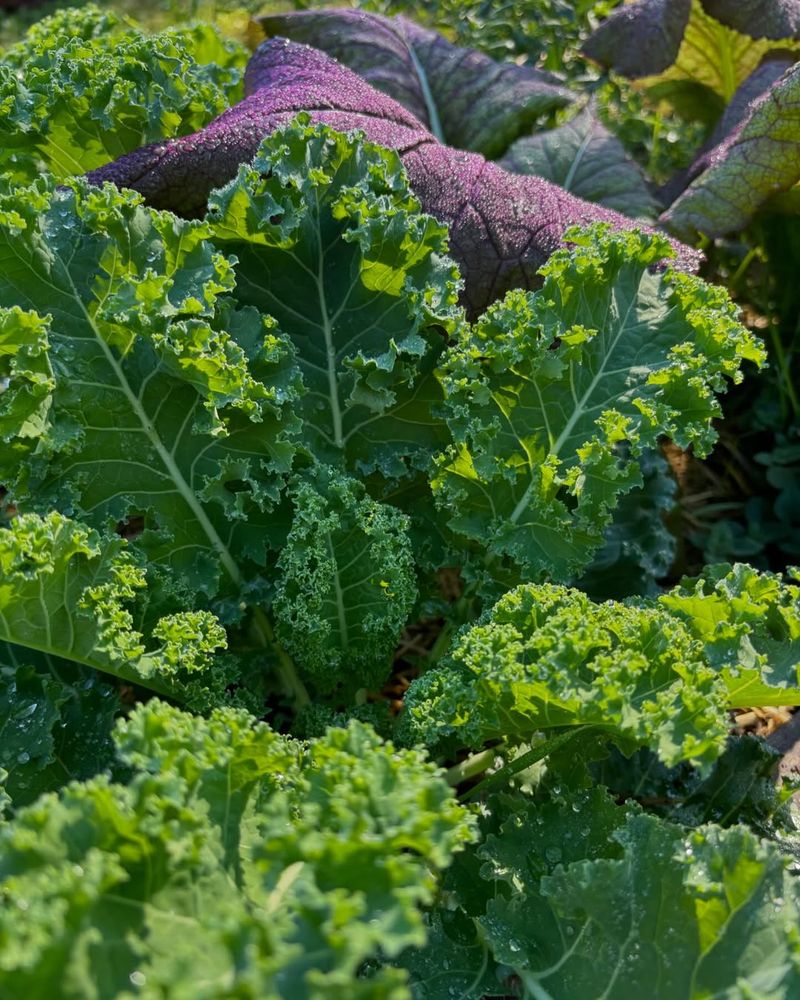
Picture this: frost blankets your garden beds in November, and while your basil has turned to mush, one crop stands tall and unbothered. That leafy green powerhouse loves Oregon’s cool weather so much that frost actually makes it taste sweeter.
The cold triggers the plant to convert starches into sugars, giving you the most flavorful leaves of the season.
Plant your kale seeds directly in the ground from March through May for spring harvests, or start a second round in August for fall and winter picking. The soil only needs to reach about 45 degrees for germination, which happens early in Oregon.
Space plants about 12 to 18 inches apart in rows, and they’ll grow into sturdy bushes that keep producing for months.
You can harvest outer leaves as needed while the center keeps growing, making it one of the most productive vegetables for small spaces.
Many Oregon gardeners tuck kale plants into flower beds or along pathways because they’re attractive enough to double as ornamentals.
Varieties like Lacinato and Red Russian handle our wet winters beautifully and rarely need protection unless temperatures dip into the teens. Your kale will keep delivering fresh greens long after other crops have called it quits for the season.
2. Spinach
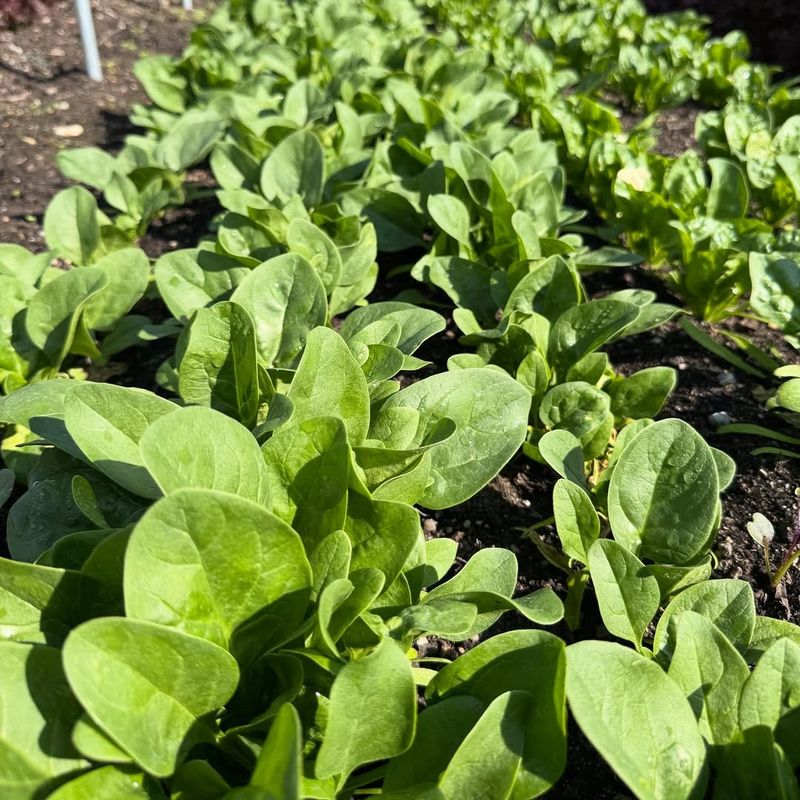
Walk through any Oregon farmers market in April, and you’ll see bundles of tender spinach leaves everywhere. There’s a reason for that timing: spinach absolutely thrives when daytime temperatures hover in the 50s and 60s.
Once summer heat arrives, this crop bolts and turns bitter, but during our cool springs and falls, it grows lush and sweet with minimal effort.
Direct seed spinach into your garden beds as early as late February if the soil isn’t frozen solid. The seeds can germinate in soil temperatures as low as 40 degrees, giving you a head start on the growing season.
For continuous harvests, plant new rows every two weeks through April, then start again in late August for your fall crop.
Spinach grows fast in Oregon’s spring conditions, often ready to harvest in just 40 days from seeding. You can snip baby leaves for salads or wait for full-sized plants to cut at the base.
The plants don’t mind our spring rains and actually prefer consistent moisture over dry spells. Many Oregon gardeners grow spinach in containers on covered porches to keep the leaves cleaner during wet weather.
If you cover your fall planting with a simple row cover when November frosts arrive, you can harvest fresh spinach well into December and sometimes beyond.
3. Broccoli
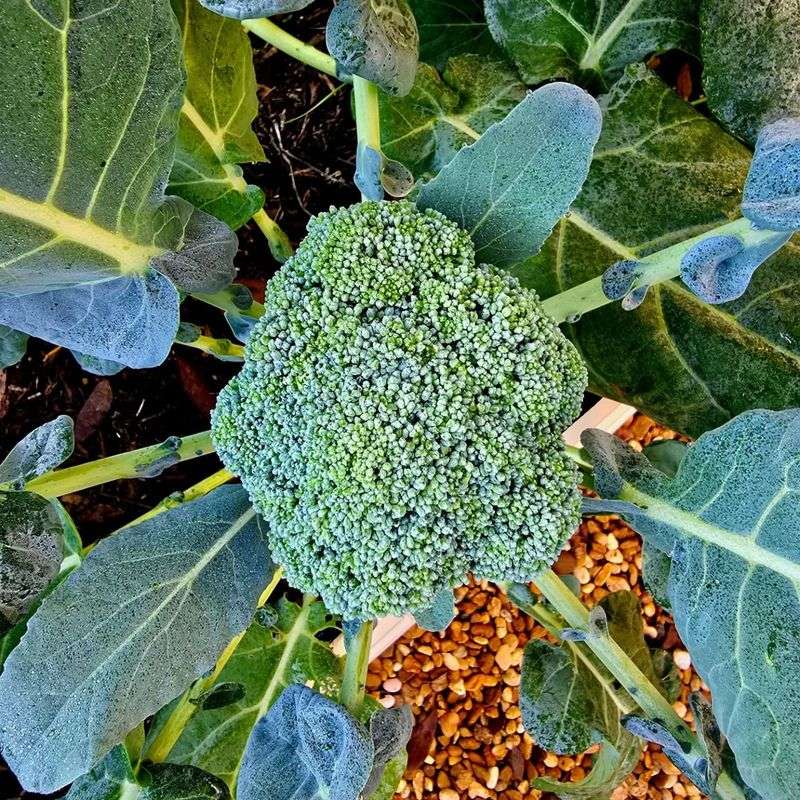
Few vegetables look as triumphant in a spring garden as a perfectly formed broccoli head catching the morning light. But timing is everything with this crop because it needs cool weather to develop those tight, delicious florets.
Plant too late and summer heat makes the heads open too quickly, leaving you with yellow flowers instead of dinner.
Start broccoli seedlings indoors in February or buy transplants from local nurseries in March. Set them out when they’re about six weeks old, spacing them 18 inches apart in your richest soil.
Broccoli is a heavy feeder, so work compost into the bed before planting and side-dress with organic fertilizer when plants are actively growing.
The main head typically forms about 60 to 80 days after transplanting, depending on the variety. Once you harvest that central crown, don’t pull the plant out.
Smaller side shoots will keep developing for weeks afterward, giving you a second and sometimes third harvest from the same plant.
Oregon’s mild springs give broccoli plenty of time to mature before summer arrives, and fall plantings often produce even better than spring crops.
Set out transplants in late July or early August, and you’ll harvest beautiful heads in October and November when grocery store produce prices are climbing.
4. Carrots
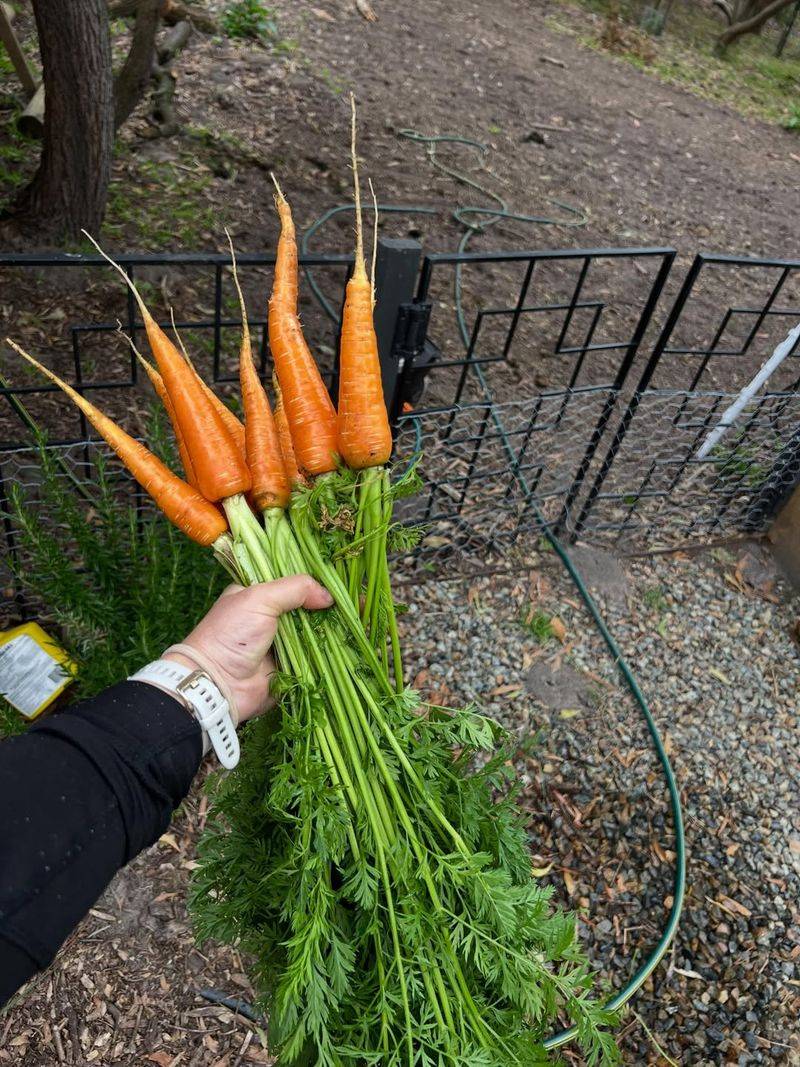
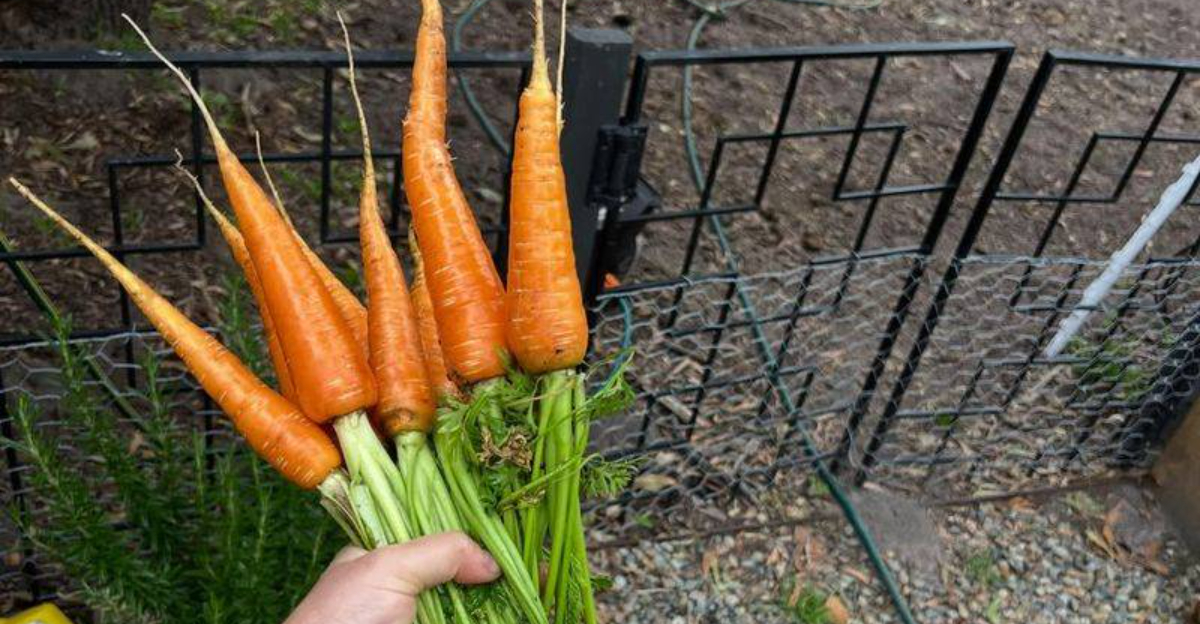
Something magical happens underground while Oregon’s cool spring rains soak your garden beds. Carrot roots push deeper into the soil, developing sweetness and crunch that store-bought versions rarely match.
These root vegetables actually prefer growing in cooler temperatures, and they’ll sit happily in the ground through light frosts without any damage.
Sow carrot seeds directly into loose, rock-free soil from March through July in most Oregon locations. The tiny seeds need consistent moisture to germinate, which our spring weather provides naturally.
Thin seedlings to about two inches apart once they’re a few inches tall, even though it feels wasteful. Crowded carrots grow crooked and stunted, while properly spaced ones develop straight and thick.
Carrots take their time, usually needing 70 to 80 days to reach full size, but you can start harvesting baby carrots earlier if you’re impatient. The flavor improves dramatically after a few light frosts in fall, making October and November the best months for harvesting your main crop.
Many Oregon gardeners leave carrots in the ground through winter, mulching the bed with straw and pulling roots as needed. This works beautifully west of the Cascades where the soil rarely freezes solid.
Carrots store themselves perfectly in cool soil while staying crisp and sweet.
5. Peas
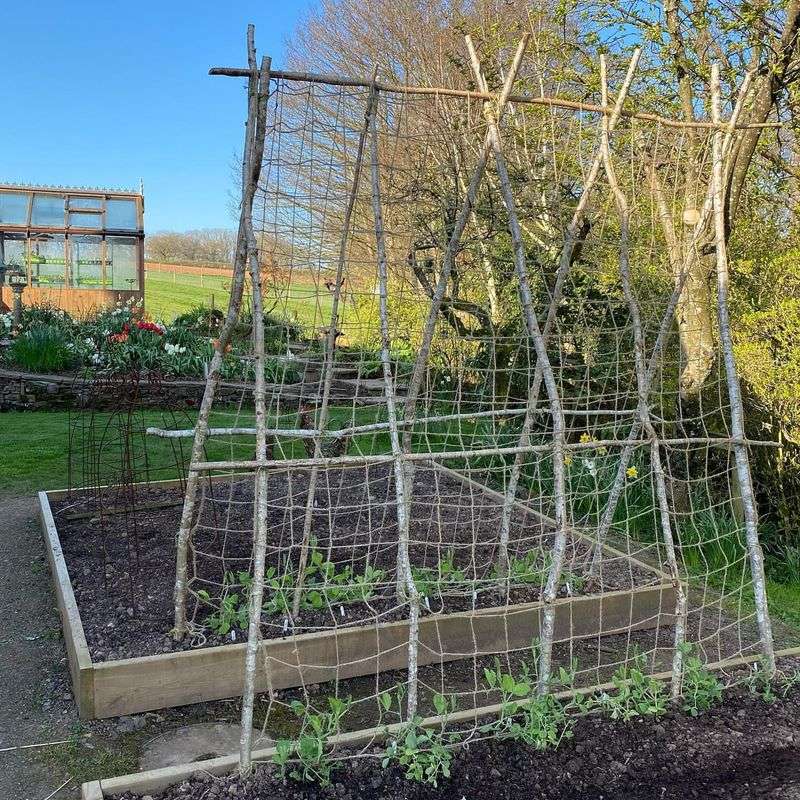
Ask any longtime Oregon gardener about their favorite spring ritual, and many will mention planting peas on St. Patrick’s Day.
This tradition works perfectly here because pea seeds can germinate in cold soil and the plants actually struggle once temperatures climb into the 70s.
Those sweet, crisp pods you pick in May and June come from seeds you planted when winter was barely over.
Direct seed peas into your garden beds from mid-February through April, depending on your location and how wet the soil is. The seeds can rot in waterlogged ground, so wait until your beds drain reasonably well.
Plant seeds about an inch deep and two inches apart, then set up trellises or supports right away. Even bush varieties grow better with something to lean against.
Peas fix nitrogen in the soil while they grow, actually improving your garden beds for whatever you plant next.
The plants bloom with delicate flowers before setting pods, and you’ll need to check daily once harvesting starts because peas go from perfect to overripe quickly.
Oregon’s cool springs give you a longer harvest window than gardeners in warmer climates get.
Plant snap peas if you want to eat pods and all, or choose shelling peas for that classic spring experience of popping fresh peas straight from the pod into your mouth.
6. Swiss Chard
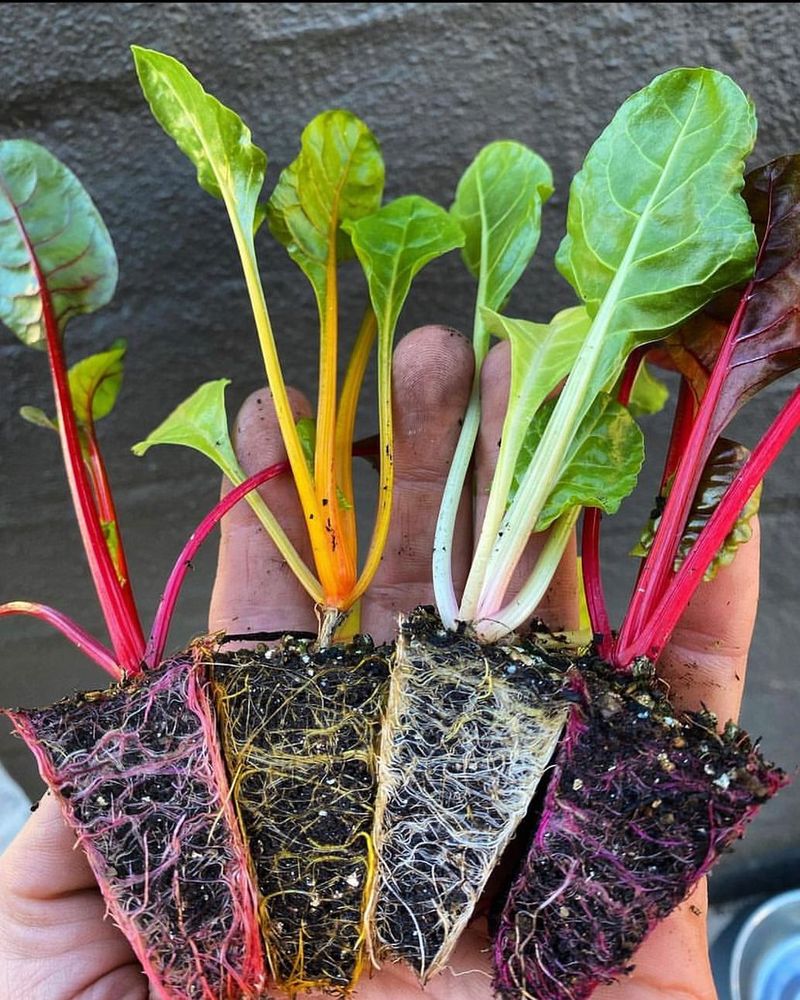
Imagine a vegetable that looks stunning enough for your front yard landscaping while producing armloads of nutritious greens for months on end.
Bright stems in shades of red, orange, yellow, and pink rise from dark green leaves, creating a rainbow effect that makes your neighbors stop and ask questions.
Beyond its beauty, chard handles Oregon’s cool weather like a champion and keeps growing through conditions that would stop most other greens.
Plant chard seeds directly in the garden from April through July, or start transplants indoors for an earlier harvest.
Each wrinkled seed is actually a cluster of several seeds, so you’ll need to thin seedlings even if you space them carefully.
Give mature plants about 12 inches of space in all directions, and they’ll grow into substantial bunches that produce for six months or longer.
Harvest outer leaves by cutting them near the base, and the center will keep pushing out new growth week after week. Unlike spinach, chard doesn’t bolt in summer heat, and it also tolerates fall frosts beautifully.
Many Oregon gardeners plant one crop in spring and harvest from the same plants all the way through Thanksgiving. The colorful stems hold up well in our fall rains, and the plants rarely have pest problems.
Chard works perfectly in that awkward spot between your flowers and vegetables where you want something productive but also attractive.
7. Cabbage
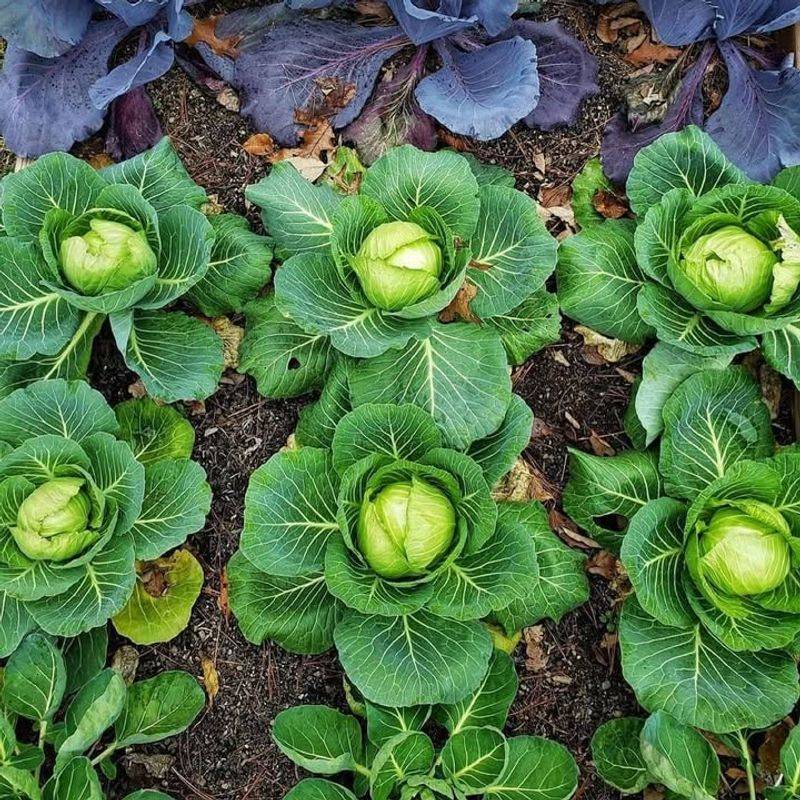
There’s something deeply satisfying about growing your own cabbage heads, watching them transform from tiny transplants into solid, weighty globes that barely fit in your harvest basket.
This old-fashioned crop thrives in Oregon’s cool, moist climate and stores beautifully after harvest, making it practical and rewarding.
Cabbage handles light frosts without complaint and actually develops better flavor when grown in cooler temperatures.
Start cabbage from transplants rather than seeds unless you’re very patient. Set plants out in March or April for summer harvest, spacing them about 18 inches apart in nutrient-rich soil.
For fall crops, transplant in July or early August. Cabbage needs consistent water and fertility to form tight heads, so mulch around plants and side-dress with compost or organic fertilizer mid-season.
Watch for cabbage worms, those small green caterpillars that blend perfectly with the leaves. Covering plants with lightweight row cover prevents moths from laying eggs, or you can hand-pick worms if you check regularly.
Harvest when heads feel solid and heavy, cutting at the base with a sharp knife. If you leave the roots and outer leaves in place, many varieties will produce several smaller secondary heads.
Fall-harvested cabbage stores for months in a cool garage or basement, giving you homegrown coleslaw ingredients well into winter. Oregon’s climate produces some of the best cabbage on the West Coast.