These 9 Cold-Tolerant Flowers Thrive In Oregon’s Early Spring
Early spring in Oregon can feel a little unpredictable. One day brings sunshine and the next might come with chilly mornings, rain, or even a surprise cold snap.
That kind of weather can make planting flowers feel like a gamble, especially if you’re eager to get some color back into the garden after winter.
The good news is that some flowers actually love these cool conditions. In fact, many early bloomers perform best in the crisp temperatures that arrive before true spring warmth settles in.
While other plants wait patiently for steady sunshine, these tough bloomers are already putting on a show.
Plant the right varieties and your garden can start looking lively weeks earlier than expected. Bright petals, fresh greenery, and hardy growth make it possible to enjoy a cheerful garden even while the season is still warming up across Oregon.
1. Dianthus
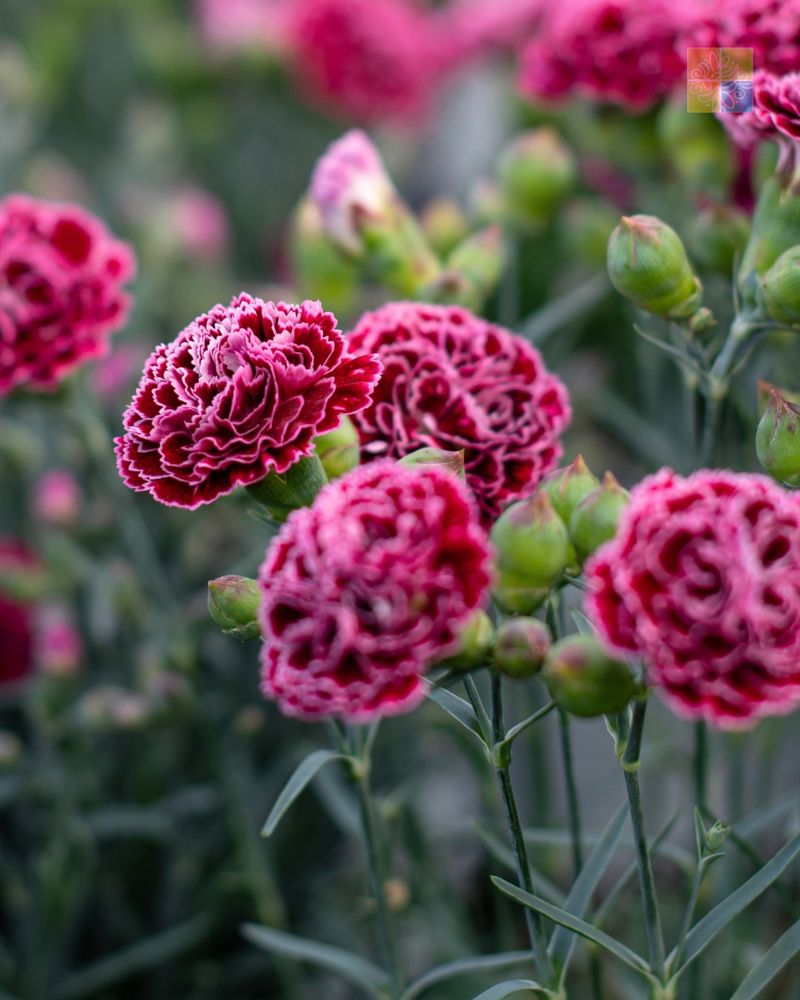
Few flowers pack as much personality into such a small package as Dianthus. These compact, spicy-scented bloomers come in shades of pink, red, white, and bicolor, making them one of the most eye-catching choices for Oregon’s early spring garden.
They are sometimes called “pinks” because of their frilly, pinked-edge petals, not just their color.
Dianthus thrives in cool weather, which makes it a perfect match for Oregon’s unpredictable spring temperatures. Plant them in a spot that gets at least six hours of sunlight, and make sure the soil drains well.
They don’t like sitting in wet soil for too long, so raised beds or containers work great if your yard tends to stay soggy after rain.
One fun fact about Dianthus is that it has been grown in gardens for over 2,000 years. Ancient Greeks and Romans used it in garlands and celebrations.
Today, it’s just as popular in home gardens across Oregon and beyond. Deadhead spent blooms regularly to keep new flowers coming.
With just a little care, Dianthus will reward you with weeks of colorful, fragrant blooms that brighten even the cloudiest spring mornings in the Pacific Northwest.
2. Wallflowers
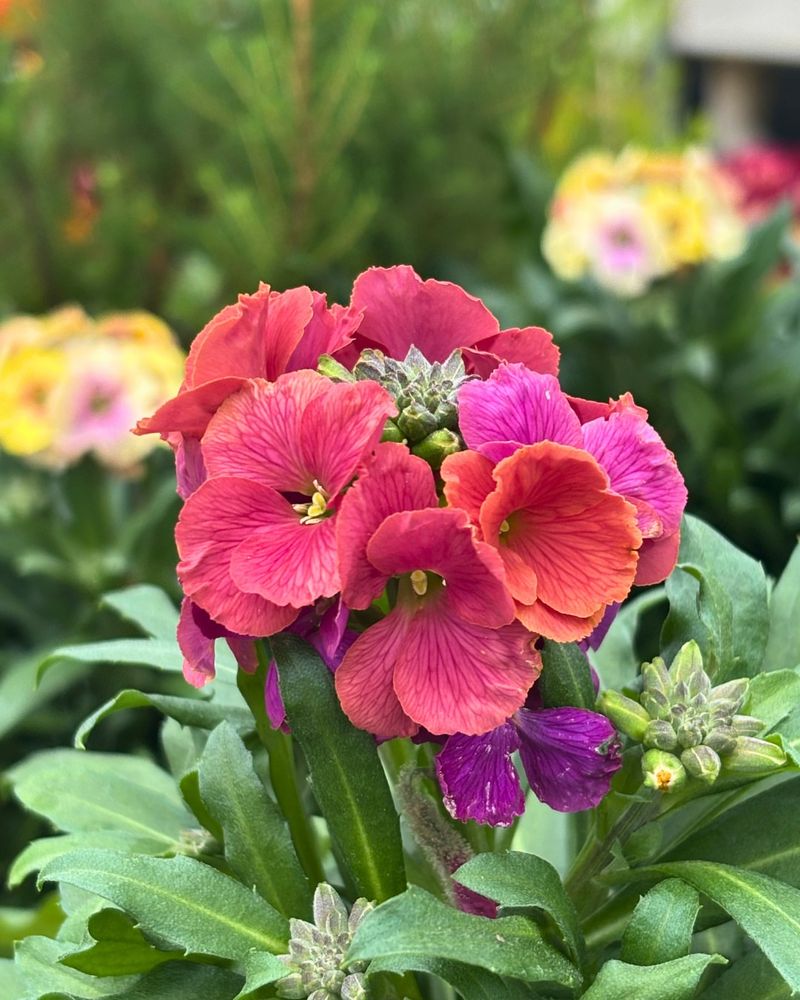
Wallflowers have a name that sounds shy, but these plants are anything but. Bursting with warm shades of orange, yellow, red, and purple, they are one of the most cheerful sights you can plant in an Oregon spring garden.
Their sweet, honey-like fragrance is an added bonus that makes spending time outdoors even more enjoyable.
Native to parts of Europe, wallflowers have been grown in cool-climate gardens for centuries. They are biennials, which means you plant them one year and they bloom the next.
Many gardeners in Oregon plant them in the fall so they are ready to burst into color by late winter or early spring. They handle frost surprisingly well and keep blooming even when temperatures dip low overnight.
Wallflowers prefer full sun and well-drained soil. Avoid planting them in heavy clay or areas that hold standing water after Oregon’s frequent spring rains.
They grow well in borders, raised beds, and even in cracks of stone walls, which is exactly how they got their charming name. Pair them with tulips or daffodils for a classic cottage garden look that will make your yard stand out all season long.
3. Candytuft
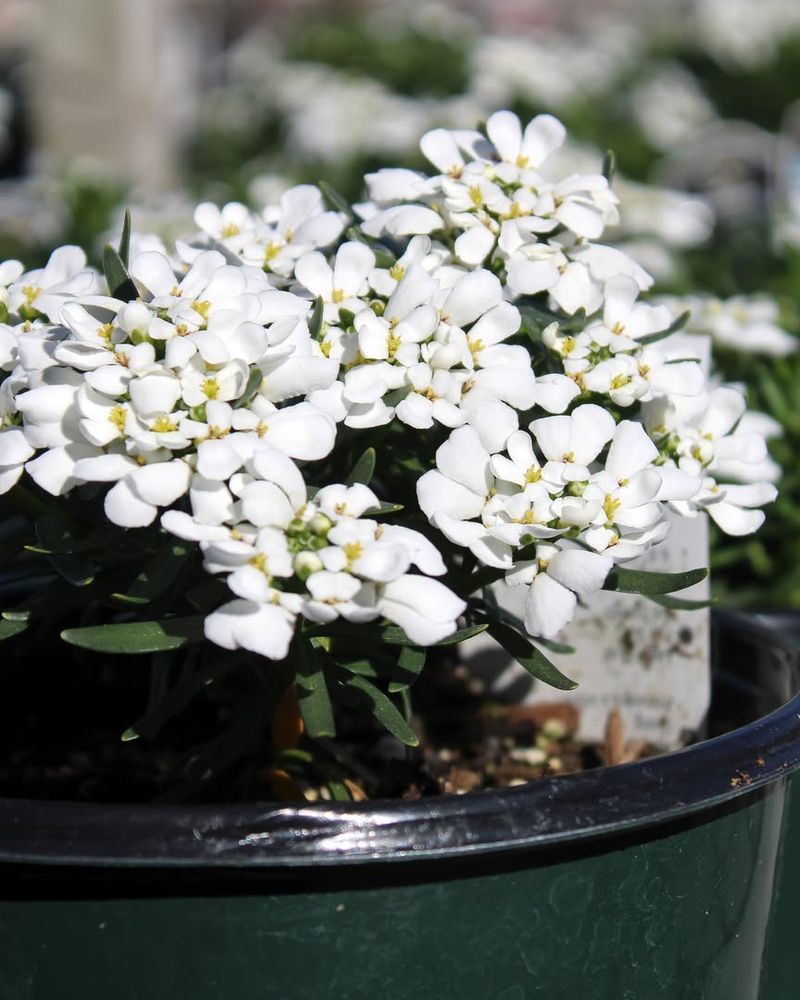
Candytuft is the kind of plant that makes a garden look polished without requiring much effort. Its flat-topped clusters of pure white flowers create a clean, crisp look that stands out beautifully against the fresh green growth of Oregon’s early spring.
Despite its delicate appearance, this plant is surprisingly tough and handles cold temperatures without complaint.
As an evergreen perennial, Candytuft keeps its foliage year-round, which means your garden always has some structure even in the off-season. In early spring, it explodes into bloom, covering itself with so many flowers that the leaves are barely visible.
It works wonderfully as a border edging plant or tucked into rock gardens where it can spill over edges and soften hard lines.
Plant Candytuft in full sun for the best bloom production. It prefers well-drained soil and actually does better with slightly drier conditions, so avoid overwatering, especially during Oregon’s rainy season.
After blooming, give it a light trim to encourage compact, bushy growth for the following year.
Fun fact: the name “Candytuft” comes from Candia, the old name for Crete, where the plant was first discovered.
It’s a low-maintenance beauty that Oregon gardeners absolutely love.
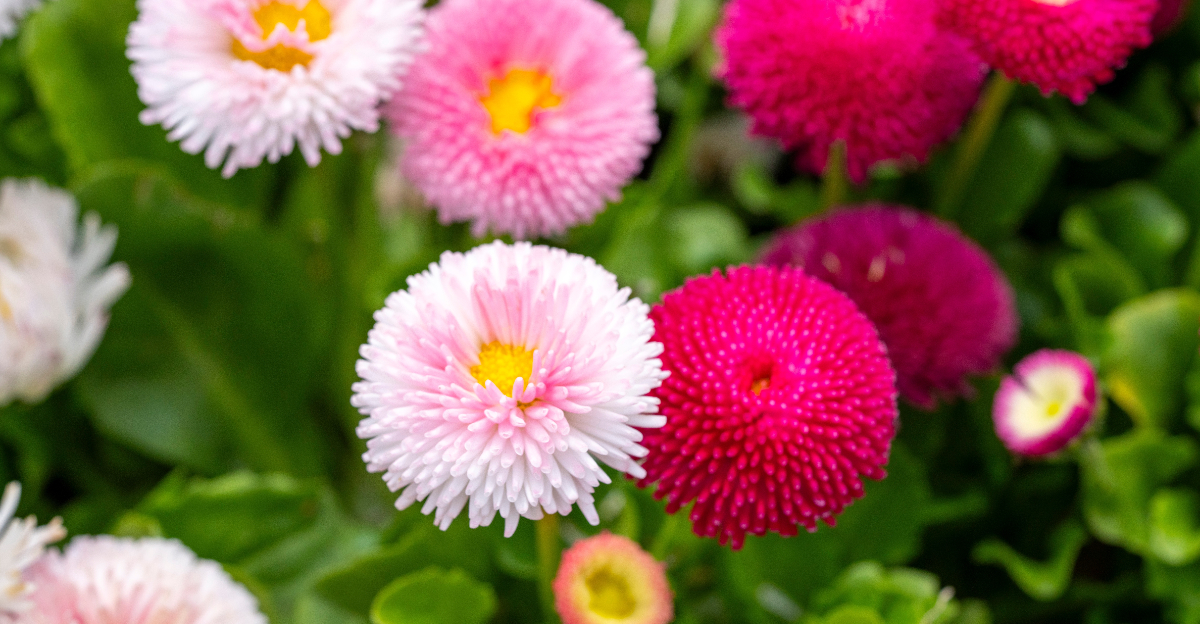
4. English Daisies
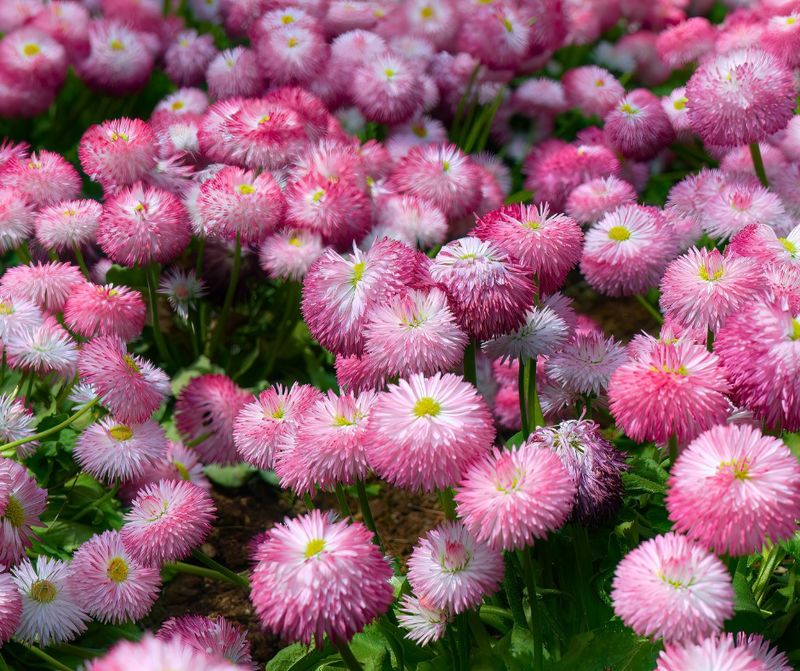
There is something wonderfully nostalgic about English Daisies. Their button-like blooms in shades of white, pink, and red remind many people of childhood meadows and carefree days.
In Oregon, these charming little flowers are among the earliest to appear in spring, often popping up while the weather is still quite chilly and unpredictable.
English Daisies are biennials or short-lived perennials that self-seed freely, meaning once you plant them, they tend to come back on their own year after year.
This makes them a fantastic low-effort choice for Oregon gardeners who want reliable color without replanting every season.
They grow best in cool weather and actually start to struggle when summer heat sets in, so enjoy them while the spring temperatures last.
These plants prefer moist, fertile soil and do well in both full sun and partial shade. They look stunning when planted in masses along pathways or scattered through a cottage-style garden.
In Oregon’s mild coastal areas, they may even bloom from late winter through early summer. Water them regularly during dry spells and remove faded blooms to encourage more flowers.
English Daisies are simple, sweet, and absolutely perfect for the Pacific Northwest’s cool spring climate.
5. Iceland Poppies
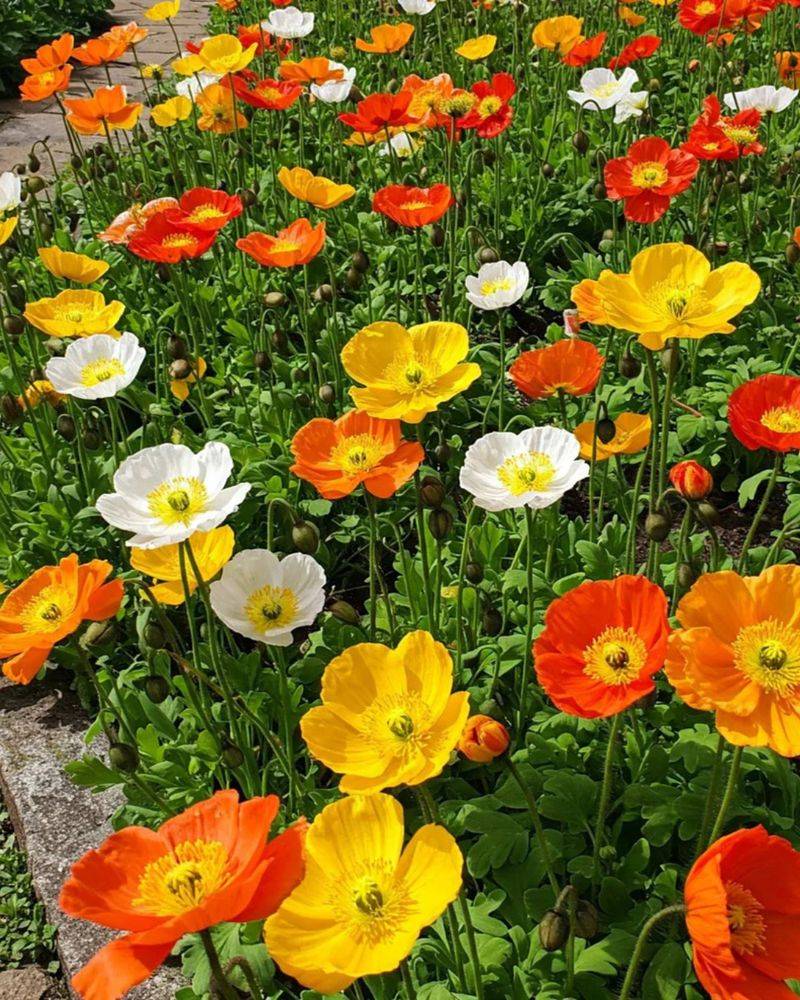
Iceland Poppies look like they belong in a painting. Their papery, tissue-thin petals in shades of orange, yellow, pink, red, and white seem almost too delicate to survive cold weather, but they are actually remarkably tough.
In Oregon, where early spring brings a mix of rain, wind, and occasional frost, Iceland Poppies hold their own beautifully.
These cool-season flowers are at their best when temperatures stay between 50 and 65 degrees Fahrenheit, which makes Oregon’s spring climate practically ideal for them. They prefer full sun and well-drained soil.
If your garden gets a lot of rain, make sure the planting area doesn’t stay waterlogged, as soggy roots can cause problems for these otherwise resilient plants.
Iceland Poppies are best planted from transplants in early fall or late winter in Oregon. They bloom prolifically through spring and start to fade as summer heat arrives.
Cut flowers regularly to encourage more blooms, and they make absolutely gorgeous bouquets for your home. Did you know that despite their name, Iceland Poppies actually come from subarctic regions of Asia and North America?
Their cold-weather origins explain exactly why they perform so well in Oregon’s cool, damp early spring conditions.
6. Calendula
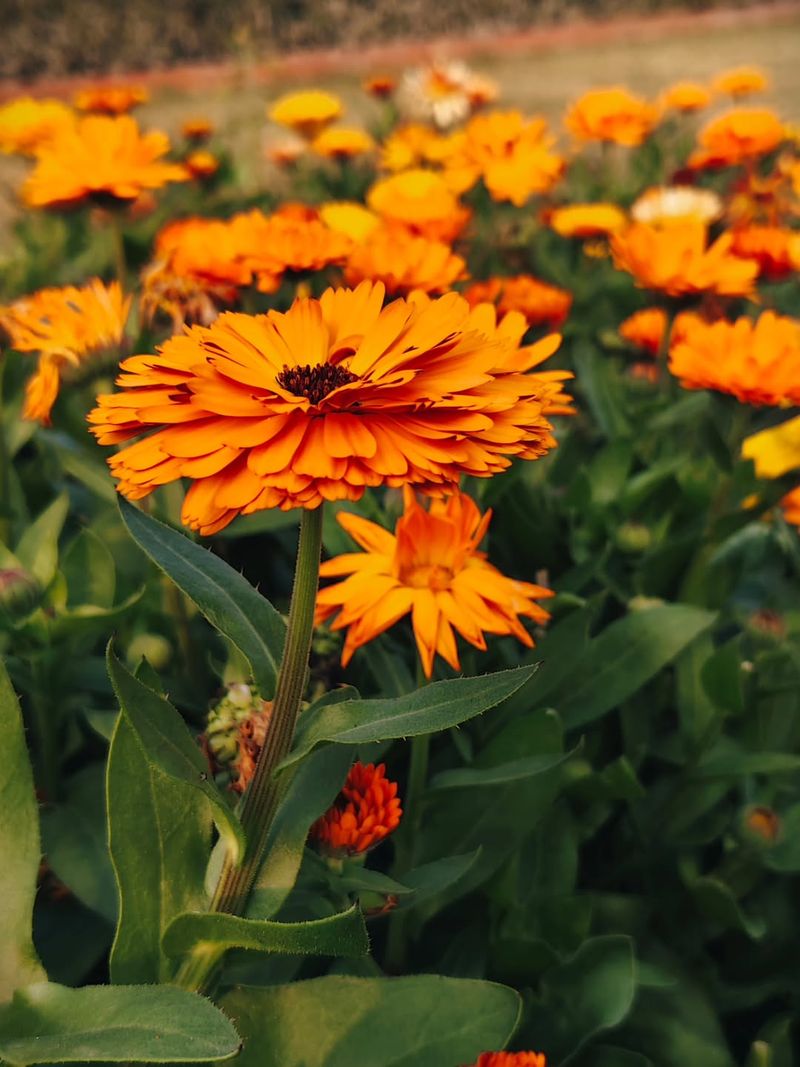
Calendula, also known as Pot Marigold, is one of the most useful and cheerful flowers you can grow in an Oregon spring garden. Its bold orange and yellow blooms light up garden beds like little suns, even on gray and overcast days.
Unlike many flowers that need warm weather to get going, Calendula actually prefers cool temperatures and handles light frost with ease.
This plant has a long history of being both beautiful and practical. Calendula petals are edible and have been used for centuries in cooking, teas, and natural skincare products.
Growing it in your Oregon garden means you get gorgeous color and a plant with real-world uses all in one. It’s a win-win for any home gardener looking to get more out of their space.
Calendula grows quickly from seed and can be direct-sown into garden beds in early spring, even while temperatures are still cool. It thrives in full sun but tolerates partial shade in Oregon’s frequently cloudy spring weather.
Deadhead spent blooms regularly to keep the plant producing flowers all season long. It also attracts pollinators like bees and butterflies, which helps the rest of your garden thrive.
Calendula is tough, beautiful, and endlessly rewarding for Pacific Northwest gardeners.
7. Sweet Peas
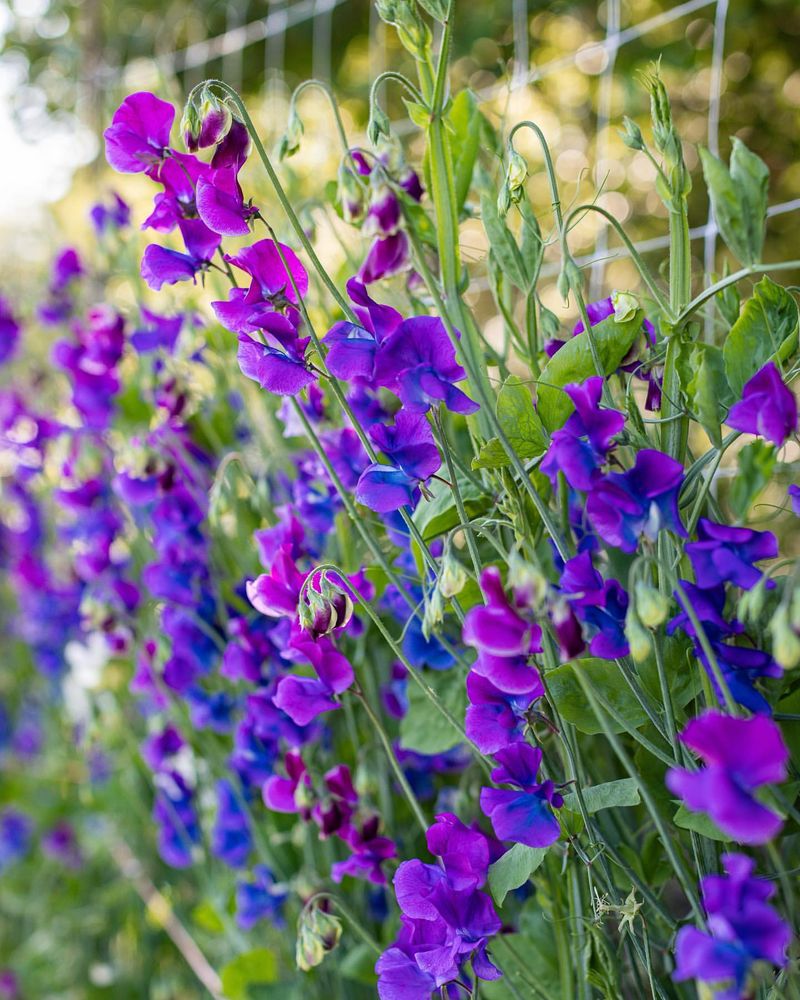
Walking past a trellis covered in these climbing flowers is one of the true joys of spring gardening in Oregon. Their ruffled blooms come in soft shades of pink, lavender, white, red, and bicolor, creating a romantic, cottage-garden look that is hard to beat.
One of the best things about Sweet Peas is that they love cool weather. In Oregon, you can plant them as early as February or March, giving them a head start before warmer weather arrives.
They actually need cool temperatures to germinate and establish properly. If you wait too long and the summer heat sets in, the plants struggle.
Getting them in the ground early is the key to success with Sweet Peas in the Pacific Northwest.
Soak seeds overnight before planting to speed up germination. Sweet Peas need something to climb, so set up a trellis, fence, or wire support before planting.
They prefer full sun and fertile, well-drained soil. Regular watering and consistent deadheading will keep them blooming for weeks.
Sweet Peas also make extraordinary cut flowers with a scent so sweet and fresh that a small vase of them can fill an entire room with fragrance. Oregon gardeners who try them rarely go back.
8. Bleeding Heart
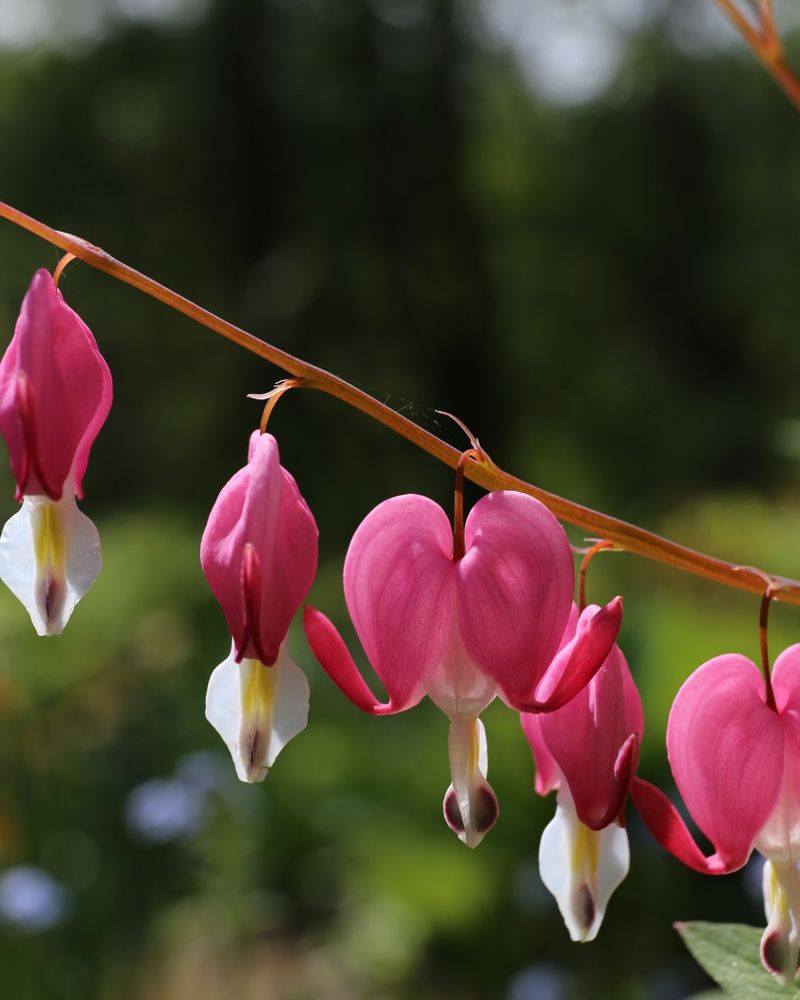
Bleeding Heart is one of those plants that stops people in their tracks. Its arching stems are lined with perfectly heart-shaped flowers in shades of rose-pink and white, dangling like tiny pendants in the breeze.
There is something almost magical about the way this plant looks in a shaded Oregon garden during early spring, especially when surrounded by fresh green foliage.
This plant is a natural fit for Oregon’s cool, moist spring climate. It thrives in partial to full shade, making it ideal for spots under trees or along the north side of buildings where other flowers might struggle.
The soil should be rich, moist, and well-drained. Oregon’s frequent spring rains usually take care of most of the watering needs, which makes Bleeding Heart a low-effort, high-reward plant for busy gardeners.
Bleeding Heart is a perennial, so it comes back year after year, growing larger and more impressive each season. The foliage begins to fade naturally as summer arrives, so pair it with hostas or ferns that will fill in the space as the season progresses.
It’s also a favorite of hummingbirds and early-season pollinators. Few plants offer the same combination of elegance, ease, and charm that Bleeding Heart brings to an Oregon spring garden.
9. Primroses
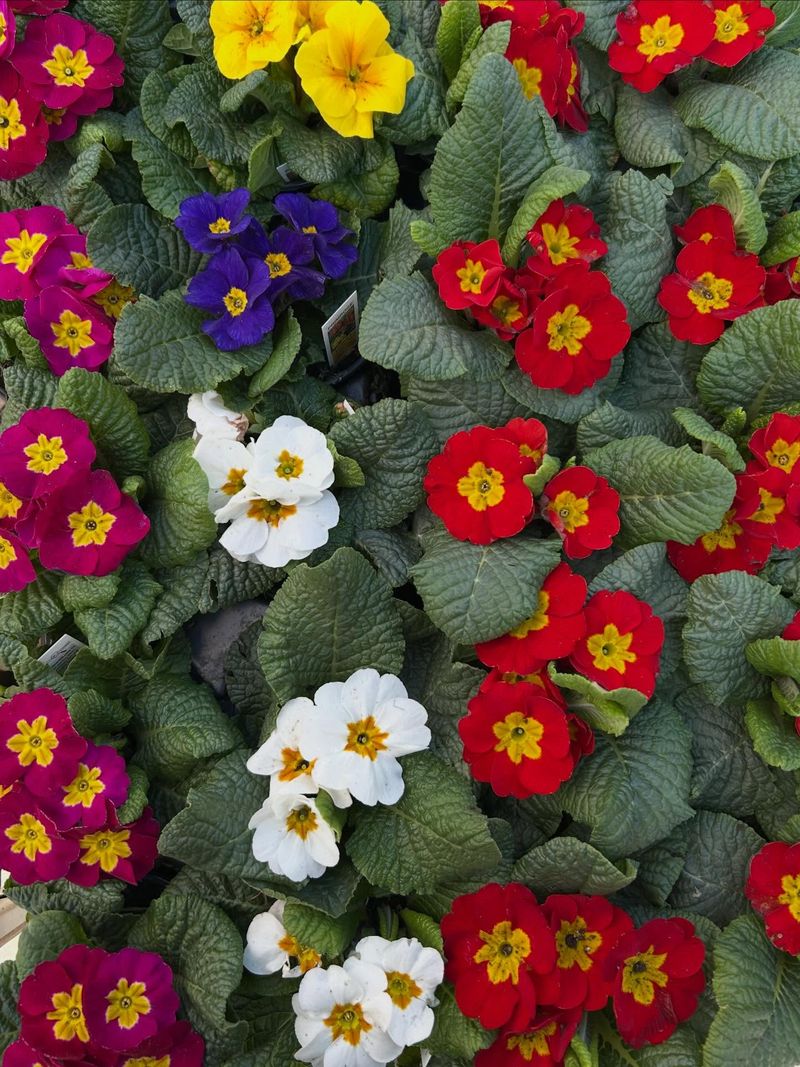
If there is one flower that truly captures the spirit of Oregon’s early spring, it might just be the Primrose. These cheerful, low-growing plants burst into bloom in a rainbow of colors including yellow, pink, purple, red, and white.
They show up right when the garden needs them most, adding bold, happy color during the coolest and cloudiest weeks of the season.
Primroses are perfectly suited to Oregon’s wet, cool spring conditions. They love moisture and partial shade, which makes them ideal for planting under trees, along shaded walkways, or in containers on a covered porch.
Unlike many flowers that sulk in the rain, Primroses seem to get even more vibrant after a good Oregon downpour. Their thick, textured leaves hold up well in cold and wet weather.
Plant Primroses in rich, well-drained soil and water them consistently during dry spells. They are available at most Oregon nurseries starting in late winter and are one of the most affordable ways to add instant color to your garden.
As perennials, they return each spring and slowly spread into larger clumps over time. Pair them with Bleeding Hearts or ferns for a lush, layered shade garden look that feels right at home in the beautiful Pacific Northwest.