These Common Garden Pests Show Up In Michigan Yards Every Year
Every year in Michigan, the same tiny troublemakers make their return. One week your plants look great, the next you notice curled leaves, chewed edges, and slow growth that seems to come out of nowhere.
It can feel frustrating, especially when you put so much effort into planting and watering. The tricky part is that many of these pests are predictable.
They follow seasonal patterns, weather changes, and plant growth stages. Once you know what usually shows up and when, you can spot problems early instead of reacting after damage is done.
That means less stress, fewer lost plants, and more time actually enjoying your garden. You do not need complicated sprays or constant monitoring either. A little awareness goes a long way.
If you want to stay one step ahead of the usual garden invaders this season, this is where it starts.
1. Japanese Beetle
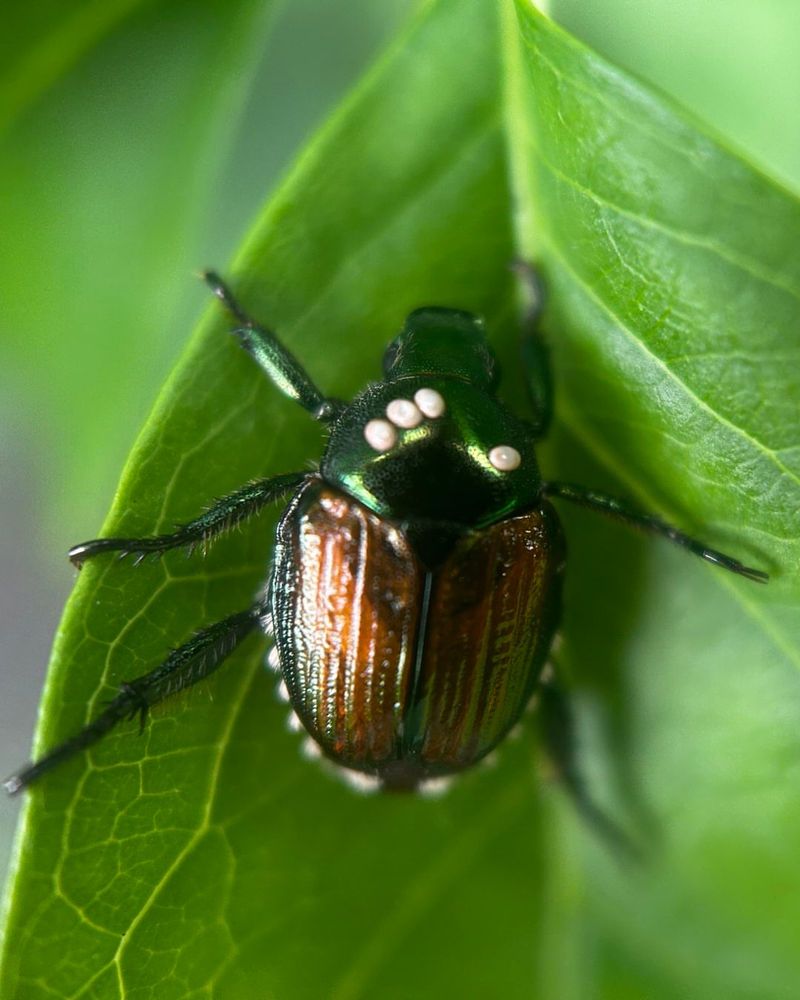
Metallic green bodies shimmer in the summer sun as these destructive visitors feast on your favorite plants. Japanese beetles arrive in Michigan gardens every June and July with an appetite that seems endless.
Their preference for roses makes them particularly frustrating for flower enthusiasts across the state.
Adult beetles create a distinctive skeleton pattern on leaves by eating tissue between veins. They gather in groups, which attracts even more beetles to your plants. Grapes, beans, and ornamental shrubs also fall victim to their voracious feeding habits.
Underground, their larvae present a different challenge for Michigan homeowners everywhere. White grubs feed on grass roots throughout fall and spring seasons. Lawns develop brown patches that peel back like carpet when infested heavily.
Hand-picking works well early in the morning when beetles move slowly. Drop them into soapy water rather than crushing them on plants. Row covers protect vulnerable vegetables before beetle season peaks in your area.
Beneficial nematodes applied to lawns in late summer target the grub stage effectively. Milky spore disease offers long-term control but takes several years to establish. Companion planting with garlic and chives may help deter these persistent pests naturally.
2. Aphids
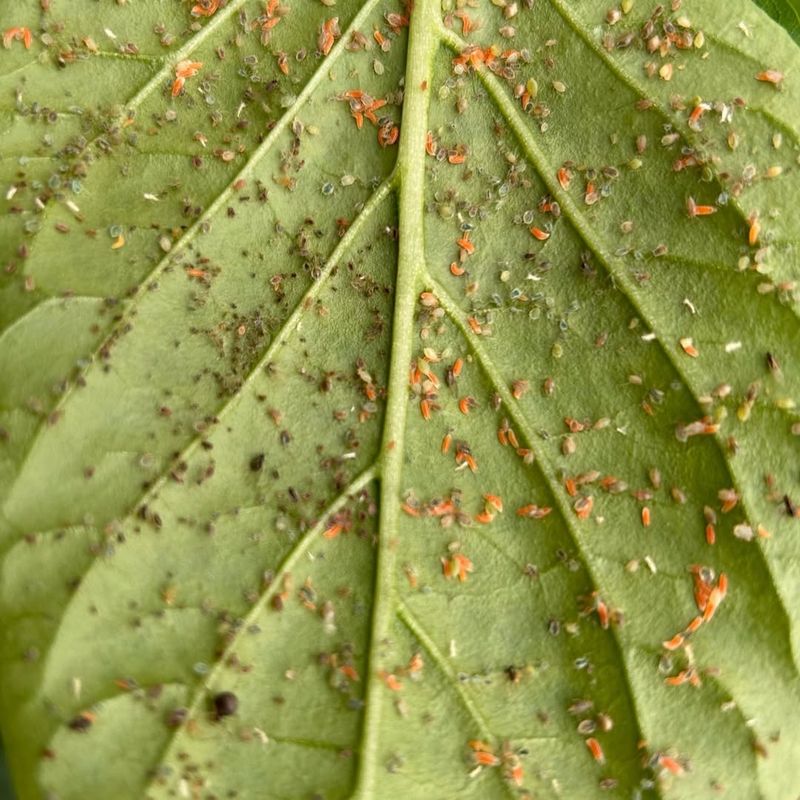
Tiny but mighty troublemakers, aphids multiply faster than almost any other garden pest. These soft-bodied insects barely measure an eighth of an inch long. Yet colonies can explode to thousands within just a few weeks time.
Sap-sucking behavior weakens plants and causes leaves to curl, yellow, or become distorted.
Michigan gardeners find them on roses, tomatoes, peppers, and countless ornamental plants. Sticky honeydew secretions coat leaves below, encouraging black sooty mold growth that looks terrible.
Several colors appear depending on the species, including green, black, yellow, and pink. Winged forms develop when colonies become overcrowded, spreading infestations to neighboring plants.
They reproduce without mating, which explains their explosive population growth during warm weather.
A strong spray from your garden hose dislodges many aphids quite effectively. Ladybugs, lacewings, and parasitic wasps provide excellent natural control throughout the season.
Reflective mulches confuse aphids and reduce their ability to locate host plants successfully. Insecticidal soap works well when applied directly to visible colonies on plants.
Avoid broad-spectrum pesticides that harm beneficial insects that keep aphid populations in check. Regular monitoring helps you catch infestations before they spiral out of control completely.
3. Slugs And Snails
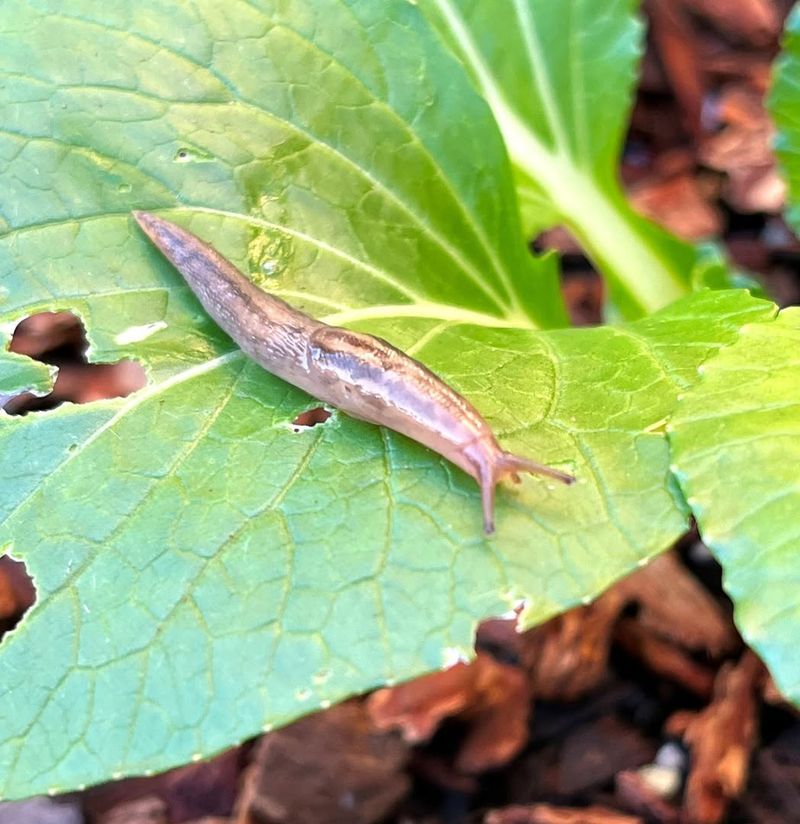
Silvery trails across your hostas tell the story of nighttime raids. Slugs and snails emerge after dark to feast on tender seedlings and leafy greens. Michigan’s humid summers create perfect conditions for these moisture-loving mollusks to thrive abundantly.
Irregular holes appear in leaves, often with smooth edges rather than jagged tears. Seedlings may disappear entirely overnight, leaving only stems behind in frustration.
Shaded areas with mulch or ground covers harbor large populations throughout the growing season. Snails carry shells while slugs remain shell-free, but both cause identical damage patterns.
They rasp plant tissue with thousands of tiny teeth on a tongue-like organ. Strawberries and tomatoes touching the ground become favorite targets as they ripen nicely.
Beer traps sunken into soil attract and drown these pests quite effectively overnight. Copper tape around raised beds creates a barrier they refuse to cross. Diatomaceous earth scratches their soft bodies, but reapplication is necessary after every rain.
Hand-picking after dark with a flashlight removes many slugs and snails quickly. Encourage ground beetles and toads, which are natural predators that patrol gardens nightly. Reducing mulch depth and improving drainage makes your garden less hospitable to them.
4. Cutworms
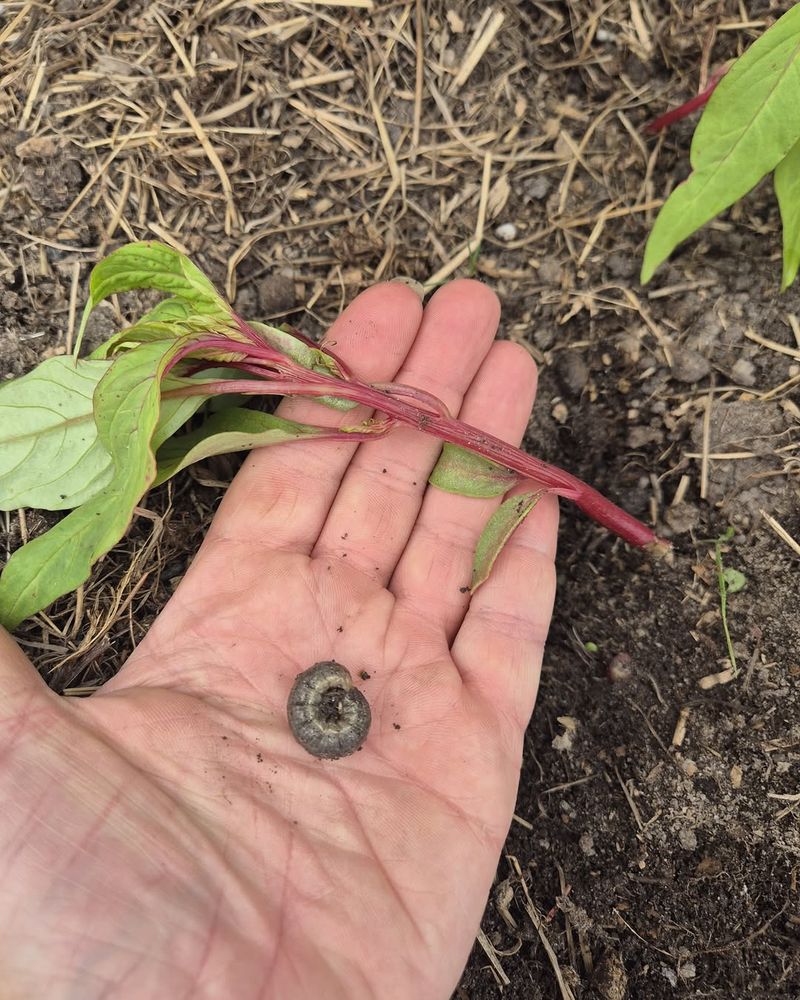
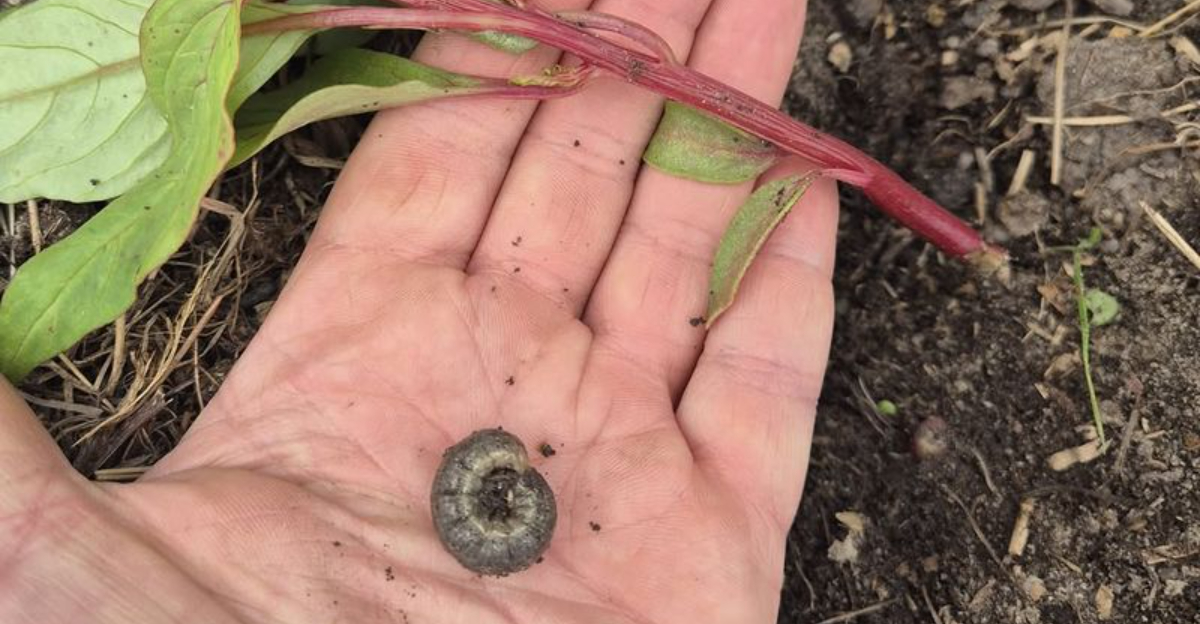
Healthy seedlings topple overnight with stems cut cleanly at ground level. Cutworms strike during spring when Michigan gardeners are most excited about new plantings. These nocturnal caterpillars hide in soil during daylight hours, making them difficult to spot.
Gray or brown coloring helps them blend perfectly with garden soil and debris. They curl into a tight C-shape when disturbed or threatened by predators. Tomatoes, peppers, and beans suffer the most damage during vulnerable seedling stages.
A single cutworm can destroy multiple plants in one night of feeding activity. They chew through stems just above or below the soil surface. Some species also climb plants to feed on leaves and developing buds higher up.
Cardboard collars around seedling stems prevent cutworms from reaching vulnerable plant tissue.
Push collars an inch into soil and extend three inches above ground level. Crushed eggshells scattered around plants create a rough barrier they avoid crossing naturally.
Tilling soil in fall exposes overwintering larvae to predators and harsh weather conditions. Beneficial nematodes applied to garden beds target cutworms living in the soil effectively. Remove plant debris and weeds where adult moths lay eggs during late summer months.
5. Spider Mites
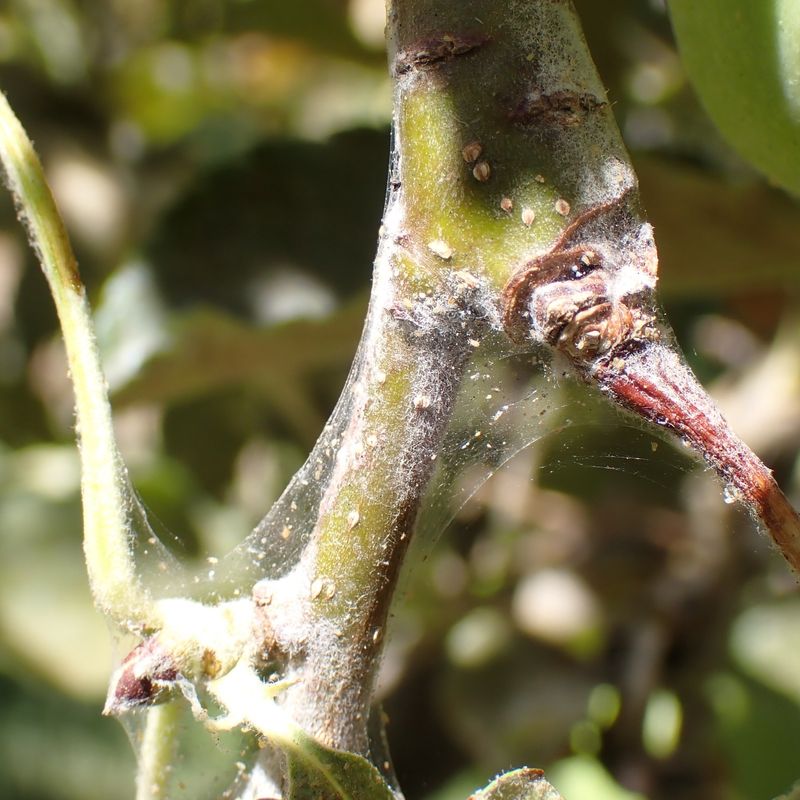
Nearly invisible to the naked eye, spider mites cause damage far beyond their size. Hot, dry Michigan summers create ideal conditions for populations to explode on stressed plants. You might not notice them until yellow stippling appears on leaf surfaces.
These eight-legged arachnids are relatives of spiders rather than true insects surprisingly. Fine webbing on leaf undersides signals a heavy infestation requiring immediate attention.
Leaves may bronze, curl, or drop prematurely when populations reach damaging levels quickly. Beans, tomatoes, and ornamental evergreens are particularly susceptible to spider mite attacks.
They pierce plant cells to feed on contents, causing stippled or speckled appearance. Populations can complete a generation in just one week during warm weather conditions.
Regular watering reduces plant stress and makes conditions less favorable for mite reproduction. Overhead watering dislodges mites and increases humidity, which they dislike intensely throughout summer.
Predatory mites provide biological control without harming plants or beneficial insects at all. Insecticidal soap or horticultural oil sprays smother mites when applied thoroughly to leaf undersides.
Avoid using broad-spectrum insecticides that eliminate natural predators keeping mite populations balanced. Inspect plants regularly, especially during hot, dry periods when mites multiply fastest naturally.
6. Tomato Hornworm
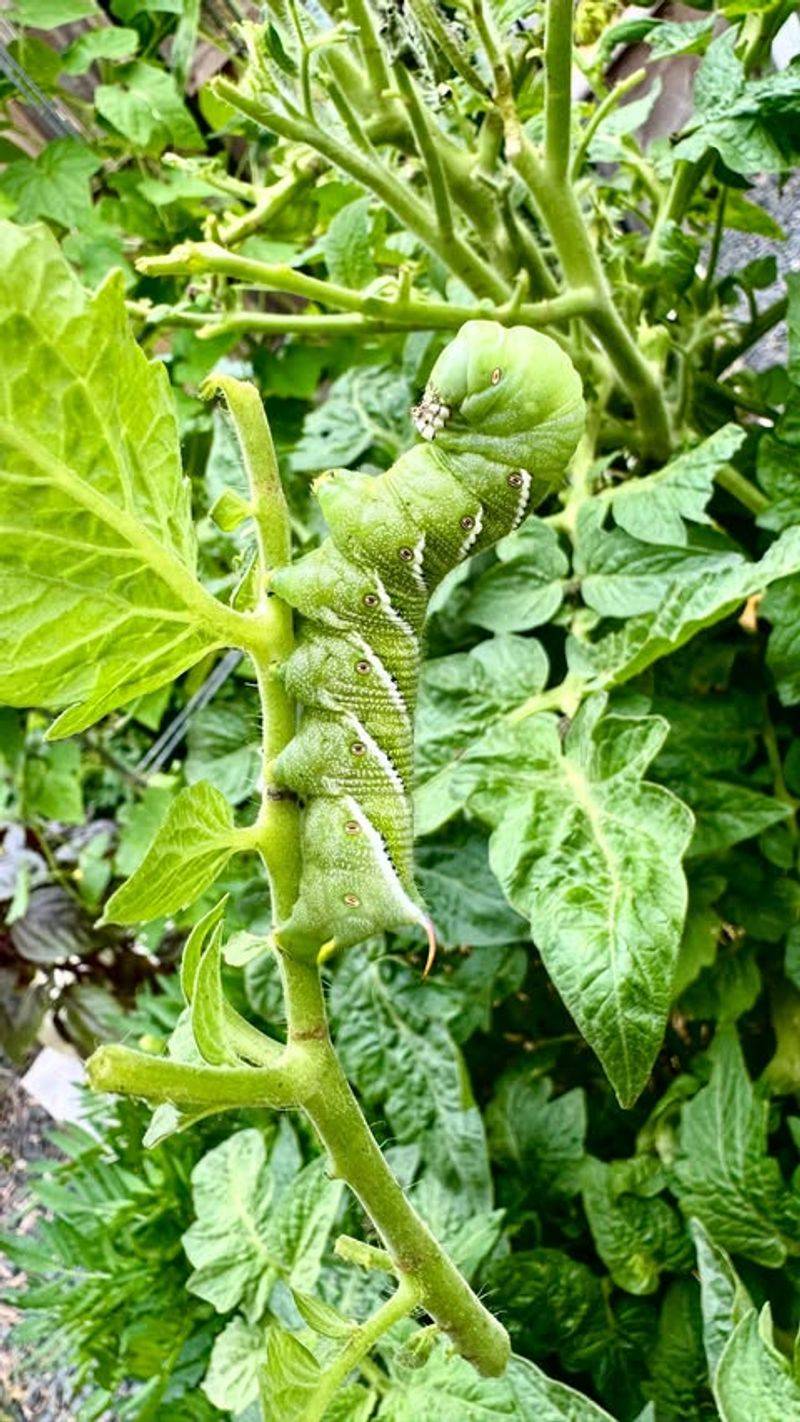
Stripped tomato plants reveal the work of one of Michigan’s most impressive caterpillars. Tomato hornworms can grow as long as your finger and consume enormous amounts.
Their green coloring provides excellent camouflage among tomato foliage, making detection challenging initially.
White diagonal stripes mark their sides, and a distinctive horn projects from the rear. Despite their intimidating appearance, they pose no threat to humans whatsoever. Peppers and eggplants also attract these hungry caterpillars throughout mid to late summer.
A single hornworm can defoliate large sections of a tomato plant quickly. Dark green droppings on leaves below often reveal their presence before you spot them. They prefer upper leaves and new growth where foliage is most tender and nutritious.
Hand-picking remains the most effective control method for backyard gardeners with small plantings.
Check plants thoroughly in early morning or late evening when they’re most active. Look for white cocoons on hornworms, which indicate beneficial parasitic wasps are already helping.
Bacillus thuringiensis (Bt) spray targets caterpillars without harming other beneficial insects in your garden.
Companion planting with basil and marigolds may help repel adult moths from laying eggs. Rotating crop locations each year reduces overwintering pupae in the soil beneath plants.
7. Cabbage Loopers
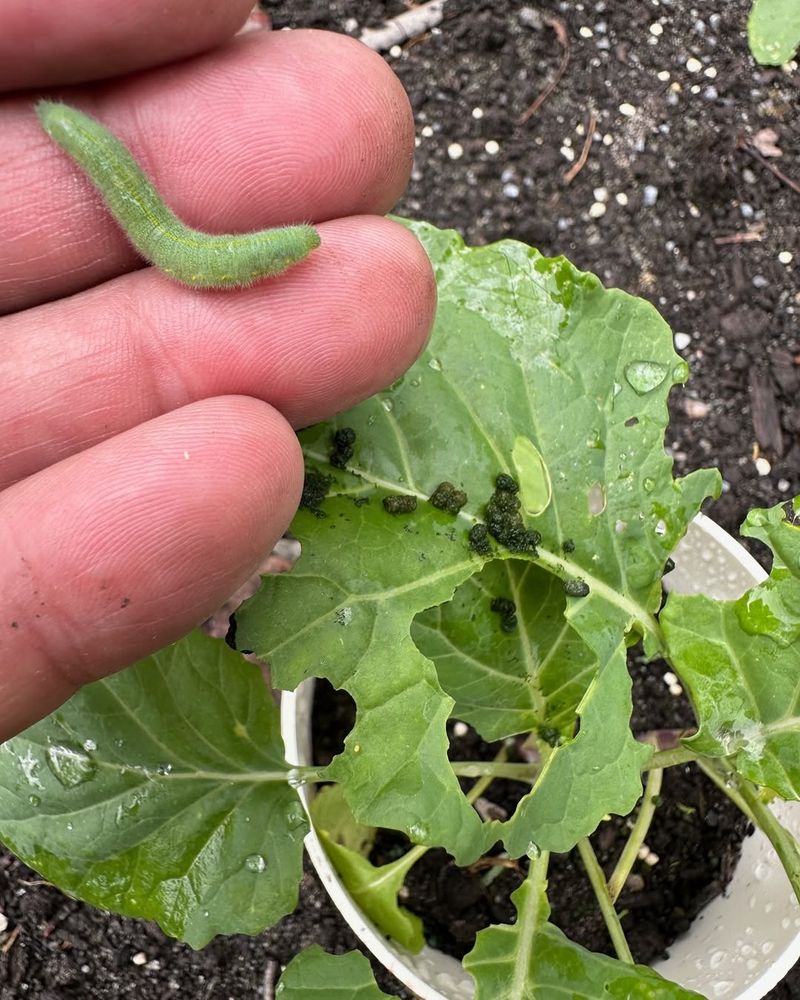
Looping their way across brassica crops, these caterpillars earn their name honestly. Cabbage loopers move with a distinctive arching motion because they lack middle legs. Light green bodies help them blend seamlessly with cabbage, kale, and broccoli leaves.
White lines run along each side of their bodies from head to tail. They chew irregular holes in leaves, often starting from the center outward. Michigan gardens see activity from late spring through fall as multiple generations develop.
Adult moths are brownish-gray with silvery spots on their forewings during evening hours. They lay eggs singly on leaf undersides, which hatch within several days. Young larvae feed on leaf undersides initially before moving to more visible locations.
Row covers installed before moths appear prevent egg-laying on vulnerable plants entirely. Remove covers when plants need pollination or when temperatures become too warm underneath.
Handpicking small populations works well when you inspect plants every few days consistently. Bacillus thuringiensis provides organic control that specifically targets caterpillars without affecting other insects.
Spray in early evening when caterpillars are actively feeding on plant tissue. Encourage beneficial wasps and predatory beetles that naturally control looper populations in garden ecosystems.
8. Whiteflies
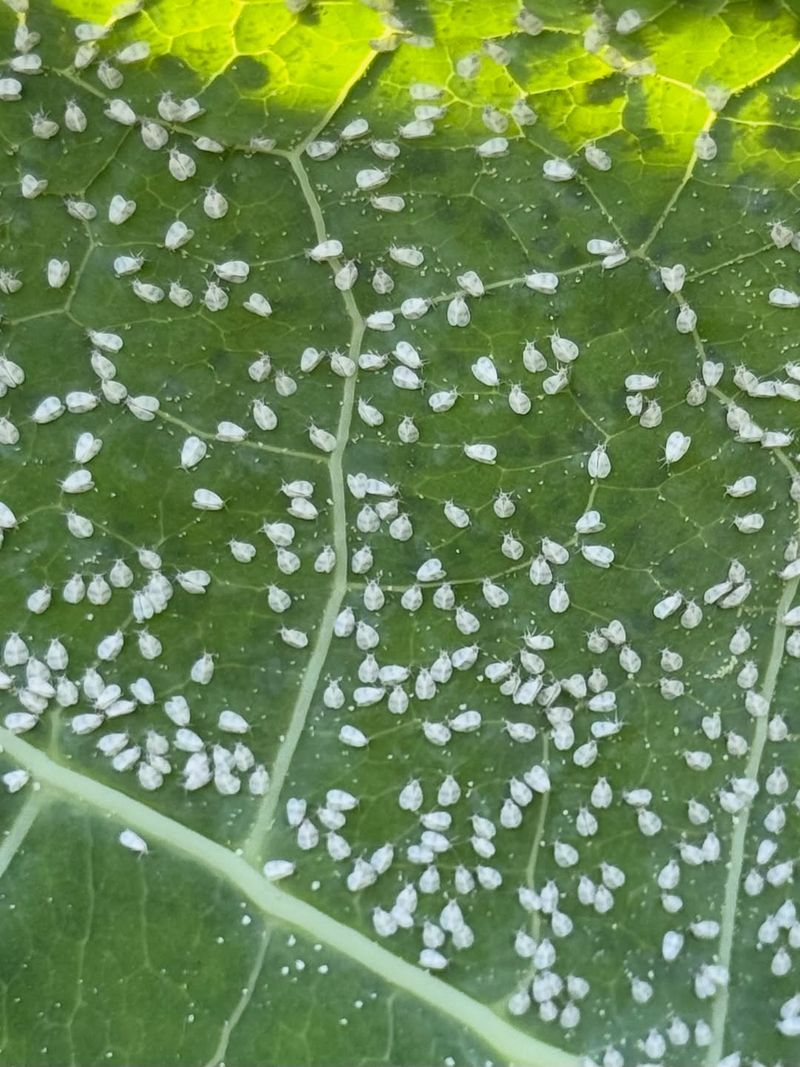
A cloud of tiny white insects erupts when you brush against infested plants. Whiteflies congregate on leaf undersides, sucking sap and weakening plants throughout the season.
Michigan greenhouses and outdoor gardens both experience problems with these persistent pests annually.
Adults resemble miniature moths covered in white, waxy powder that protects them. Immature stages look like translucent scales attached firmly to leaf undersides. Both adults and nymphs excrete sticky honeydew that coats lower leaves attractively.
Black sooty mold grows on honeydew, reducing photosynthesis and making plants look dirty. Tomatoes, peppers, and ornamental plants suffer from whitefly feeding and virus transmission. Leaves may yellow, wilt, or drop when infestations become severe over time.
Yellow sticky traps hung near plants capture adult whiteflies and help monitor populations. Vacuum adults off leaves in early morning when they’re less active and mobile.
Strong water sprays dislodge nymphs and adults, reducing populations without using chemicals at all. Insecticidal soap or neem oil sprays require thorough coverage of leaf undersides where whiteflies hide.
Repeat applications every few days to target newly hatched nymphs effectively throughout summer. Encourage lacewings and ladybugs, which feed on whitefly eggs and immature stages naturally.
9. Apple Maggot
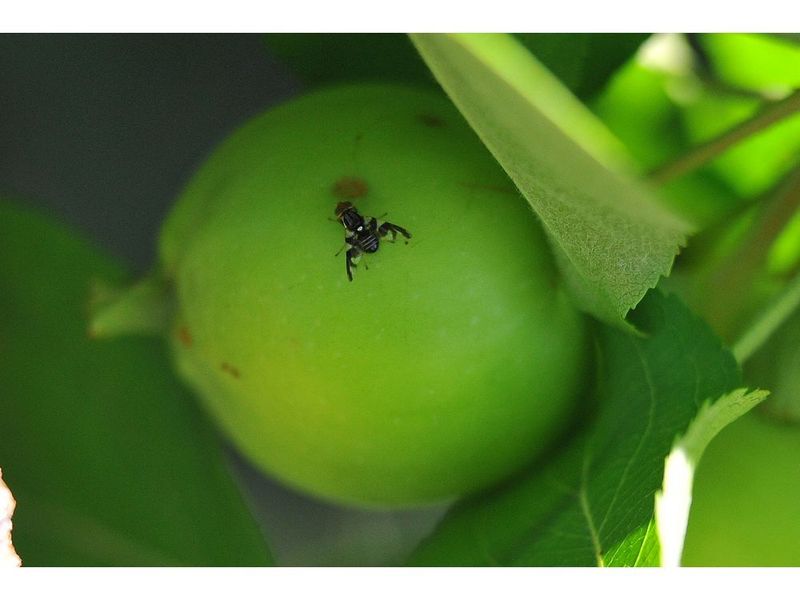
Dimpled, damaged apples signal the presence of Michigan’s most troublesome fruit pest. Apple maggots tunnel through fruit, creating brown, winding trails throughout the flesh. The adult flies appear in summer, sporting distinctive black and white banded wings.
Females lay eggs just beneath the skin of developing apples and crabapples. Larvae hatch and burrow through fruit, making it unmarketable and unappetizing quickly. Early-season varieties often escape damage while late-season apples suffer the most impact.
Infested fruit develops soft, brown spots that eventually cause complete rotting and deterioration.
Maggots complete development inside fruit, then drop to soil to pupate underground. They emerge as adults the following summer, continuing the cycle in your orchard.
Red sphere traps coated with sticky material attract and capture adult flies effectively. Hang traps in late June before flies emerge from soil beneath trees. One trap per dwarf tree or several per standard-sized tree provides good monitoring.
Picking up and disposing of dropped fruit removes developing maggots from your orchard. Bagging individual fruits with paper or fabric bags protects them from egg-laying flies.
Kaolin clay sprays create a particle barrier that deters flies from landing on fruit surfaces completely.